In-Home ABA therapy Services


What is at-home ABA therapy?
Home. Where real life happens. ABA therapy at home brings personalized support into the place where the spills, tantrums, crying and behaviors actually take place. We bring the help your child needs directly into your home, enabling and empowering you and your child to effectively navigate the most important thing, everyday life.
At-home therapy doesn't need to simulate the environment where your child gets triggered or where behaviors happen, because we operate in that environment.




How in-home ABA therapy works
1
Reach Out
You (parent or caregiver) reaches out to AtlasCare ABA

Client Intake
We will help you gather the necessary documents, check your insurance coverage, and the BCBA will reach out to schedule the initial assessment.
2

Treatment Plan
A qualified BCBA, working closely with the child’s parents or guardians, will create a plan on how to best help the child. This may involve identifying triggers, creating a routine, and setting goals.
3

Therapy Begins
A qualified behavior technician (BT) matched to your child’s and family's needs, will come at the designated time and implement your child's treatment plan.
4

5
Supervision
The BCBA provides ongoing training and support to the BT, ensuring the technician is empowered to give your child the best care.

Parent Training
The BCBA provides monthly training for parents, so they can keep track of their child's progress and incorporate what the child is learning into everyday routines.
6

What an in-home ABA session looks like
With in-home ABA therapy, a qualified behavior technician will come to your home to work with your child at a time when your child can benefit most. That may be during breakfast, the morning routine, after school, during dinner, or bedtime, or over weekends.
A session might include getting ready for school, doing homework together, arts and crafts, playing sports, or helping prepare dinner. The session may include a parent, caregiver, pet, sibling or neighbor.

The behavior technician works with your child towards reaching the goals set by you and the child's BCBA. The natural, home setting allows the behavior technician to become a regular part of the child's routine.
Parents or guardians may be active session participants, or they may just be watching from another room. When the child isn’t receiving therapy, by having observed or participated in therapy, parents or caregivers can help the child keep up the progress made during sessions.
Benefits of at-home ABA therapy
Comfort Zone
With at-home ABA therapy, your child can make progress in the environment he or she feels most comfortable in, without the typical adjustments that come with entering a new environment.
Real-life Skill Development
Behavior technicians can work on skills during everyday routines, such as getting dressed, eating, brushing teeth, or getting ready for school.
Parent Involvement
When relevant, parents or caregivers can participate in sessions, giving them strategies to support their child’s progress throughout the day.
Natural Social Opportunities
Children can include their natural social environment in sessions, such as siblings, neighbors, pets, allowing them to practice skills with the real people they interact with on a daily basis.
Convenience
With in-home ABA therapy, there's no need to travel so your child can get the help he or she needs. The behavior technician will conveniently come to your home, so you don’t have to be busy carpooling or traveling for care.
In-home ABA therapy locations
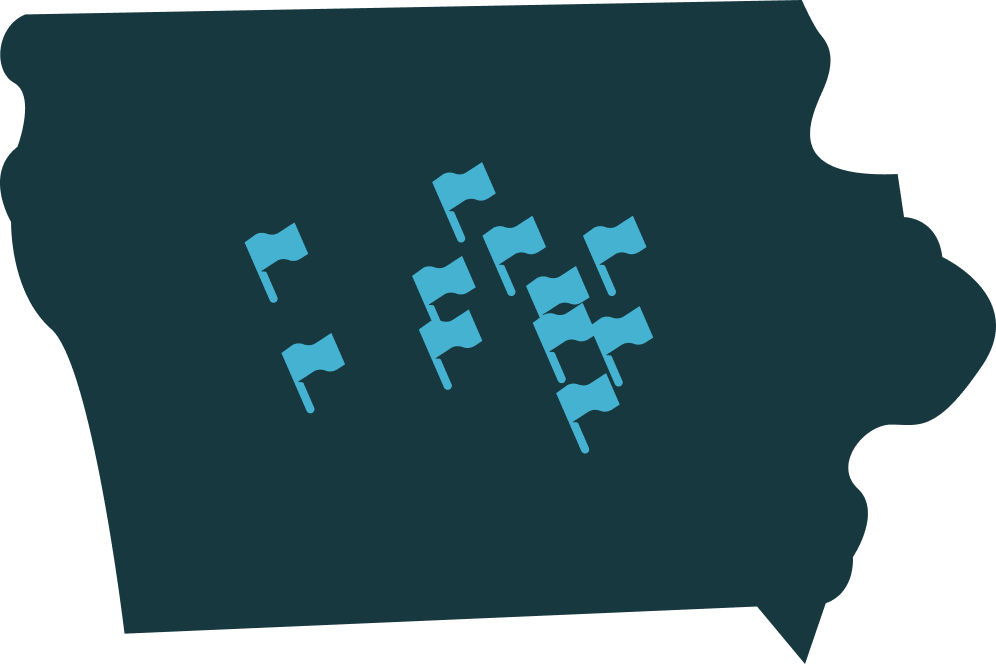
AtlasCare ABA is proud to provide in-home ABA therapy in Iowa and New Mexico.

Get started with in-home ABA therapy
Ready to explore in-home ABA therapy? Contact AtlasCare ABA today to get started.
Get the support you and your child need for all of life's adventures. Our expert team empowers both you and your child to navigate life's path with confidence.


FAQs about at-home therapy
How many hours a week of at-home ABA therapy can my child receive?
Most children with an ASD diagnosis are eligible for 15-30 hours a week of therapy.
Can my child receive at-home ABA therapy on weekends?
Yes. Many behavior technicians will work on weekends, allowing your child to get care 7 days a week.
How long are in-home ABA therapy sessions?
Session length depends on the total number of weekly therapy hours your child receives, his or her education schedule, and how many hours per day the child receives services. AtlasCare ABA will work with you to determine what the right length session is for your child.
How often does in-home ABA therapy take place?
Sessions can take place one to seven days a week, depending on your child’s eligibility and needs. AtlasCare ABA will work with you to create a schedule that works best for you, your child, and your family.
Can my child receive both at home and in school/daycare ABA therapy?
Does a parent or caregiver need to be present during at-home ABA therapy sessions?
Yes. Legally, either a parent/guardian or a trusted adult age 18 or older needs to be present while a child receives ABA therapy.
What ages can receive in-home ABA therapy?
Children aged 1.5-21 that are eligible for ABA therapy are typically eligible for in-home therapy.
Does insurance cover in-home ABA therapy?
Yes, Medicaid and most major insurances cover ABA therapy at home. AtlasCare ABA will verify your benefits and explain any out of pocket costs that you may have.
How do I know if at-home ABA therapy is right for my child?
An experienced guide from AtlasCare ABA can speak to you about your child's needs and help you determine if at-home ABA therapy is the right fit for your child.
How soon can I get started with at-home ABA therapy for my child?
10 days to two weeks. From the initial phone call you make, until your child is set up to begin services generally takes 10 days to two weeks.

Explore our other services

Daycare-Based ABA Therapy
Daycare is a place where children learn, play, and build important social skills. Our daycare-based ABA therapy provides personalized support within your child's daily routine, helping them communicate, participate in group activities, and interact confidently with peers. By partnering closely with daycare staff, we create consistent strategies that encourage meaningful progress throughout the day.

School-Based ABA Therapy
We work directly in the school environment, helping your child participate fully in activities and thrive alongside their peers. Through collaboration with teachers and school staff, we help create a supportive environment so your child has the tools they need to succeed academically and socially.

Parent and Caregiver Training
You play an important role in supporting a child’s growth, and you deserve the confidence to support their journey. Through one-on-one sessions with our BCBAs, parents and caregivers gain practical tools and strategies to support the child’s growth and navigate daily challenges with clarity and calm.