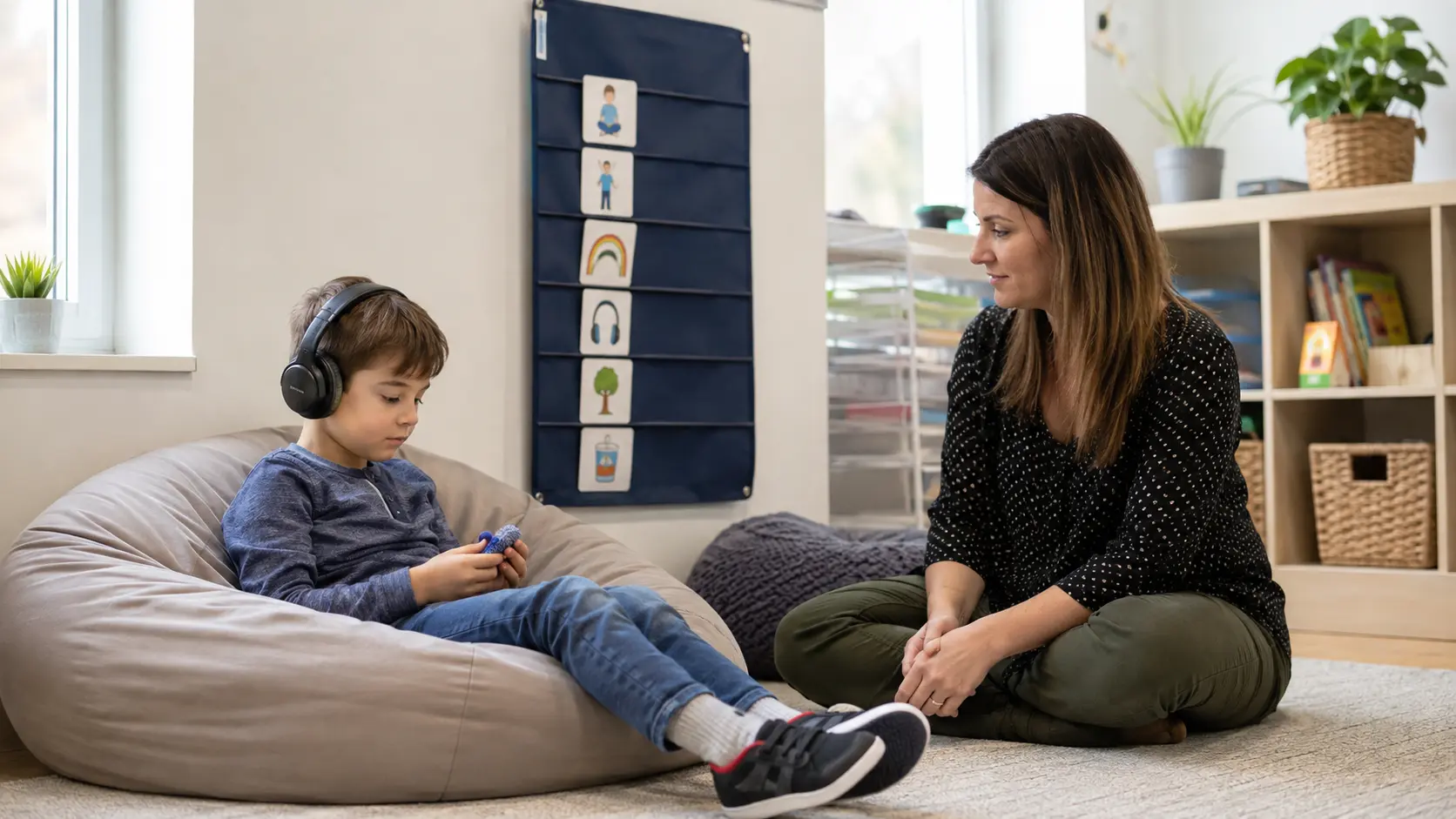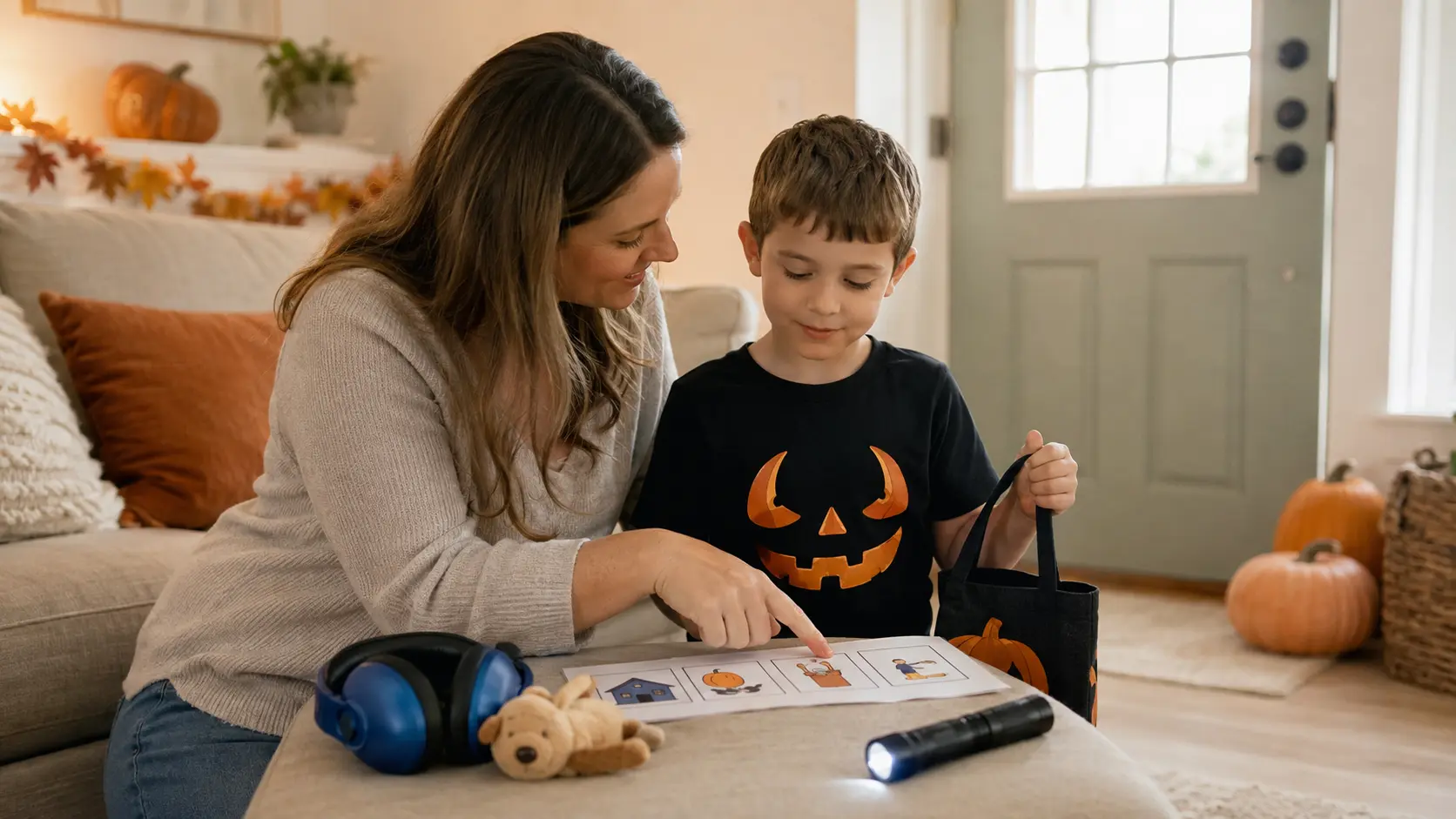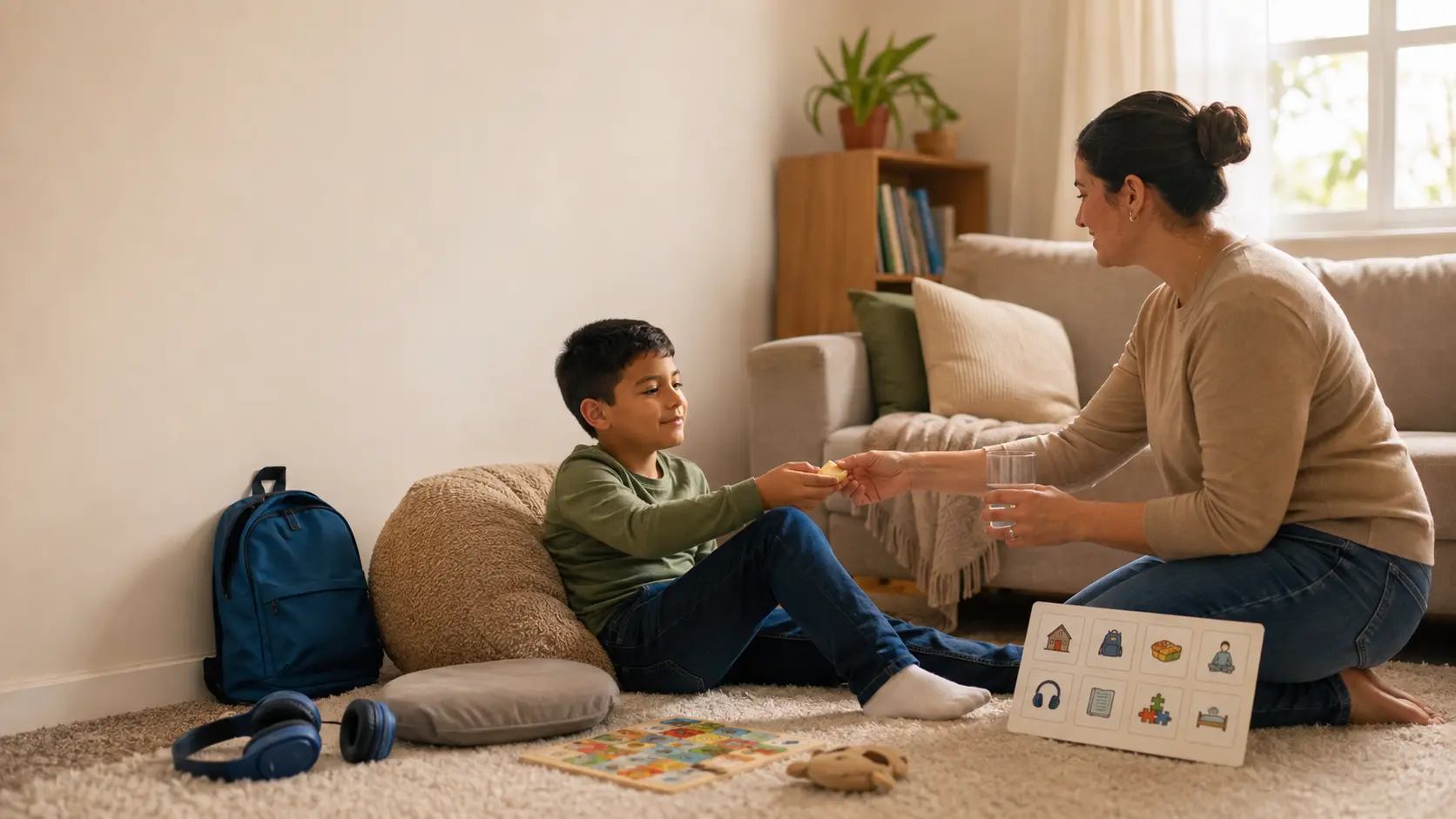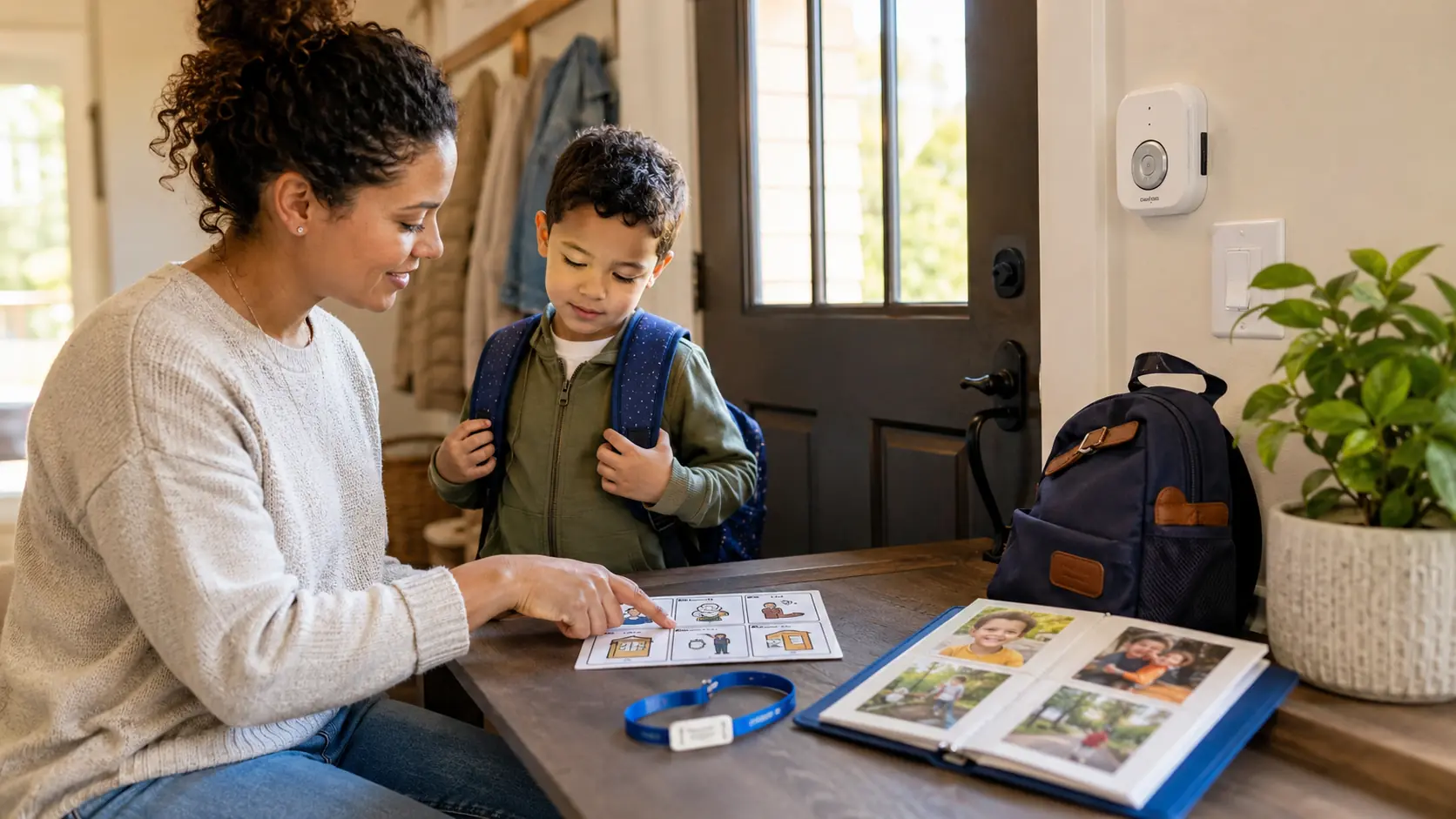
Families may notice very different reactions to animals. One child may be excited to see a dog, another may prefer watching fish from a distance, while another may feel uncomfortable around unexpected animal contact. There is no single way an autistic child relates to pets.
Bringing an animal home is also a long-term family responsibility, not an autism intervention. The key question is whether the pet is a good fit for the child, the household, and the animal itself — including daily care, supervision, routines, and long-term commitment.
Start With the Child's Preferences and the Animal's Needs
A good starting point is simple: does your child actually enjoy being around animals? Liking animal videos, toys, or watching a neighbor’s pet does not always mean a child will feel comfortable with a live animal nearby.
Some children actively seek animal contact, while others prefer to watch from a distance or may feel overwhelmed by unexpected movement, sounds, or touch. All of these responses are valid.
The animal’s needs matter just as much. A pet should have:
- Space to rest and move away
- Safe, supervised interactions
- Consistent daily care
- Protection from overly intense or unwanted contact
The goal is to look for a two-way fit: a situation that feels manageable for the child and safe and comfortable for the animal.
Consider Sound, Touch, Smell, and Daily Routines
A pet can change the sound, feel, smell, and routine of a home, so it helps to think about how those changes may affect your child and the rest of the household.
Consider:
- Sound: barking, meowing, scratching, cage noises, or unexpected movement
- Touch: fur, feathers, licking, claws, or close physical contact
- Smell: pet food, litter boxes, bedding, dander, and cleaning products
- Routine: feeding, walks, cleaning, grooming, and veterinary visits
Some children may enjoy animal contact, while others may find it overwhelming or prefer more distance. If a child seeks very close or intense contact, the animal should also be able to move away safely.
Allergies and household sensitivities should also be considered before bringing an animal home.
A Note on Sensory Fit
The goal is not to use a pet for sensory exposure or desensitization. It is to find a child–animal–household fit that feels manageable and safe for everyone.
If sensory goals are already part of a therapy plan, those should be discussed separately with the child’s clinical team.
Agree on Adult Supervision and Pet-Care Responsibilities
Before bringing a pet home, families should decide who is responsible for the animal’s daily care. Essential needs should not depend on a child’s motivation or readiness.
Children can take part in age- and ability-appropriate ways, but adults should remain responsible for:
- Feeding and fresh water
- Cleaning and exercise
- Species-appropriate care, handling, and training when relevant
- Veterinary appointments
- Ongoing supervision
Children and pets should be supervised based on the child’s age and abilities, the type of animal, and the situation.
It can help to create a simple household plan showing who does what and what happens if someone is unavailable.
Supervised interactions are especially important during the adjustment period. Families should also make sure the animal has a quiet place to rest and clear opportunities to move away when it needs a break.
Planning these responsibilities before the animal arrives can make the transition safer and more manageable for both the child and the pet.
Plan Costs and Support Before Making a Commitment
Pet ownership is a long-term financial and practical commitment, not just an upfront adoption or purchase cost.
Families should plan for:
- Routine expenses: food, grooming, supplies, habitat care, and veterinary checkups
- Unexpected costs: illness, injury, emergency veterinary care, or training support
- Travel and housing needs: pet sitting, boarding, deposits, or rental fees
- Daily time: feeding, cleaning, exercise, enrichment, and general care
It is also important to think ahead about what would happen if family circumstances change, such as a move, illness, financial pressure, or reduced capacity to care for the animal.
Explore Suitable Introductions Without Pressure
Before bringing a pet home, it can help to arrange a low-pressure introduction with a similar animal.
This might involve:
- Visiting a trusted friend or relative with a calm, well-managed pet
- Visiting a shelter or rescue that offers calm, structured introductions before adoption
The goal is to gather information, not to test the child.
Let the child engage at their own pace. Watching from a distance, choosing not to touch, or leaving early are all valid responses. At the same time, observe the animal’s comfort level and whether it can move away or rest when needed.
A positive interaction can be encouraging, but hesitation or discomfort is also useful information. It may simply mean that the timing, type of animal, or specific pet is not the right fit right now.
Distinguish a Household Pet From Animal-Assisted Services
A household pet is a companion animal that lives with the family. It may bring enjoyment, routine, and companionship, but it should not be presented as a treatment for autism.
Animal-assisted services are different. They may involve trained animals, defined goals, professional oversight, and structured settings. A family pet does not replace these services or provide guaranteed therapeutic benefits.
Some families may find that a pet adds something positive to daily life, but the experience varies depending on the child, the animal, and the household.
Family Readiness Checklist
Before bringing an animal home, ask:
- Does my child enjoy being around this type of animal?
- How might the animal’s sounds, movement, touch, or smell affect daily comfort?
- Can the animal have a quiet space to rest?
- Which adult will be responsible for essential care?
- Can we supervise interactions consistently?
- Can we manage routine and unexpected costs?
- What happens during travel, illness, or major schedule changes?
- Have we tried a low-pressure introduction first?
- Are housing rules, allergies, and other household concerns resolved?
- Are we prepared for the long-term commitment?
Making a Decision That Works for Everyone
The right decision is not always to bring a pet home. After considering the child’s comfort, the animal’s welfare, and the family’s time, budget, and routines, deciding “not now” can be a responsible choice.
If the timing and planning feel right, a pet can become a meaningful part of family life. The goal is a sustainable arrangement that works for the child, the adults, and the animal over the long term.
Supporting Your Family at Home
AtlasCare ABA can support families with individualized guidance around daily routines, communication, and transitions where appropriate. Families can also learn more about how in-home ABA therapy works.
Contact AtlasCare ABA to learn more about services available in your area.