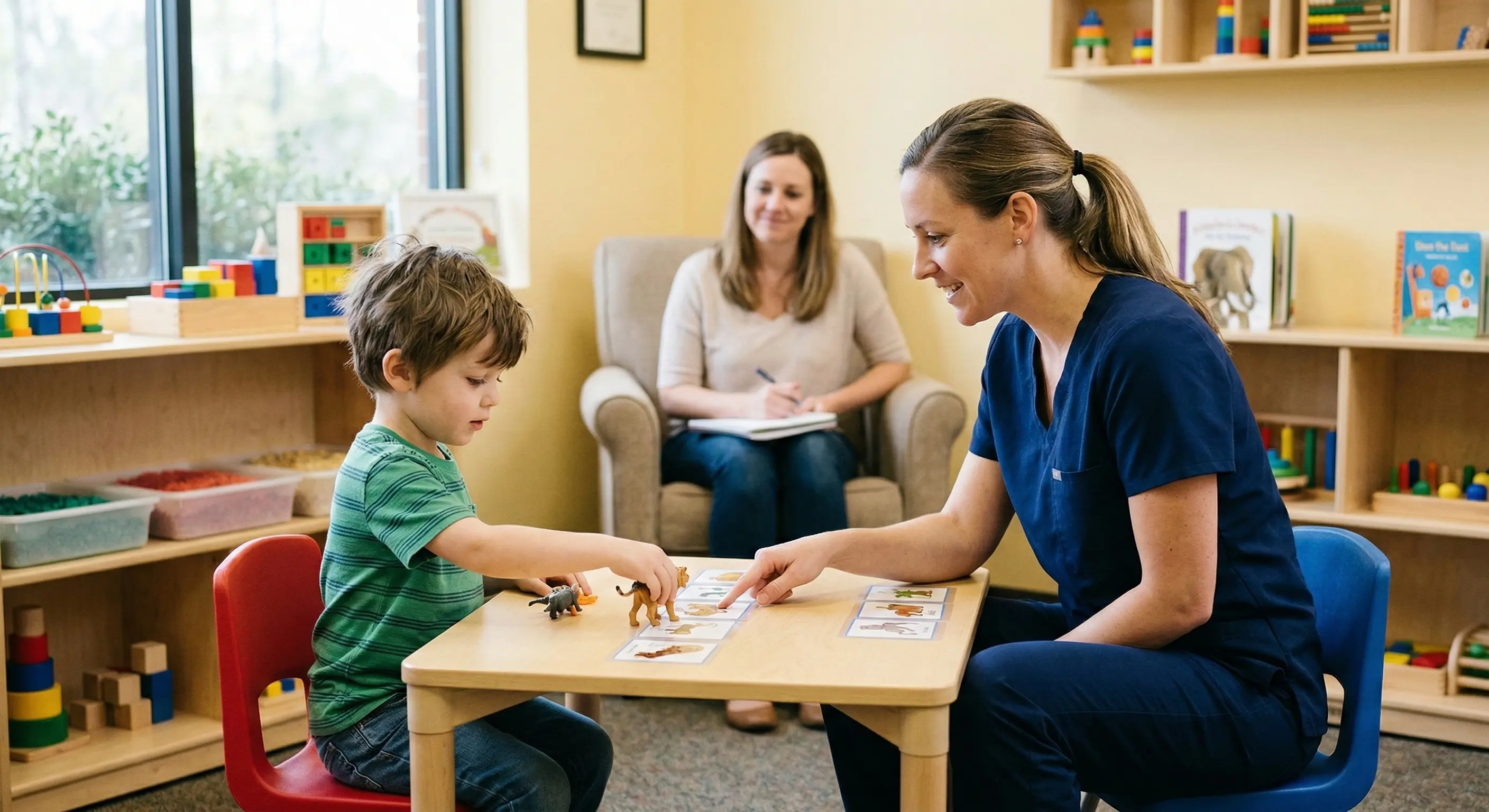
Behavior therapy (often searched as “behavior therapy”) isn’t one single thing—it’s an umbrella term that covers a range of approaches, from Applied Behavior Analysis (ABA) to occupational therapy, speech therapy, parent coaching, and school-based supports. Each approach has a different focus, setting, and type of child it tends to help most.
If you’re a parent in Des Moines trying to figure out what your child needs, the goal isn’t to find the “perfect” therapy. It’s to find the right mix based on your child’s profile, your family’s routines, and what’s available locally.
What ‘Behavior Therapy’ Means (in Plain Language)
When a doctor, teacher, or specialist says “behavior therapy,” they could mean several different things. At the broadest level, it refers to any structured approach that uses learning principles—understanding what triggers a behavior and what reinforces it—to help a child build skills or reduce barriers to daily functioning.
The key word there is skills. Good behavior therapy, in any form, isn’t about controlling children or demanding compliance. It’s about understanding what’s going on for a particular child and giving them—and their caregivers—better tools.
Behavior Is Communication
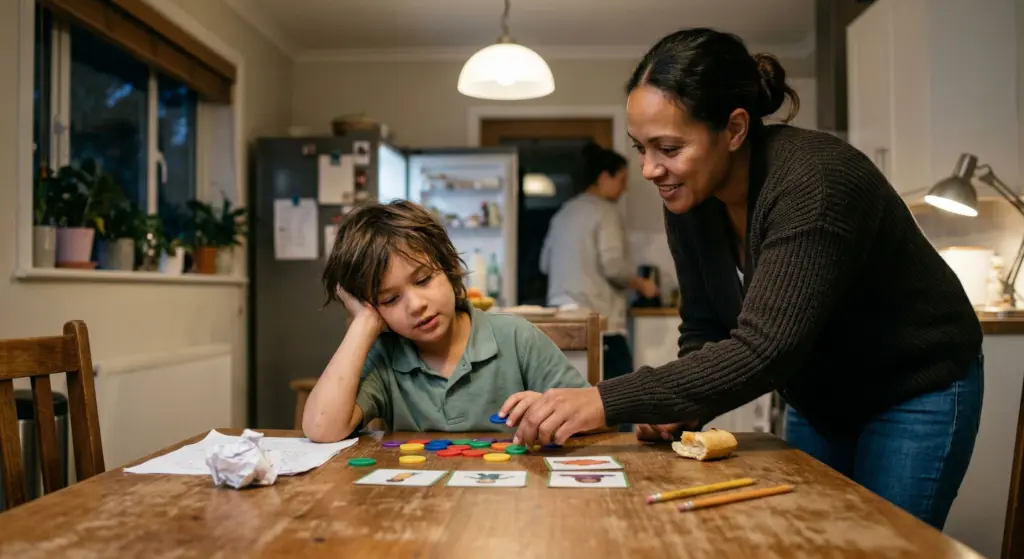
One of the most important shifts in how therapists and educators think about behavior is recognizing that challenging behavior is often communication. A child who is melting down at transitions, refusing demands, hitting, or shutting down is telling you something—even if they can’t say it in words.
ABA (Applied Behavior Analysis): What It Is and What It Targets
Applied Behavior Analysis (ABA) is a structured, evidence-based approach to teaching skills and understanding behavior. It’s most often discussed in the context of autism behavior therapy, but it can support a range of learning and developmental needs.
ABA commonly uses the ABC model:
- A = Antecedent: What happens before the behavior (triggers, demands, environment).
- B = Behavior: What the child does.
- C = Consequence: What happens after (what reinforces or changes the behavior).
ABA programs typically target areas such as:
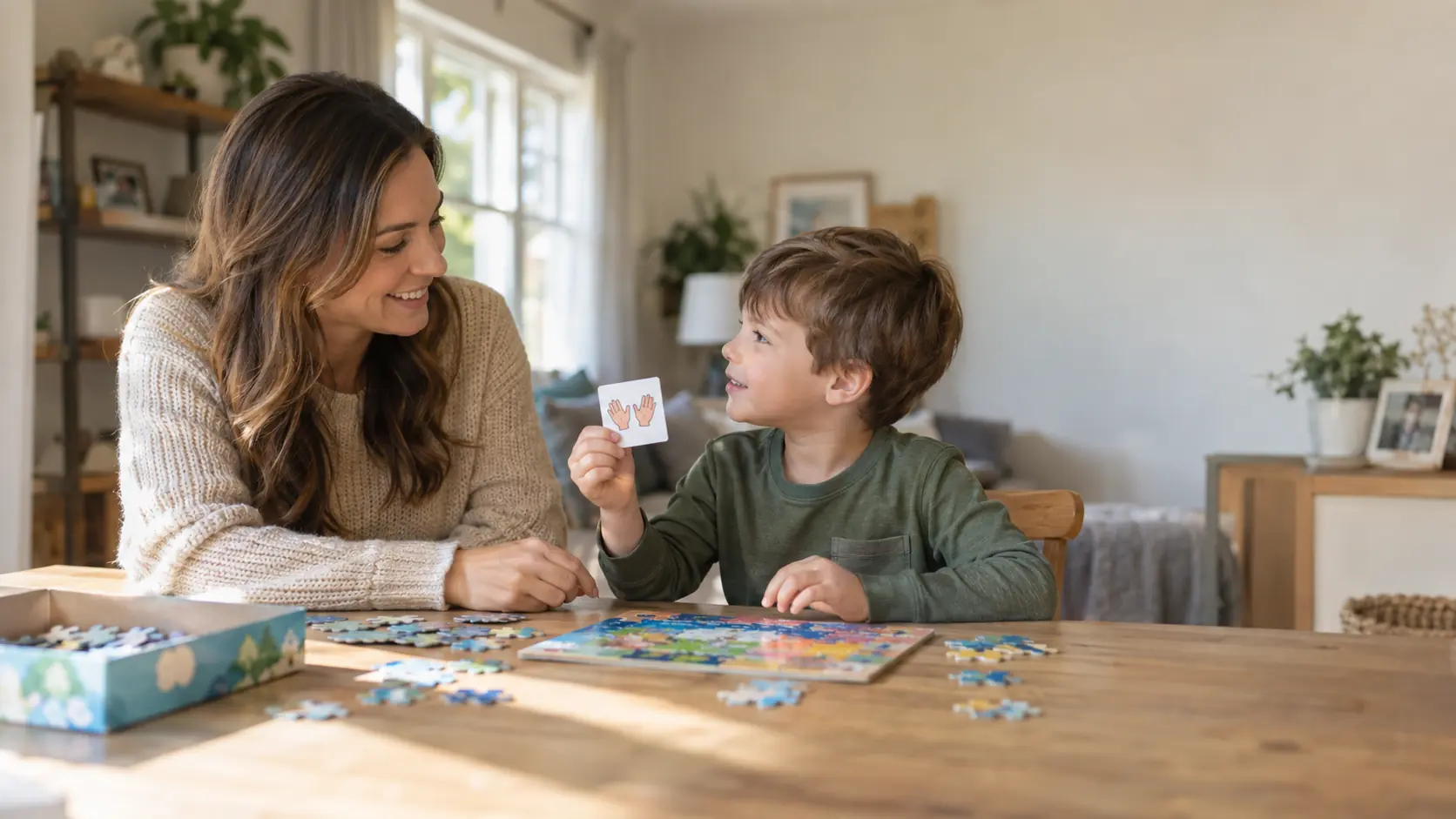
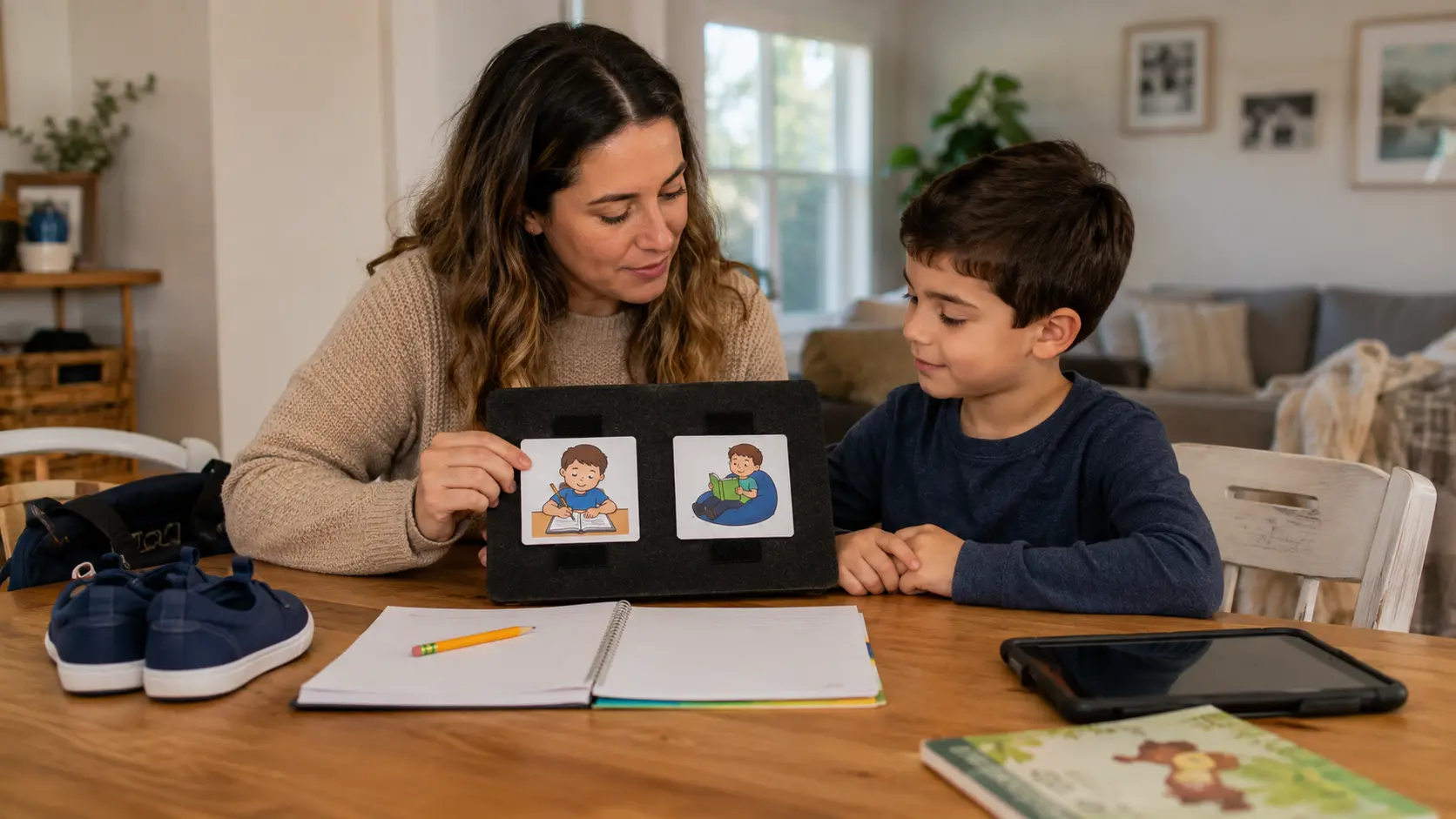
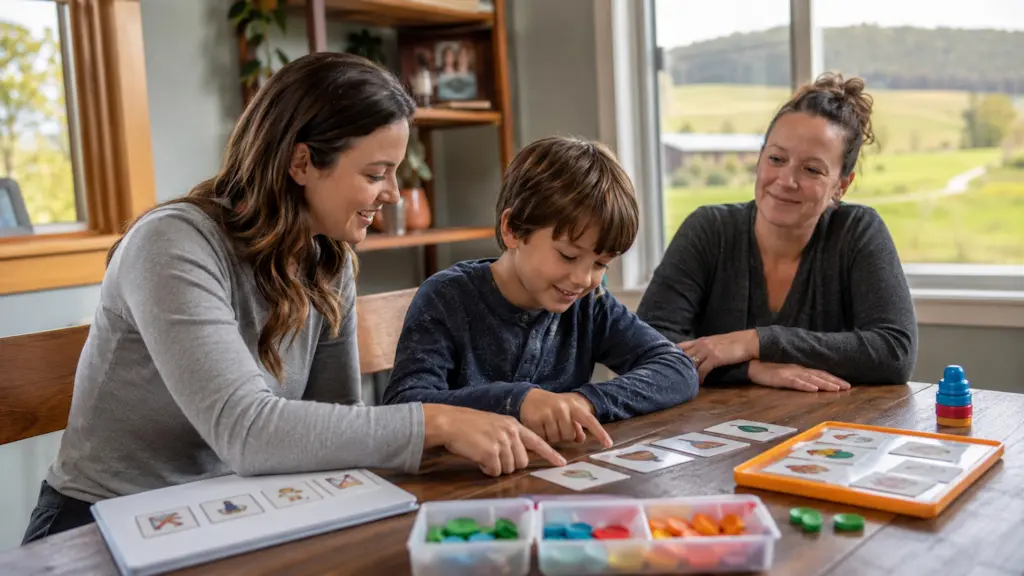
- Functional communication: Requesting help, breaks, or preferred items.
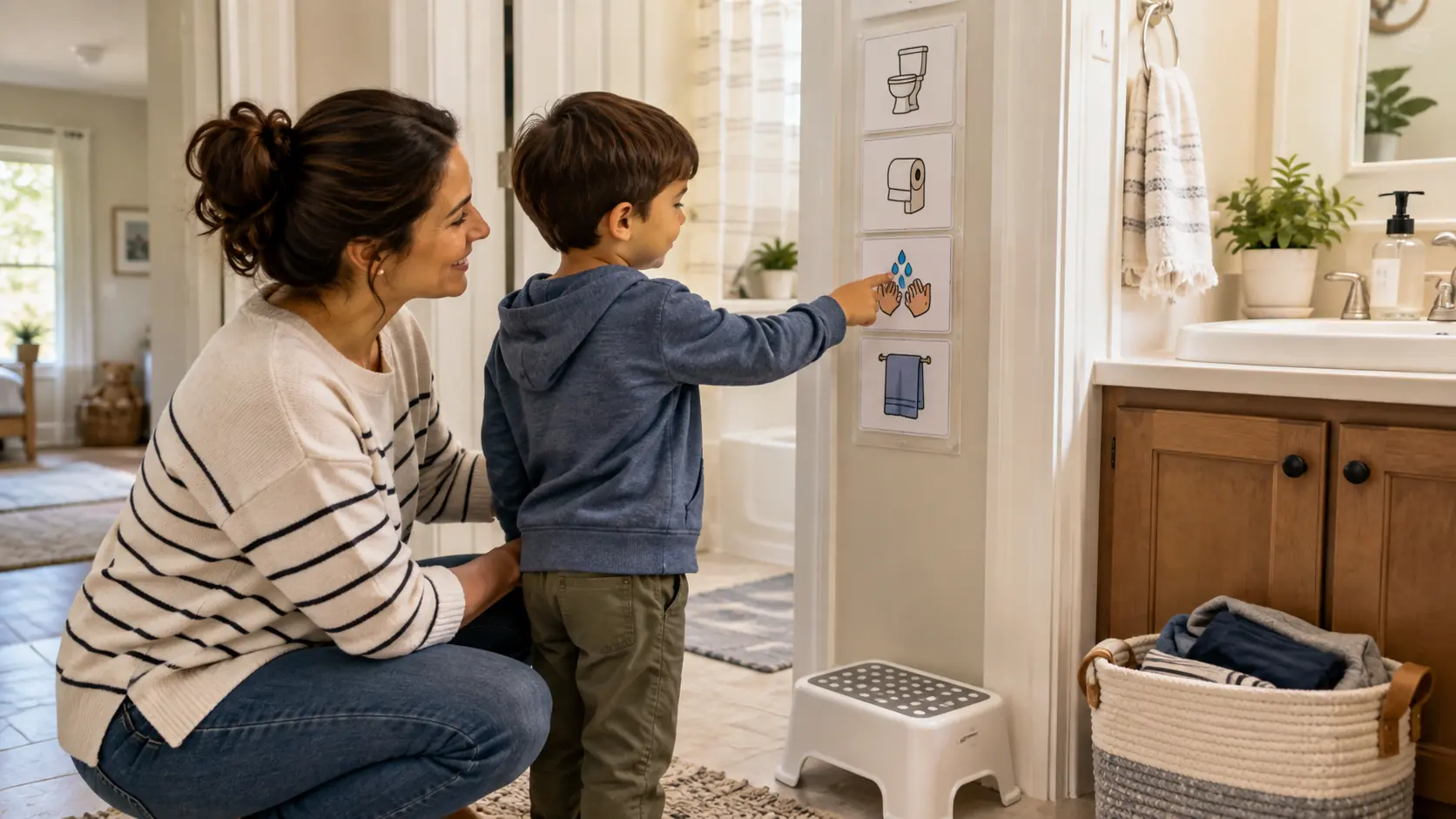
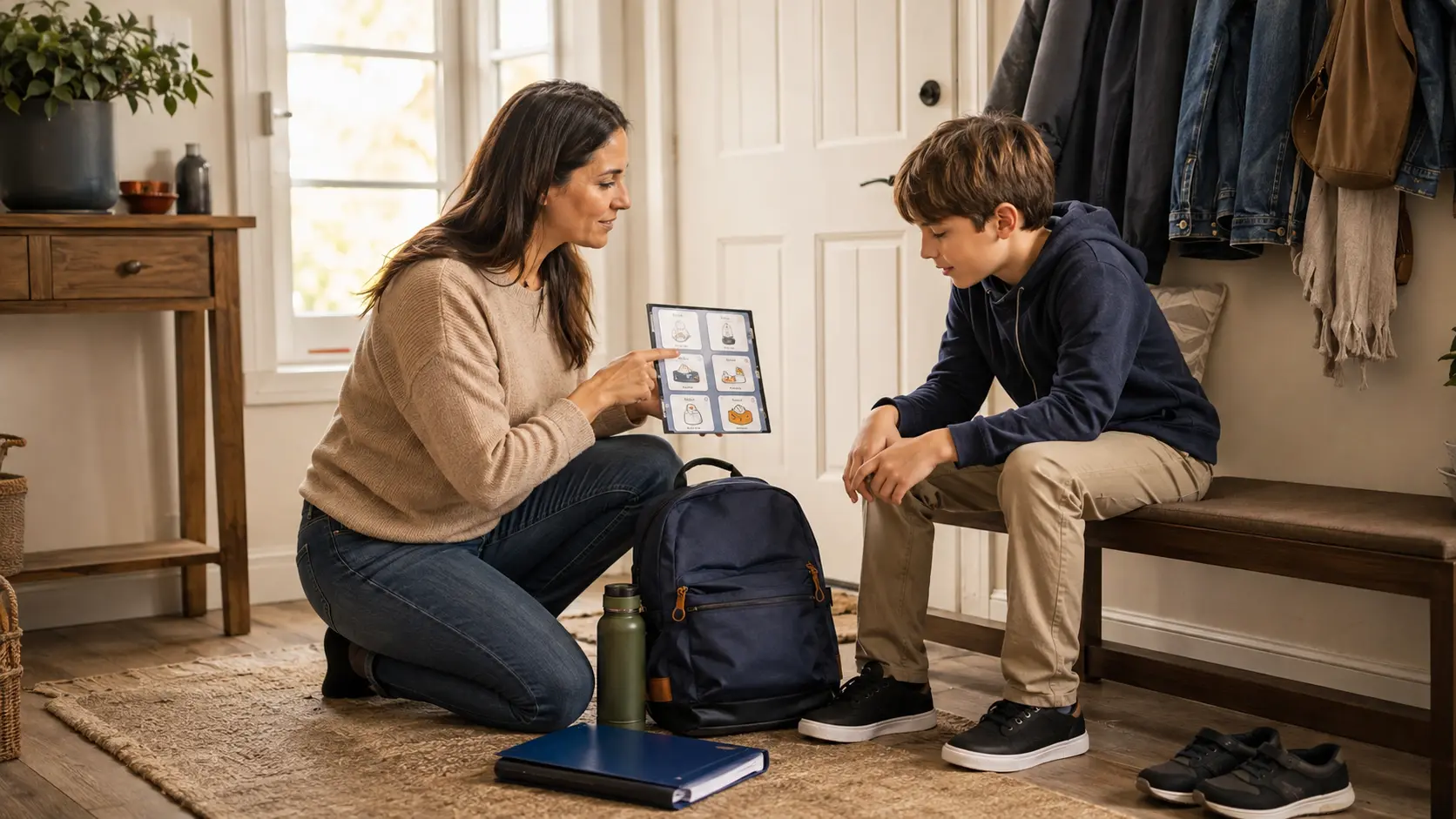
- Daily living skills: Routines, toileting support, dressing, and mealtime participation.
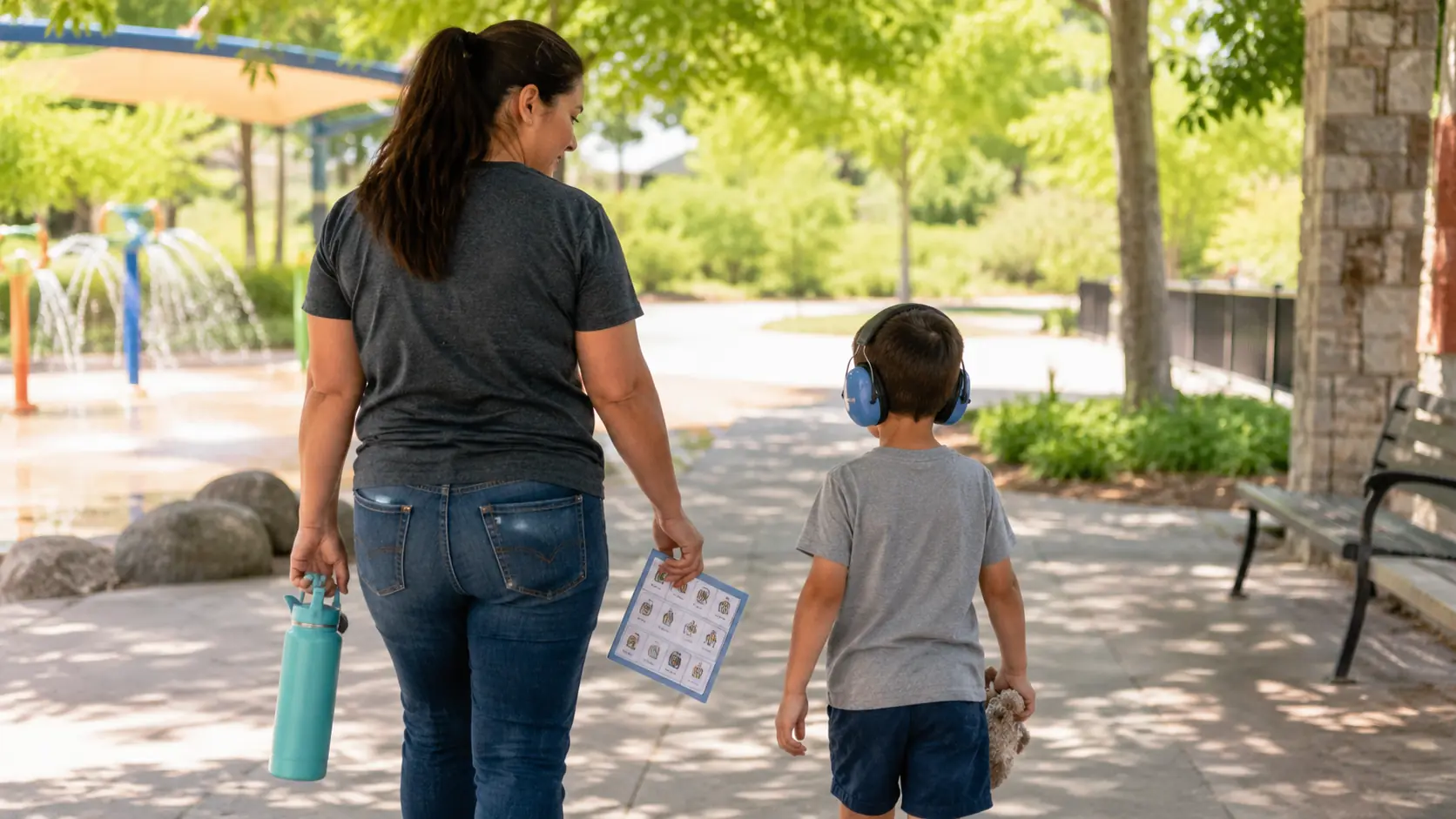
- Safety behaviors: Stopping at doors, staying with an adult, and reducing dangerous behaviors.
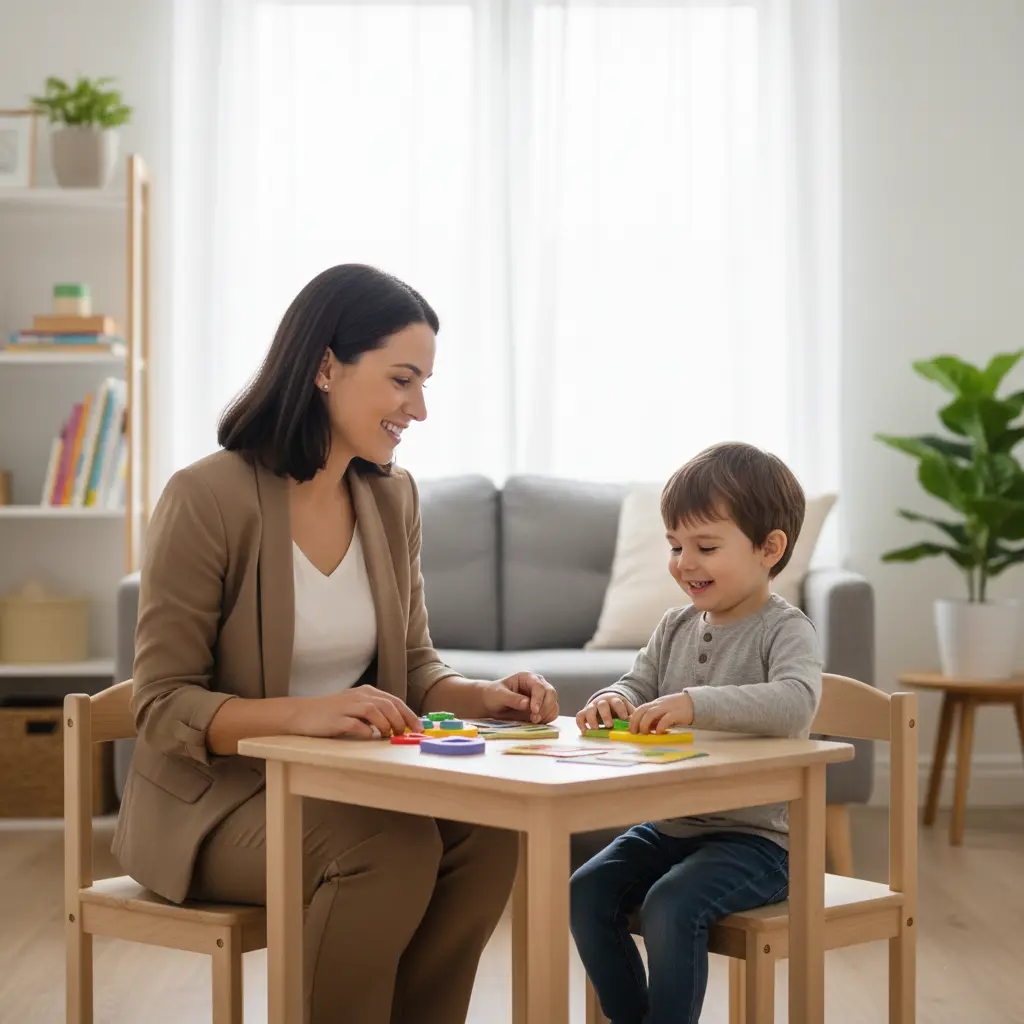
- Social participation: Turn-taking, shared play, and classroom skills.
- Reducing barriers: Teaching replacement skills for behaviors that interfere with learning.
What High-Quality ABA Looks Like
Not all ABA programs are the same; quality varies significantly by provider. Here’s what modern, ethical ABA should look like:
- Positive and individualized: Goals fit the child (not a generic checklist). Teaching is reinforcement-based, not punitive.
- Assent and dignity: The child’s comfort matters. If a child is consistently distressed, the plan should adapt.
- Data-informed: Progress is measured regularly and goals are adjusted based on data—not just impressions.
- Family-involved: Caregivers understand the goals and strategies and can use them at home.
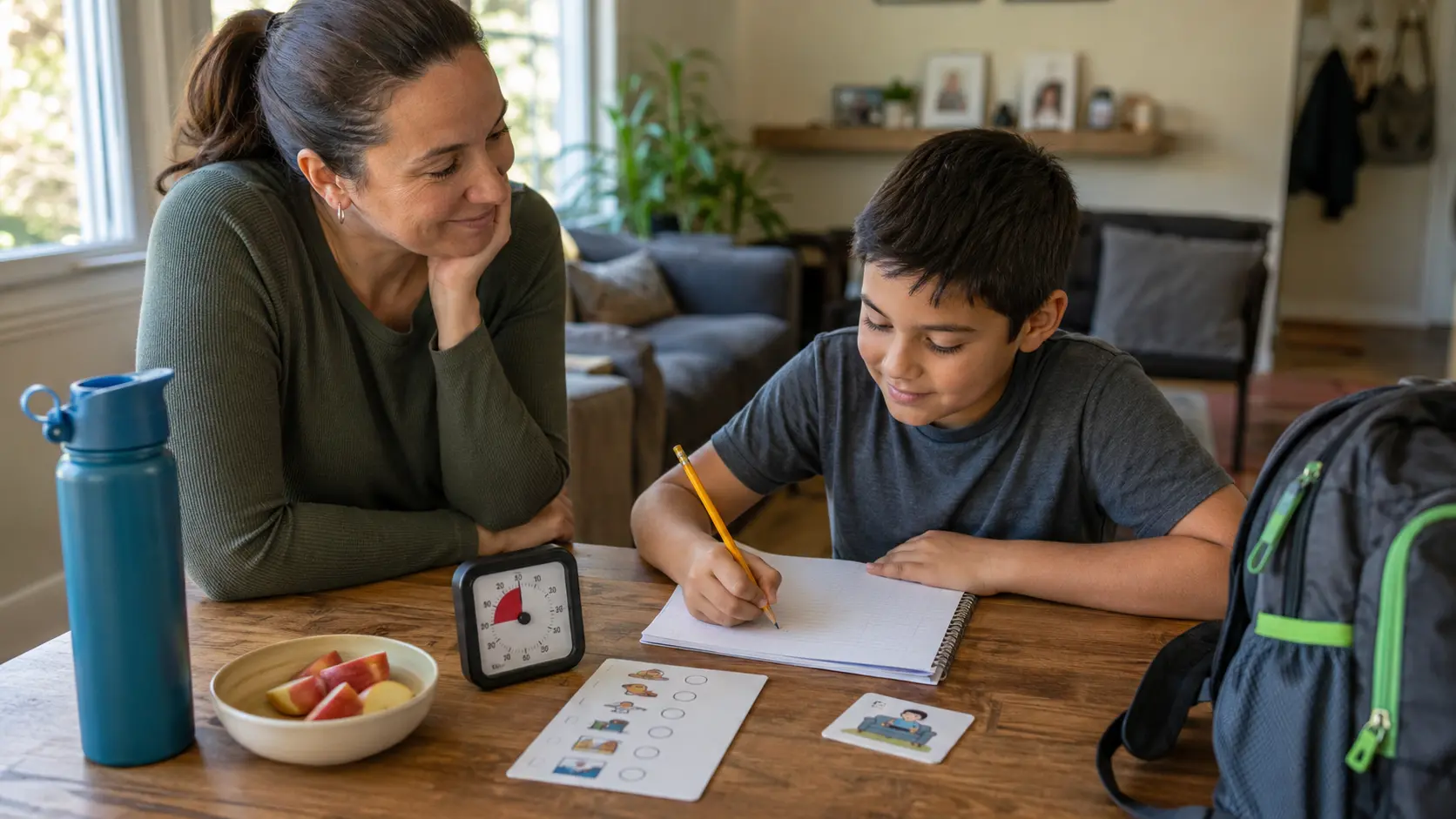
- Generalization-focused: Skills are practiced across settings—home, school, and community—not only in the therapy room.
Other Approaches Parents Commonly Use
ABA can be helpful for some children—but many families in Des Moines use ABA alongside other supports (or choose alternatives based on their child’s needs).
Speech Therapy: Building Communication, Reducing Frustration
Speech-language therapy often focuses on:
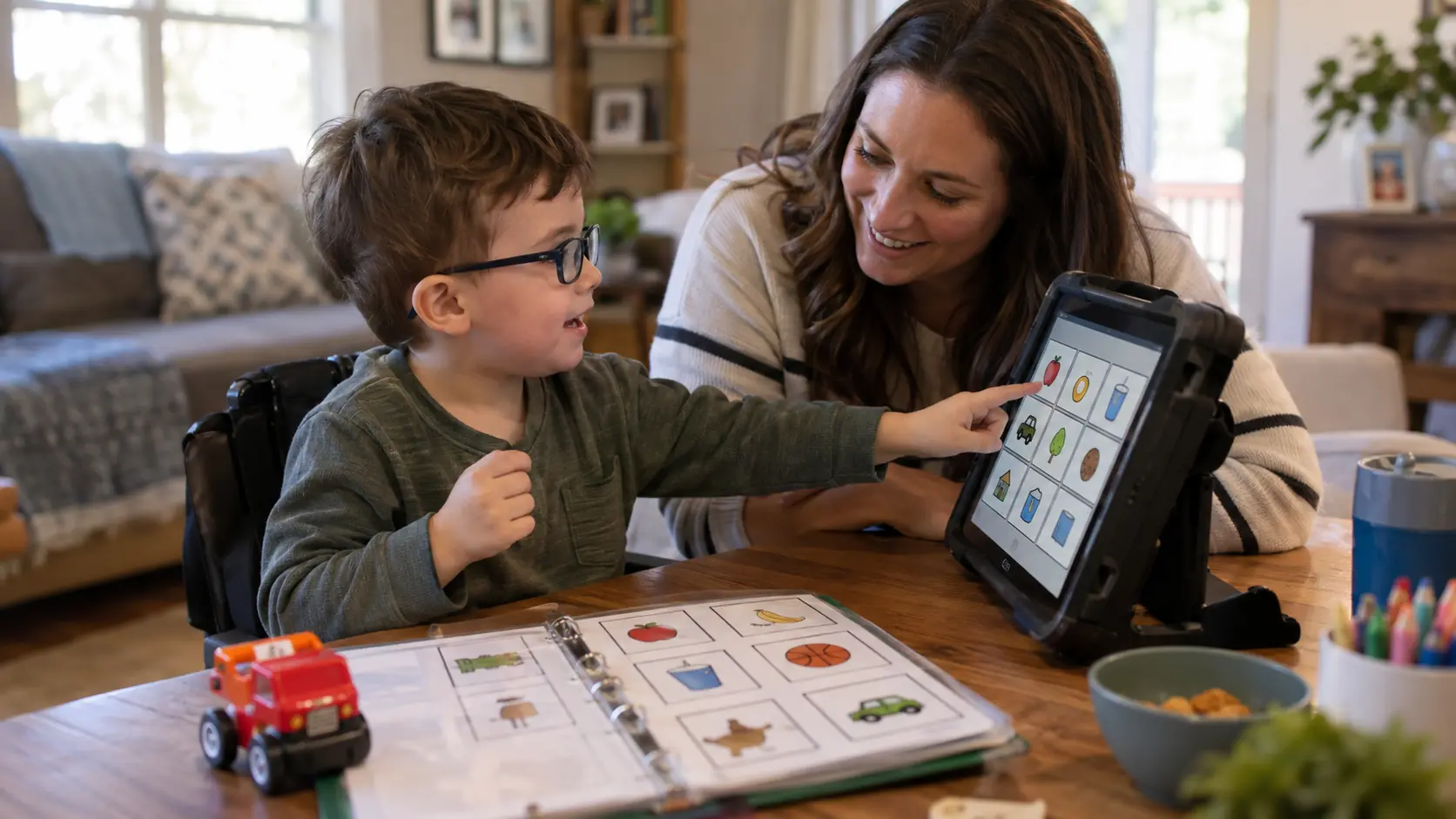
- Functional communication (words, gestures, AAC if needed).
- Social communication (turn-taking, joint attention).
- Language comprehension and following directions.
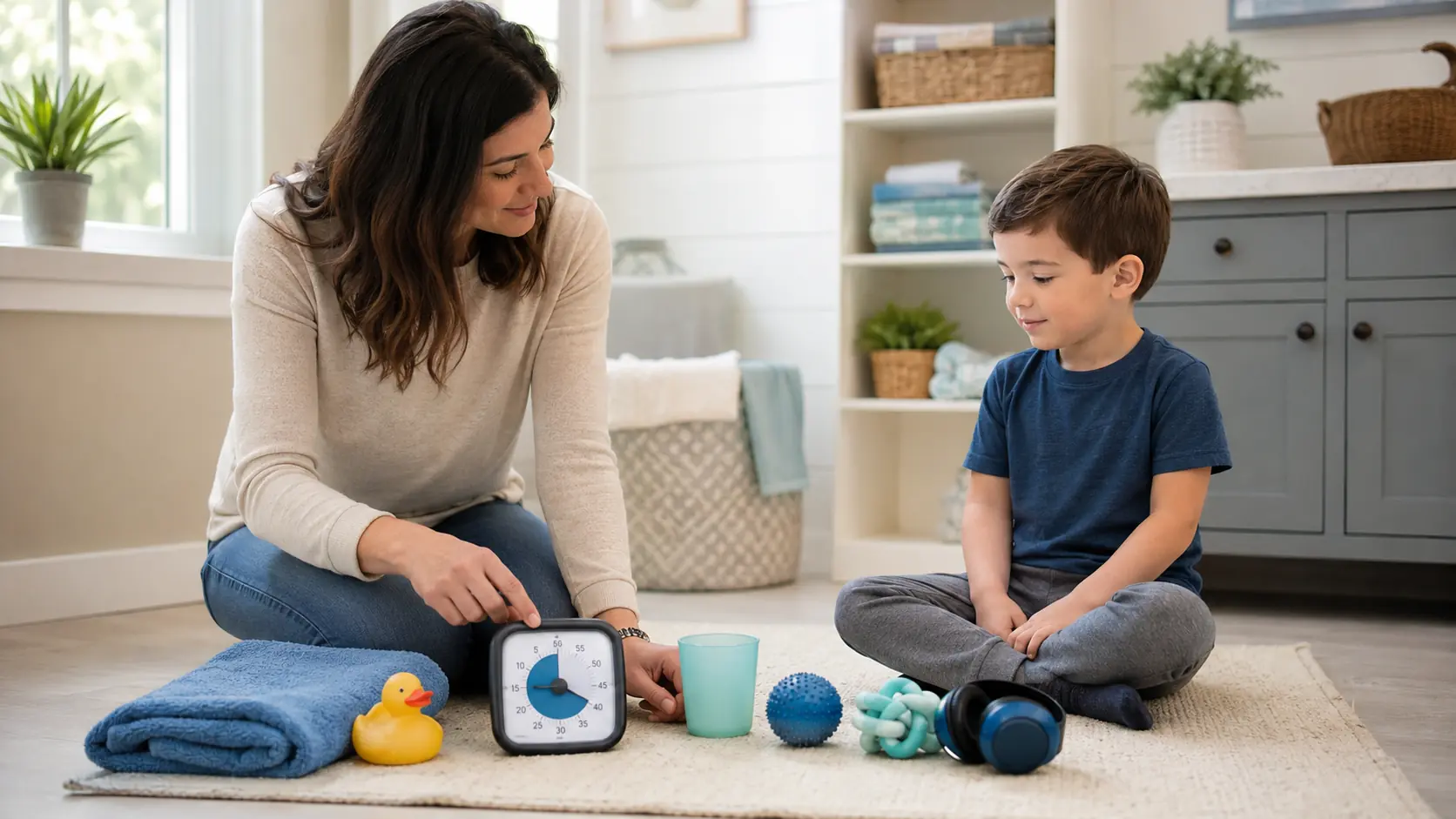
Occupational Therapy: Sensory Regulation and Daily Living
Occupational therapy (OT) may address:
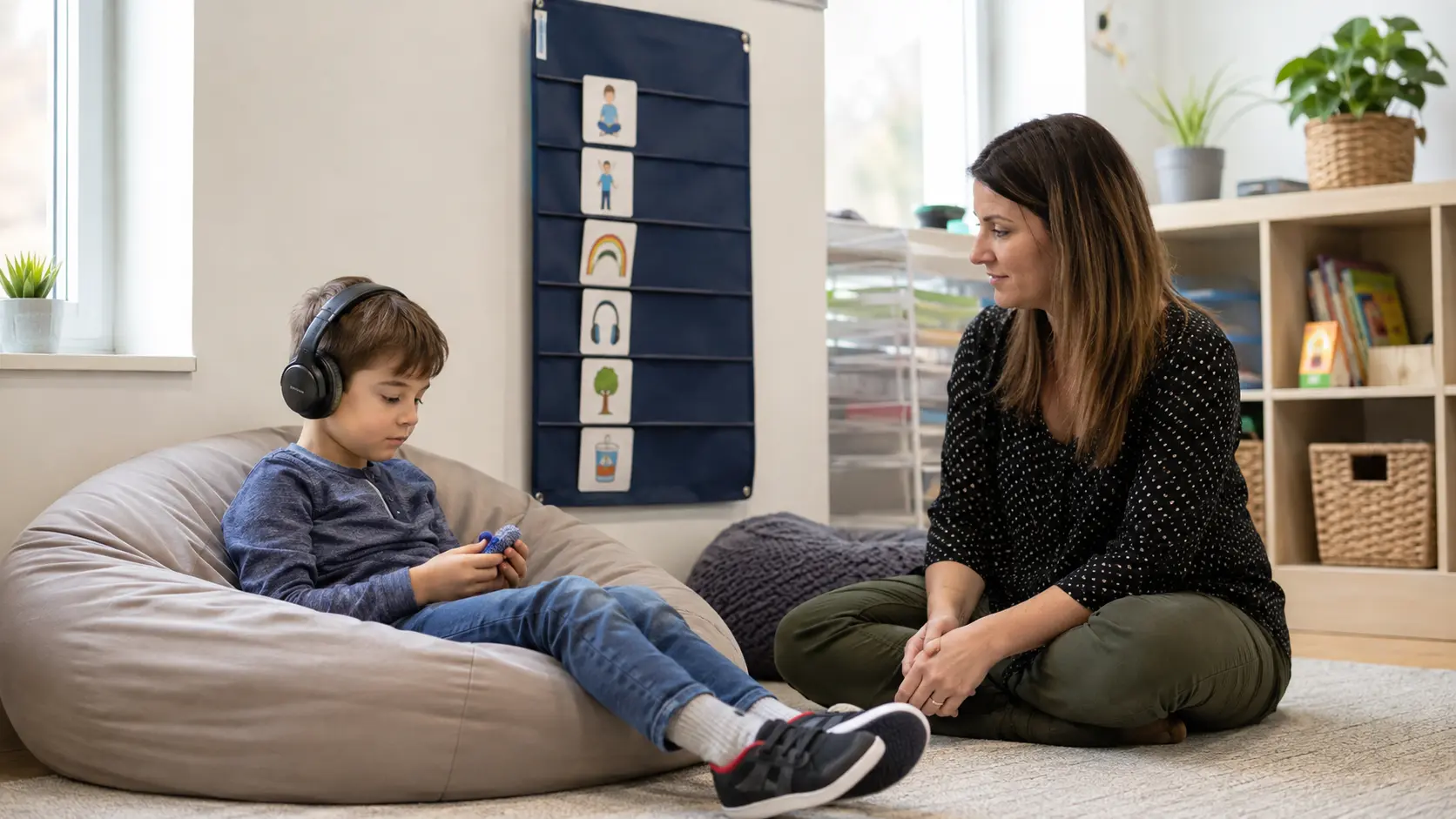
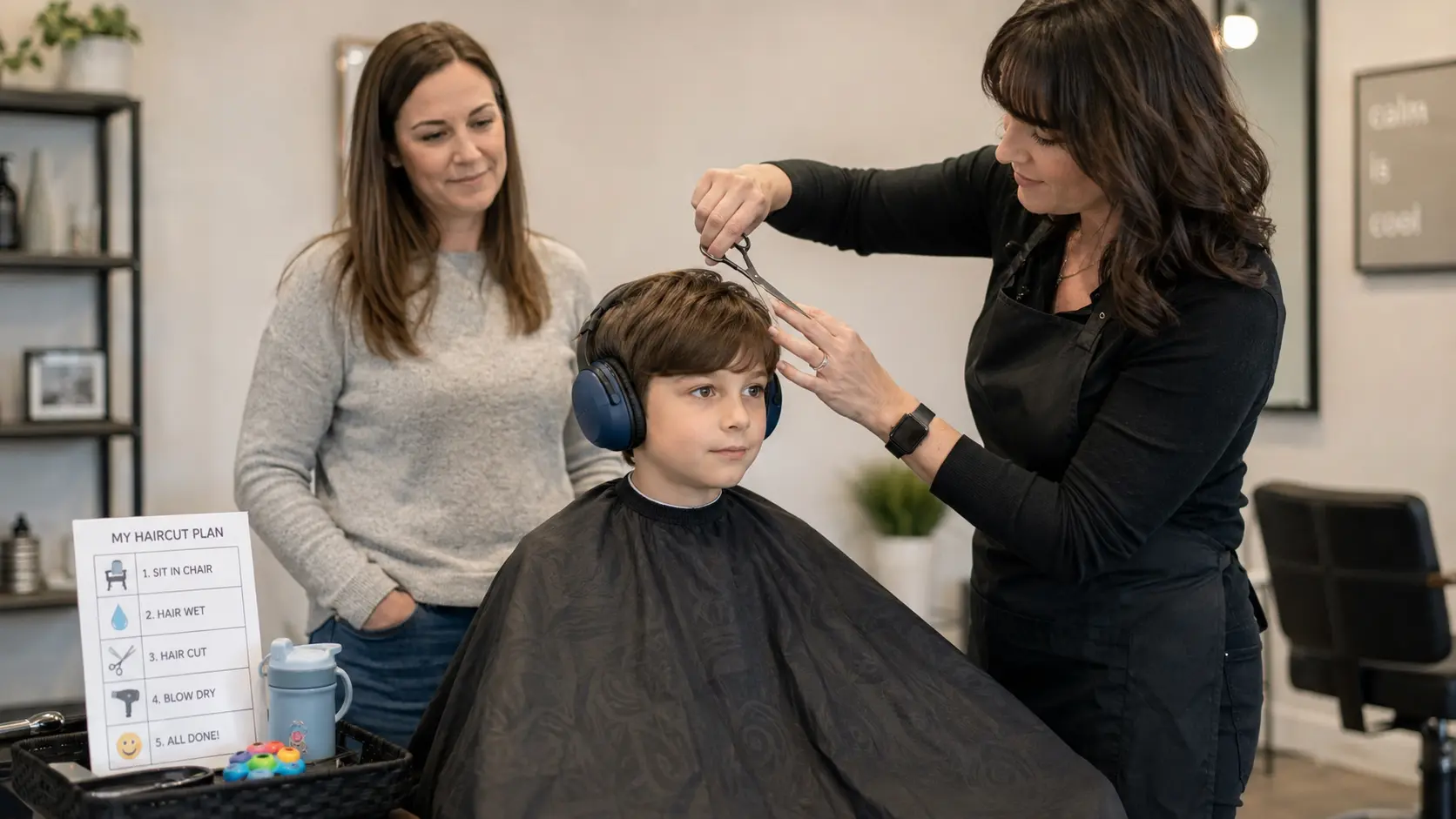
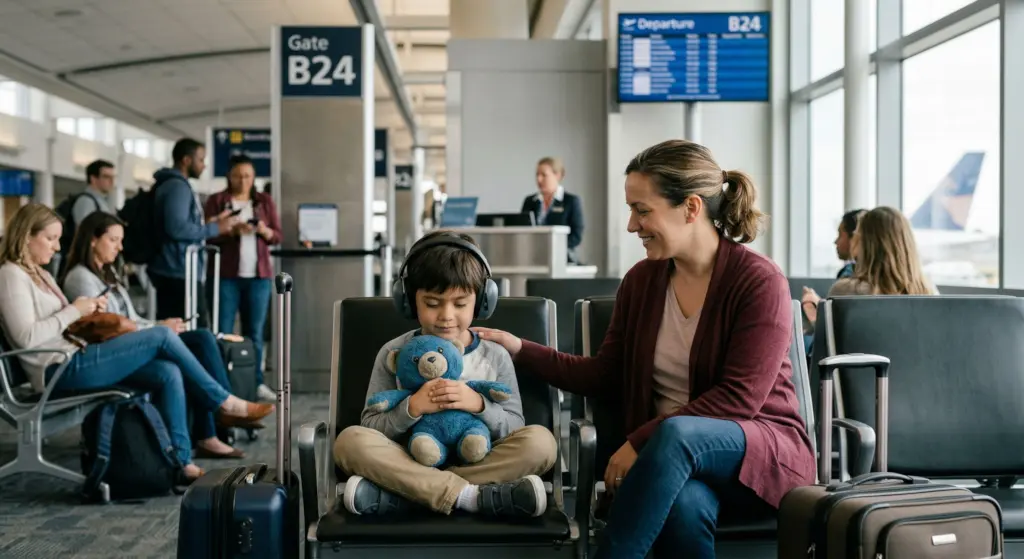
- Sensory regulation: Overwhelm, seeking, and sensitivities.
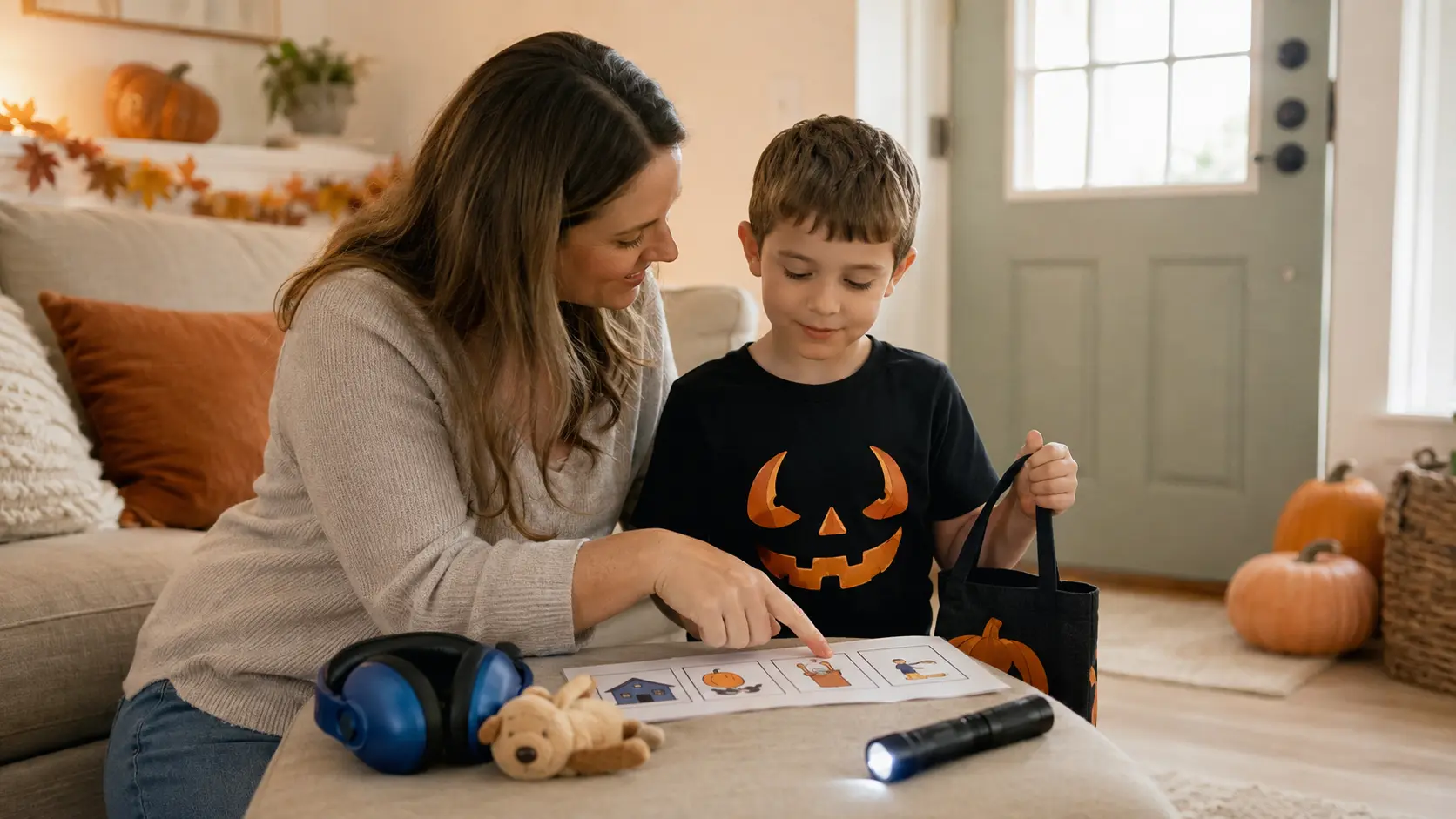
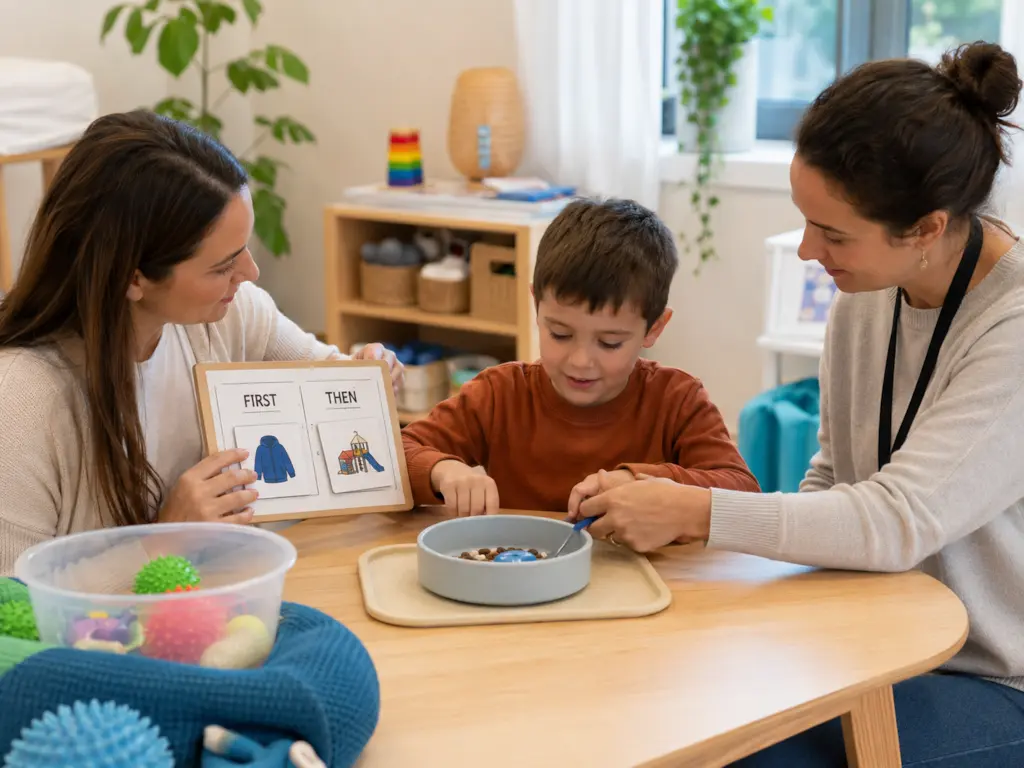
- Transitions and flexibility.
- Fine motor skills: Utensils, writing readiness, and dressing skills.
- Self-care routines: Toileting, feeding, and hygiene participation.
Parent Coaching and Caregiver Training
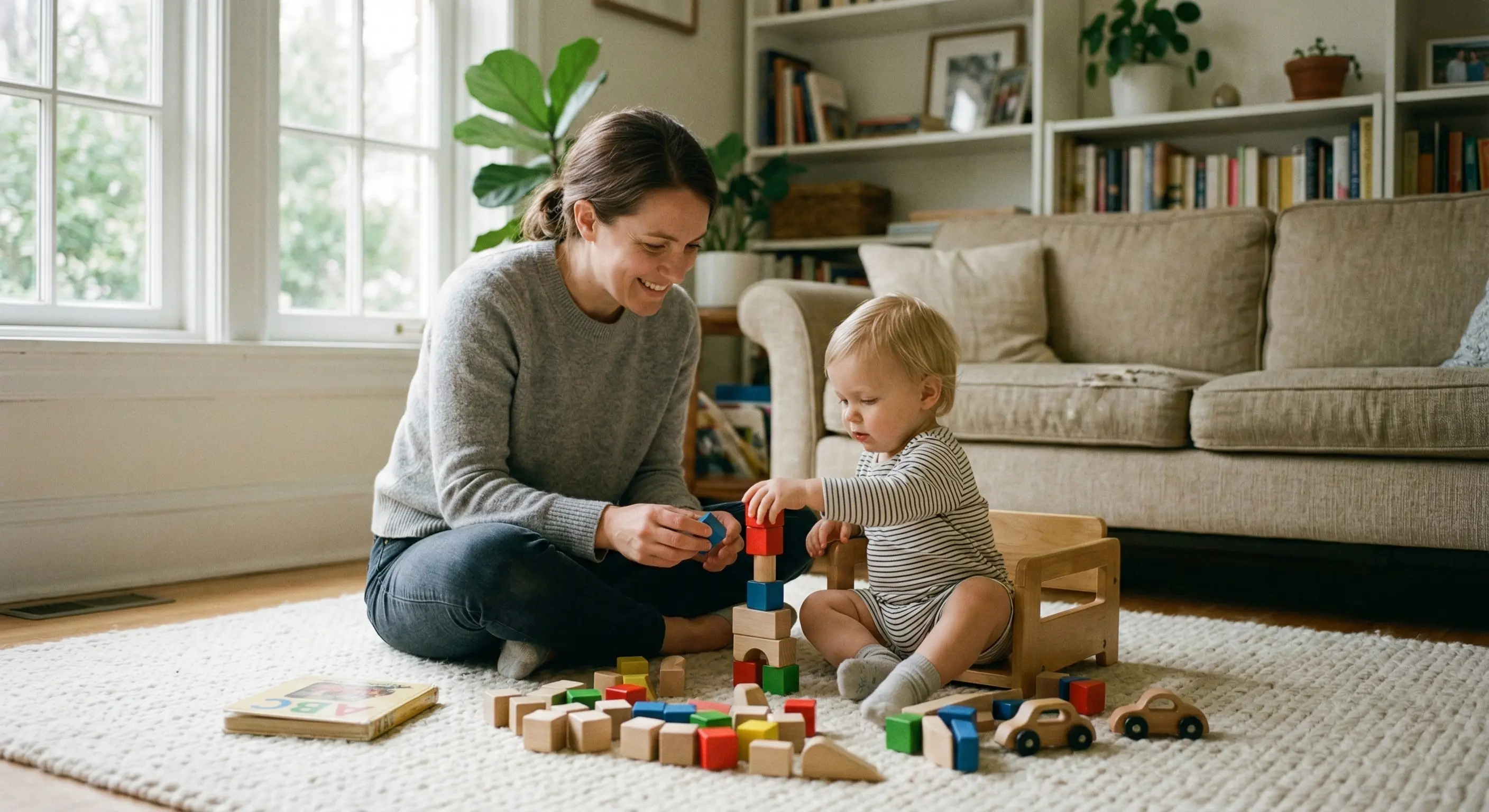
Parent coaching teaches you strategies to use during everyday routines—meals, bath time, play, and bedtime. This often works well as a standalone approach for children under age 3.
CBT and Skills-Based Therapy
Cognitive Behavioral Therapy (CBT) is typically best for older, verbal children who can reflect on thoughts and feelings. It is commonly used for anxiety, emotional regulation, and rigid thinking.
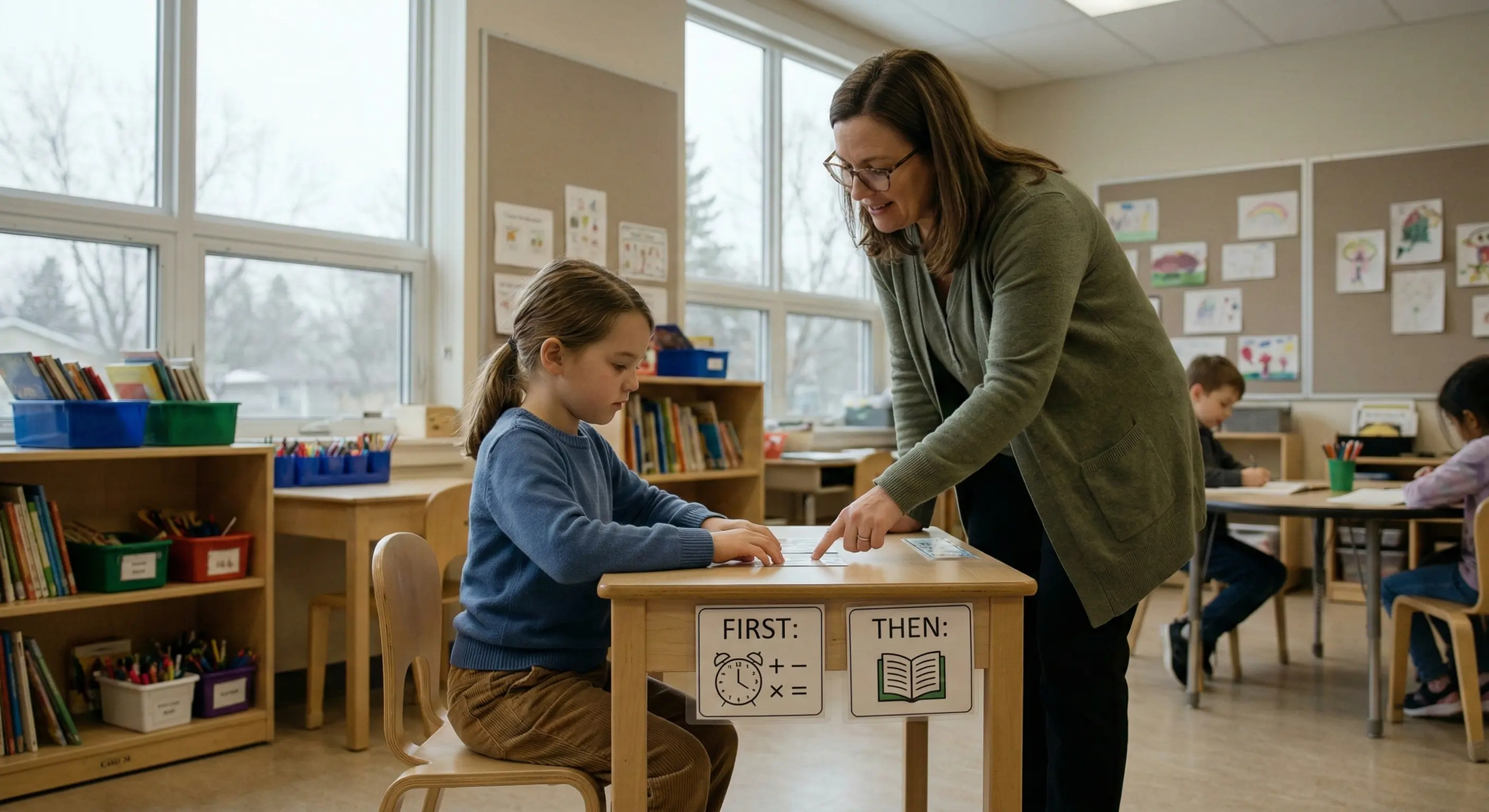
School-Based Supports: IEP, 504, FBA, and PBIS
If challenges are most visible at school, school supports can be powerful:
- IEP: A plan under IDEA outlining goals and services for eligible students.
- 504 Plan: Accommodations for disability access when special education isn’t needed.
- FBA/BIP: An FBA explores why behaviors occur; a BIP outlines support strategies.
- PBIS/MTSS: A tiered framework for universal, targeted, and intensive supports.
ABA vs. Other Approaches: How to Choose the Right Mix
There’s no single best therapy. A practical way to choose is to start with your child’s biggest “driver.”
Decision Guide: What to Prioritize
- If communication is driving frustration: Start with a speech-language evaluation.
- If sensory overwhelm is central: Start with an OT evaluation.
- If multiple skill areas need structured teaching (communication + safety + routines): ABA may be a good fit.
- If anxiety/rigidity is the core challenge in an older child: Consider CBT-based therapy.
- If challenges show up mainly at school: Request a school meeting about the FBA process and PBIS supports.
What Parents Can Do Next in Des Moines (A Practical Pathway)
Step 1: Start With Your Pediatrician + Good Documentation
Before your appointment, prepare short video clips of behaviors you’re concerned about and notes on triggers, frequency, and duration.
Step 2: Use Iowa Resources (Neutral Starting Points)
- Early ACCESS (Iowa Department of Education): Iowa’s early intervention system for children birth to age 3.
- Iowa HHS Autism Support Program (ASP): State funding for ABA services for eligible families.
- Autism Society of Iowa: Support, advocacy, and statewide resources.
- University of Iowa Child Health Specialty Clinics (CHSC) ABA Provider List: A directory used as a starting point for finding local providers.













.webp)

.webp)
.webp)
.webp)
.webp)






.jpg)
.webp)

.webp)
.webp)








%20During%20Play%20in%20the%20Home.webp)