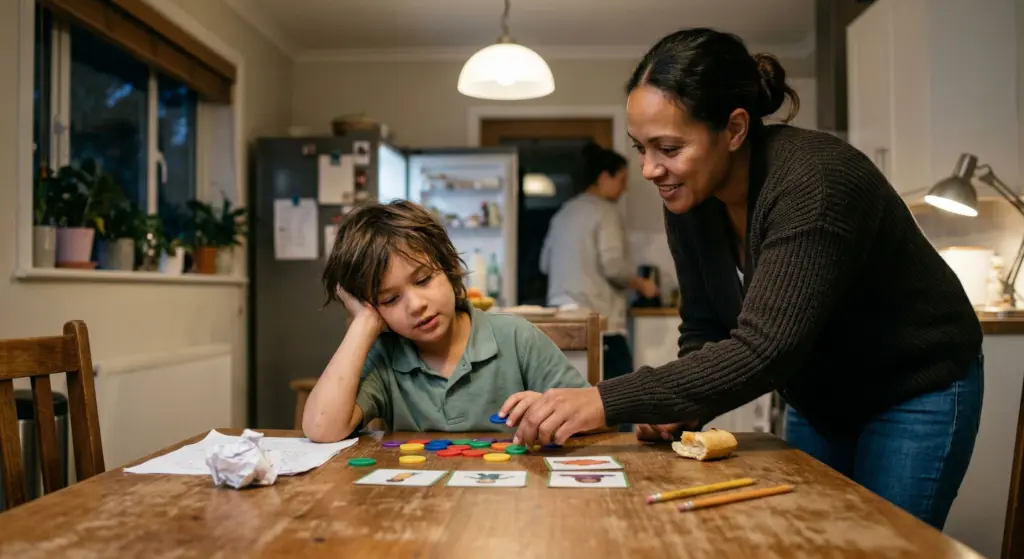
You are sitting across from a clinician who has just recommended somewhere between 20 and 40 hours of ABA therapy per week for your child. You do the mental math instantly: two parents working. School pickup. Dinner. A sibling who also needs attention. And a child who, after a full day of structured learning, comes home spent and emotionally stretched.
The number sounds like an impossible ask — and the guilt that follows it feels like a verdict on your family.
Here is what matters more than any number you have heard: the right number of ABA therapy hours for your child is the one that is clinically appropriate, sustainable for your family, and realistic enough to actually happen consistently. A schedule that exists on paper but collapses in practice every third week because of exhaustion, commute times, or work schedules is not serving anyone.
How Many Hours of ABA Does My Child Actually Need?
The honest answer is: it depends, and a Board Certified Behavior Analyst (BCBA) who has assessed your child is the right person to answer that question specifically. But it is worth understanding what goes into that recommendation.
When a Board Certified Behavior Analyst recommends ABA therapy hours for a child with autism, they are weighing several factors at the same time:
- The child's current skill level and developmental profile — where they are in communication, social skills, daily living, and adaptive behavior relative to their age
- The nature and severity of symptom interference — how much autism-related challenges are affecting functioning across home, school, and community
- Treatment goals — whether the plan targets a narrow set of priorities or a broader, more comprehensive skill acquisition program
- The child's learning rate and stamina — some children make rapid gains in fewer hours; others benefit from more repetition and exposure
- Age and school schedule — a three-year-old and a nine-year-old have different windows of availability, energy, and regulatory capacity
- Family capacity — including caregiver availability, home environment, sibling dynamics, and what parents can realistically support between sessions
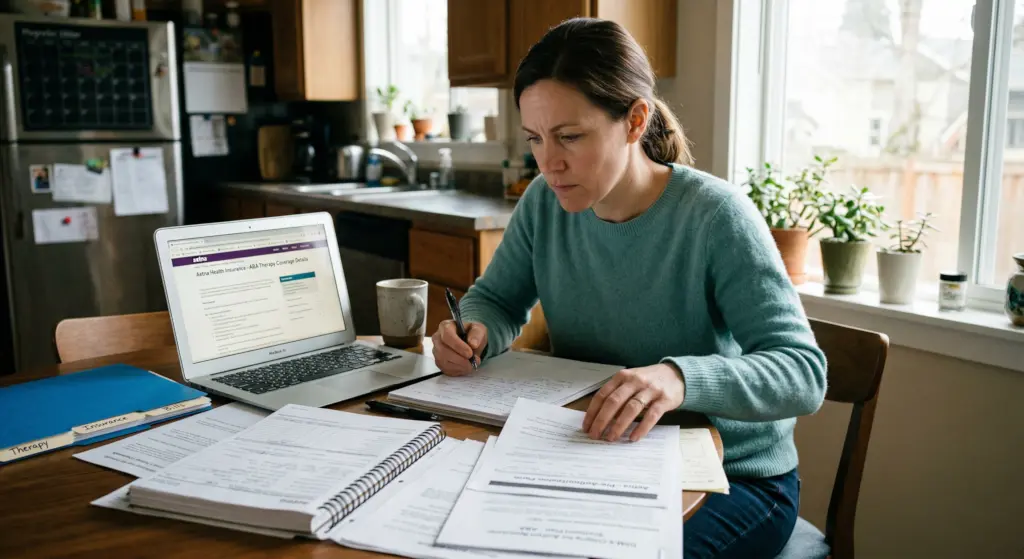
- Payer authorization — insurance or Medicaid authorization is based on documented medical necessity, not a standard formula
Those factors interact. A child with broader needs may require a broader plan. Another child may need a more targeted, individualized ABA treatment plan focused on a smaller number of priorities. The number of hours should serve the treatment plan, not the other way around.
Why 20 Hours Is Not a Universal Rule
The 20-to-40-hour range that parents often hear comes from research on early intensive behavioral intervention — particularly studies focused on young children in the early years of diagnosis, often in comprehensive programs targeting multiple skill domains simultaneously. That research base is real and meaningful. For some young children with significant support needs, higher-intensity programming produces stronger outcomes.
But several important things are true alongside that evidence:
- The research on early intensive intervention focuses on a specific population and age range — findings do not automatically extend to every child, every age group, or every treatment goal.
- More hours are not automatically better if the schedule creates chronic fatigue in the child, consistent cancellations, caregiver burnout, or poor treatment fidelity.
- Current clinical practice recognizes that ABA is highly individualized — the Council of Autism Service Providers (CASP) guidelines describe ABA as a treatment that should be calibrated to the child's assessed needs, learning rate, and progress data over time.
- Hour recommendations are not static. A child's program should be reviewed regularly and adjusted based on what the data shows.
A plan that looks ideal on paper but leads to frequent cancellations, child exhaustion, or family burnout is not automatically the better plan. What matters is whether the schedule is appropriate, sustainable, and implemented consistently enough to help the child make progress.
Focused vs. Comprehensive ABA: What Changes and Why
One of the most useful distinctions for parents navigating ABA therapy hours is the difference between focused and comprehensive ABA, because these terms reflect real differences in program scope and recommended intensity.
Comprehensive ABA
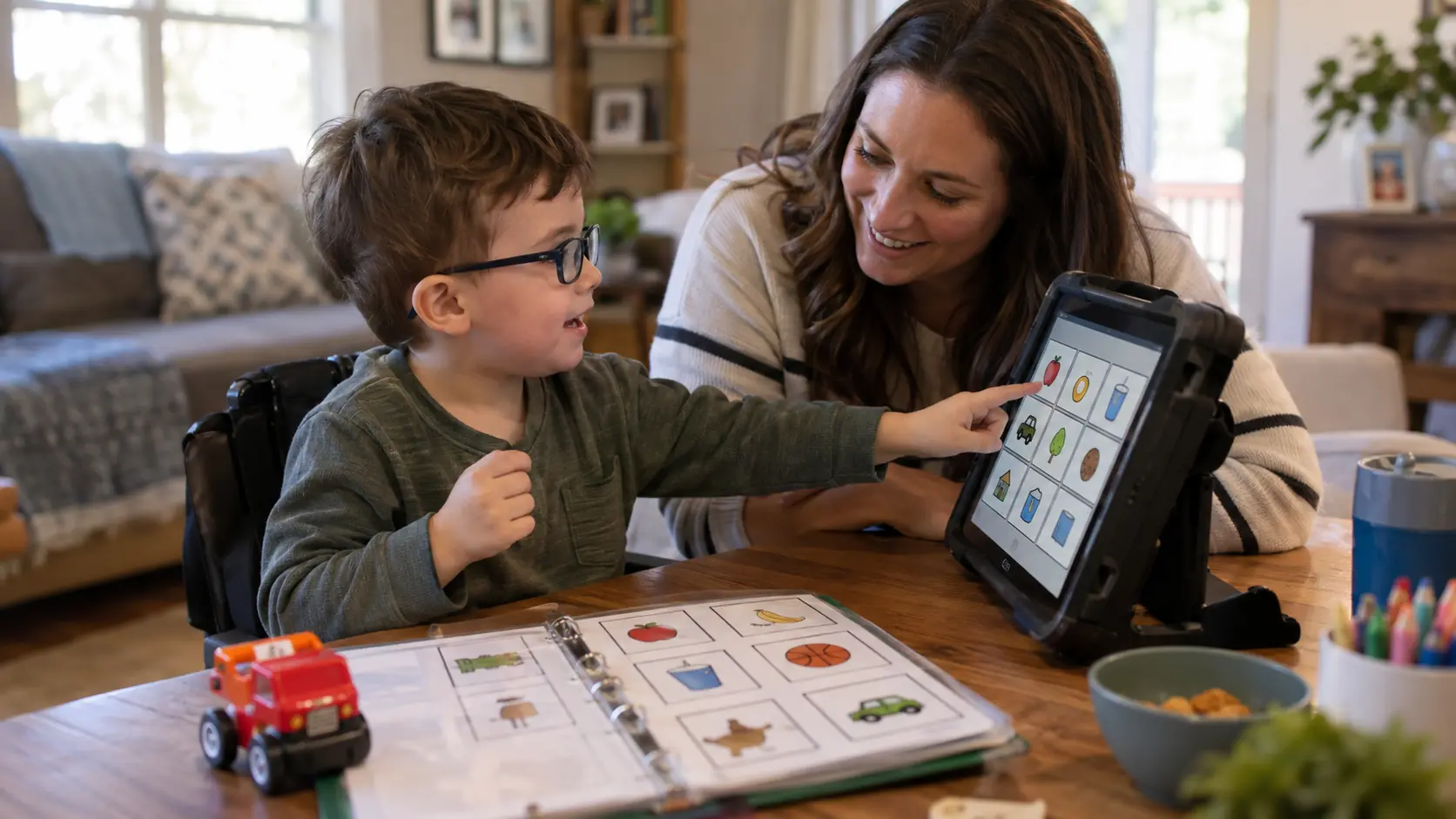
Comprehensive ABA targets multiple skill domains at the same time: communication, social skills, daily living, academic readiness, play, and often behavior support. This kind of programming is typically recommended for younger children with more significant support needs and tends to involve higher weekly hours because the scope of the work is broader.
Focused ABA
Focused ABA zeroes in on a smaller number of specific, high-priority goals — addressing a particular behavior, building a key communication skill, or supporting a transition that is significantly disrupting the child's functioning. Because the scope is narrower, the intensity can be appropriately lower. Focused ABA is clinically meaningful and is not a lesser version of care. For school-age children with more developed skills who need targeted support rather than comprehensive skill-building, a focused approach is often the right fit.
The distinction matters for families because it reframes the hour question. If your child's BCBA recommends a focused ABA plan with 10 to 15 hours per week, that is not an underfunded program. It is a clinically calibrated one.
Balancing School, Daycare, Therapy, and Just Being a Kid
For many families, the logistics conversation is inseparable from the clinical one. It is not enough to know what the ideal schedule might be; you also need a plan that actually fits into the life your child is already living.
A few realities that shape scheduling for most working families:
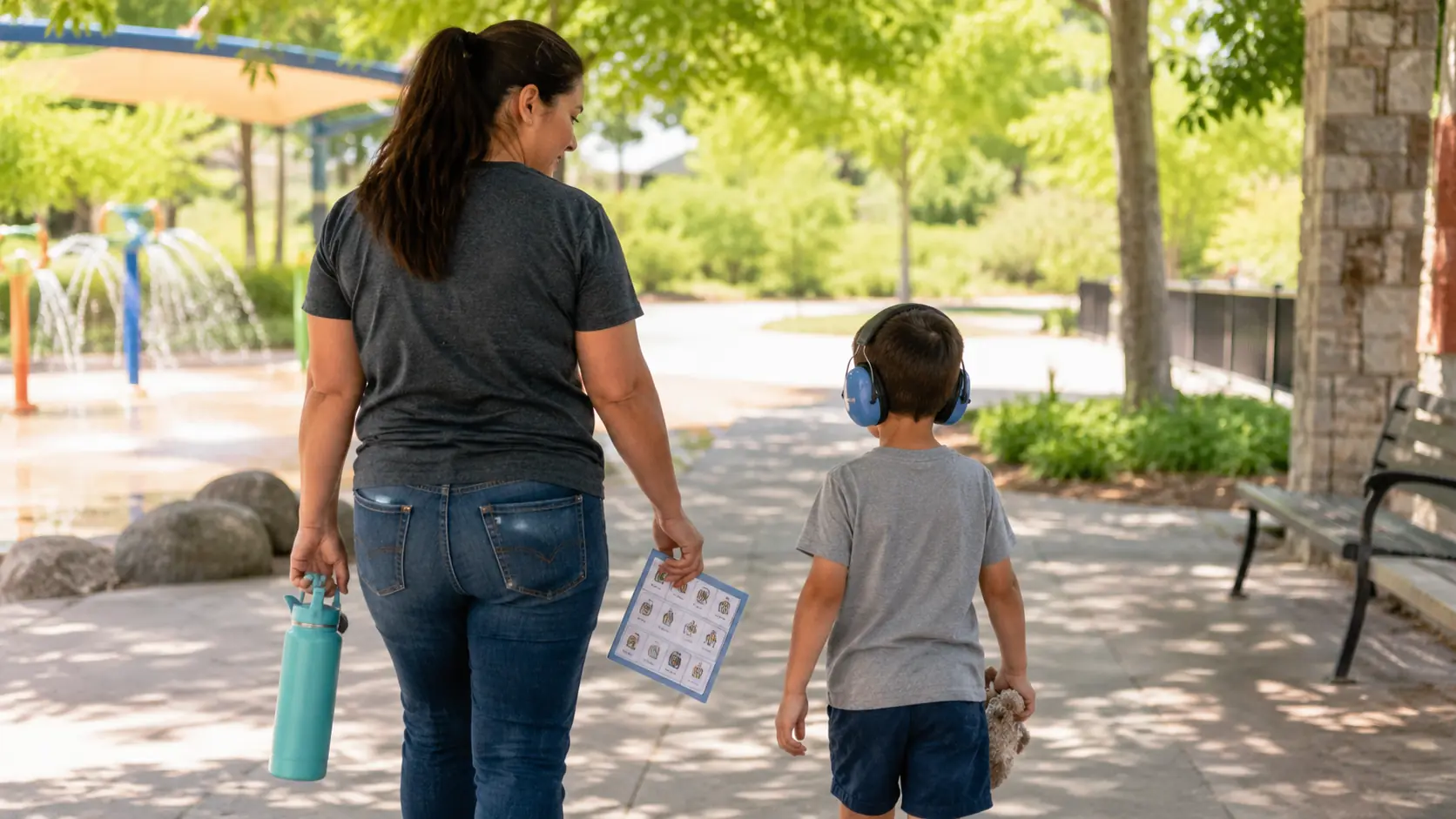
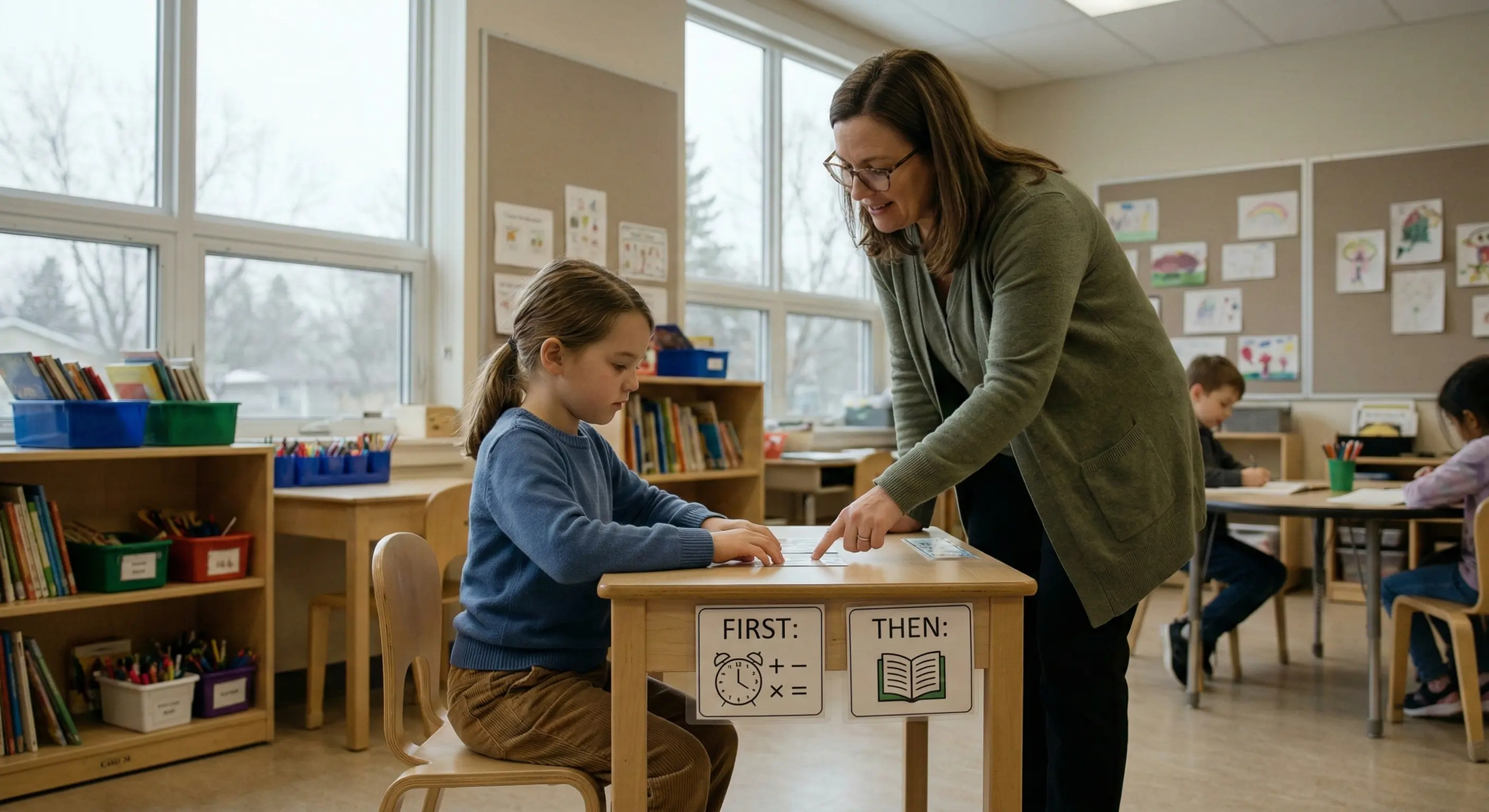
- School-age children have limited after-school windows, and those windows compete with homework, extracurriculars, sibling activities, meals, and the regulatory recovery time many autistic children need after a structured school day.
- Young children in daycare or preschool may have more daytime availability, but their stamina and capacity for structured therapy has its own limits.
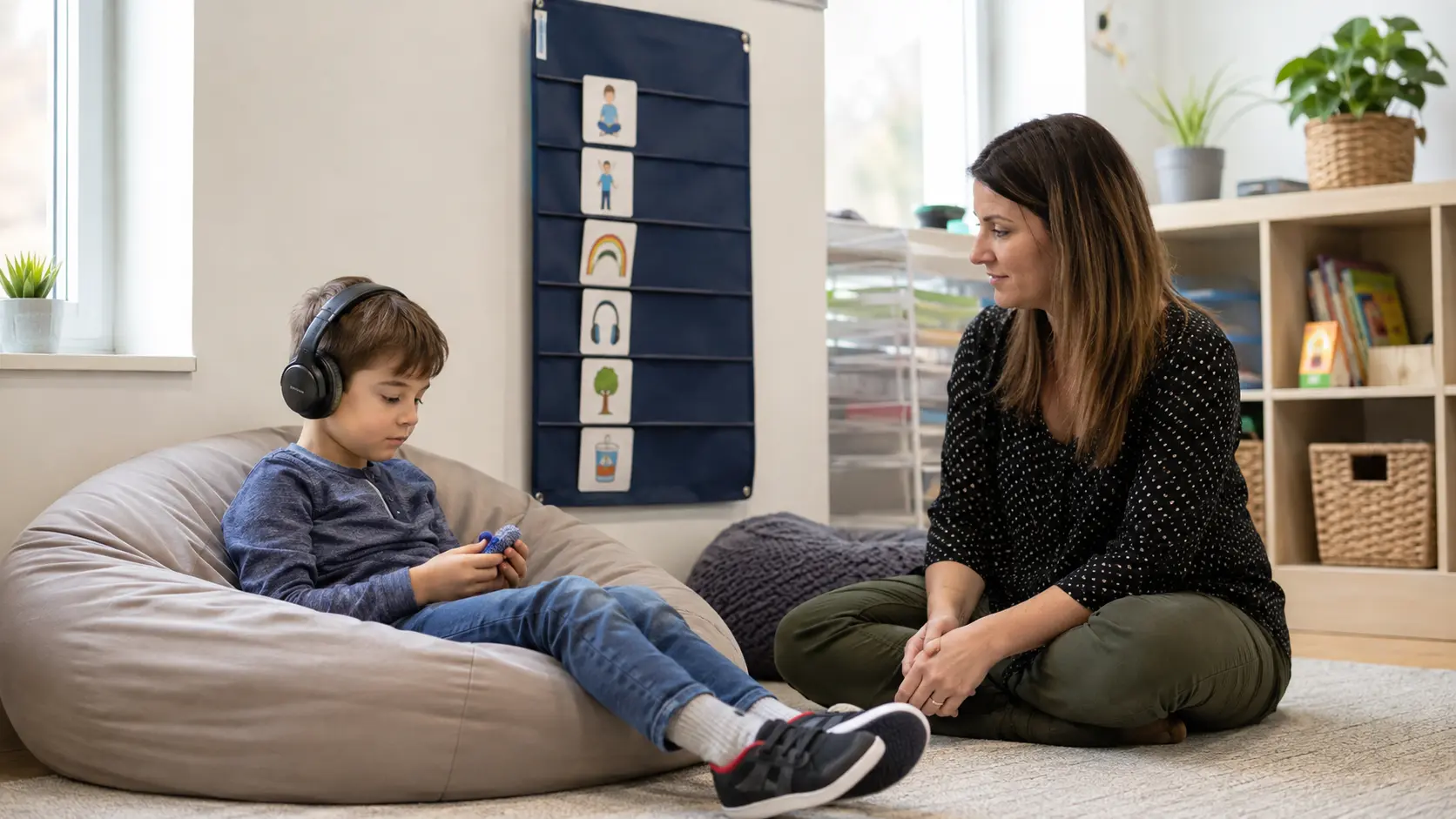
- Child fatigue is real and deserves clinical weight. A child who is dysregulated, emotionally depleted, or simply exhausted will not learn effectively in therapy regardless of how many hours are scheduled. Fatigue-driven sessions are not a good investment for anyone.
- Caregiver bandwidth matters. Sustainable schedules — ones that caregivers can actually maintain over months without burning out themselves — produce better outcomes than theoretically ideal plans that create chronic family stress.
None of this is a reason to shortchange a child who genuinely needs more intensive support. It is a reason to design schedules that account for the whole child and the whole family, not just the clinical goals in isolation.
Flexible Options at AtlasCare: In-Home, After-School, School/Daycare Support, and Parent Training
AtlasCare ABA is built around the understanding that one service model does not fit every family, and that the most clinically effective plan is the one that can actually be implemented in the context of a child's real life.
In-Home ABA Therapy
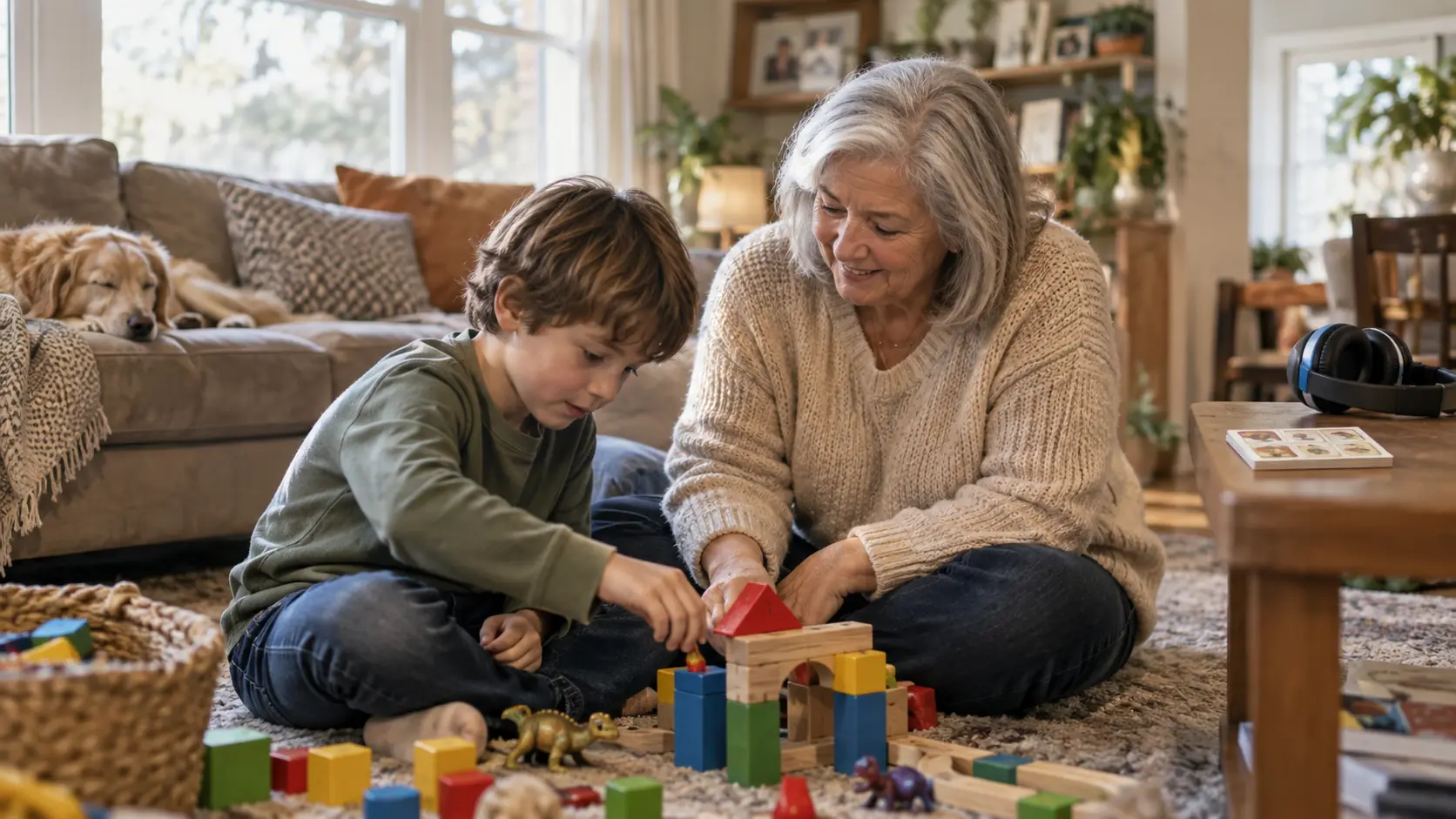
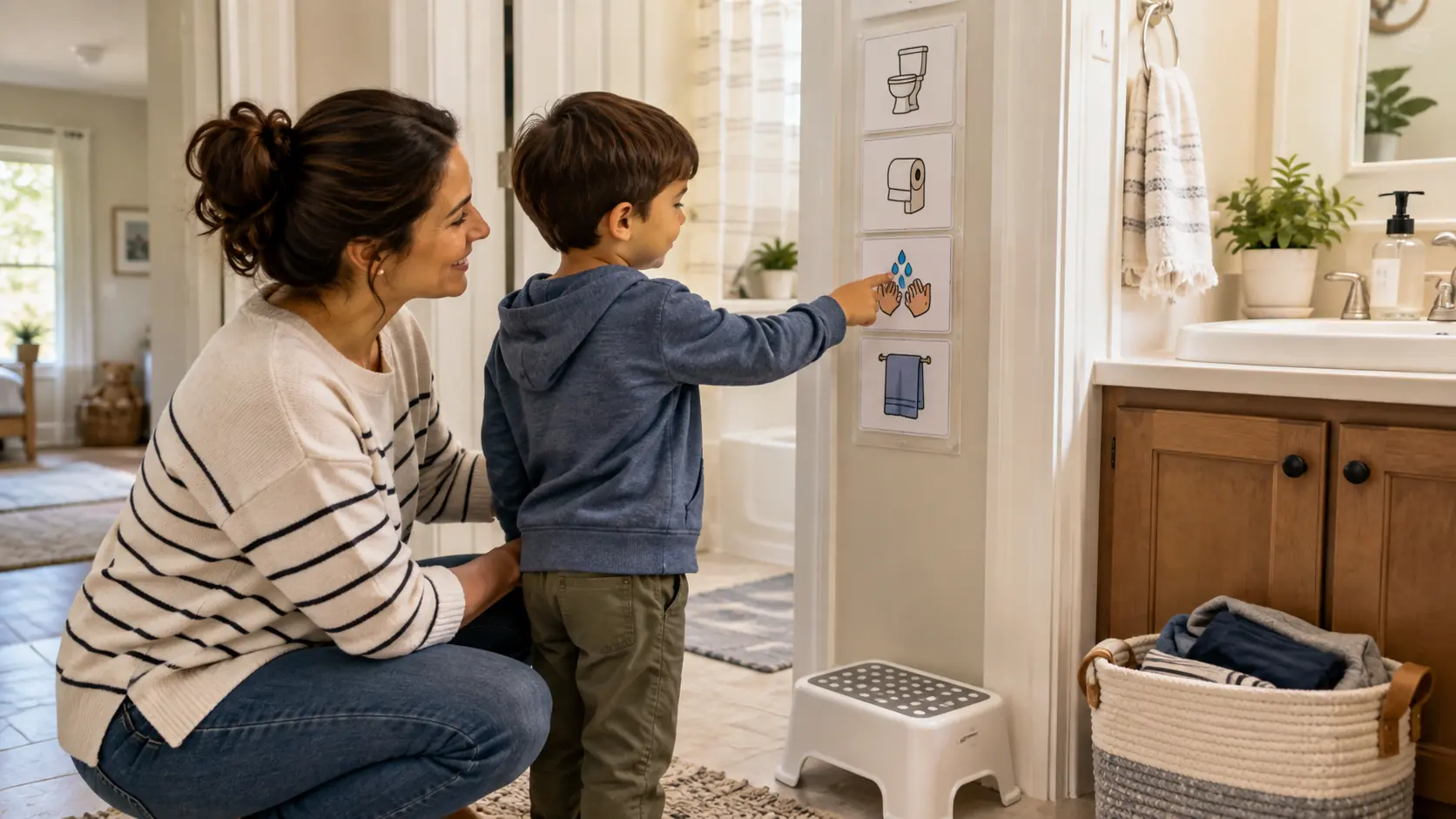
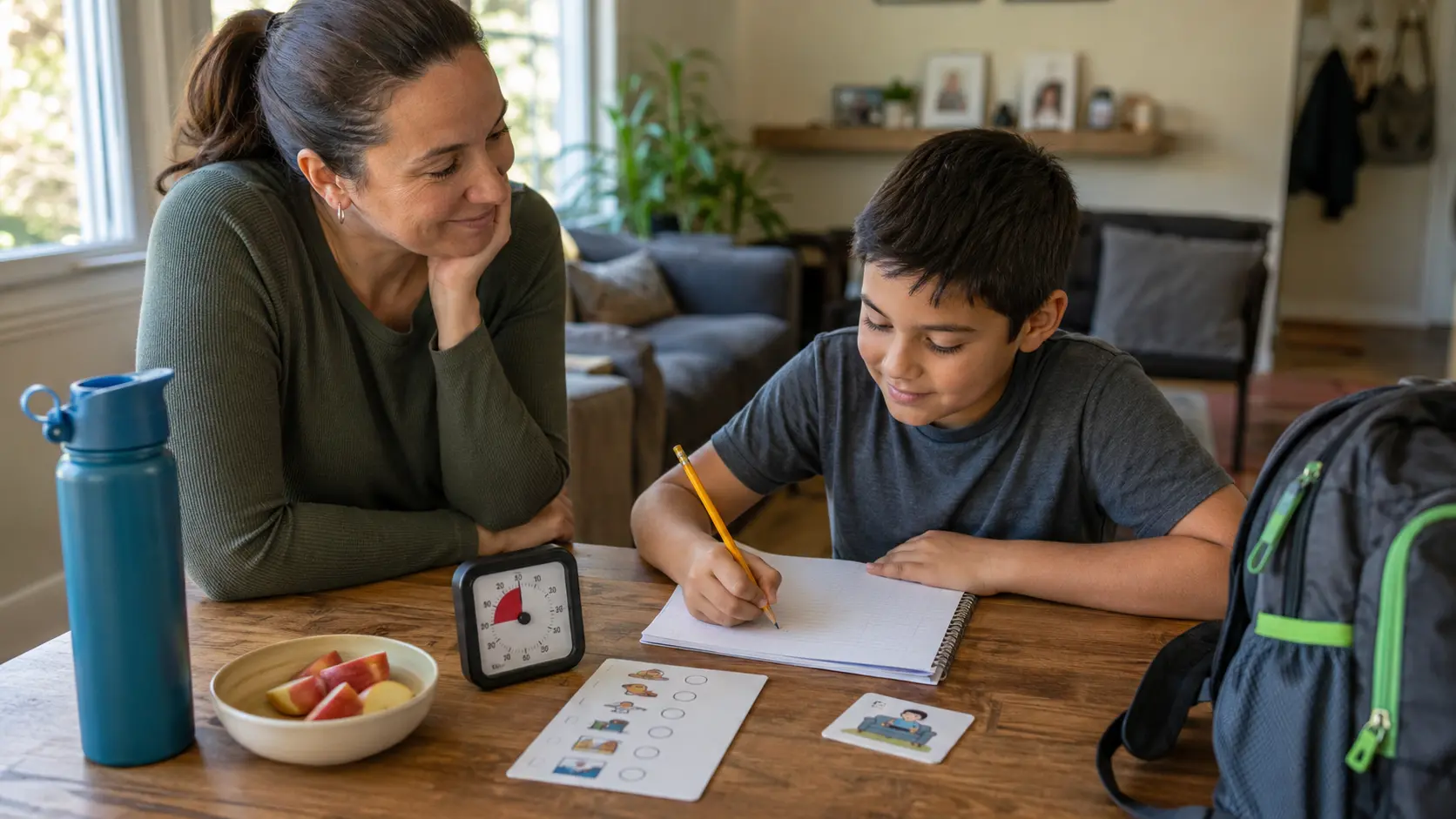
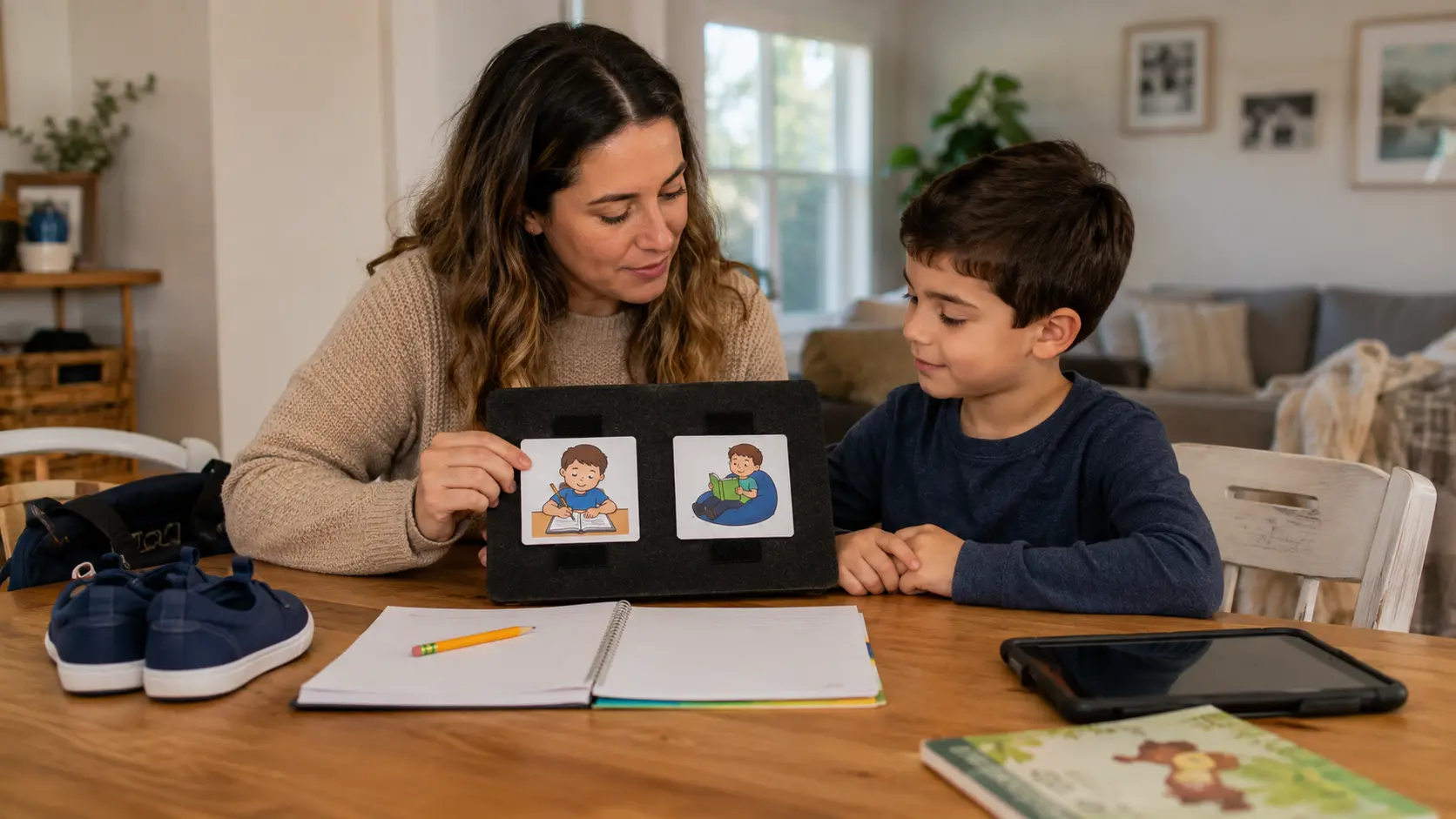
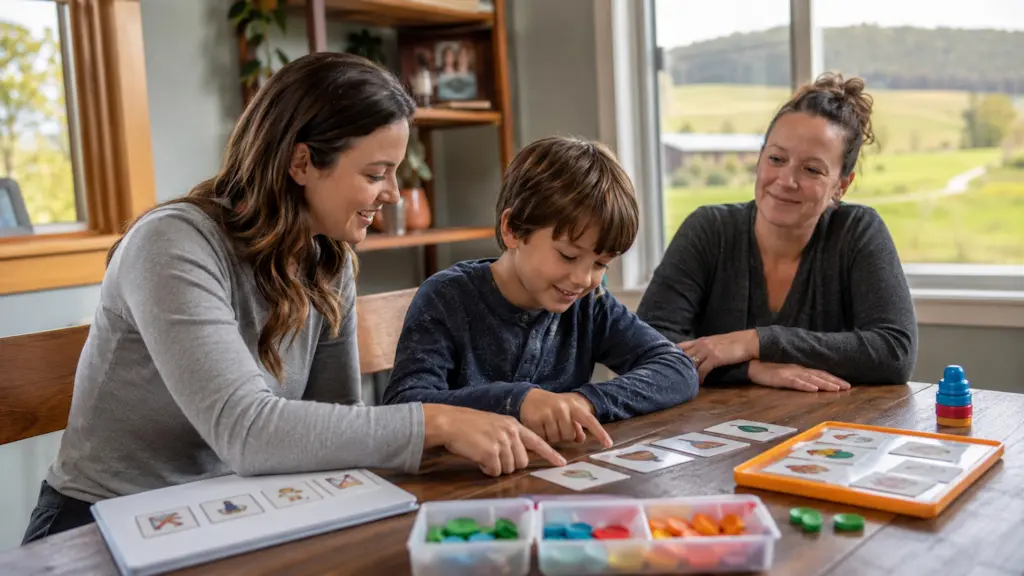
In-home services place the therapy in the environment where behavior actually happens — the kitchen, the bedroom, the yard, the car. For families who cannot travel to a clinic or whose children do best in familiar surroundings, home-based therapy is not a convenience option. It is often the strongest clinical fit. Skills practiced in the places where they matter most tend to generalize more readily. And sessions can be integrated into real routines — morning dressing, mealtimes, sibling interactions — rather than practiced in isolation and transferred to daily life later.
School and Daycare Support
For children who are already in school or daycare, ABA support in that setting can address the skills and behaviors most relevant to the environment where your child spends the majority of their structured time. School and daycare support can complement whatever in-home programming is in place, or function as part of a focused plan when the child's primary goals are directly connected to their educational setting.
Flexible Scheduling
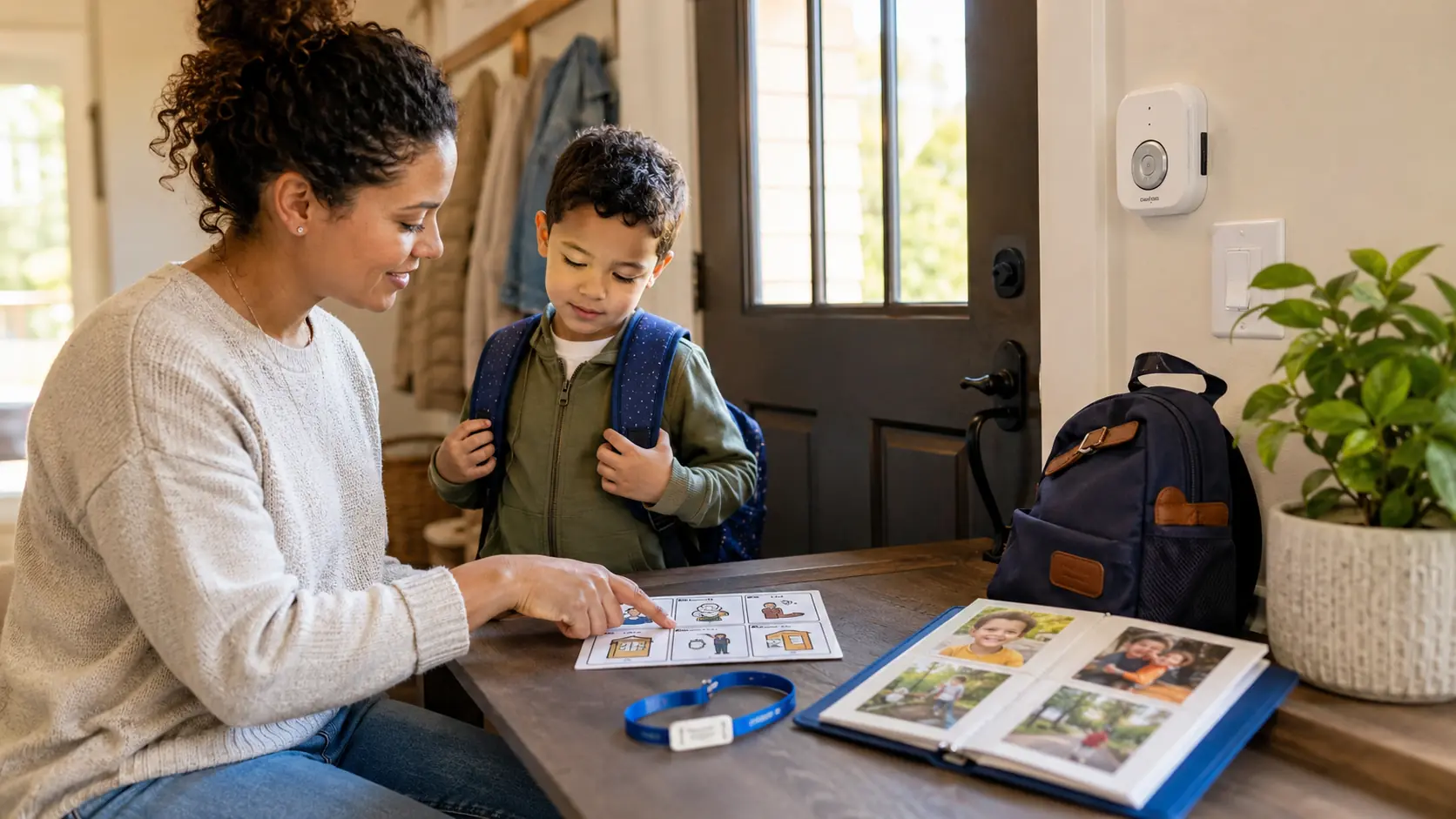
AtlasCare works with families to identify session times that align as closely as possible with the child's school calendar, family routines, and caregiver availability. Scheduling options depend on clinician availability, service setting, and the child's treatment plan, so families should confirm current options in their area.
Parent Training as Part of a Broader Plan
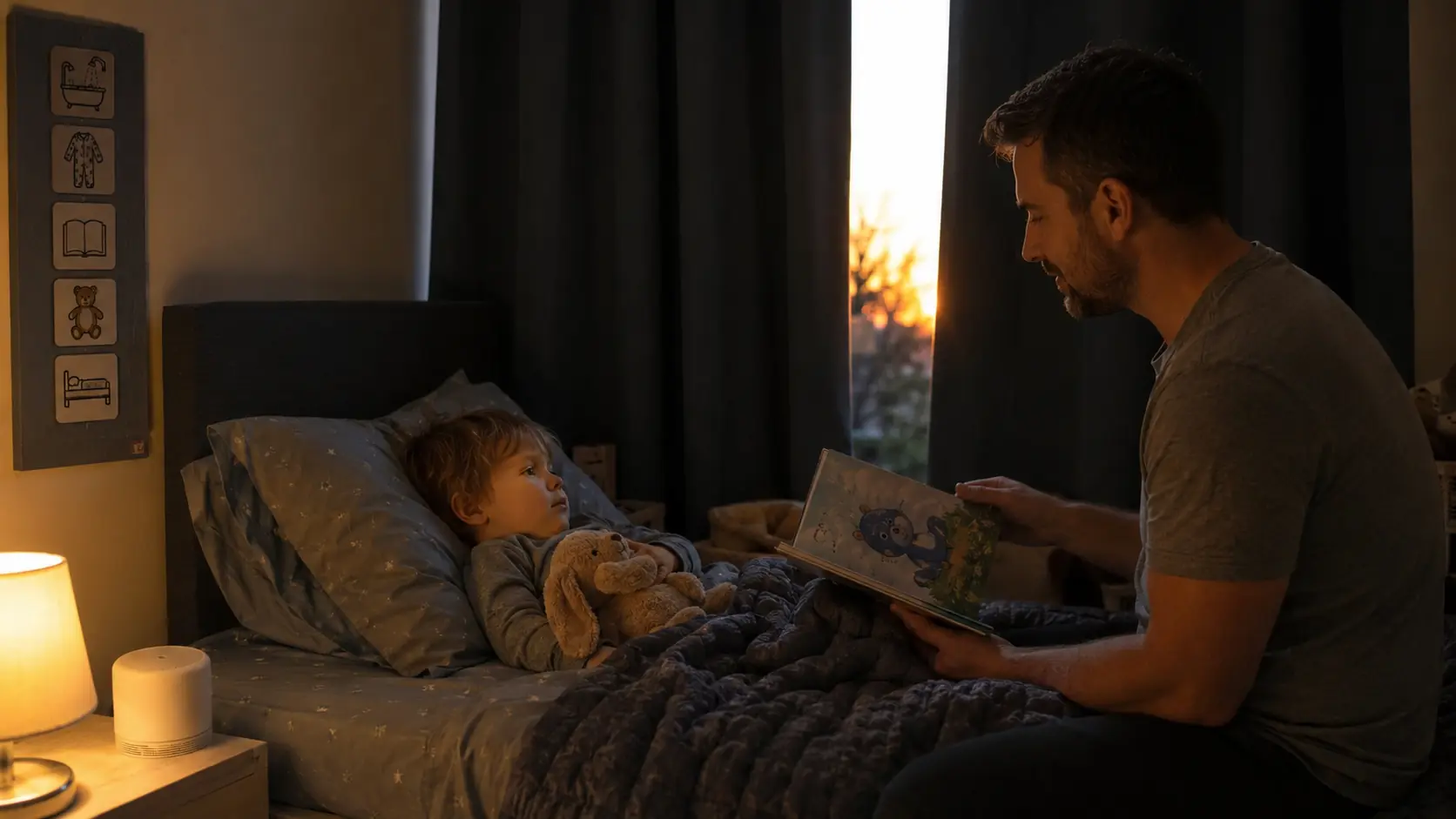
Parent training — structured, BCBA-led coaching for caregivers — is a core component of AtlasCare's approach, not an add-on. When caregivers understand the strategies behind their child's ABA program and can apply them consistently during meals, transitions, bedtime, and community outings, the therapy-to-life ratio improves significantly. Parent training does not replace medically necessary direct therapy hours, but it extends the impact of every hour that does happen by building consistency across the full day.
For some families on focused ABA plans, robust parent training is what makes a smaller schedule clinically meaningful rather than insufficient. For families on more comprehensive programs, parent training compounds the gains being built in sessions.
If a 20-hour ABA schedule is not realistic for your family right now, that does not automatically mean your child cannot make progress. The right plan is the one that is clinically appropriate, individualized, and sustainable enough to work in real life.















.webp)


.webp)

.webp)
.webp)
.webp)






.jpg)


.webp)

.webp)
.webp)









%20During%20Play%20in%20the%20Home.webp)