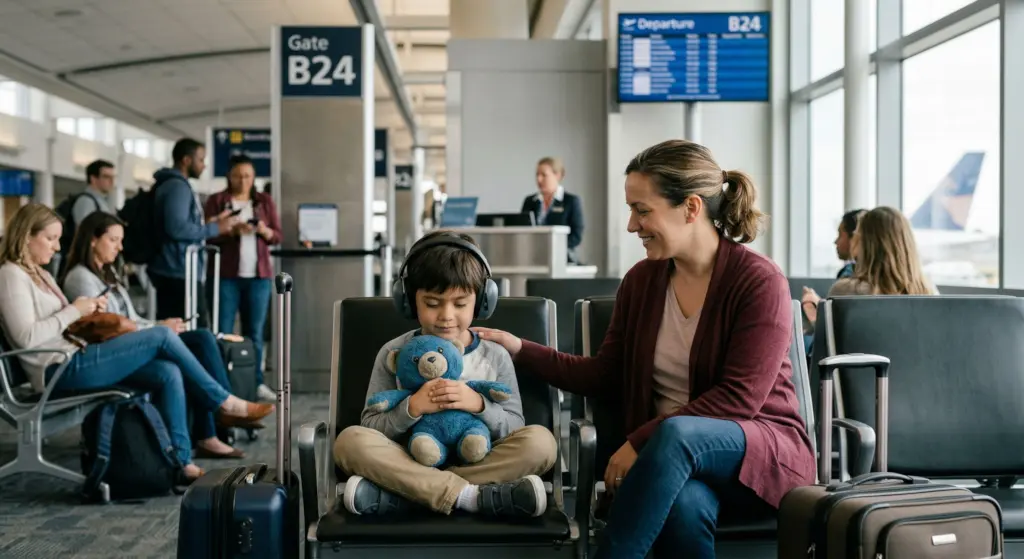
The conversation happens in a lot of families every spring. Someone suggests a vacation — a beach trip, a visit to grandparents across the country, or a destination the kids have been asking about for months. And then the quiet mental math begins: the airport, the security line, the layover, the hotel room that smells different, the first night in a strange bed, the long drive, the crowded attractions, the disrupted sleep.
For families raising a child with autism, those are not abstract worries. They are based on real experience. Maybe you have had a trip end early. Maybe you have dealt with a meltdown in a terminal, a sleepless hotel night, or a drive home that felt harder than the vacation itself.
Here is the part worth saying clearly at the start: family travel is possible, and it can be enjoyable. Not every moment will feel easy, and not every trip will go perfectly. But with realistic expectations, thoughtful planning, and ABA-informed preparation, many families can make travel more manageable and more meaningful.
Can We Actually Go on Vacation? (Yes, You Can!)
Yes — but the definition of a "successful trip" may need to change.
A successful vacation with a child with autism does not mean every transition goes smoothly, every restaurant works out, or every bedtime feels normal. A more realistic version of success looks like this: your child has several enjoyable moments, the hardest parts are managed rather than catastrophic, and your family comes home with a few good memories instead of only exhaustion.
That mindset matters. It helps families plan better, adjust faster, and recover more gracefully when something goes sideways.
ABA strategies for travel are not a guarantee, but they can make the trip more predictable and manageable.
The Pre-Trip Rehearsal: Preparing Your Child for the Airport or Car
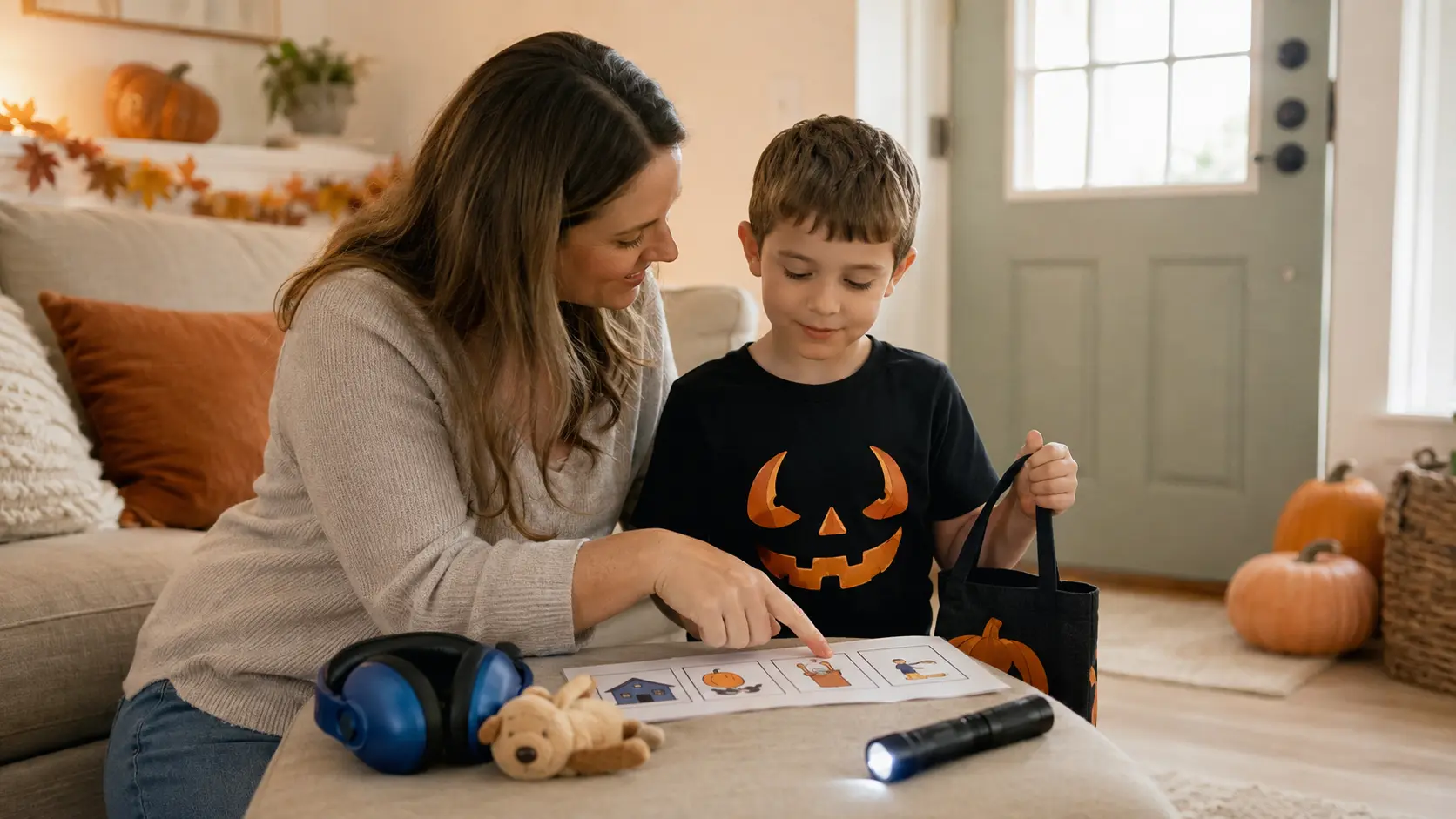
One of the most effective ABA-informed principles for travel preparation is priming: giving your child detailed, advance notice of what is going to happen before it happens. Priming reduces the novelty of the experience, which reduces the anxiety that novelty generates.
For travel specifically, priming means more than a conversation the night before. It means practicing the trip in smaller, lower-stakes ways before the real one begins.
For Car Trips
- Practice longer drives before the real one. Start small and build up. Try the same music, snack routine, seating setup, and comfort items you plan to use on travel day.
- Practice short waits at gas stations or rest stops. A simple first/then structure can help: "First restroom, then back in the car for snack."
- Pack the suitcase early and let your child see it, explore it, or help with it. That can make departure day feel less abrupt.
For Air Travel
- Watch airport or airplane videos together and narrate what is happening in simple language.
- Practice travel-related routines at home when helpful, such as waiting in line, following a visual sequence, or tolerating a seatbelt for longer periods.
- Check whether your airport participates in Wings for Autism®/Wings for All®, a program from The Arc that gives families an airport "rehearsal" before an actual flight. Availability varies by airport and local partners.
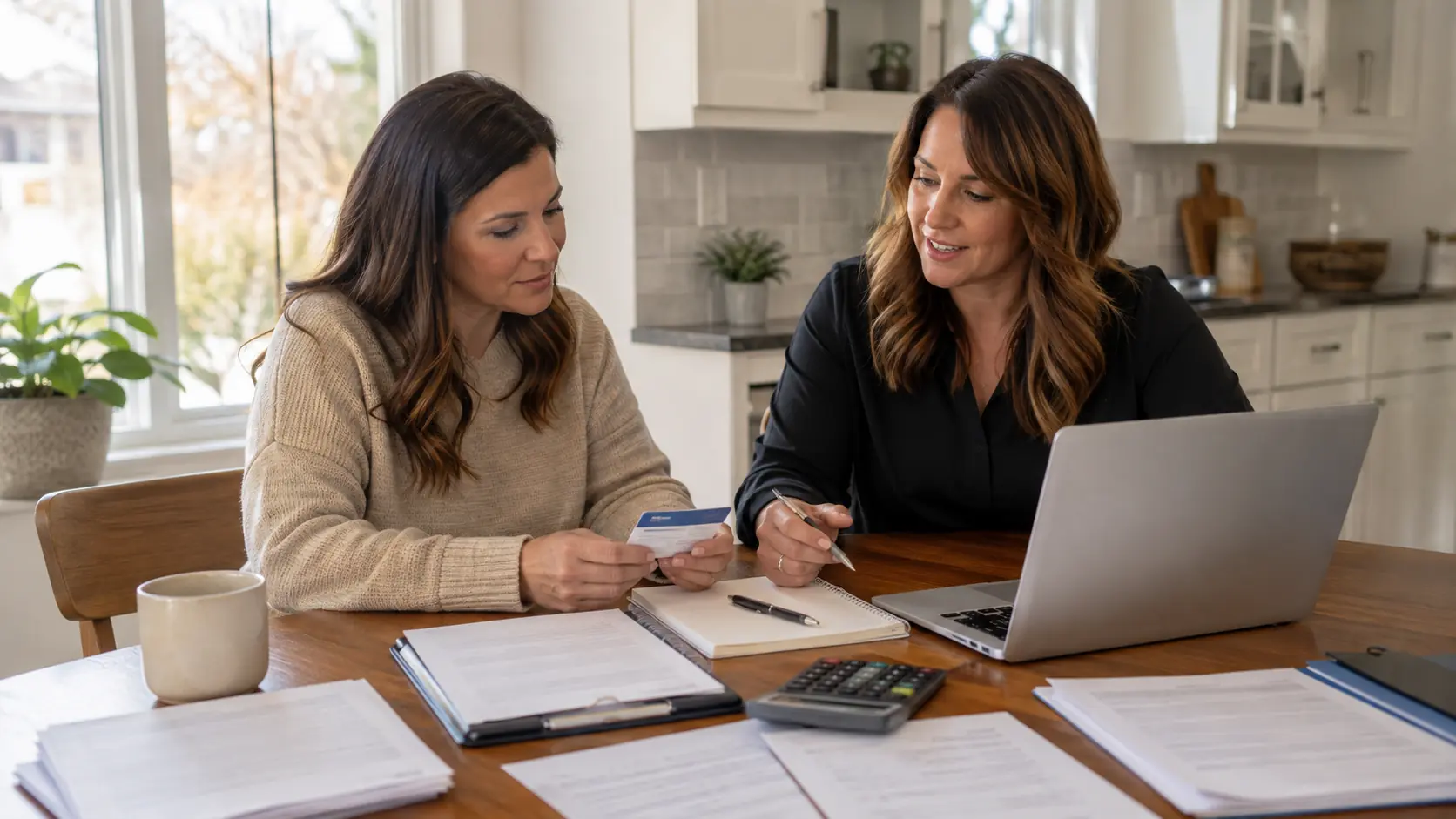
- If you are flying, TSA Cares lets travelers request support for disabilities or medical conditions, and TSA asks families to contact them at least 72 hours before departure. TSA also provides a Disability Notification Card that can help you discreetly communicate relevant information during screening.
Packing Your "Sensory Survival Kit"
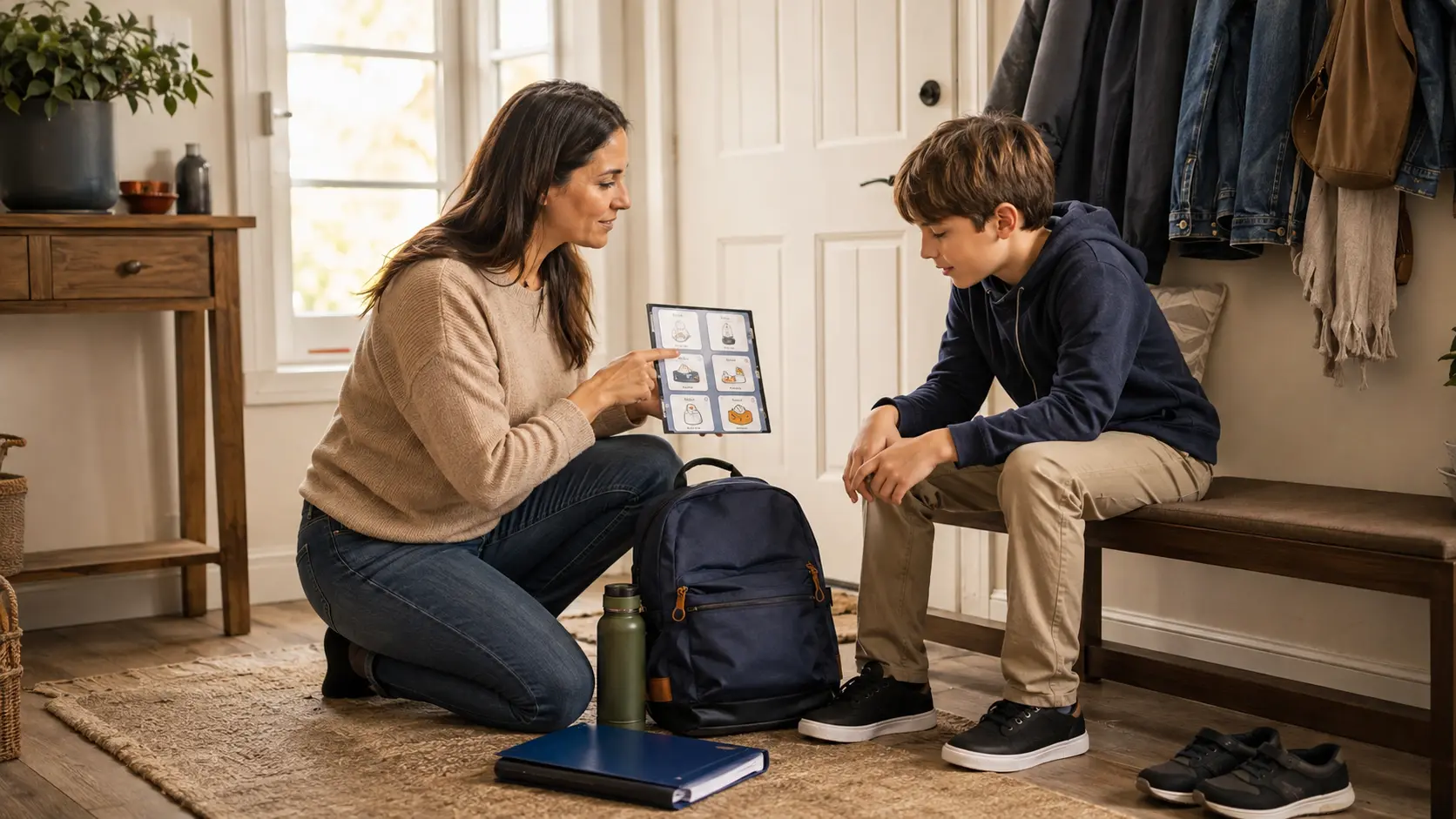
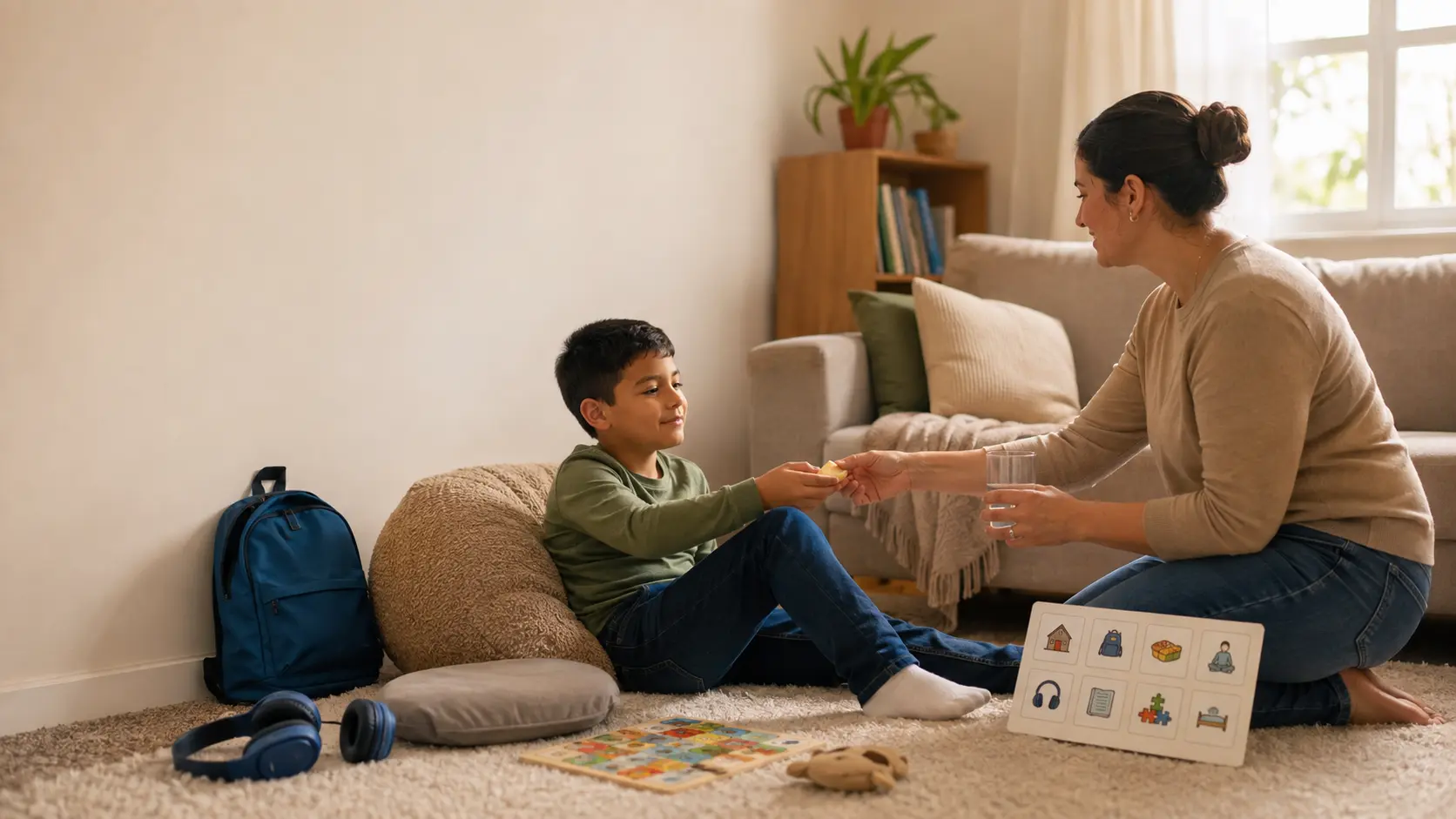
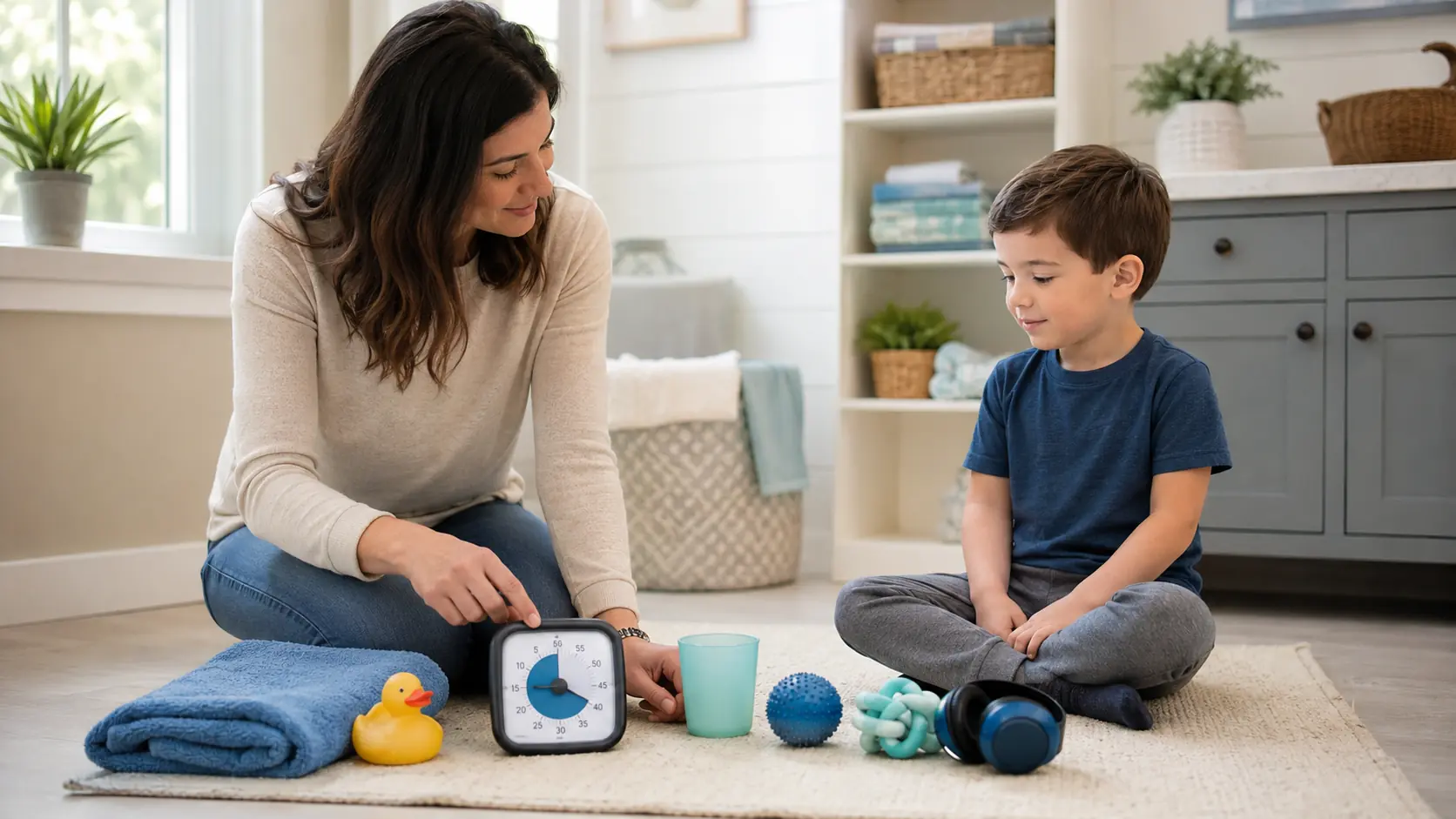
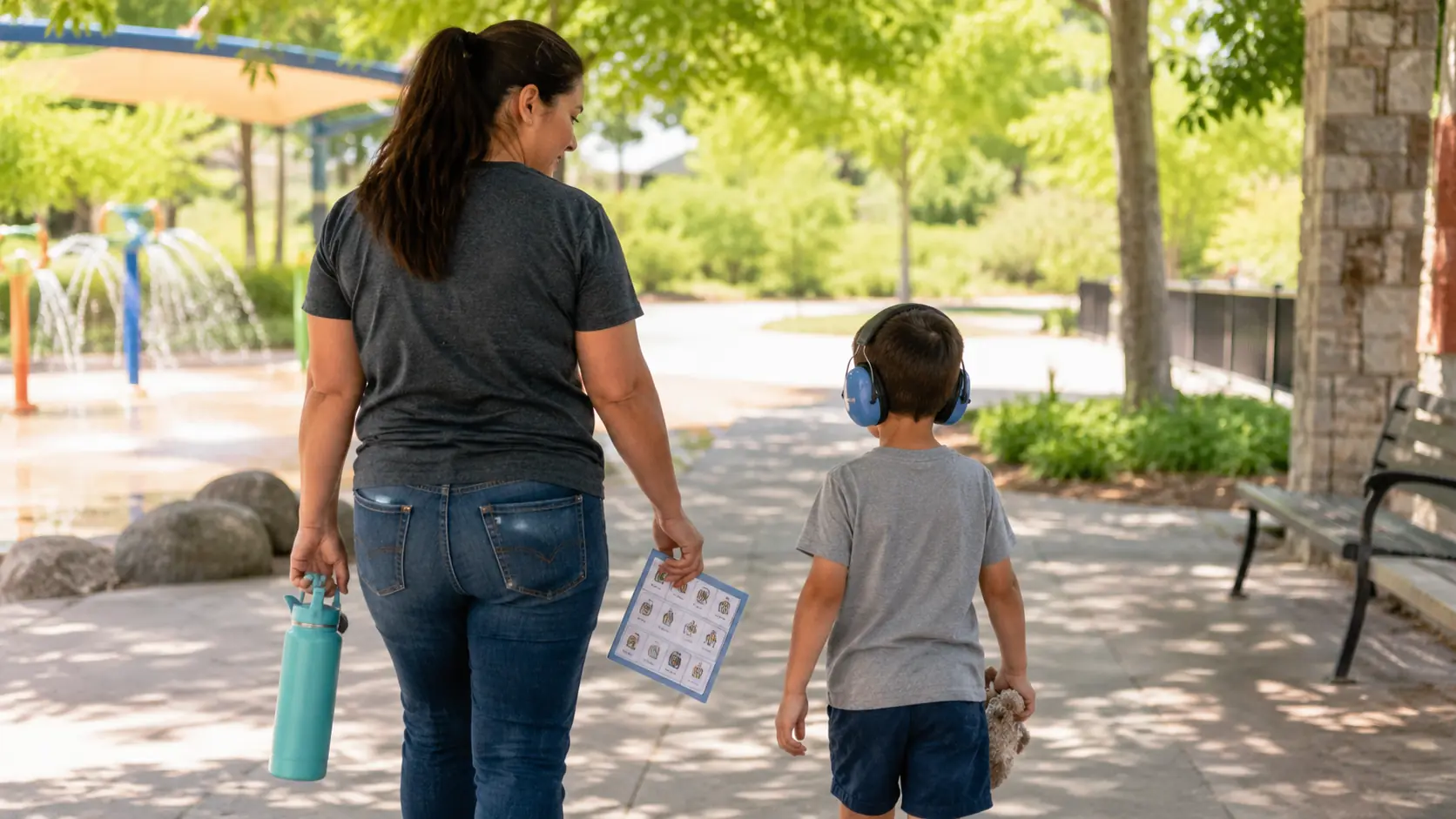
One of the most useful things families can do before a trip is create a dedicated regulation bag for travel day. This is not the general luggage. It is the bag your child can access immediately in the car, at the gate, on the plane, or in the hotel lobby.
What goes in it depends on your child, but many families include:
- Noise-canceling headphones or ear defenders
- A familiar comfort item
- Preferred snacks
- Fidgets or calming sensory items
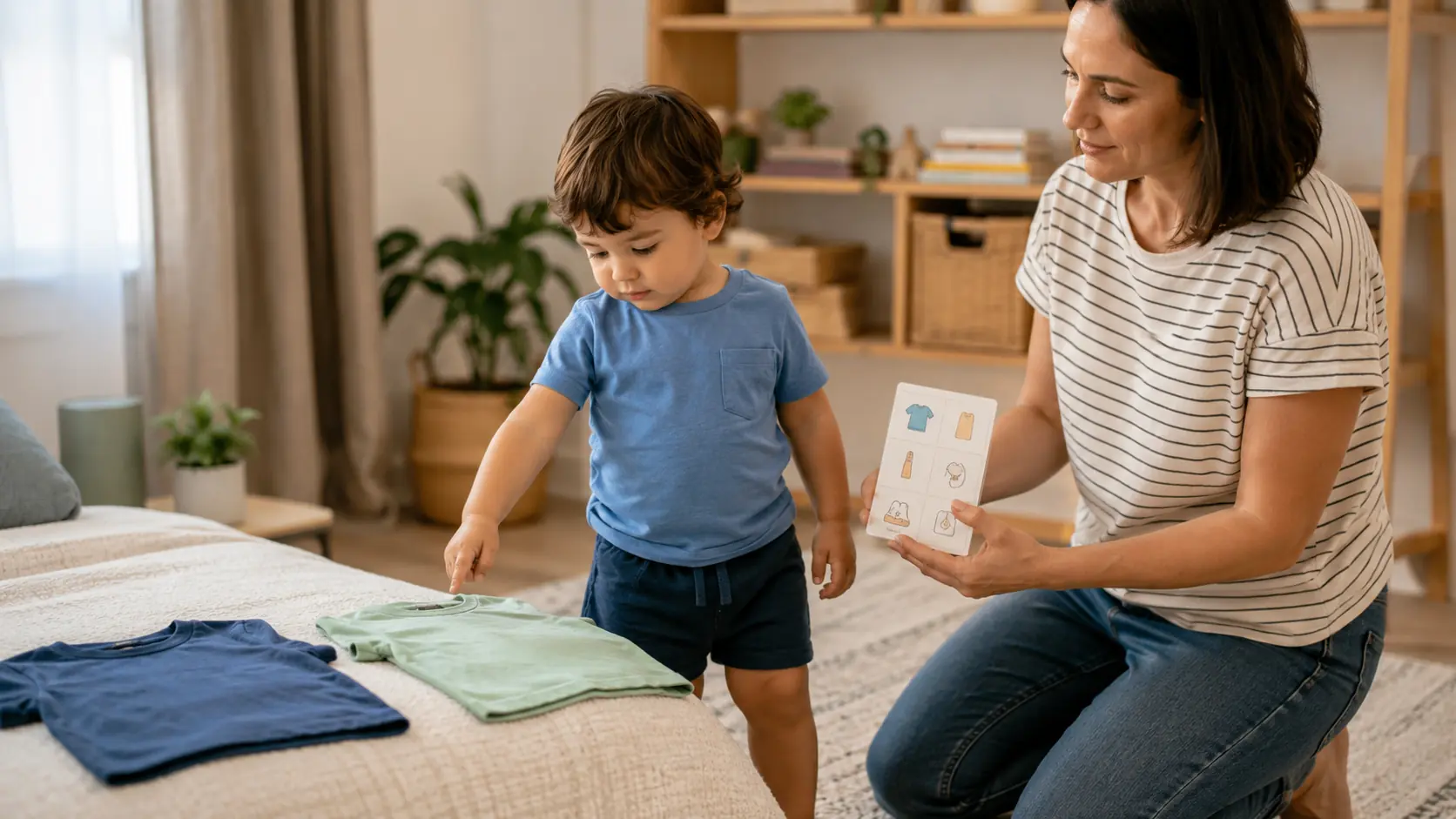
- AAC device, communication board, or picture cards
- Chargers and backup battery
- One change of clothes
- Medications kept with the caregiver, not packed away
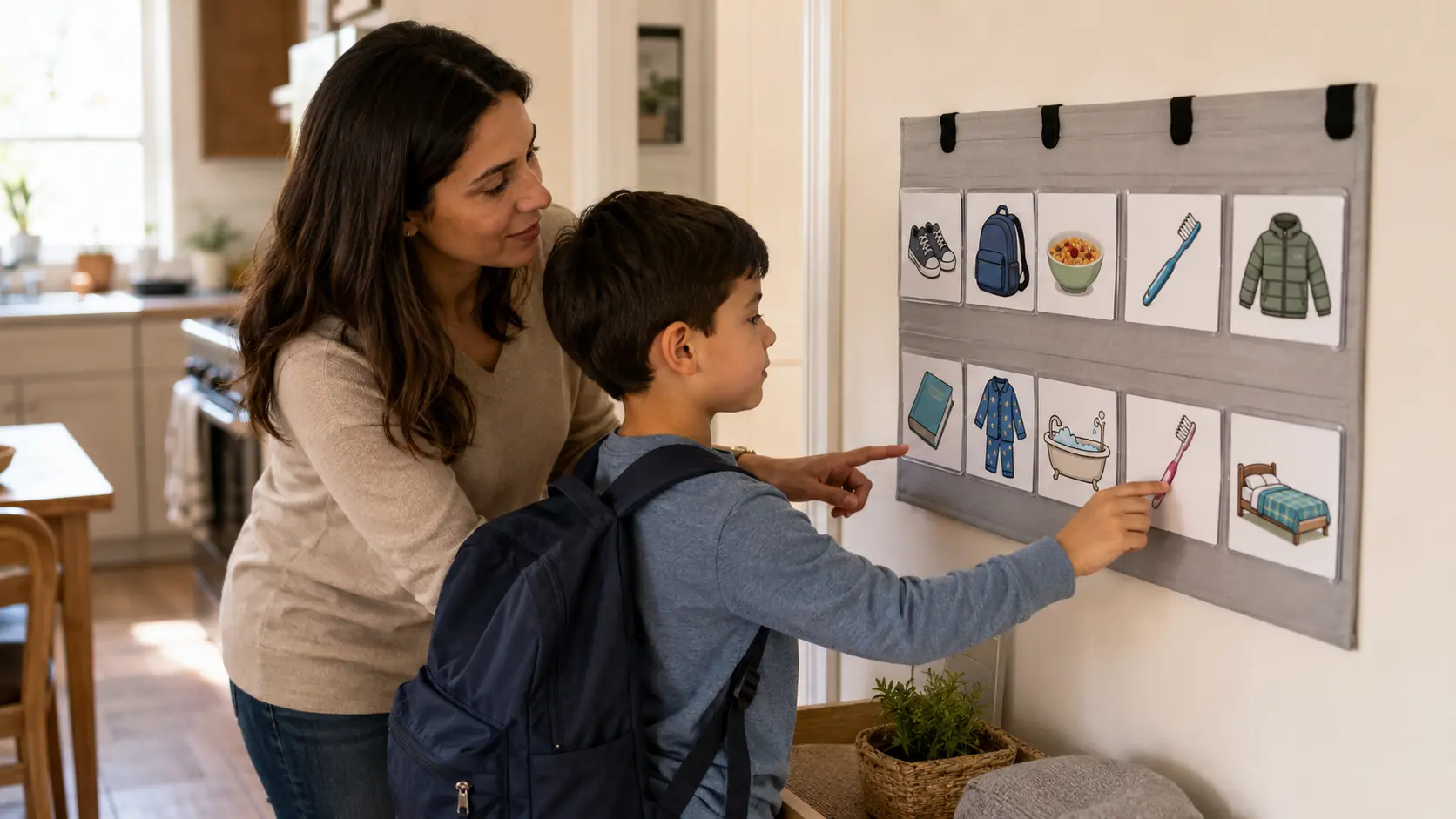
- A printed or digital travel visual schedule
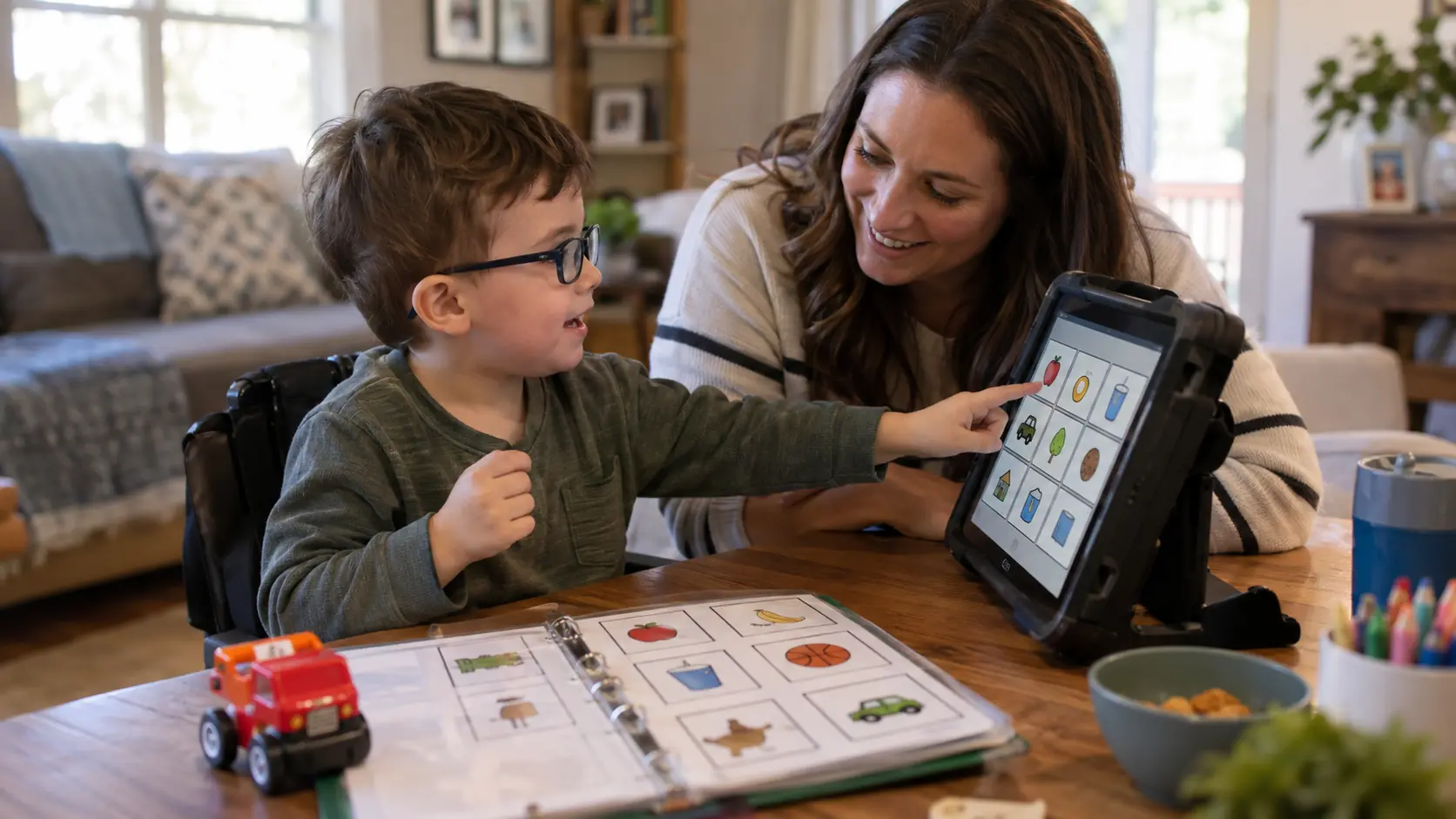
If your child uses an AAC device, bring it. Travel adds communication demands, and a child who communicates well at home may still struggle more under stress.
Before You Leave: Quick Travel Checklist
- Visual schedule for the travel day
- Comfort item packed in carry-on or front-seat bag
- Preferred snacks
- AAC or communication supports
- Chargers and power bank
- Spare clothes
- Medications
- Reinforcement plan for key travel transitions
- TSA Cares contacted in advance if needed for air travel
Maintaining a "Mini-Routine" While on the Road
Travel is hard in part because routine changes fast. You probably cannot keep your child's entire normal schedule on vacation, but you often can preserve a mini-routine.
That usually means protecting the anchors that matter most:
- Roughly consistent wake time
- Recognizable meal rhythm
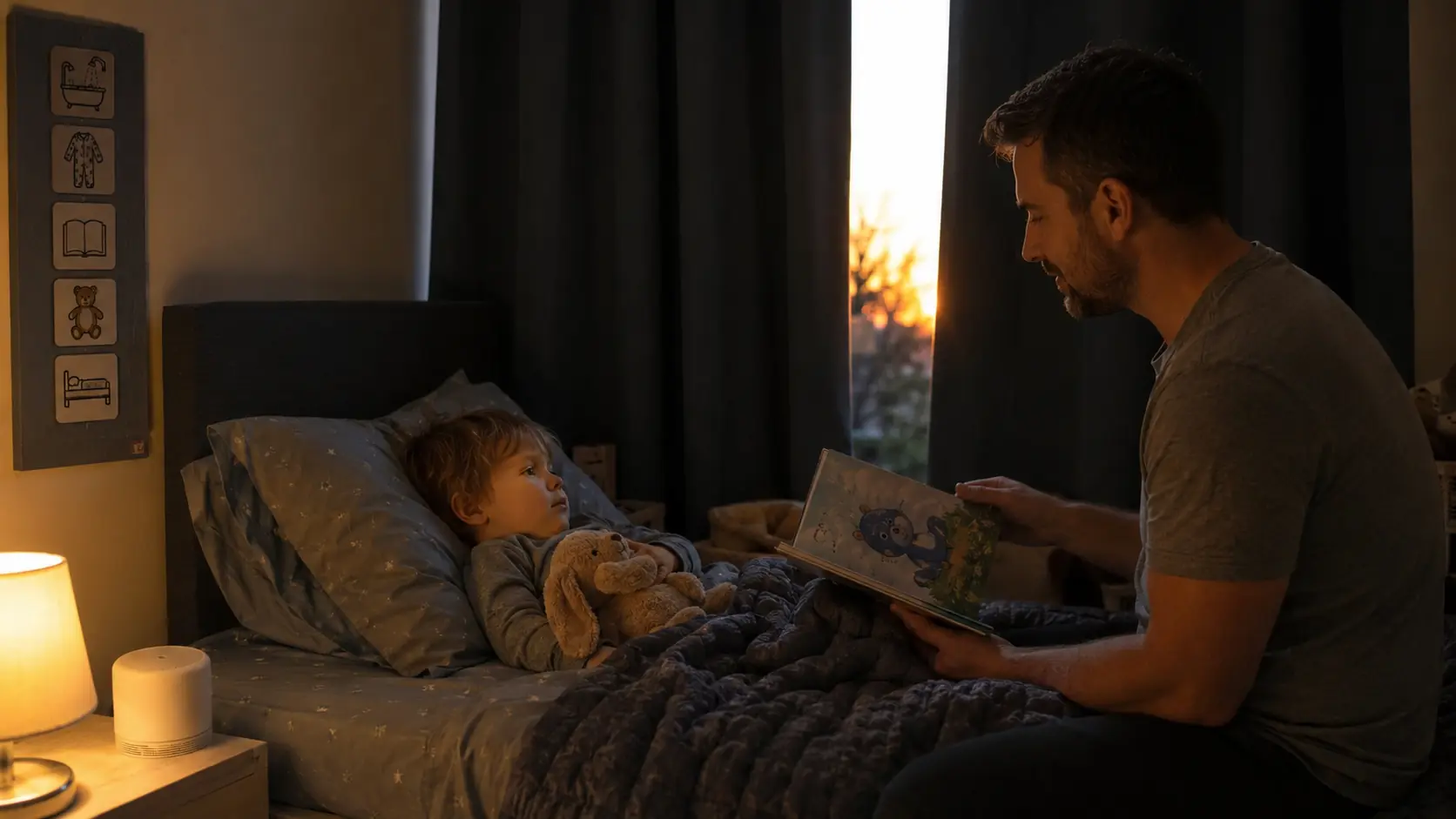
- Familiar bedtime routine
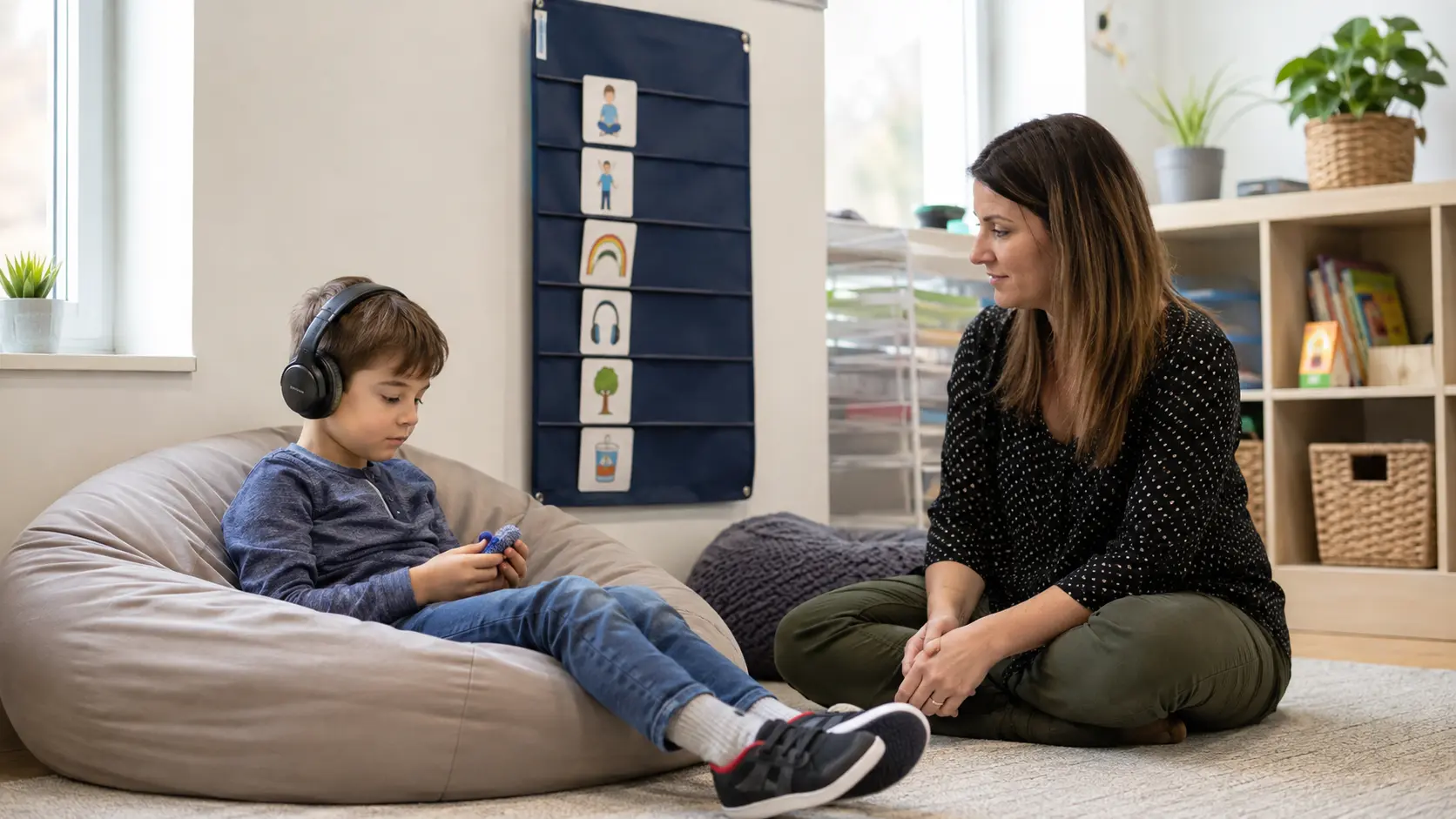
- Planned decompression breaks after high-stimulation activities
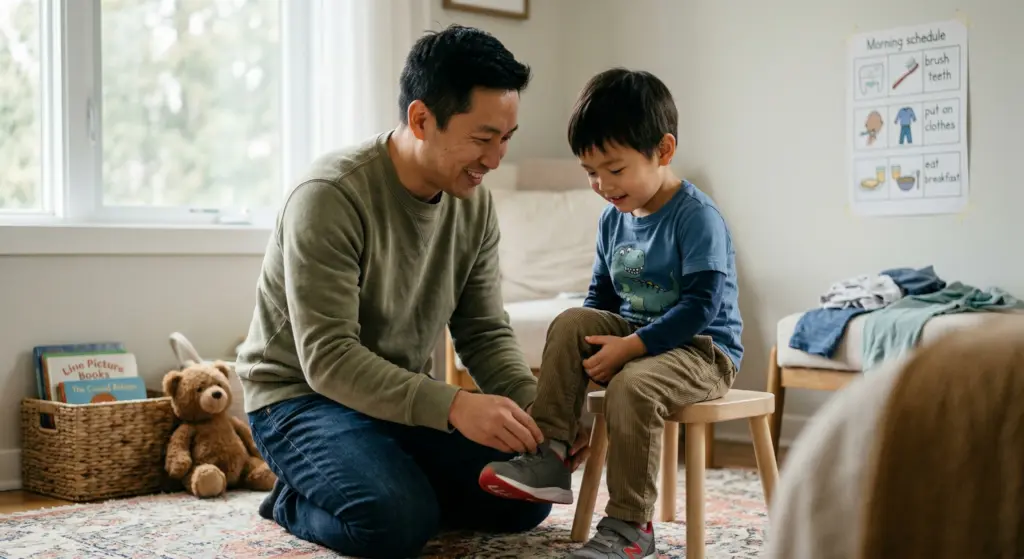
A travel visual schedule can help here too. It does not need to be complicated. Even a simple sequence like "wake up → breakfast → beach → quiet time → dinner → bath → bedtime" can make the day feel more understandable.
Choosing Flights, Hotels, and Activities With Sensory Needs in Mind
Travel planning becomes much easier when you treat logistics as part of the support plan.
Flights
- When possible, choose flight times that match your child's better regulation window.
- Ask the airline about disability assistance or preboarding options if that would help your child settle before the cabin gets crowded.
- Choose seats strategically when you can. Some children do better with quicker aisle access. Others do better away from busier areas.
Hotels and Rentals
When families search for autism-friendly hotels or sensory-friendly vacations, what usually matters most is not a formal label. It is whether the place can meet your child's practical needs.
That may mean:
- A quieter room away from elevators or ice machines
- A suite or rental with more space
- A kitchenette for familiar foods
- Easier access to outside space
- Fewer hallway or lobby disruptions
For longer trips, a rental can sometimes work better than a standard hotel because it gives the family more room for downtime, routine, and meal control.
Activities
Plan lighter days than you think you need. Two manageable activities with downtime in between is often more successful than one oversized itinerary that pushes the whole family too hard. Check whether attractions offer quieter hours, sensory maps, or disability accommodations. Some do, but it varies by venue.
Using ABA Strategies for Travel
ABA strategies for travel work best when they are used proactively, not only after a child is already overwhelmed.
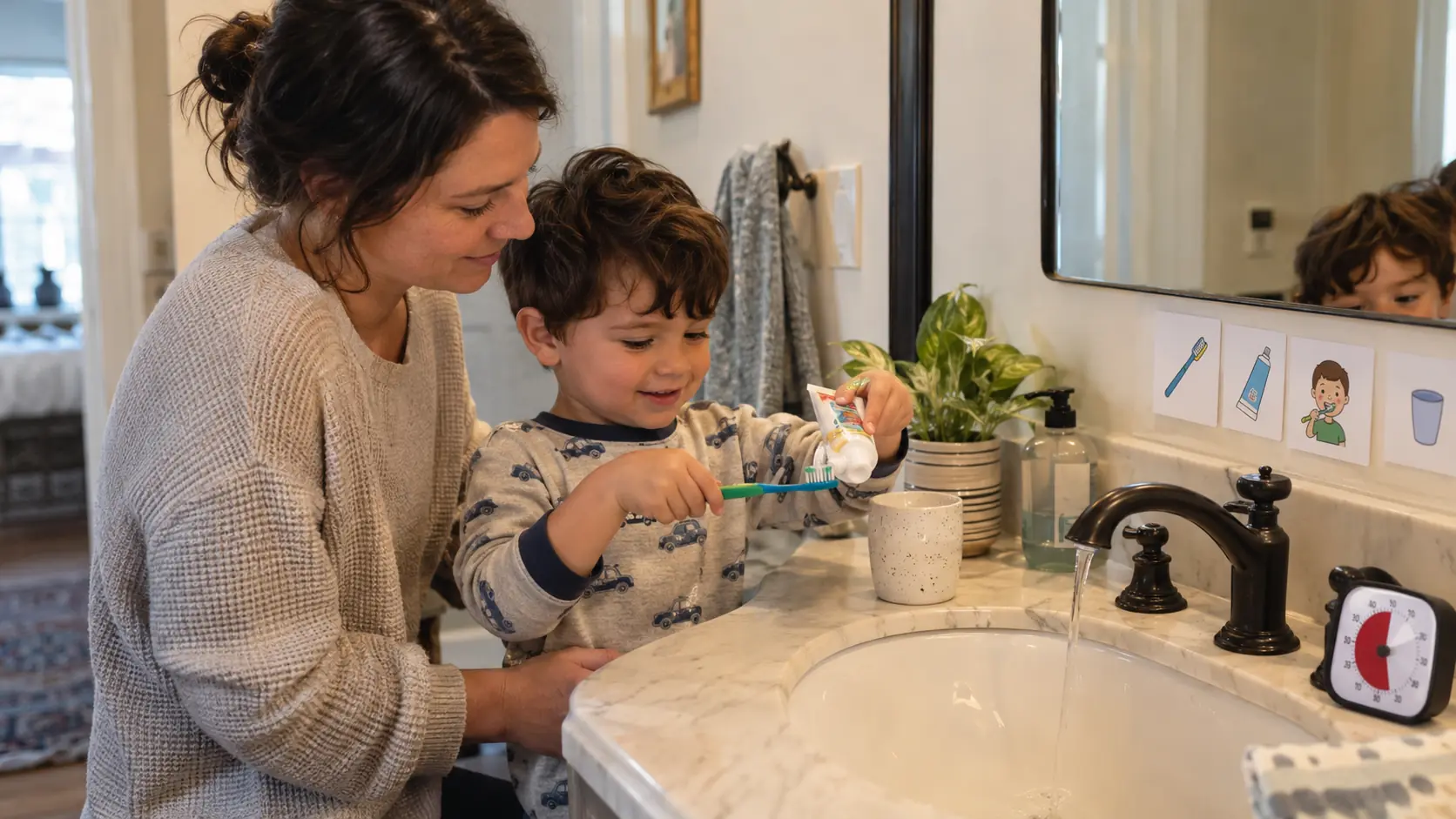
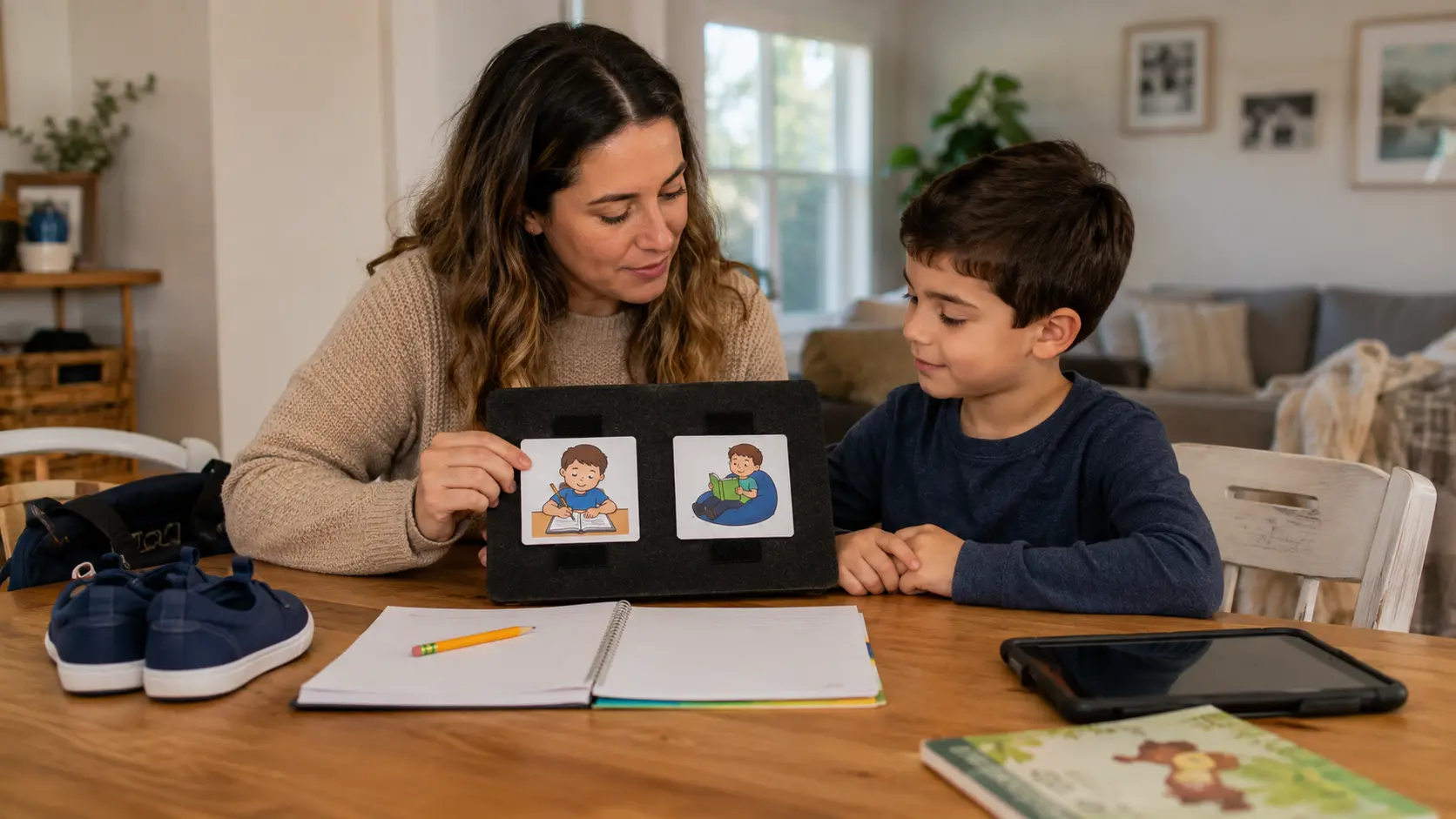
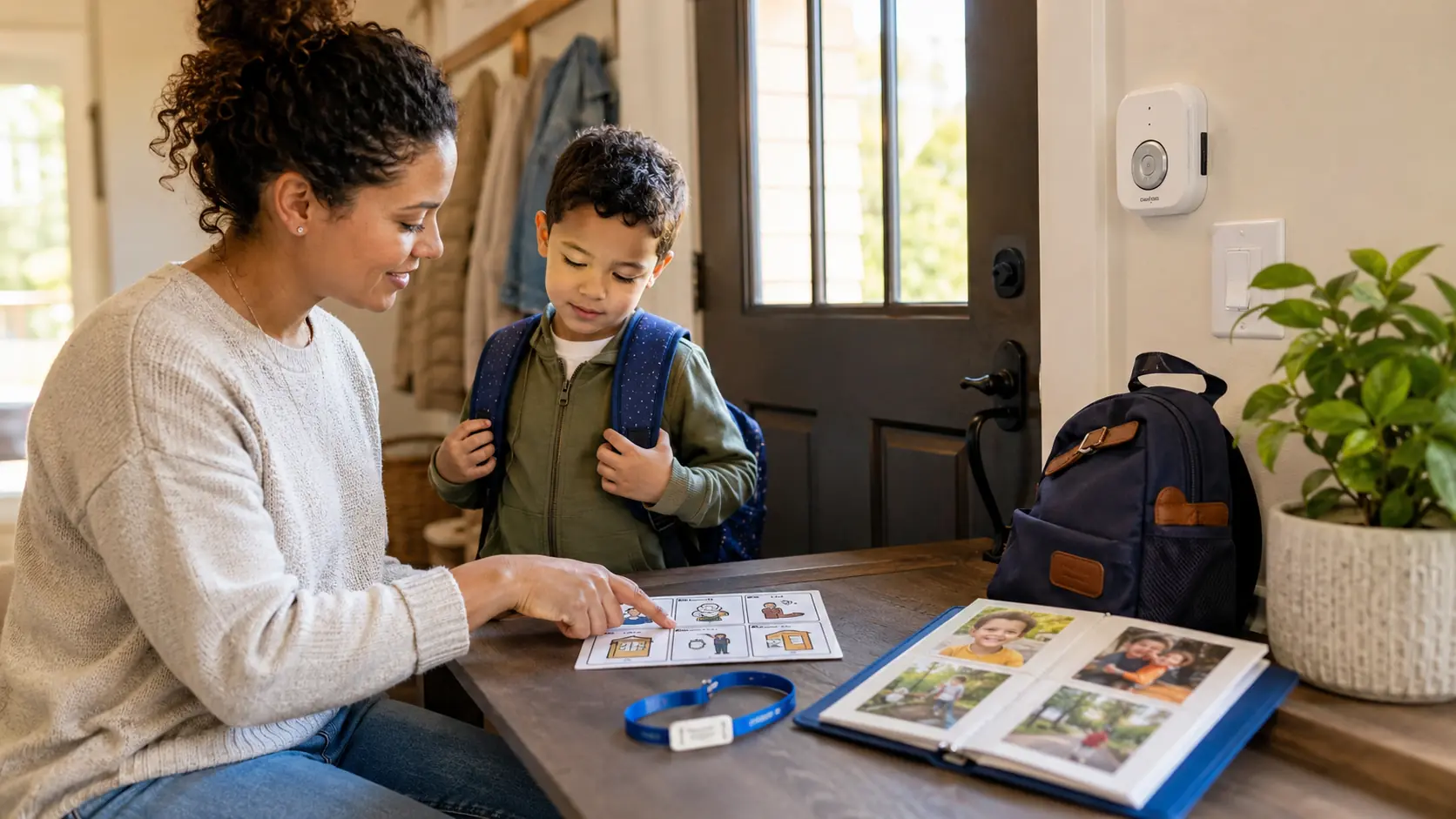
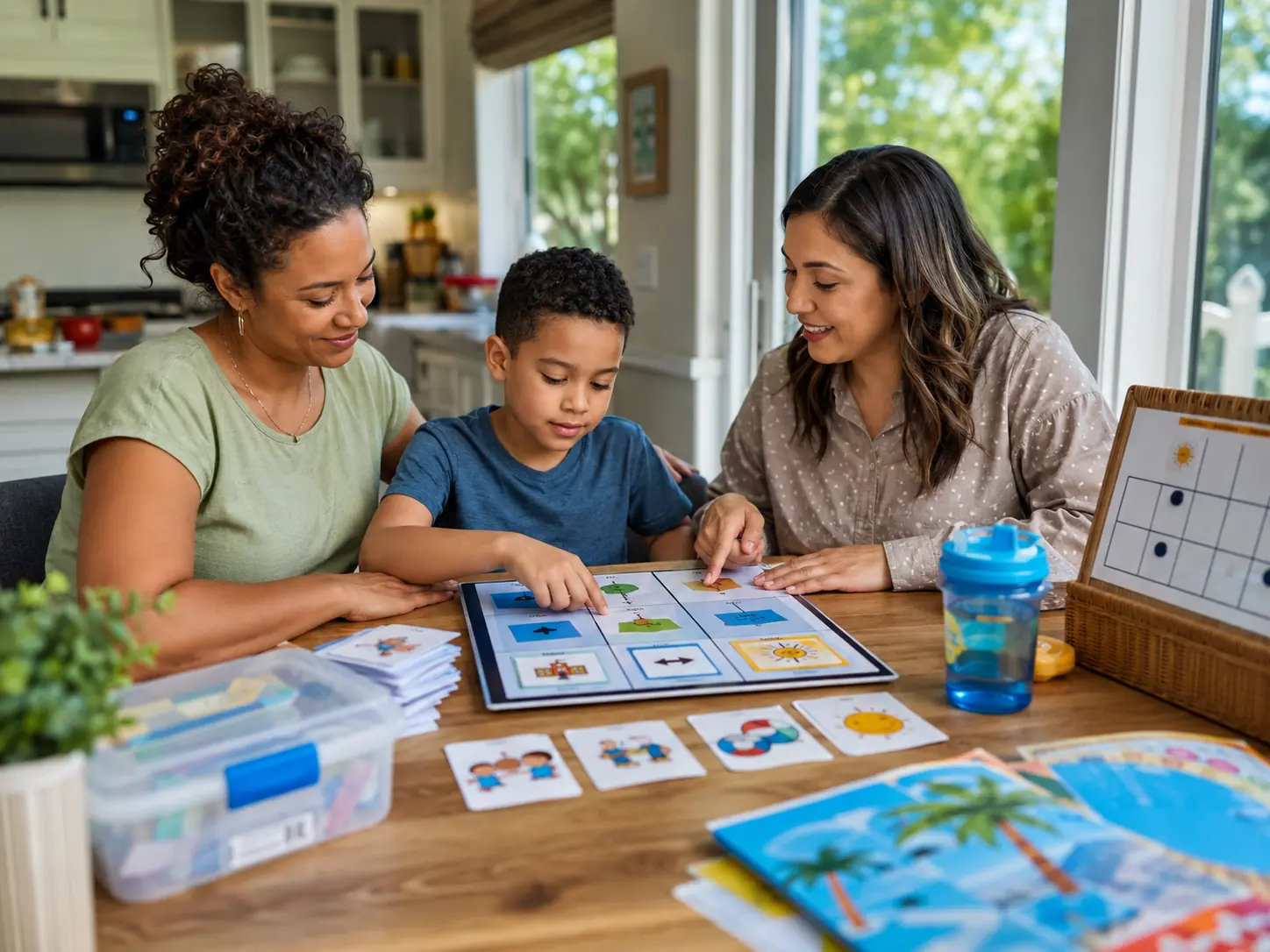
Travel visual schedules
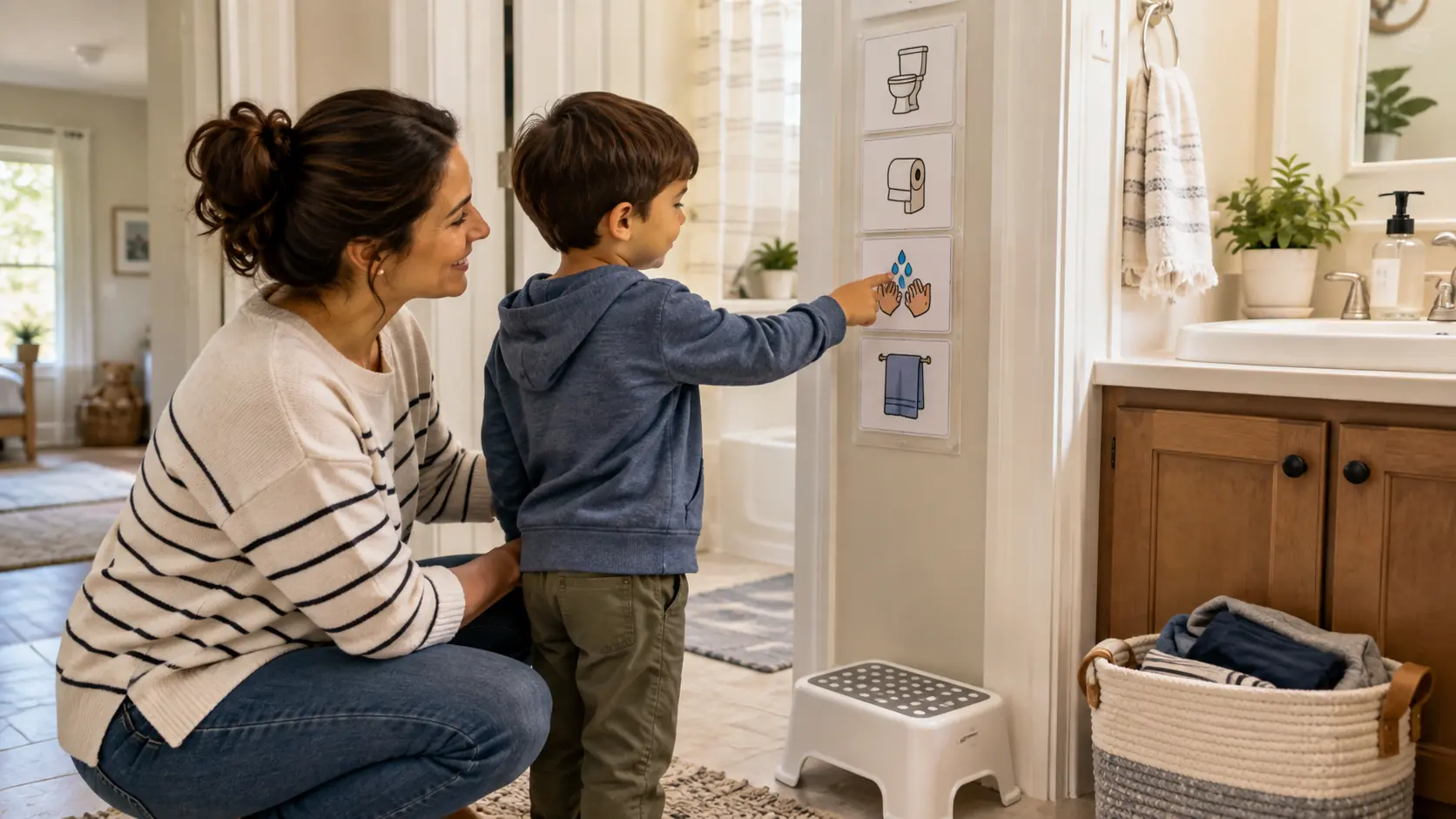
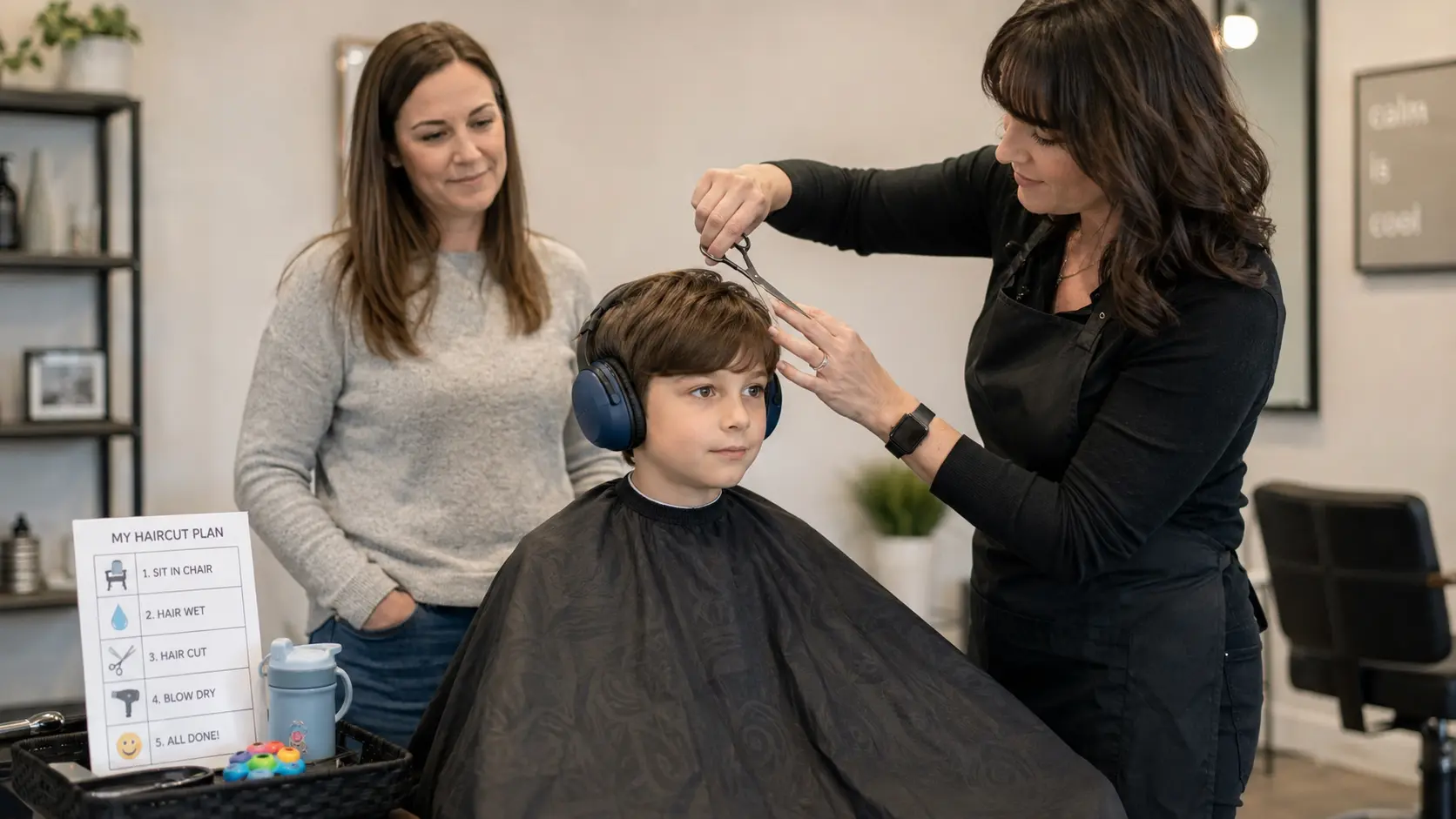
A visual schedule helps your child see the full sequence of the day instead of experiencing it as one endless unknown.
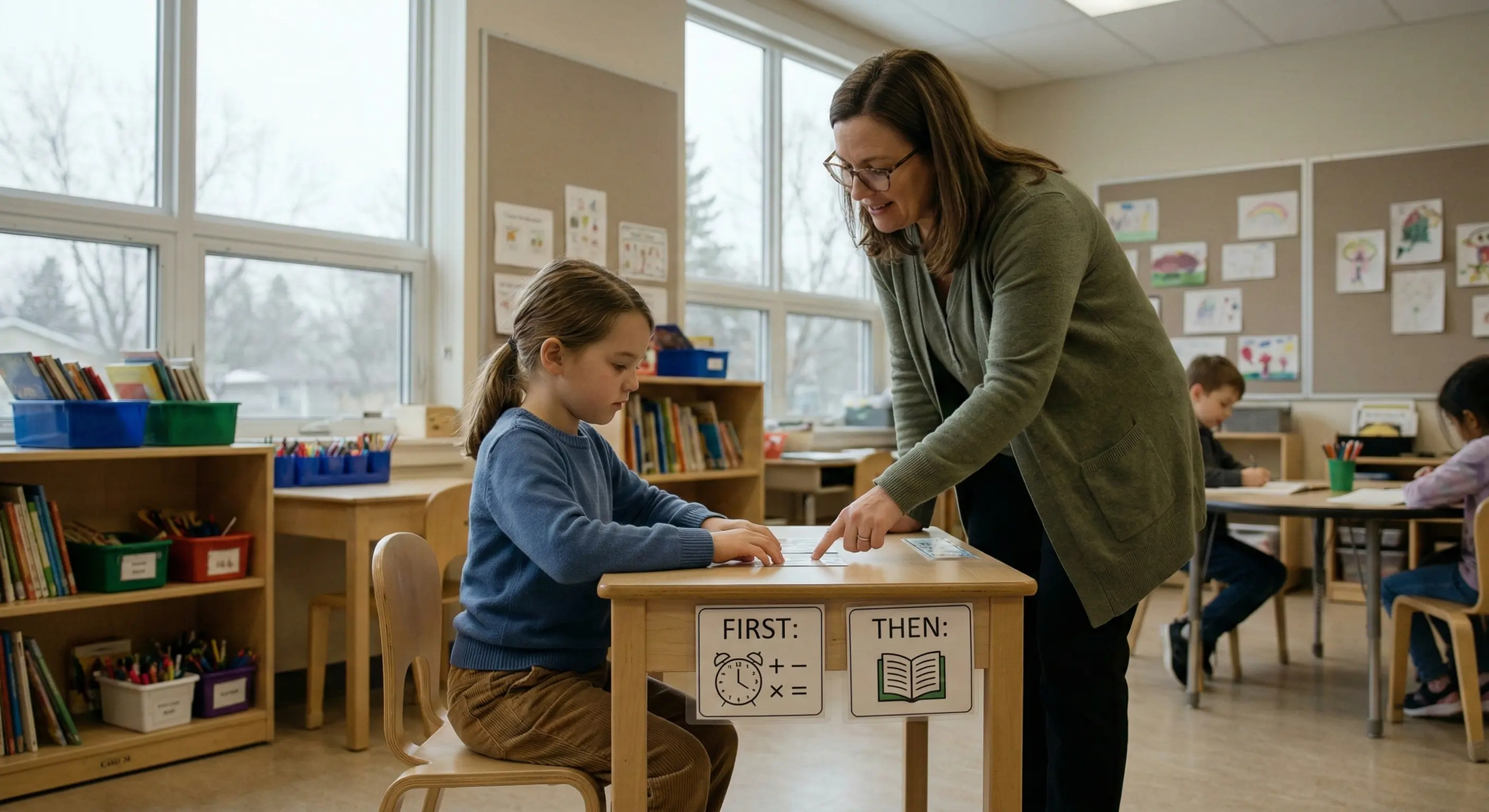
First/then language
"First security, then snack." "First hotel check-in, then tablet time." "First rest stop, then music." This works best when the "then" is something your child truly cares about.
Positive reinforcement
Pick specific travel milestones worth reinforcing:
- Getting through security
- Tolerating boarding
- Completing a long car segment
- Arriving at the hotel calmly
- Finishing the first dinner or bedtime routine
The reward does not need to be big. It just needs to be meaningful and predictable.
Waiting practice
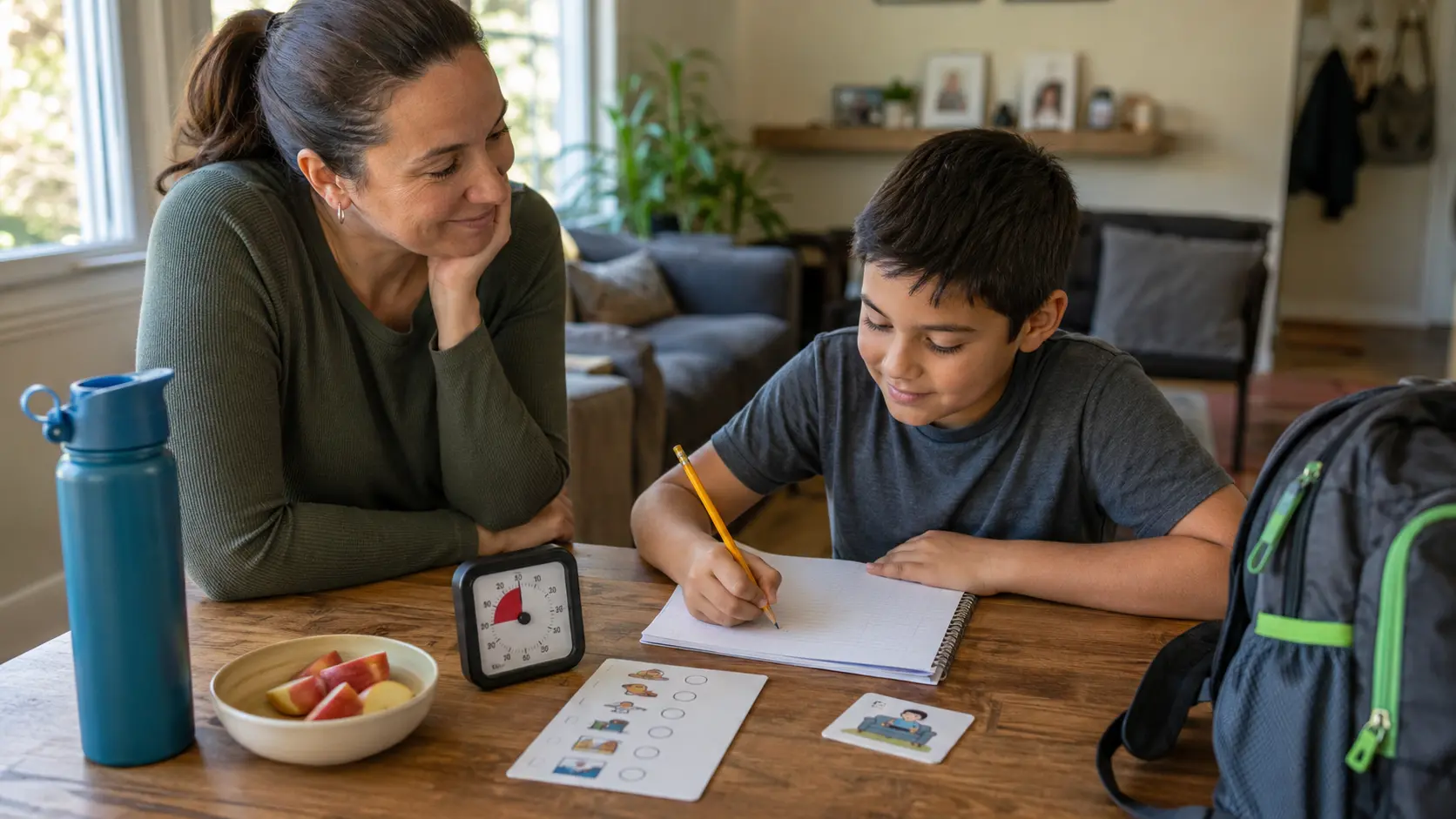
If waiting is hard for your child, practice it before the trip in short, structured ways. Use a timer, keep the wait brief at first, and reinforce success.
Desensitization
Desensitization means gradually introducing parts of a stressful experience ahead of time in lower-stakes ways. That could mean airport videos, brief airport visits, practicing different bedding textures, or rehearsing bedtime in a different room.
Tips for Managing Meltdowns or Sensory Overload in Public
Even with strong preparation, difficult moments can still happen. Travel concentrates noise, transition, waiting, and unpredictability in a very short span of time.
What usually helps most:
- Notice your child's early warning signs
- Know where quieter spaces are before you need one
- Keep your language short and calm
- Reduce stimulation quickly
- Give the moment room to pass
- Focus on your child, not on bystanders
You do not need to explain your child to strangers. You need a plan.
If the day starts to unravel, simplify the plan. Preview the change, take a break, and reset expectations instead of trying to force the original itinerary.
When ABA Parent Coaching Can Help Before a Big Trip
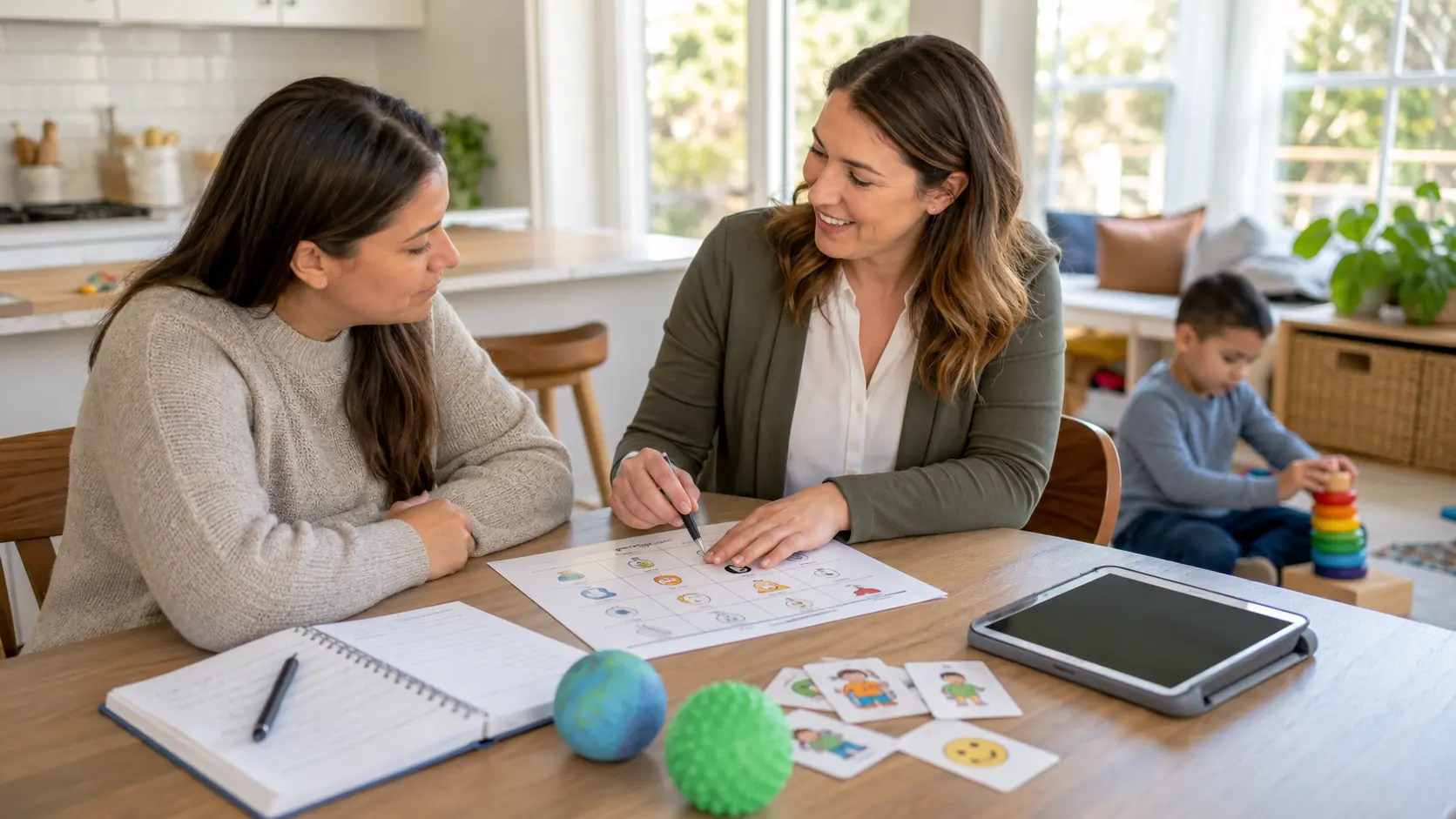
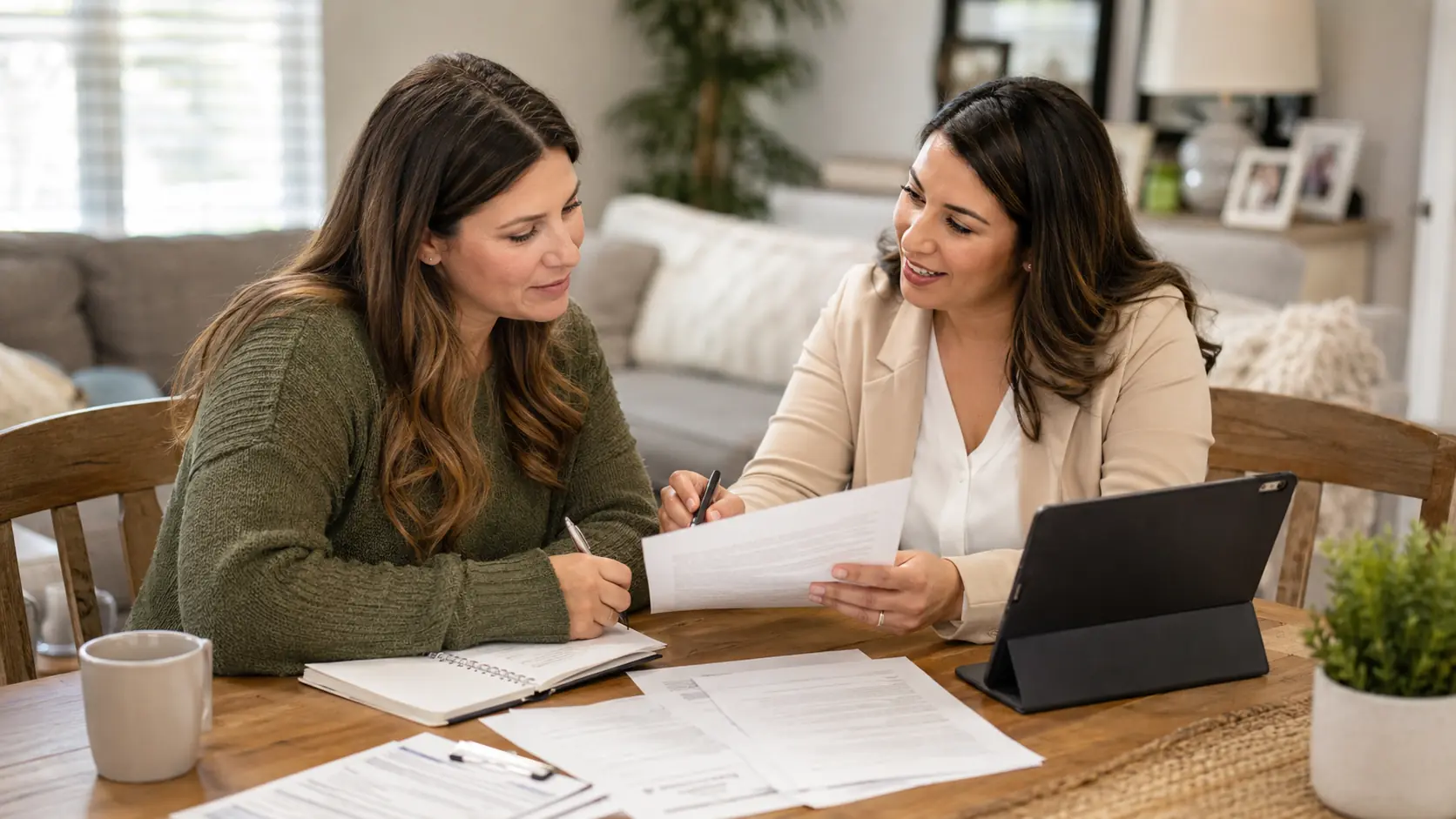
If your family has a significant trip coming up and transitions, waiting, meltdowns, or routine changes are already hard, it can be worth talking with your child's BCBA before the trip.
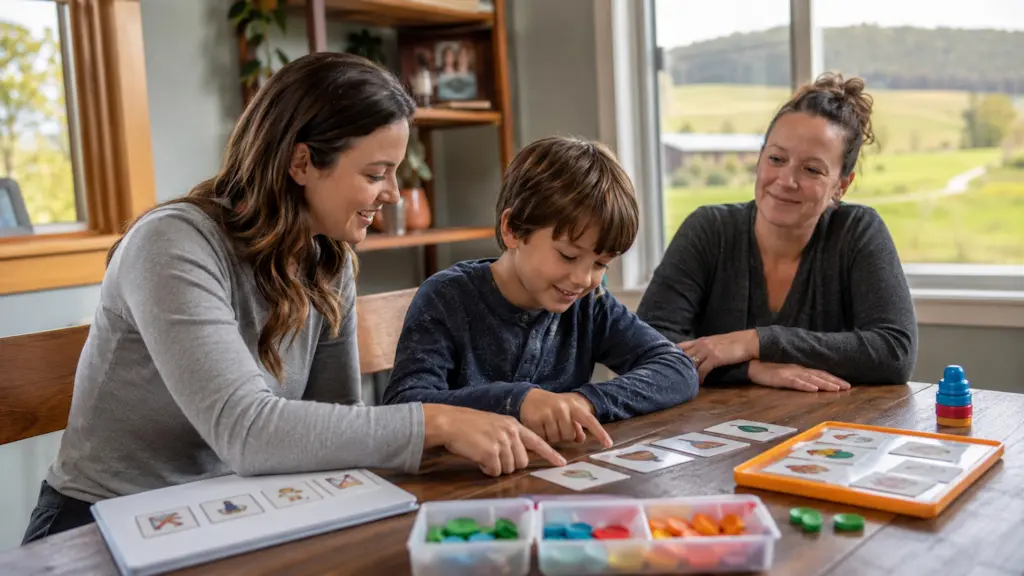
Parent coaching can help families:
- Build a customized travel visual schedule
- Practice waiting and transition skills before departure
- Choose effective reinforcers for travel milestones
- Plan for the hardest moments in advance
- Adjust expectations to the child's actual profile and needs
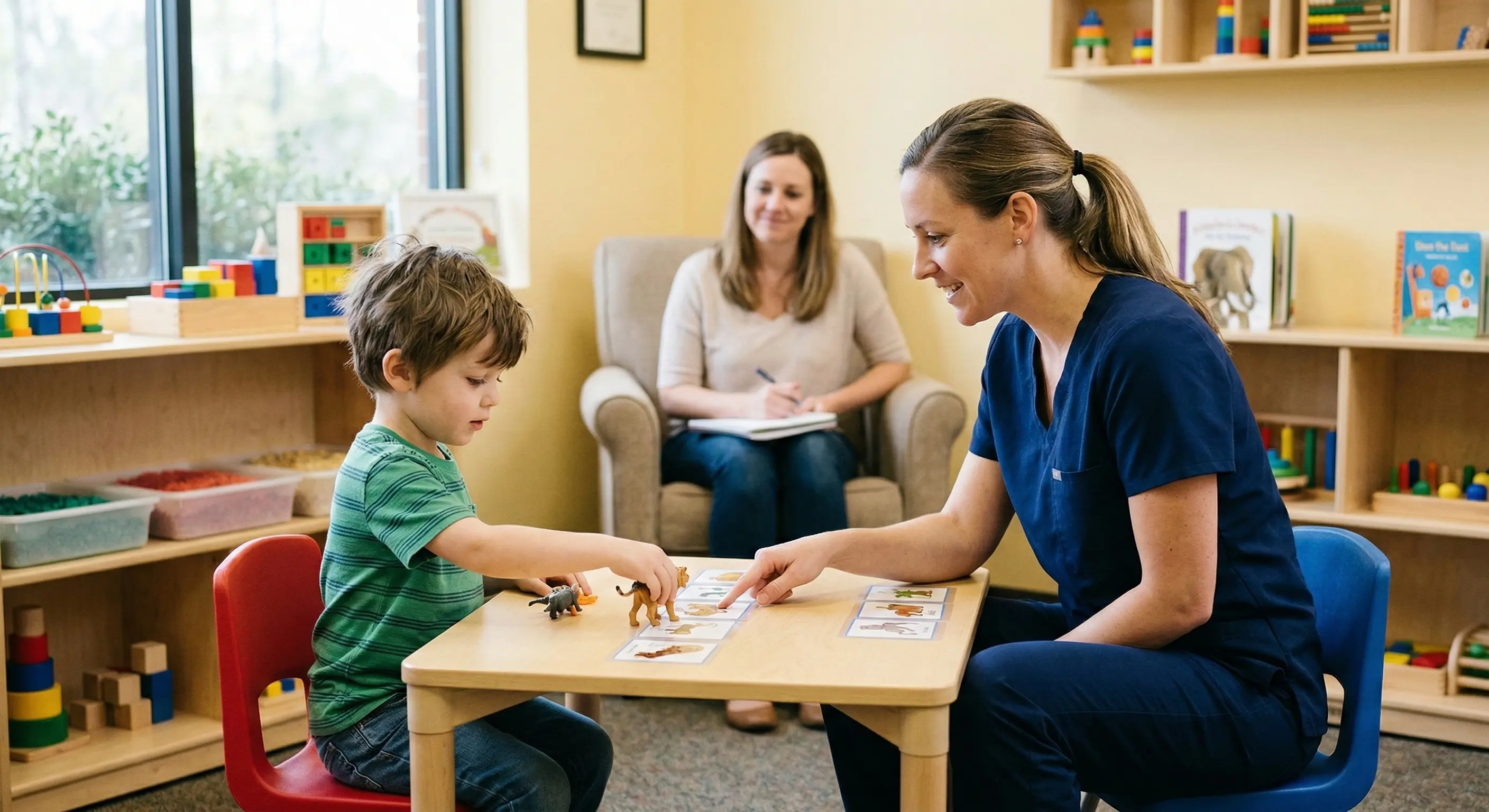
AtlasCare's current services page lists in-home ABA therapy, school and daycare support, and parent training, and its public site describes parent training as one-on-one BCBA support for caregivers. That makes travel preparation a reasonable topic to bring into parent coaching before a major trip.
Travel with a child with autism may never feel effortless, but it does not have to feel impossible. With preparation, realistic expectations, and the right support plan, many families can turn a stressful trip into one that feels manageable, meaningful, and worth taking.


.webp)


.webp)
.webp)
.webp)
.webp)



.jpg)
.webp)

.webp)
.webp)




%20During%20Play%20in%20the%20Home.webp)