
If you're reading this, you're probably gathering information—and that's exactly where you should be. Whether you just received an autism diagnosis for your child or you've been researching therapy options for weeks, taking time to understand the process is a wise first step. You're not behind.
ABA therapy is individualized, which means your child's experience won't look exactly like anyone else's. But the process itself tends to follow a predictable path, and knowing what's ahead can make the journey feel less overwhelming. This guide walks you through what to expect from ABA therapy in Des Moines—from your first phone call through ongoing sessions and progress reviews.
Disclaimer: This article provides general educational information about ABA therapy and is not medical advice. Every child is different, and therapy recommendations should come from qualified professionals who know your child. Please consult your pediatrician, a Board Certified Behavior Analyst (BCBA), or another licensed clinician for guidance specific to your family's situation.
What ABA Therapy Is (and Isn't)
Before diving into timelines and logistics, it helps to have a clear picture of what ABA therapy actually involves—and what it doesn't.
What ABA focuses on
Applied Behavior Analysis (ABA) is a behavioral approach that focuses on building meaningful skills for everyday life. The Centers for Disease Control and Prevention (CDC) describes ABA as a notable behavioral treatment for people with autism spectrum disorder (ASD) that can be used to improve a variety of skills.
ABA therapy often targets skills in four main areas:
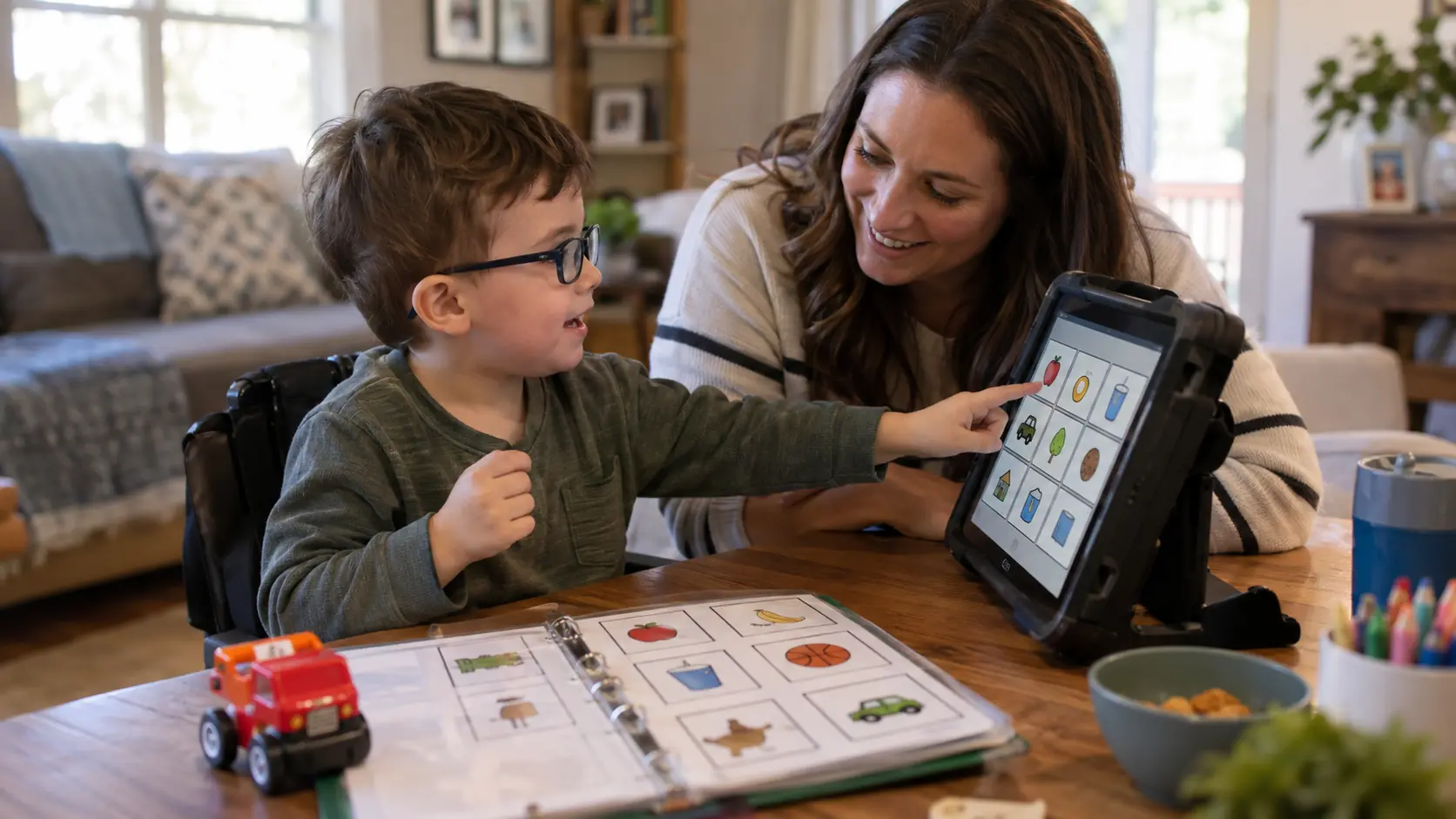
- Communication: Helping children express their needs, answer questions, or use words and gestures to connect with others
- Self-regulation: Teaching strategies to recognize and manage emotions, especially during frustrating or overwhelming moments
- Social skills: Practicing turn-taking, joining play with peers, and building friendships
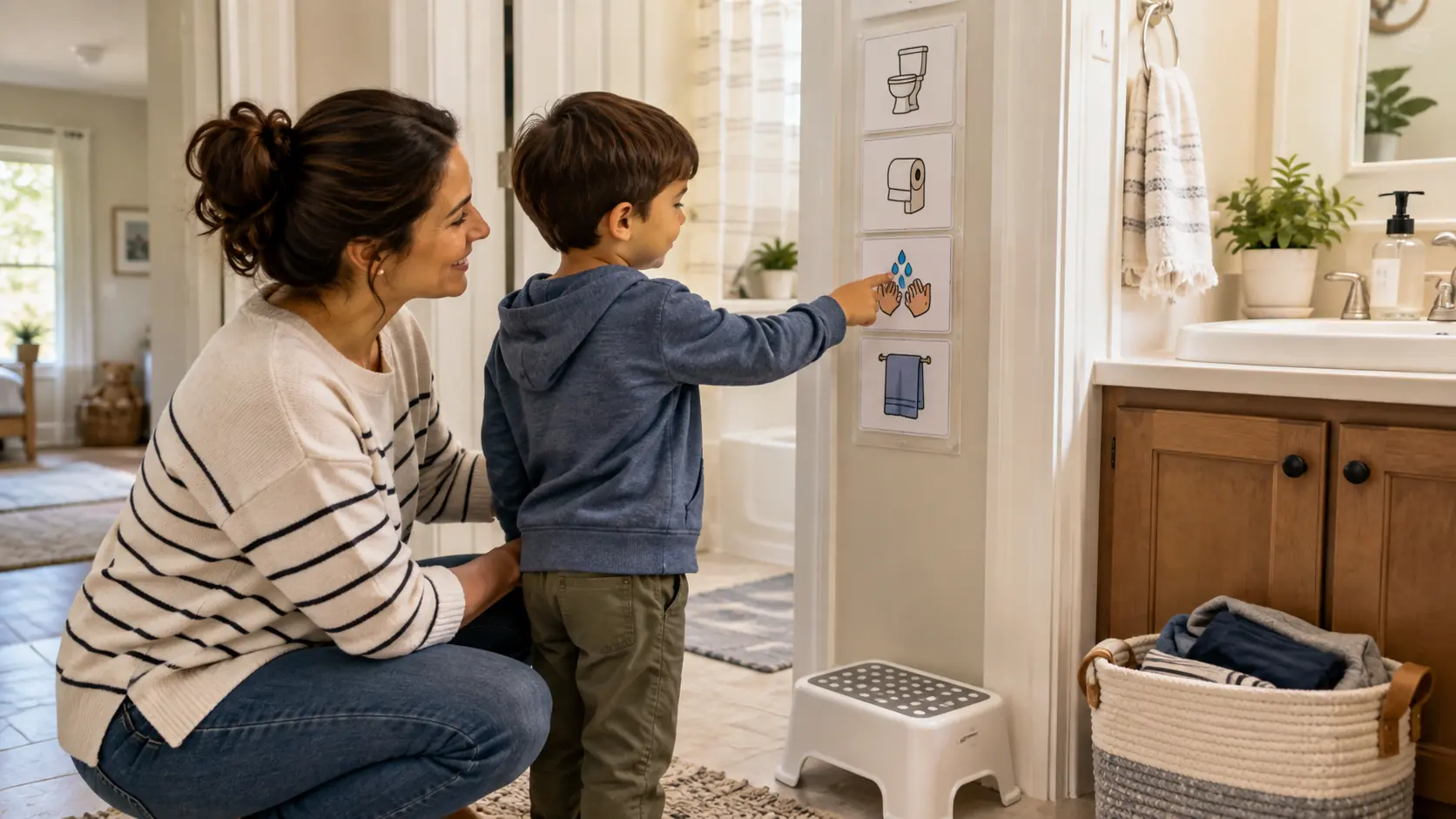
- Daily living skills: Working on tasks like getting dressed, brushing teeth, following routines, and building independence
The approach uses positive reinforcement—rewarding desired behaviors—and breaks complex skills into smaller, teachable steps. Goals are individualized and adjusted based on ongoing data about your child's progress.
What ABA is NOT
ABA therapy is not a cure for autism. It's not designed to "fix" your child or make them neurotypical. And it's definitely not one-size-fits-all.
Quality ABA focuses on helping your child build skills that matter to them and your family—skills that support independence, communication, and connection. A good provider respects your child's dignity, listens to your priorities, and designs goals collaboratively with you.
The ABA Therapy Process in Des Moines (Step-by-Step)
Understanding the steps ahead can reduce uncertainty. Here's how the process typically unfolds, though timelines vary based on provider availability, insurance, and your family's schedule.
Step 1 — First call + intake (first step)
Your journey starts with an initial phone call or inquiry. During this conversation, you'll share:
- Your child's diagnosis (if available) and any evaluations they've had
- Your main concerns and goals—what's most challenging right now, and what you hope therapy can help with
- Practical details: your schedule, preferred service location (home, school, or daycare), and insurance information
This is also your chance to ask questions. You might ask about how sessions are structured, how communication with therapists works, or what parent involvement looks like. A good provider will take time to answer clearly.
Step 2 — Initial assessment (timing varies)
Once intake is complete, a Board Certified Behavior Analyst (BCBA) conducts an assessment. This typically includes:
- Observation: Watching your child in their natural environment—at home, during play, or during routines
- Caregiver interview: Talking with you about your child's strengths, challenges, preferences, and daily routines
- Skill and behavior measurement: Using standardized tools to understand your child's current abilities across different areas
Based on this assessment, the BCBA develops a written treatment plan with individualized goals. The plan outlines what skills will be targeted, how progress will be measured, and what supports are recommended. You'll review this plan together before moving forward.
Step 3 — Insurance authorization (timing varies by plan)
If you're using insurance to fund ABA therapy, the treatment plan is submitted to your insurance company for authorization. This step can take anywhere from a few days to several weeks, depending on:
- Your specific insurance plan and its requirements
- How quickly documentation is processed
- Whether additional information is requested
Your provider should help guide you through this process, but it's also wise to confirm your benefits directly with your insurer. Ask about coverage limits, any required referrals, and what the authorization process looks like on their end.
Note: Timelines here vary significantly. Some families receive quick approvals; others experience delays. This is one of the less predictable parts of the process.
Step 4 — Scheduling + starting sessions (after approval and scheduling)
Once authorization is in place (or if you're paying privately), it's time to schedule sessions. You'll be introduced to your care team:
- Board Certified Behavior Analyst (BCBA): Designs your child's treatment plan, supervises sessions, and makes adjustments based on data. The Behavior Analyst Certification Board (BACB) sets certification requirements for BCBAs, including education, supervised experience, and examination requirements.
- Registered Behavior Technician (RBT): Works directly with your child during sessions, implementing the plan under the BCBA's supervision. RBTs complete training and pass a competency assessment, and their work is overseen by a BCBA.
Sessions can take place in different settings depending on your child's needs and your family's preferences:
- In-home ABA therapy: Sessions happen in your home, allowing skills to be practiced in familiar routines and environments
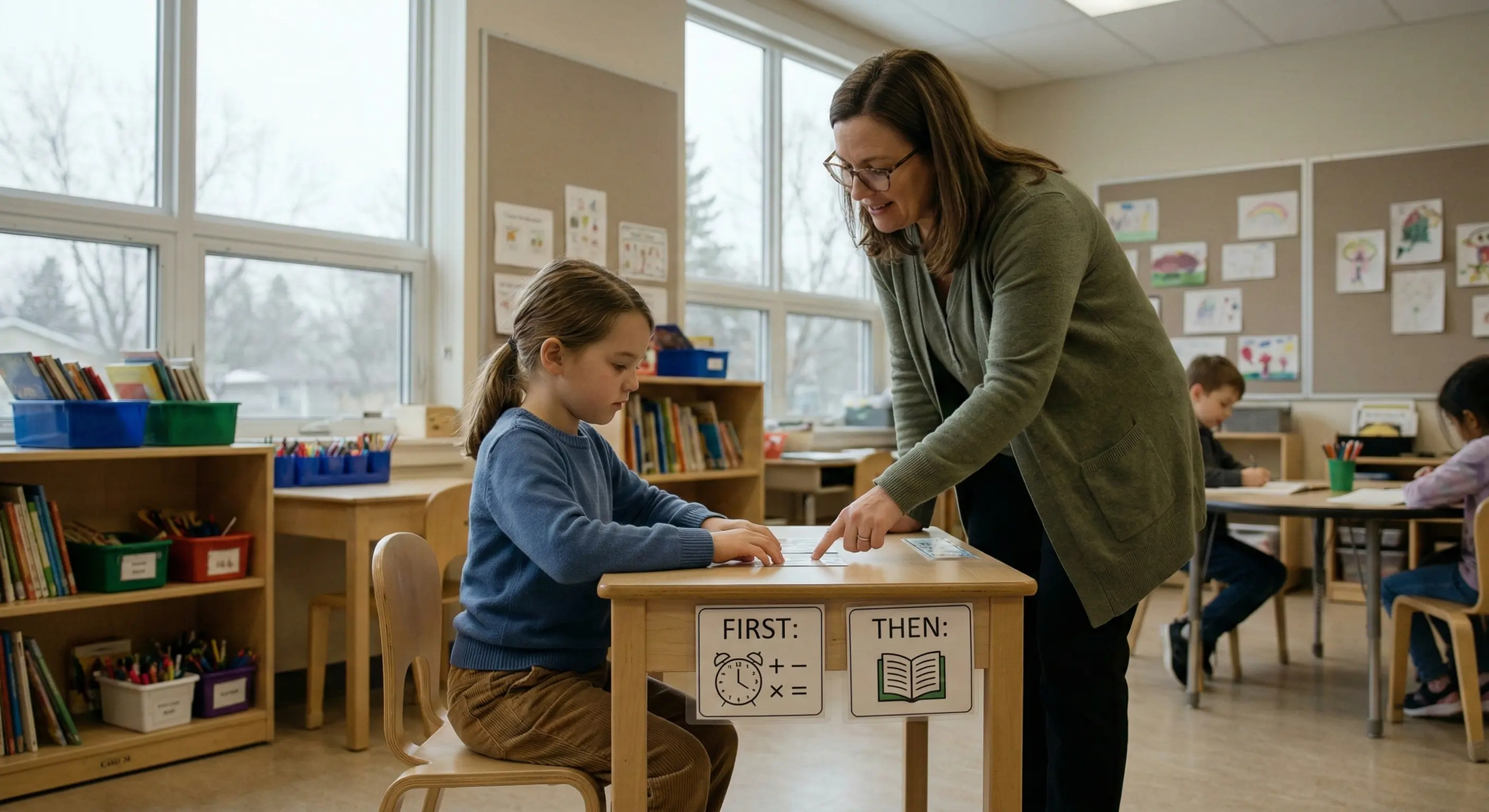
- School or daycare support: An RBT works with your child in their educational setting, helping them apply skills alongside peers
Step 5 — Ongoing supervision + parent training (ongoing support and coaching)
ABA therapy isn't a "drop off and pick up" service. It's designed to be collaborative, with regular check-ins and adjustments.
BCBA supervision: Your BCBA provides regular supervision, observing sessions, reviewing data, and refining the treatment plan as your child progresses. The exact cadence varies by provider model and funding requirements. Goals are updated regularly—not set in stone.
Parent training: This is a core part of effective ABA. Parent training is typically scheduled on a regular basis (for example, monthly or at planned coaching points), depending on your plan and family needs. You'll work with a BCBA to learn strategies you can use at home. Parent training might include:
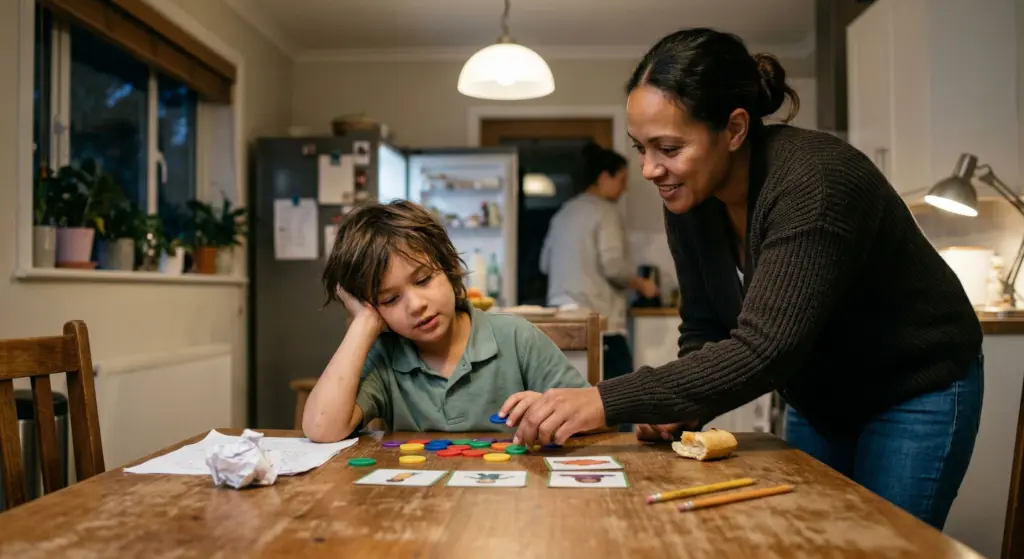
- Practicing how to respond during challenging moments (like meltdowns or transitions)
- Learning to use the same reinforcement strategies your child experiences in sessions
- Reviewing data together so you understand what's working
The goal is to help skills generalize—meaning your child can use them across different settings and situations, not just during therapy.
Step 6 — Coordination with other providers
Many children receiving ABA therapy also work with other professionals—speech-language pathologists, occupational therapists, physical therapists, or developmental specialists. With your permission, your ABA team can coordinate with these providers to ensure everyone is working toward aligned goals.
When the whole care team communicates, skills often develop more consistently across different parts of your child's life.
A Realistic Timeline (Example Roadmap)
Every family's timeline looks different. Insurance, provider availability, and scheduling all play a role. But here's a general example of what the first few months might look like:
Important: This is an example, not a guarantee. Some families move through these steps faster; others encounter delays with insurance or scheduling. Your provider should keep you informed about where things stand.
What Sessions Look Like (So It's Not a Mystery)
If you've never seen ABA therapy in action, it can be hard to picture. Here's a general sense of what happens.
A session in plain English
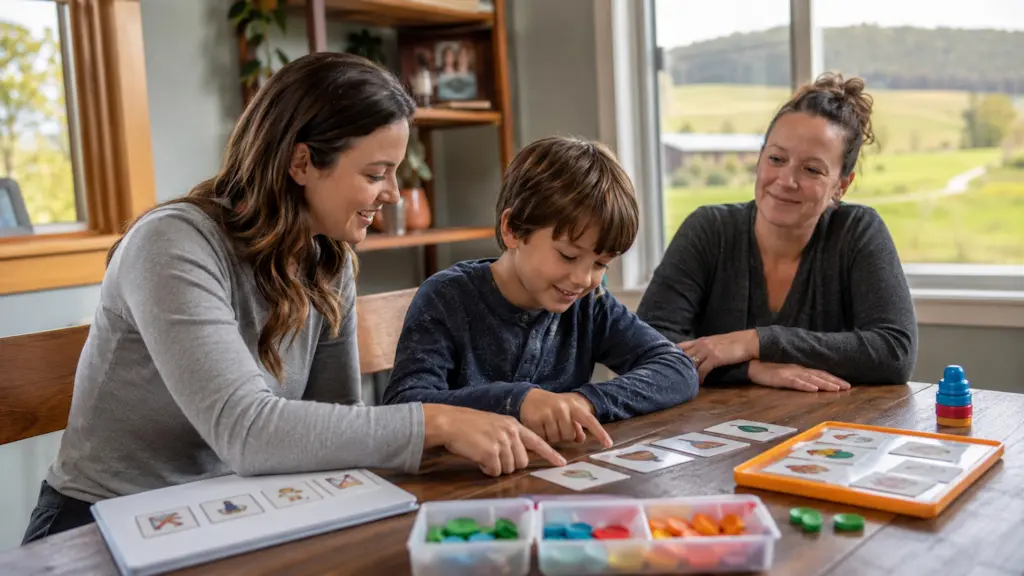
Sessions typically start with connection—the RBT builds rapport with your child, often beginning with a preferred activity or game. This isn't wasted time; it establishes trust and makes learning feel safe.
From there, the RBT works on specific goals from your child's treatment plan. This might look like:
- Practicing a skill in small steps (like requesting a toy using words or a picture)
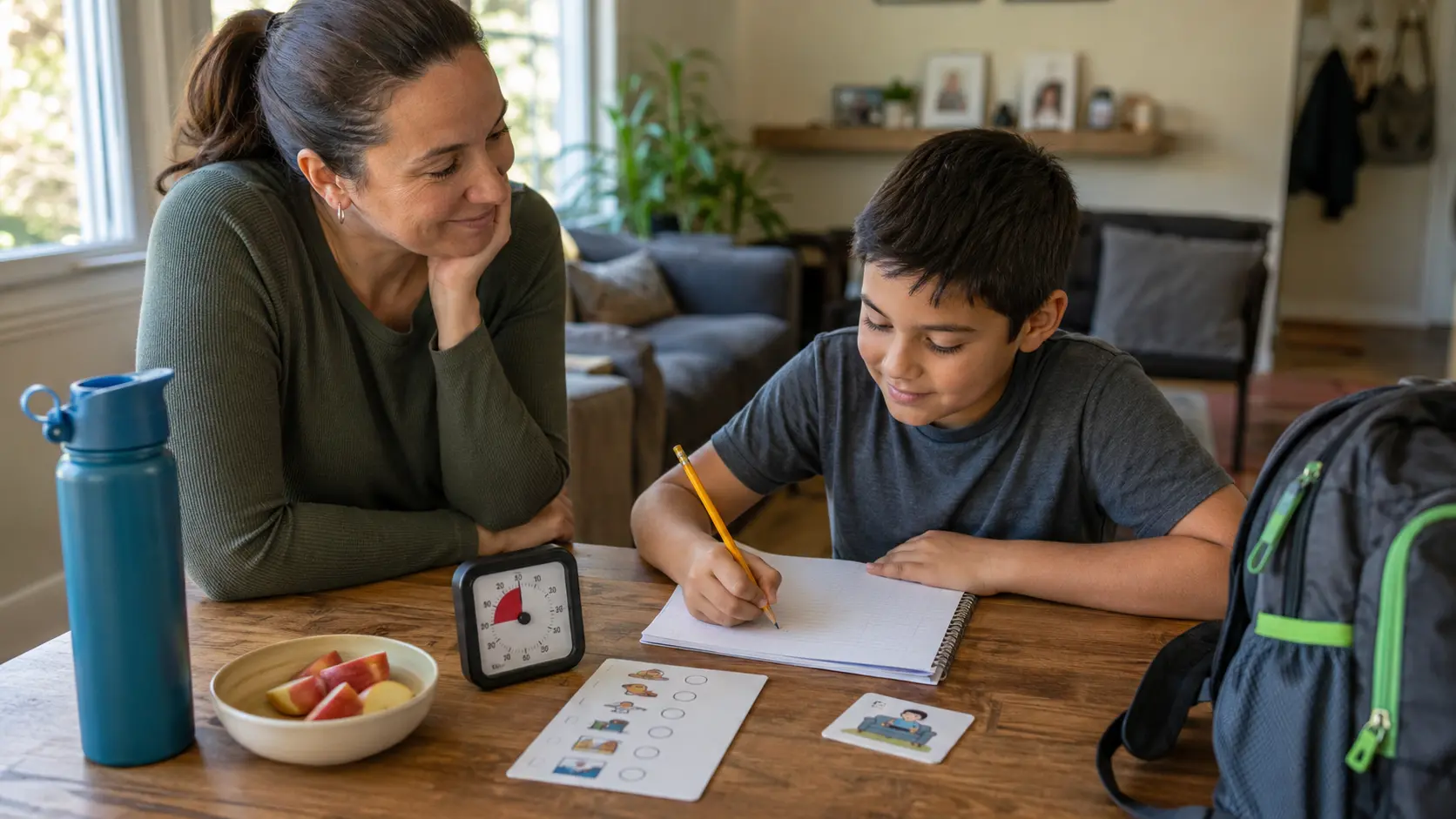
- Working through a challenging routine (like transitioning from tablet time to dinner)
- Using positive reinforcement when your child demonstrates a target behavior
- Collecting data so the BCBA can track progress over time
Sessions are designed to meet your child at their level—engaging, supportive, and adjusted based on how your child is doing that day.
Common early goals
Early goals often focus on building foundational skills. Examples might include:
- Asking for help using words, gestures, or a communication device
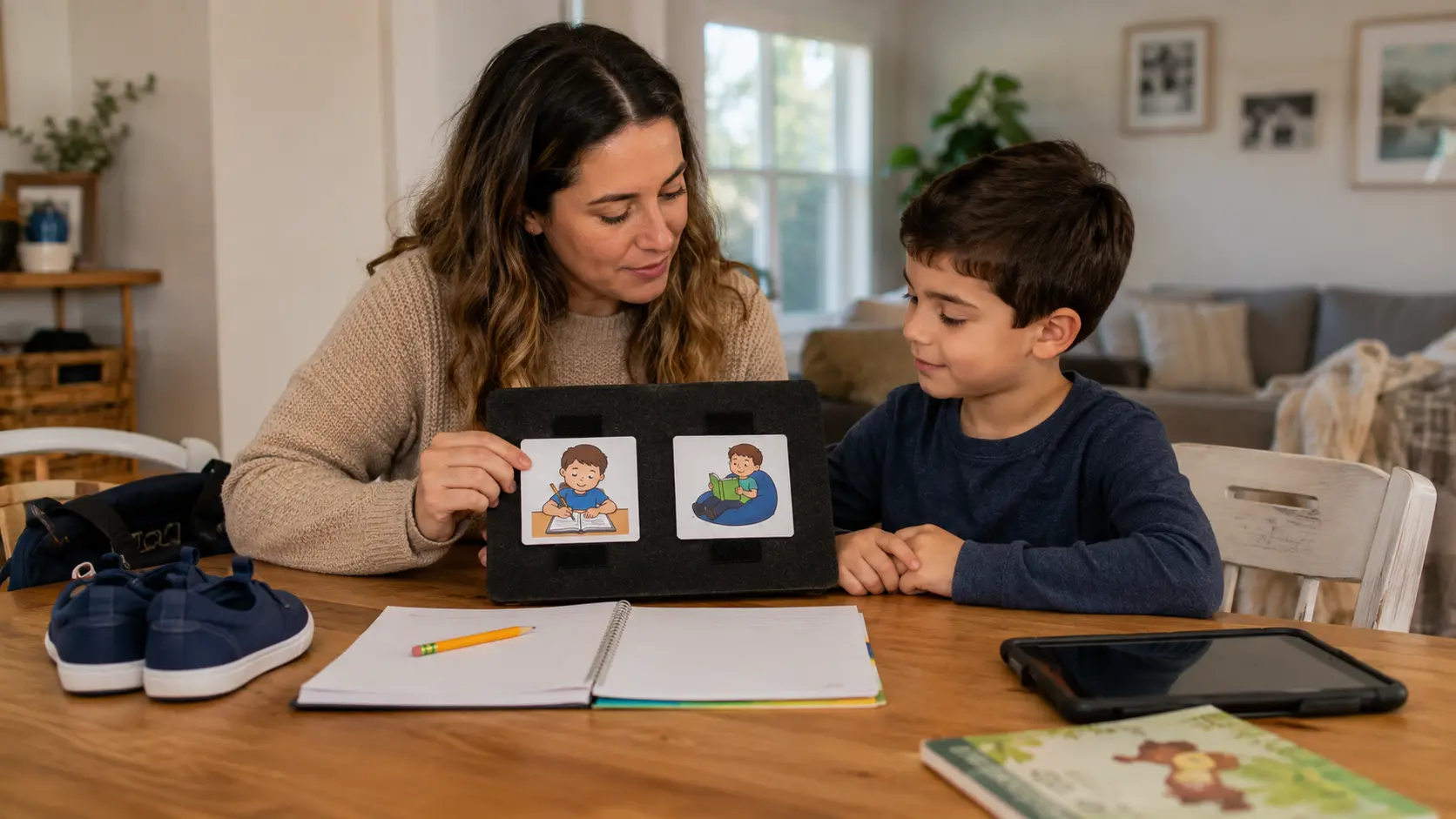
- Tolerating transitions between activities without significant distress
- Following simple directions with fewer reminders
- Accepting "no" or changes in routine with support
- Participating in daily routines like getting dressed or brushing teeth
These aren't universal—your child's goals will be based on the assessment and your family's priorities.
What Parents Can Do Now (Before Therapy Starts)
While you're waiting for assessments or authorization, there are a few things you can do to prepare:
Gather documents:
- Autism diagnosis report or developmental evaluation (if available)
- Any school records, IEP documents, or progress notes
- Pediatrician notes or referral letters
- Your insurance card and information about your plan's behavioral health benefits
Track priority routines:
Think about 3–5 routines that are most challenging right now. Morning wake-up? Mealtimes? Bedtime? Transitions in public places? Jotting these down helps your BCBA understand where to focus.
Write down your goals:
What outcomes matter most to your family? "Easier mornings." "Being able to go to the grocery store without a meltdown." "More independence with toileting." These don't need to be clinical—just honest.
Local Notes for Iowa Families
Early intervention options for children under 3
If your child is under 3 years old, Iowa offers early intervention services through Early ACCESS, the state's program under Part C of the Individuals with Disabilities Education Act (IDEA). Early ACCESS provides developmental services for eligible infants and toddlers with delays or disabilities.
Early ACCESS is Iowa's early intervention system for infants and toddlers (birth to age 3) who have developmental delays or a health/physical condition that may affect development. This program is separate from ABA therapy but can be a valuable resource for very young children.
Funding supports
For families who may not have insurance coverage for ABA—or who need additional support—the Iowa Autism Support Program through Iowa Health and Human Services may help fund ABA therapy for eligible families.
Eligibility rules and funding availability can change, so review the current requirements with Iowa Health and Human Services. In general, the program is for children under 14 who have a qualifying ASD diagnosis (from specific professionals within a required time frame), do not qualify for Medicaid, and do not have private insurance coverage available for ABA; income guidelines also apply.
When to Talk to a Pediatrician or a BCBA
ABA therapy addresses skill-building and behavior, but some concerns need medical attention first—or alongside therapy. Reach out to your pediatrician or a qualified clinician if you notice:
- Regression: Your child losing skills they previously had (words, social engagement, motor skills)
- Self-injury: Hitting themselves, head-banging, biting, or other behaviors that cause harm
- Severe sleep disruption: Significant changes in sleep patterns that affect daily functioning
- Safety concerns: Wandering, elopement, or unawareness of dangers
- Feeding issues: Extremely limited diet, food refusal, or signs of nutritional concerns
- Sudden behavior changes: Unexplained shifts that seem out of character
These situations may require medical evaluation to rule out underlying issues—ear infections, GI problems, sleep disorders, or other conditions that can affect behavior. Coordinated care between your pediatrician and behavior team often leads to better outcomes.
The American Academy of Pediatrics recommends autism-specific screening at the 18- and 24-month well-child visits, along with ongoing developmental surveillance. If you have concerns earlier, don't wait—talk to your pediatrician.
How to Choose an ABA Provider in Des Moines (Simple Checklist)
Not all ABA providers operate the same way. Here are some things to consider when evaluating your options:
- Credentials and supervision: Is a BCBA directly involved in designing and supervising your child's program? How often does the BCBA observe sessions and review progress?
- Parent training included: Does the provider offer regular parent training as part of the program, not just as an add-on?
- Transparent goals and data: Will you have access to your child's goals and progress data? How often will you review them together?
- Child-centered, respectful practice: Does the provider talk about your child's assent and comfort? Do they prioritize your child's dignity and preferences?
- Collaboration: Is the provider willing to coordinate with your child's school, speech therapist, occupational therapist, or pediatrician?
- Clear communication: How will the team communicate with you—daily notes, regular calls, parent portals?
Trust your instincts. A good provider should feel like a partner, not a vendor.
How AtlasCare ABA Supports Families
AtlasCare ABA positions itself as a "North Star" for families—a steady guide through what can feel like an overwhelming process. The approach is family-centered, recognizing that parents need support too, not just children.
AtlasCare's services include:
- In-home ABA therapy: Personalized support delivered in your home, where real-life routines happen
- School and daycare support: Helping children build skills alongside peers in educational settings
- Parent training: Practical strategies so you can reinforce skills and navigate challenging moments with confidence
Each child's program is designed by a BCBA who provides ongoing supervision and adjusts the plan based on your child's progress. AtlasCare also coordinates with other providers on your child's care team—speech therapists, occupational therapists, developmental specialists—with your permission.
AtlasCare currently serves families in Iowa, North Carolina, New Jersey, and New Mexico.
















.webp)


.webp)

.webp)
.webp)
.webp)







.jpg)


.webp)

.webp)
.webp)








%20During%20Play%20in%20the%20Home.webp)