
Between school meetings, therapy appointments, and daily routines, finding the right support for your child can feel overwhelming. If you're considering Applied Behavior Analysis (ABA) therapy at home, this guide can help.
Here's a practical roadmap for starting in-home ABA therapy in Iowa—from understanding what it involves, to navigating funding, to knowing what the first few months can often look like.
Key Takeaways
• In-home ABA therapy brings skill-building into your child's natural environment and often focuses on real-life routines like mealtimes, transitions, and play.
• Starting ABA in Iowa typically involves gathering documentation (a referral may be helpful), confirming insurance or funding options, choosing a provider, and completing an assessment.
• Iowa families may access ABA through private insurance, Medicaid, or the Iowa Autism Support Program (ASP)—coverage details vary by plan.
• Look for providers with Board Certified Behavior Analyst (BCBA) oversight, transparent data-sharing, and meaningful caregiver involvement.
Need help figuring out where to start? AtlasCare ABA can help you get started with in-home ABA therapy in Iowa. We can walk you through intake, scheduling, and what to expect—step by step.
Call: 888-838-7222 | Email: info@atlascareaba.com | Serving families in: Iowa, North Carolina, New Mexico
What In-Home ABA Therapy Is (and What It Isn't)
The Basics of ABA (Plain Language)
ABA therapy focuses on teaching skills and reducing barriers to learning through data-informed strategies. A Board Certified Behavior Analyst (BCBA) designs an individualized plan based on your child's strengths, challenges, and your family's priorities. Sessions typically involve a Registered Behavior Technician (RBT) working directly with your child while the BCBA provides ongoing oversight.
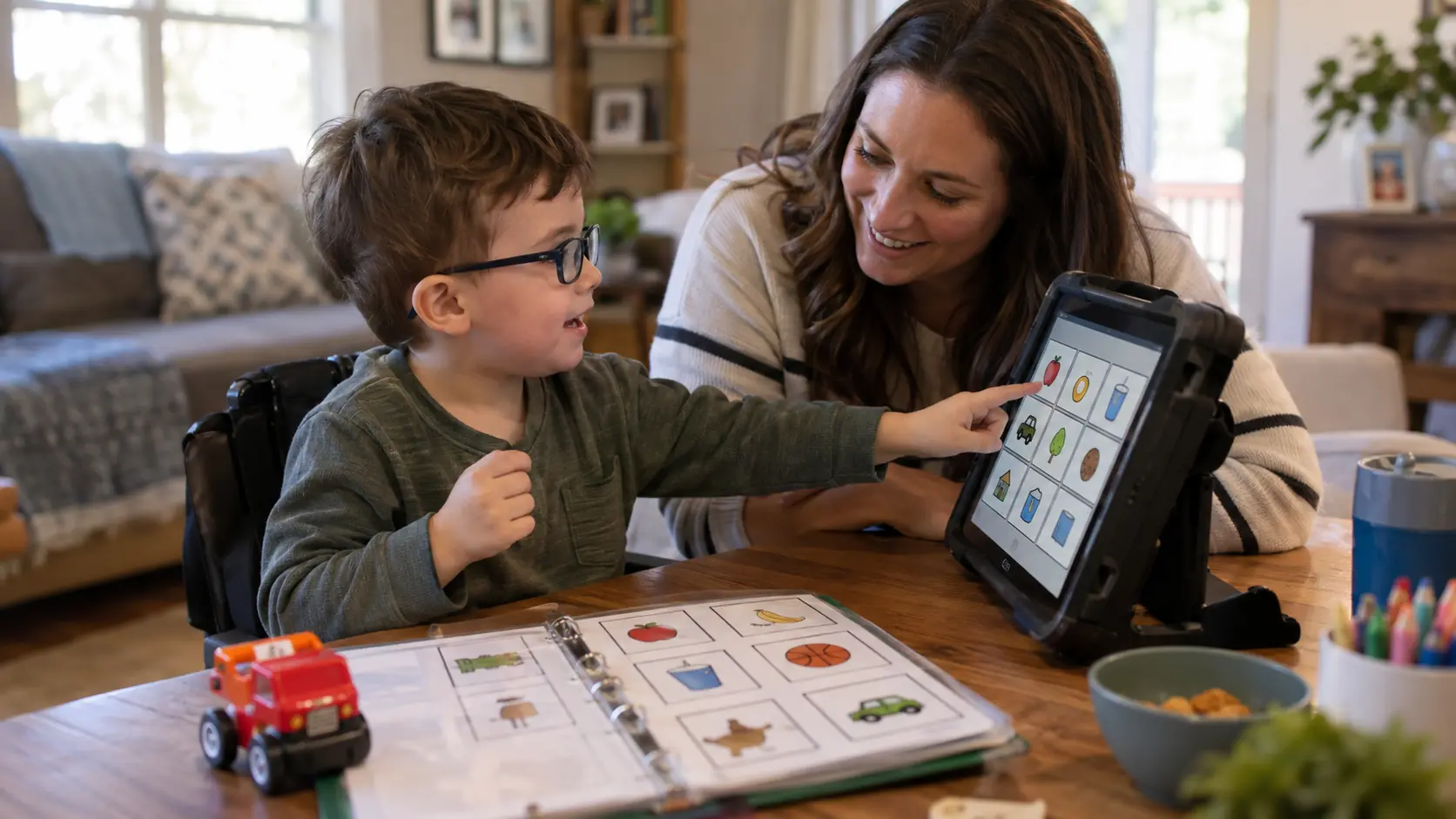
The approach emphasizes breaking skills into manageable steps, using positive reinforcement, and tracking progress through data. Goals often include communication, self-regulation, social skills, and daily living tasks. Visit our ABA Therapy Overview (/what-is-aba-therapy) for more.
What "In-Home" Changes
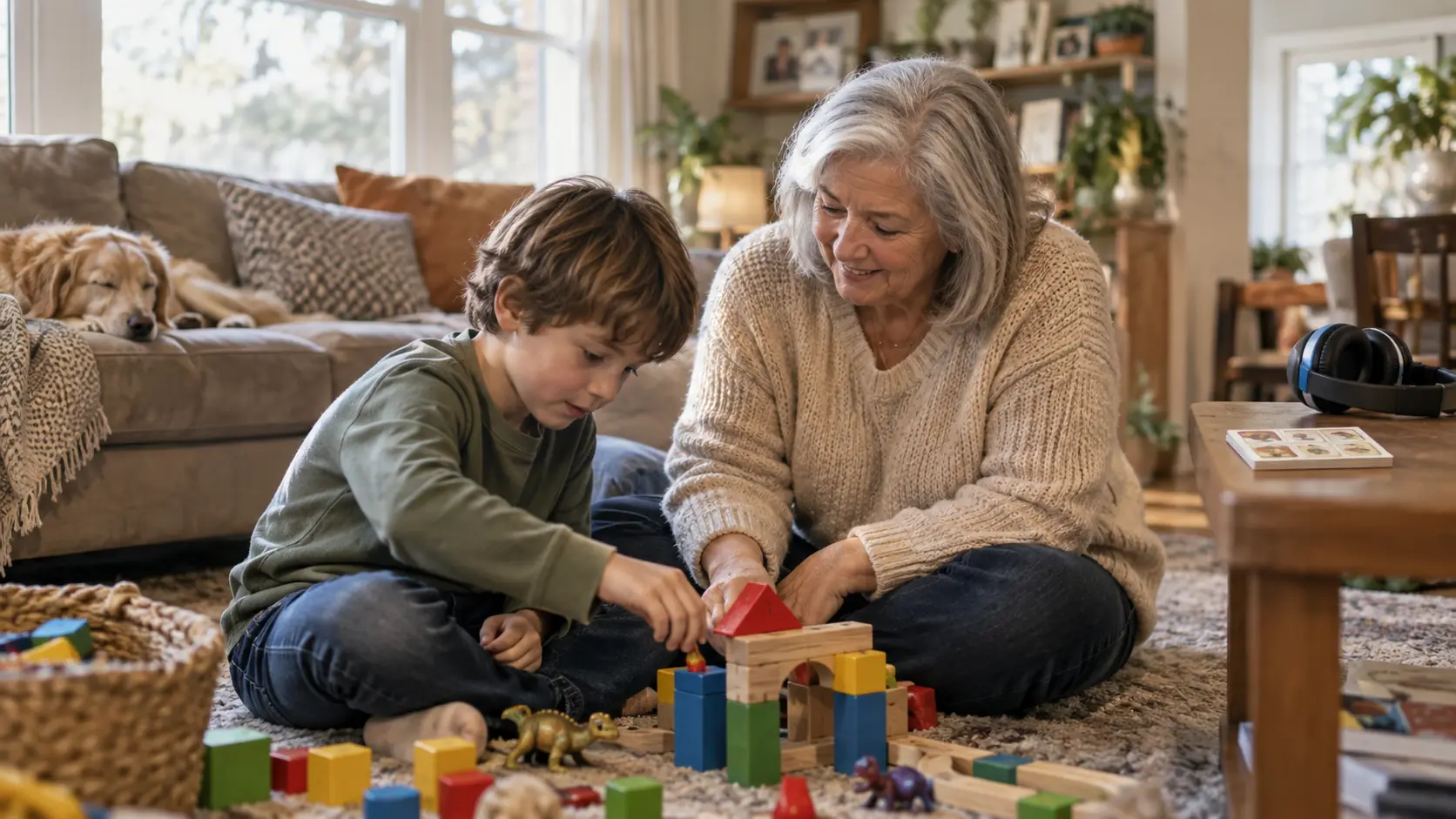
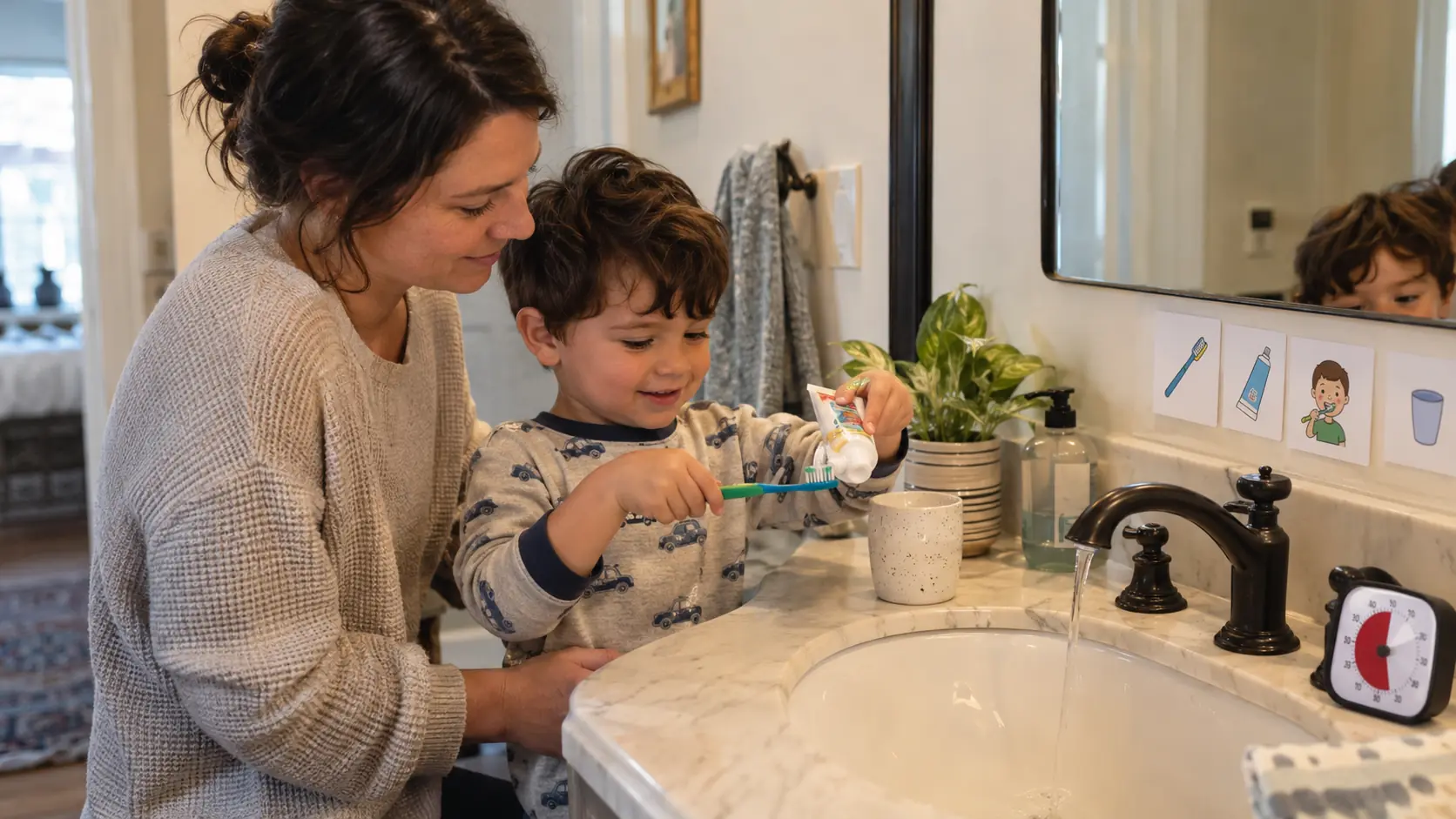
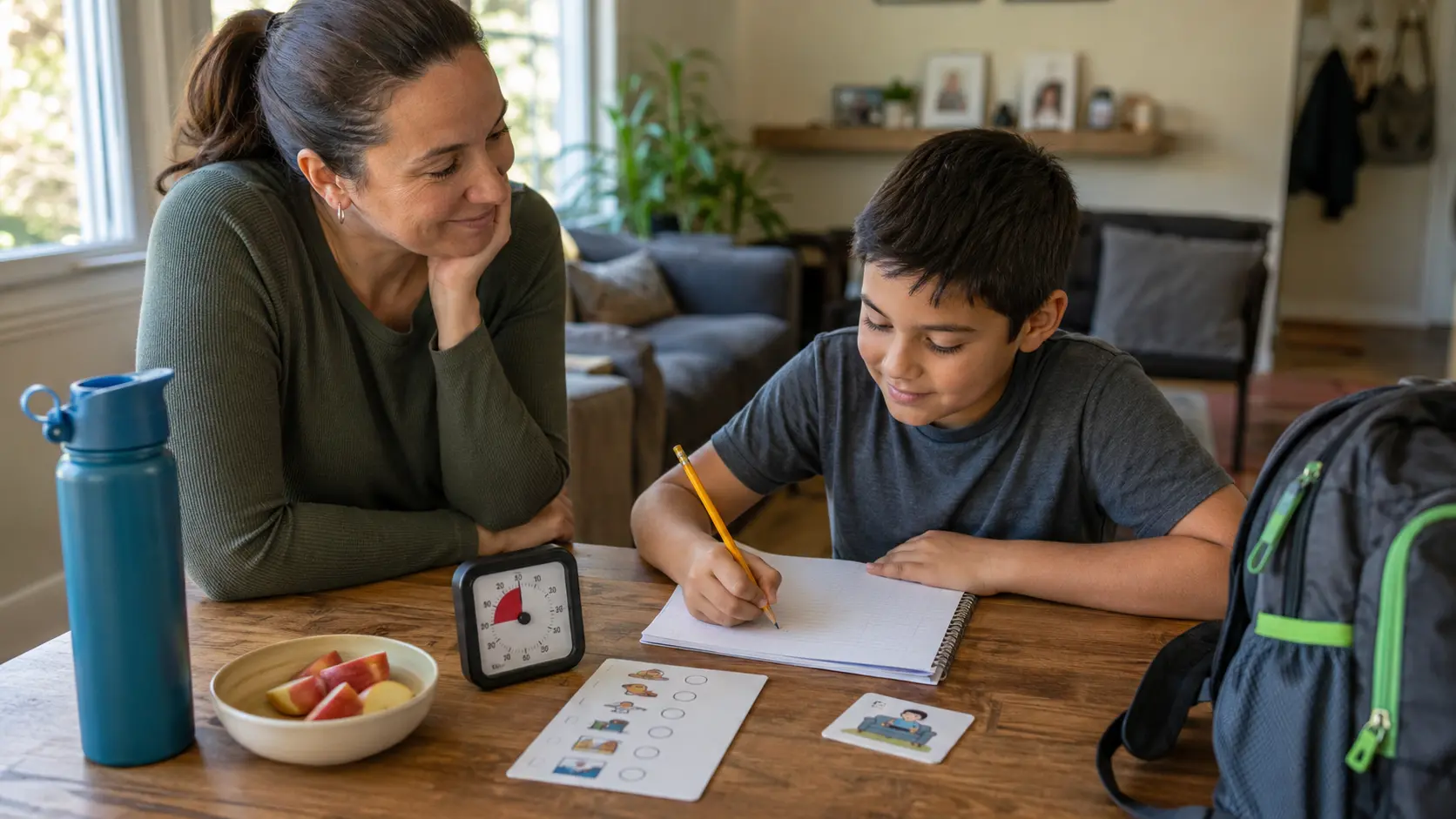
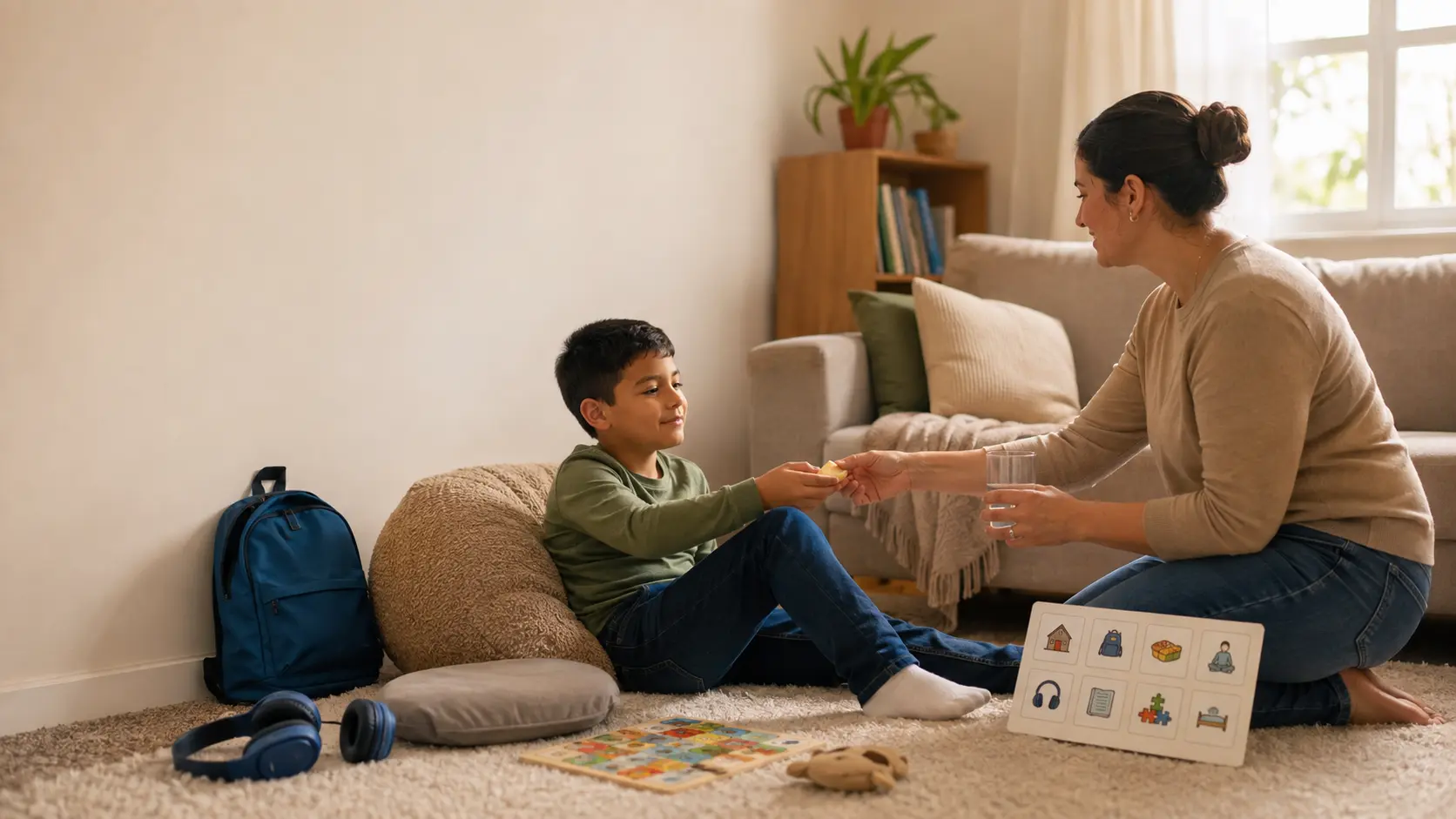
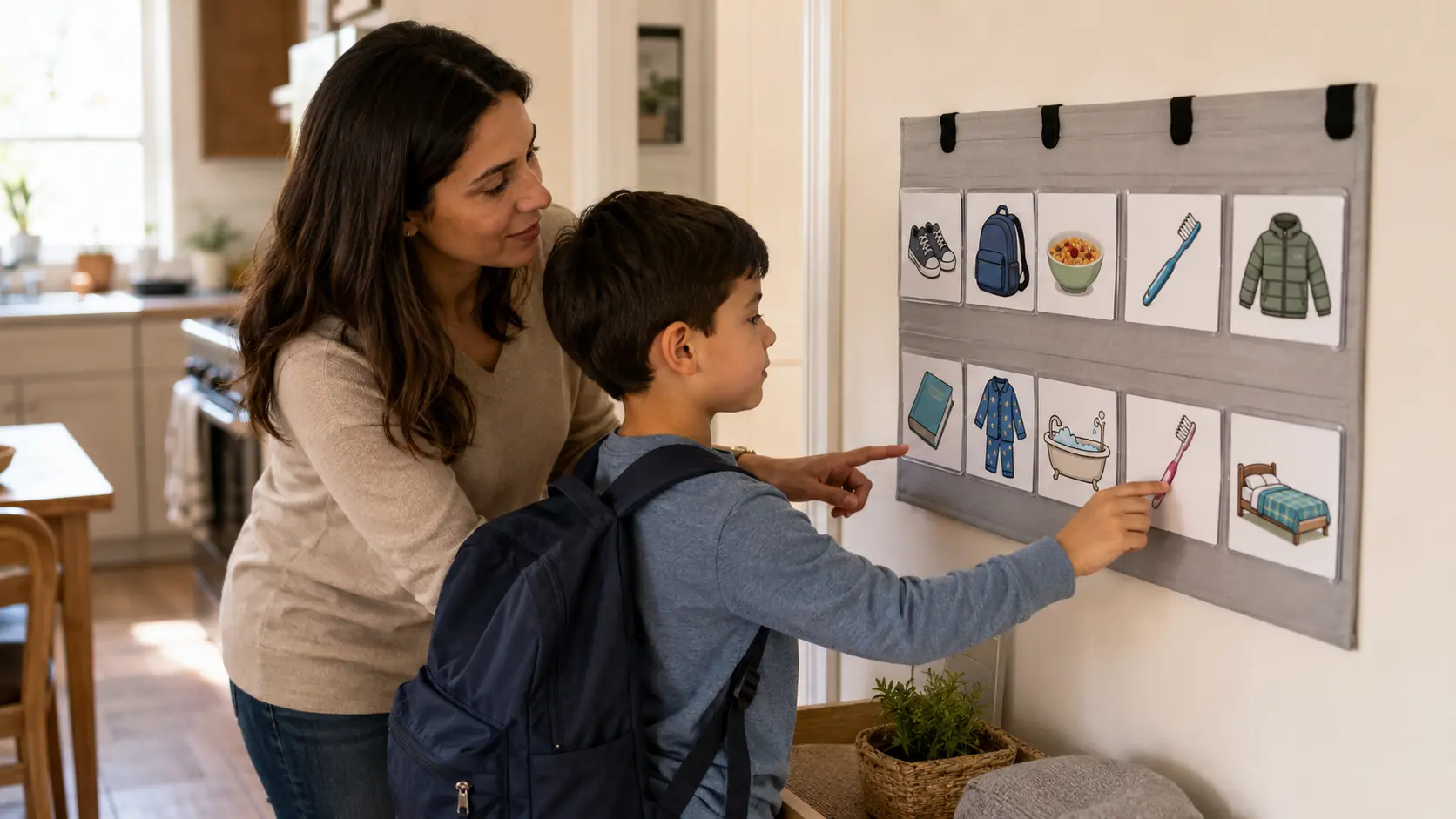
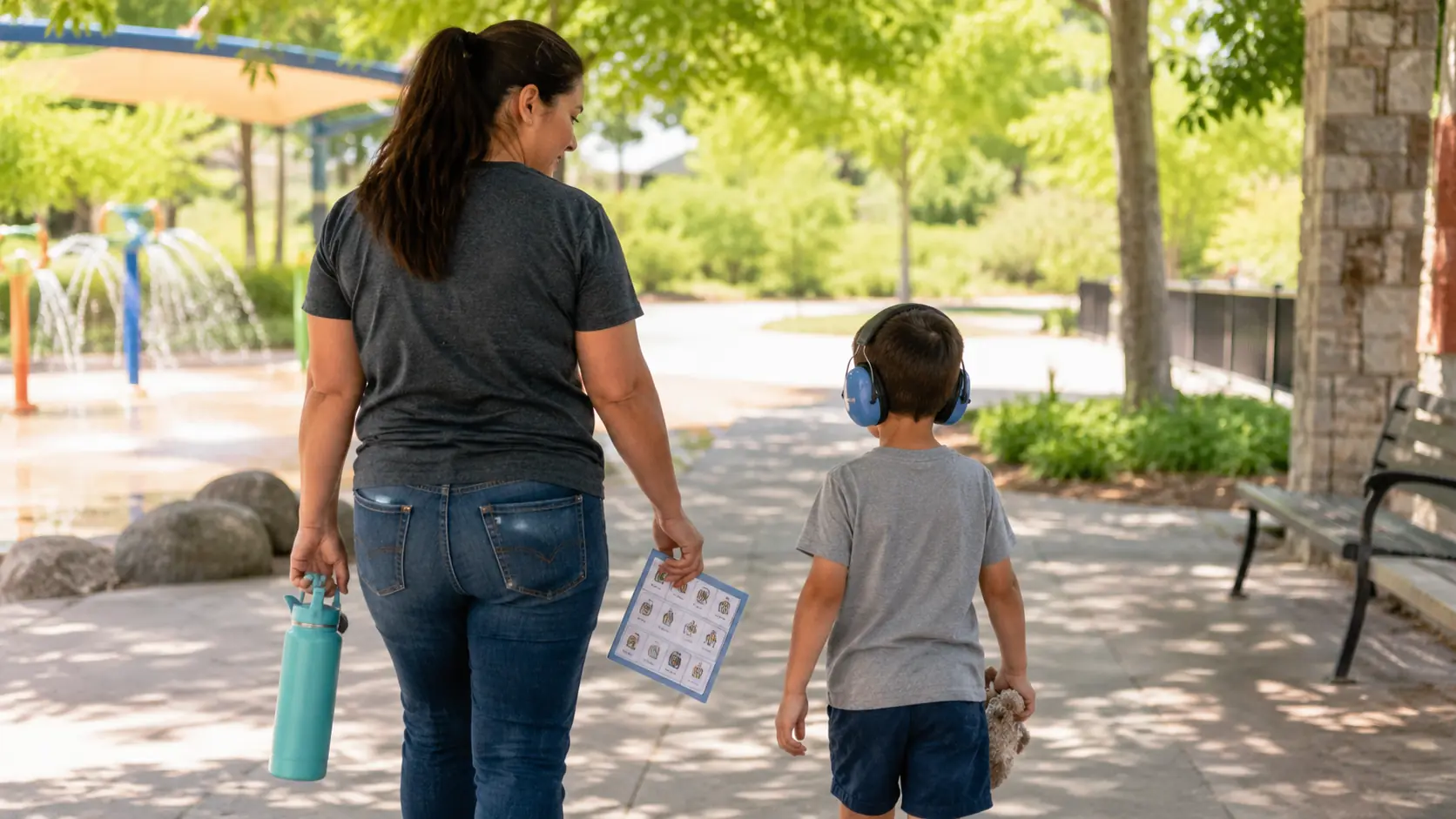
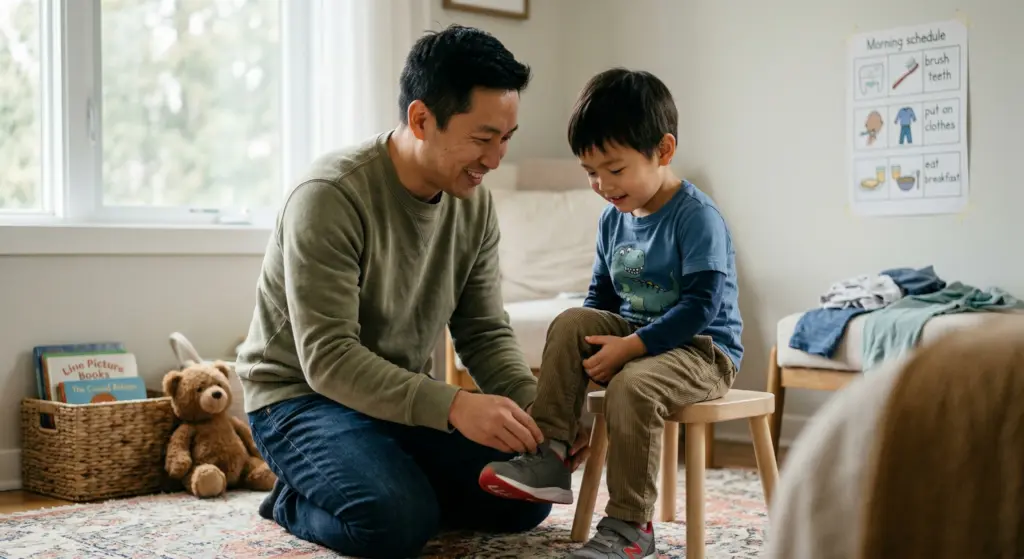
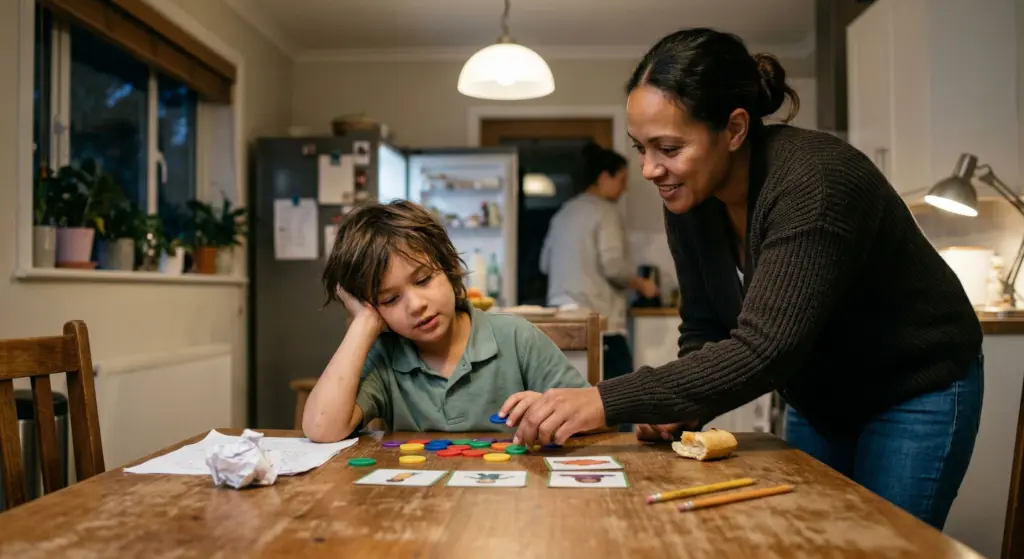
When ABA happens at home, therapy unfolds within your child's natural environment. Instead of practicing skills in a clinical setting, your child learns during real-life moments—mealtime, getting dressed, transitioning from screen time to homework, or playing with siblings.
This setting can make it easier for some families to work on routines that feel most challenging at home. In-home ABA services (/services/in-home-aba) also typically include structured caregiver coaching.
Common Misconceptions to Avoid
ABA is not a "cure" for autism, and no ethical provider should promise one. It's also not a one-size-fits-all program focused solely on compliance. Quality ABA often focuses on functional skills—helping your child communicate, stay safe, build independence, and participate in activities that matter to them. Progress varies widely; what matters is that therapy aligns with your child's needs and your family's values.
Is In-Home ABA a Good Fit for Your Family?
Families Who Often Benefit from Home-Based Care
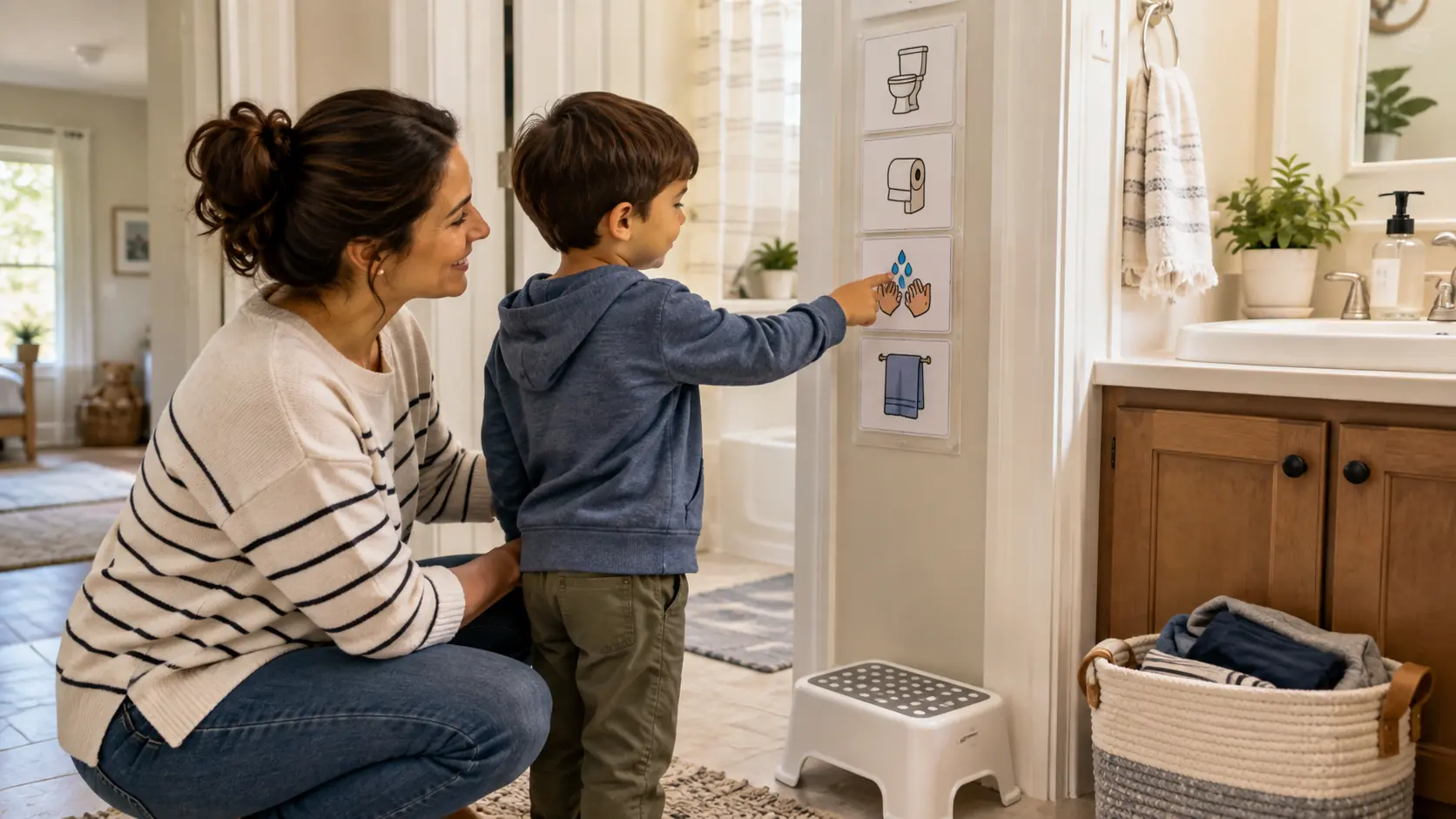
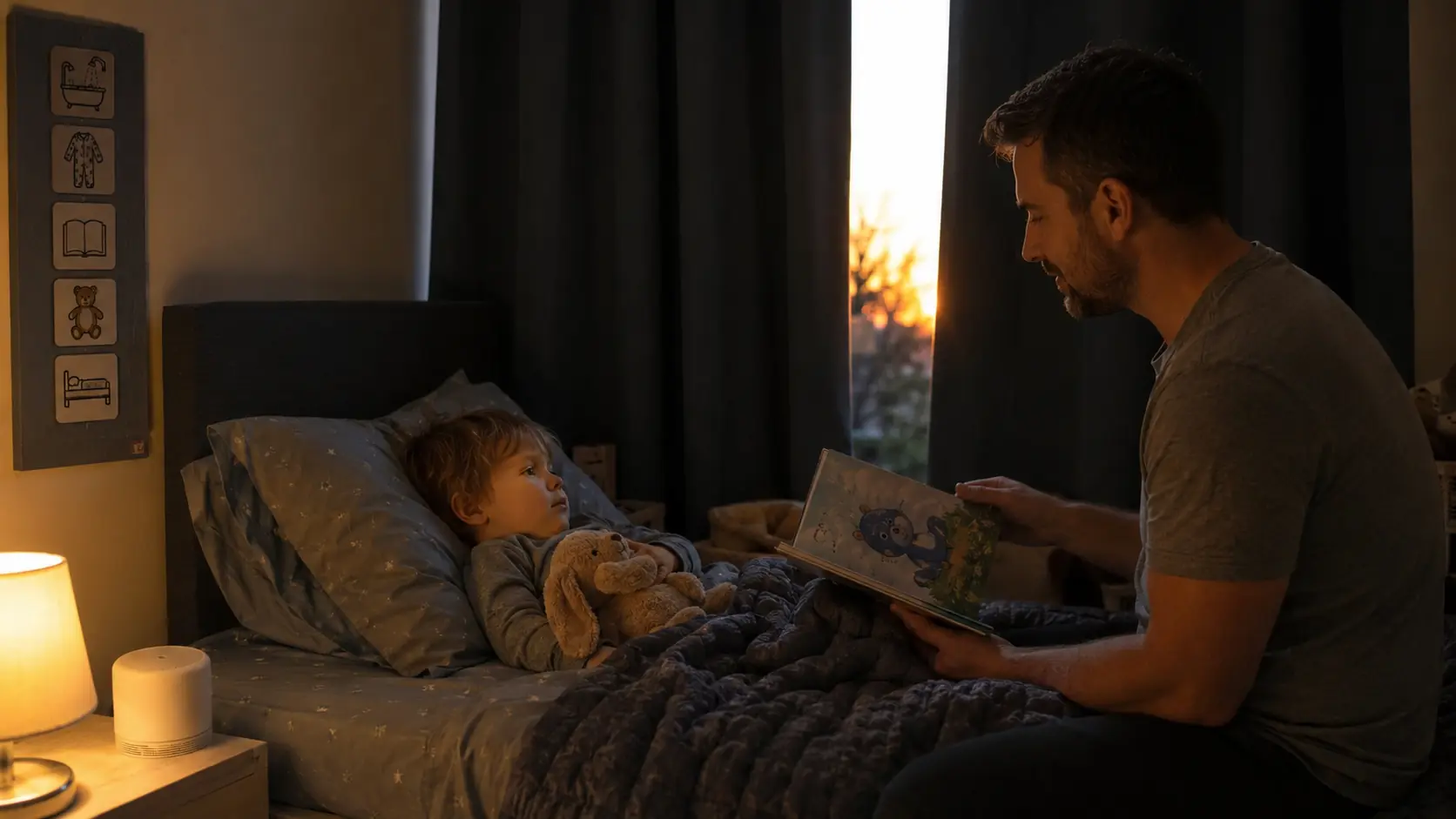
In-home ABA may be a strong fit if your child has difficulty generalizing skills to home routines, struggles with specific home-based challenges (toileting, bedtime, mealtimes, transitions), has safety concerns requiring intervention in the natural environment, or benefits from caregiver coaching woven into everyday life. Home-based services may also be helpful for families with limited transportation.
When Center-Based or Hybrid May Be Better
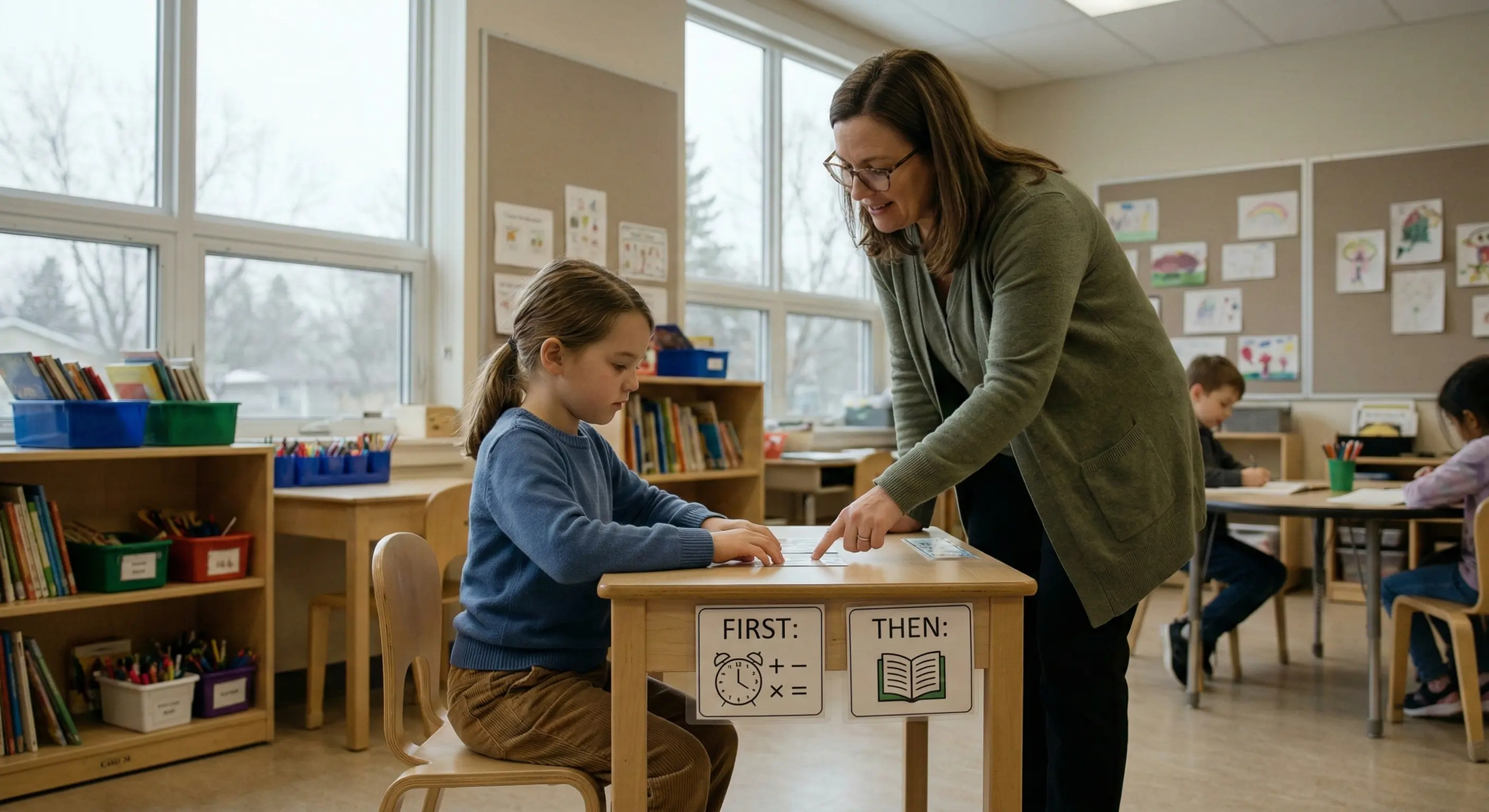
Some children thrive with more peer interaction, structured group activities, or access to specialized clinic resources. There's no universal "best" option—only what fits your child and family. Many providers, including AtlasCare, can help you think through which model makes sense.
Step-by-Step: How to Get Started with In-Home ABA Therapy in Iowa
Step 1 — Talk with Your Child's Pediatrician (or Diagnosing Clinician)
If your child has an autism diagnosis, your pediatrician can provide documentation and coordinate referrals. If you're unsure where to start, ask about developmental evaluations and what paperwork you'll need.
Step 2 — Confirm Coverage and Funding Path
Options in Iowa include private insurance, Medicaid, and state programs like the Iowa Autism Support Program. Rules vary by plan, so confirm details directly with your insurer or provider. Visit our Insurance & Funding Support (/insurance) page for more.
Step 3 — Choose an ABA Provider and Schedule an Intake
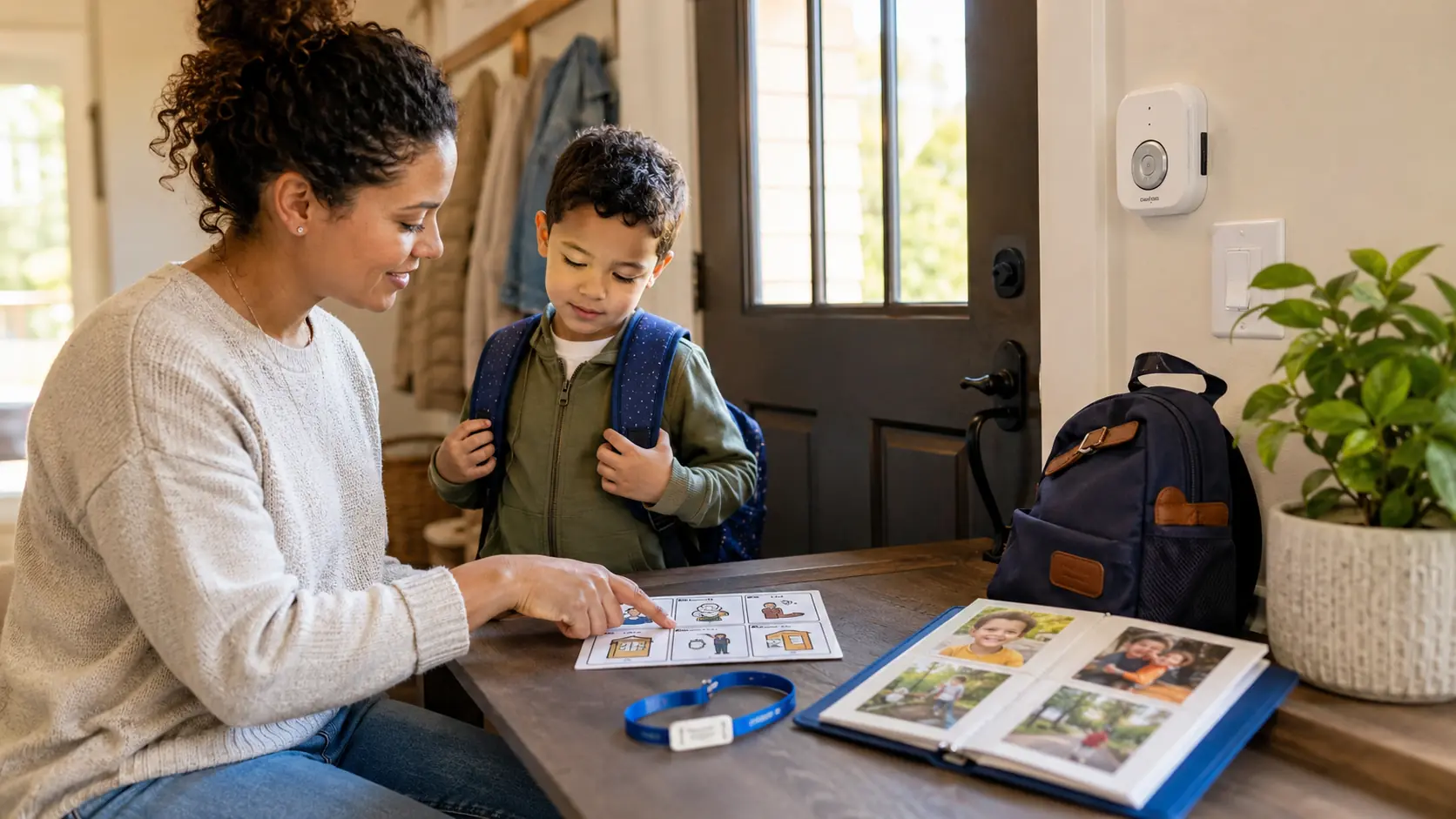
When you contact a provider, be ready to share your child's diagnostic report, insurance or Medicaid information, IEP or school documents (if applicable), current concerns, and your family's schedule. The intake call helps the provider understand your situation.
Step 4 — Assessment and Treatment Plan
A BCBA will conduct a comprehensive assessment—observing your child, gathering baseline data, and discussing your goals. They'll develop a treatment plan outlining target skills and a recommended service schedule. Most insurance plans and Medicaid require documentation of medical necessity. Your provider often helps with this paperwork, but you may still need to provide additional records.
Step 5 — Therapy Begins + Caregiver Coaching
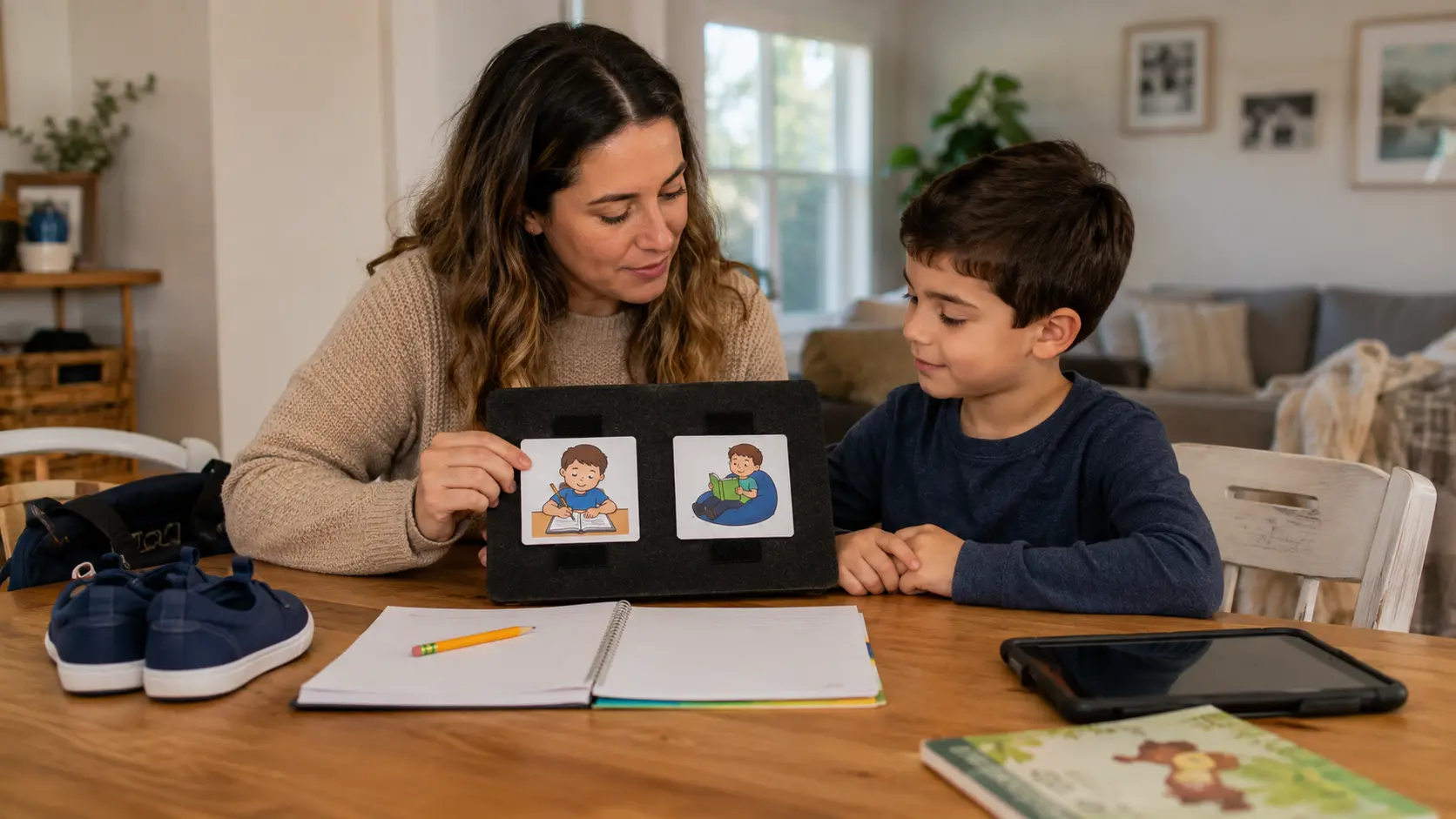
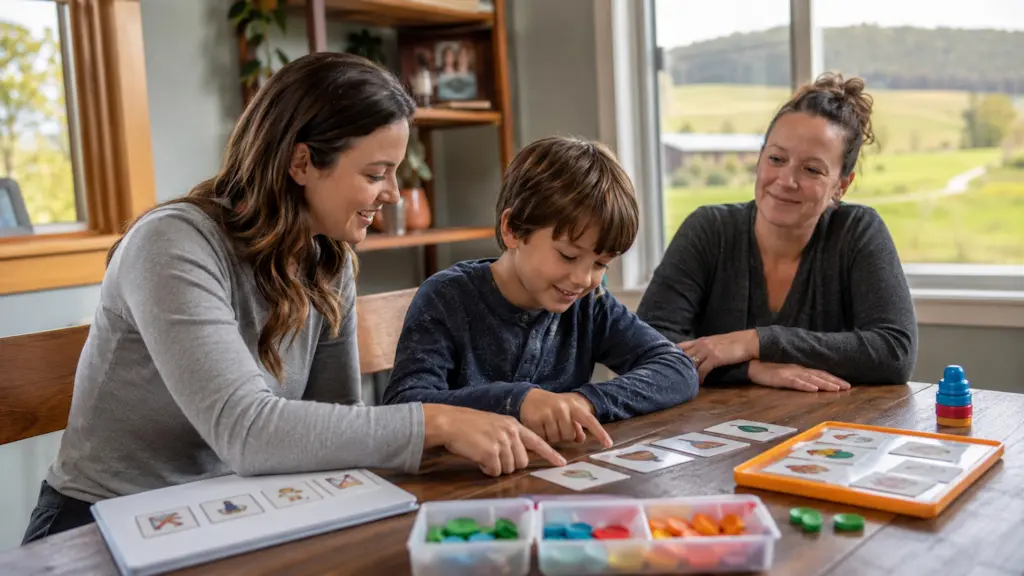
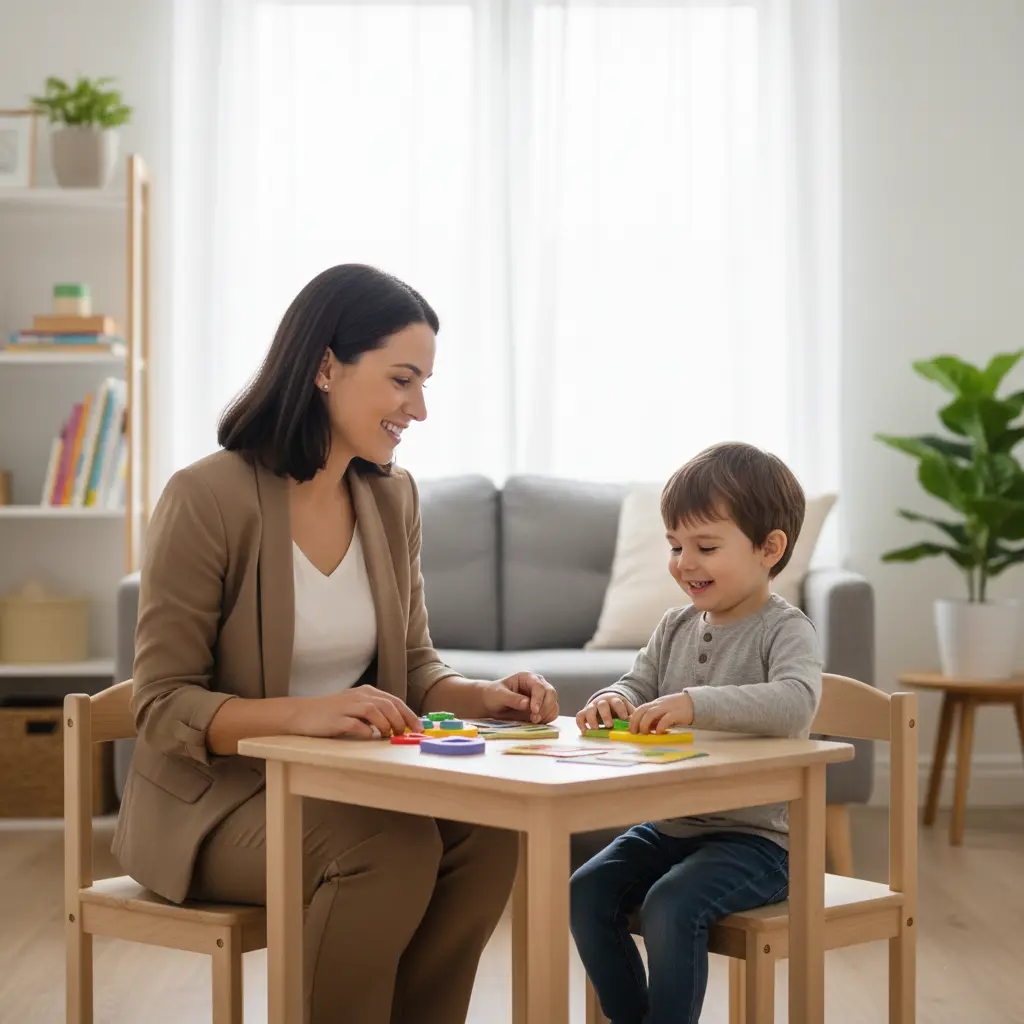
Once authorization (if required) is in place, sessions can begin. An RBT will work with your child at home—practicing communication, routines, play skills, or other targets. Sessions are typically designed to be engaging and tailored to your child's current skills and needs.
Caregiver coaching (/services/parent-training) is a core part of quality ABA. You'll work with the BCBA to learn strategies for between sessions, so everyday routines become chances to practice skills.
Step 6 — Review Progress and Adjust
ABA is not static. Your BCBA will review data regularly (for example, monthly or quarterly, depending on needs and coverage) and adjust the plan as your child progresses or priorities shift.
Paying for ABA in Iowa: Insurance, Medicaid, and State Programs
Private Insurance in Iowa (What Changed Recently)
Iowa updated its autism coverage rules affecting fully insured group plans delivered, issued, continued, or renewed on or after January 1, 2026. These changes may reduce or remove certain limits for ABA coverage under some plans. Self-funded employer plans are typically governed by federal law and may differ.
Iowa Medicaid Basics (Prior Authorization Is Common)
Iowa Medicaid may cover ABA therapy for eligible children, and prior authorization is often part of the process. Your provider typically submits clinical documentation, and Medicaid reviews the request before services are authorized. Timelines vary, so start early.
Iowa Autism Support Program (ASP)
The Iowa Autism Support Program is a state-funded option for some children who aren't eligible for Medicaid or private insurance ABA coverage. Eligibility depends on age, diagnosis, income, and other criteria. Benefits are time-limited and capped.
Questions to Ask Your Insurer
Before starting, ask: Is ABA covered? Do you cover in-home services? Is prior authorization required? Are there network requirements? What documentation is needed? What are my copays?
How to Choose an In-Home ABA Provider in Iowa
Credentials and Supervision
Look for providers where a BCBA leads care with a clear supervision structure. Ask how often the BCBA observes sessions, reviews data, and meets with you. Caregiver training should be built in. Learn more on our Meet Our Clinicians (/team) page.
Quality Signals (What to Look For)
Strong providers typically offer collaborative goal-setting, measurable goals, attention to your child's assent and comfort, transparent data-sharing, and culturally responsive care.
Red Flags (Gentle but Clear)
Be cautious of providers who guarantee outcomes, promise "quick fixes," exclude parents, use vague goals, don't share data regularly, or apply a one-size-fits-all program.
What to Expect in the First 30–90 Days of In-Home ABA
Weeks 1–2: The BCBA completes assessments, gathers baseline data, and finalizes the treatment plan.
Weeks 3–6: Sessions begin focusing on initial targets. Your child and therapist build rapport while working on foundational skills.
Weeks 6–12: Focus often shifts to generalizing skills across settings. Caregiver coaching may increase. Progress varies—some children show early gains, while others need more time.
Helping In-Home ABA Work (Practical Tips for Parents)
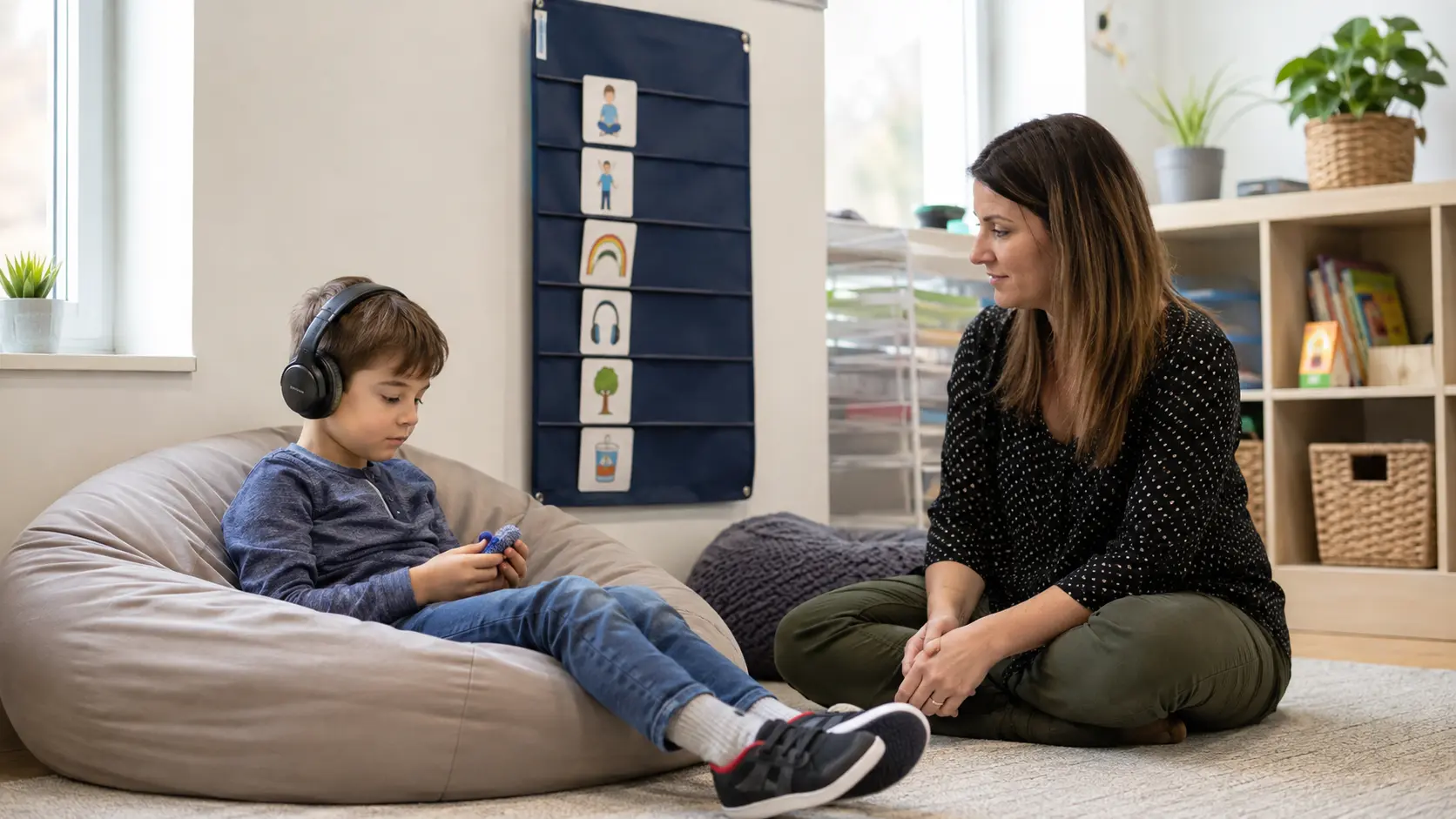
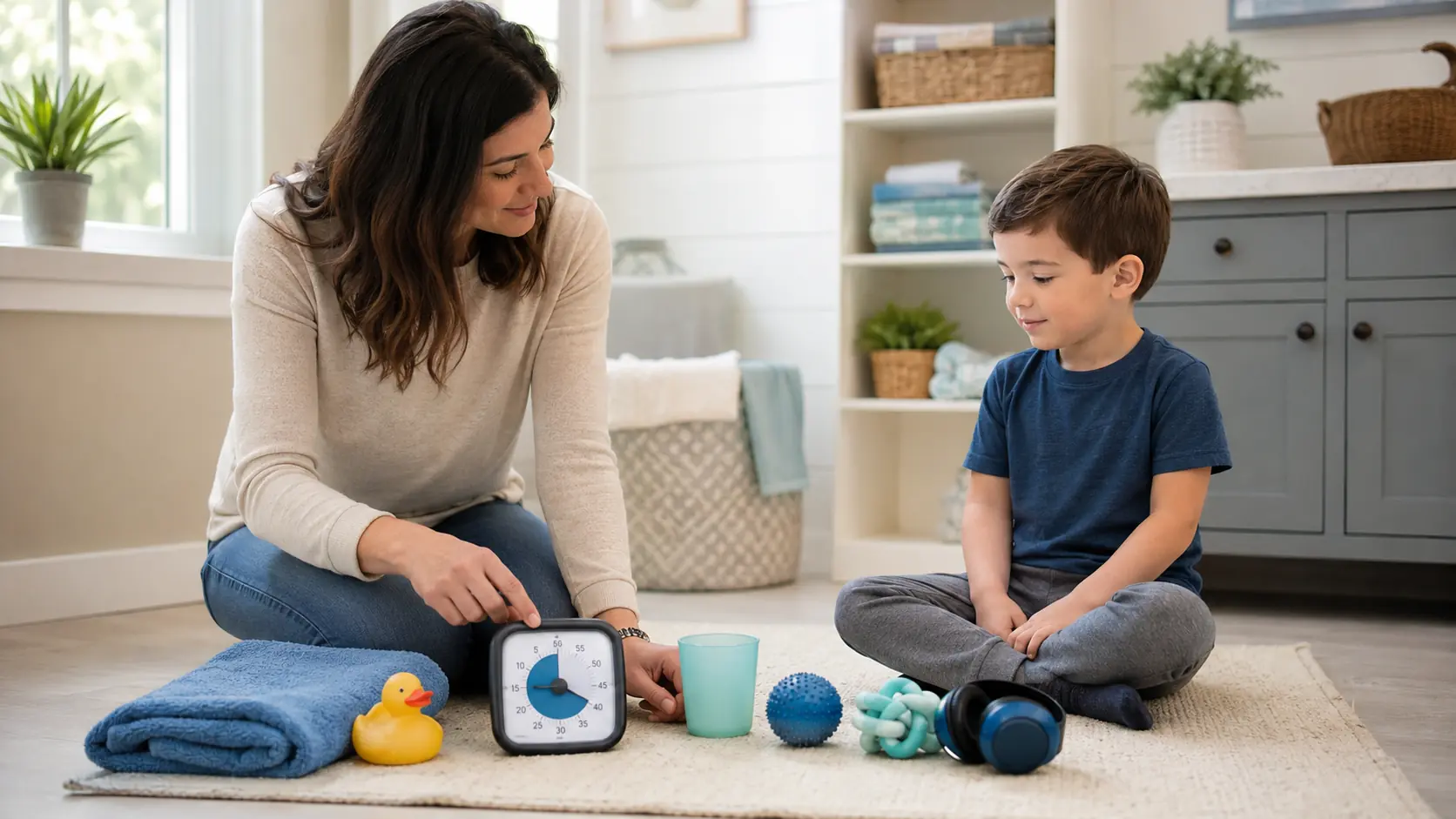
Set up the environment: You don't need a dedicated therapy room. A consistent, low-distraction area with preferred toys or materials is often enough.
Protect the schedule: Predictability can support progress for many children. Keep session times consistent and minimize interruptions.
Keep communication open: Share wins and challenges with your care team. If a strategy isn't working at home, say so.
When to Talk to Your Pediatrician or a BCBA
Some concerns benefit from additional evaluation. Reach out if you notice safety concerns (elopement, self-injury, aggression), significant regression in skills, severe sleep difficulties, feeding concerns, or intense behavioral episodes. With your permission, your BCBA can coordinate with pediatricians and other providers to support a consistent plan of care.
How AtlasCare ABA Can Support Iowa Families
AtlasCare ABA offers in-home ABA therapy designed around your family's routines. Our BCBA-led team focuses on meaningful goals—communication, daily living skills, self-regulation, and social connection—while providing caregiver coaching. We coordinate with schools and other providers. To learn more, visit our Contact page
Taking the Next Step
Finding the right support takes time, but you don't have to figure it out alone. If in-home ABA therapy feels right, the steps can feel more manageable: talk with your pediatrician, confirm coverage, choose a provider, and begin assessment.
Starting ABA can feel like a lot—insurance calls, evaluations, and schedules. AtlasCare ABA can help Iowa families build a clear starting plan with compassionate, BCBA-led support. Our team focuses on meaningful, individualized goals and caregiver coaching so progress carries into everyday life.
Ready to talk through next steps?
Call: 888-838-7222 | Email: info@atlascareaba.com
Serving families in: Iowa, North Carolina, New Mexico, Delaware, Missouri










.webp)


.webp)
.webp)
.webp)
.webp)






.jpg)


.webp)

.webp)
.webp)







%20During%20Play%20in%20the%20Home.webp)