
If your child was recently diagnosed with autism—or you're exploring therapy options—you've probably heard the term "ABA" more times than you can count. Pediatricians mention it. Other parents recommend it. Schools ask if your child receives it. But what actually is ABA therapy, and why does everyone seem to be talking about it?
It's a fair question, and you deserve a clear answer. Not jargon. Not a sales pitch. Just honest, practical information so you can make the best decision for your child and your family.
This guide breaks down what applied behavior analysis is, how it works, what a typical session looks like, and how to tell whether it might be a good fit for your child. Let's start from the beginning.
What Is Applied Behavior Analysis (ABA)?
A Simple Definition for Parents
Applied Behavior Analysis—ABA for short—is a science-based approach to understanding how people learn and why they behave the way they do. It's been around since the 1960s and draws on decades of research in learning theory and behavioral science.
Here's the simplest way to think about it: ABA looks at what your child does, what happens right before that behavior, and what happens right after. By understanding these patterns, therapists can help teach new skills and reduce behaviors that get in the way of learning or safety.
ABA isn't about changing who your child is. It's about giving them tools to communicate, connect, and navigate the world more independently.
Why ABA Is Often Used for Autism
ABA has become one of the most widely used therapies for children with autism, and there are good reasons for that. Research spanning several decades shows that ABA-based programs can help children develop communication skills, learn to interact with others, handle daily routines, and build independence.
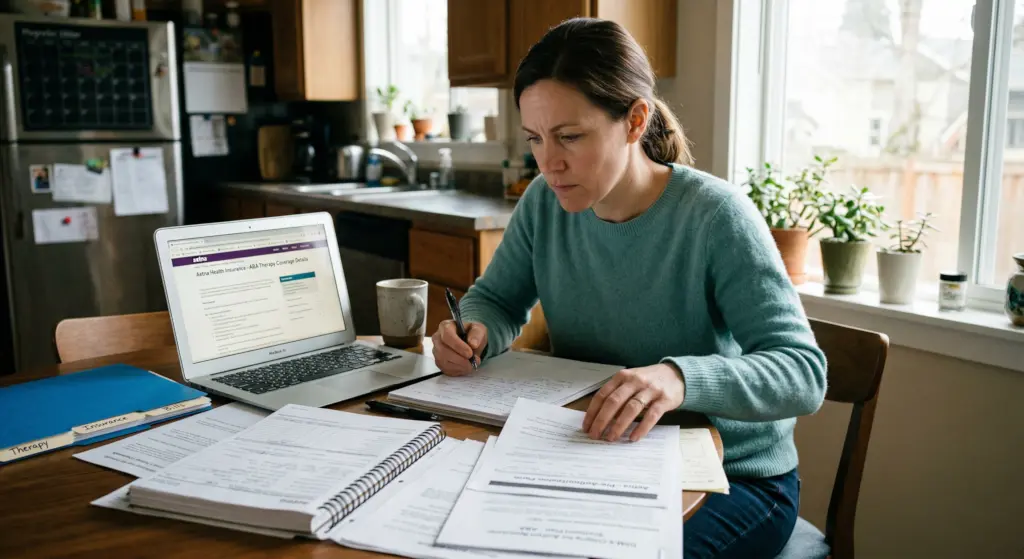
Major health organizations recognize ABA as an evidence-based treatment for autism. Insurance companies in most states cover it. And for many families, it's been a meaningful part of their child's growth.
That said, ABA is one option among several. Speech therapy, occupational therapy, developmental approaches, and school-based services all play important roles too. The best path forward depends on your child's unique needs and your family's priorities.
Core Ideas Behind ABA: How It Works at a Science Level
Before we get into what ABA sessions actually look like, it helps to understand the basic principles driving the approach. Don't worry—we'll keep this straightforward.
Behavior Is Shaped by the Environment
One of ABA's foundational ideas is that behavior doesn't happen in a vacuum. What comes before a behavior (the trigger) and what comes after (the result) both influence whether that behavior happens again.
Therapists often call this the ABC model:
- Antecedent: What happened right before the behavior?
- Behavior: What did the child do?
- Consequence: What happened immediately after?
Here's a quick example. A parent asks their child to turn off the tablet (antecedent). The child screams and throws the tablet (behavior). The parent, trying to avoid a meltdown, lets them keep playing (consequence). The child has just learned that screaming works—even though that wasn't the parent's intention.
ABA uses this understanding to create situations where helpful behaviors are more likely to succeed and challenging behaviors become less effective.
Positive Reinforcement Is Key
If there's one concept at the heart of ABA, it's positive reinforcement. The idea is straightforward: when a behavior is followed by something the child enjoys or values, that behavior is more likely to happen again.
Reinforcement looks different for every child. For one, it might be enthusiastic praise. For another, a few minutes with a favorite toy. For someone else, a high-five or a short break. The key is finding what genuinely motivates your child—not what we assume should motivate them.
Good ABA therapy leans heavily on reinforcement rather than punishment. The goal is to make learning feel rewarding, not stressful.
ABA Is Data-Driven and Measurable
Unlike some approaches where progress is based on general impressions, ABA relies on concrete, observable data. Goals are written in specific terms—"requests help using words or a communication device" rather than "communicates better."
Therapists track progress session by session. If something isn't working, the data shows it, and the team adjusts. If something is working, the data confirms it, and the team builds on that success. This constant feedback loop keeps therapy focused and effective.
How ABA Therapy Works Step-by-Step
So what actually happens when you start ABA therapy? Here's a realistic look at the process from beginning to ongoing treatment.
Assessment and Goal Setting
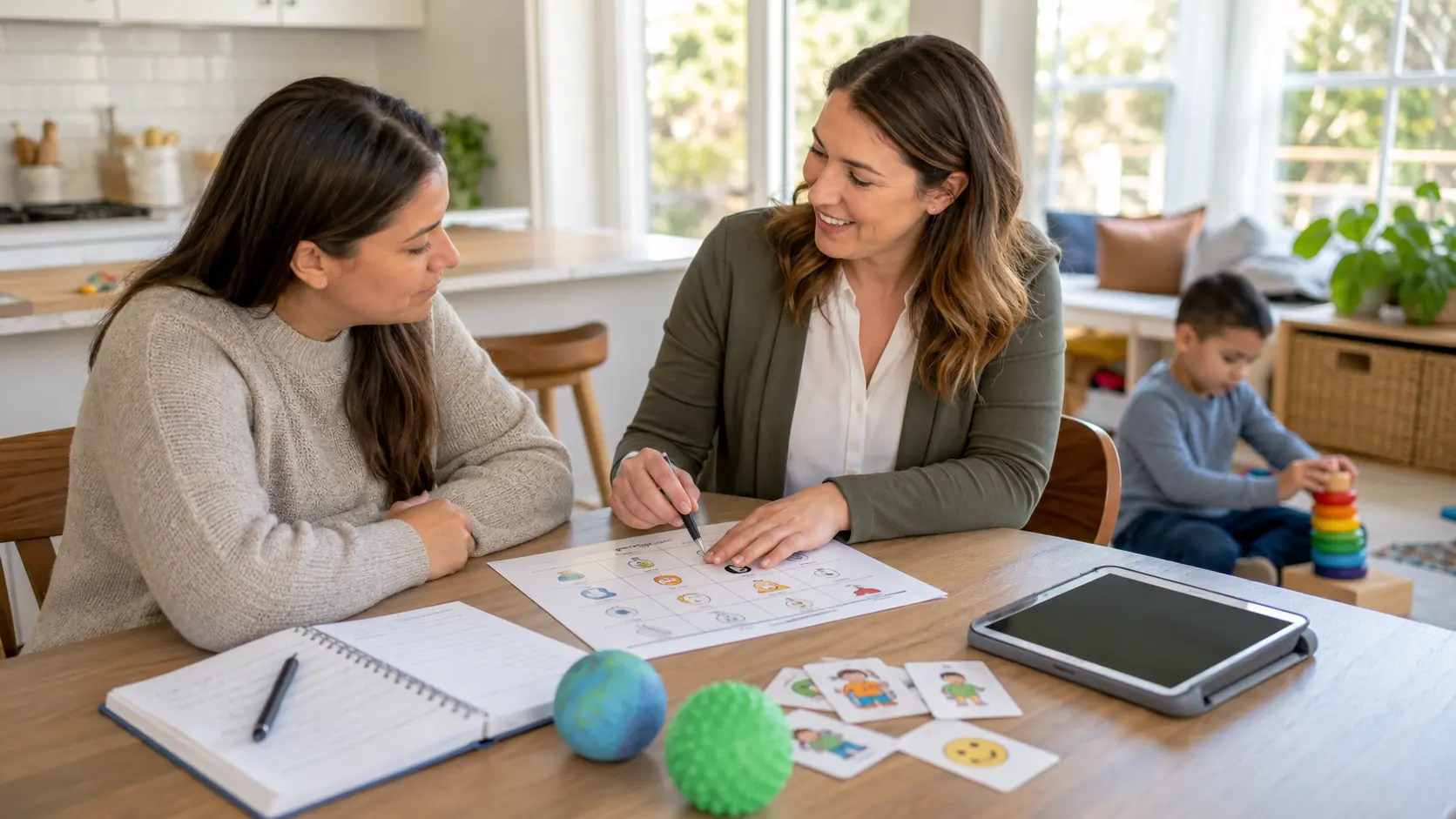
Everything starts with getting to know your child. A Board Certified Behavior Analyst (BCBA) conducts an initial assessment that typically includes observing your child, interviewing you about daily routines and challenges, and sometimes gathering input from teachers or other caregivers.
The BCBA wants to understand your child's current skills, what's going well, and where they're struggling. Just as importantly, they want to know what matters to you. What do you hope your child will be able to do? What behaviors are making daily life difficult? What does success look like for your family?
From there, the team develops goals focused on meaningful, real-life skills: communicating needs, following routines, playing with siblings, handling transitions, managing self-care tasks.
Creating an Individualized Treatment Plan
This is crucial: ABA therapy is not one-size-fits-all. Your child's treatment plan is built specifically around their strengths, challenges, and goals. What works beautifully for one child might be completely wrong for another.
A treatment plan typically includes the specific skills being taught, any challenging behaviors being addressed, the teaching strategies that will be used, and the reinforcement approach. It's a living document—updated regularly as your child grows and learns.
What a Typical ABA Session Looks Like
ABA sessions vary depending on your child's age, goals, and where therapy takes place. But here's a general sense of what you might see:
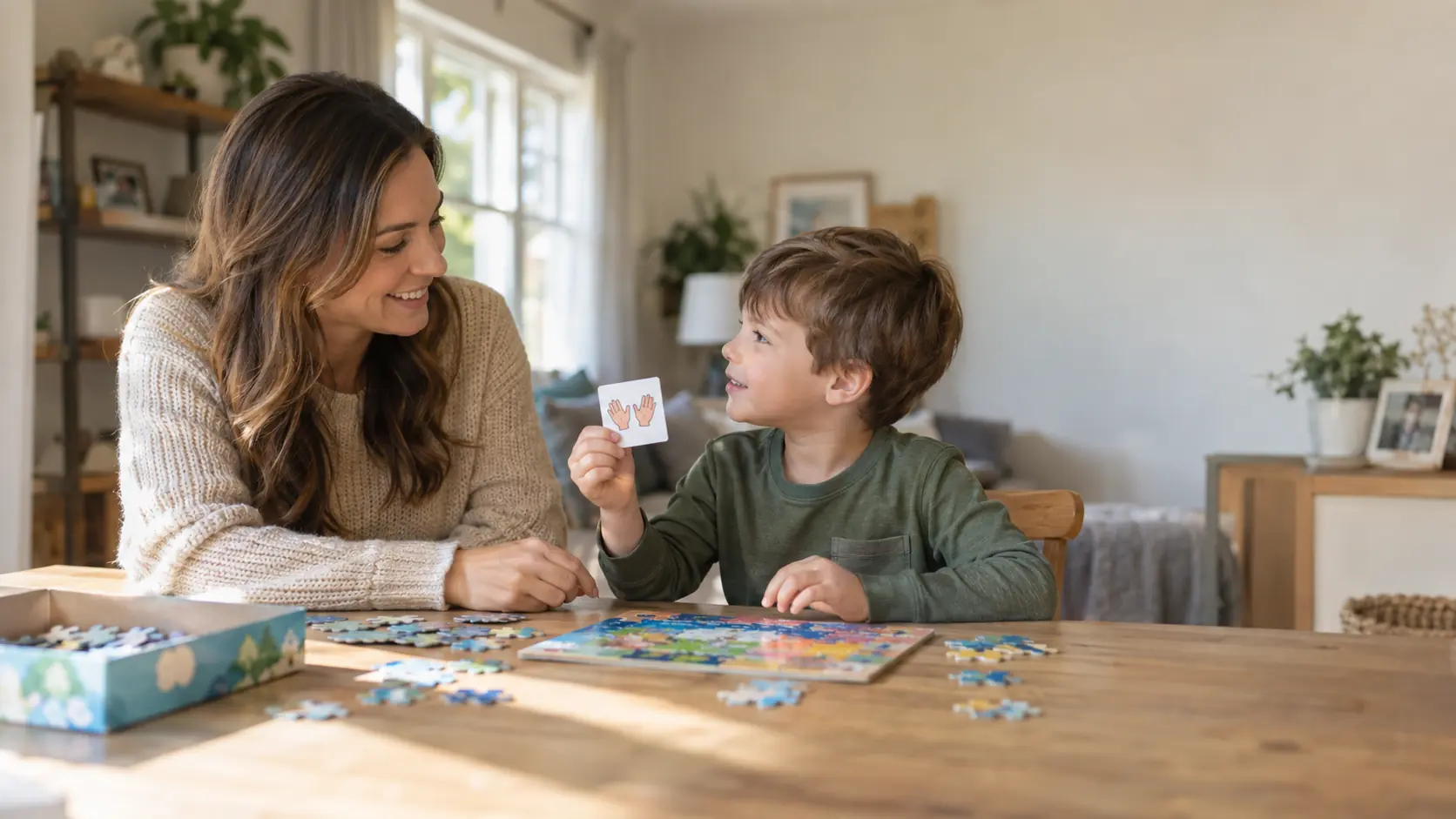
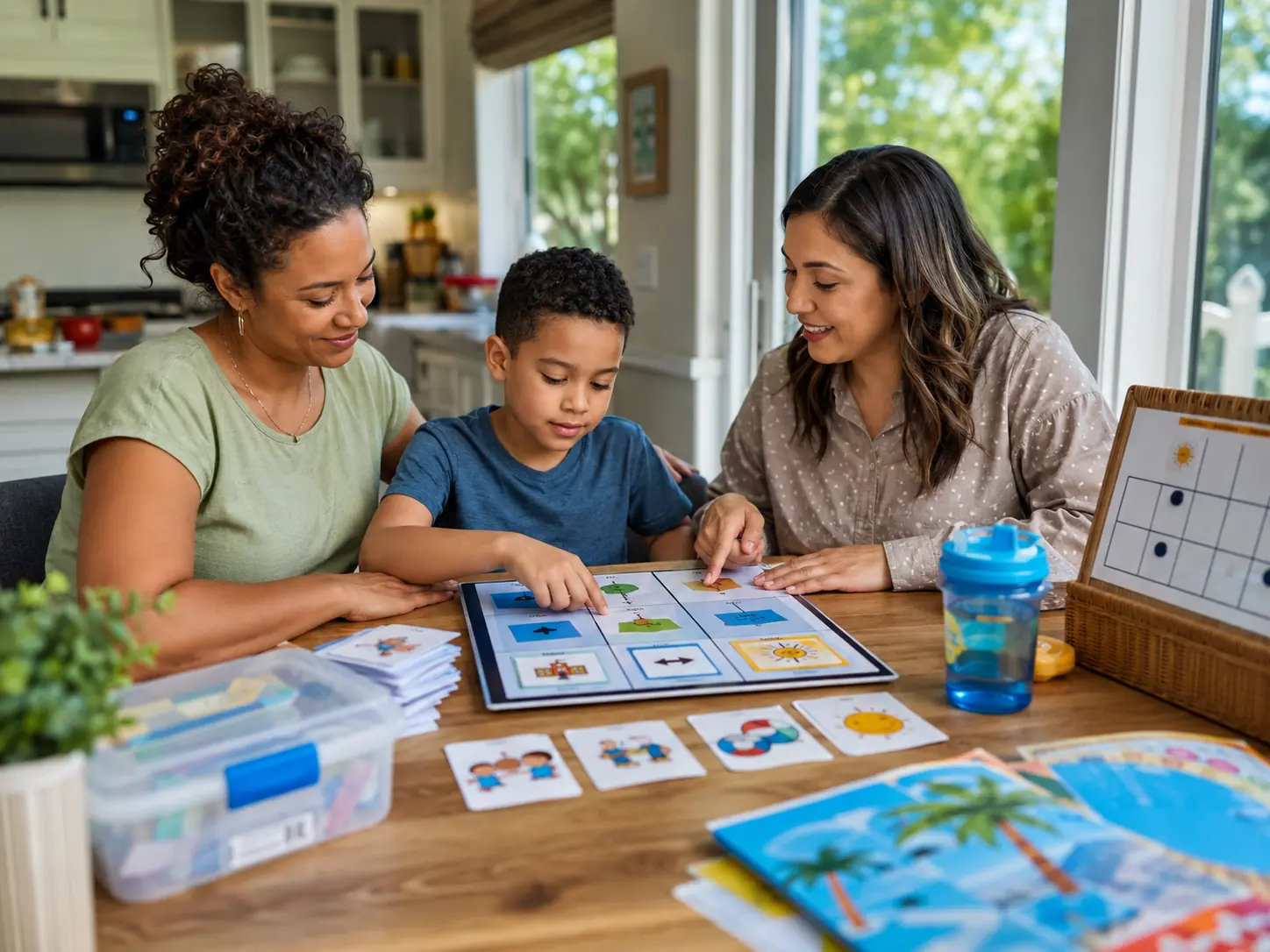
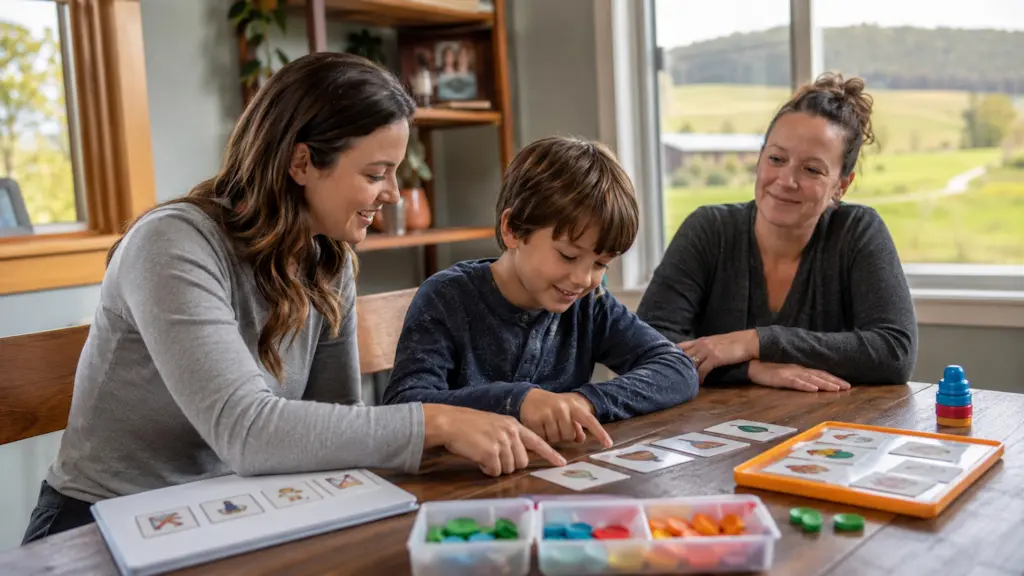
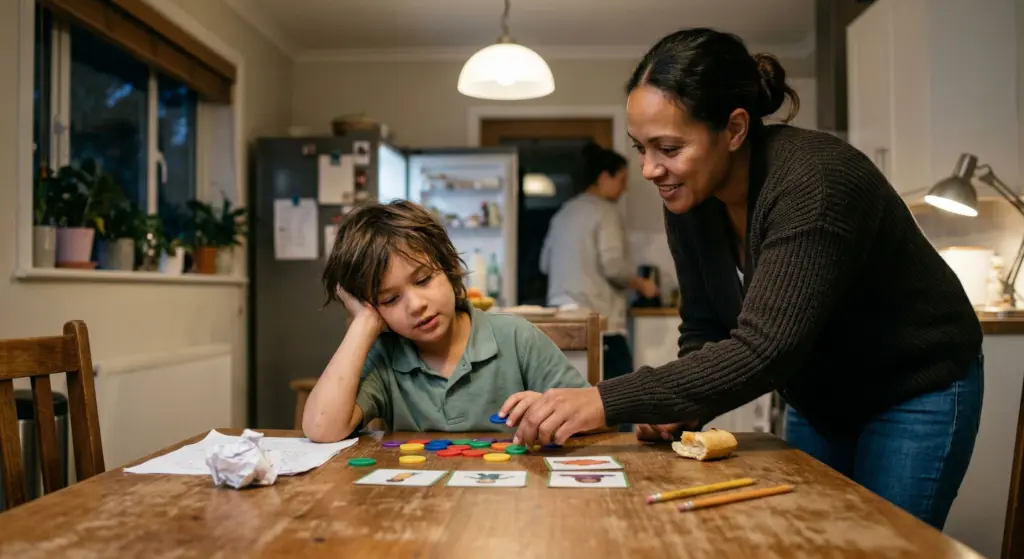
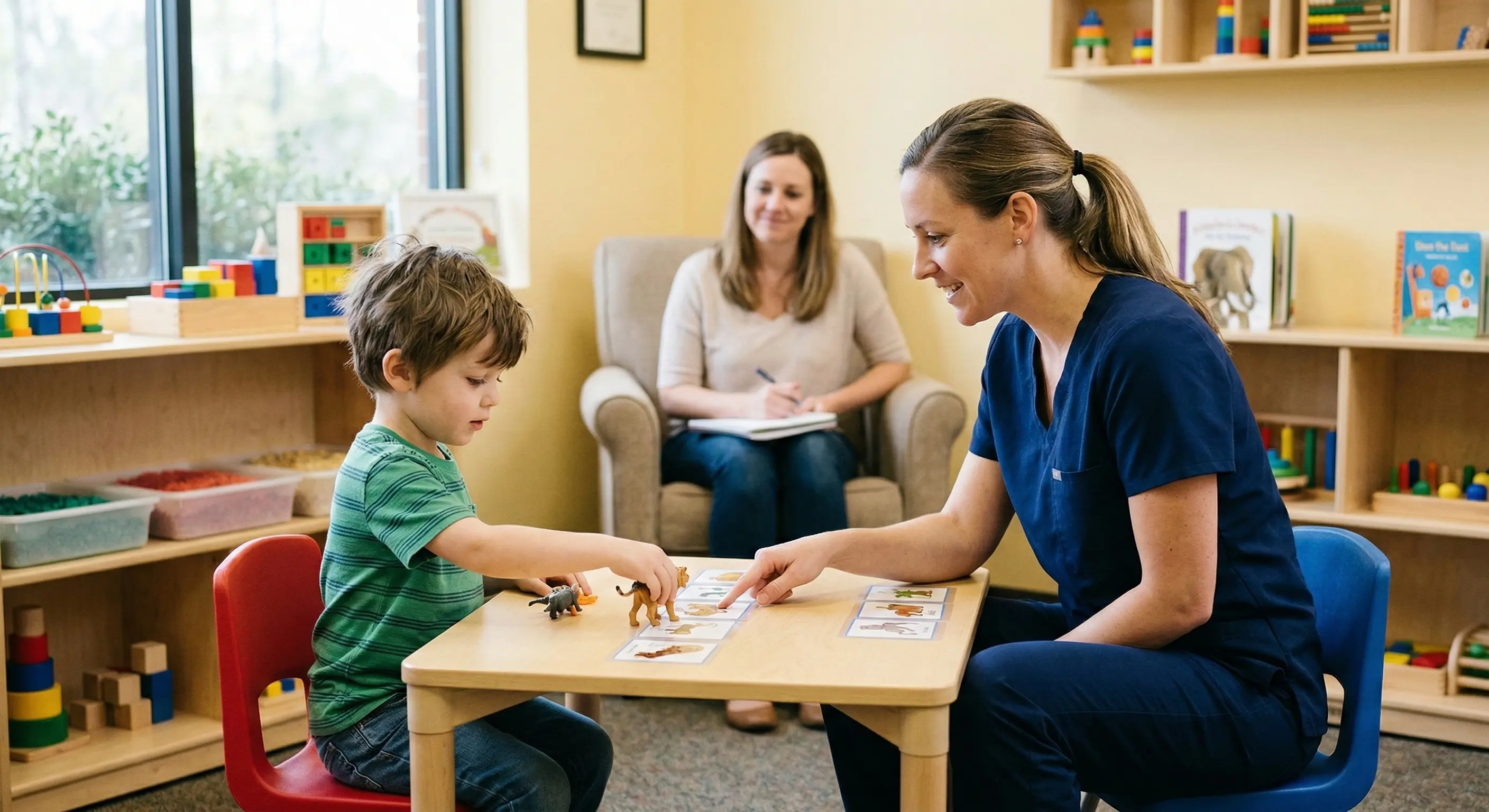
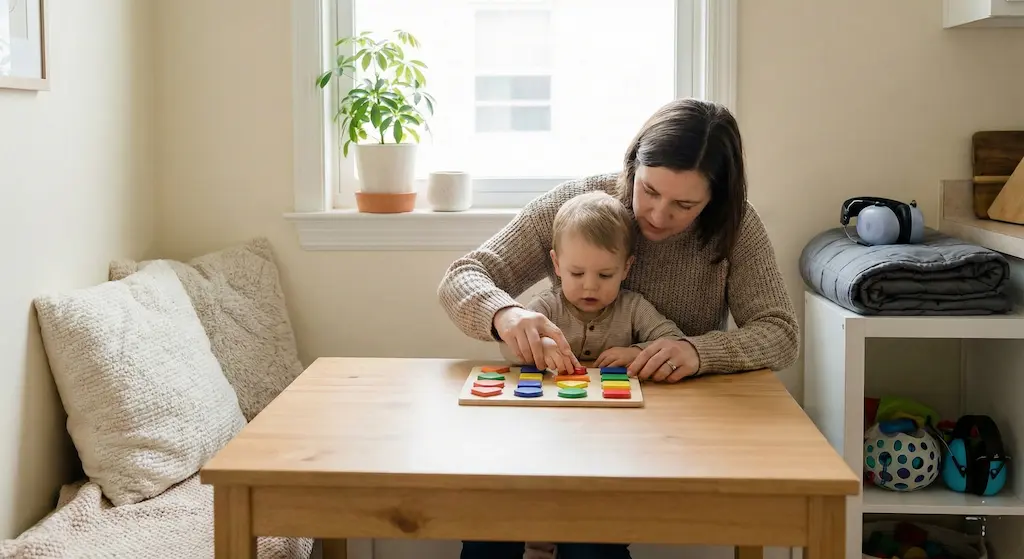
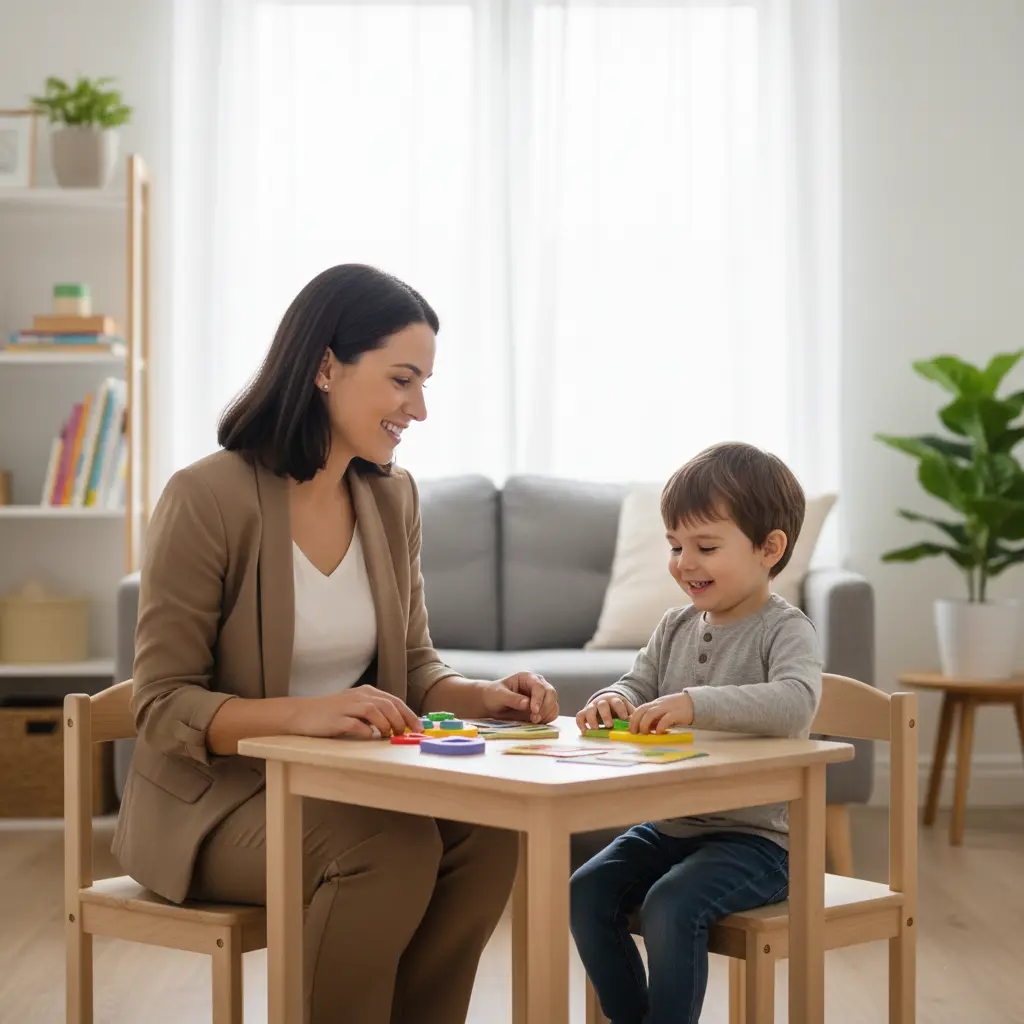
Structured teaching moments. The therapist might work with your child at a table, practicing specific skills through short learning trials. They'll give an instruction, wait for a response, and provide feedback or reinforcement. This is sometimes called Discrete Trial Training.
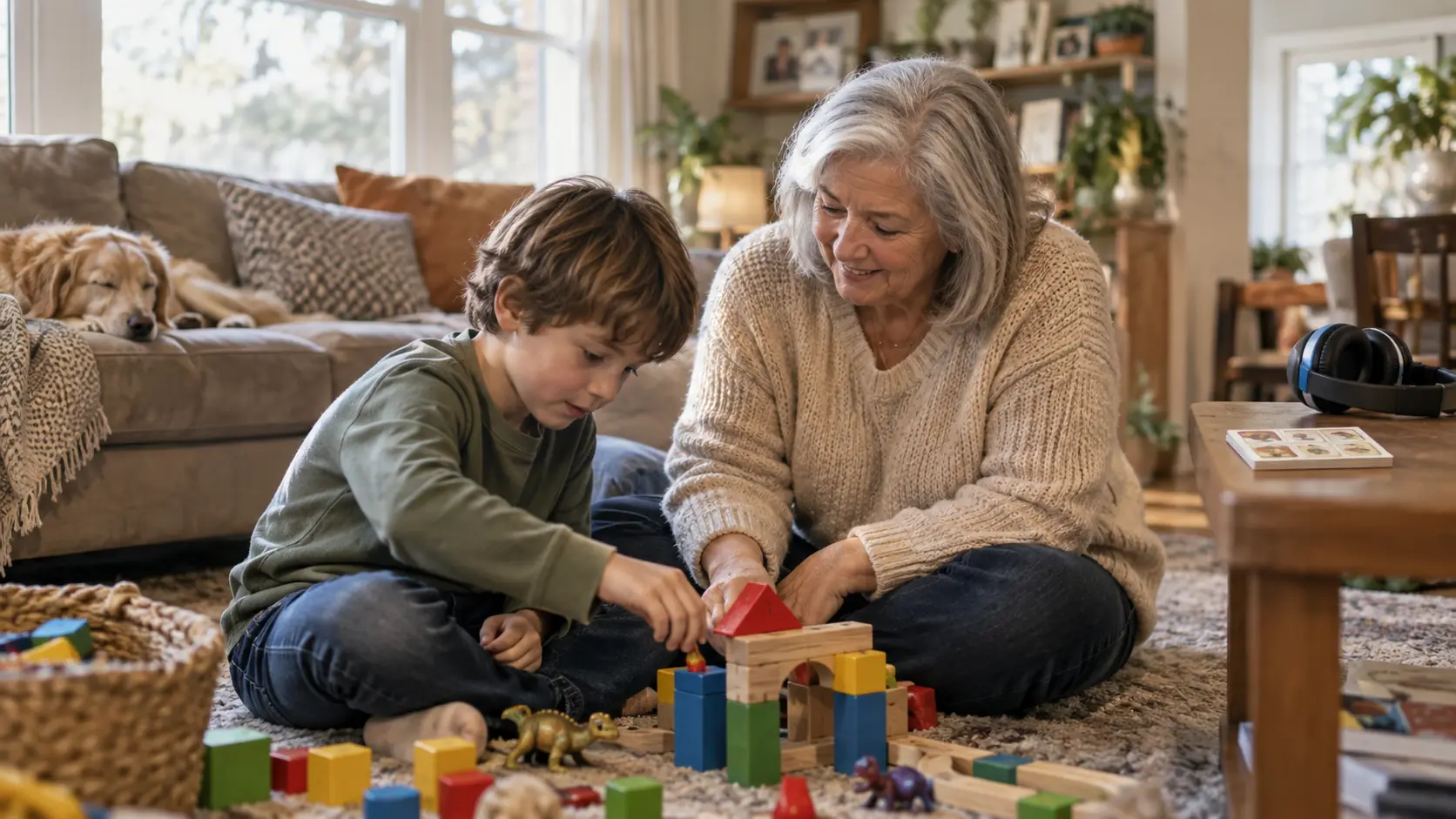
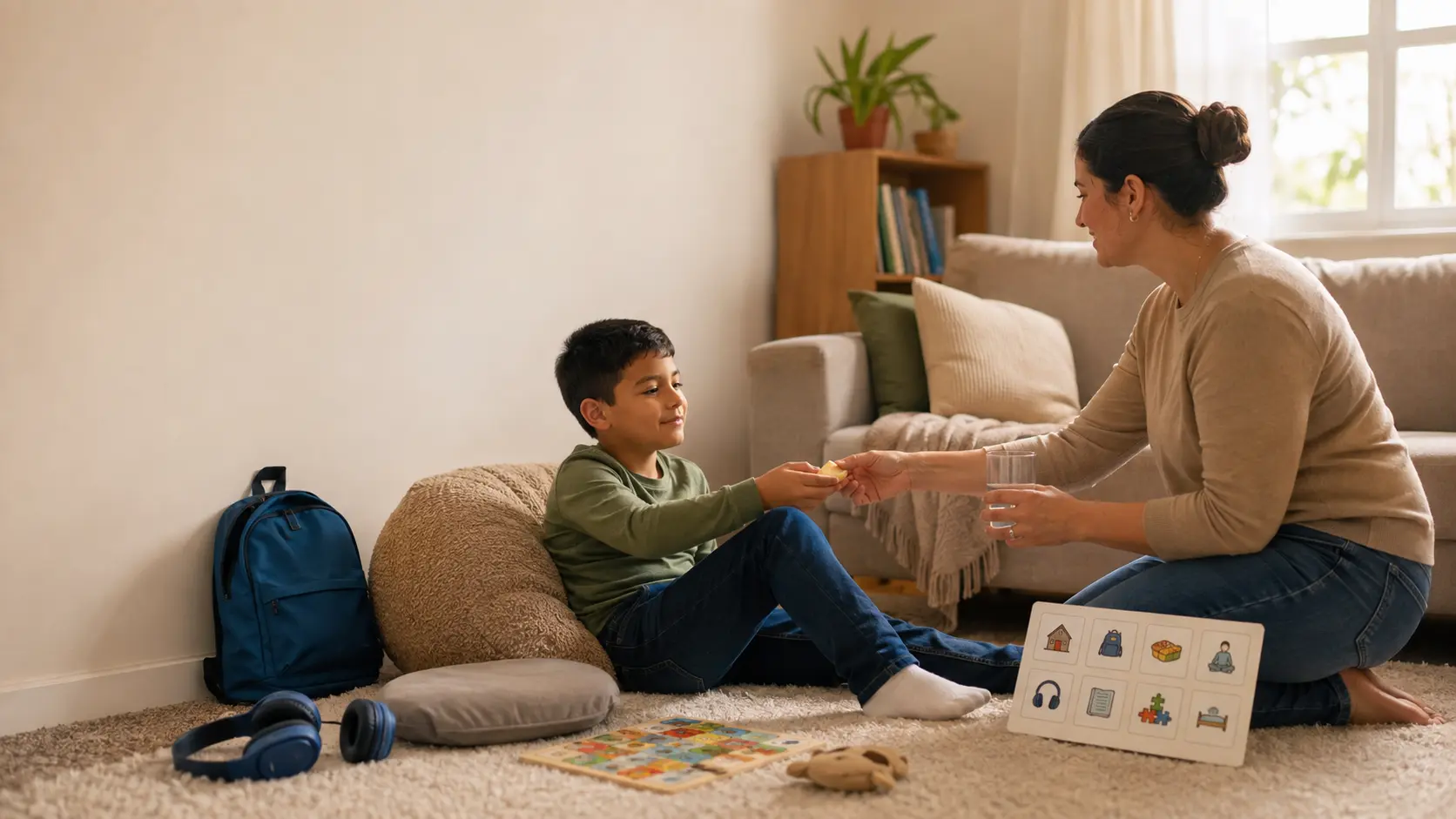
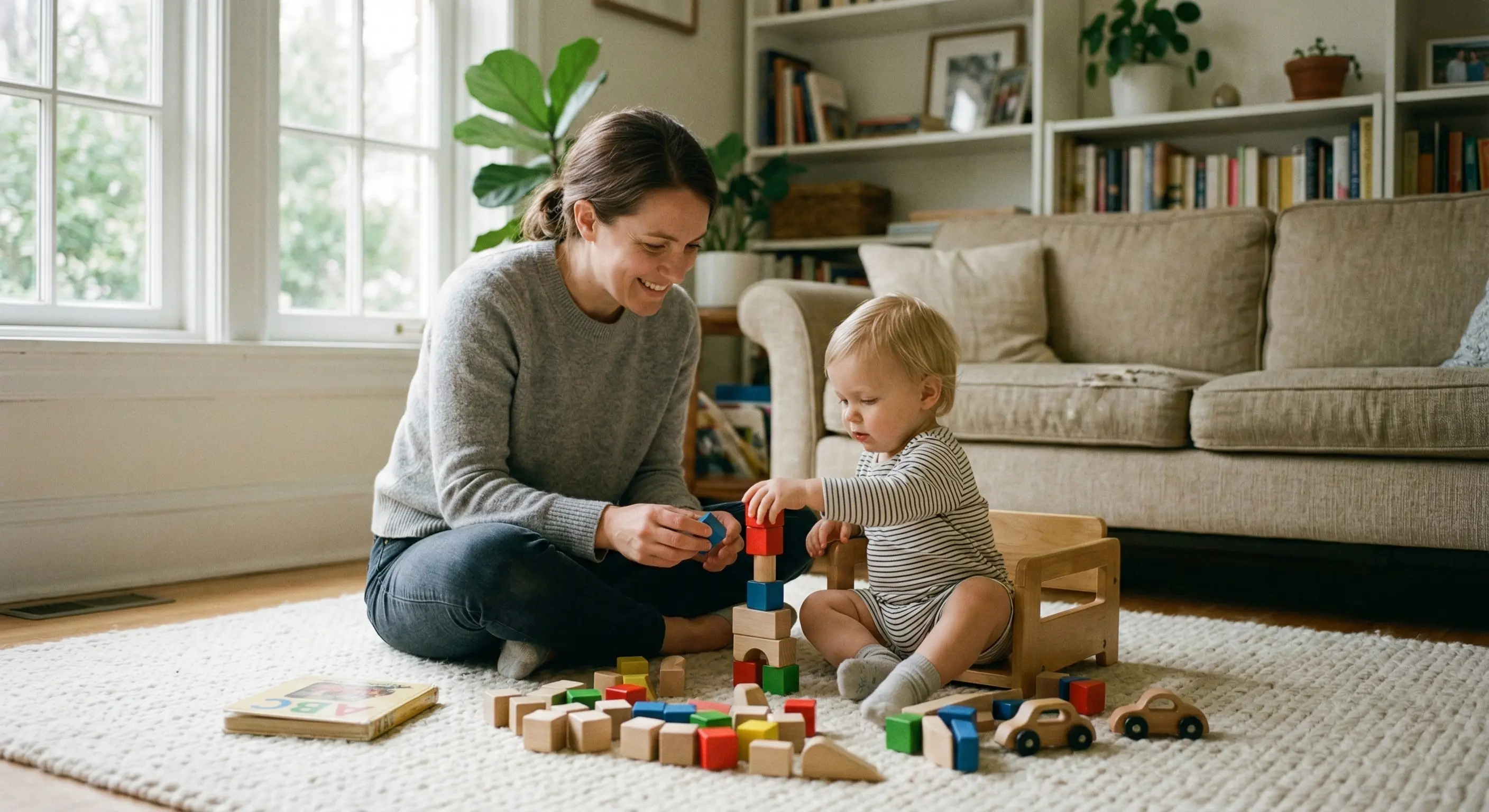
Play-based learning. For many children, the best learning happens during play. The therapist might join your child on the floor, following their interests while weaving in opportunities to practice communication, turn-taking, or requesting.
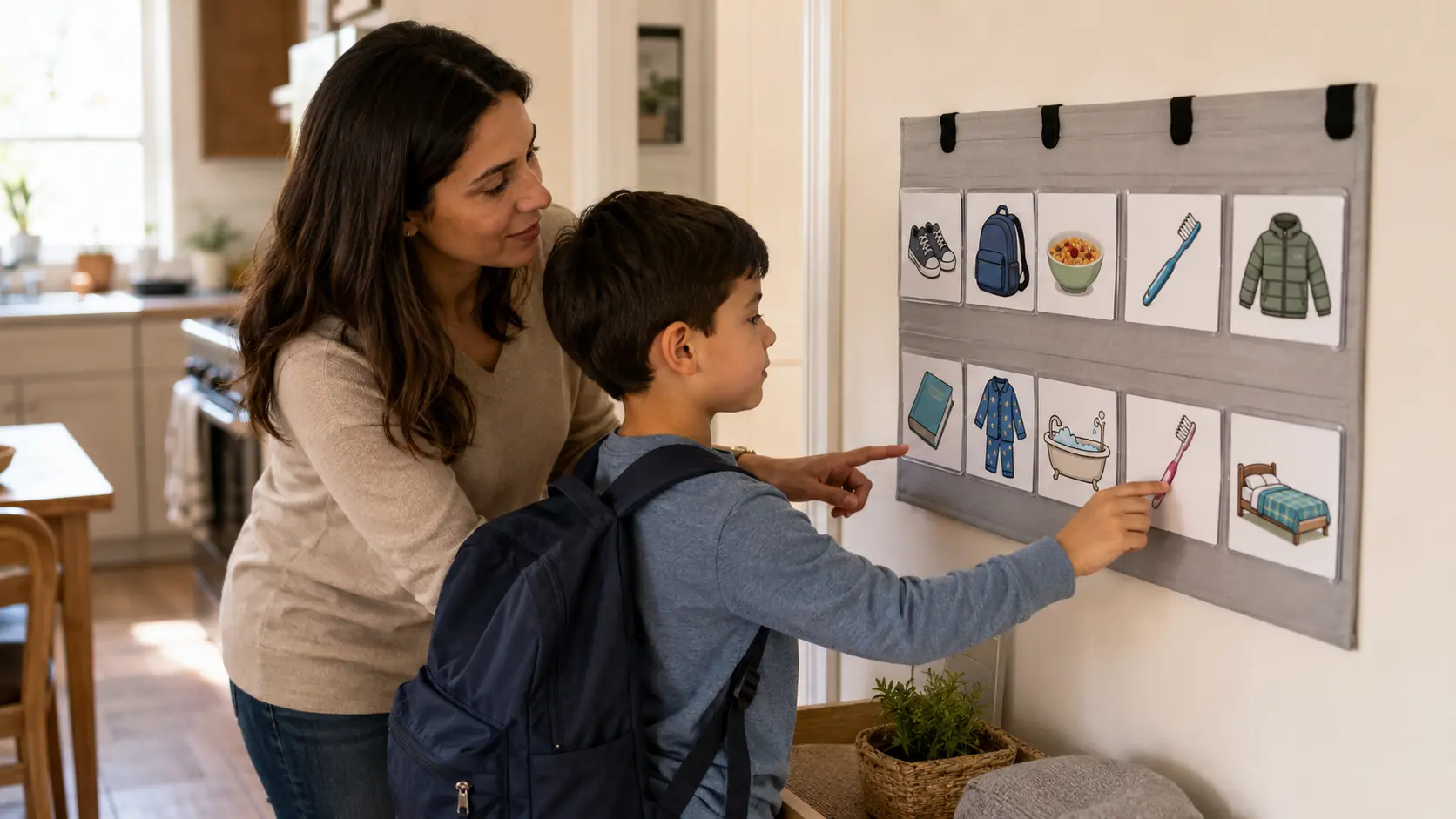
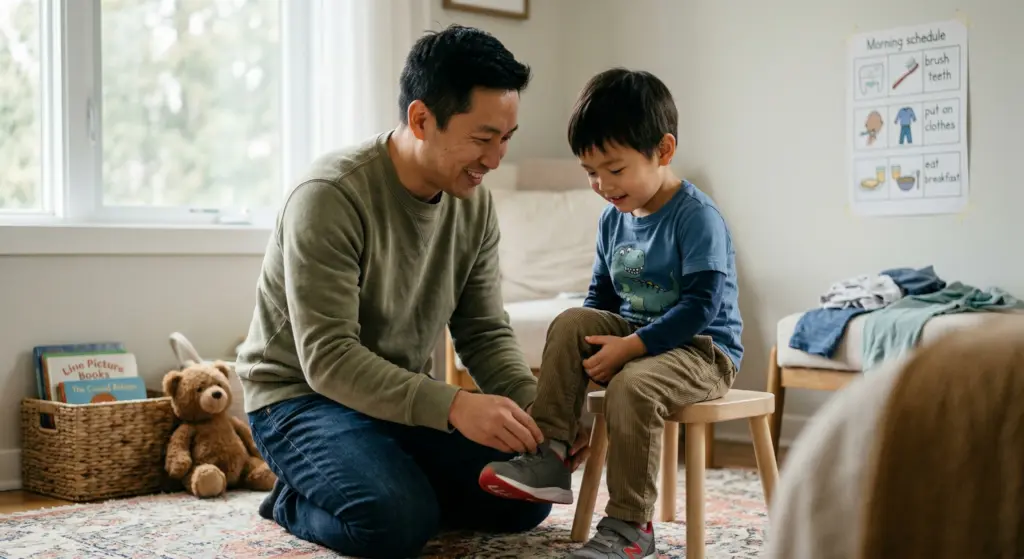
Real-life practice. If one of your child's goals is getting dressed independently, therapy might happen in the bedroom during the morning routine. If the goal is handling grocery store trips, you might practice at an actual store. Skills learned in context tend to stick better.
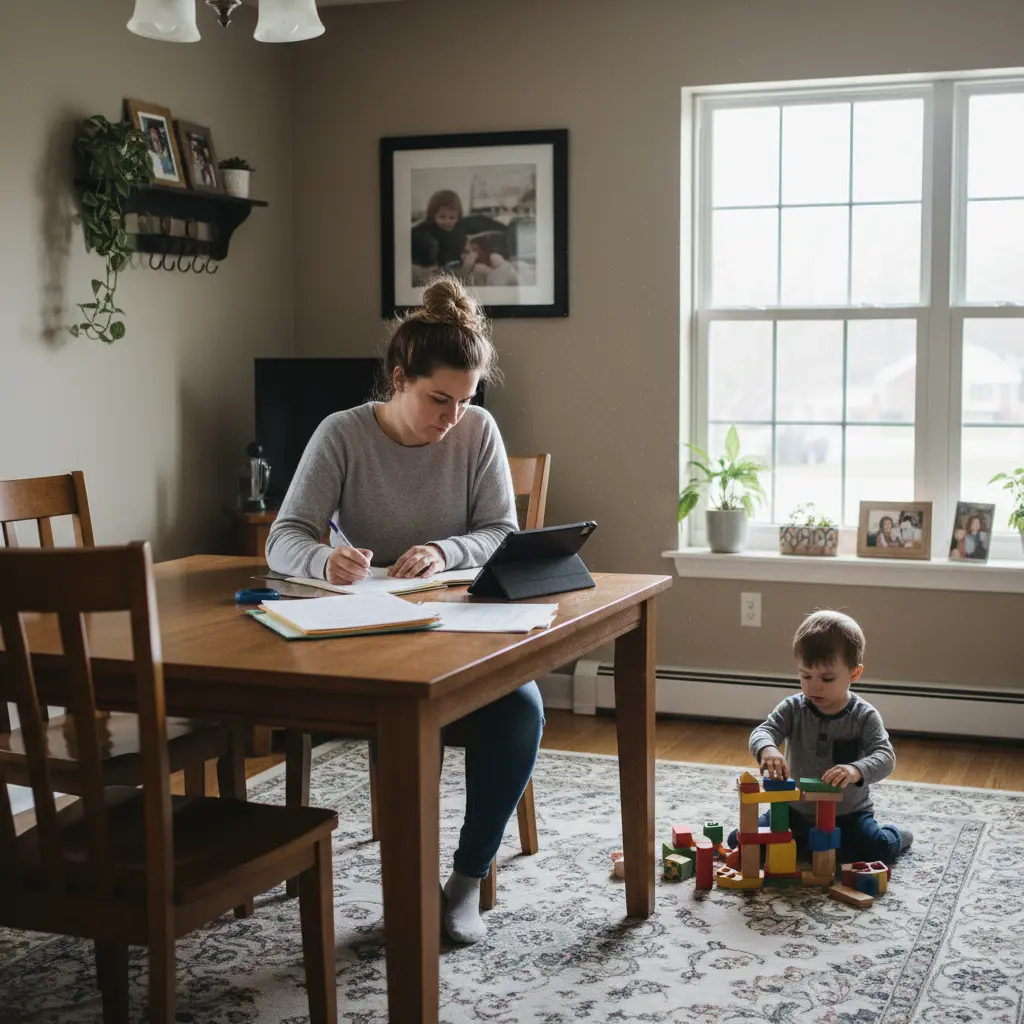
Parent involvement. You're not just watching from the sidelines. Good ABA includes you as an active participant, learning strategies you can use throughout the day.
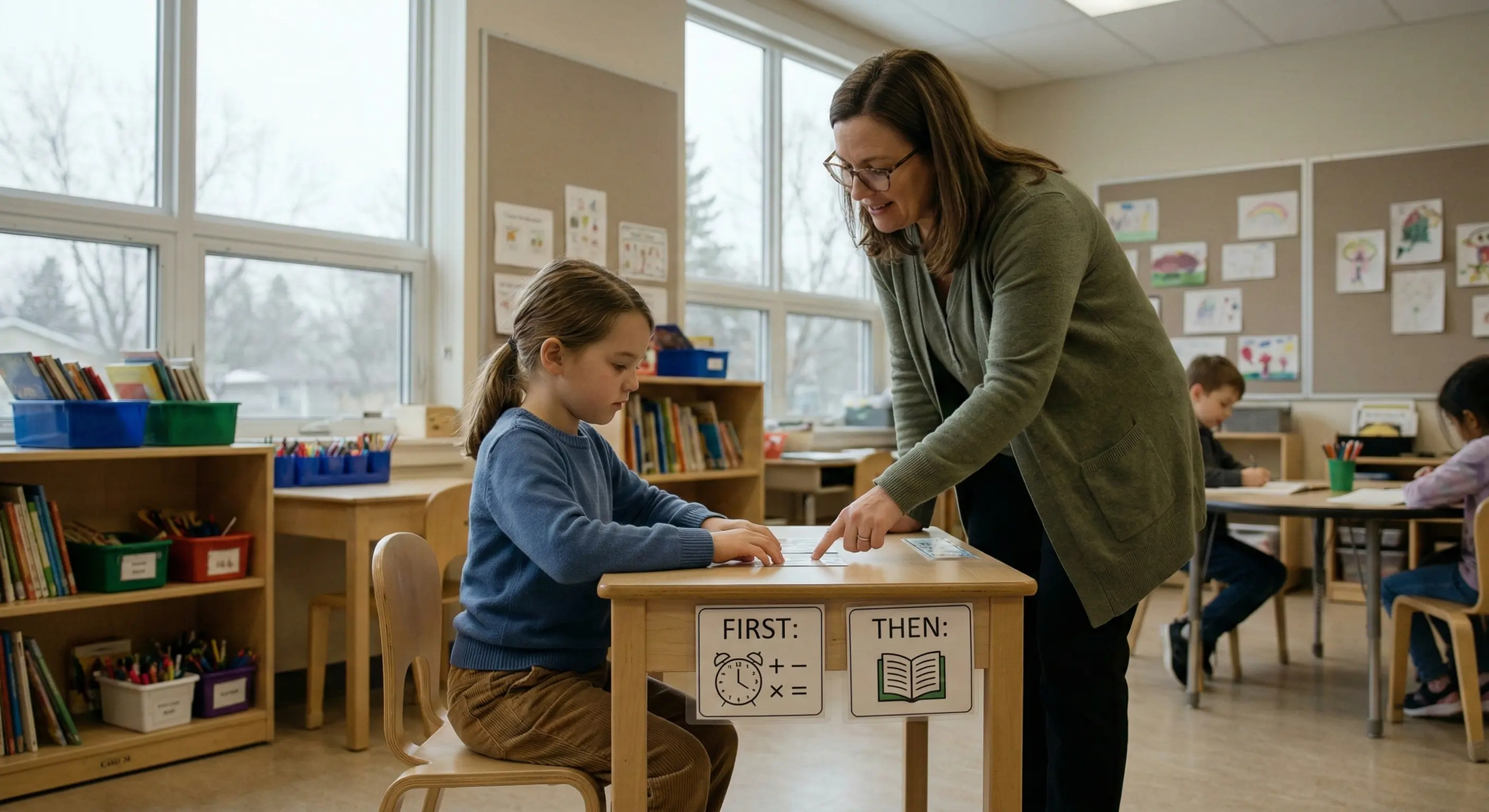
ABA can happen in different settings depending on the provider and your family's needs. AtlasCare ABA provides in-home therapy, school and daycare support, and parent training— meeting families where they are.
Ongoing Monitoring and Parent Involvement
ABA isn't a "set it and forget it" therapy. BCBAs regularly review progress data and adjust the treatment plan accordingly. Goals that have been mastered get replaced with new ones. Strategies that aren't working get modified.
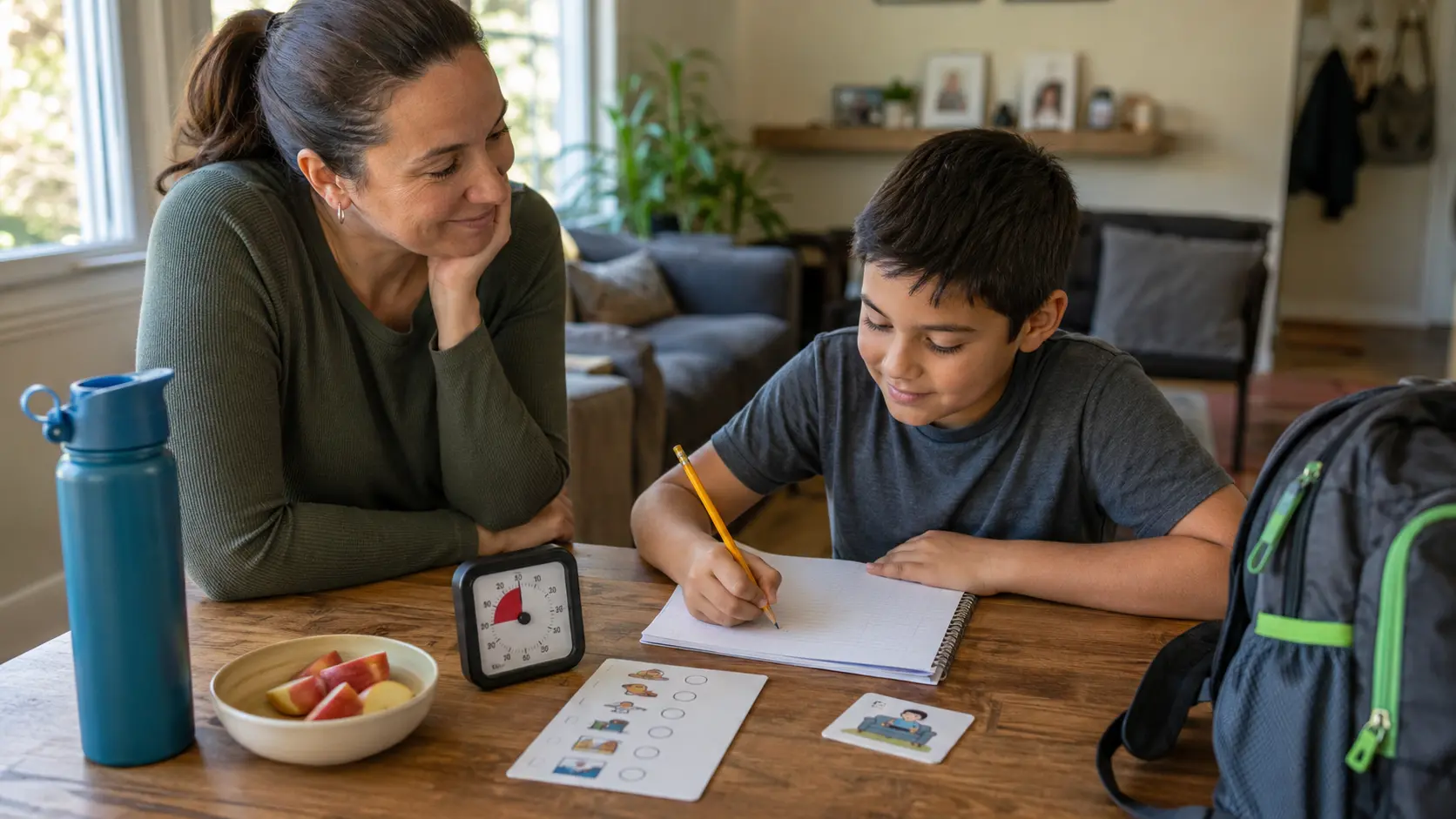
Parent training is a cornerstone of effective ABA. The skills your child practices in therapy need to carry over into everyday life—during meals, at bedtime, on family outings. When you understand the same principles and techniques the therapists use, you become an extension of the therapy team. That consistency accelerates progress.
Common ABA Techniques and Teaching Methods
ABA isn't just one thing—it's a collection of evidence-based techniques that therapists mix and match based on what each child needs. Here are some you might encounter:
Discrete Trial Training (DTT)
DTT breaks learning into small, structured steps. The therapist gives a clear instruction, the child responds, and the therapist immediately provides feedback or reinforcement. These short trials can be repeated multiple times to build fluency.
DTT works well for teaching specific skills that need focused practice—identifying colors, following one-step instructions, or making specific sounds. It's structured and predictable, which some children find reassuring.
Natural Environment Teaching (NET)
While DTT happens in a controlled setup, Natural Environment Teaching embeds learning into play and daily activities. If a child loves trains, the therapist might use trains to practice requesting ("I want the red train"), turn-taking, or describing actions.
Skills learned this way often generalize more easily because they're connected to real situations from the start. Most good ABA programs blend both structured and naturalistic approaches depending on the skill and the child.
Task Analysis, Prompting, and Chaining
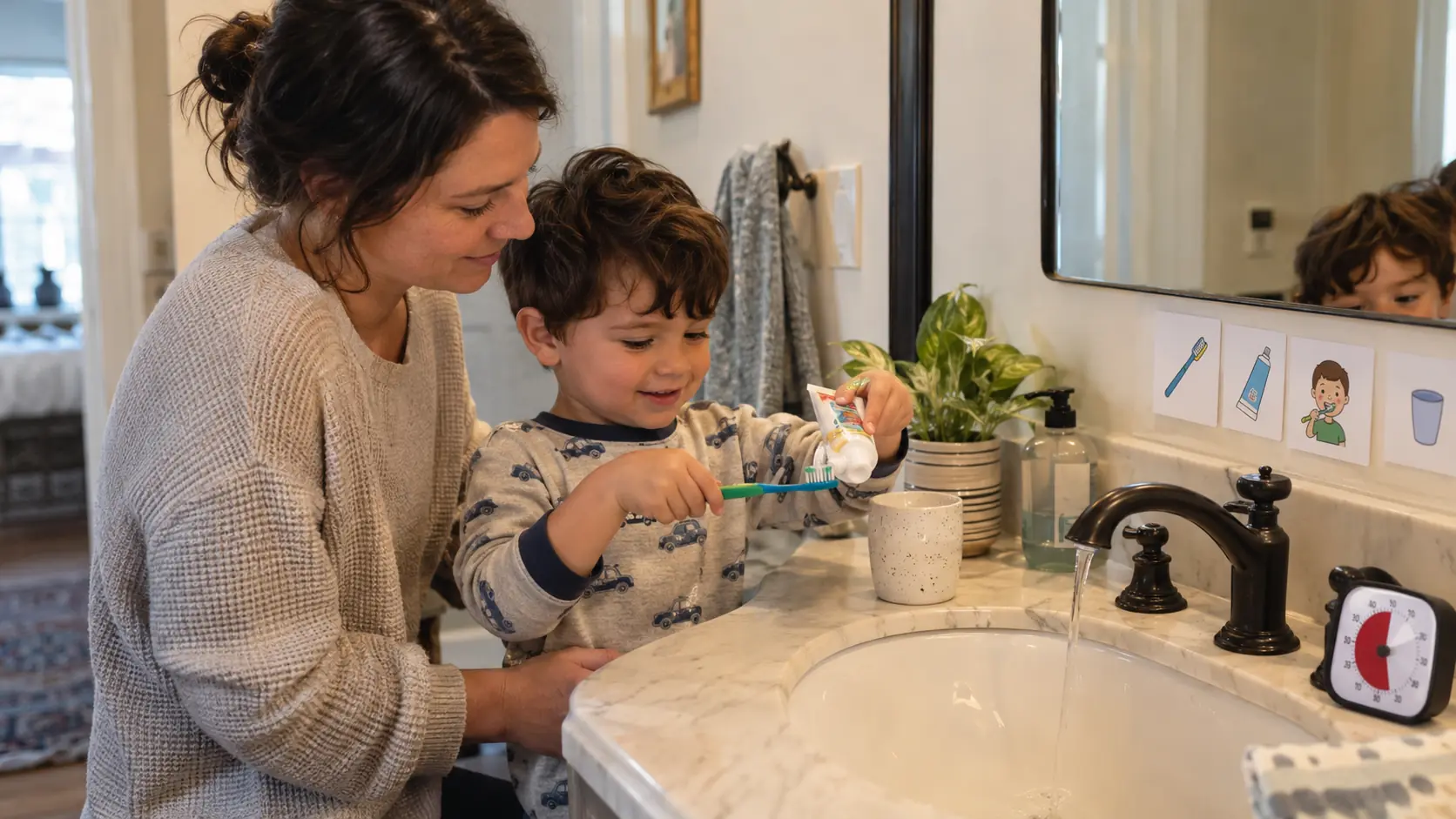
Some skills—like brushing teeth, getting dressed, or making a sandwich—involve many steps. Task analysis breaks these big skills into smaller, teachable pieces.
Prompting helps children succeed when they're learning something new. A therapist might physically guide a child's hand, model what to do, point to the next step, or give a verbal hint. As the child becomes more capable, prompts are gradually faded until they can do it independently.
Chaining links those small steps together. Some children learn best by mastering the first step, then the first two steps, and so on (forward chaining). Others do better starting with the last step and working backward (backward chaining). The approach depends on the child and the skill.
Behavior Support Strategies
When challenging behaviors are getting in the way, ABA doesn't just try to stop them—it digs into why they're happening. Is the child trying to escape something overwhelming? Get attention? Access something they want? Communicate pain or discomfort?
Once the function is understood, therapists teach replacement behaviors that serve the same purpose more effectively. A child who screams to escape difficult tasks might learn to request a break instead. A child who hits to get attention might learn to tap someone's shoulder or use words.
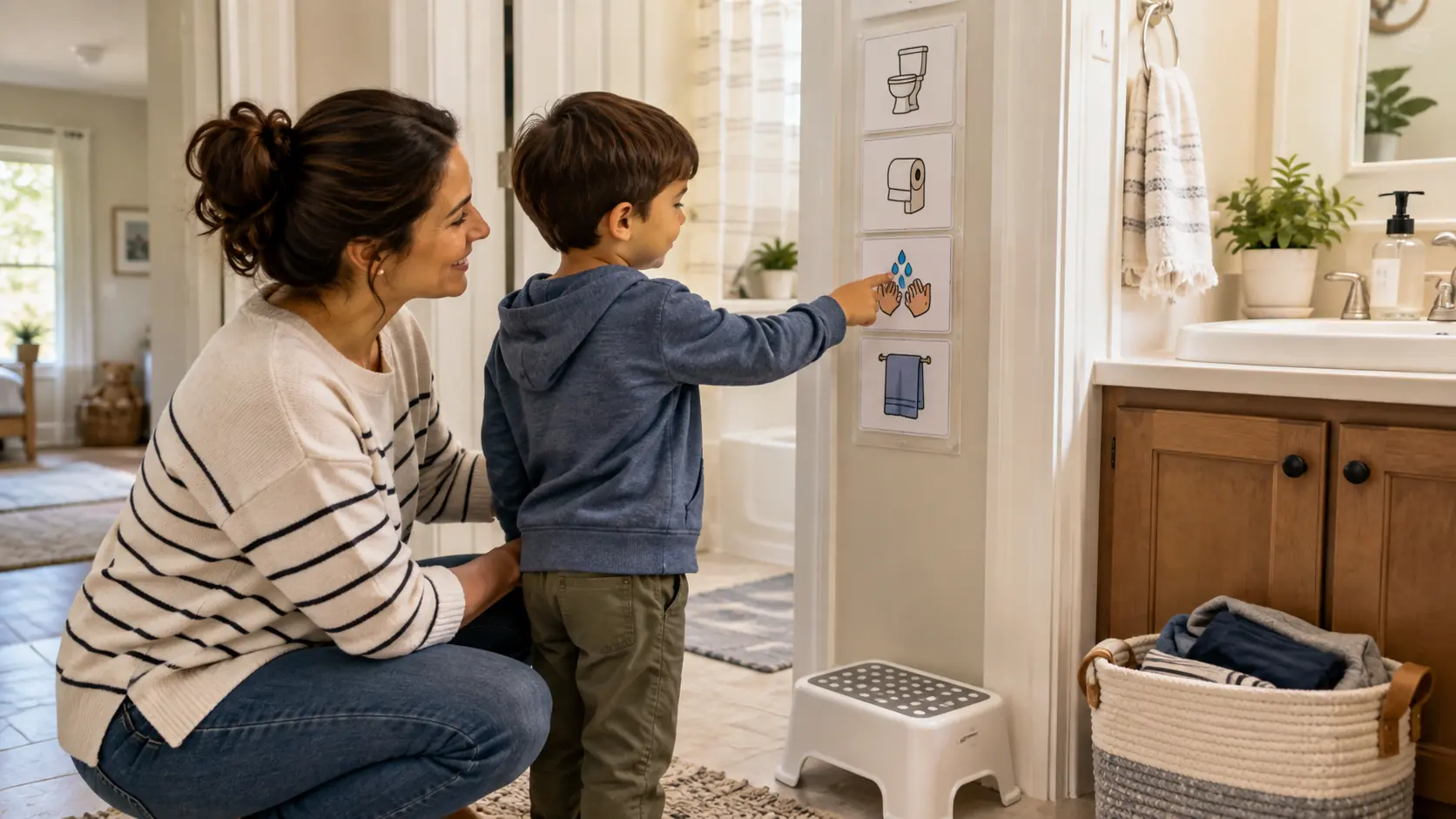
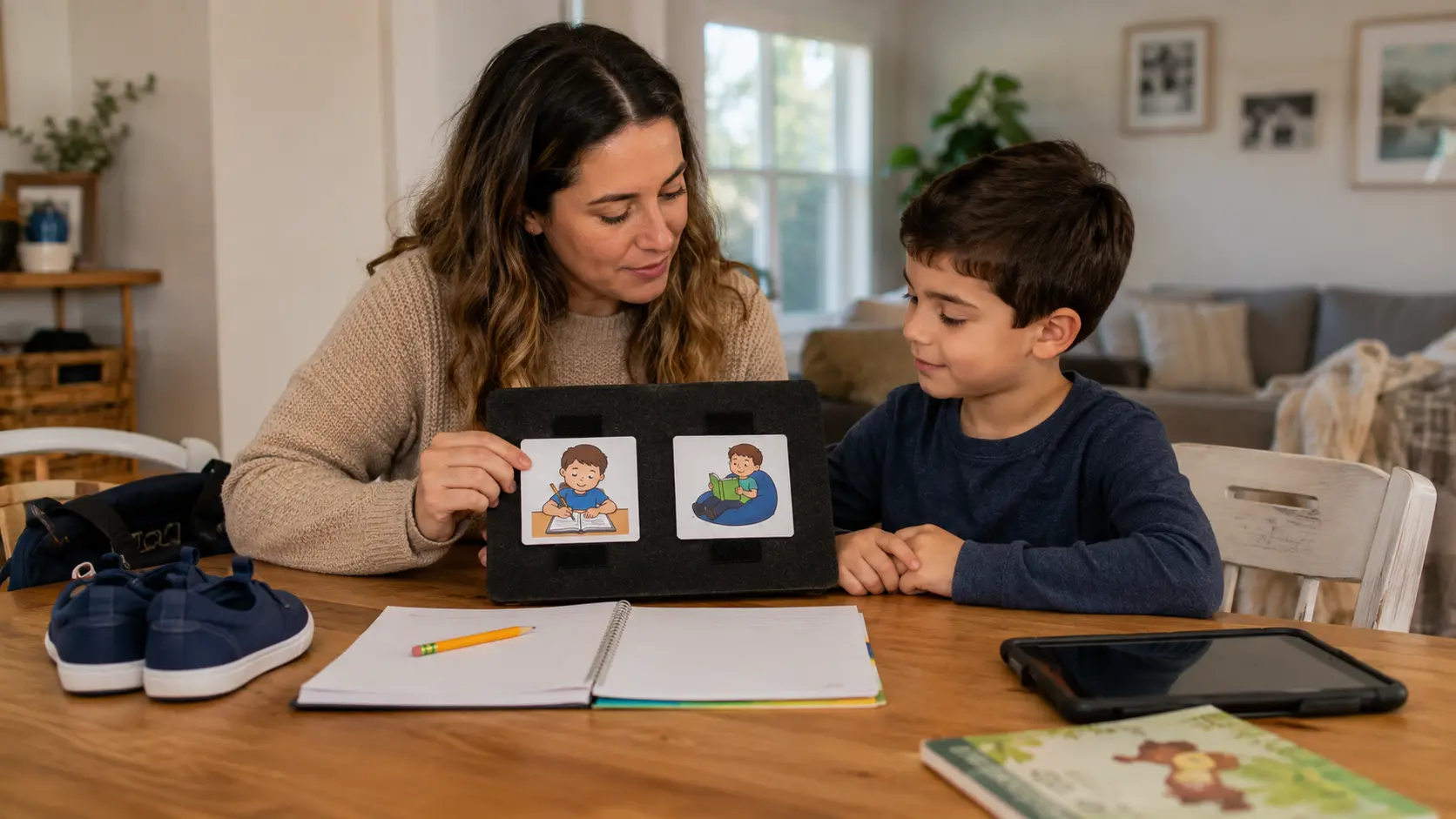
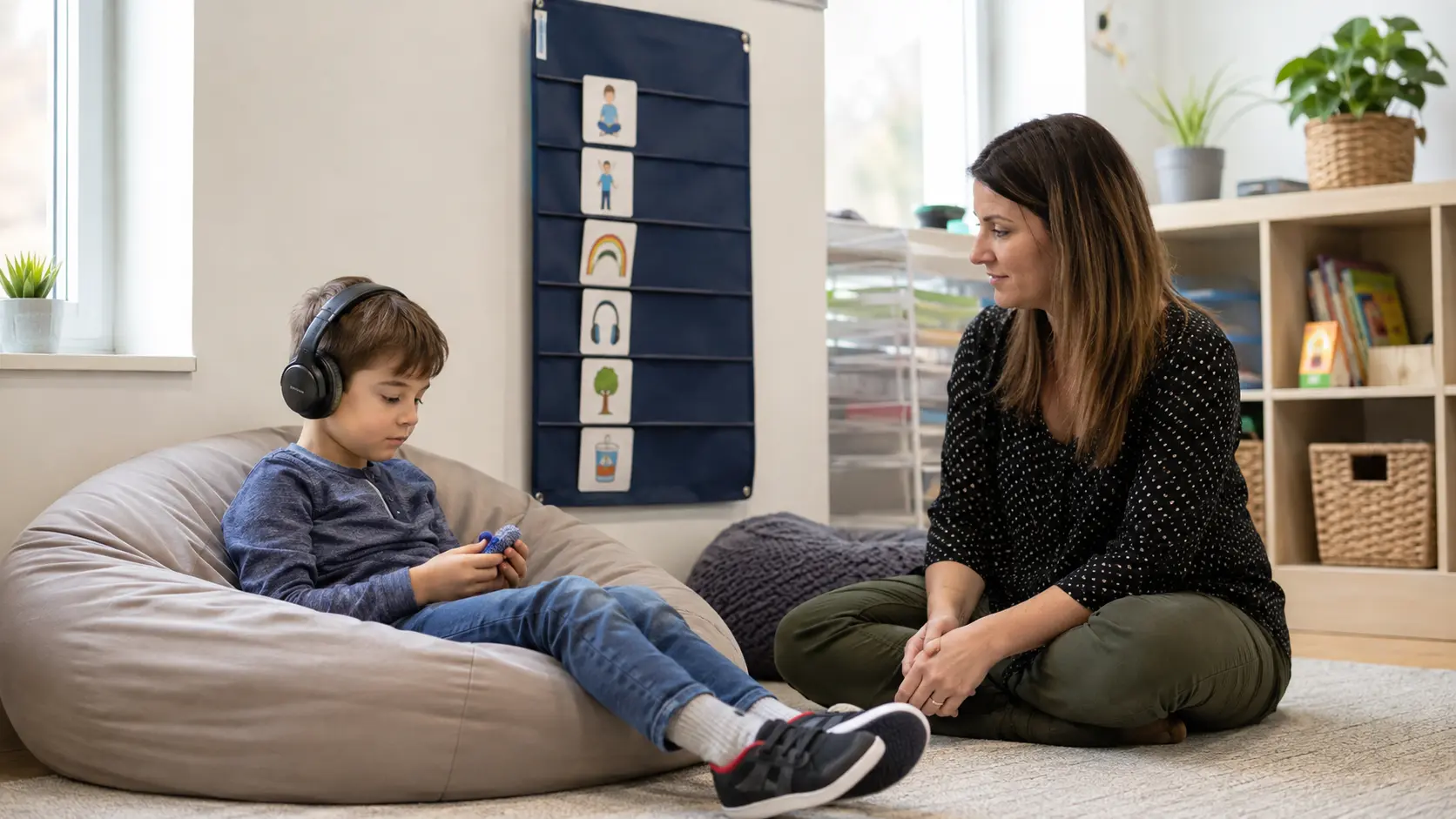
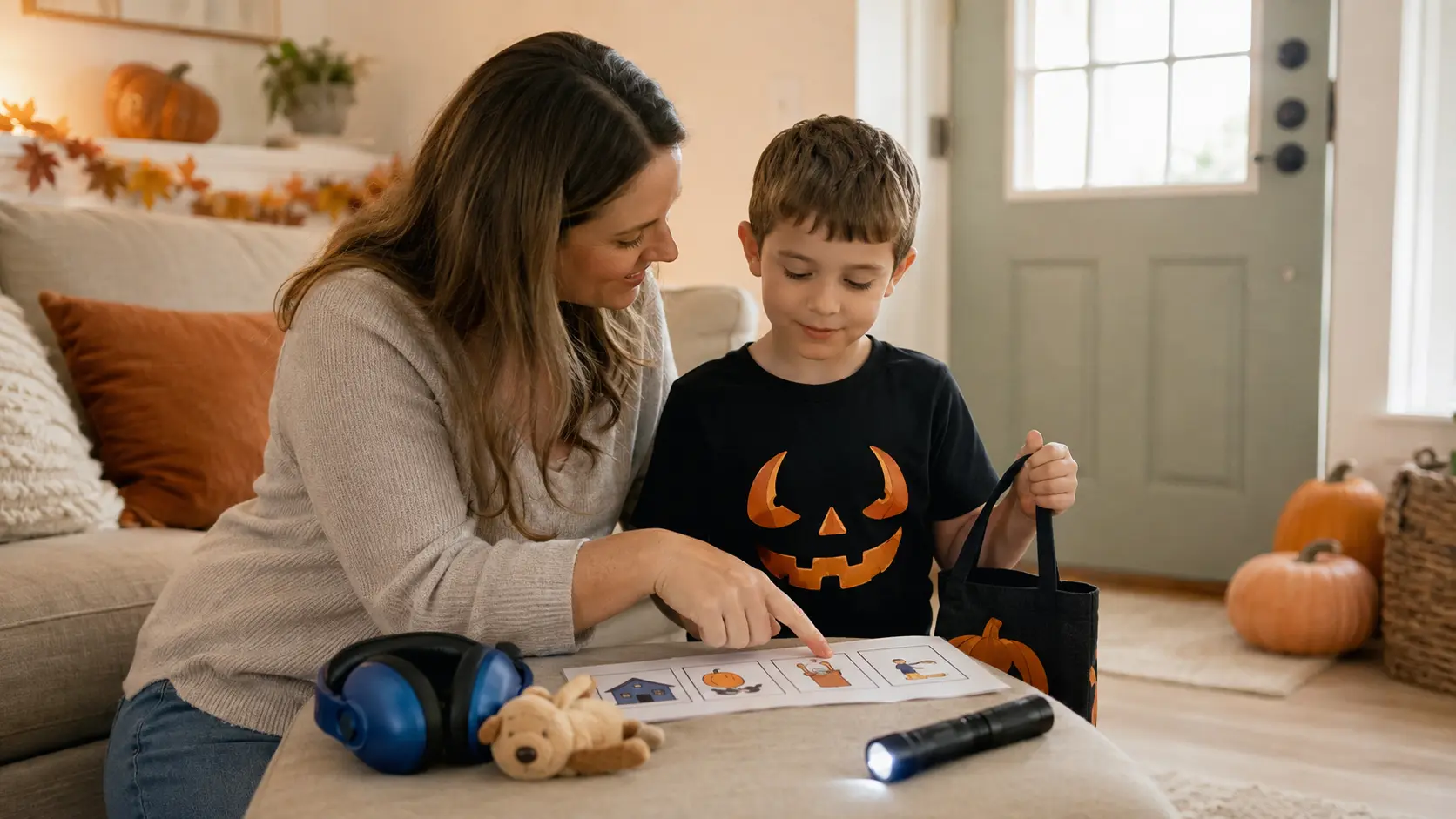
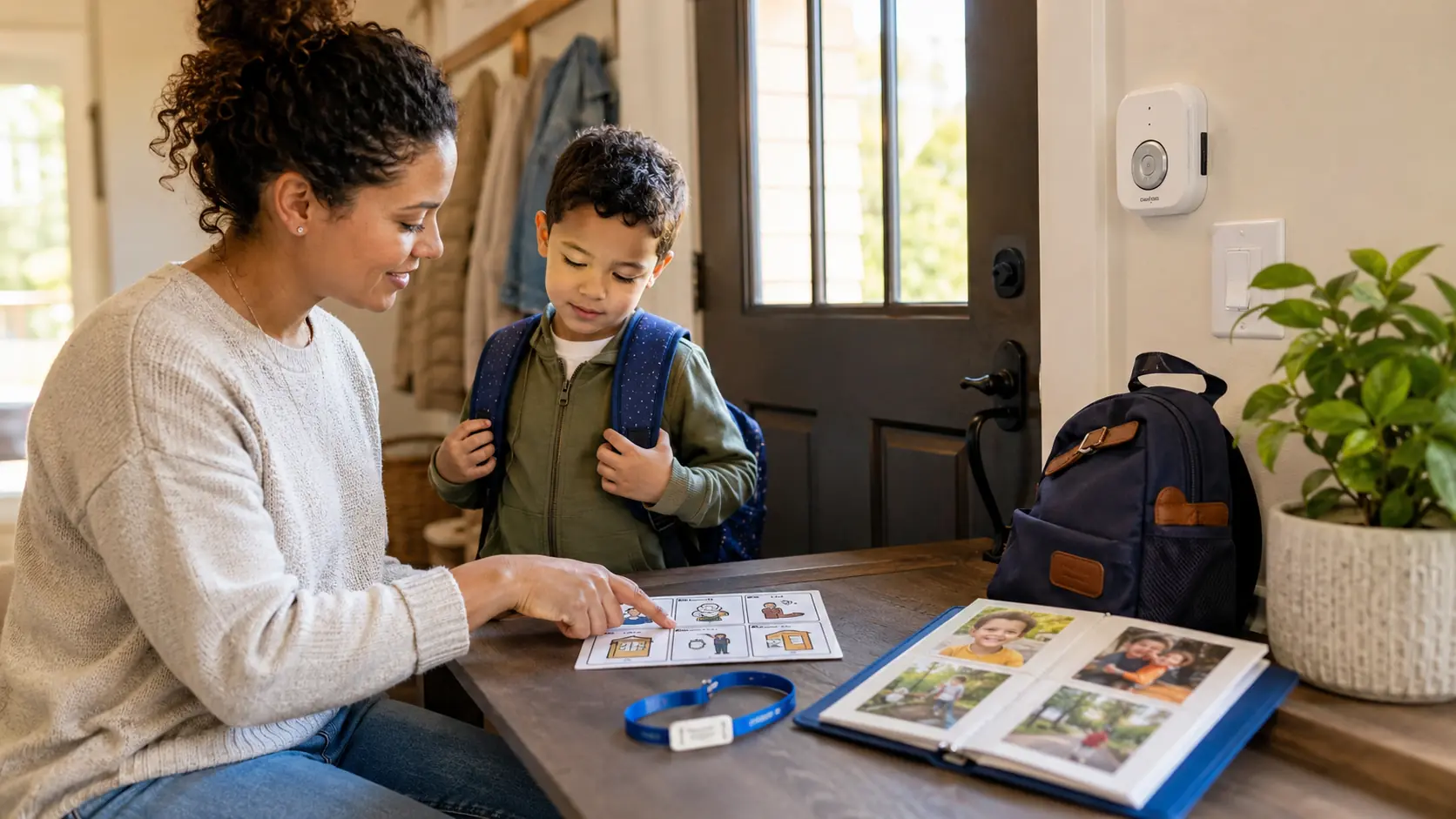
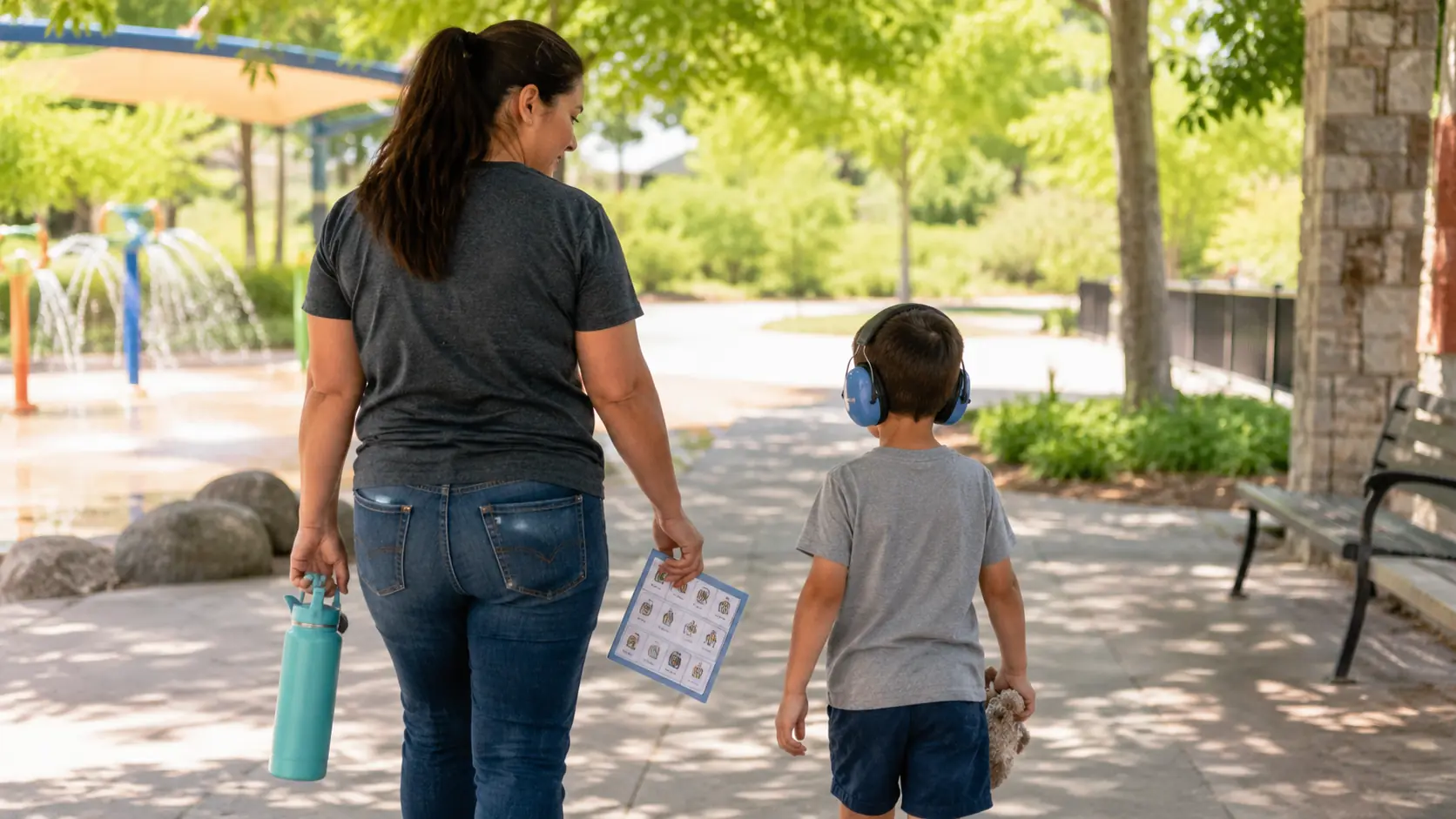
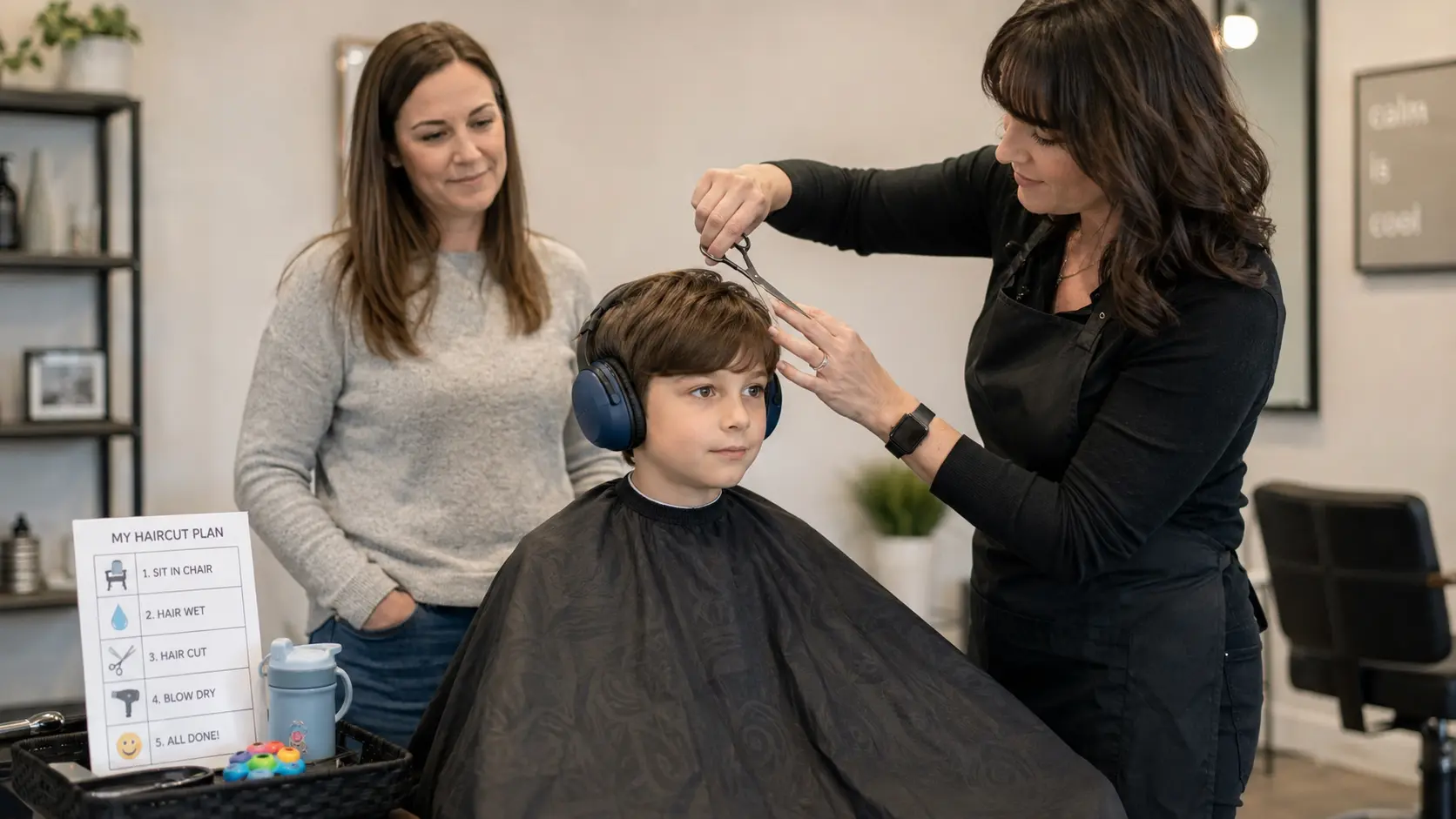
Visual supports, predictable routines, and environmental modifications also help prevent problems before they start.
ABA Therapy for Autism: What It Can Help With
Skill Areas ABA Commonly Targets
ABA therapy addresses a wide range of skills that matter for everyday life:
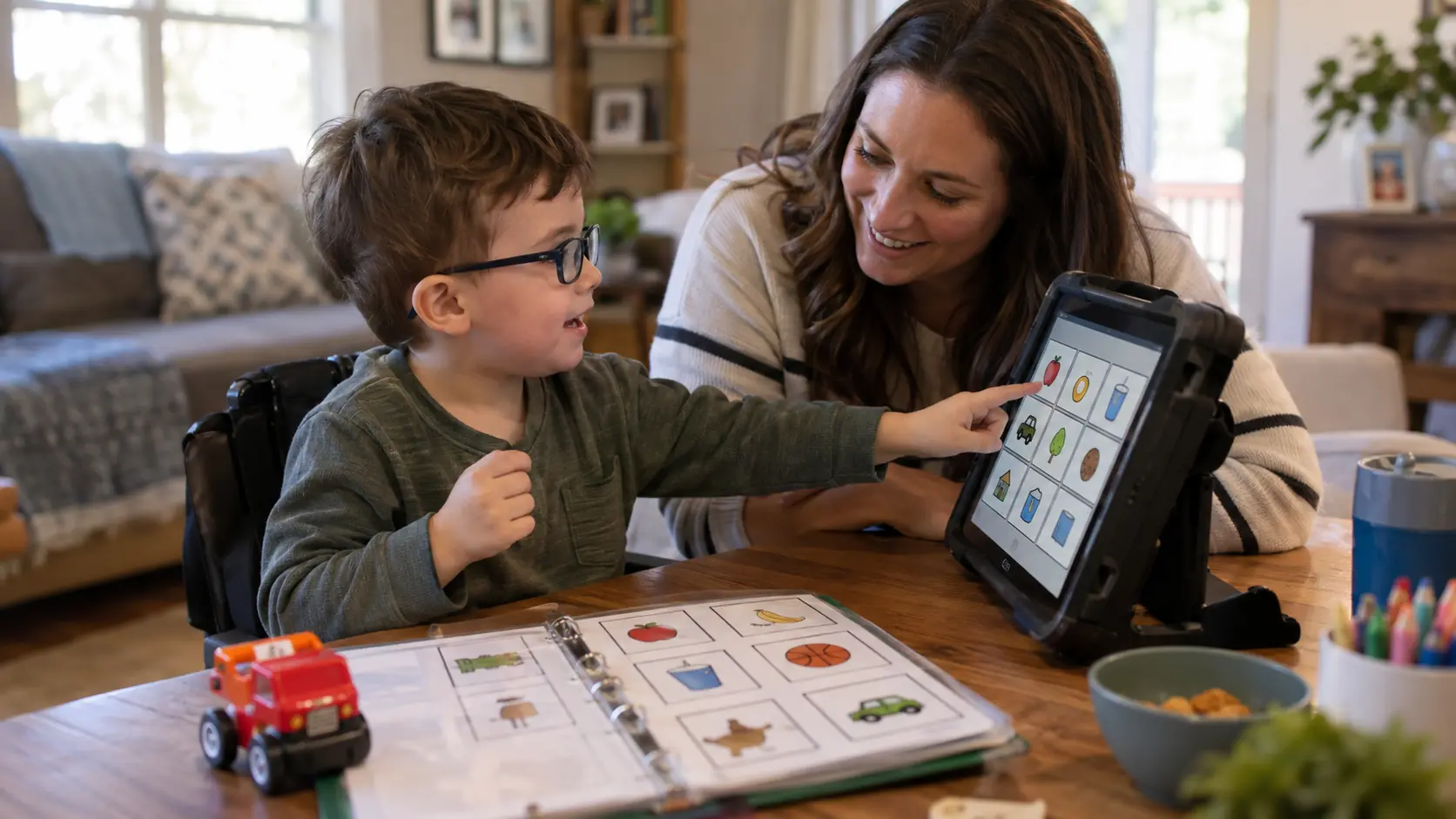
Communication. This might mean spoken language, but it could also mean sign language, picture exchange systems, or high-tech communication devices. The goal is giving your child a way to express their needs, make choices, and connect with others.
Social skills. Playing with peers, sharing toys, taking turns in conversation, reading social cues, and building friendships are all areas ABA can address.
Daily living skills. From brushing teeth and getting dressed to preparing simple meals and using the bathroom independently, these skills build autonomy and reduce the need for constant adult support.
School readiness. Following group instructions, sitting during activities, raising a hand, and participating in classroom routines help children succeed in educational settings.
Self-regulation. Managing frustration, waiting for something wanted, and handling transitions are crucial skills that affect every part of a child's day.
Reducing Behaviors That Interfere With Learning
Sometimes children engage in behaviors that create safety concerns or significantly disrupt learning—frequent tantrums, aggression toward others, self-injury, or severe noncompliance.
ABA approaches these behaviors with curiosity rather than judgment. What is this behavior communicating? What need is the child trying to meet? By understanding the function, therapists can teach safer, more effective alternatives.
Progress in this area is possible, though outcomes vary by child. Some behaviors improve quickly; others take longer. There are no guarantees—anyone who promises otherwise isn't being honest with you.
Is ABA Therapy Right for Your Child?
Potential Benefits
Many families see meaningful changes through ABA therapy. Children often develop:
- More effective ways to communicate their needs
- Better ability to handle transitions and unexpected changes
- Greater independence in daily routines like dressing, eating, and hygiene
- Improved participation at school, in the community, and with family activities
- Stronger play and social skills with siblings and peers
These gains tend to build on each other. A child who can communicate their needs experiences less frustration. Less frustration often means fewer challenging behaviors. Fewer challenging behaviors create more opportunities for learning and connection.
Things to Look For in a Quality ABA Provider
Not all ABA programs are created equal. Here's what to look for:
BCBA supervision. A Board Certified Behavior Analyst should oversee your child's program, conduct assessments, design the treatment plan, and regularly review progress. The day-today therapists (often called Registered Behavior Technicians or RBTs) should receive ongoing training and supervision.
Individualized goals. Your child's program should be built around their specific needs and your family's priorities—not a cookie-cutter curriculum applied to every client.
Emphasis on positive reinforcement. Quality ABA relies on making learning rewarding. Be wary of any program that leans heavily on punishment, fear, or compliance for compliance's sake.
Collaboration and communication. You should feel like a valued partner, not a bystander. Good providers keep you informed, involve you in decisions, and teach you strategies you can use at home.
Respect for your child. Your child's dignity, preferences, and comfort matter. Ethical ABA providers listen to children, offer choices, and prioritize wellbeing alongside skill-building.
Balancing ABA With Other Supports
ABA often works best as part of a comprehensive team approach. Speech therapy can complement ABA's communication goals. Occupational therapy might address sensory needs or fine motor skills. School-based services ensure support continues in the classroom.
A good ABA provider coordinates with other professionals in your child's life rather than operating in isolation.
How AtlasCare ABA Uses ABA to Support Children and Families
At AtlasCare ABA, we see ourselves as guides on your family's journey—not experts who swoop in with all the answers, but partners who walk alongside you.
Our approach centers on real life. That means in-home ABA therapy focused on the routines that matter most: mealtimes, bedtime, getting ready for school, playing with siblings, heading out on family errands. Learning happens faster when it's connected to your child's actual world.
We also provide school and daycare support, so the strategies working at home carry over to other settings. Consistency across environments helps skills stick.
Parent training and coaching ensures you feel confident—not dependent. We want to give you tools you can use long after formal therapy ends.
Everything we do is grounded in positive reinforcement, respect for your child, and collaboration with your family. We're not here to "fix" anyone. We're here to help your child build communication, independence, and confidence on their own terms.
AtlasCare ABA proudly serves families in North Carolina, New Mexico, and Iowa.
Taking the Next Step
If you've been wondering what ABA therapy is and whether it might help your child, you're asking the right questions. Understanding your options is the first step toward finding the support that fits.
AtlasCare ABA provides in-home ABA therapy, school and daycare support, and parent training across North Carolina, New Mexico, and Iowa. We'd love to answer your questions and help you figure out whether ABA is the right path for your family.
Contact us today to learn more and get started.









.webp)


.webp)
.webp)
.webp)
.webp)





.jpg)
.webp)

.webp)
.webp)





%20During%20Play%20in%20the%20Home.webp)