
When your child receives an autism diagnosis, you're suddenly handed a whole new vocabulary. ABA therapy. BCBAs. Behavior plans. It's a lot to take in, especially when you're still processing everything.
You might find yourself nodding along during appointments while secretly wondering: What actually happens in ABA? Why does everyone say it works? And honestly, what am I signing my child up for?
These are good questions. You deserve clear answers. At AtlasCare ABA, we think parents shouldn't just know what we do—you should understand why it works. Because once you get the foundation of ABA, you stop feeling like an outsider watching therapy happen. You become part of it.
What Is ABA Therapy?
Let's start simple. Applied Behavior Analysis is a therapy approach backed by tons of research that helps kids build skills they need. We're talking about communication, playing with other kids, managing big feelings, and handling everyday stuff like getting dressed or sitting through dinner.
ABA isn't about "fixing" your child. It's about figuring out how they learn best, then building on that. Every kid is different—what clicks for one might not work for another. That's why Board Certified Behavior Analysts (BCBAs) design each program from scratch, and Registered Behavior Technicians (RBTs) work with your child during actual sessions.
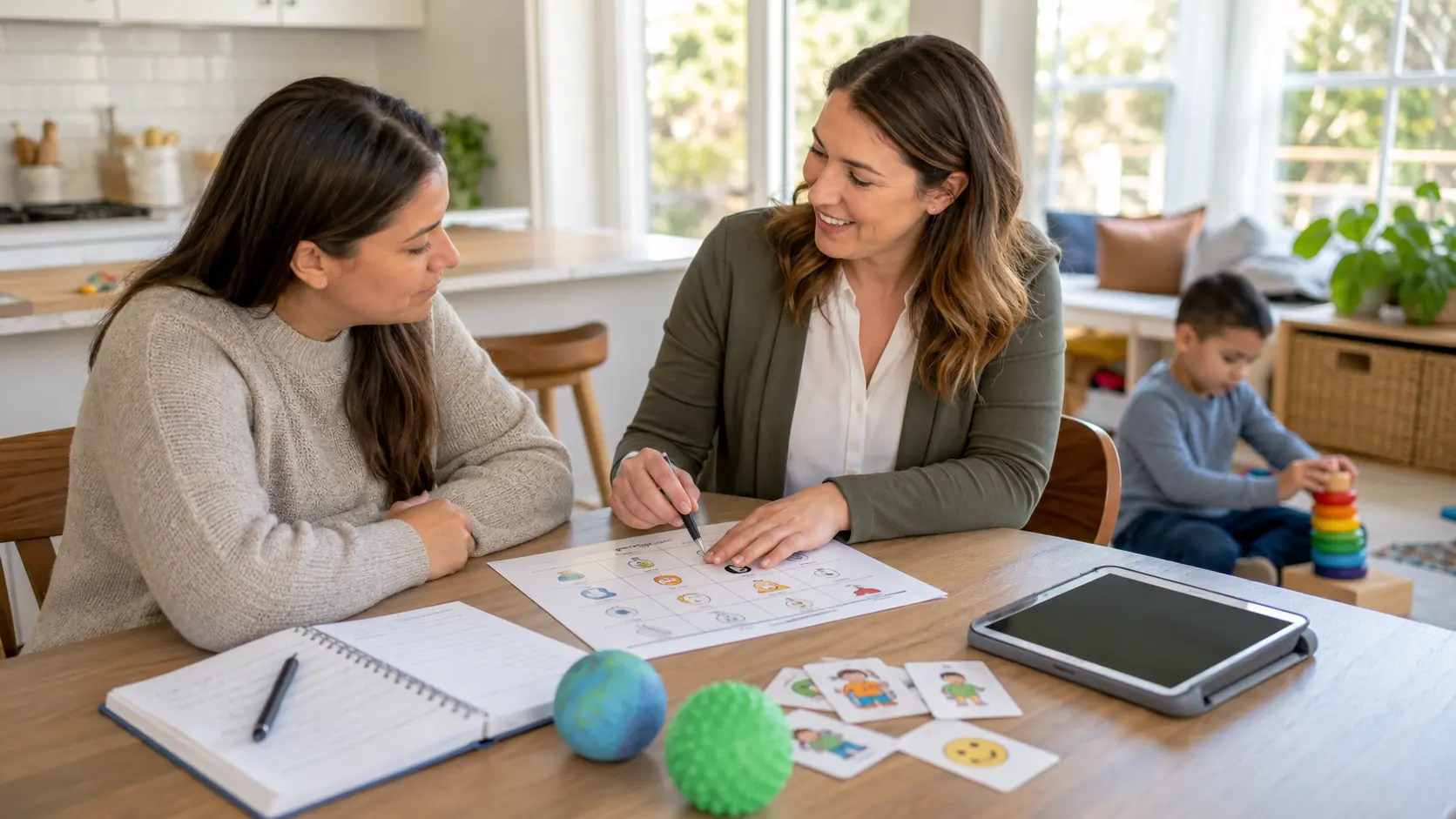
Here's the important part: ABA works best when families are involved. Your input matters. You know your child better than anyone, and the strategies we use need to fit into your real life—not just therapy time.
The 4 Core Principles of ABA Therapy
Everything in ABA comes back to four big ideas. These aren't just textbook concepts. They're the actual reason ABA creates change that sticks.
1. Behavior Is Influenced by the Environment
This one changed how I think about everything. Behavior doesn't just happen randomly. What comes right before and right after a behavior really affects whether it happens again.
We call it the ABC model. Antecedent (what happened first), Behavior (what your child did), Consequence (what happened next). Sounds formal, but it's everywhere in daily life.
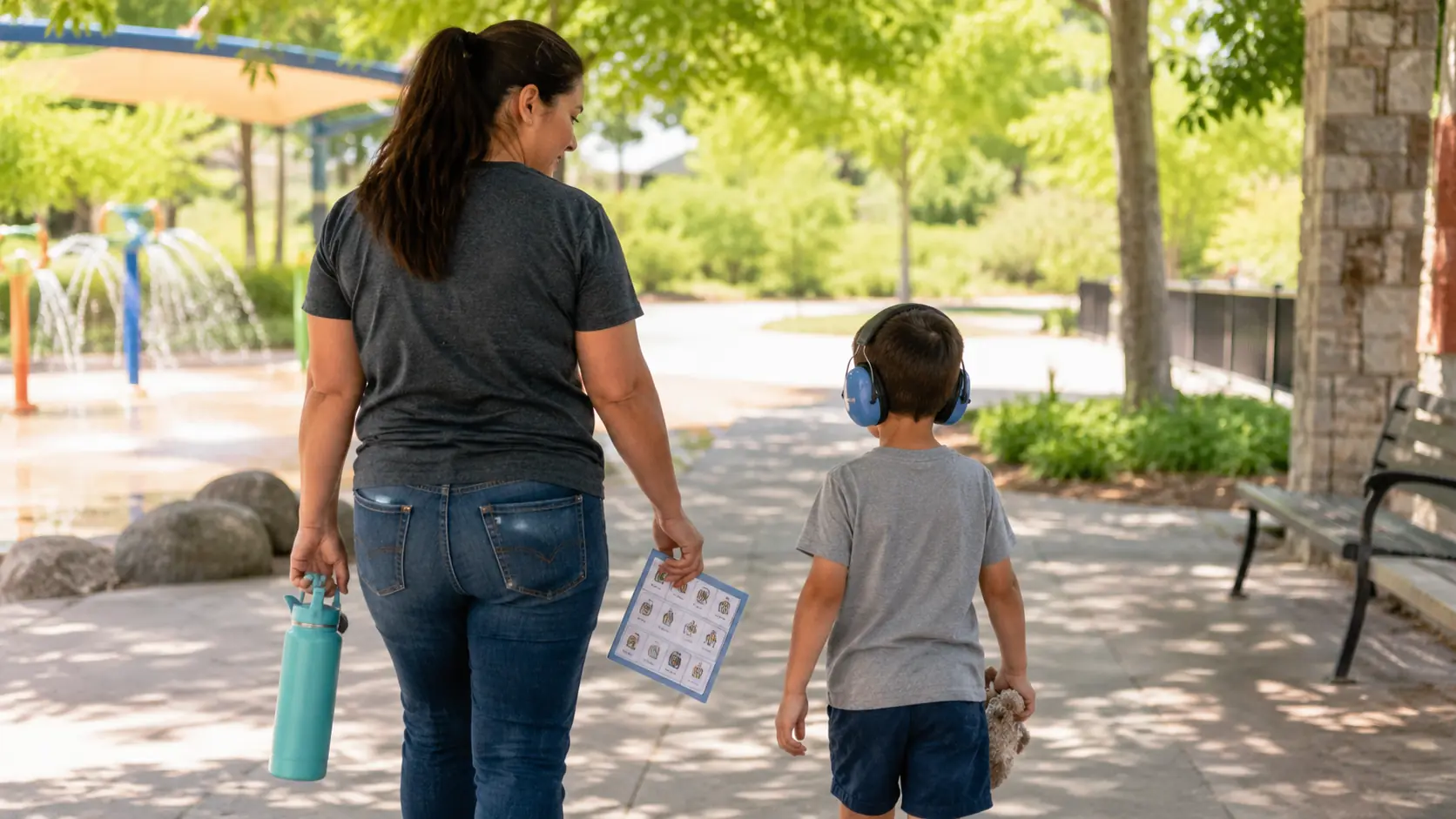
Your kid melts down every time you leave the park, right? Let's break it down. Antecedent: You suddenly announce "time to go." Behavior: They drop to the ground screaming. Consequence: You might bargain for five more minutes, or you might scoop them up and leave anyway.
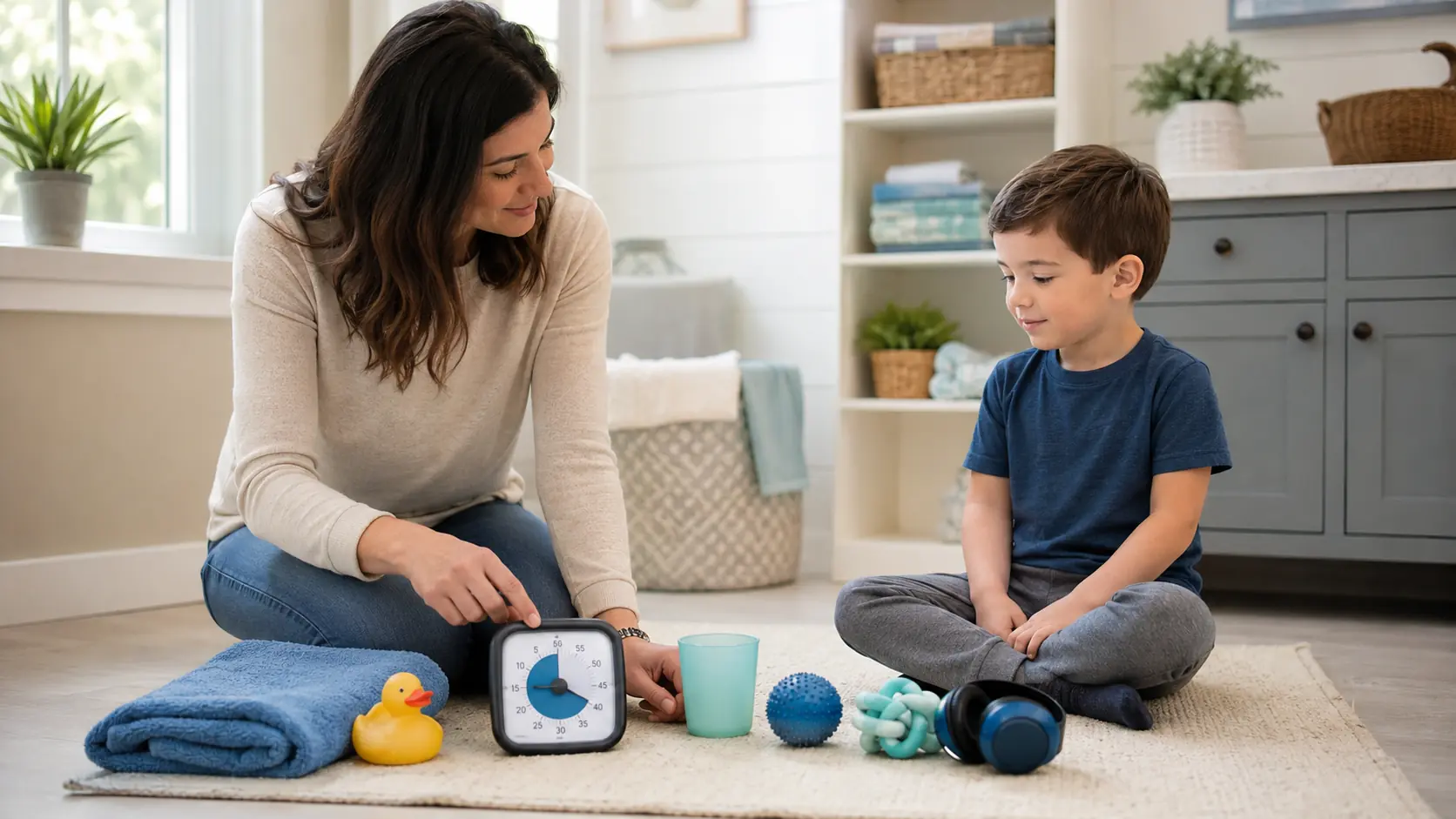
Once you see this pattern, you can change it. Maybe try a five-minute warning next time. Or bring a visual timer. Or practice leaving fun places at home first. When you adjust what happens before and after, the behavior in the middle shifts too.
The environment is more than just physical space. It's how you give directions, how noisy a room is, what happens when your child tries something new. Small changes in these things can make surprisingly big differences.
2. Positive Reinforcement Builds Meaningful Skills
This is the heart of everything. When something good follows a behavior, that behavior is way more likely to happen again. Simple, but powerful.
That's positive reinforcement. Your child tries to use their words instead of grabbing? Something positive happens immediately—maybe it's praise, maybe it's getting what they asked for, maybe it's a high-five. Next time they need something, they're more likely to try words again.
Some people worry this is just bribery. It's not. Bribery is promising something to stop a behavior you don't want. Reinforcement is acknowledging effort and success with something meaningful. There's a real difference.
And "meaningful" looks different for every kid. Some children light up at "great job!" Others need something more tangible—a favorite toy, a break to run around, earning stickers toward a special activity. The key is finding what genuinely motivates your child, then using it consistently.
Think about yourself learning something hard. Why do you keep going? Maybe someone encourages you. Maybe you feel proud. Maybe there's a payoff that matters to you. Kids are no different. When the effort feels worth it, they keep trying.
In ABA, we make sure good things happen when your child communicates, cooperates, tries new skills, or handles tough situations. Over time, those behaviors become habits.
3. Behavior Must Be Observable and Measurable
Okay, this is the part that can feel a bit clinical at first. But stay with me—it's actually your best friend.
We track everything. How often your child uses words. How long they can sit during circle time. How much help they need with their morning routine. Every session, we're taking notes and counting
Why? Because "he seems better" isn't enough. We need to know for sure what's actually improving and what's stuck. Data removes the guesswork.
Say your child is learning to ask for help instead of getting frustrated. We track every single chance they have to request help—at home, during therapy, at school. We note whether they asked independently, needed a reminder, or needed hand-over-hand guidance.
Two weeks later, we look at the numbers. If things are moving in the right direction, great. We keep going. If progress has flat lined, we change our approach before anyone gets discouraged.
This constant checking means your child's program grows with them. What worked last month might need tweaking this month. Data tells us exactly when to adjust.
4. Teaching Is Systematic, Individualized, and Evidence-Based
Cookie-cutter programs don't cut it. Your child's ABA plan is built specifically for them— based on their strengths, challenges, what they care about, and what matters to your family.
We teach using methods that have been tested and proven: breaking skills into tiny steps (task analysis), giving just enough help (prompting), and gradually working toward the end goal (shaping).
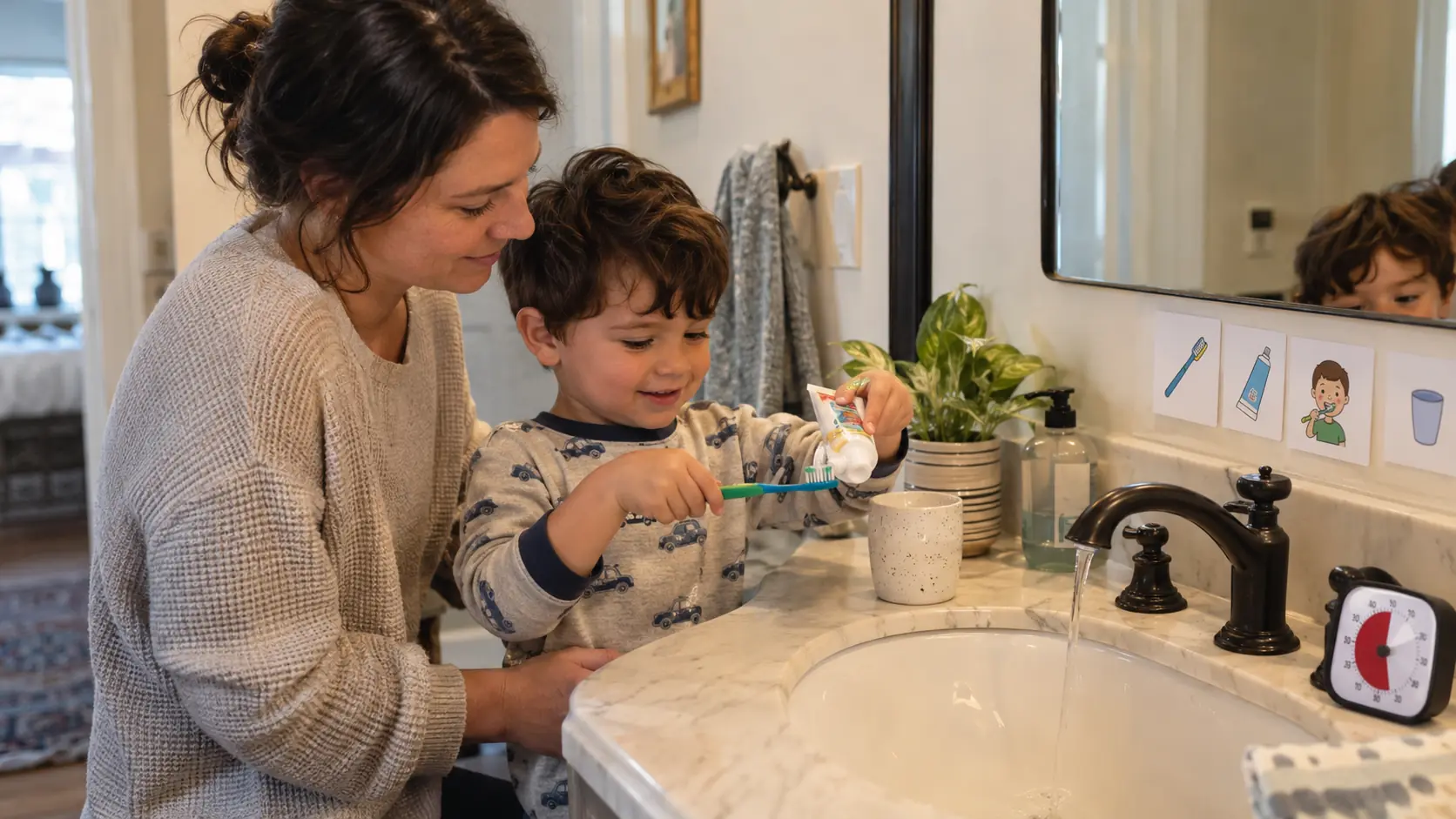
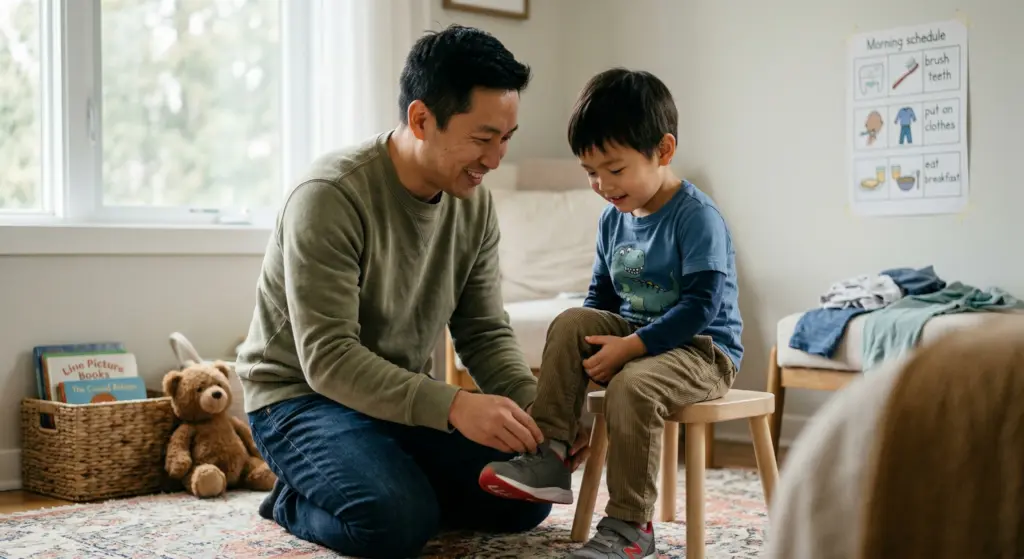
Take something like brushing teeth independently. Sounds simple, but it's actually like ten different steps. Get the toothbrush. Put on toothpaste. Brush the front teeth. Brush the back teeth. Rinse. Spit. Put everything away. That's a lot for a kid who's still learning.
We teach one piece at a time. Maybe we start with just getting the toothbrush. Once that's solid, we add the next step. We provide help where it's needed and slowly pull back as your child gets more confident.
But here's the thing—learning it in therapy isn't the goal. The goal is your child actually using the skill everywhere it matters. At home with you. At Grandma's house. At school. In five years when a therapist isn't around anymore.
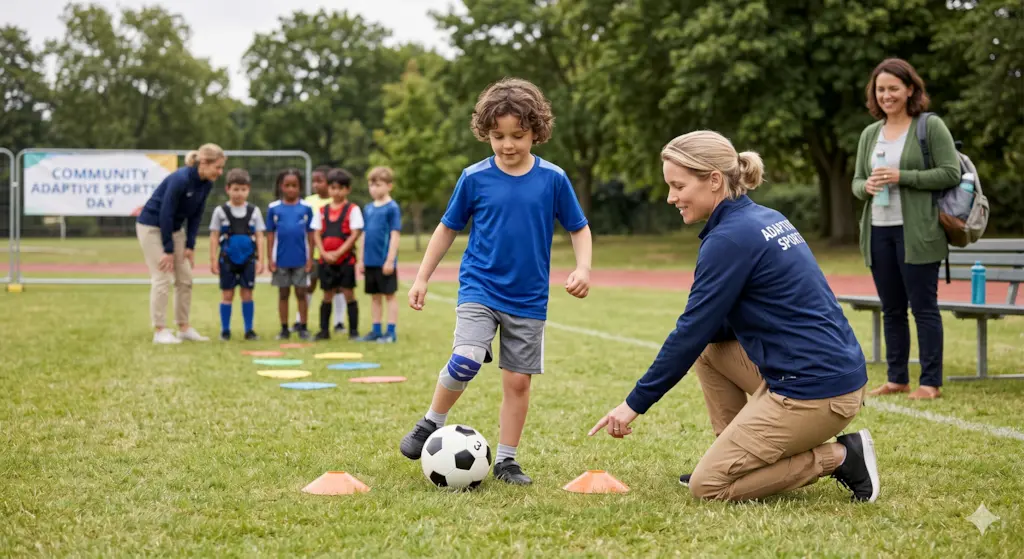
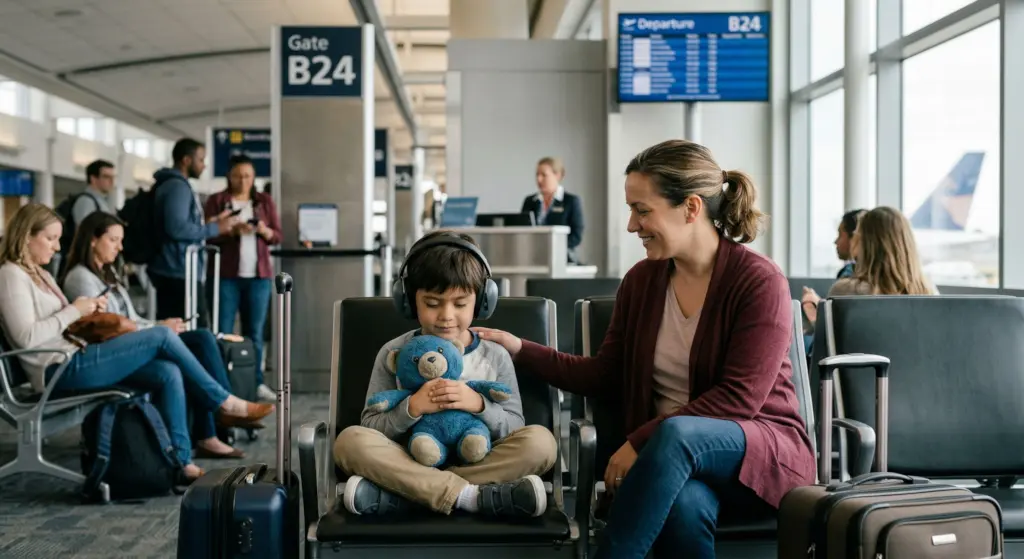
That's called generalization, and we plan for it from day one. We practice in different rooms, with different people, using different materials. We teach your family the same strategies. We work with your child's teacher. Because therapy should build skills for real life, not just therapy life.
How AtlasCare ABA Applies These Principles in Real Life
Principles are nice on paper. But what does this actually look like in your living room on a Tuesday afternoon?
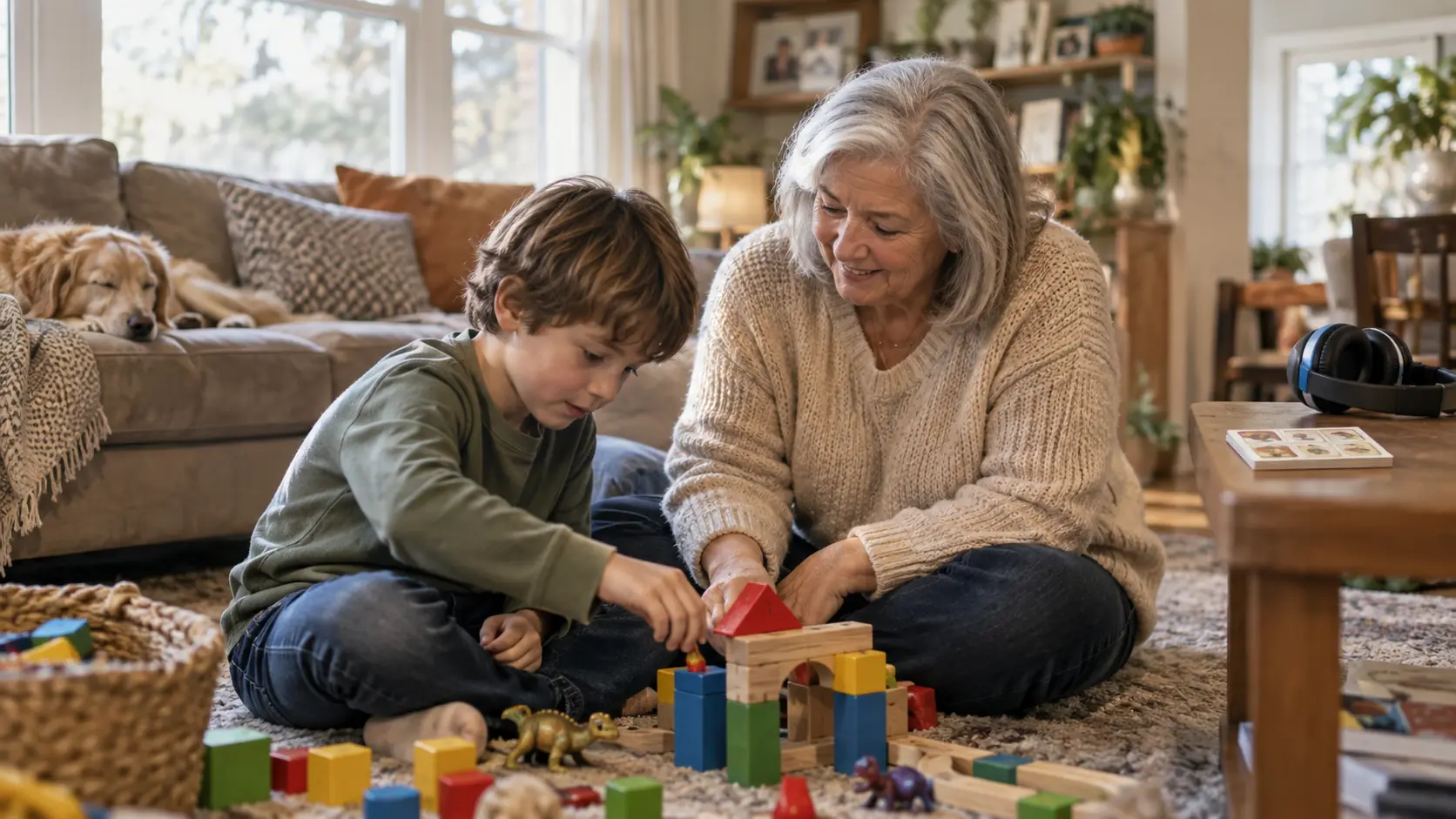
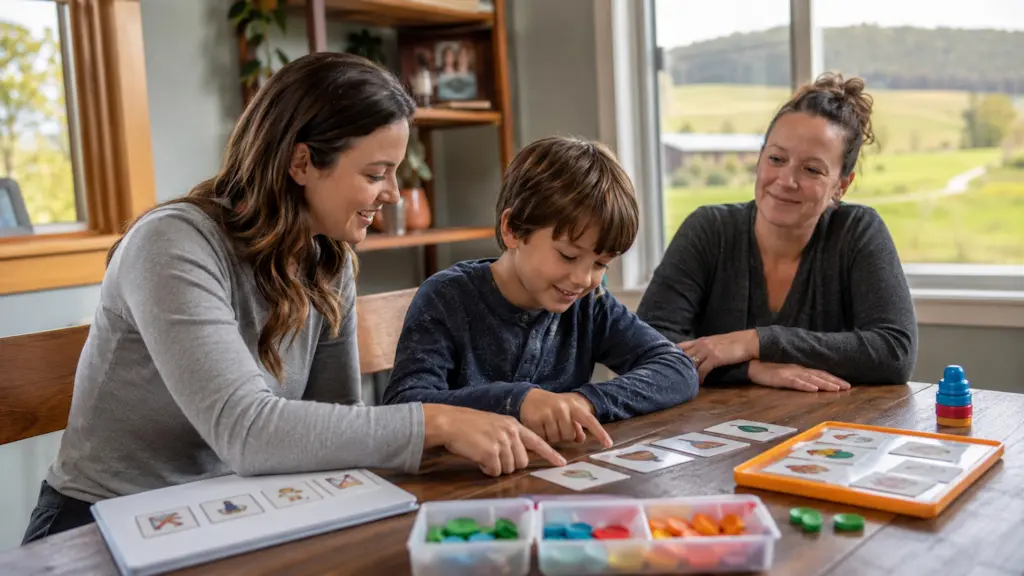
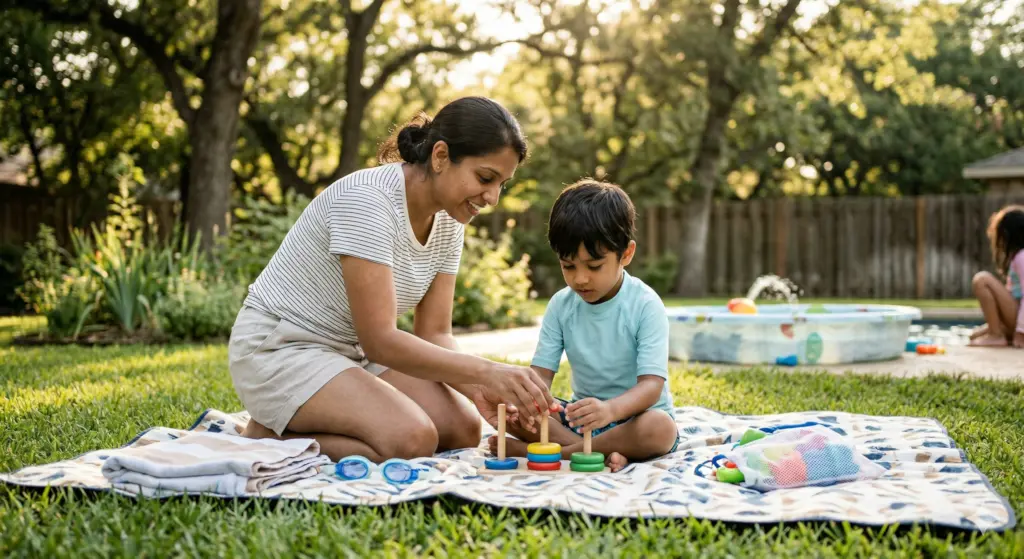
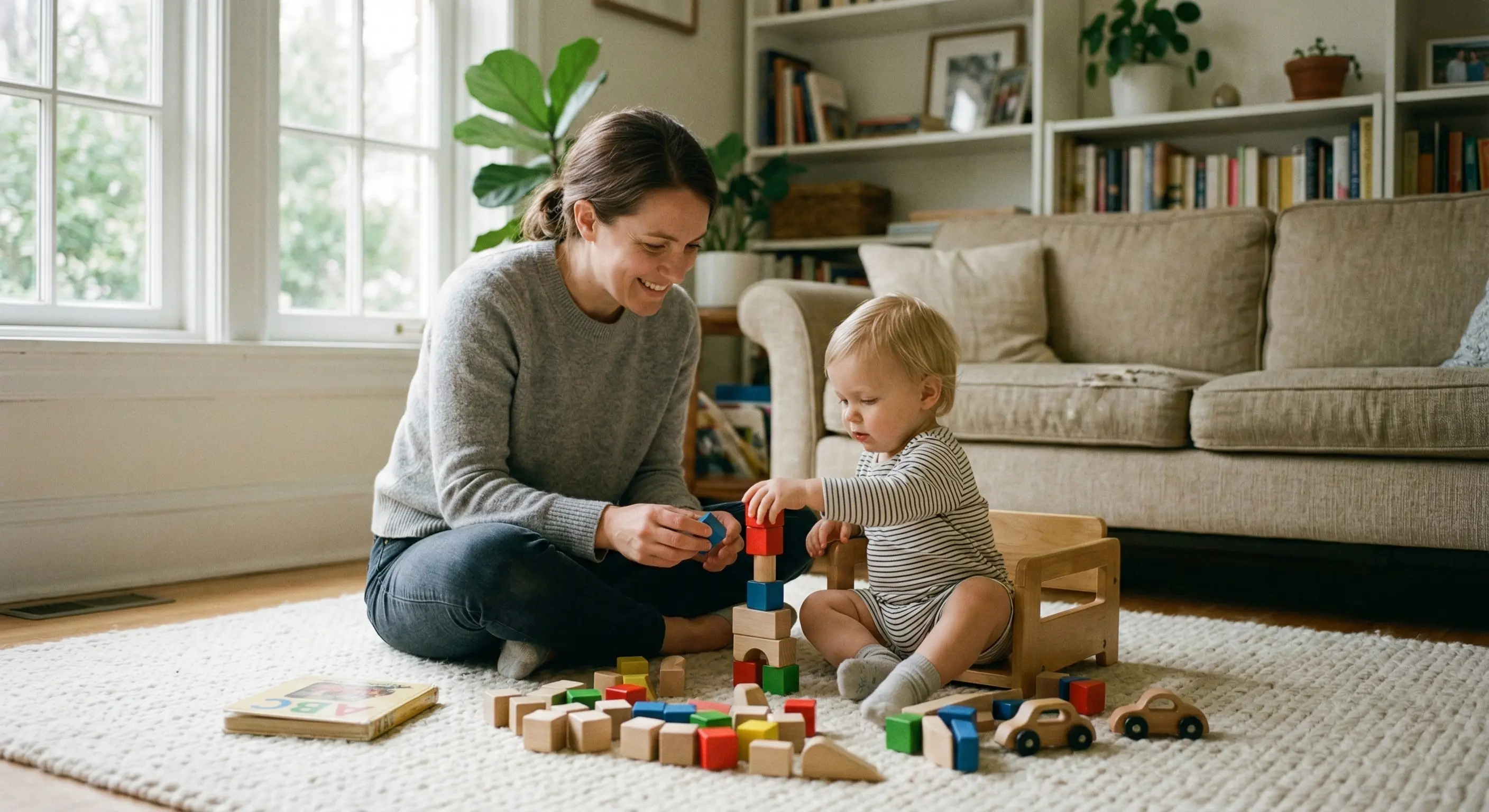
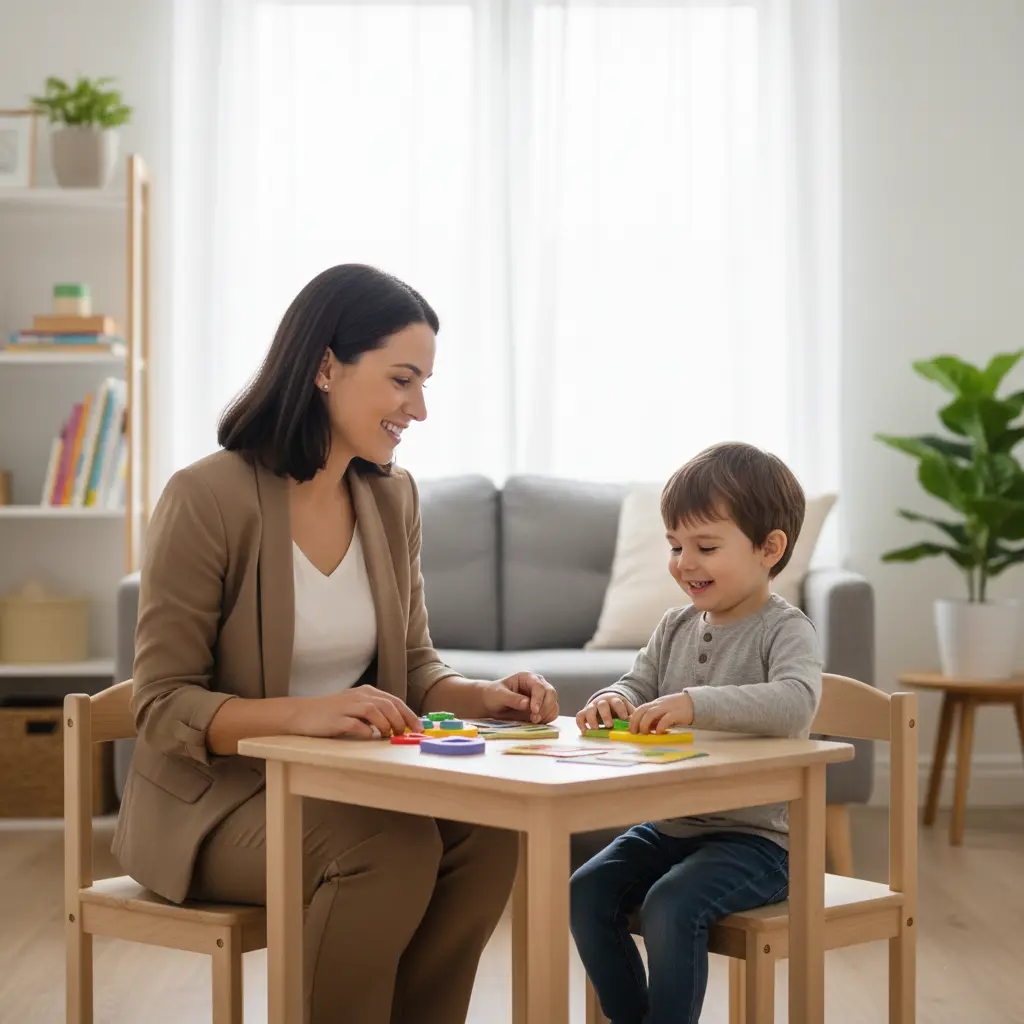
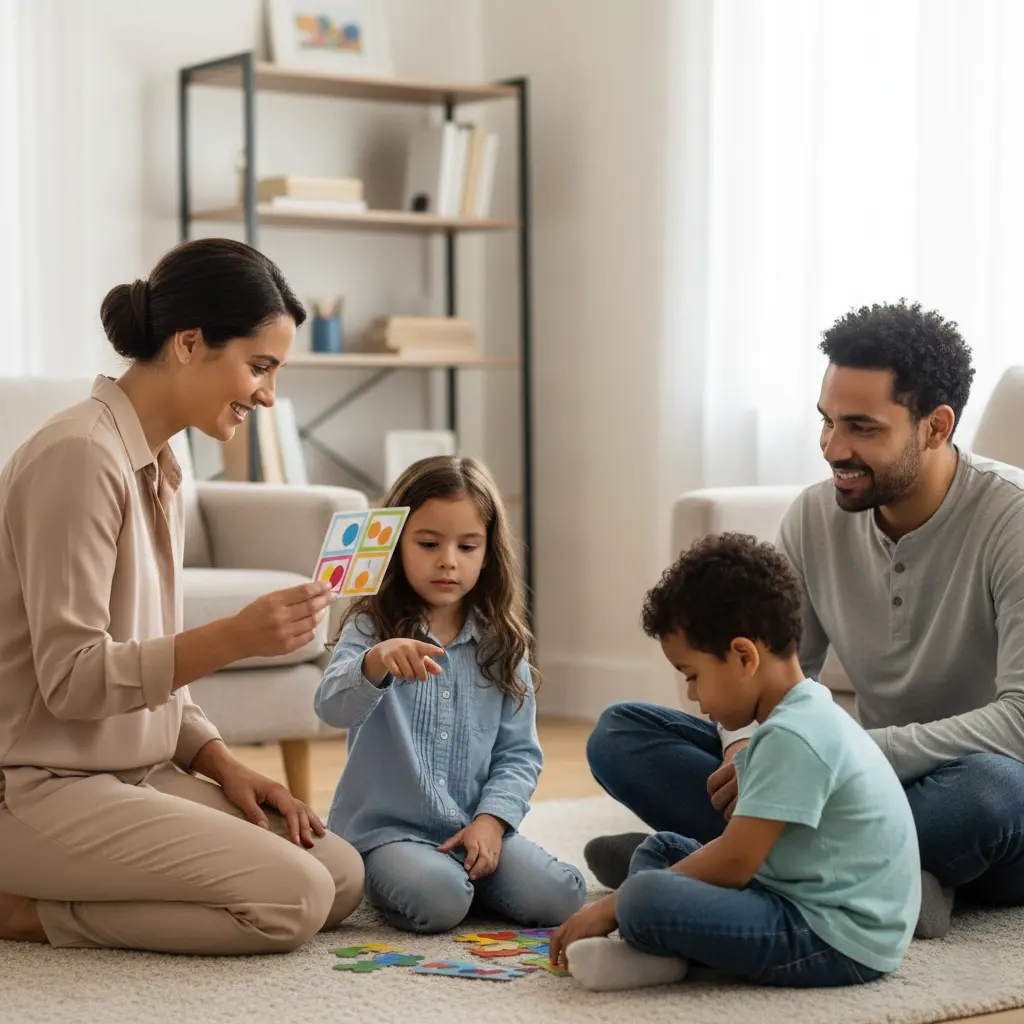
At AtlasCare ABA, we meet kids where they are—literally. In-home sessions happen during the routines you're already doing. Getting dressed. Making a snack. Playing with siblings. Transitioning from tablets to dinner. We're not creating some artificial therapy bubble. We're working with real life.
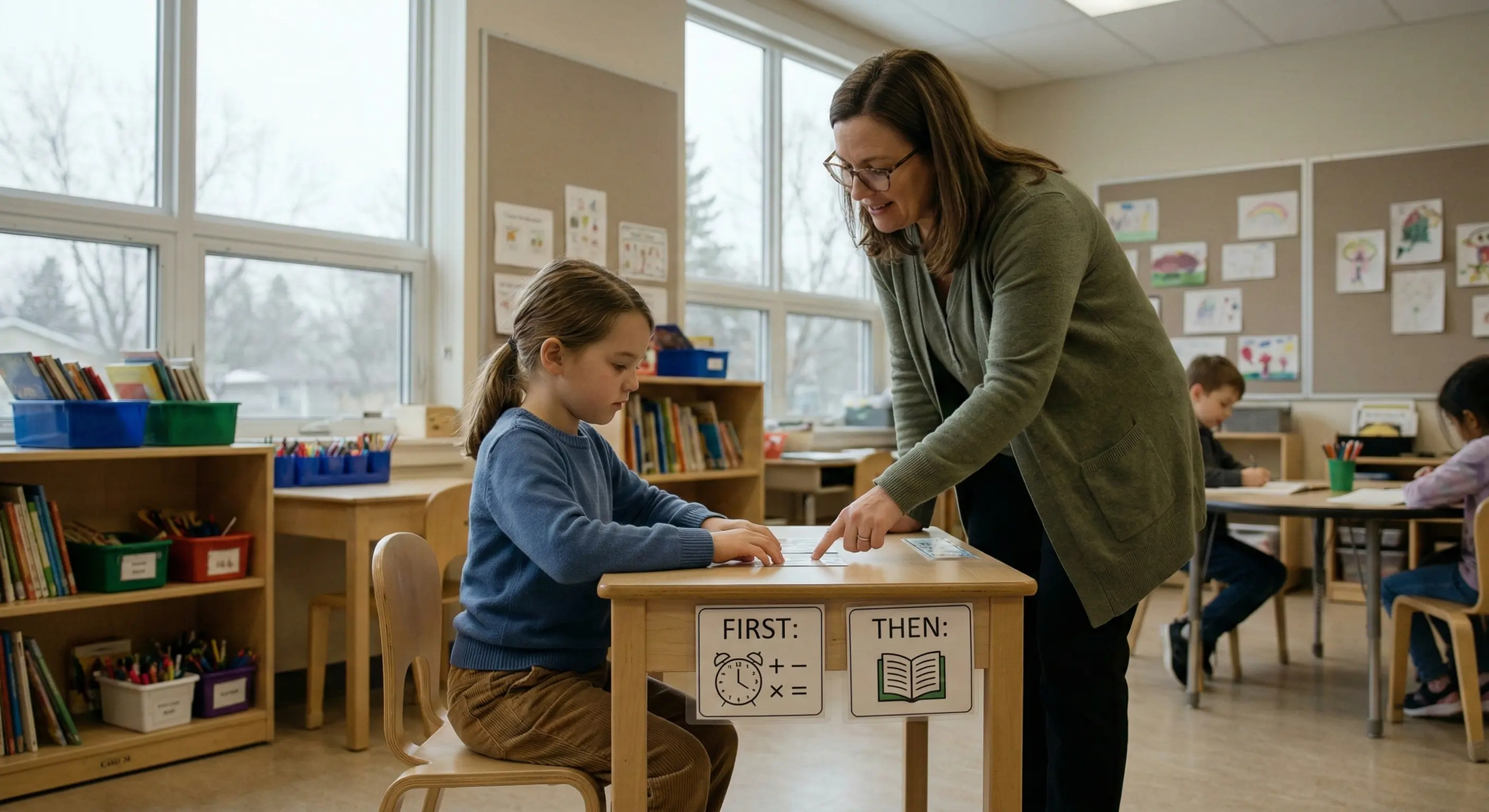
When we provide school or daycare support, same deal. We're in the classroom or playroom where social stuff, following directions, and peer interactions actually matter. We don't pull your child aside to some separate space. We embed teaching into the moments already happening.
And through parent training, you learn to spot the same opportunities. You start recognizing when to give that five-minute warning. You notice when to reinforce your child's communication attempts. You become part of the teaching team, not just someone dropping off and picking up.
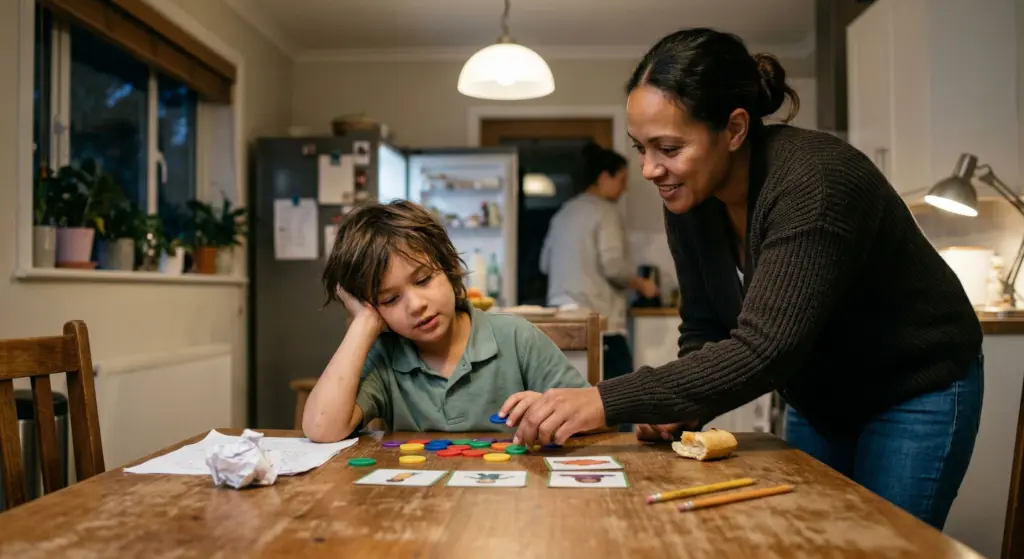
Here's what it might look like: Your child struggles with asking for help when they're frustrated. Maybe they just melt down instead. We work together to figure out when this usually happens—maybe during crafts or when a toy stops working.
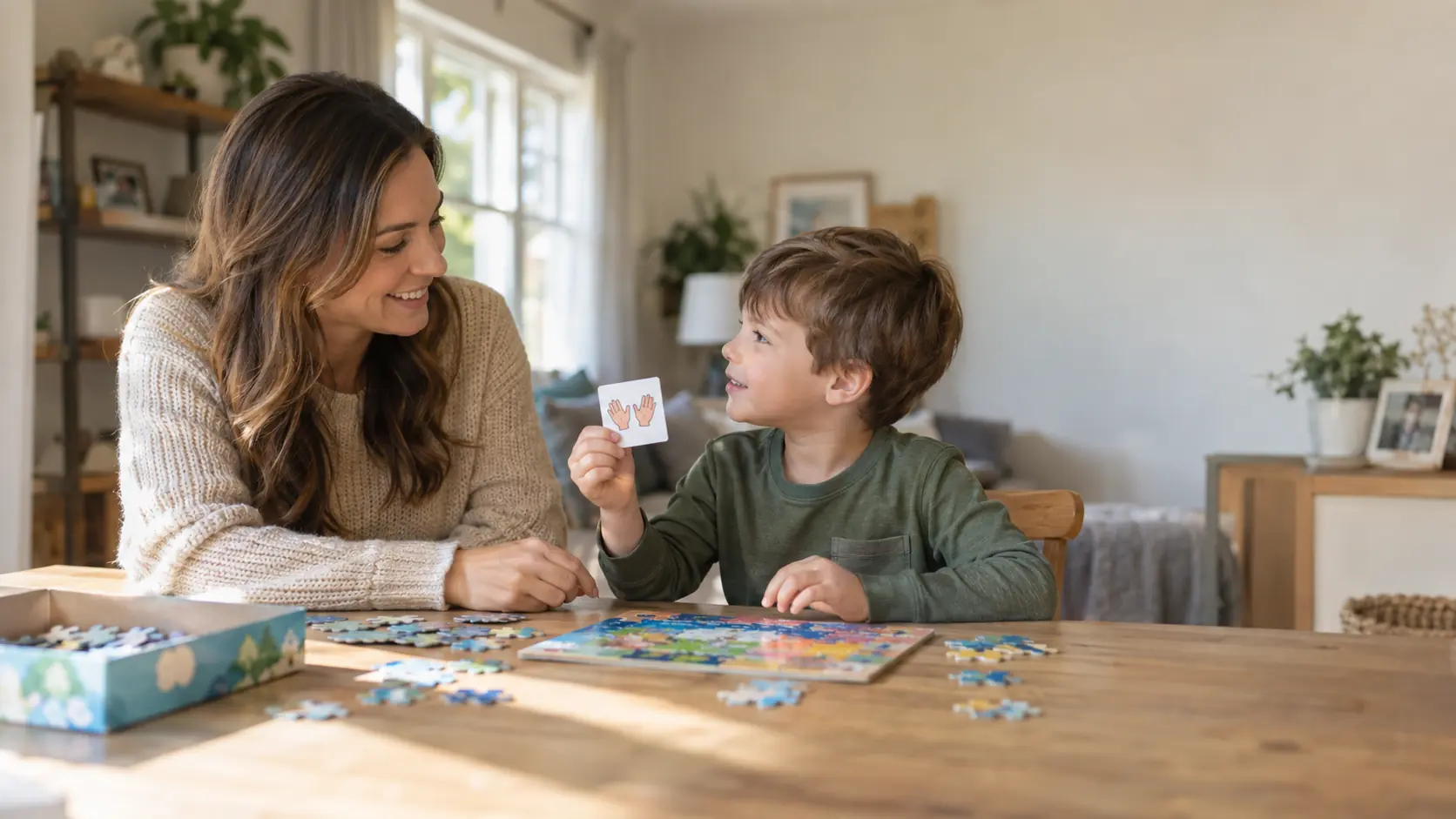
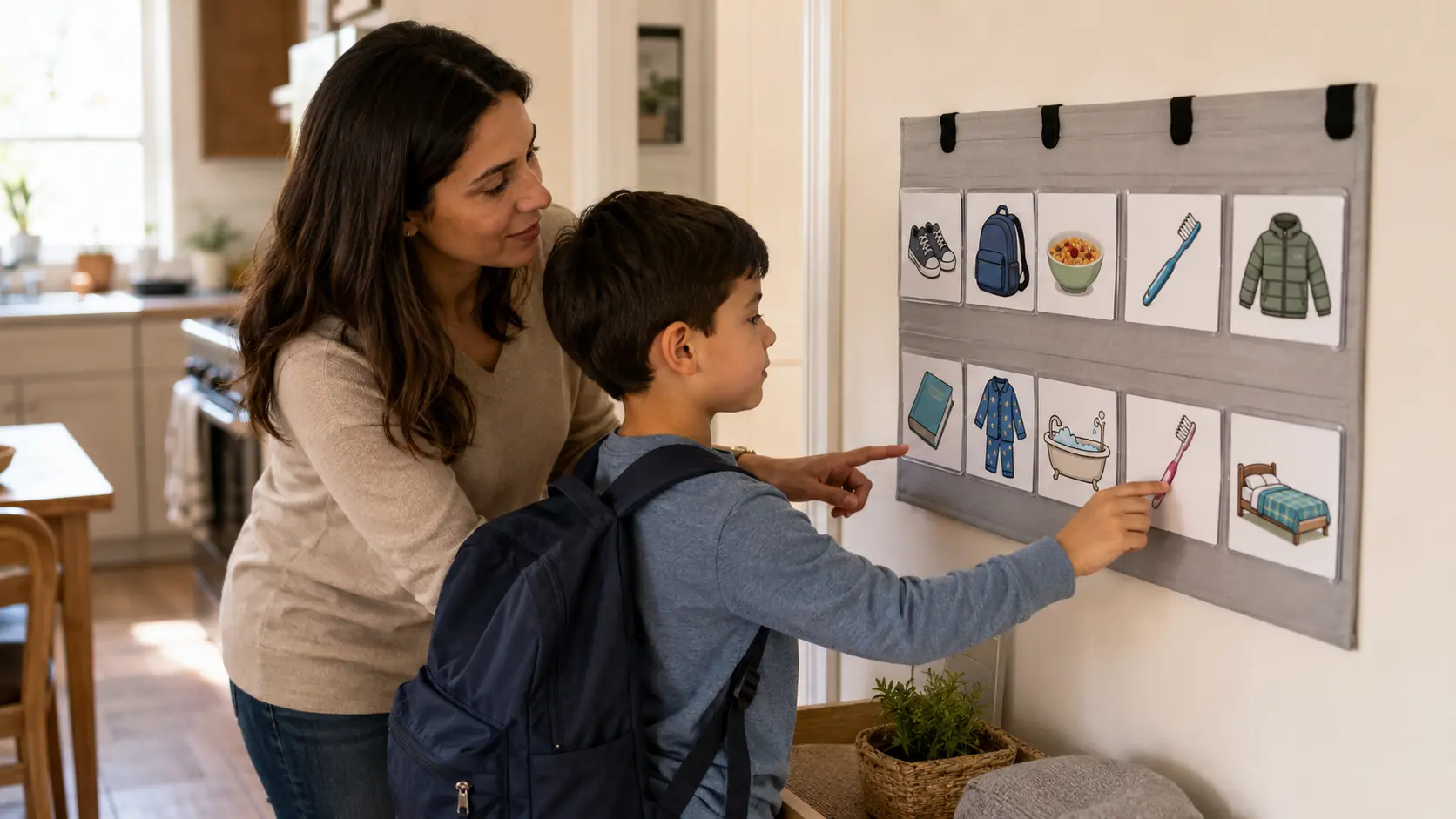
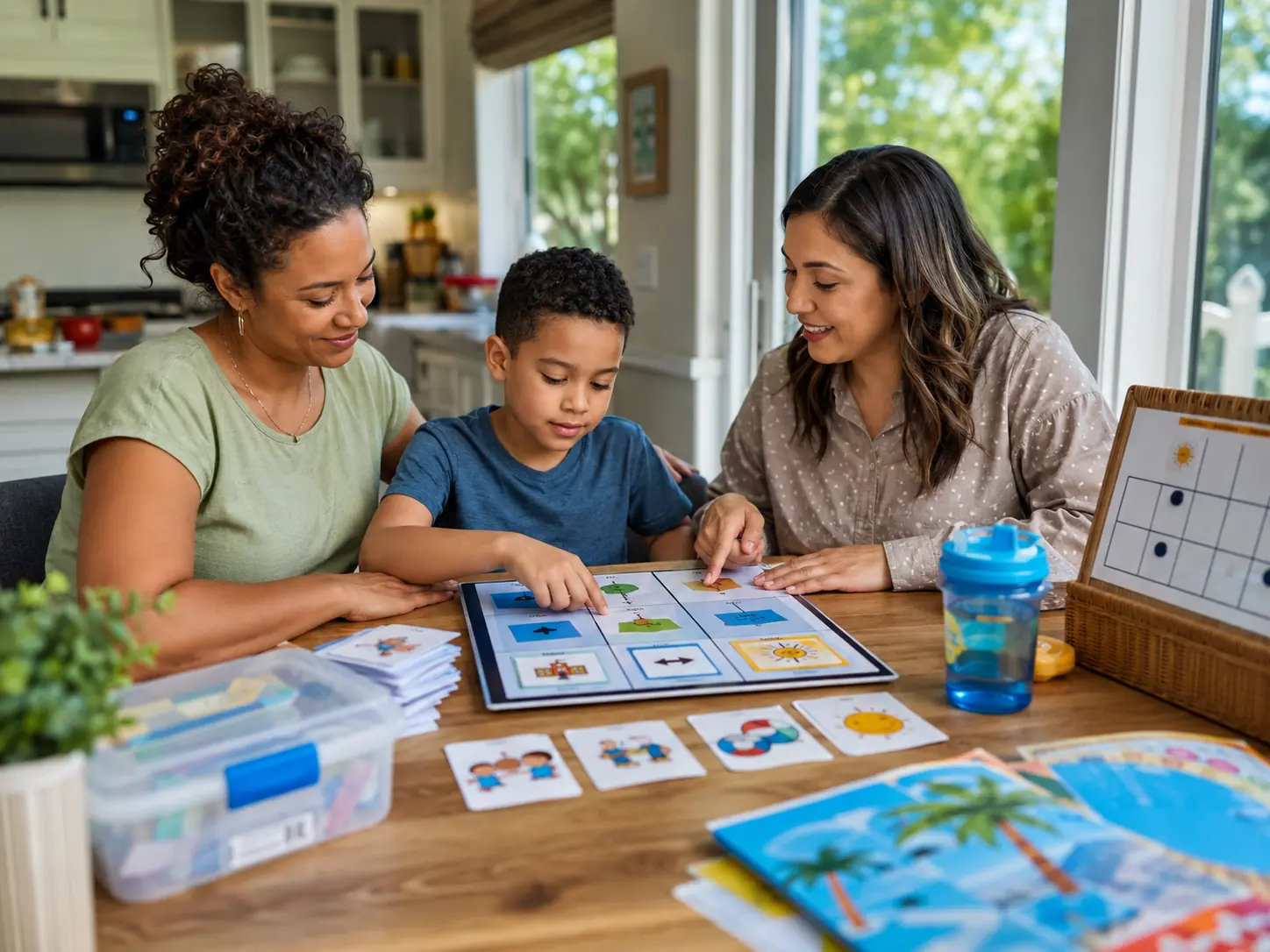
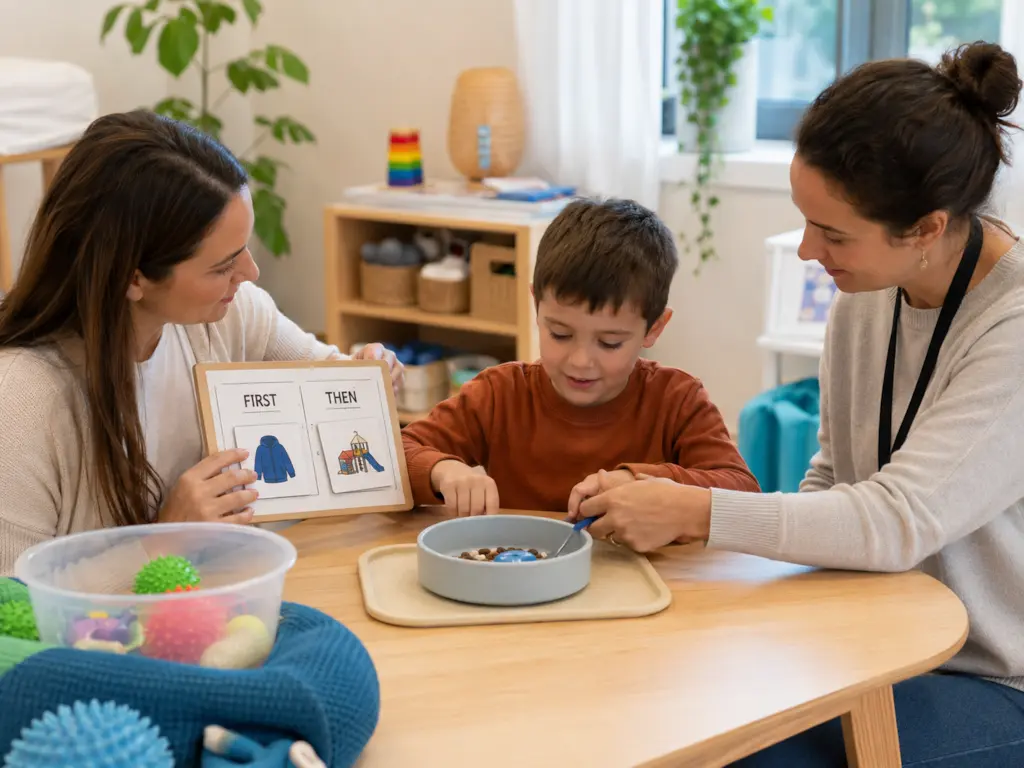
We teach a simple way to ask for help. Maybe it's words, maybe it's a gesture, maybe it's pointing to a picture. When they use it, help comes immediately (that's the reinforcement). We practice in different situations, with different people (that's generalization). And we track every instance to see if it's really catching on (that's data).
Through all of this, we remember your child is a whole person. Not a list of behaviors to fix. They have preferences, feelings, and dignity. Everything we do is rooted in kindness, patience, and genuine respect.
Benefits of ABA Rooted in These Core Principles
When ABA is done right—grounded in these principles and delivered with compassion— families often notice real changes in everyday moments.
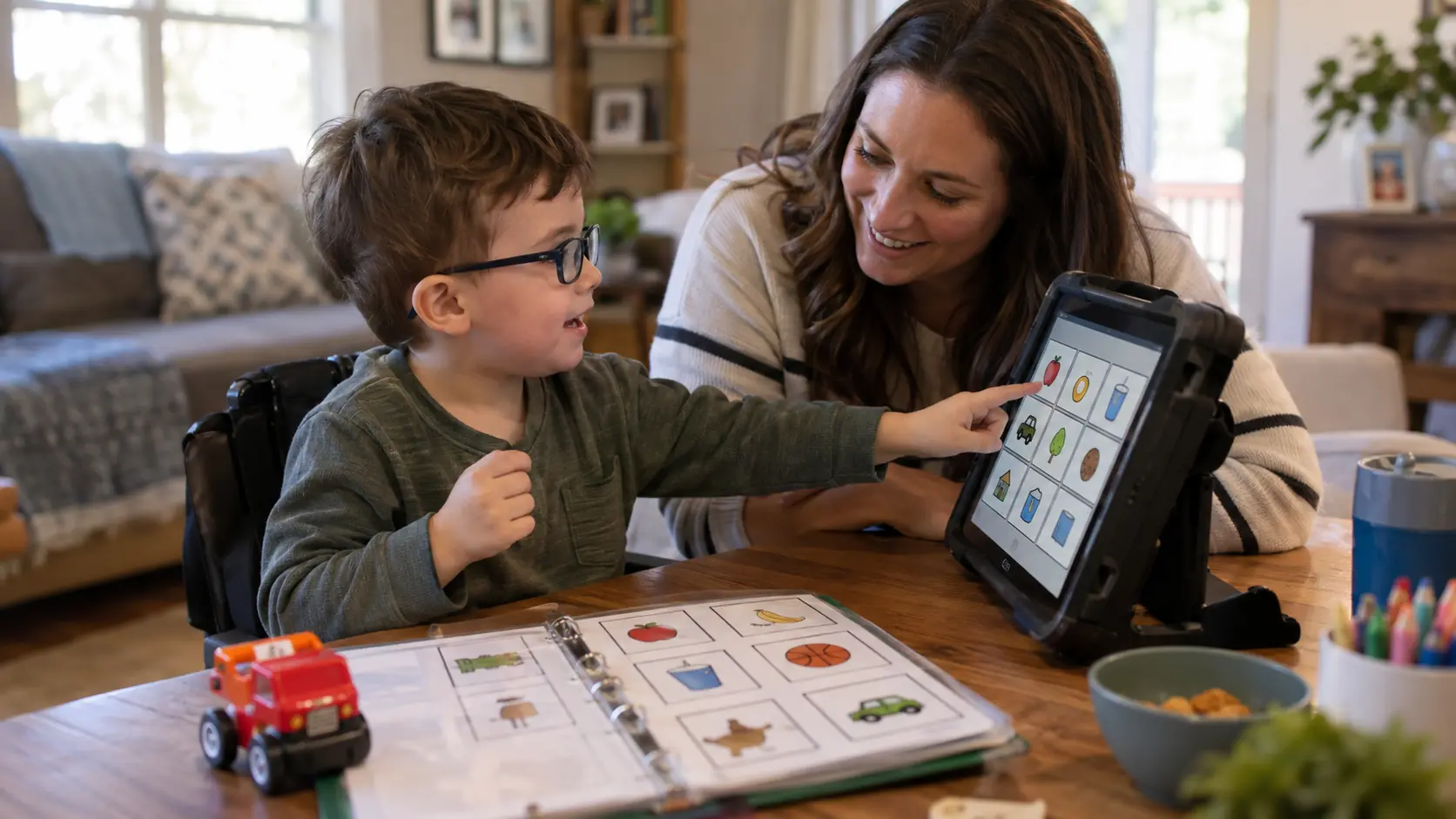
Communication gets stronger. Your child might start using more words, or using their AAC device more consistently, or expressing what they need instead of just melting down. They find ways to share what they're thinking and connect with people around them.
Big feelings become more manageable. Kids develop tools for handling frustration, disappointment, or unexpected changes. Meltdowns might happen less often or calm down faster because your child has more strategies in their toolbox.
Social moments improve. Maybe your child starts asking another kid to play. Maybe they share a toy without being reminded. Maybe they notice when someone's trying to get their attention. These small connections matter so much.
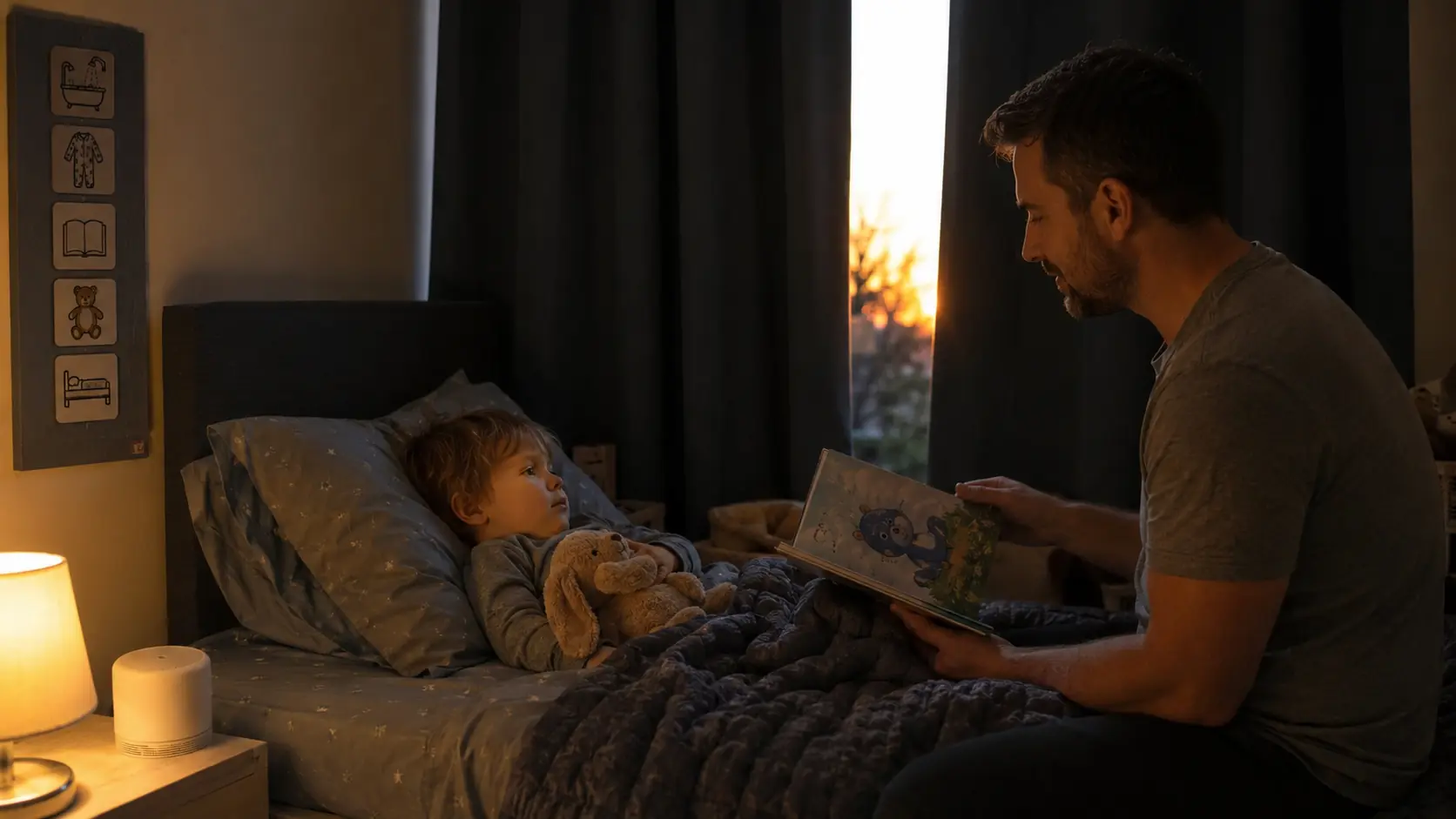
Daily routines get smoother. The morning scramble might ease up. Brushing teeth doesn't turn into a wrestling match. Mealtimes feel less like battles. Not perfect—just more doable.
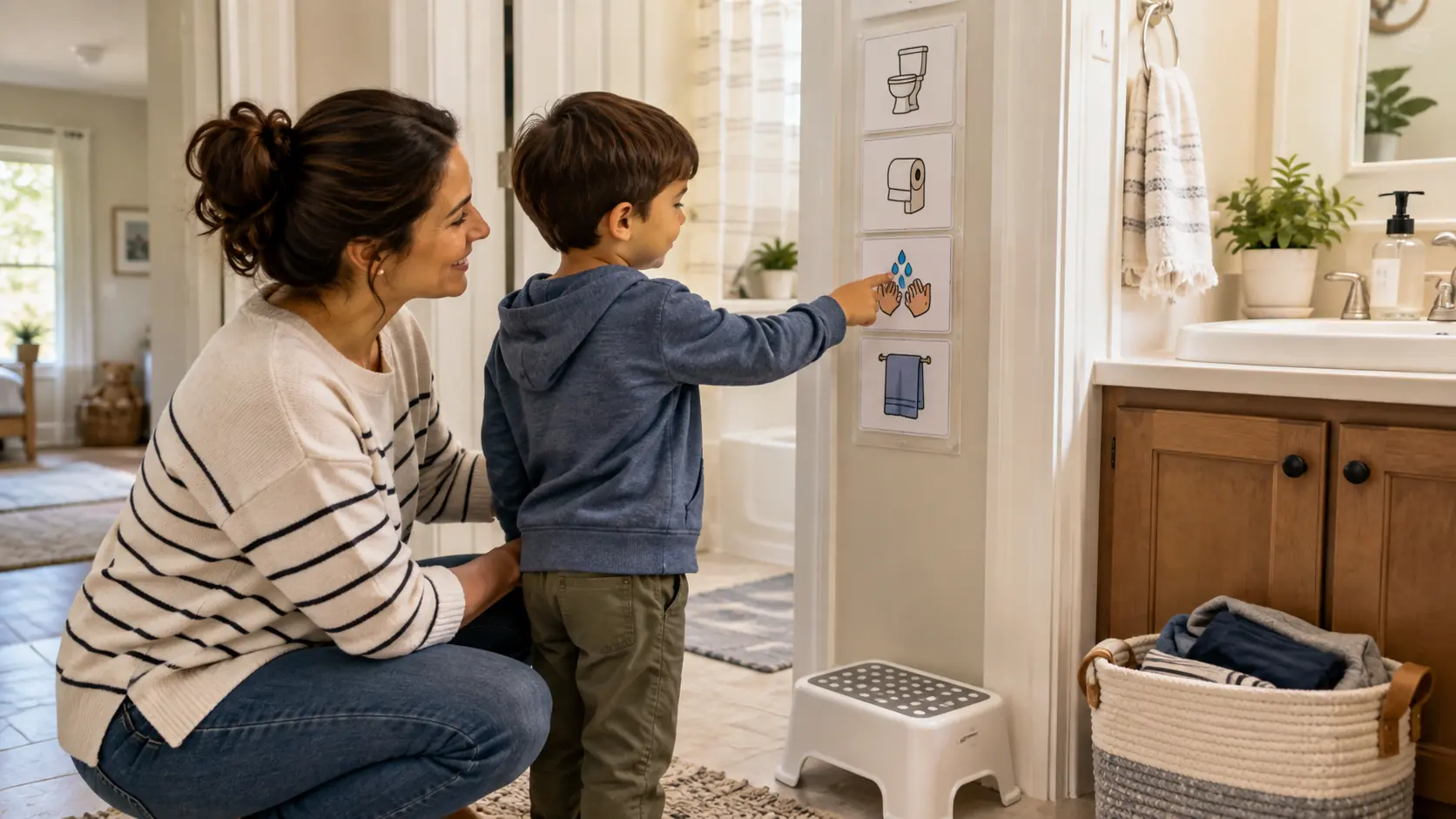
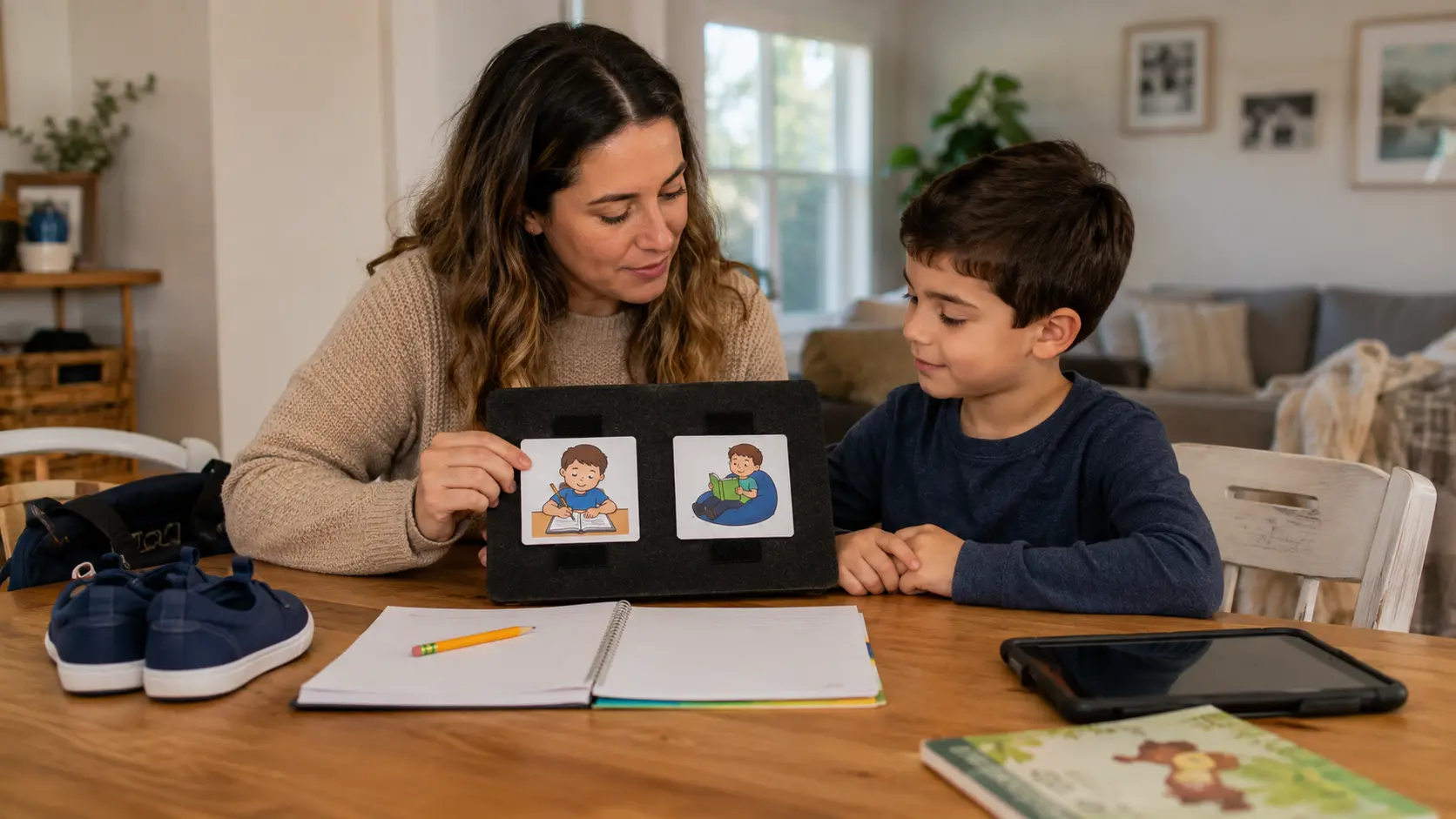
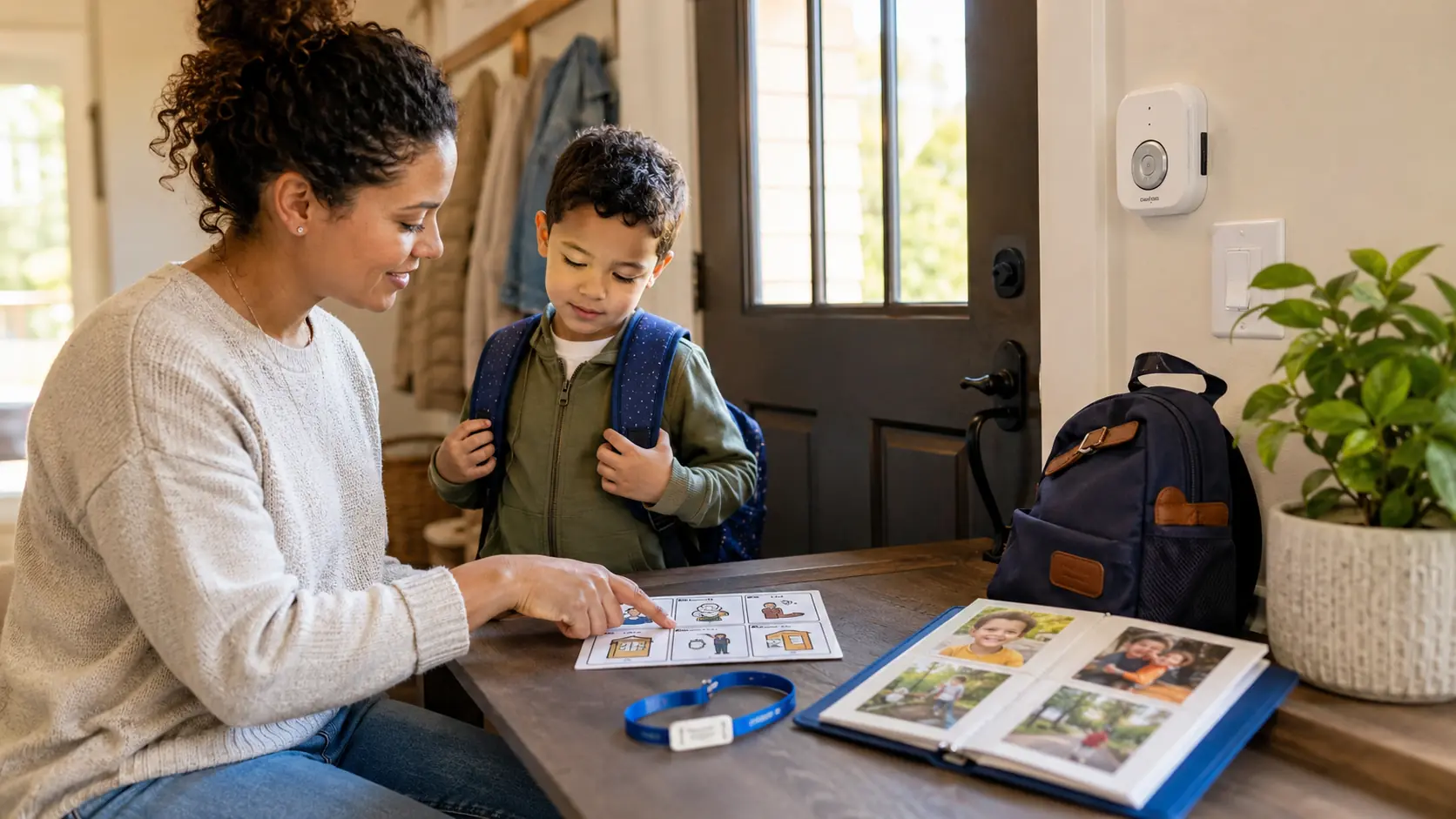
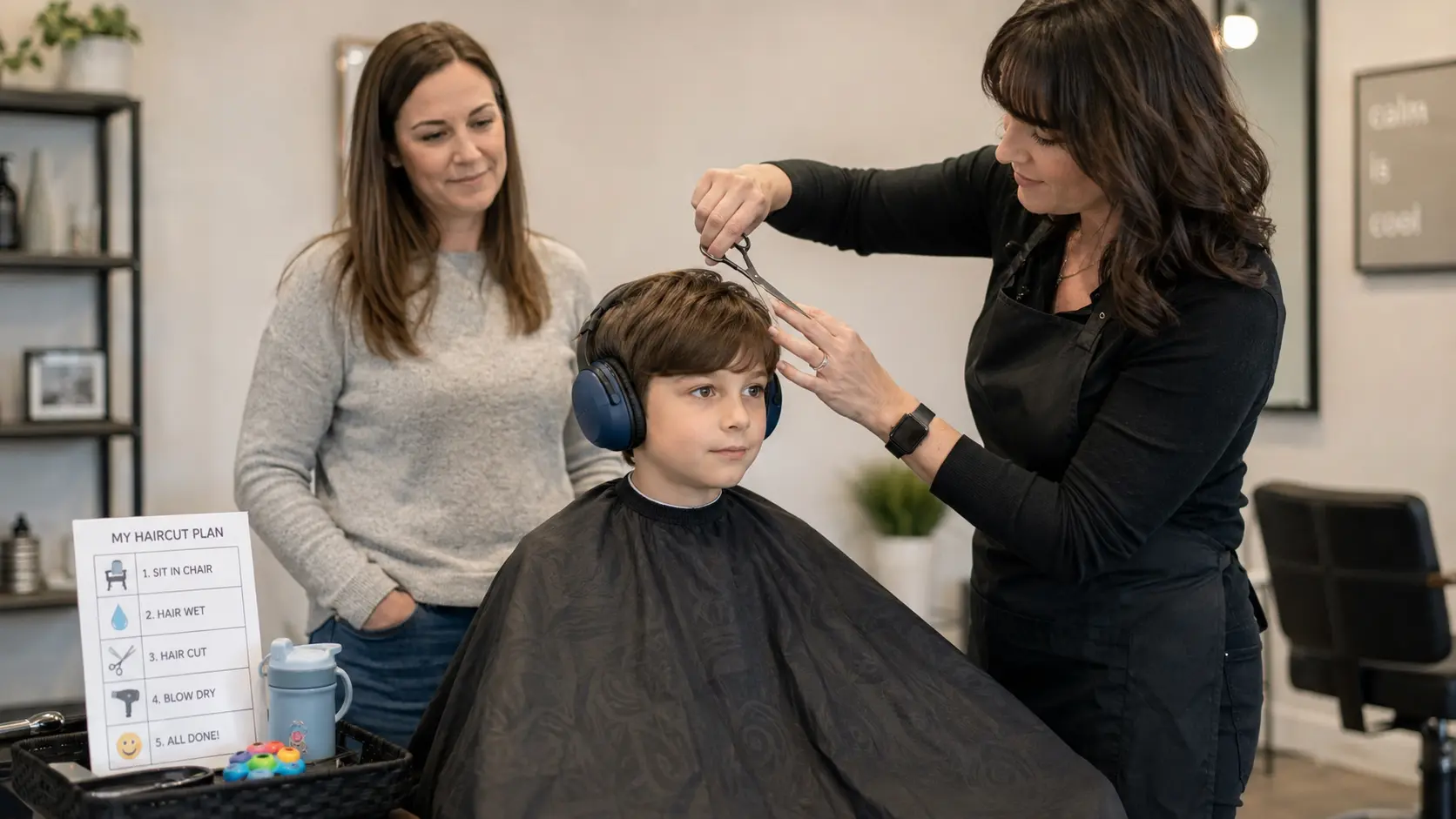
Transitions—often the hardest part—can get easier. With warning, visual supports, and practice, moving between activities or places becomes less overwhelming.
Progress looks different for every child. Some changes are quick, others take time. But when teaching is systematic, reinforcement is consistent, data guides the way, and the environment supports learning, real growth becomes possible.
Ethical, Compassionate ABA at AtlasCare ABA
The principles matter. But how they're used matters just as much.
At AtlasCare ABA, everything centers on your child—what interests them, what makes them comfortable, what gives them more independence. Goals aren't about making kids "look typical" or stopping behaviors that aren't actually hurting anyone. They're about building skills that genuinely make your child's life better.
We get that every family is different. Your culture, your values, your priorities—they all shape what success looks like for your child. Whether you're focused on communication, school readiness, safety, or daily living skills, we listen and align our work with what truly matters to you.
We also believe in teamwork. Many kids have multiple therapists—speech, OT, school supports, medical providers. We actively talk with these partners so everyone's on the same page, working toward consistent goals.
Most importantly, your child's safety, dignity, and emotional well being guide every decision. Therapy should never feel punishing or forced. It should feel supportive, respectful, and empowering.
Getting Started With ABA at AtlasCare ABA
If you're thinking about ABA, you're probably wondering what happens first.
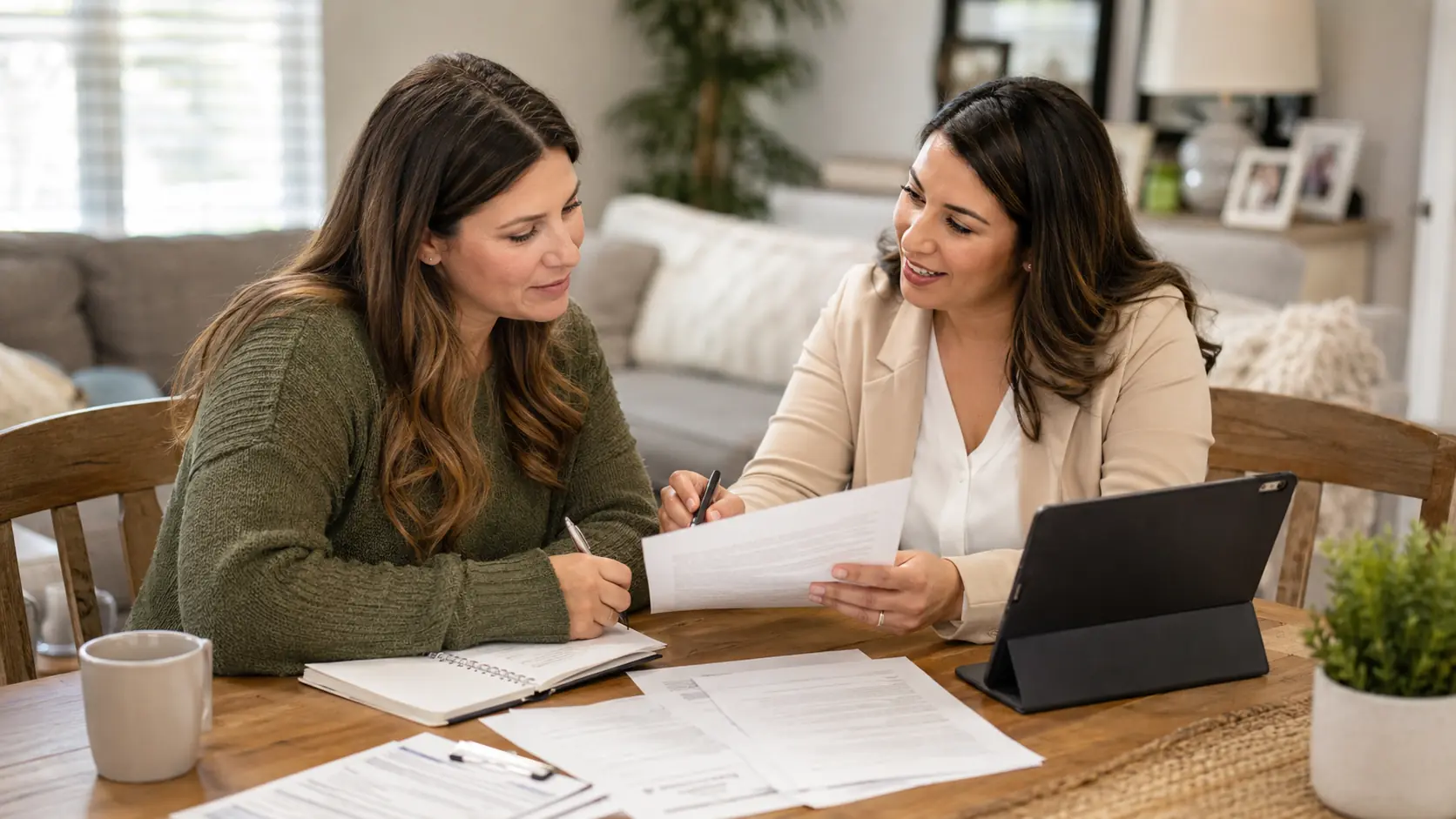
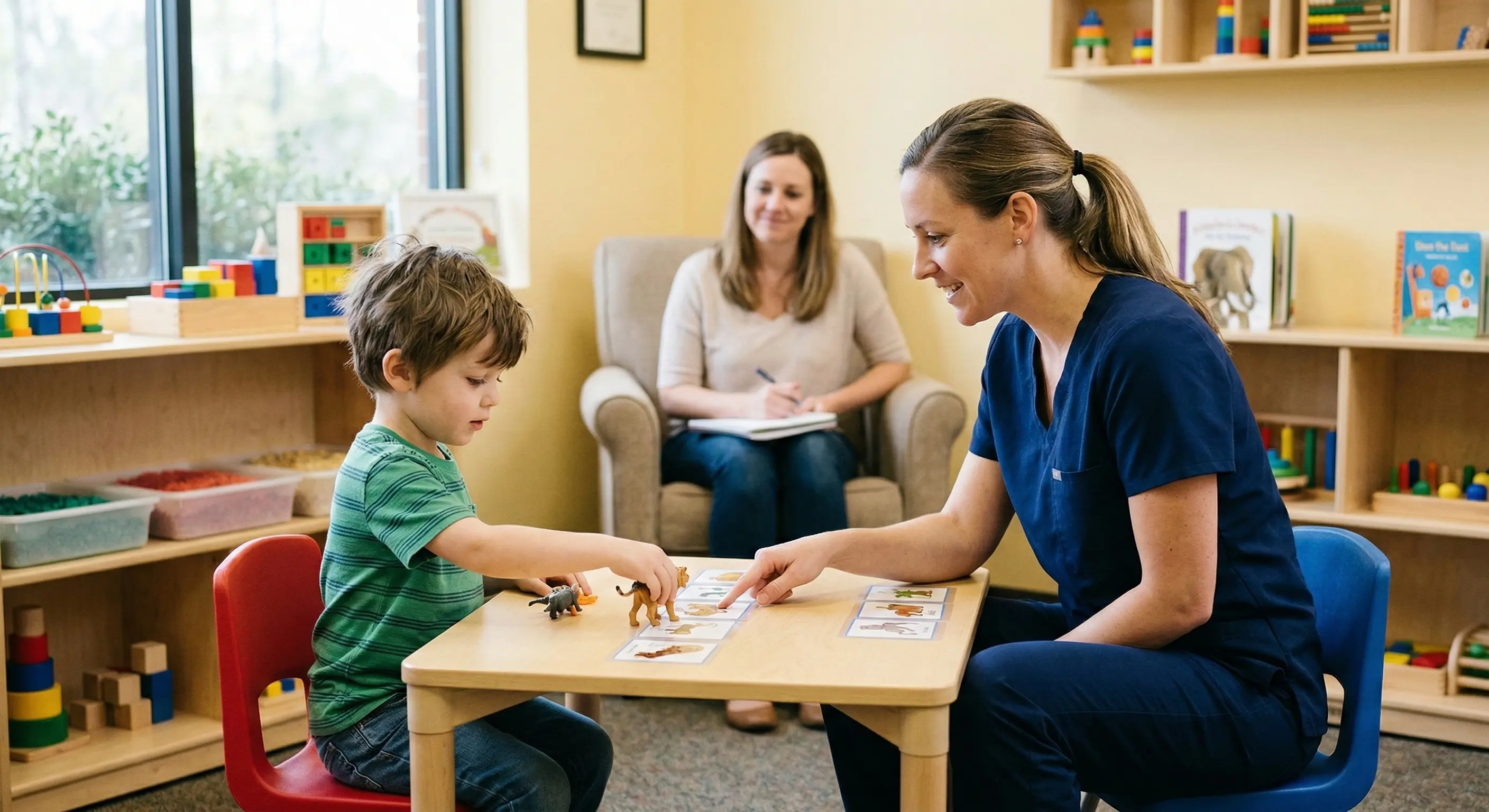
We start with a conversation. Just talking about your child, your family, what you're hoping therapy can help with. Then we do an assessment to understand where your child is now and what goals would be most meaningful.
Your BCBA designs a treatment plan specifically for your child. Not some template—an actual individualized program. As therapy starts, you get regular updates, opportunities for feedback, and adjustments based on how things are going.
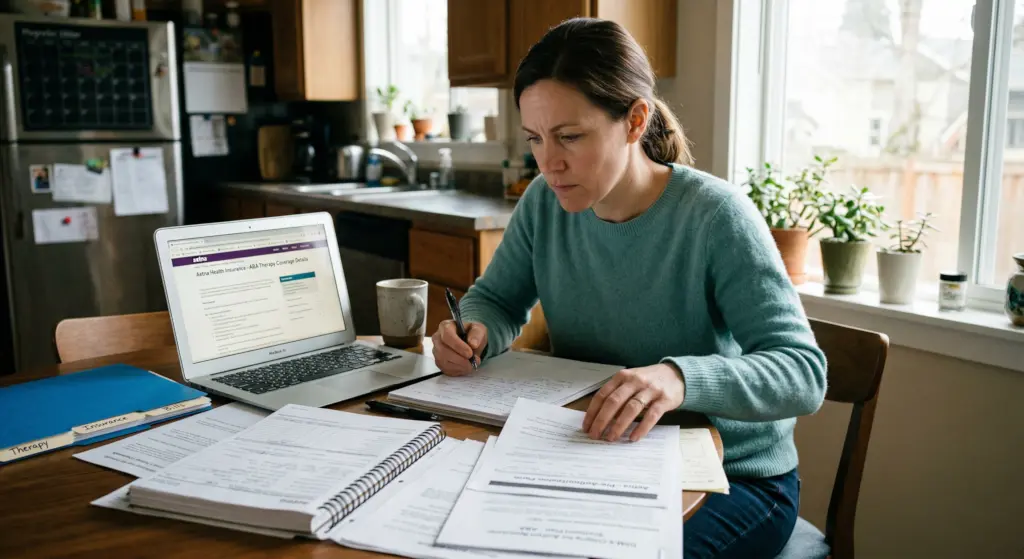
We work with families across North Carolina, New Mexico, and Iowa. In-home ABA, school and daycare support, parent training—whatever fits your situation. We also help with insurance and Medicaid, so cost doesn't have to be a barrier.
Starting can feel like a big leap. But you're not doing it alone. AtlasCare ABA walks with you through every question, every milestone, every bump in the road.




.webp)
.webp)
.webp)
.webp)
.webp)



.jpg)
.webp)

.webp)
.webp)


%20During%20Play%20in%20the%20Home.webp)