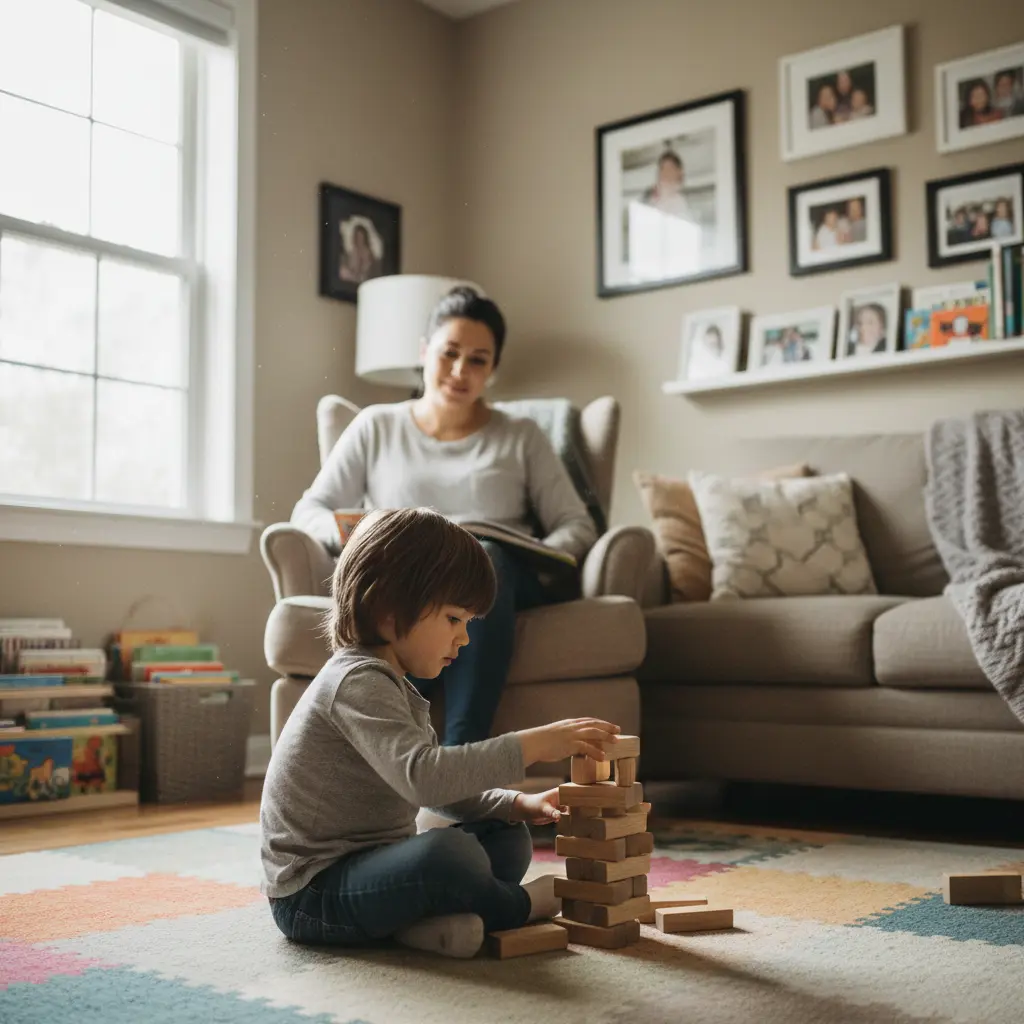
If you're exploring therapy options for your child with autism, you've likely wondered what in-home ABA therapy actually involves. This guide covers what it is, who it can help, what sessions look like, and how to prepare—so you can feel informed and confident as you consider next steps.
What Is In-Home ABA Therapy?
Applied Behavior Analysis (ABA) is a therapy approach that can help many children with autism build practical skills through structured teaching and positive reinforcement. Rather than focusing only on reducing challenging behaviors, ABA breaks down complex skills—like communication, following routines, or coping with big feelings—into smaller, achievable steps.
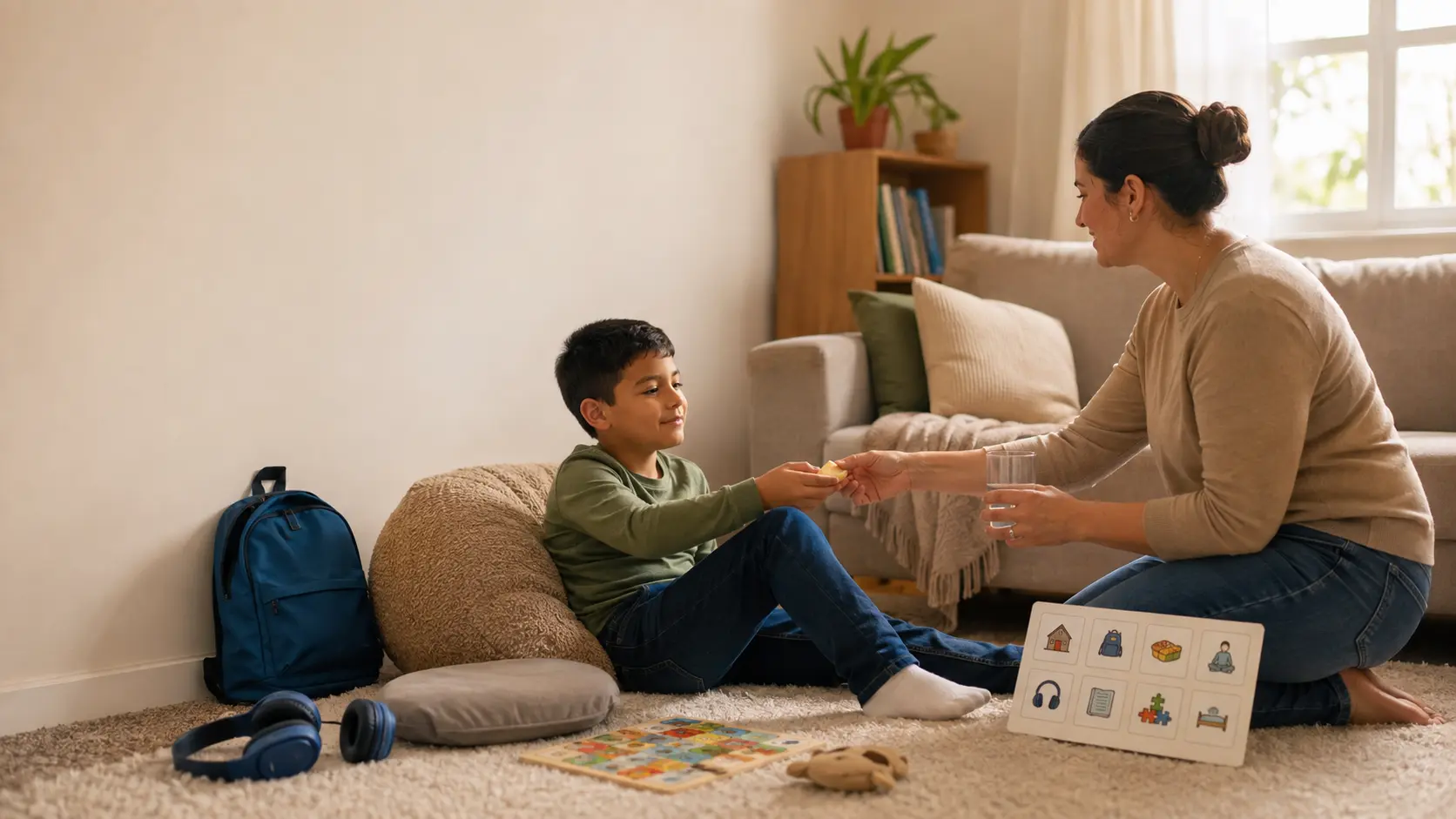
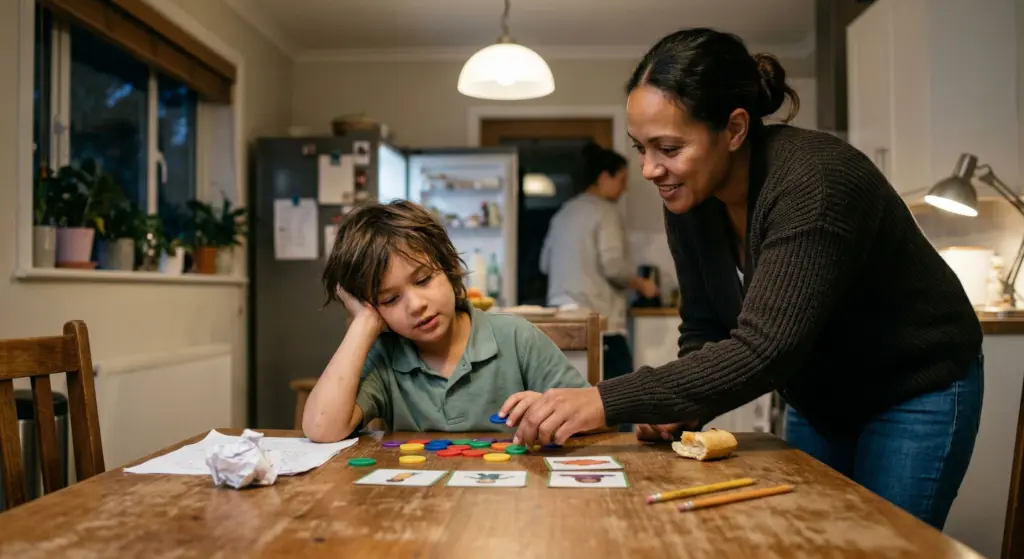
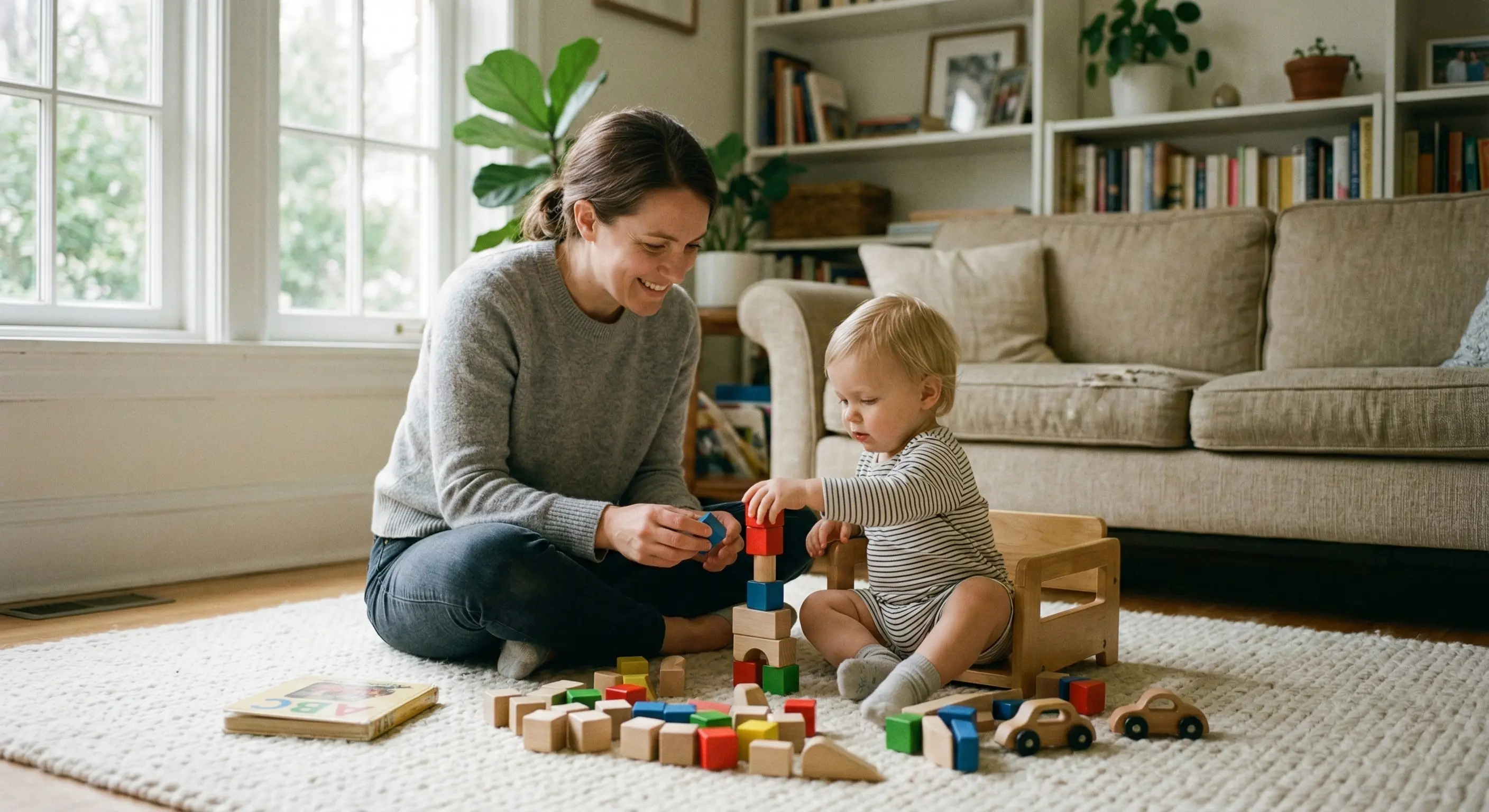
"In-home" means sessions take place primarily in your child's home, often during everyday routines like mealtimes or transitions. For some children, the familiar setting may make learning easier and help caregivers see how strategies apply to real life.
Disclaimer: This article is for informational purposes only and is not medical advice. Decisions about therapy should be made with qualified professionals, such as your pediatrician or a Board Certified Behavior Analyst (BCBA).
Who Can Benefit From ABA Therapy at Home?
In-home ABA therapy may support children across a range of ages and skill levels. Goals depend on each child's assessment and family priorities.
Common Goals Families Work On
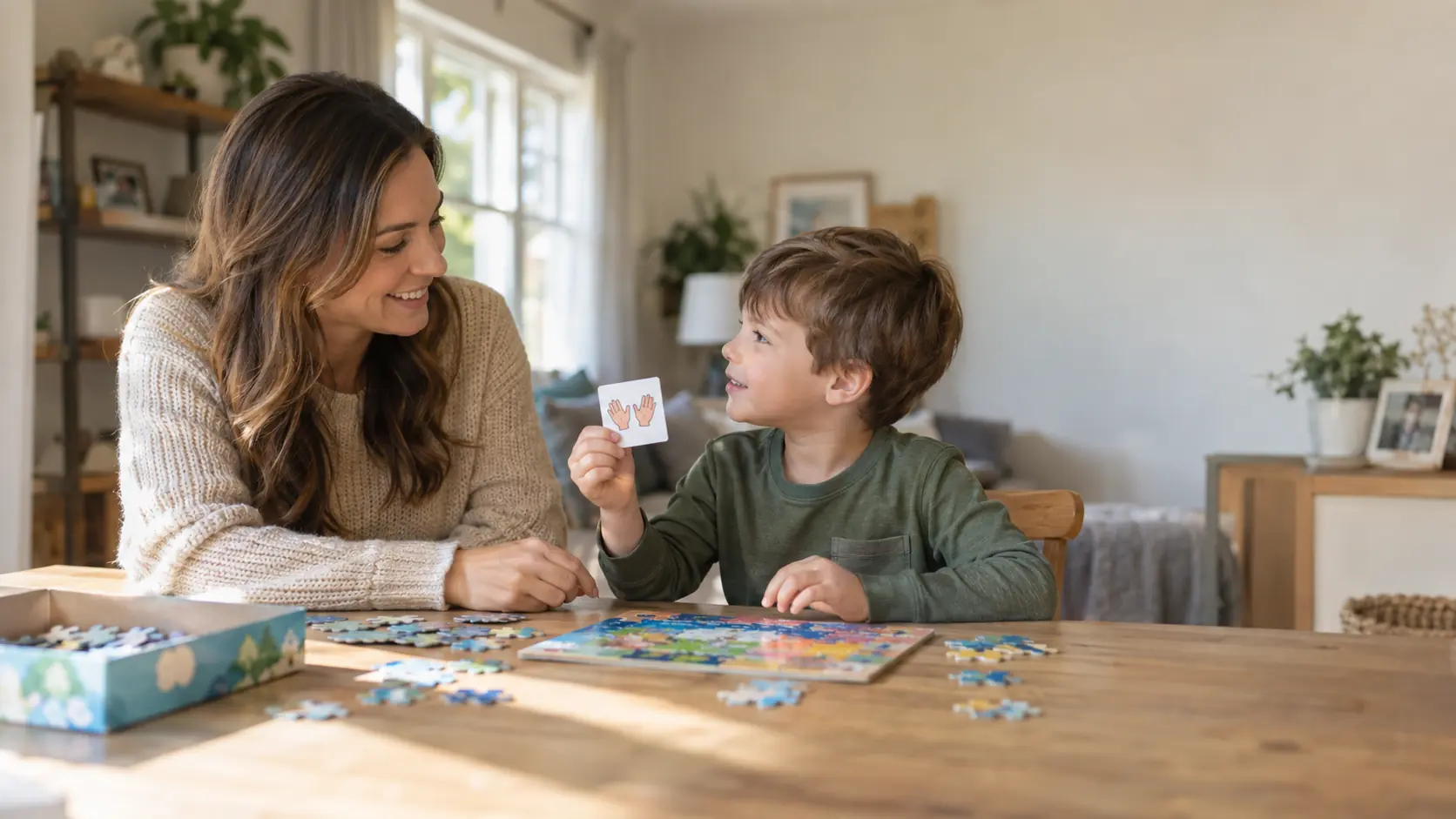
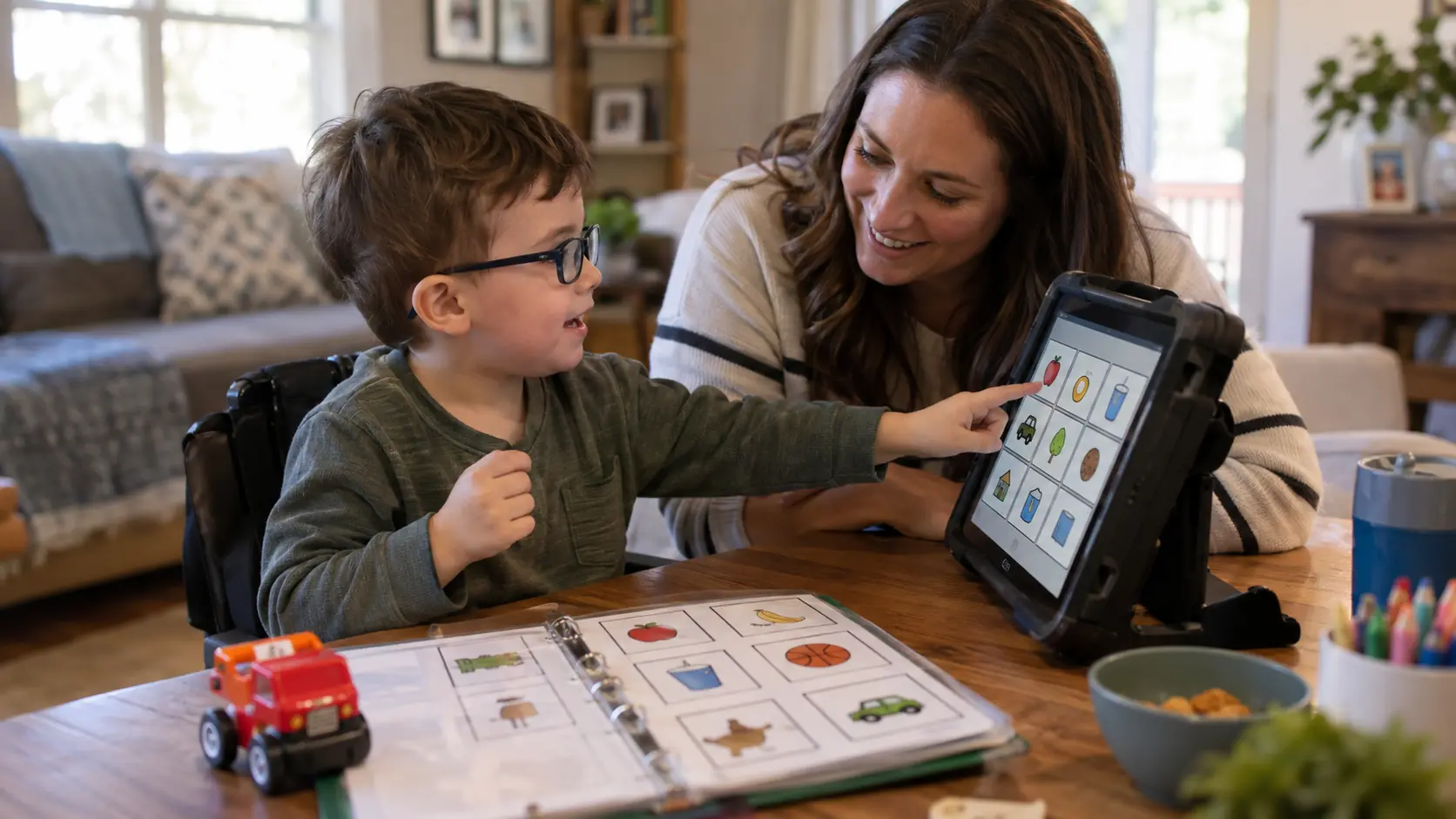
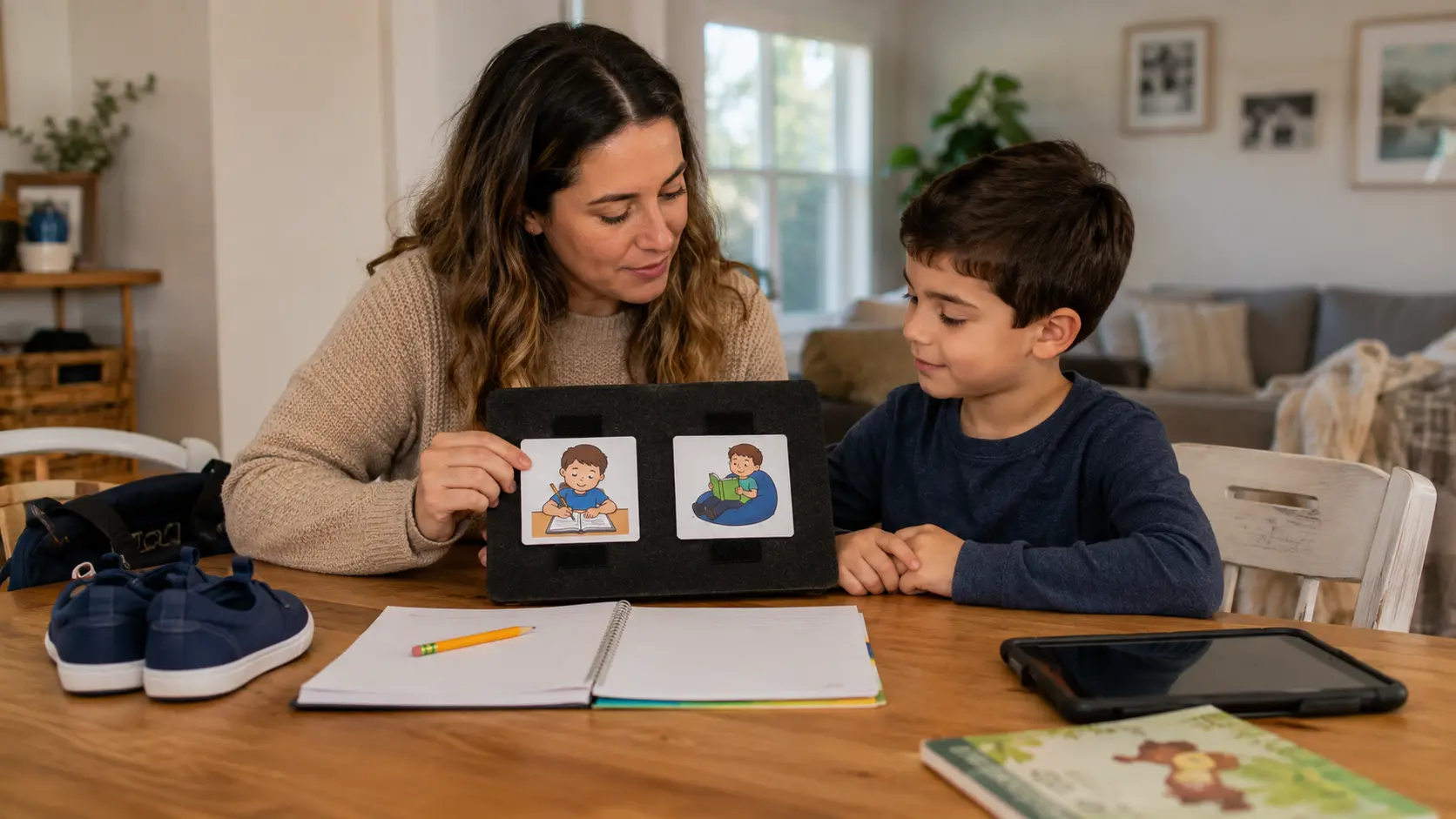
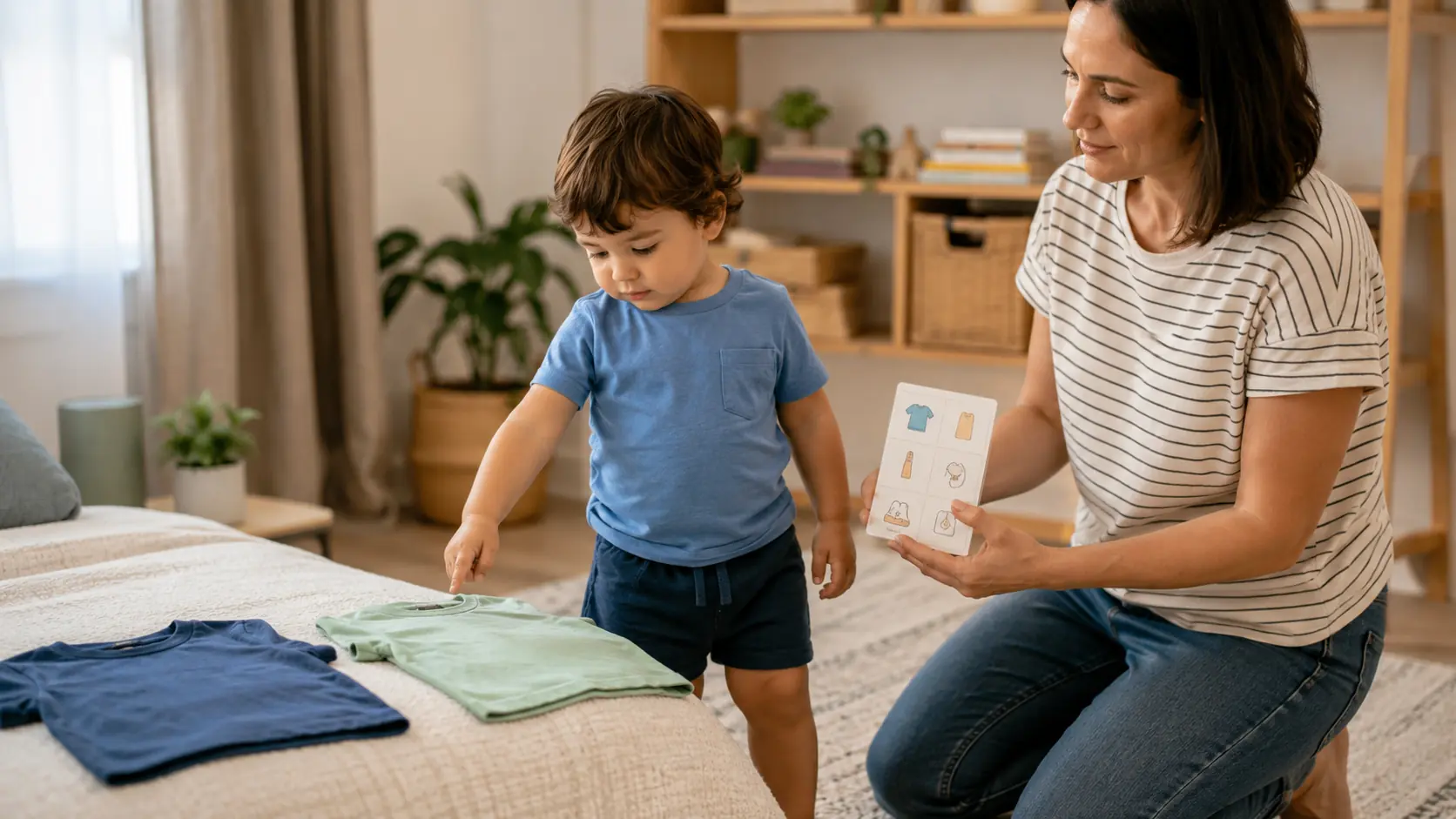
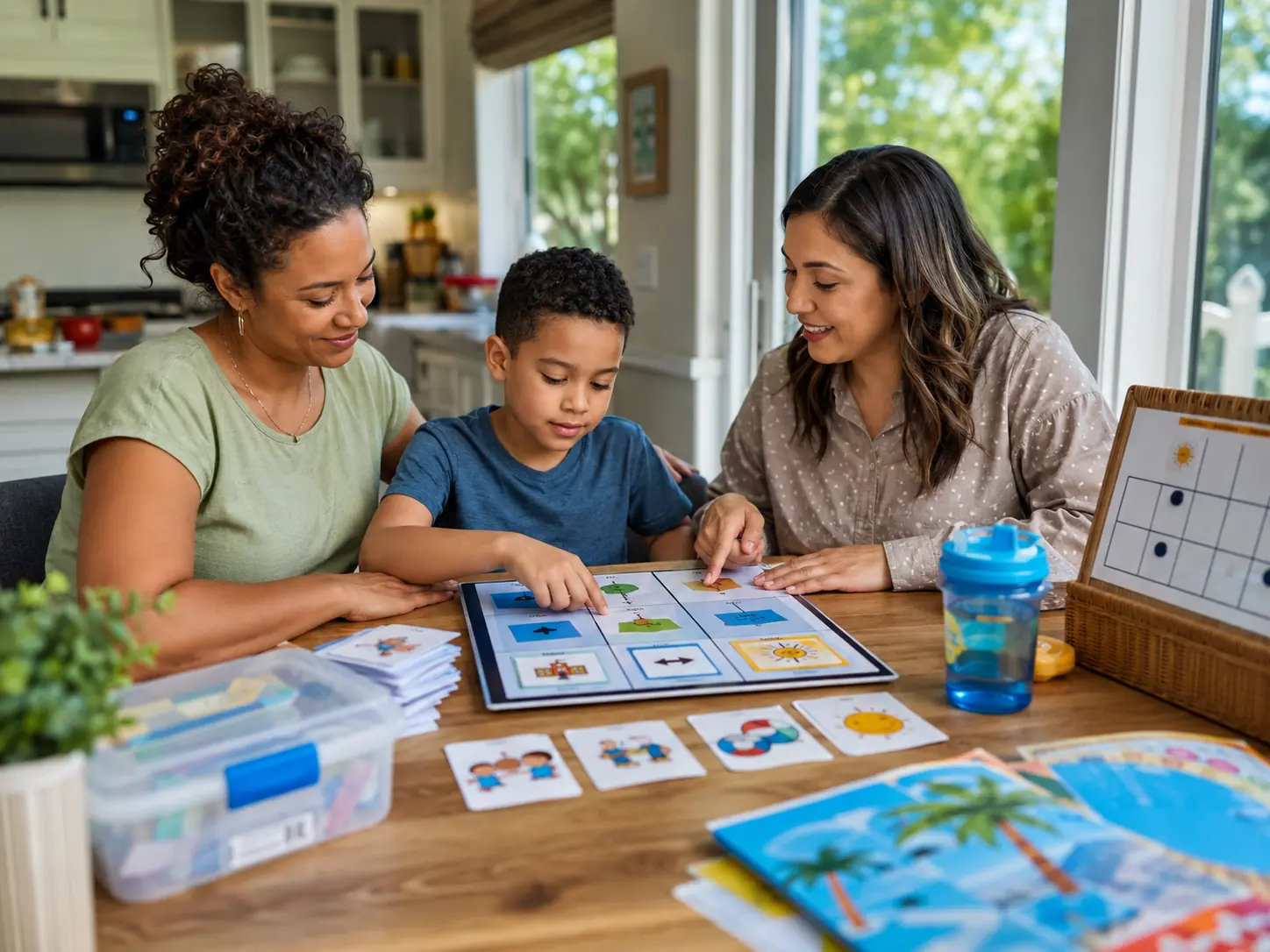
- Communication: Requesting items, expressing needs, responding to questions—using words, picture systems, or gestures
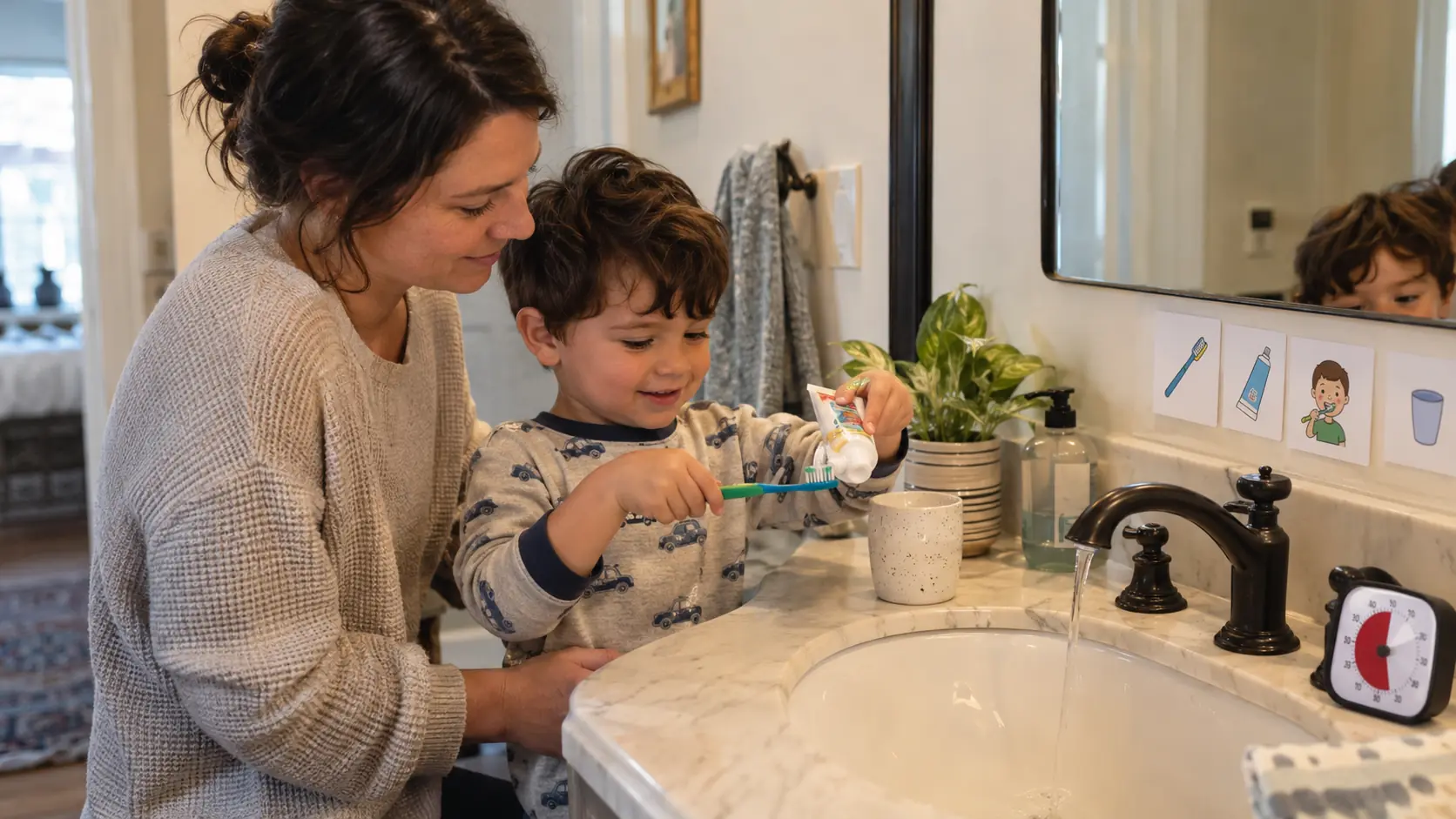
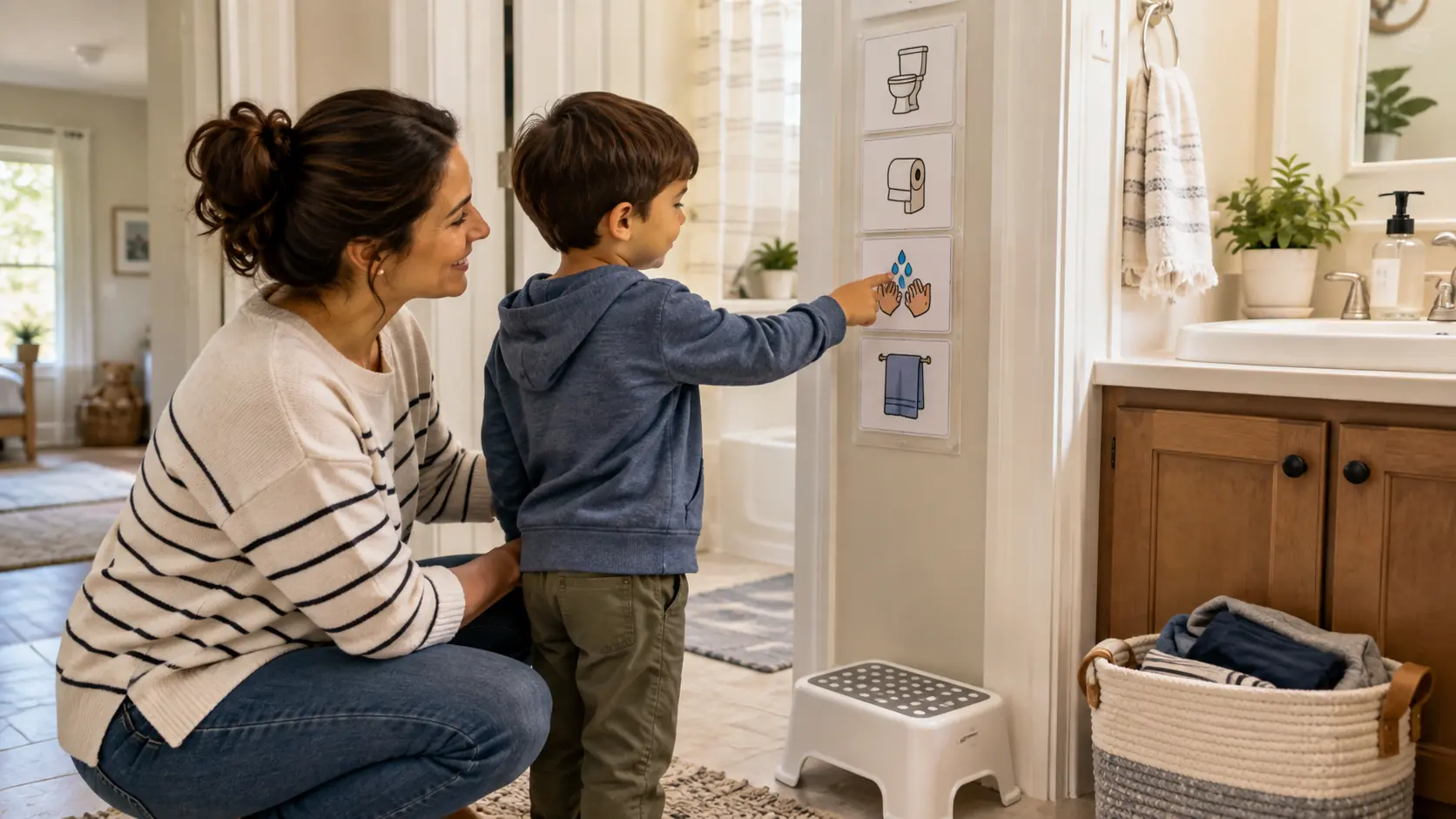
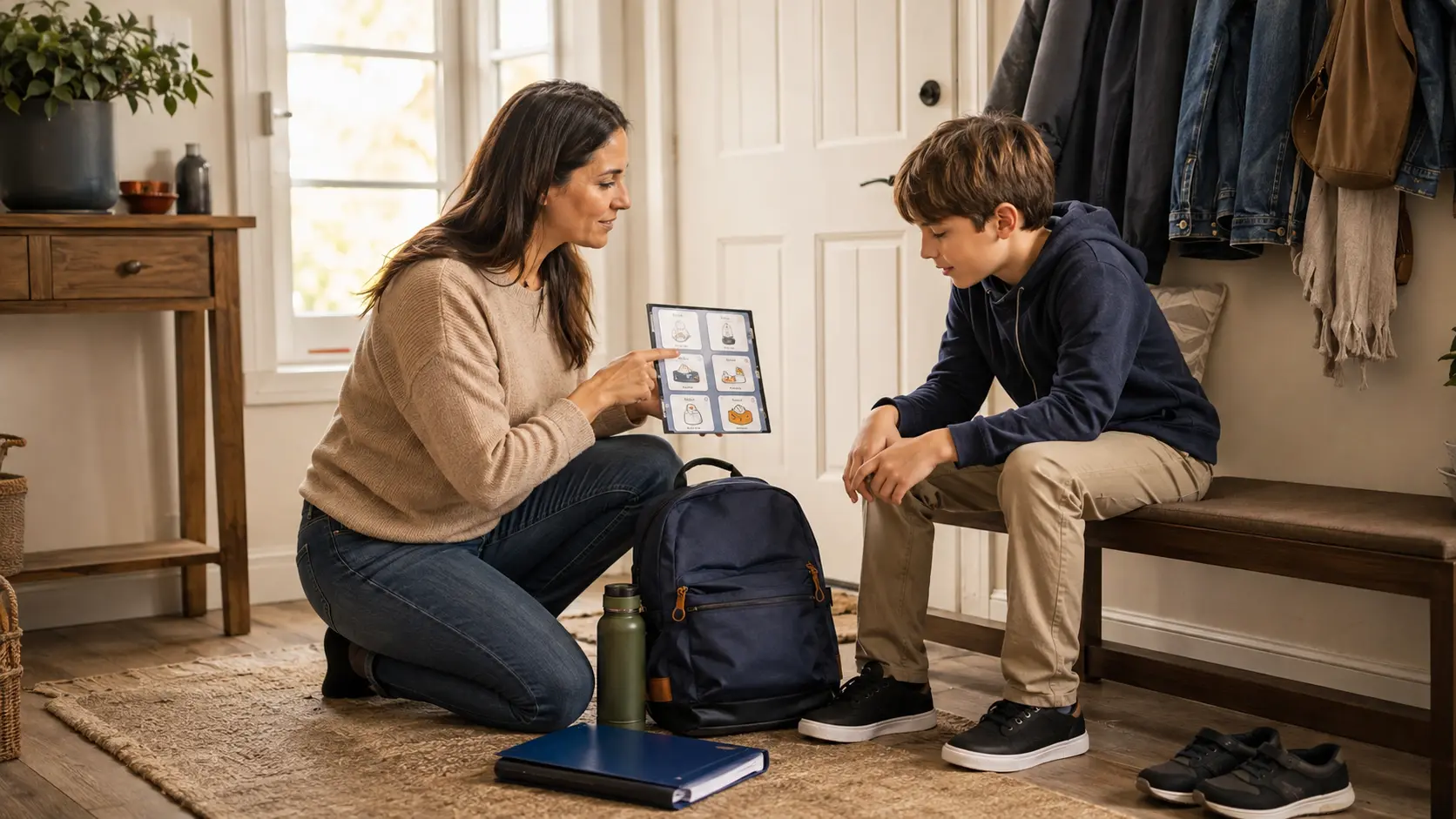
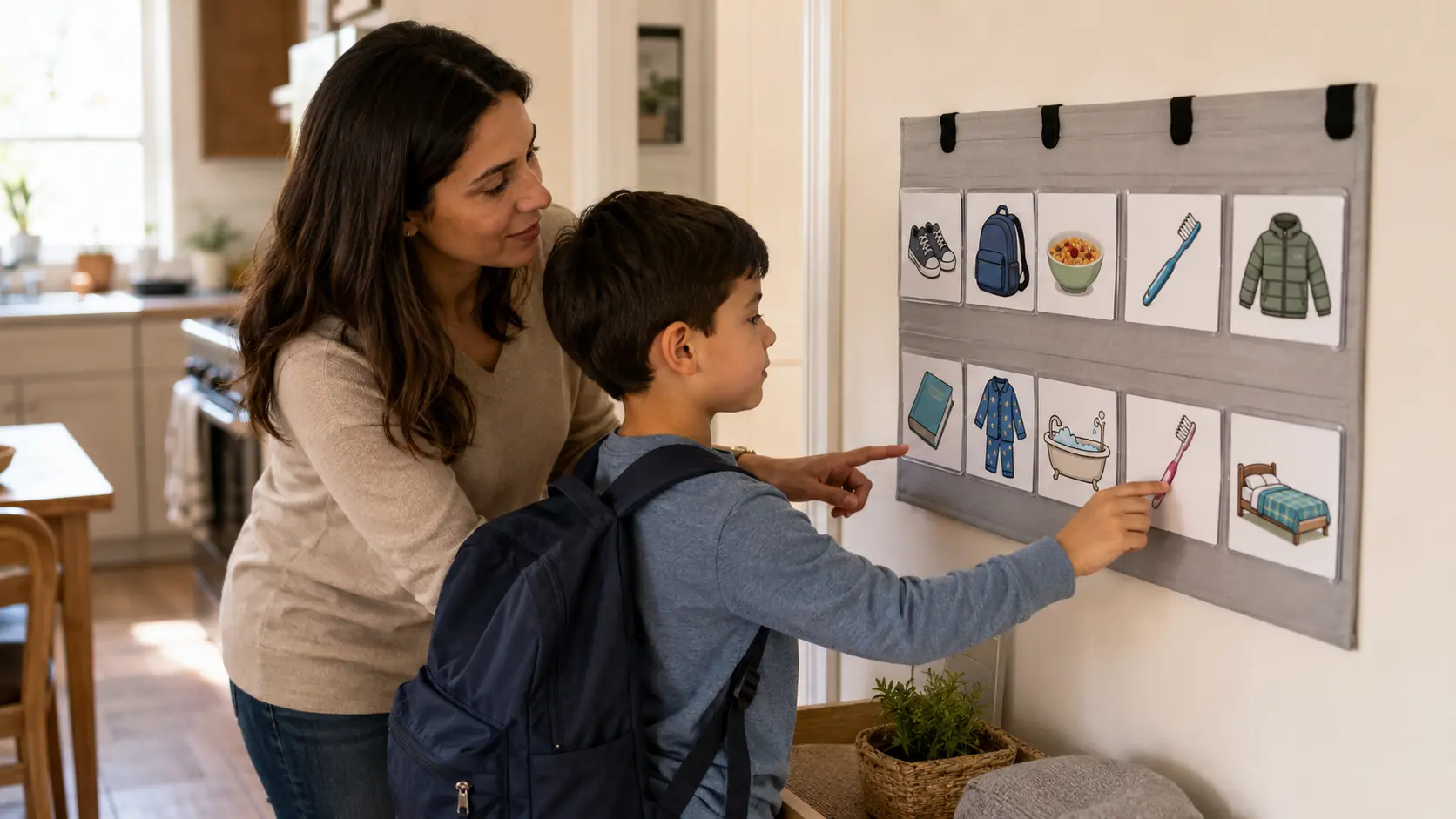
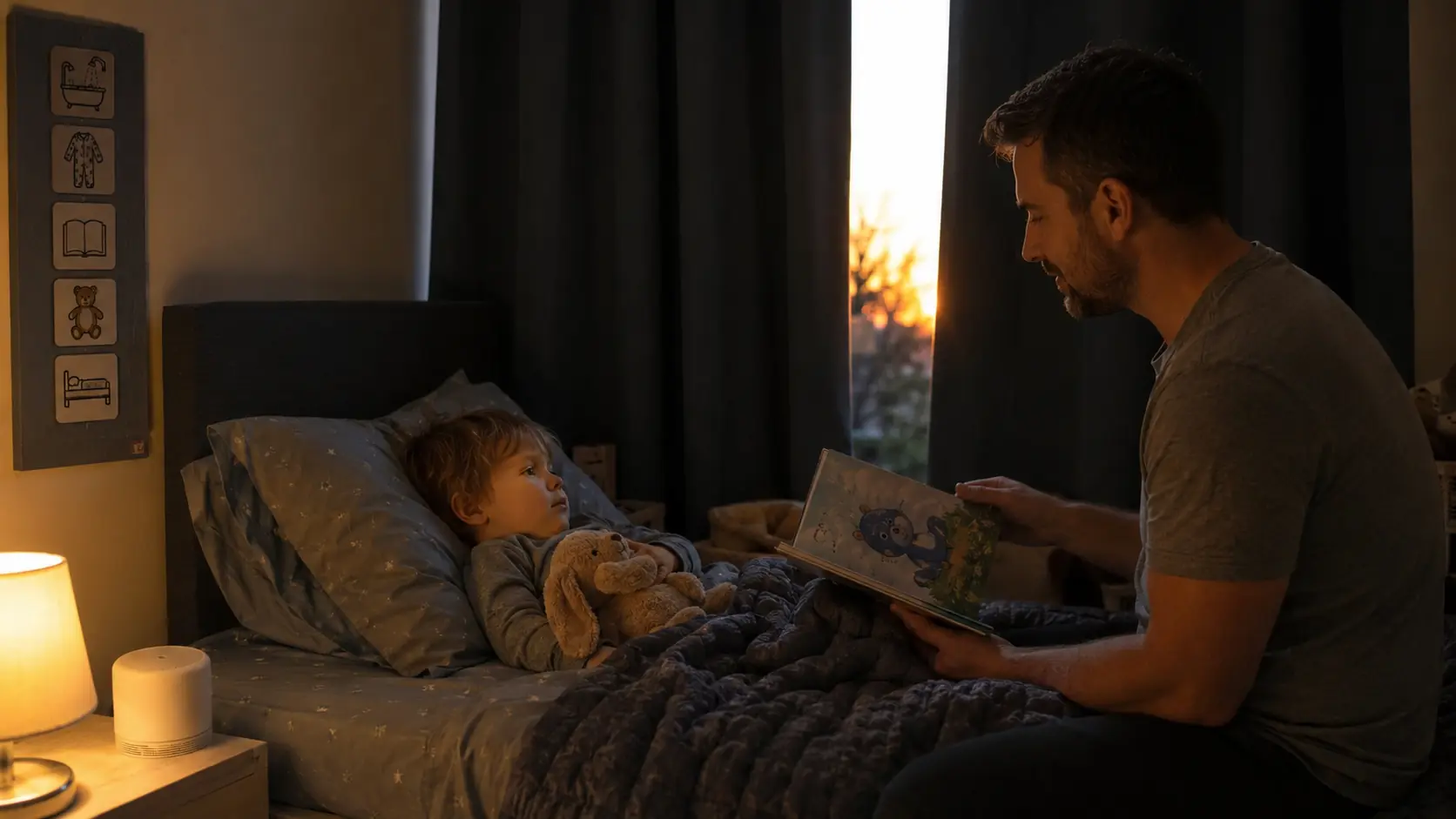
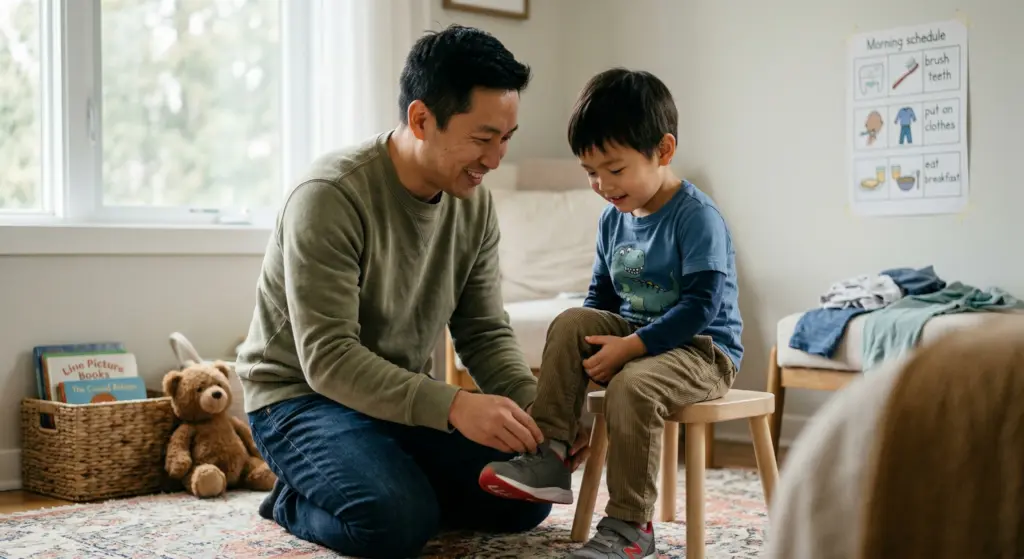
- Daily living skills: Getting dressed, brushing teeth, following routines. Building independence here may help reduce stress for the whole family.
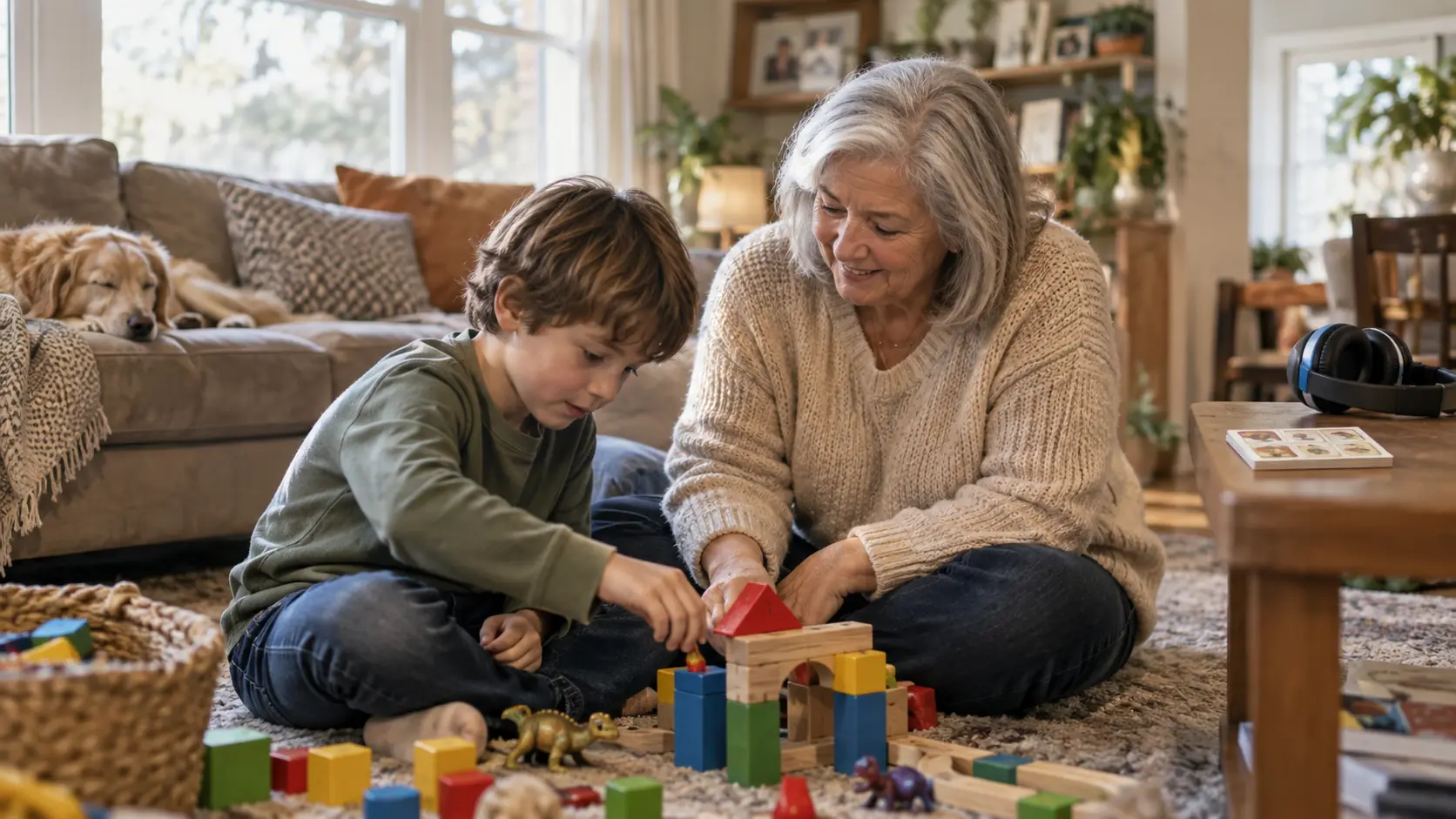
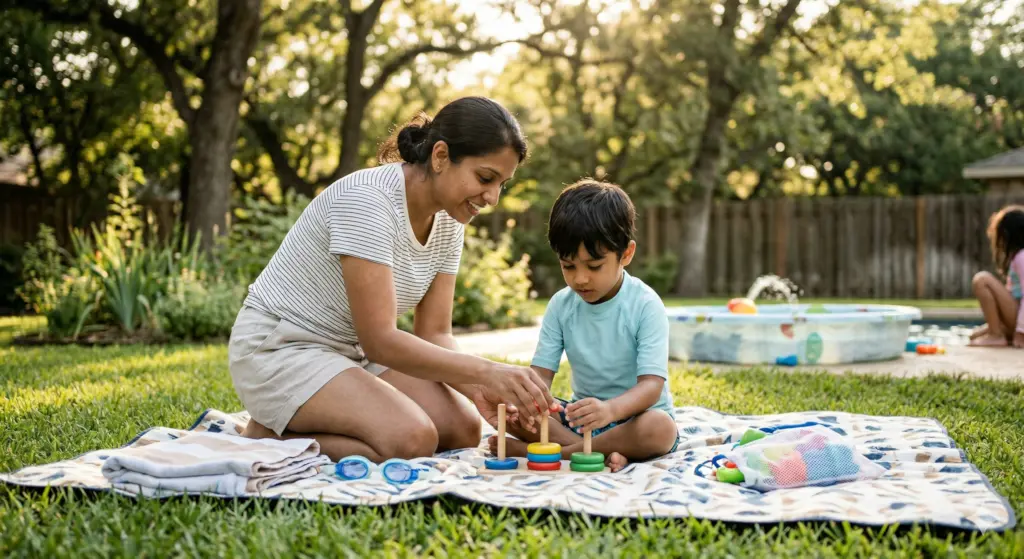
- Social and play skills: Taking turns, sharing, joining games—skills that may carry over to interactions with siblings and peers
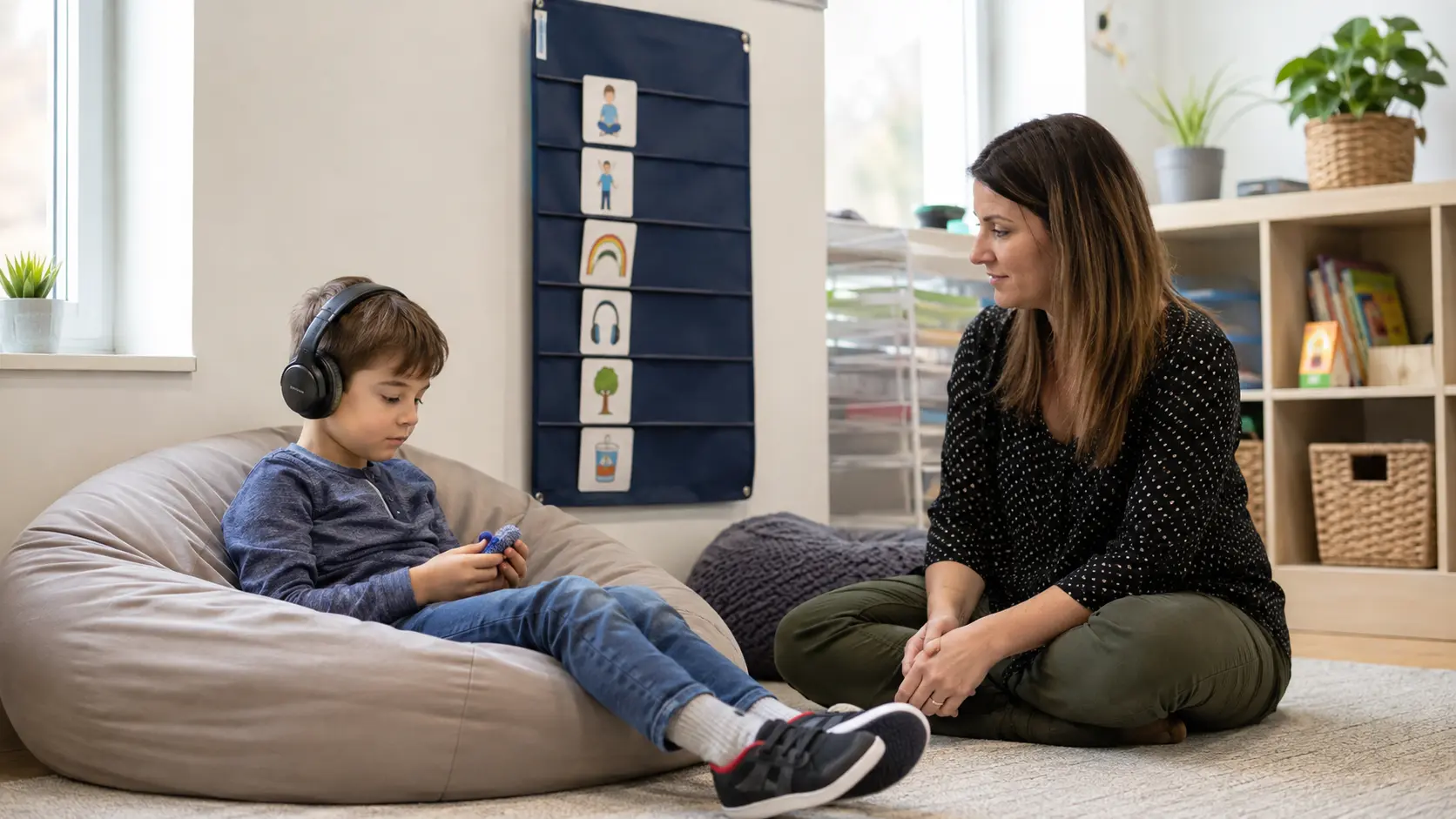
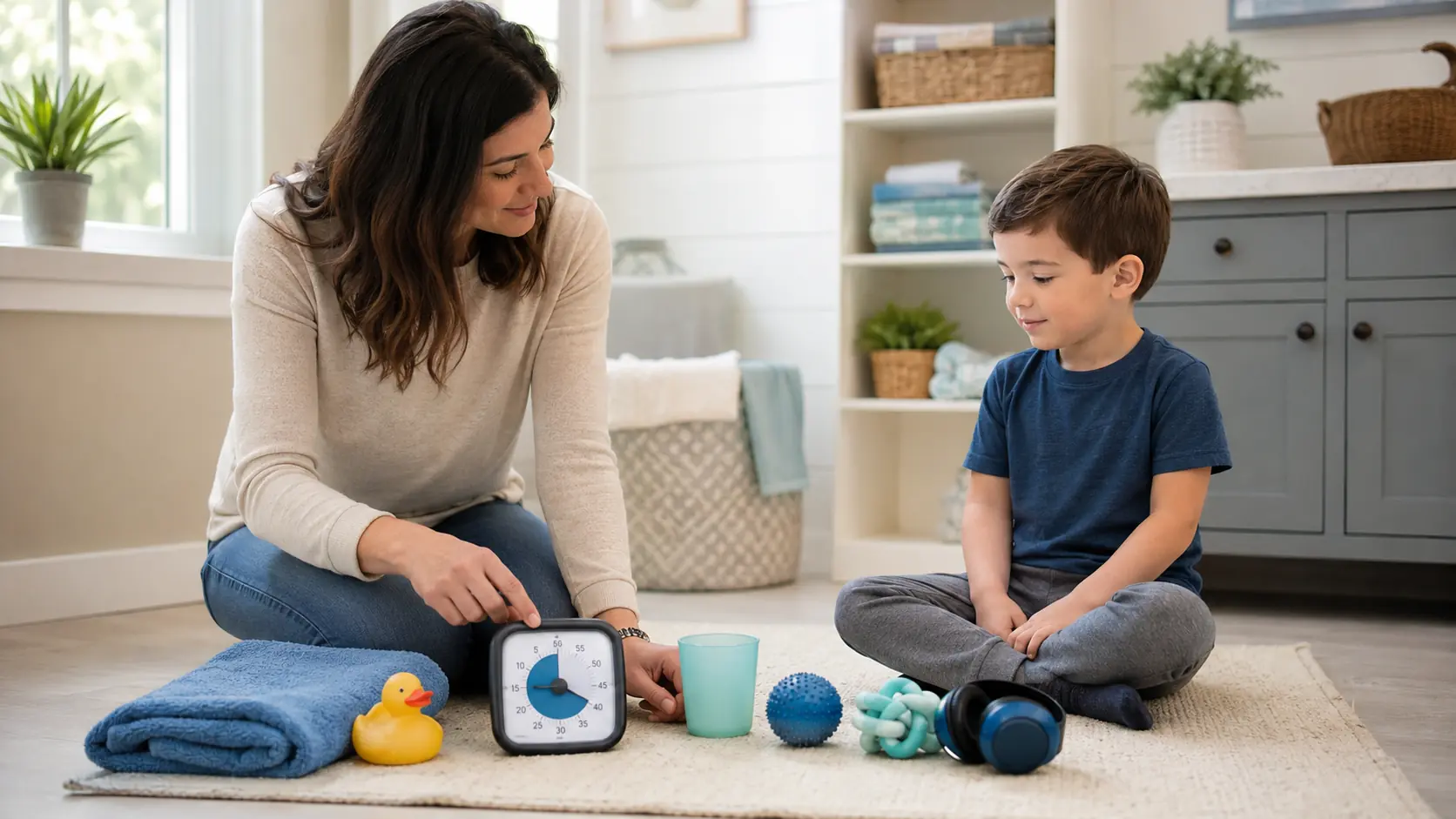
- Self-regulation: Strategies to manage emotions and navigate transitions
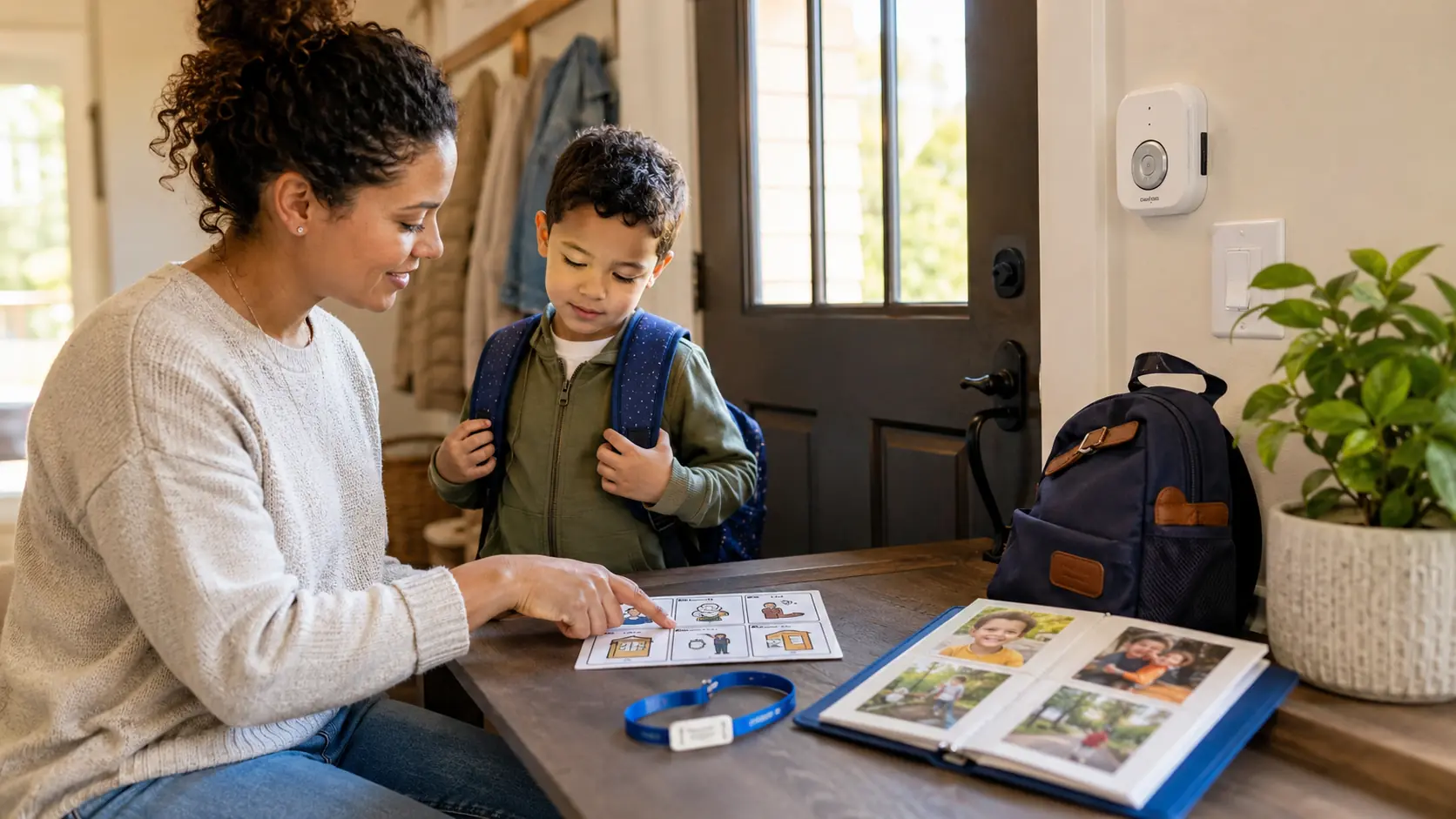
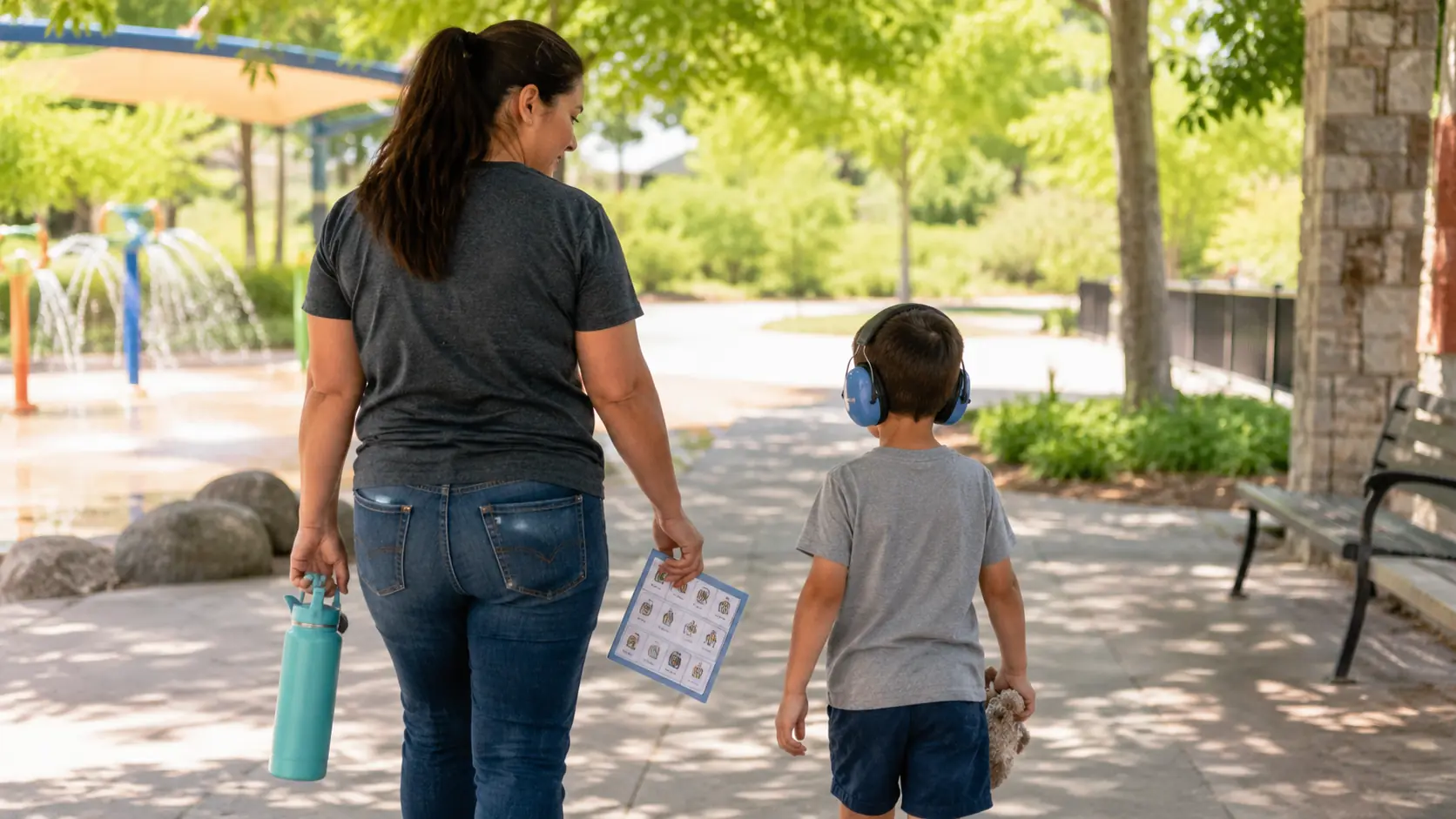
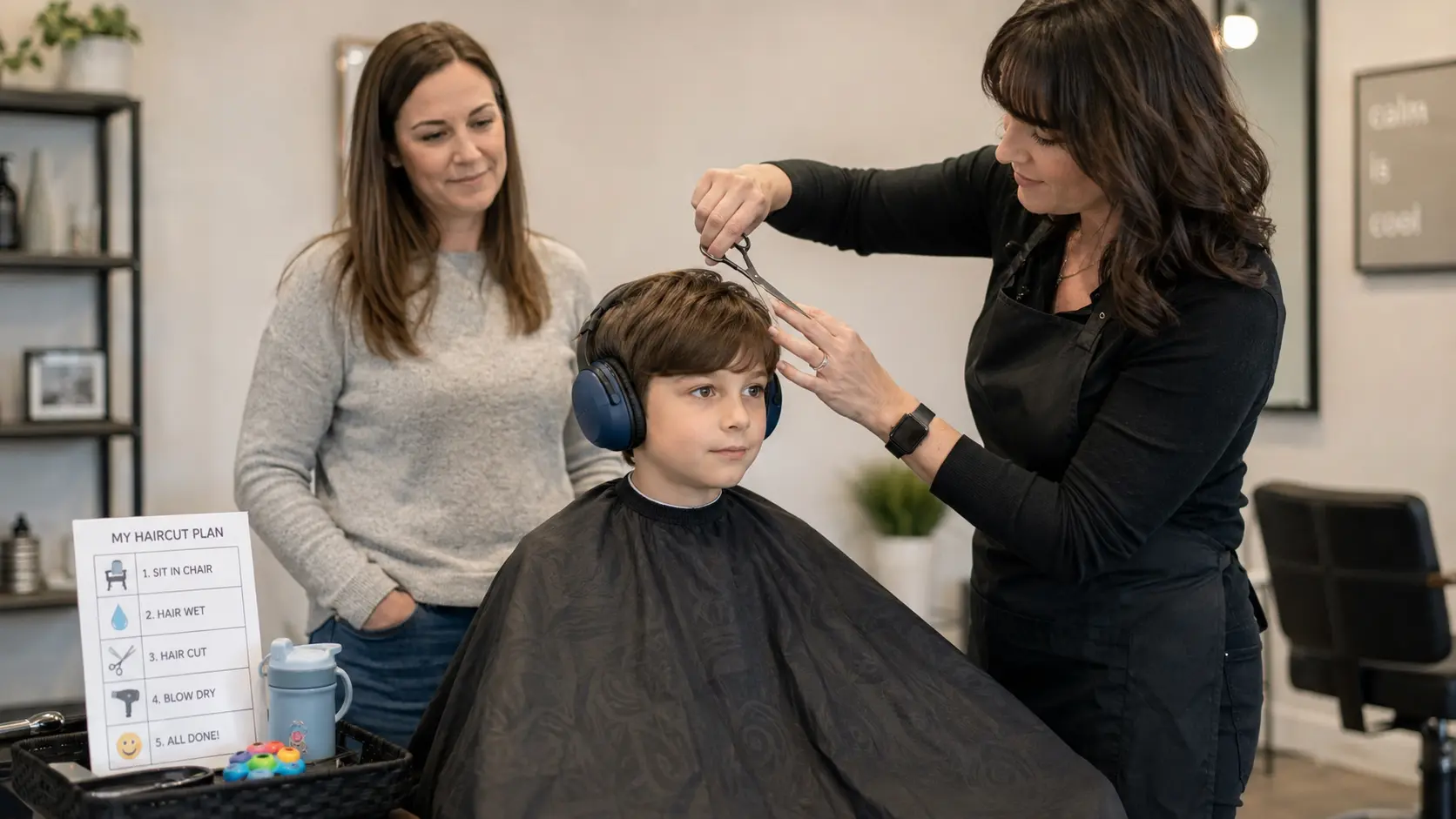
- Safety skills: Responding to name, stopping at curbs
When In-Home Makes Particular Sense
Home-based therapy can be helpful when challenges happen primarily at home (routines, meals, bedtime), your child learns best in familiar environments, you want real-time coaching, or generalization into daily routines is a priority.
When Another Setting Might Be Better
A different setting might work better if your home has significant distractions, goals are school-focused, or your family prefers clinic structure. A BCBA can help decide which setting—or combination—fits best.
What Happens During Home ABA Therapy Sessions?
The Team: RBT, BCBA, and Caregiver Roles
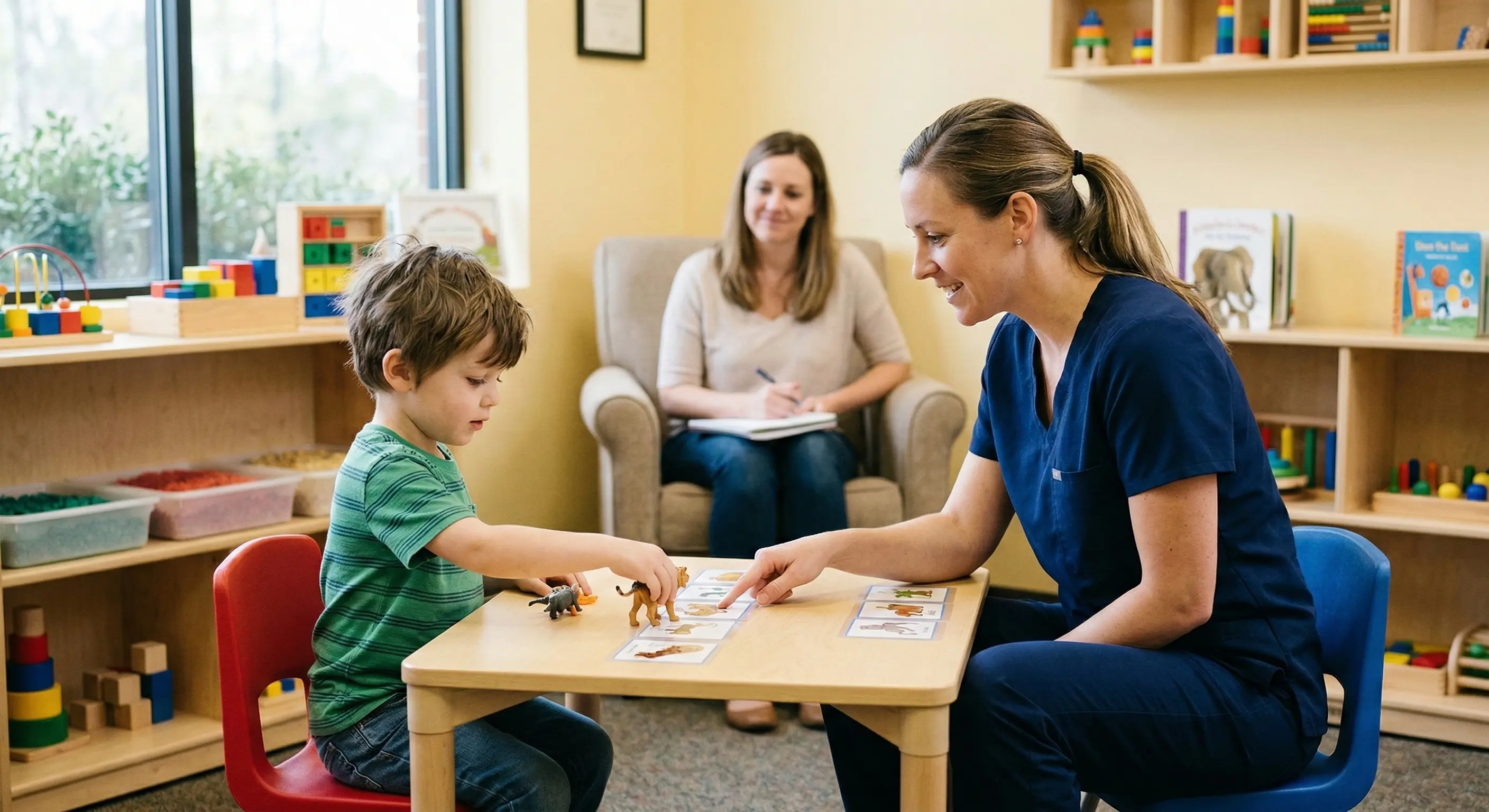
RBT (Registered Behavior Technician): Provides direct therapy, practices skills with your child, and collects data—under BCBA supervision.
BCBA (Board Certified Behavior Analyst): Designs the therapy plan, oversees progress, adjusts goals, and trains caregivers. BCBAs are graduate-level clinicians certified by the Behavior Analyst Certification Board (BACB).
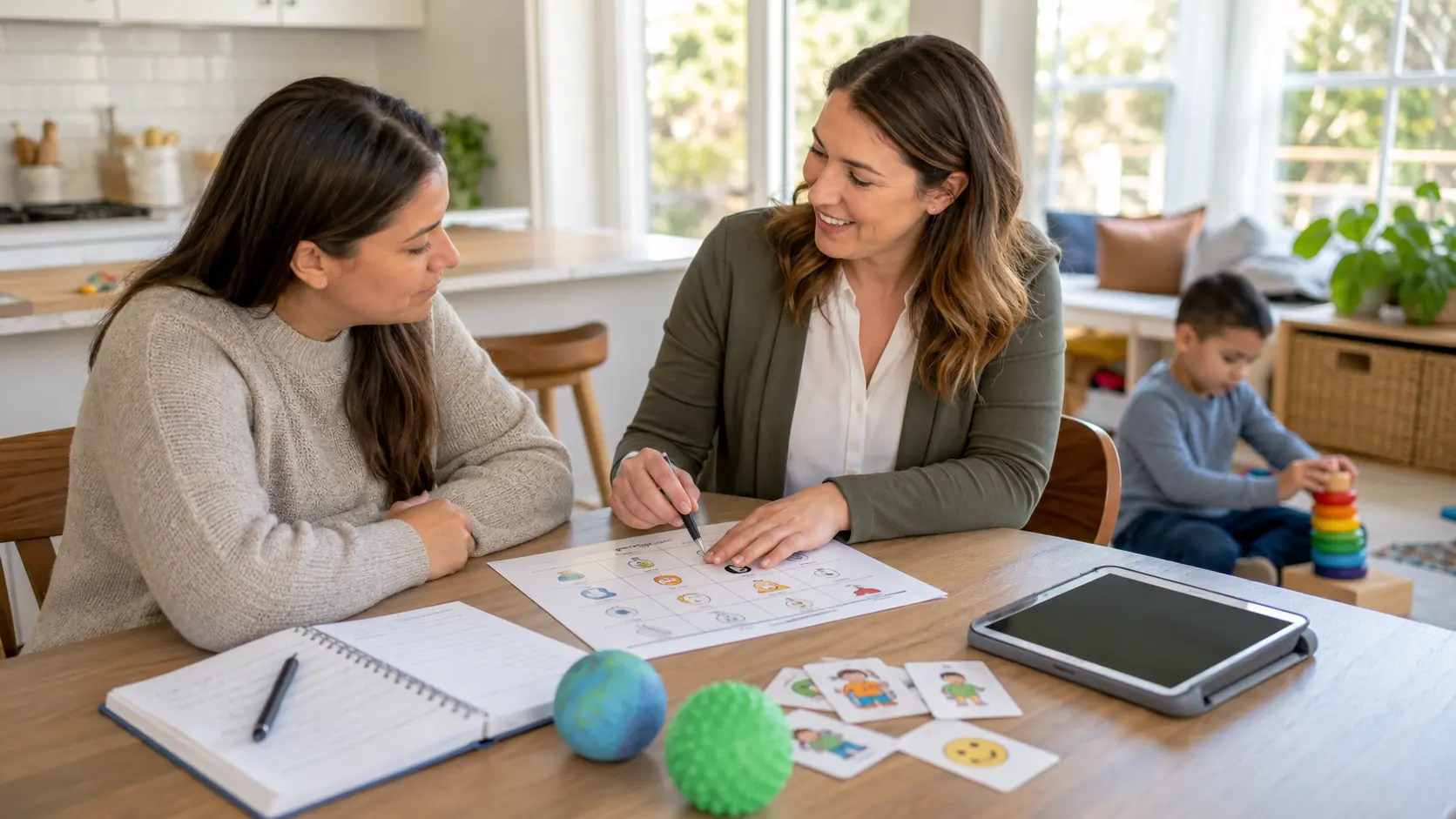
Caregiver: Shares priorities, provides context, and helps practice skills between sessions. The goal is practical tools that fit your life—not turning you into a therapist.
A Typical Session Flow
- Check-in: RBT connects with caregiver about sleep, schedule changes, or recent challenges
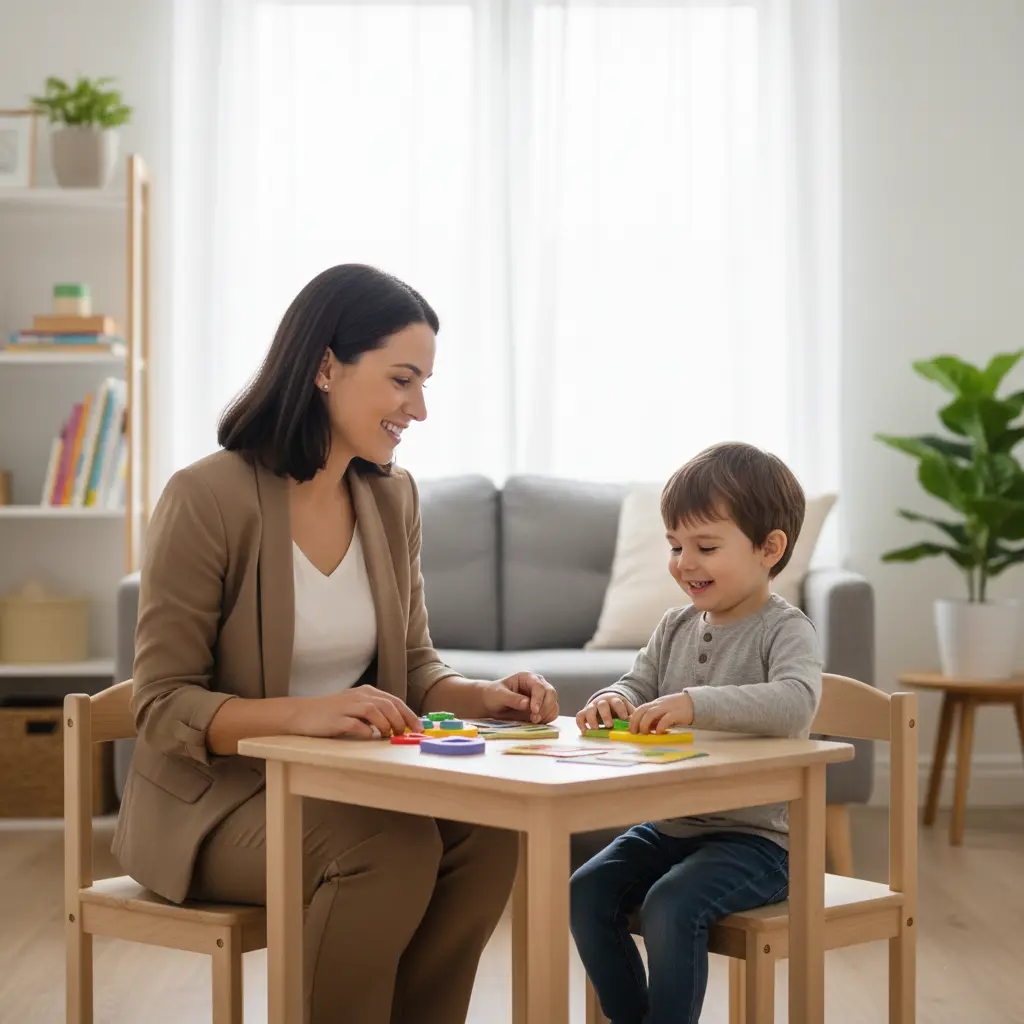
- Warm-up: Building rapport through play and preferred activities
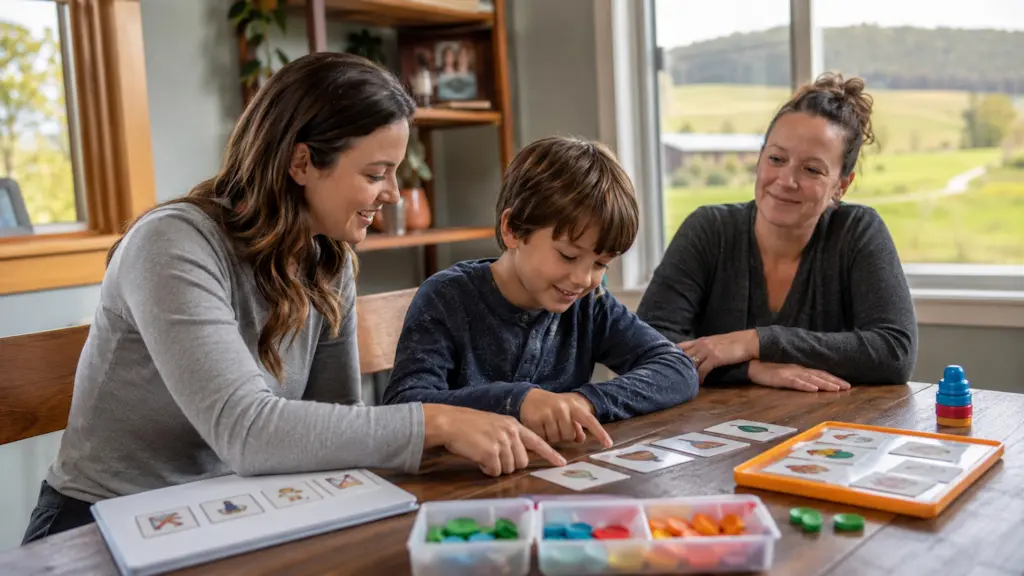
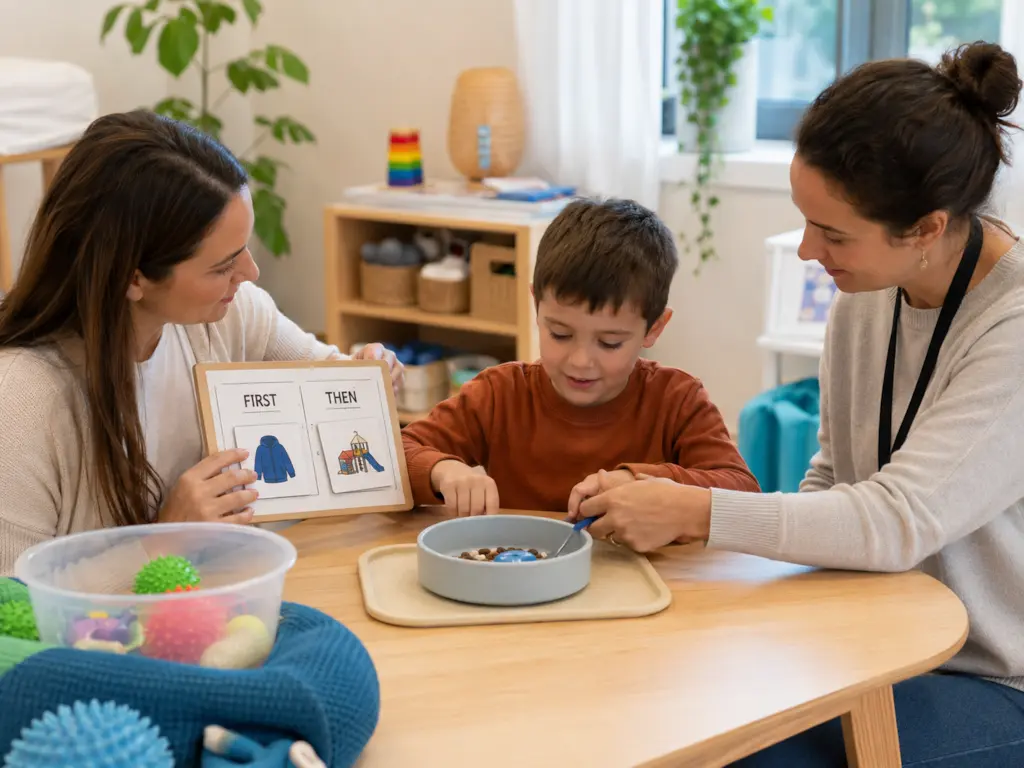
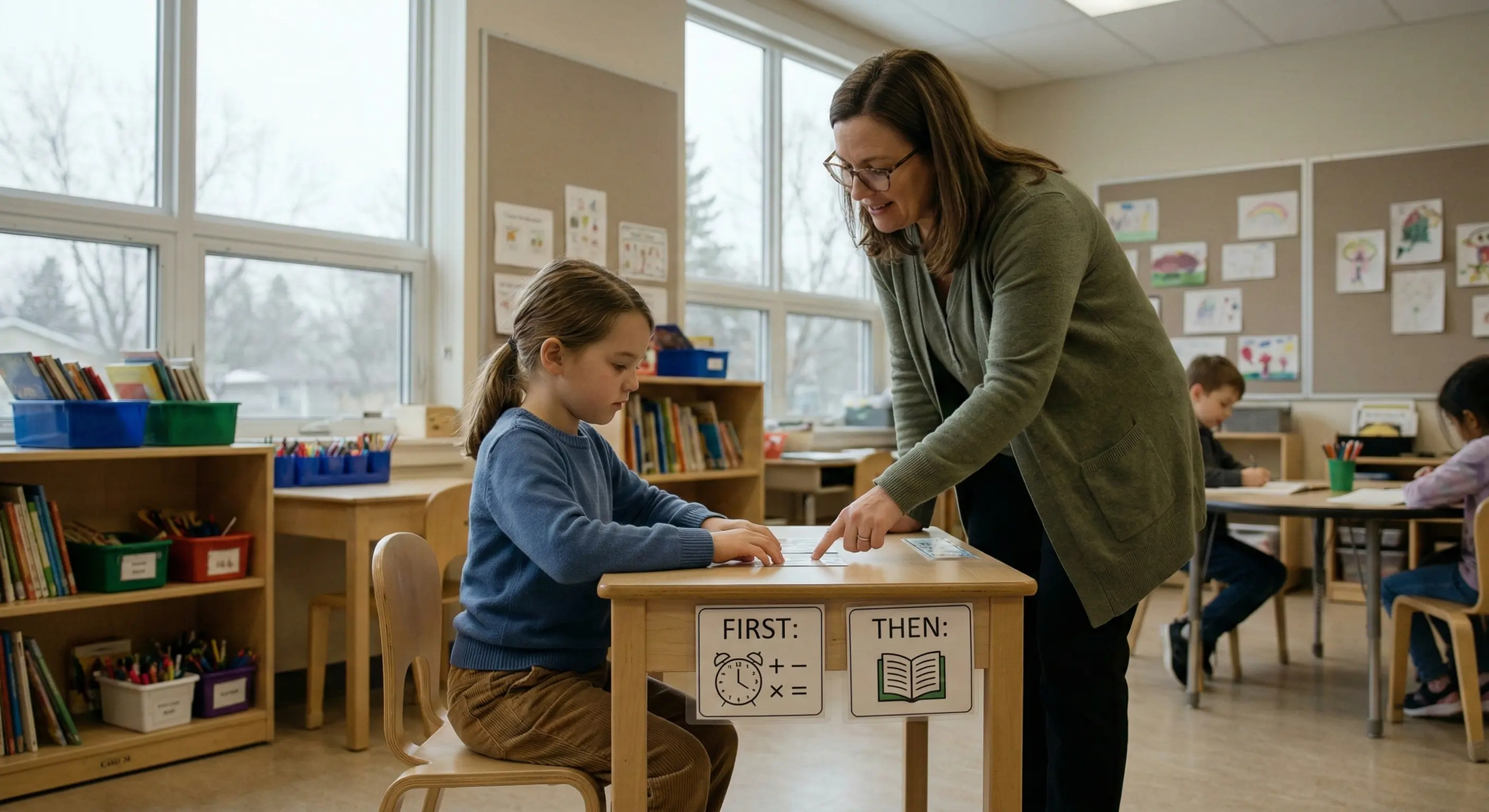
- Skill-building: Mix of structured teaching and play-based learning
- Natural environment teaching (NET): Practicing skills within real routines
- Behavior support: Teaching alternative skills and reinforcing more helpful behaviors. The goal is to build skills and support safer communication—not simply stop behavior.
- Data collection: Tracking progress throughout
- Wrap-up: Brief recap and one or two takeaways for caregivers
How Goals Are Chosen
Goals come from assessment results, family priorities, and functional needs. They're specific, measurable, and celebrate small wins along the way.
What "Progress" Looks Like
Progress often means skills becoming more consistent, fewer prompts needed, caregivers gaining confidence, and gradual increases in independence. Every child learns at their own pace—progress isn't always linear.
What to Expect at the Start of Home Based ABA Therapy
Assessment and Treatment Planning
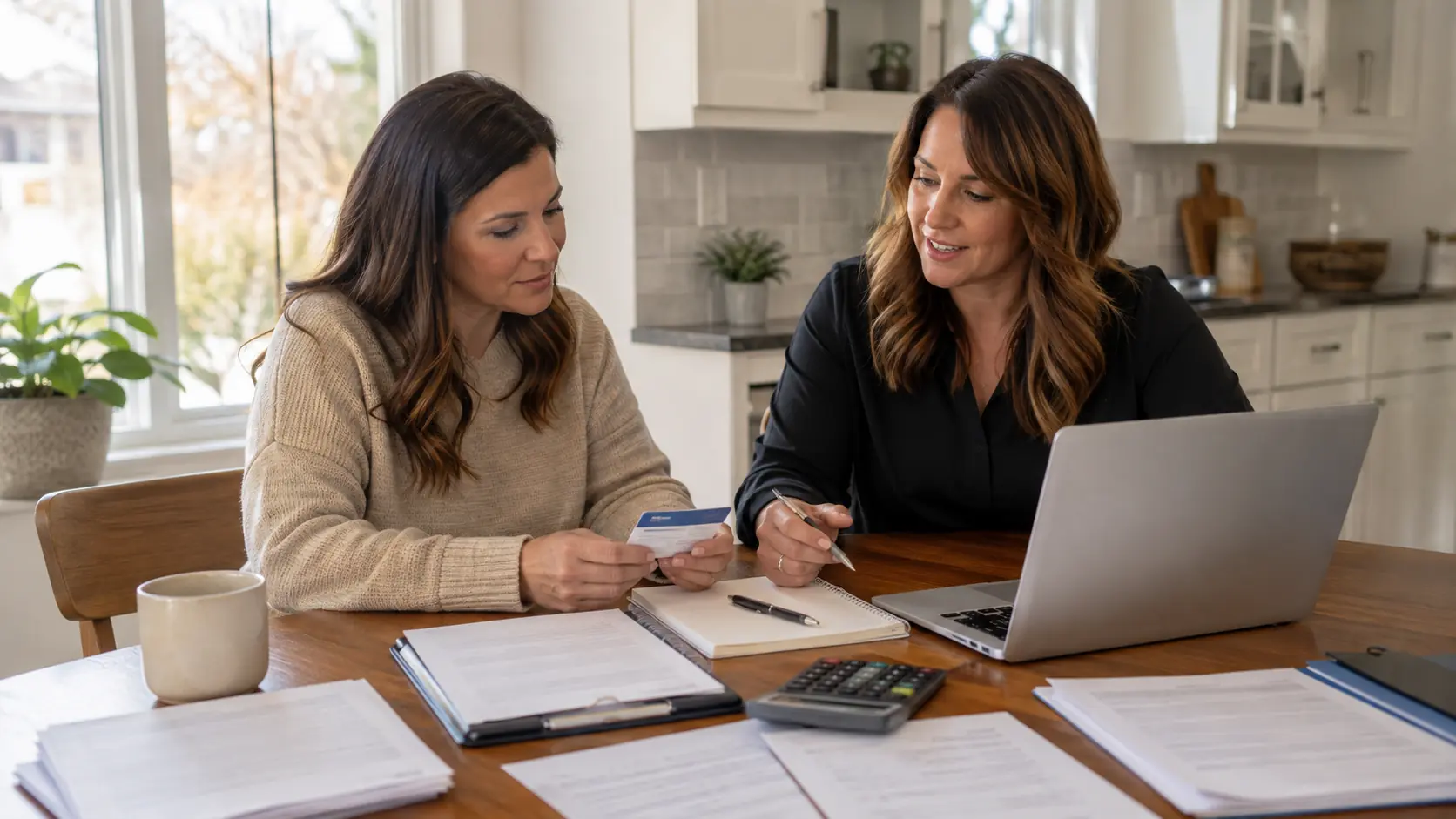
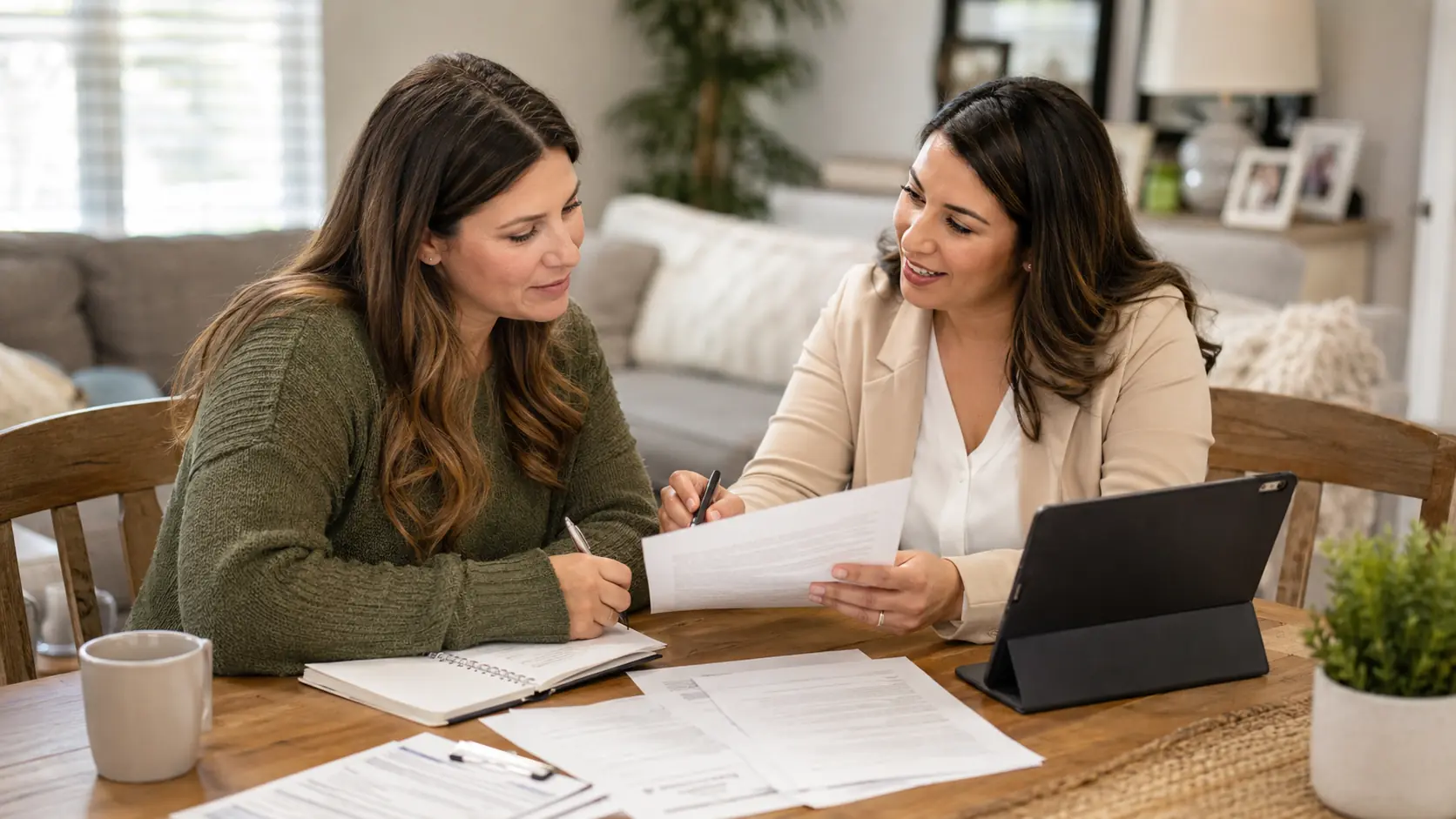
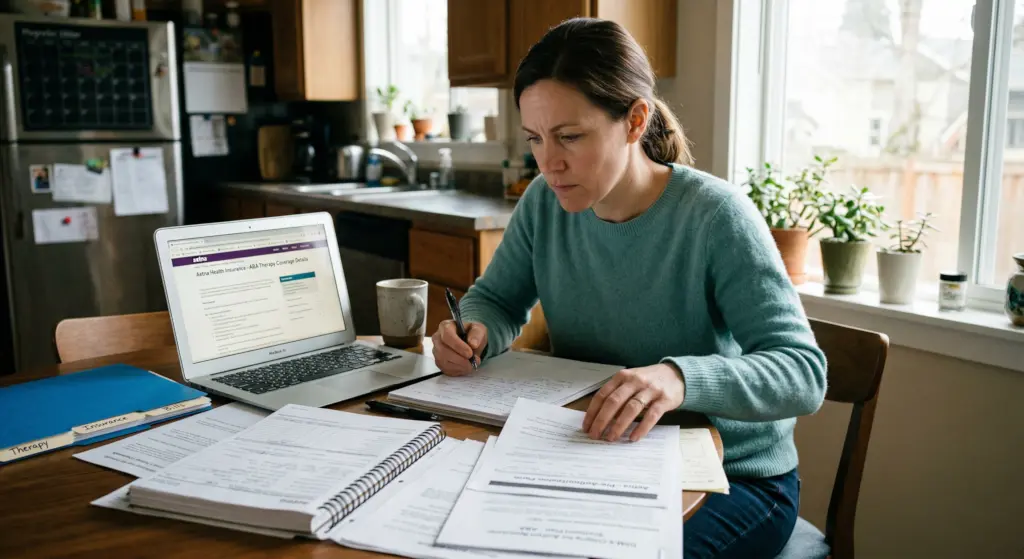
A BCBA conducts observation, caregiver interviews, and sometimes standardized assessments. Together, you'll develop an individualized plan with measurable goals. Insurance authorization may be required before services begin. [Internal: Insurance + ABA Coverage Guide]
Scheduling, Session Length, and Frequency
Session length and frequency are based on your child's individualized plan and medical necessity. Your BCBA will recommend a schedule and work with you to find times that fit.
BCBA Supervision and Plan Updates
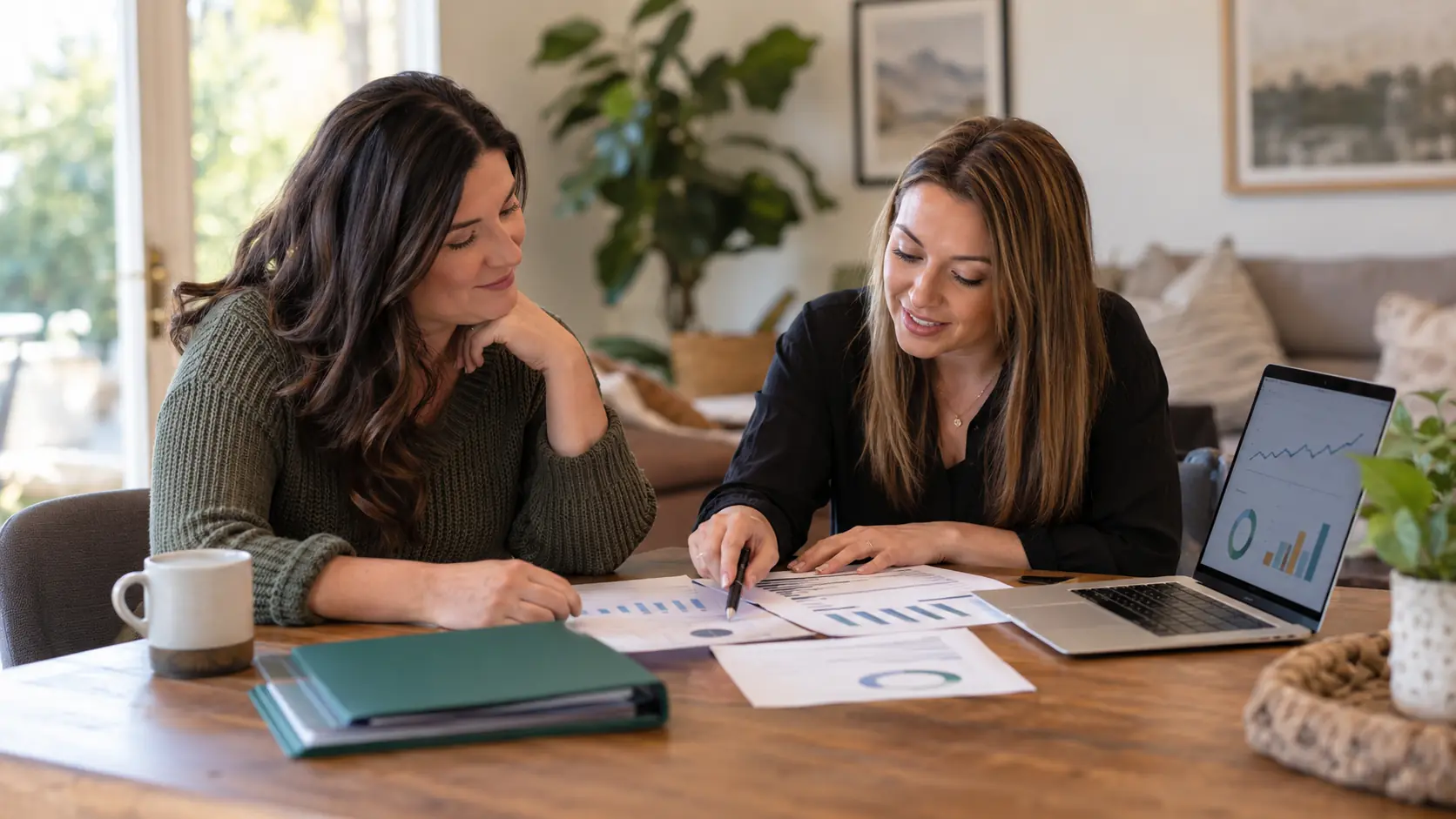
BCBAs provide ongoing supervision—observing sessions, reviewing data, and adjusting plans. You'll have regular opportunities to connect, ask questions, and share observations.
How to Prepare Your Home for ABA Therapy at Home
Setting Up a Simple Therapy Space
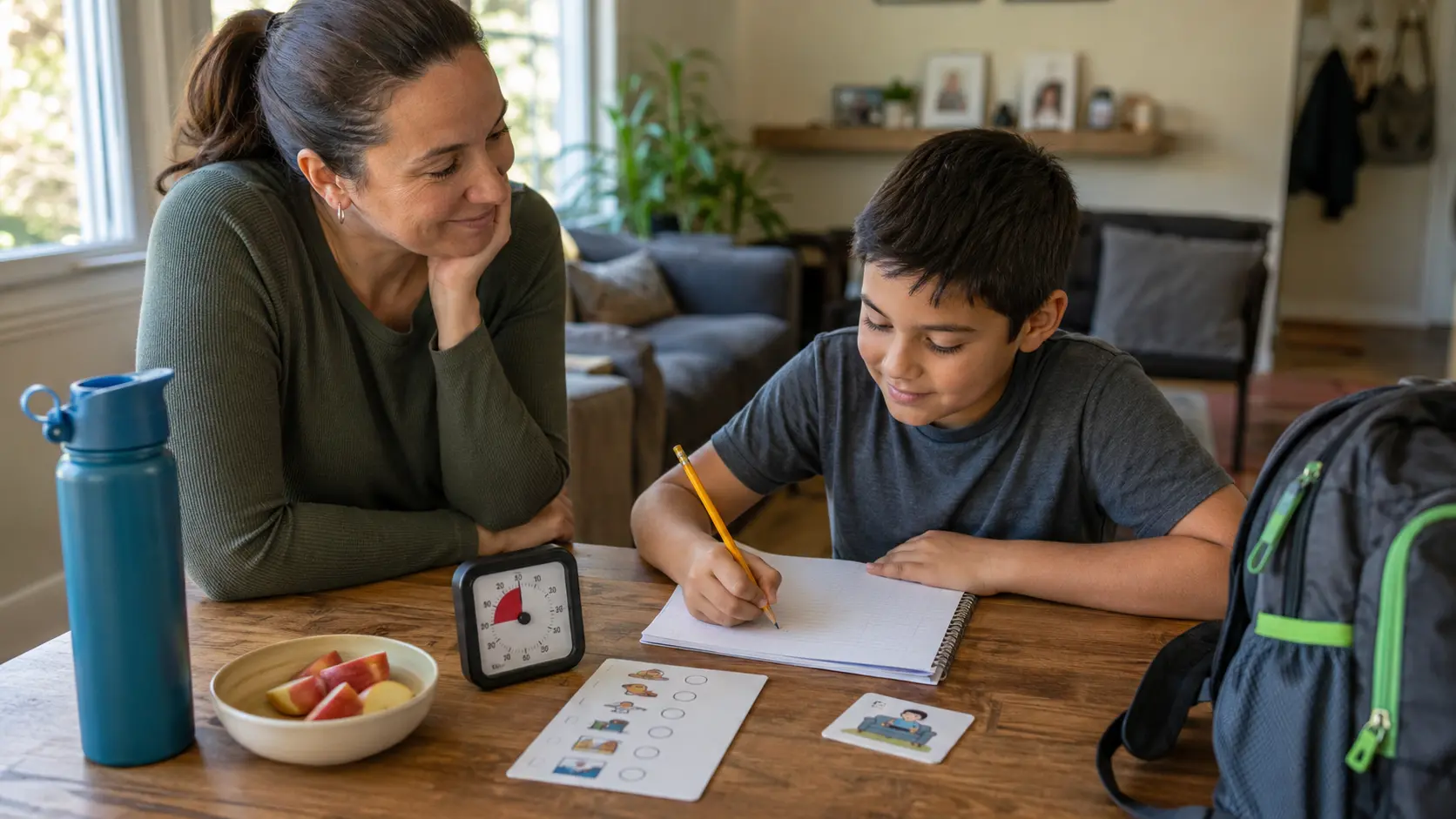
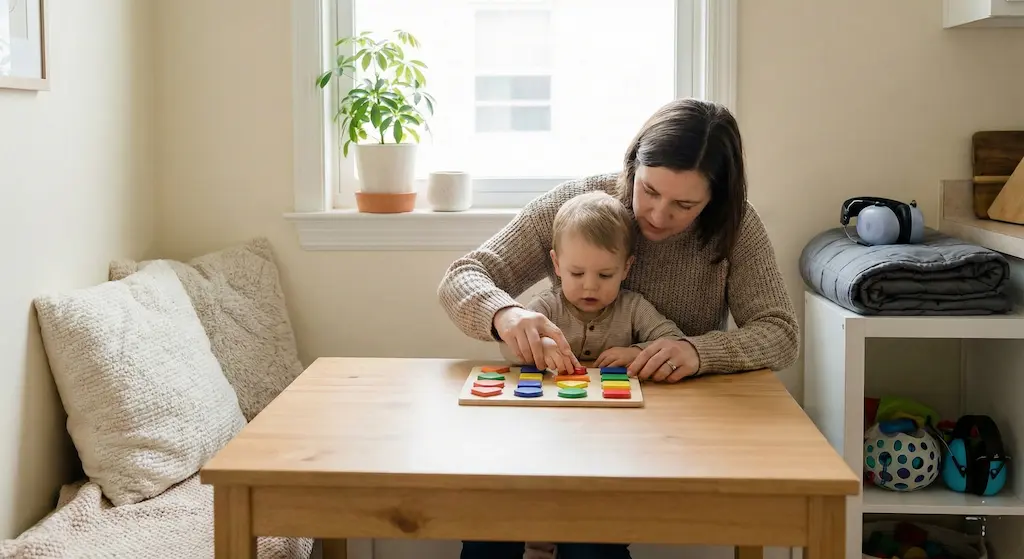
A small, quiet area works well—a corner of a room or kitchen table. Keep preferred materials nearby and have safe storage for therapy items. No need for a clinical setup.
Managing Siblings, Pets, and Routines
Plan quiet activities for siblings during sessions. Keep pets in another room if distracting. Maintain normal routines—in-home ABA is designed to fit real life.
Caregiver Participation: How Involved Do You Need to Be?
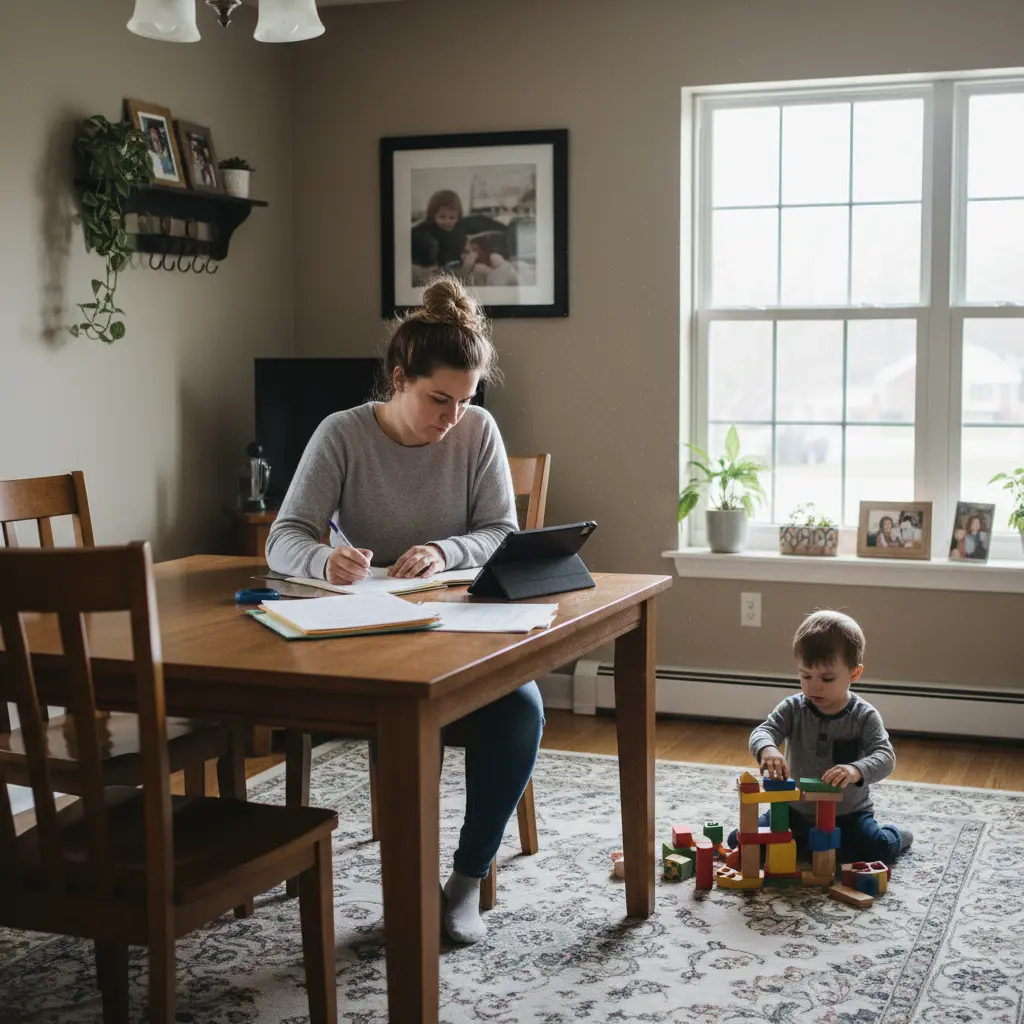
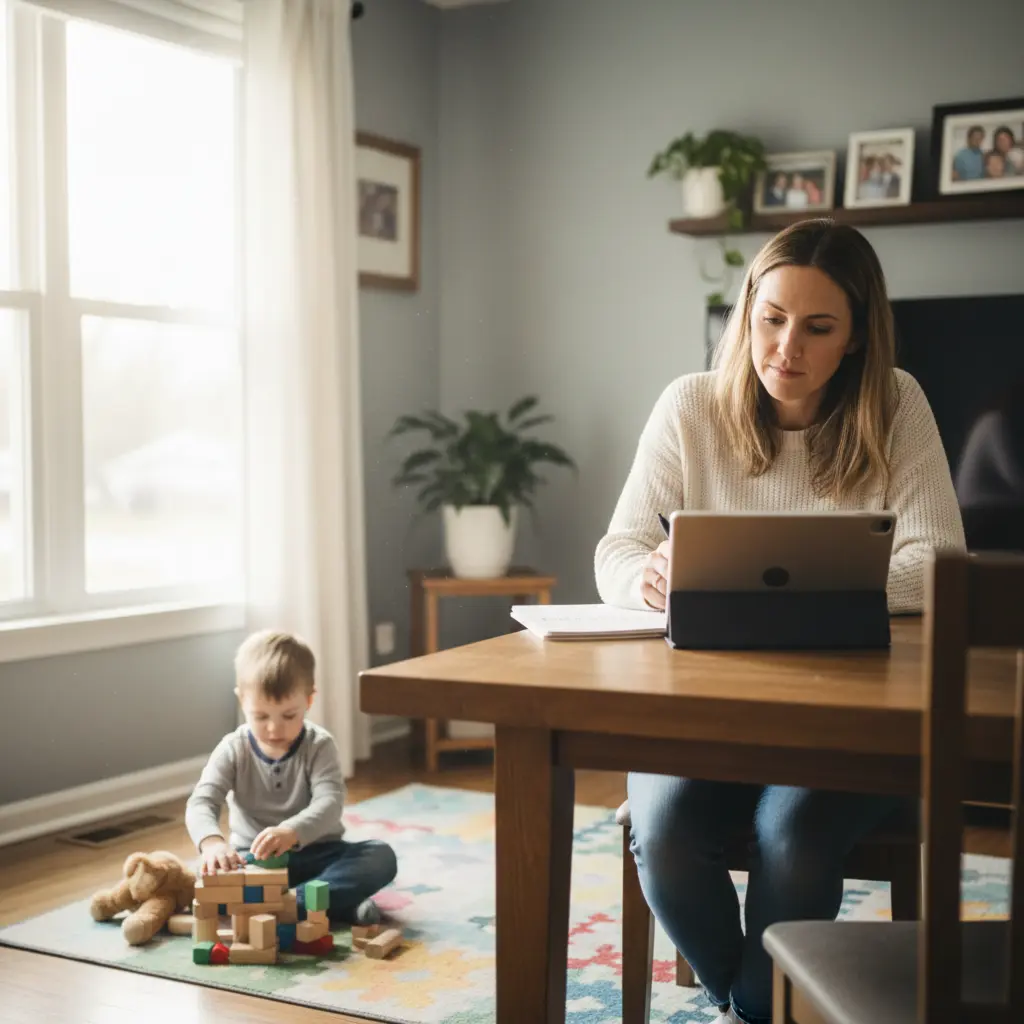
You don't need to be present every minute. Brief check-ins, occasional observation, and short coaching moments are typical. If you're stretched thin, let your BCBA know—they may be able to adjust expectations.
Benefits and Limitations of In-Home ABA Therapy
Benefits
- Skills practiced where needed most: Learning routines in the actual spaces may help skills carry over more naturally
- Supporting generalization: Less gap between "therapy time" and real life; skills may transfer more directly
- Real-time coaching: See strategies in action and get guidance for your specific routines
Limitations
- Distractions and privacy: Busy households can make focus difficult
- Space constraints: Some children may find it harder to "switch gears" into learning mode at home
- Some goals need other settings: School or community practice may be necessary [Internal: School/Daycare ABA Support]
A BCBA can help weigh options and create a plan that fits.
When to Talk to a Pediatrician or BCBA
Reach out if you notice regression in skills, sudden or significant behavior changes, safety concerns (for example, self-injury that causes injury, aggression that risks harm, or wandering/elopement), new physical symptoms, or feeding/toileting difficulties that worry you.
Sudden behavior changes can sometimes be related to underlying medical or wellness factors. ABA therapy can be most helpful when it's part of a coordinated care approach with speech, OT, and other providers.
How AtlasCare ABA Supports Families With In-Home ABA Therapy
AtlasCare ABA is your "North Star"—partnering with families through decisions, challenges, and milestones. Our focus areas—self-regulation, communication, social skills, and daily living—are chosen to support skills that many families want to strengthen in daily life.
Our process: Assessment → Ongoing RBT sessions → BCBA supervision → Parent training → Team coordination → Celebrate success
Next Steps: Choosing a Provider and Getting Started
Checklist: Verify credentials (BCBA, RBT), ask about supervision frequency, confirm parent training is included, ensure goals tie to functional skills, understand communication and data practices, and review safety policies.
Trust your instincts—a good provider will answer questions openly and treat you as a partner.
AtlasCare ABA is here to be your North Star—partnering with families through each step of the ABA journey. Our team supports children with autism through skill-building in communication, self-regulation, social skills, and daily living, with assessment, in-home sessions, BCBA supervision, and parent training.
Call 888-838-7222 or email info@atlascareaba.com. Serving Iowa, North Carolina, and New Mexico.


.webp)

.webp)
.webp)
.webp)
.webp)



.jpg)
.webp)

.webp)
.webp)




%20During%20Play%20in%20the%20Home.webp)