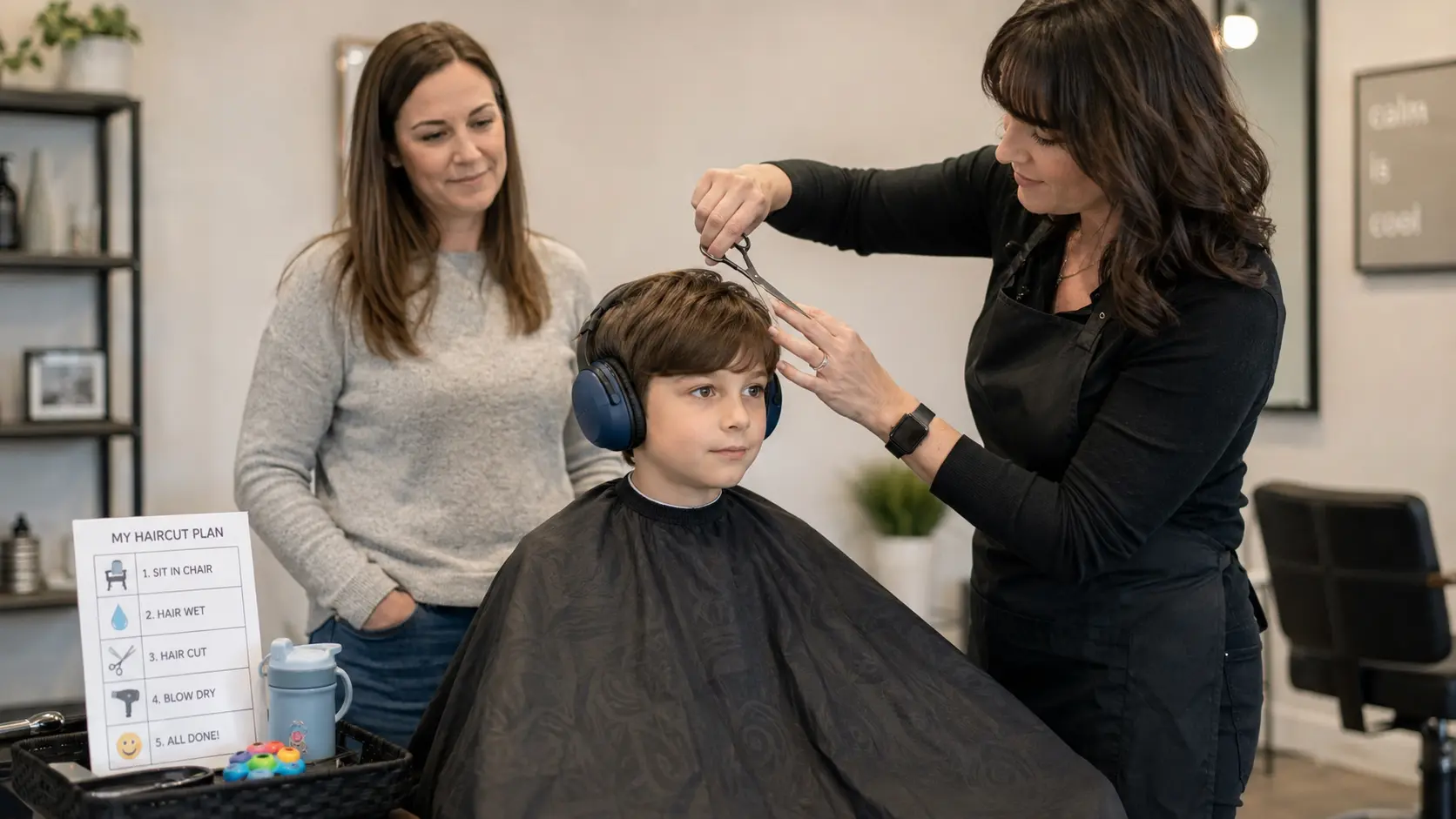
Haircut Without the Meltdown: 5 Tips for Kids with Sensory Issues
For many parents, the weeks before a haircut appointment carry their own kind of dread. Not because of the haircut itself, but because of everything that comes with it — the buzzing clippers, the scratchy cape, the spray bottle, the bright lights bouncing off the mirror, the hands moving around a child's face and ears in ways that cannot be fully predicted or controlled. Searching for autism haircut tips that actually work is something a lot of families have quietly done at two in the morning, hoping for a plan that is realistic rather than relentless.
If your child panics, screams, or shuts down during haircuts, the first thing to know is that this is often not defiance or misbehavior. It is usually a sensory mismatch— a situation that asks for more than a child's nervous system can comfortably give, at least without preparation. The strategies that help most are not about getting through the haircut faster or holding on tighter. They are about building familiarity, reducing unpredictability, and teaching your child, gradually, that this is something they can navigate.
Why Haircuts Are a "Sensory Nightmare" for Some Kids With ASD
A haircut involves an unusually dense concentration of sensory demands. Consider what is actually happening from a sensory perspective: the skin on the scalp and neck is highly sensitive tactile territory, and it is being touched repeatedly by hands and tools. The sound of clippers is unpredictable in timing and pitch. Water from a spray bottle arrives suddenly and cold. The cape restricts movement. Bright overhead lighting creates visual intensity. The smell of salon products may be strong and unfamiliar. And throughout all of it, the child is expected to sit still in a chair, often in front of their own reflection in a mirror, without being able to see exactly what is happening behind or above them.
For children with tactile defensiveness — a heightened sensitivity to touch that makes certain textures or unexpected contact feel genuinely uncomfortable or even painful — a haircut can feel overwhelming very quickly. The child is telling you, in whatever way they have available, that this is too much.
It is also worth noting that this experience varies significantly from child to child. Understanding which specific aspects are hardest for your child is the starting point for building a plan that actually fits them — and sensory processing differences are individual enough that what works well for another family's child may not be the right starting point for yours.
5 Proactive Steps Before You Reach the Salon
The appointments that tend to go better are almost always the ones where preparation happened at home before the family left the house. Here are five concrete steps that support autism haircut preparation and can make a real difference to how an appointment unfolds.
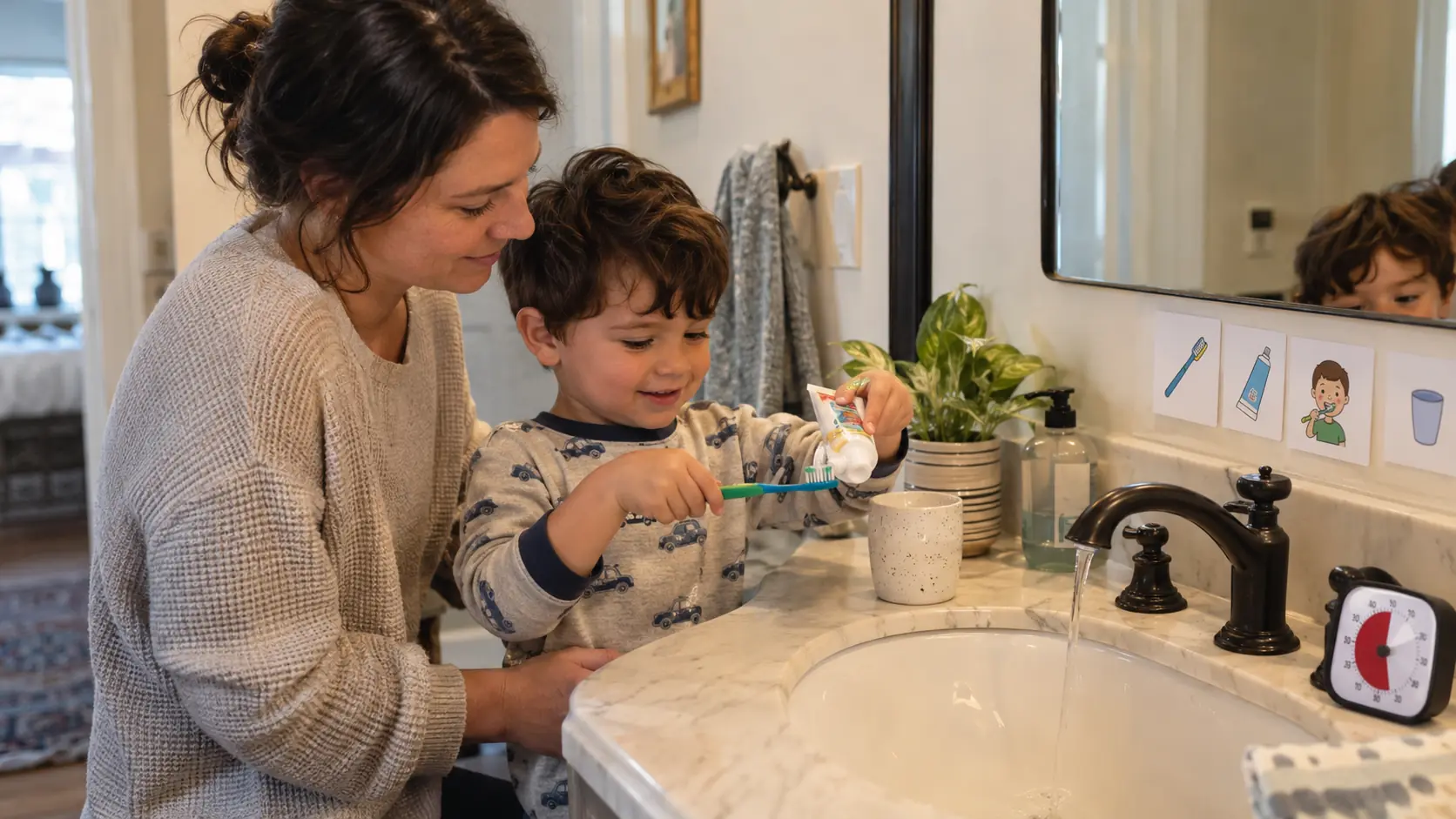
1. Rehearse the physical sensations at home. Before a salon visit, practice at home with whatever tools are available. Run a comb or soft brush through your child's hair while they sit in a chair. Use a spray bottle with warm water and let them feel the mist on their hand first, then their neck. Hold a turned-off clipper against your own arm so they can see it, then offer it to them to hold. None of this needs to accomplish tolerance of everything at once — it simply makes each element a little more familiar before it happens in the unfamiliar environment of a salon.
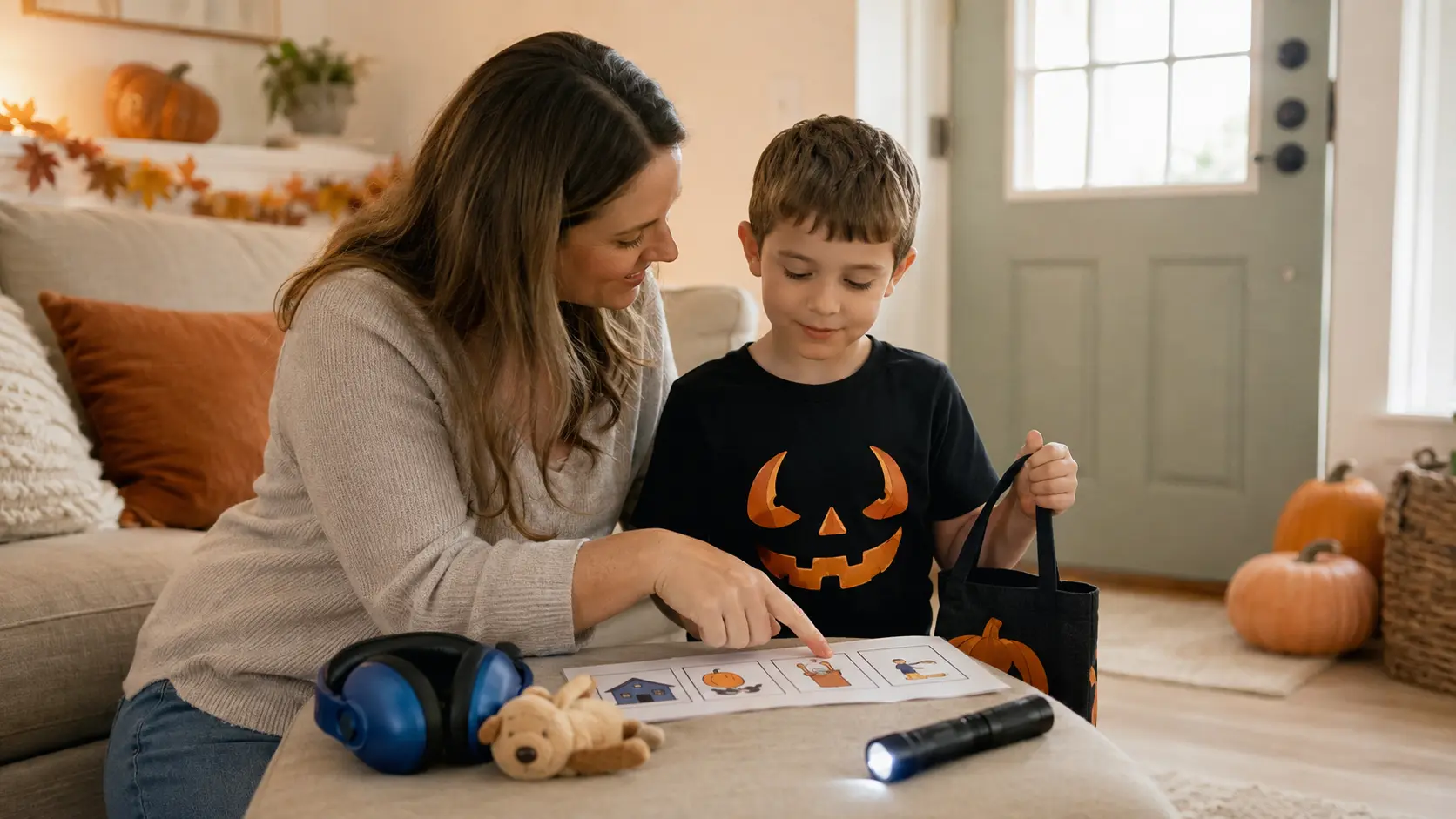
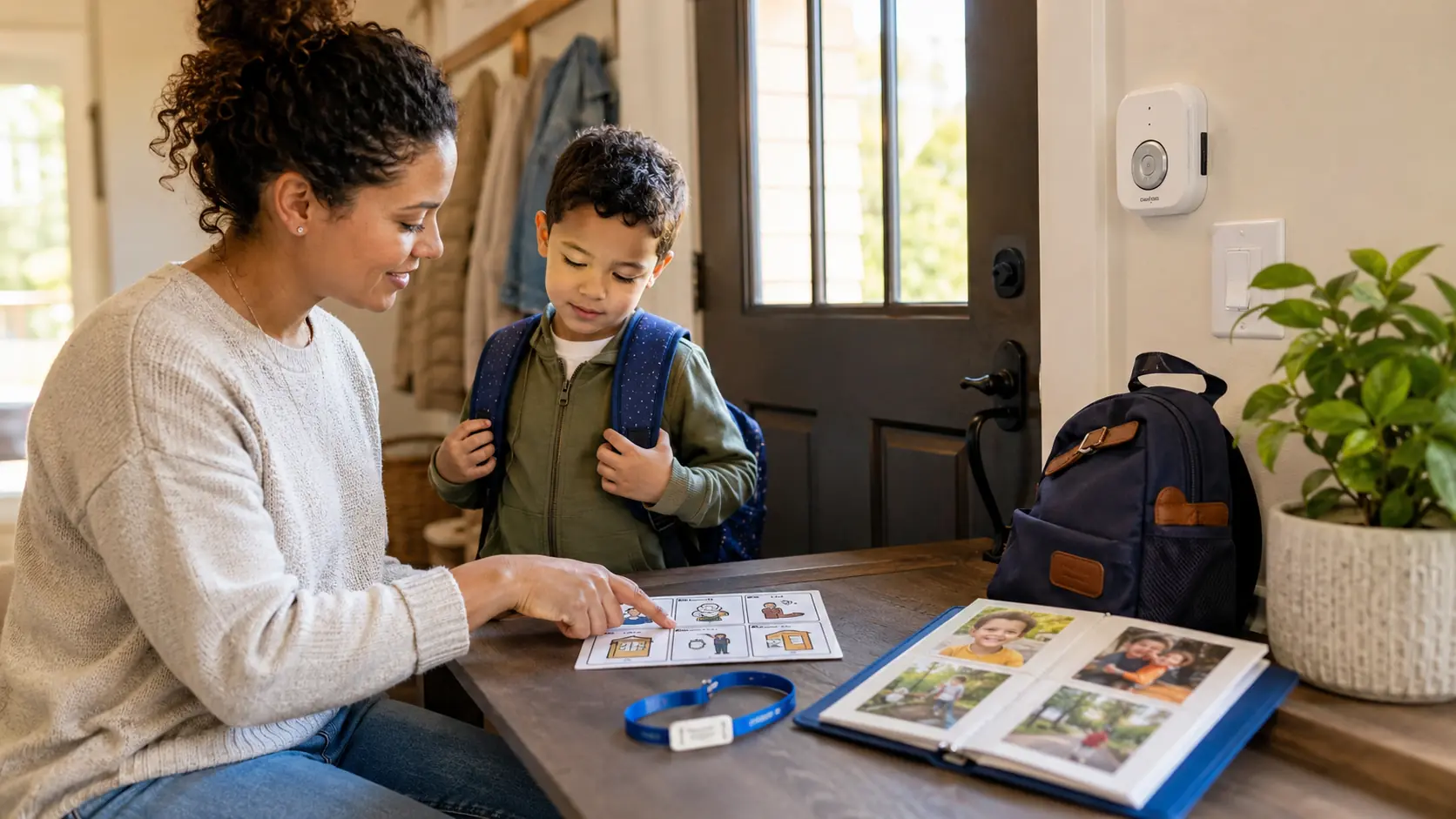
2. Create a social story about the haircut process. A social story is a short, first-person narrative written or illustrated to help a child understand what is going to happen, how it might feel, and what they can do if they need support. For haircuts, a simple story might walk through: getting in the car, arriving at the salon, sitting in the chair, hearing the clippers, feeling the cape, and finishing the cut. Reading the social story together in the days before the appointment is a form of rehearsal that gives the child a mental map of what is coming.
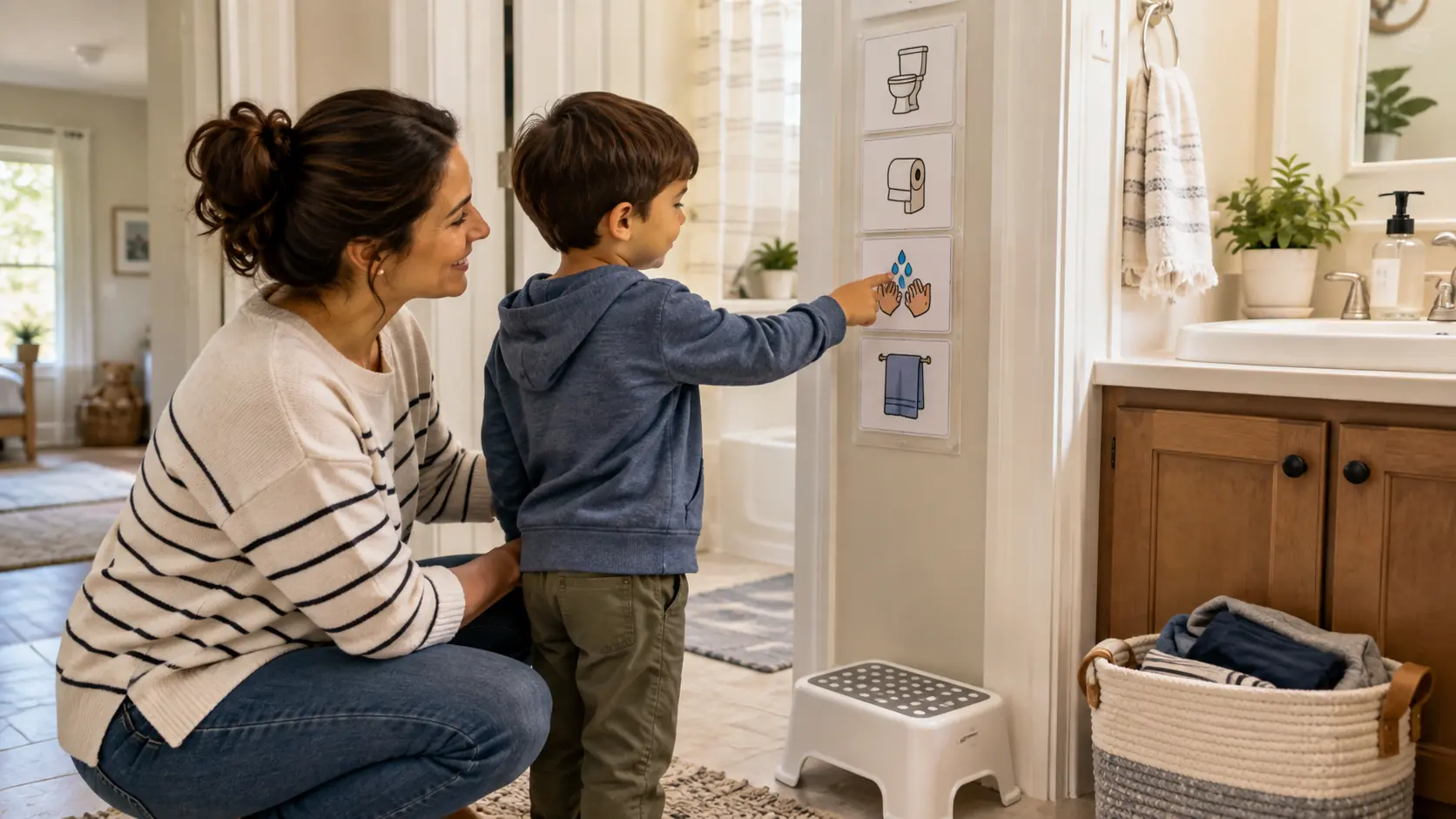
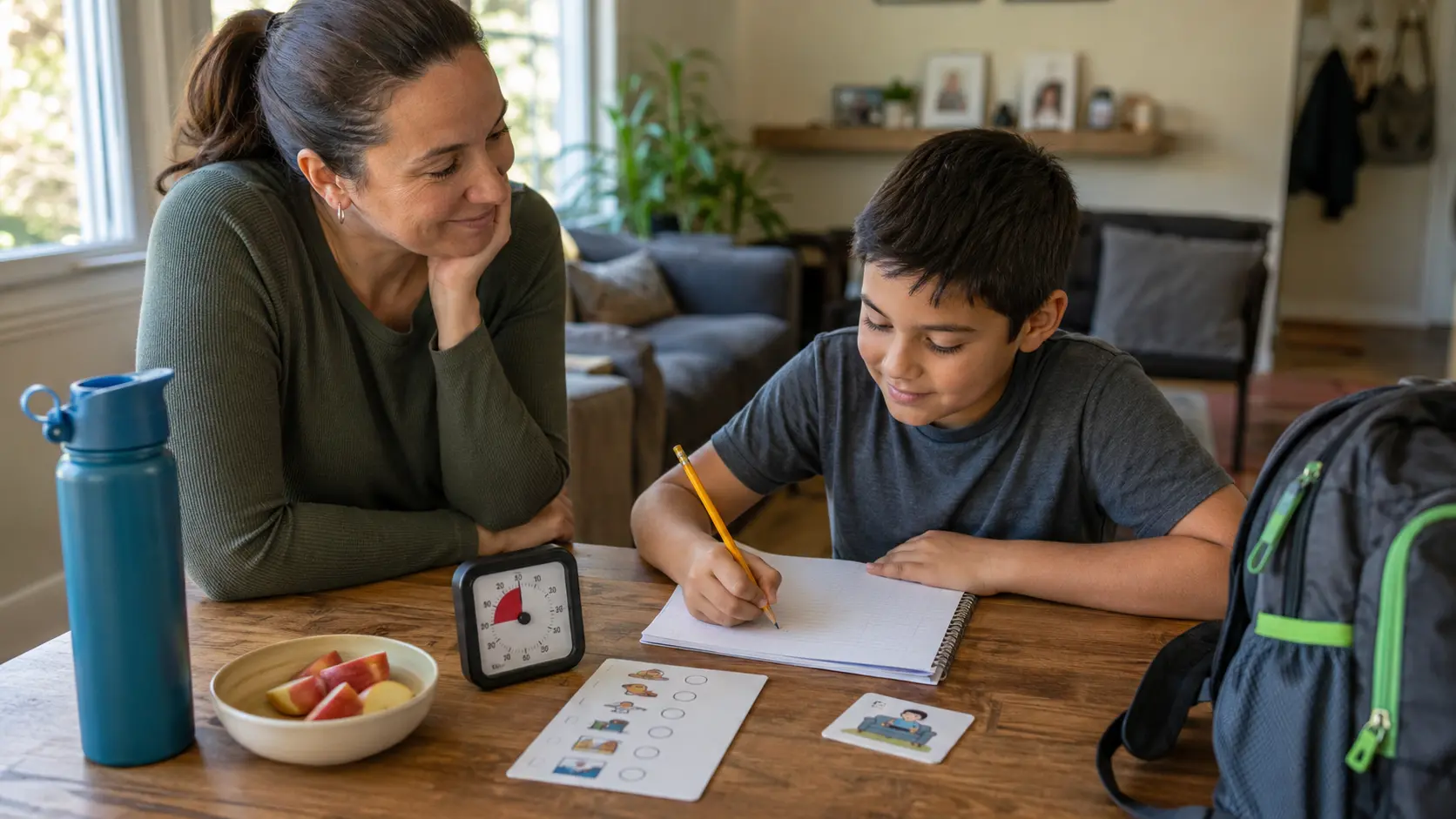
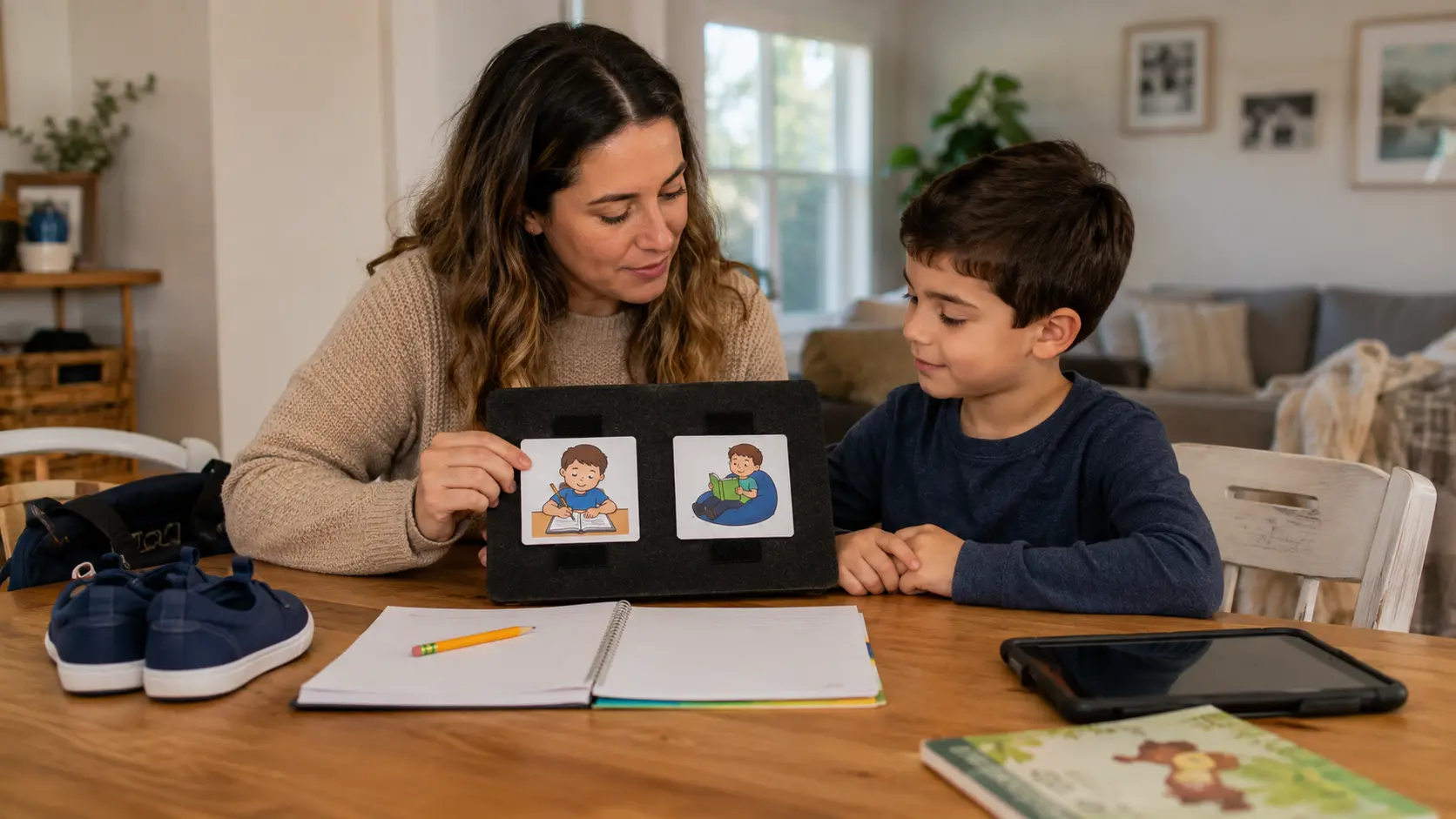
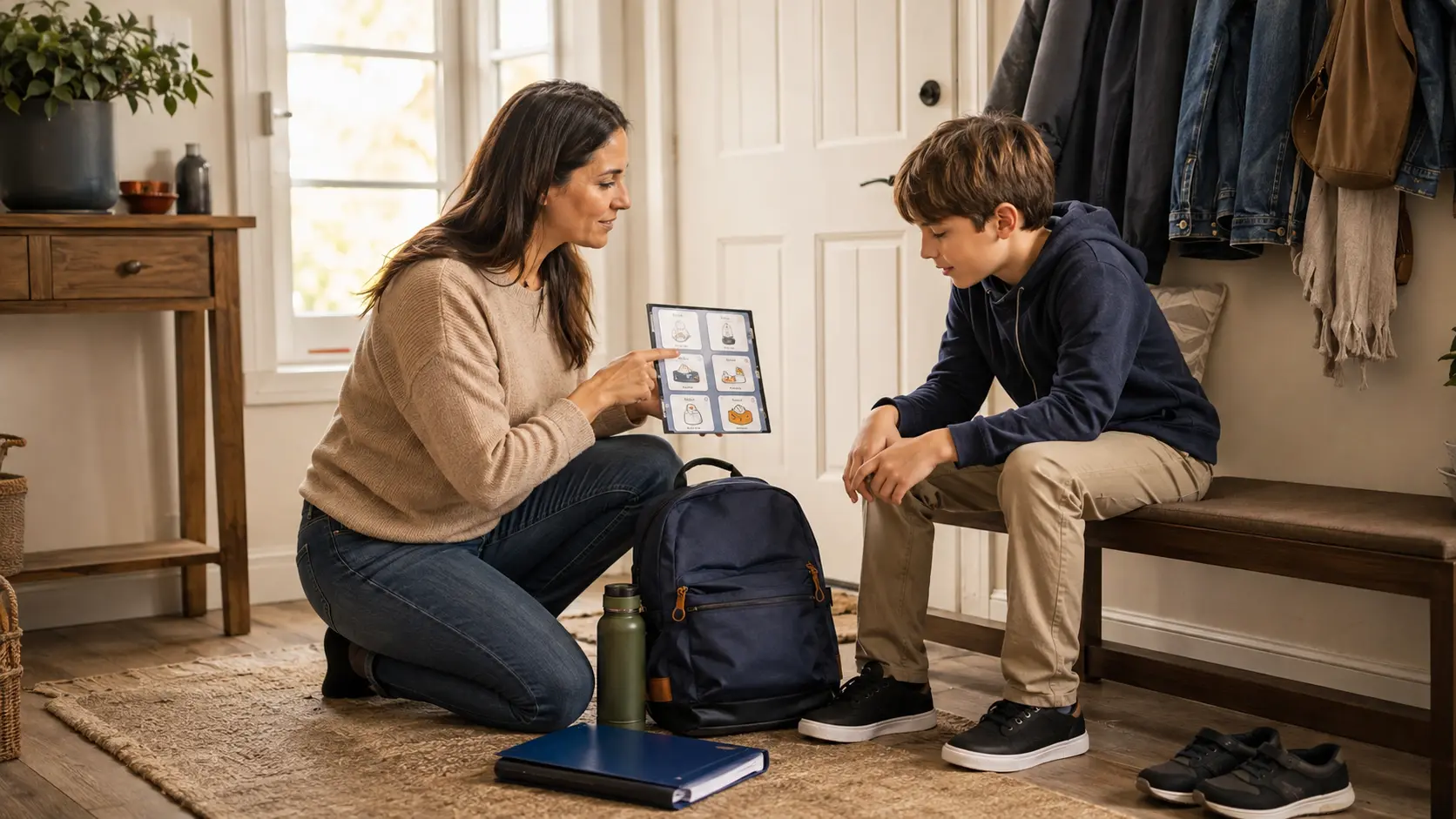
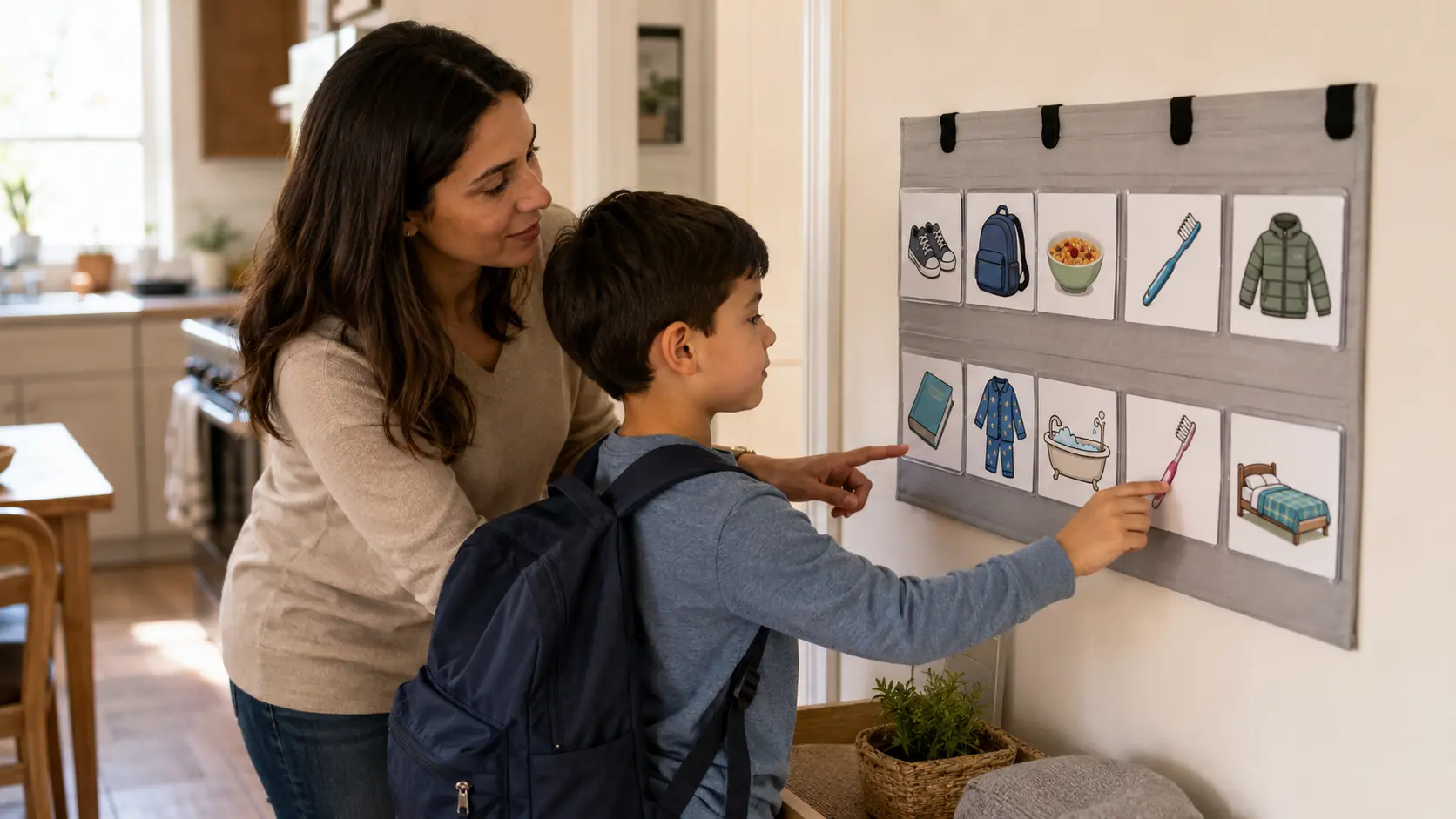
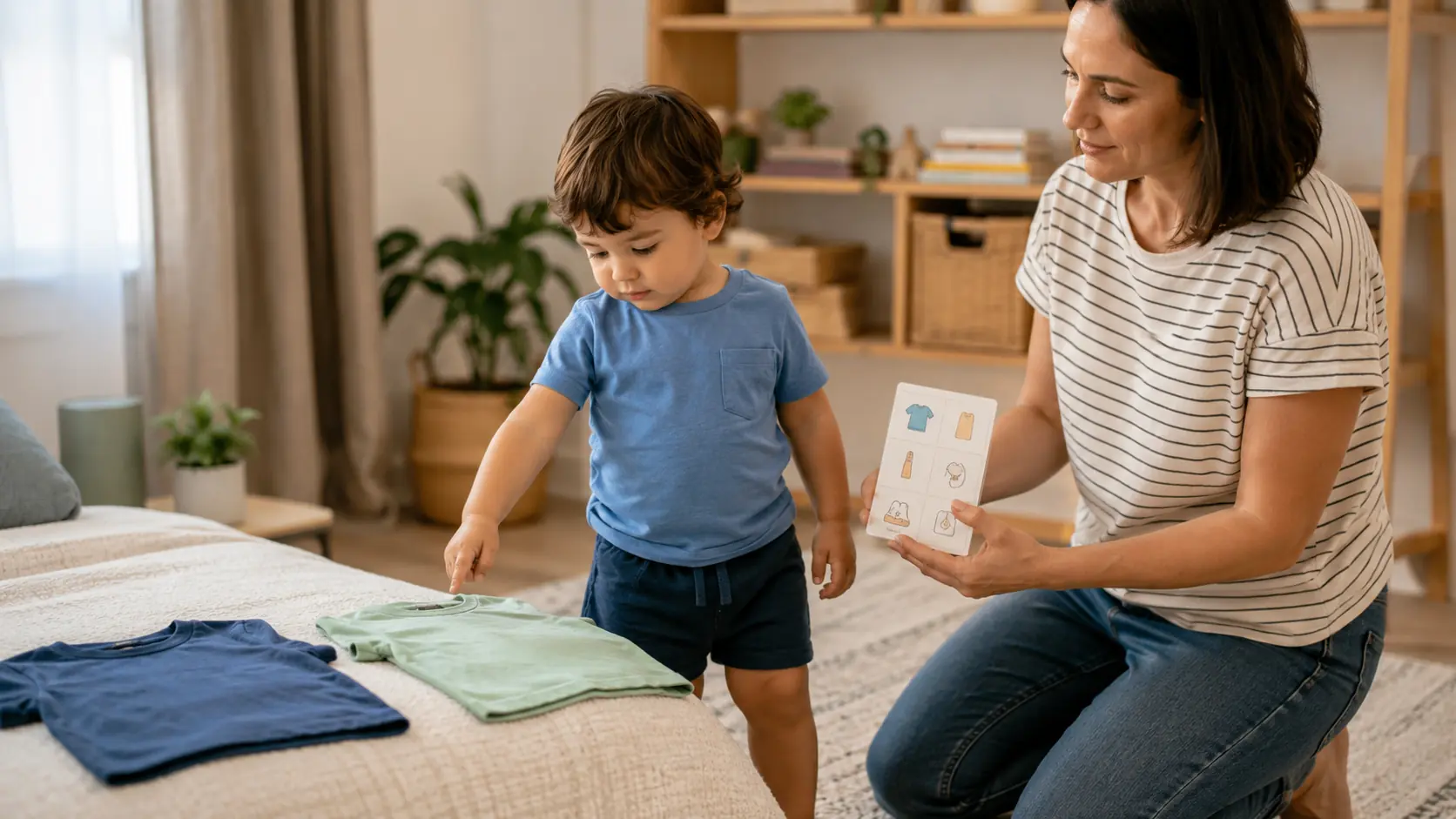
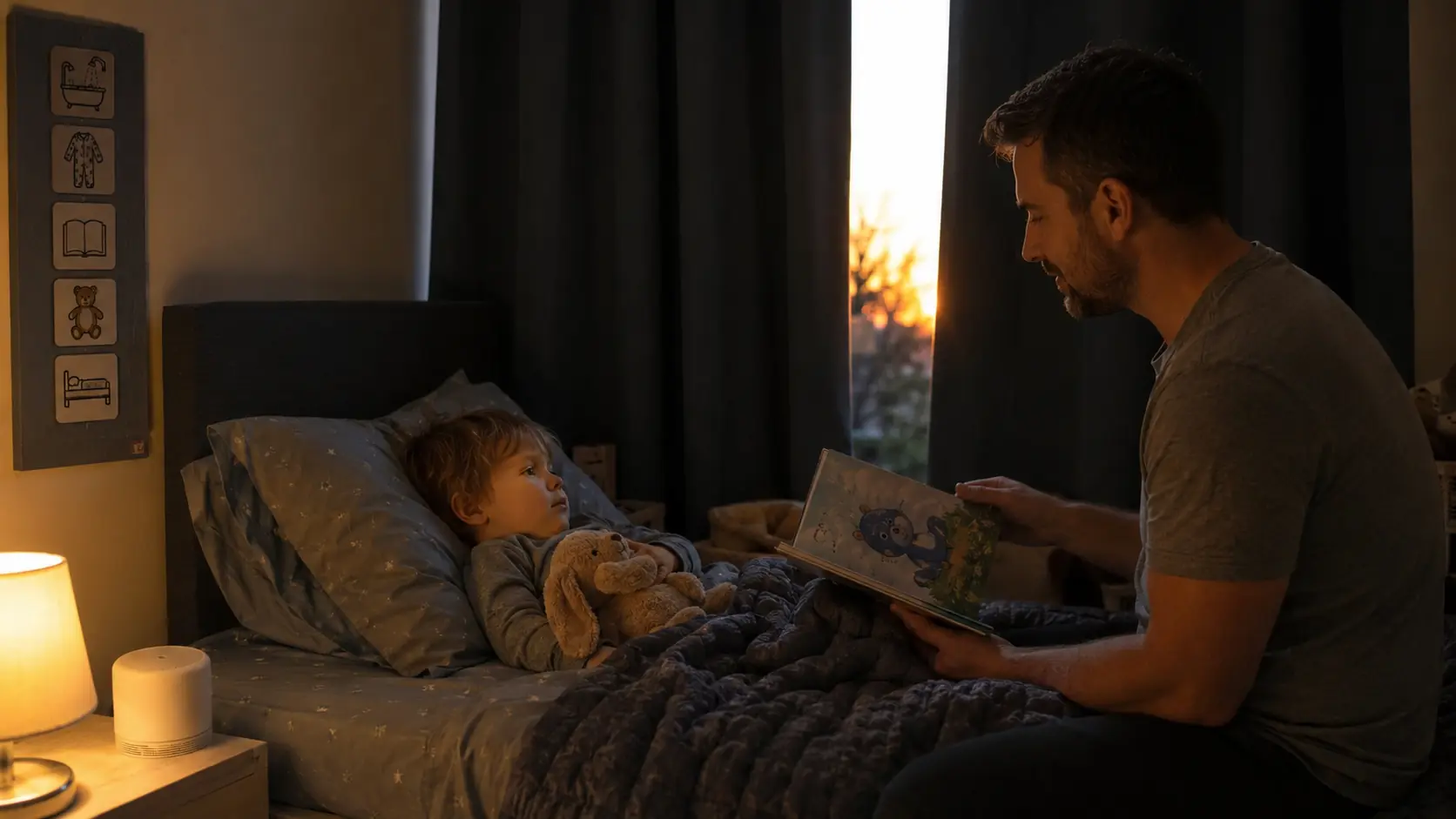
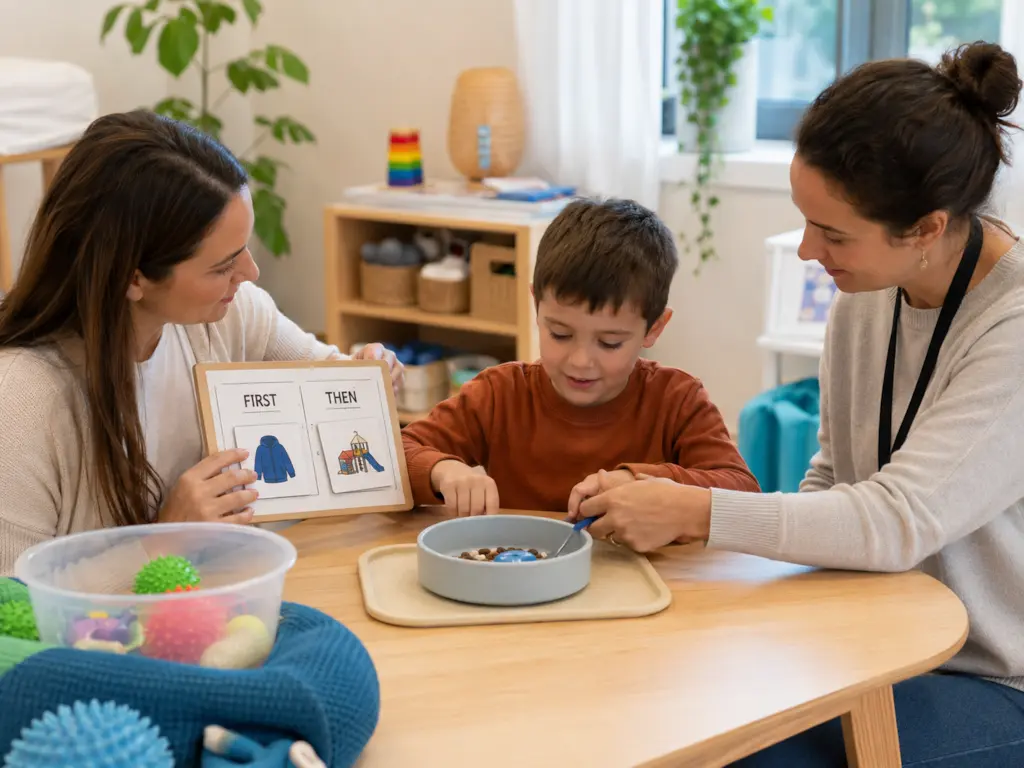
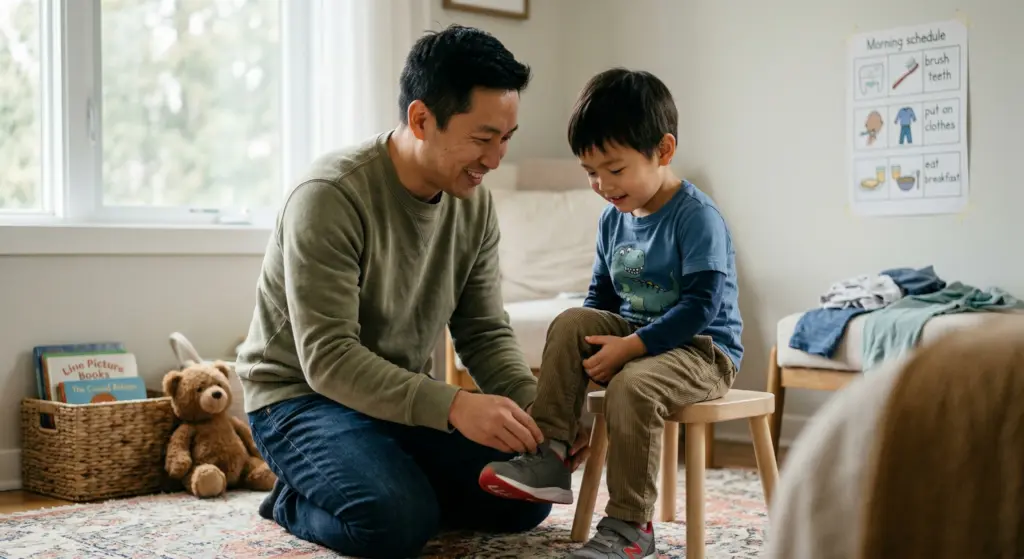
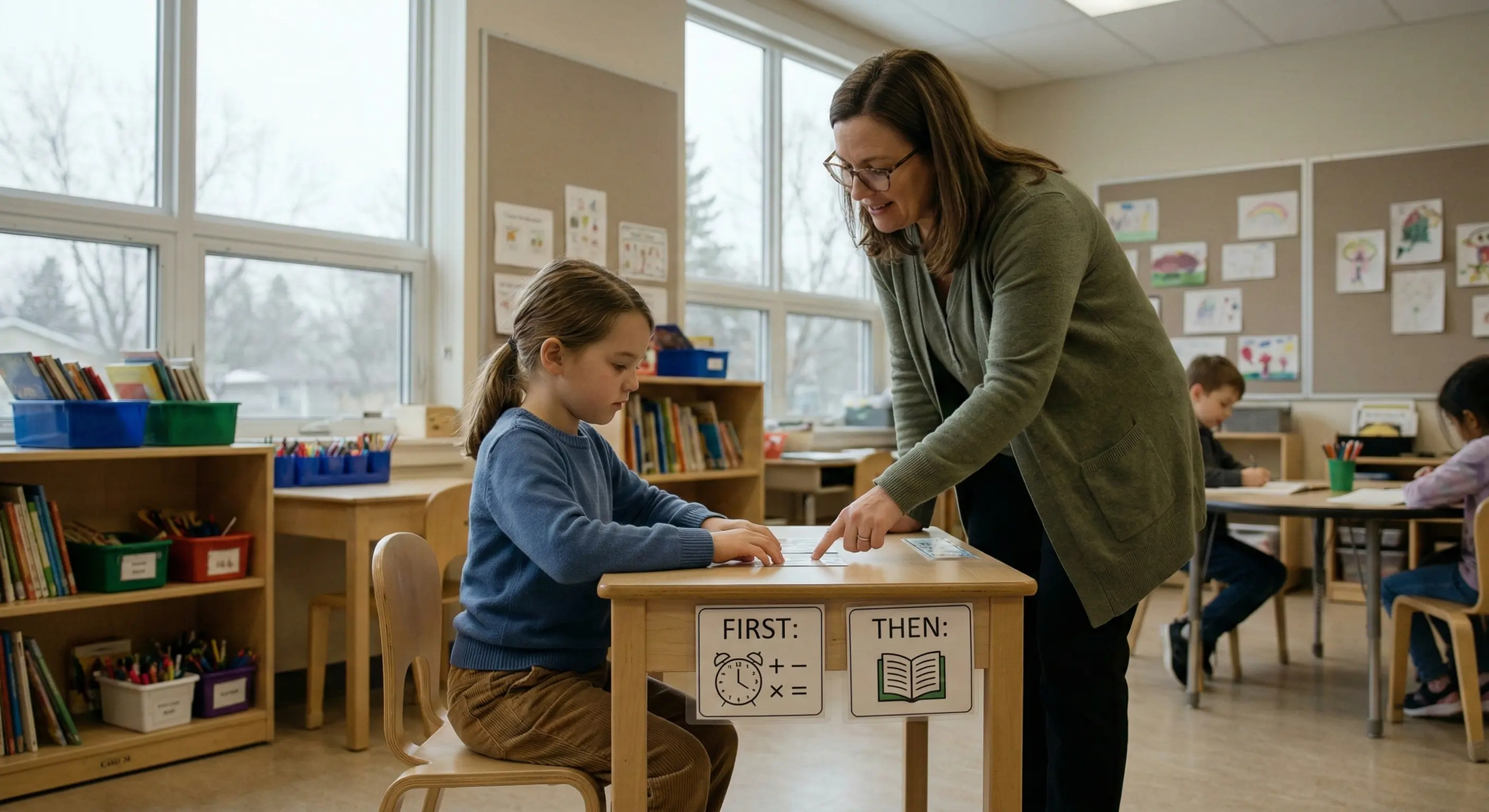
3. Build a visual schedule for the appointment day. A visual schedule shows the sequence of the day in pictures or simple words — including the haircut as one step among several, rather than an event that looms unpredictably.
4. Choose the right time, day, and setting. Timing matters more than many families expect. A child who is already dysregulated from a difficult morning, a missed meal, or a disrupted routine will have significantly less tolerance for a challenging sensory experience. Book haircuts at the time of day when your child is typically most regulated. A sensory-friendly hair salon or barber who is willing to accommodate a quieter environment and work at a slower pace can make a substantial difference to outcomes.
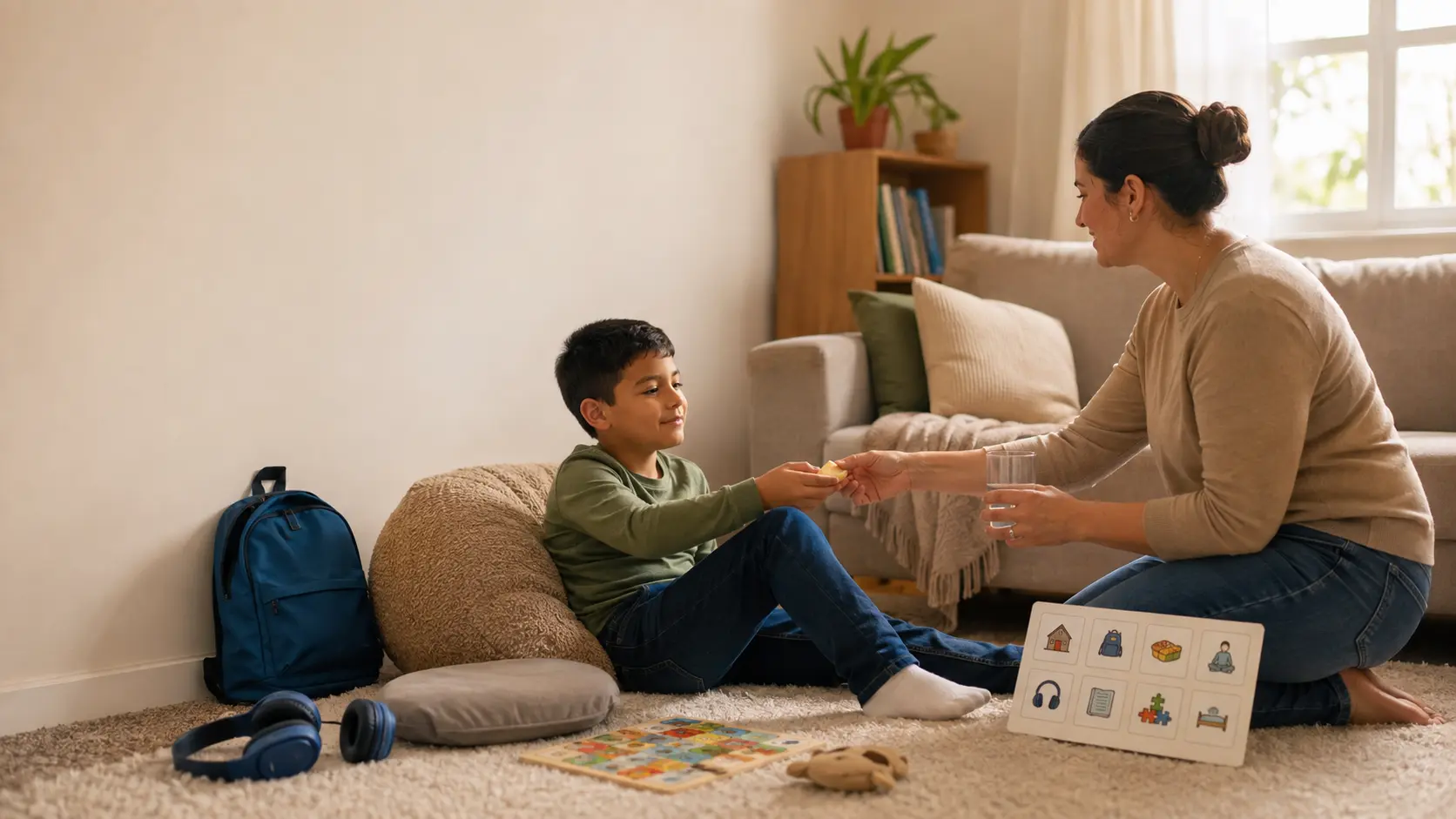
5. Have a reinforcement and calm plan ready before you walk in. Know in advance what your child finds genuinely motivating, and plan to use it. Also decide in advance what your exit plan is: if things reach a point where continuing is not in your child's interest, what will you do? Having a clear answer before you are in the moment means you are making a prepared decision rather than a distressed one.
Tools That Help: Quiet Clippers and Haircut Supports
Certain tools can reduce the sensory load of a haircut for some children — but no tool is universal.
Quiet or Low-Vibration Clippers
The sound and vibration of standard clippers are among the most commonly reported distressing elements for children with sound sensitivity. If haircuts happen at home, exploring quieter clippers options is worth considering. If a salon or barber is willing to use scissors only or a quieter model, that is worth asking about when you call ahead. Specific brand recommendations require independent and current testing — what is described as 'quiet' varies considerably between products, and reviews in autism parent communities or from occupational therapists who work with sensory issues can be a more reliable guide than general product descriptions.
Familiar Capes and Coverings
A haircutting cape for autism is a concept rather than a single standardized product — what matters is that the covering used is familiar rather than foreign. Some children do far better when the cape used at the salon is the same soft towel or lightweight clothing item they practiced with at home. Others find that wearing a familiar shirt underneath reduces the sensation of loose hairs on skin. Some children tolerate no cape at all initially and work up to one gradually.
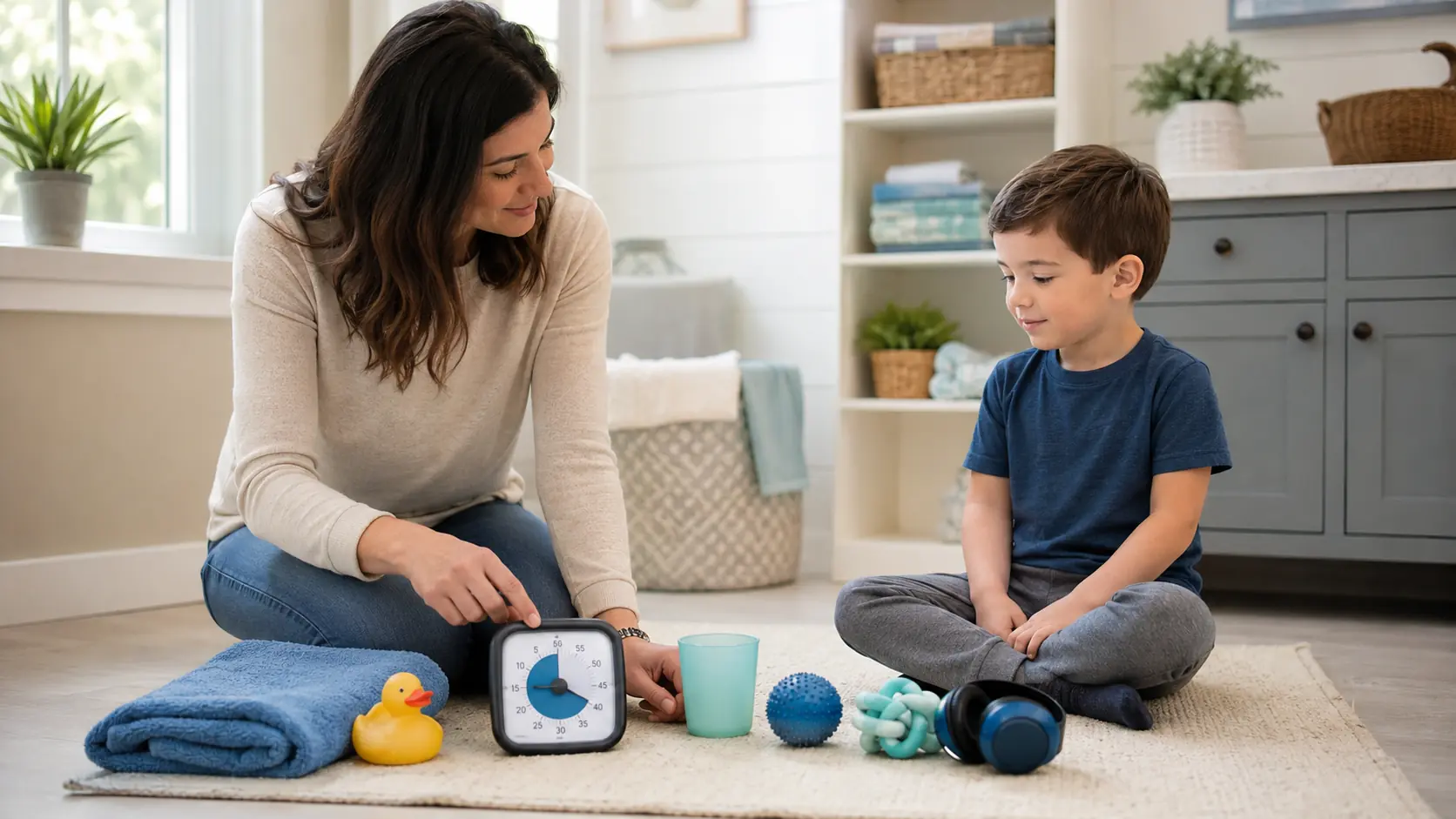
Other Supports That Some Children Find Helpful
• Sunglasses or a hat brim: For children who find bright overhead salon lighting distressing, a familiar pair of sunglasses worn during the appointment can reduce that specific stressor without requiring any accommodation from the stylist.
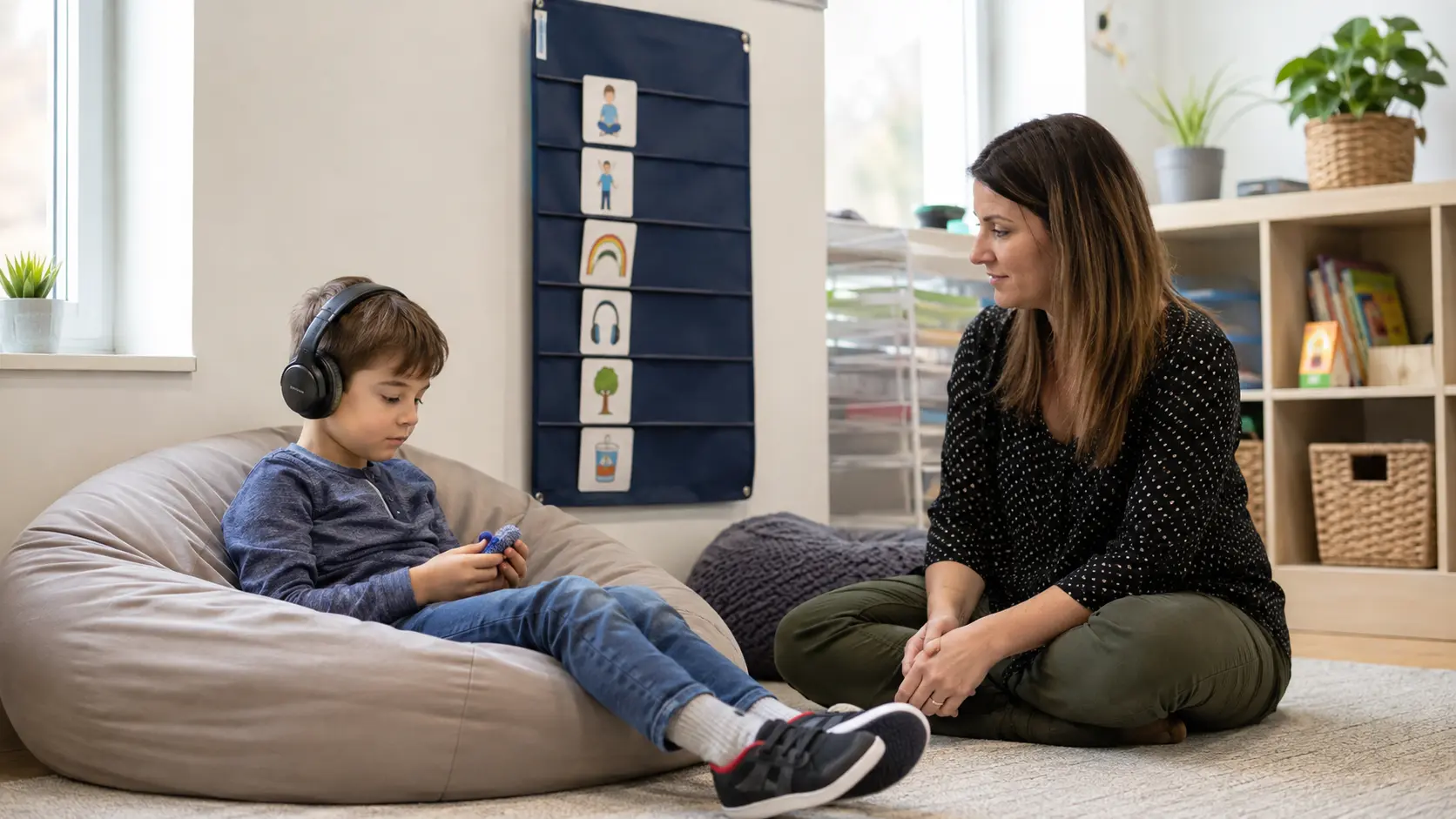
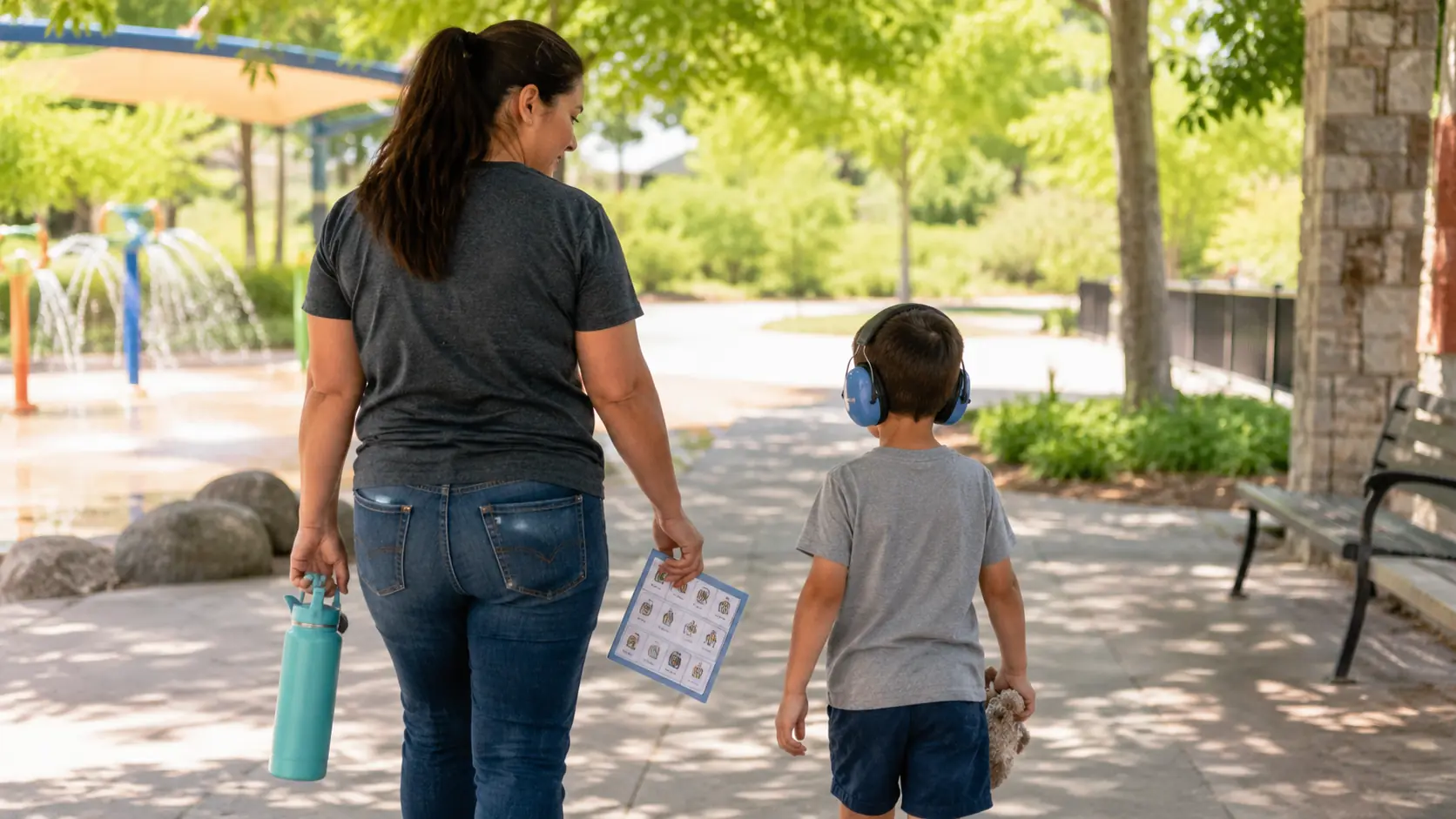
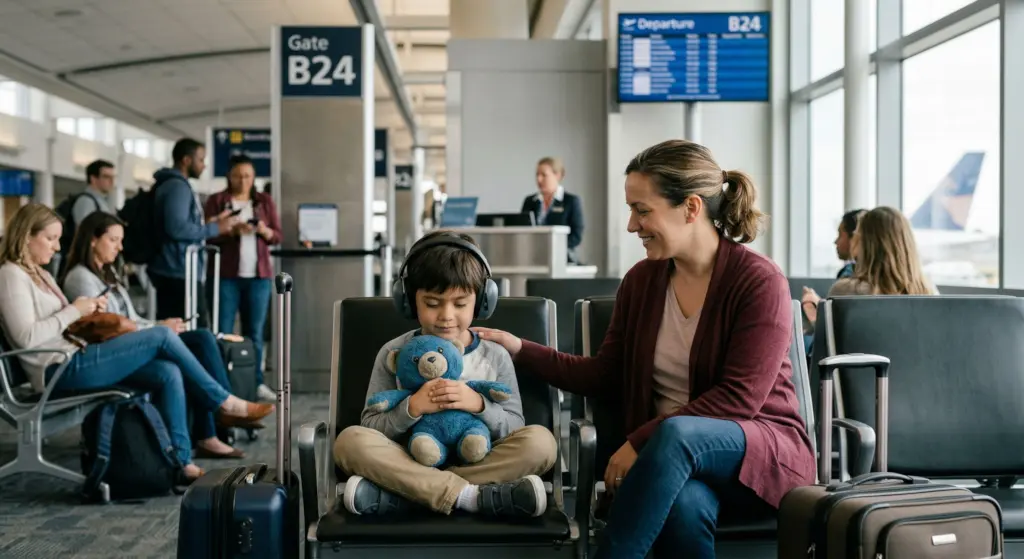
• Preferred headphones or earbuds: Playing a familiar audio program or song can provide competing sensory input that partially masks clipper noise.
• Fidget or comfort object: A preferred item held in the hands gives the child something predictable and familiar to engage with during the process.
• Calming tools from the child's daily routine: Whatever calming supports your child uses in other sensory-demanding situations — a weighted lap item, a preferred texture, a practiced breathing cue — can be brought to the appointment.
Finding a Sensory-Friendly Barber in IA, NC, NM, or DE
Rather than listing specific providers — which change and which cannot be independently verified here — the most useful guidance is what to look for and what questions to ask when you call. An autism-friendly barber or sensory-friendly hair salon is identified by how they respond to specific questions, not just by whether they have the right terminology on their website.
Questions to Ask When You Call
• 'Do you have experience with sensory-sensitive or autistic children?'
• 'Is there a time when your salon is quieter — ideally with fewer other clients nearby?'
• 'Would you be willing to do a brief preview visit first, with no haircut?'
• 'Are you comfortable if we need to take breaks, or stop before the cut is finished?'
• 'Can we skip scented products during our appointment?'
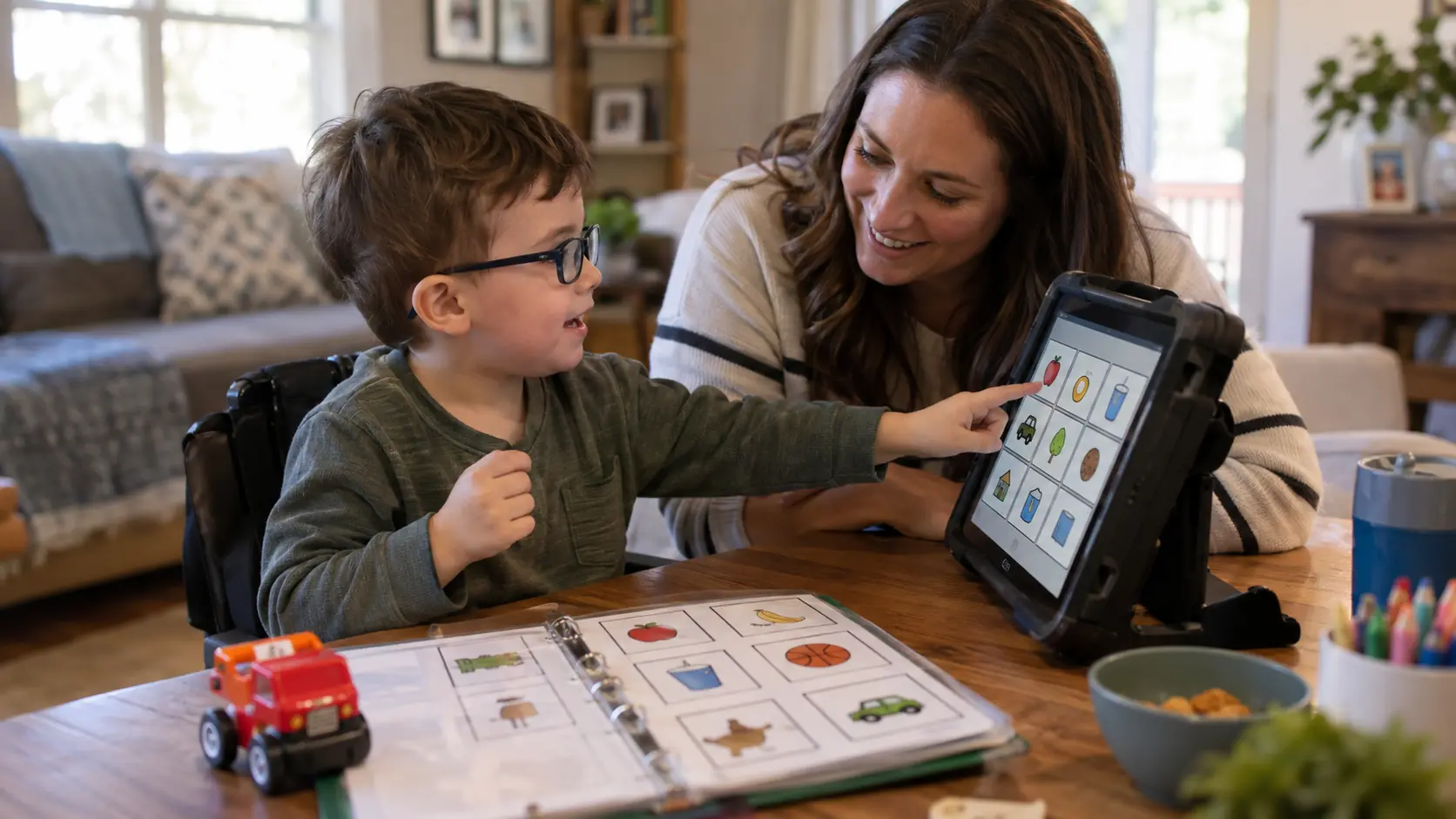
• 'Are you comfortable with visual supports, AAC devices, or non-standard communication?'
What to Do If Your Child Starts to Panic Mid-Haircut
Even well-prepared appointments can reach a threshold. Having a clear plan for this possibility, decided in advance, means you are not making a distressed decision while a child is overwhelmed and others are watching.
• Reduce demands immediately: At the first signs of escalation — covering ears, pulling away, rigid body posture, reduced responsiveness — ask the stylist to pause.
• Use familiar calming cues: Whatever calming language, object, or tool you have practiced with your child at home should be accessible here.
• Offer a concrete break: A brief, bounded pause — 'We are going to stop for two minutes; you can sit over here' — can allow the nervous system to settle enough to continue if the child is willing.
• End early and name it as progress: A partial haircut is not a failed haircut. A child who sat in the chair for six minutes and tolerated three snips before needing to leave has done something genuinely hard. Leaving on a calm exit, rather than pushing through to escalation, protects the trust that makes the next appointment more likely to go further.
• Debrief gently afterward: A brief, warm acknowledgment of what was hard — not a formal review, just a moment of recognition — helps the child process the experience and reinforces that their communication of difficulty was received.
When Parent Coaching or ABA Support Makes Sense
Many families develop effective haircut strategies through careful observation and adjustment over time.
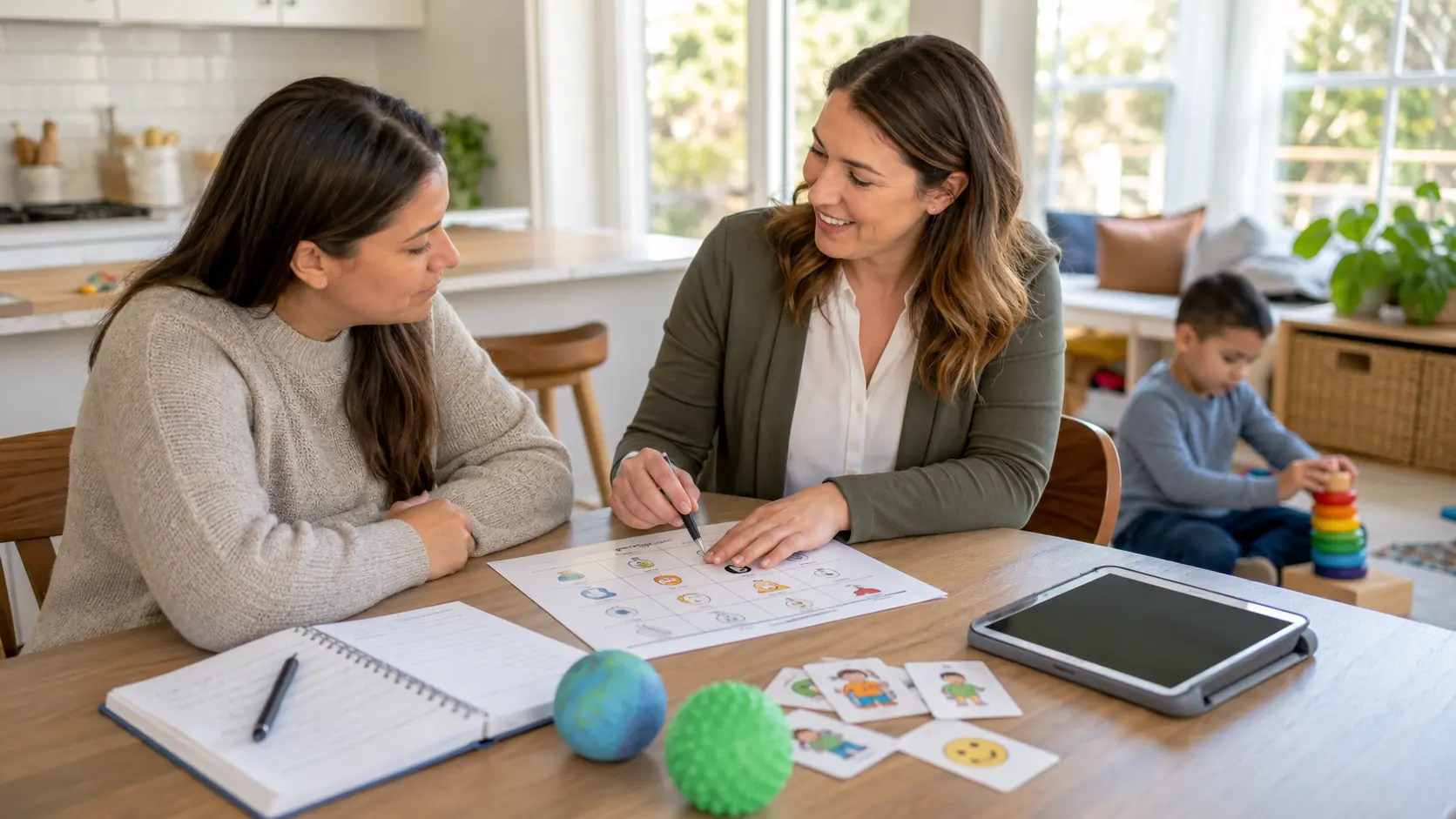
ABA-based parent coaching for grooming routines focuses on the specific questions that determine whether a strategy will work for a particular child: What is the function of the distress? Which antecedent conditions can be modified before distress begins? What replacement communication can the child use when things feel overwhelming? What reinforcement is genuinely motivating, and how can it be used to build lasting skills? The CDC describes evidence-based behavioral approaches as individualized, measurable, and deliverable in home, community, and real-life settings — which is exactly the context in which grooming challenges need to be addressed.
Consider reaching out for structured support if:
• Your child's distress during haircuts is escalating rather than gradually improving despite consistent effort
• Safety is a concern — reactions during grooming put the child or others at risk
• Anticipatory anxiety in the days before a haircut is significantly affecting the household
• You have tried multiple strategies without clear direction and are not sure what to try next
• The child is beginning to avoid objects, locations, or routines associated with grooming more broadly
AtlasCare ABA's parent coaching can help you build a specific, workable plan for haircuts and other grooming routines — one that fits your child's sensory profile and your family's actual week.
Progress Takes Time — and That Is Okay
A child who tolerates a full haircut without significant distress did not get there in one appointment. They got there through a series of smaller, less visible wins — sitting in the chair for a few minutes, tolerating the sound of clippers from across the room, feeling a spray bottle mist without pulling away.
These autism haircut tips are starting points, not guarantees. Your child's experience of the sensory demands in grooming is unique to them, and the strategies that help most will be the ones adapted to that specific pattern over time. What makes the difference — consistently — is preparation, patience, and a willingness to count partial progress as real progress.
If you are looking for more structured support, AtlasCare ABA's parent coaching is designed for exactly this kind of practical, daily-life challenge. You do not have to navigate the right combination of strategies alone.






.webp)
.webp)
.webp)
.webp)
.webp)




.jpg)

.webp)

.webp)
.webp)






%20During%20Play%20in%20the%20Home.webp)