
The last school bus has left. The lunchbox is finally getting a proper wash. And somewhere in the mix of summer relief and logistical reckoning, a question most parents of autistic children have been quietly carrying since April starts coming forward: what are we going to do with the summer, and how do we make it work?
ABA therapy programs don't stop being important when school does. For families who've spent the school year watching their child build communication skills, develop independence in daily routines, and grow more comfortable with the social demands of a structured day, the idea of a three-month unstructured gap is not just logistically challenging — it's clinically meaningful. Summer can be a window for real progress. It can also, without adequate structure, be a window for losing ground.
The School-to-Summer Gap: Why the First Two Weeks Are the Hardest
The first days after school ends often feel unsettled. The routine that took months to build disappears almost overnight. Morning structure changes, meals drift, bedtimes loosen, and the predictable rhythm of the school day is suddenly gone.
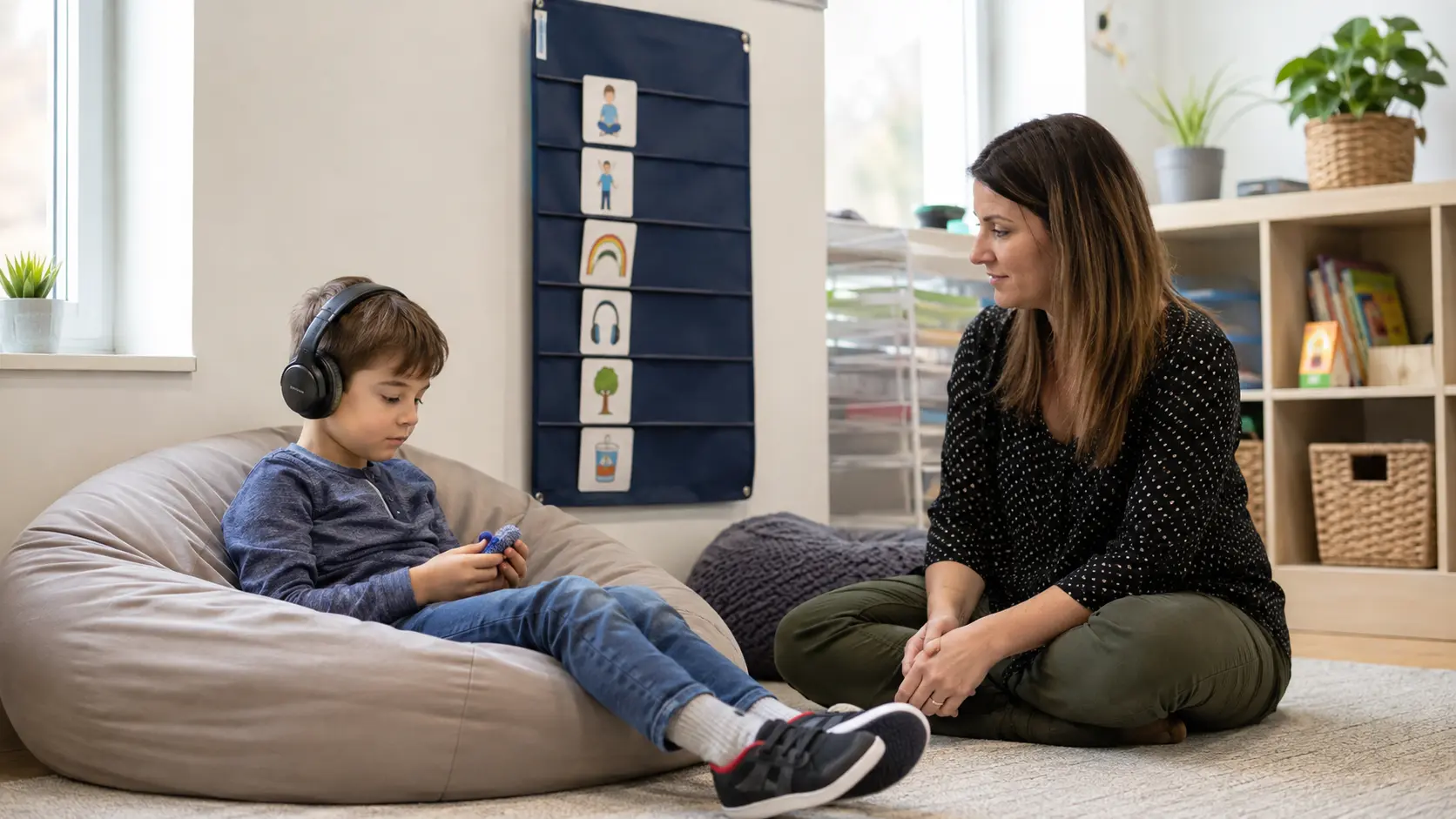
For autistic children who rely on that structure, this is more than a simple adjustment. It can lead to more rigidity, harder transitions, sleep disruption, and even setbacks in skills that had been stable.
Why the First Two Weeks Feel Hardest
The first two weeks are often the hardest because one routine has ended before a new one has taken its place. That gap is where much of the early-summer dysregulation happens.
This does not mean summer will stay difficult. Many families notice things improve once a clear routine is established. But it does show why planning matters. Going into summer without a structured transition often means spending the first part of the break managing disruption instead of using the time well.
Some children feel this change more strongly than others. How difficult it becomes usually depends on the child, how sudden the schedule change is, and how quickly a new routine is put in place.
Keeping Skills Sharp: What Summer ABA Focuses On
Summer ABA is not just the school year continued in a new setting. At its best, it shifts focus toward goals that are easier to build when the school schedule is no longer driving the day.
Skill Maintenance and Building Behavioral Momentum
One major goal of summer ABA is protecting the progress made during the school year. When structure and support drop suddenly, some children lose ground in skills that were just becoming stable. Summer regression is not inevitable, but it is more likely when practice disappears.
That is why continuity matters. A child who improved in communication, transitions, or daily routines during the school year still needs chances to practice those skills in summer settings. The goal is not to recreate school, but to keep skill use active in ways that fit summer life.
Summer-Specific Goals Worth Targeting
- Autism social skills: Summer can be a strong time to work on peer interaction through playdates, outings, or clinic-based peer activities.
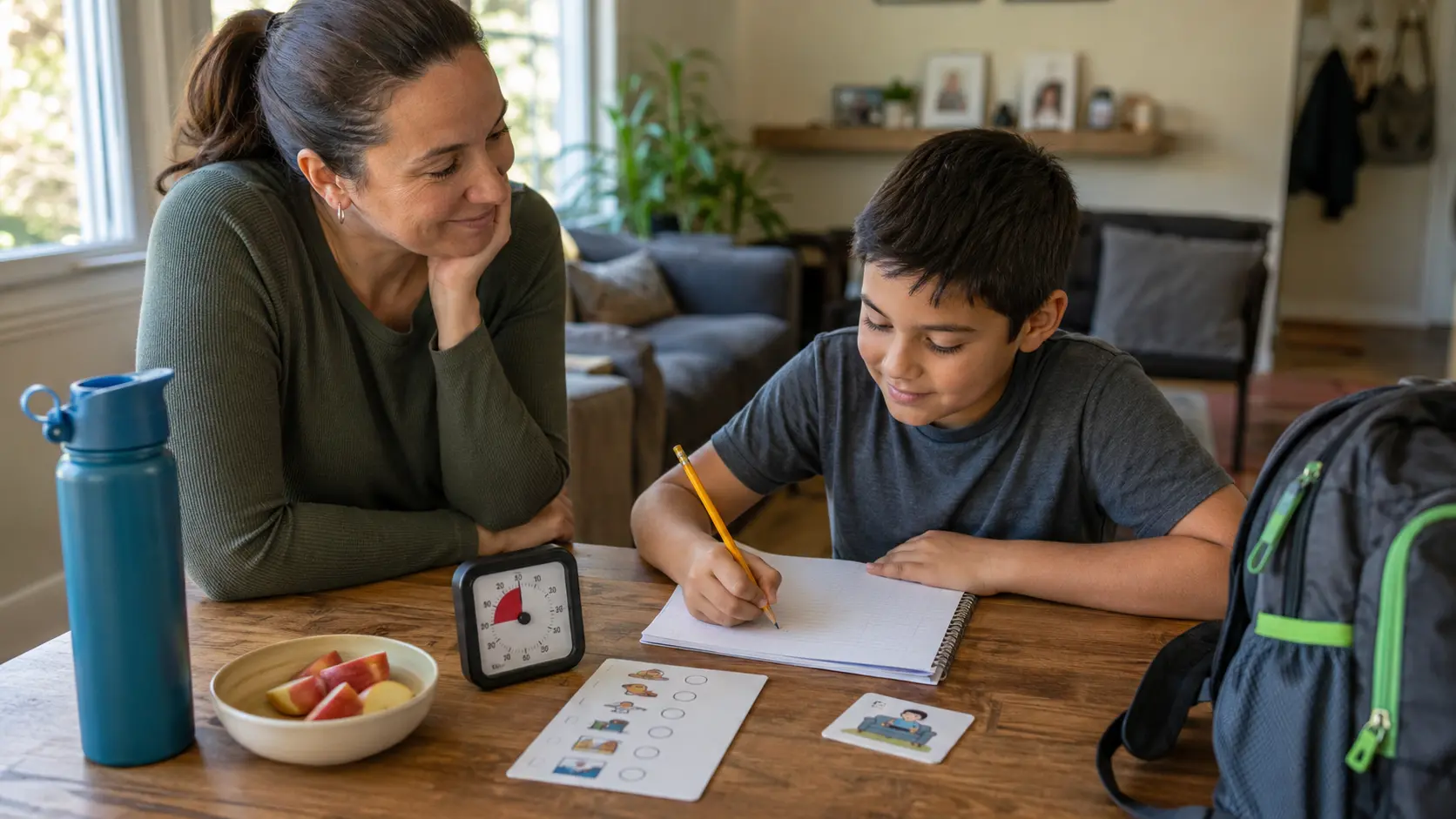
- Daily living and adaptive skills: With less school-morning pressure, summer often gives more room to teach dressing, grooming, meals, and household tasks.
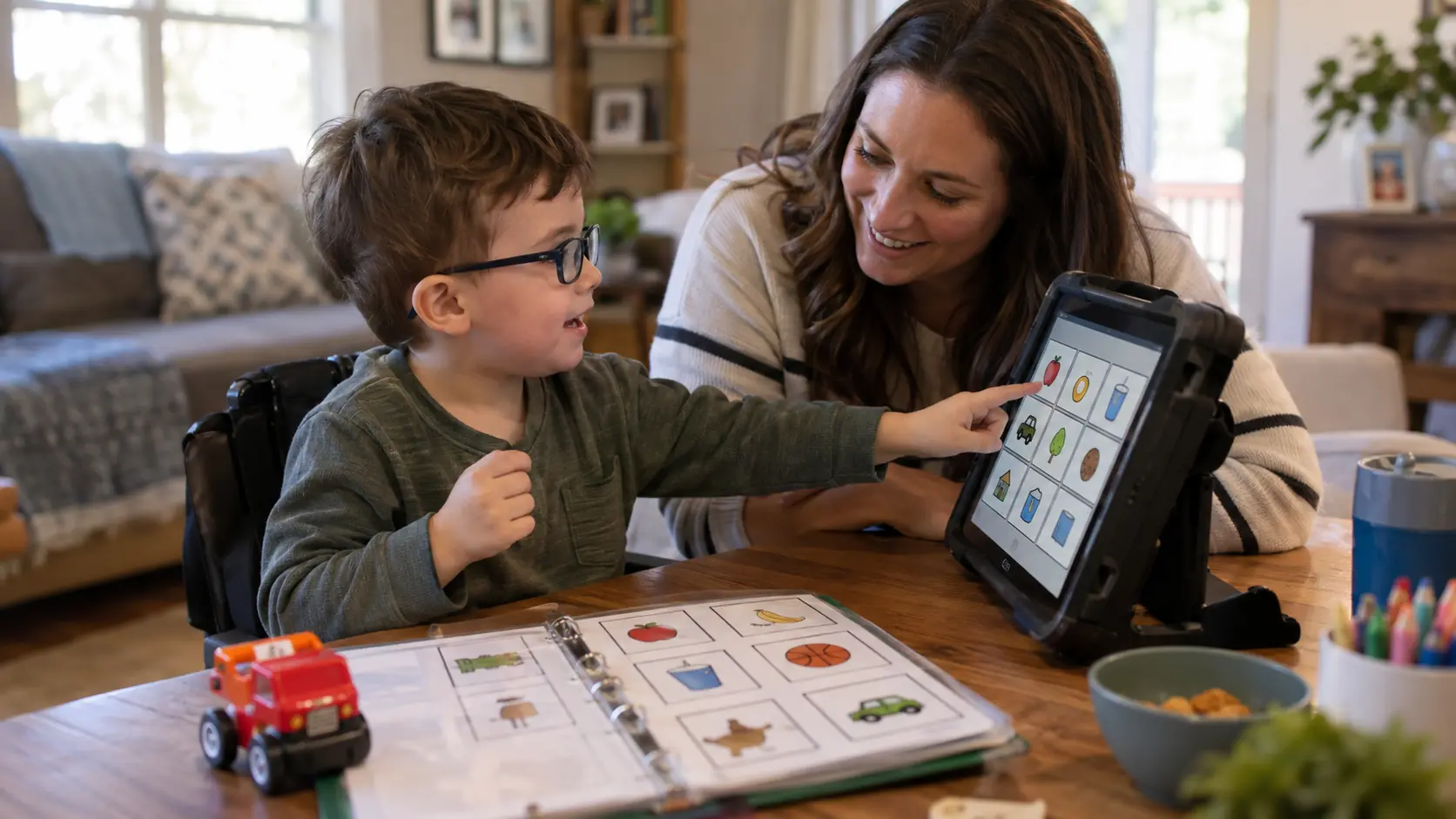
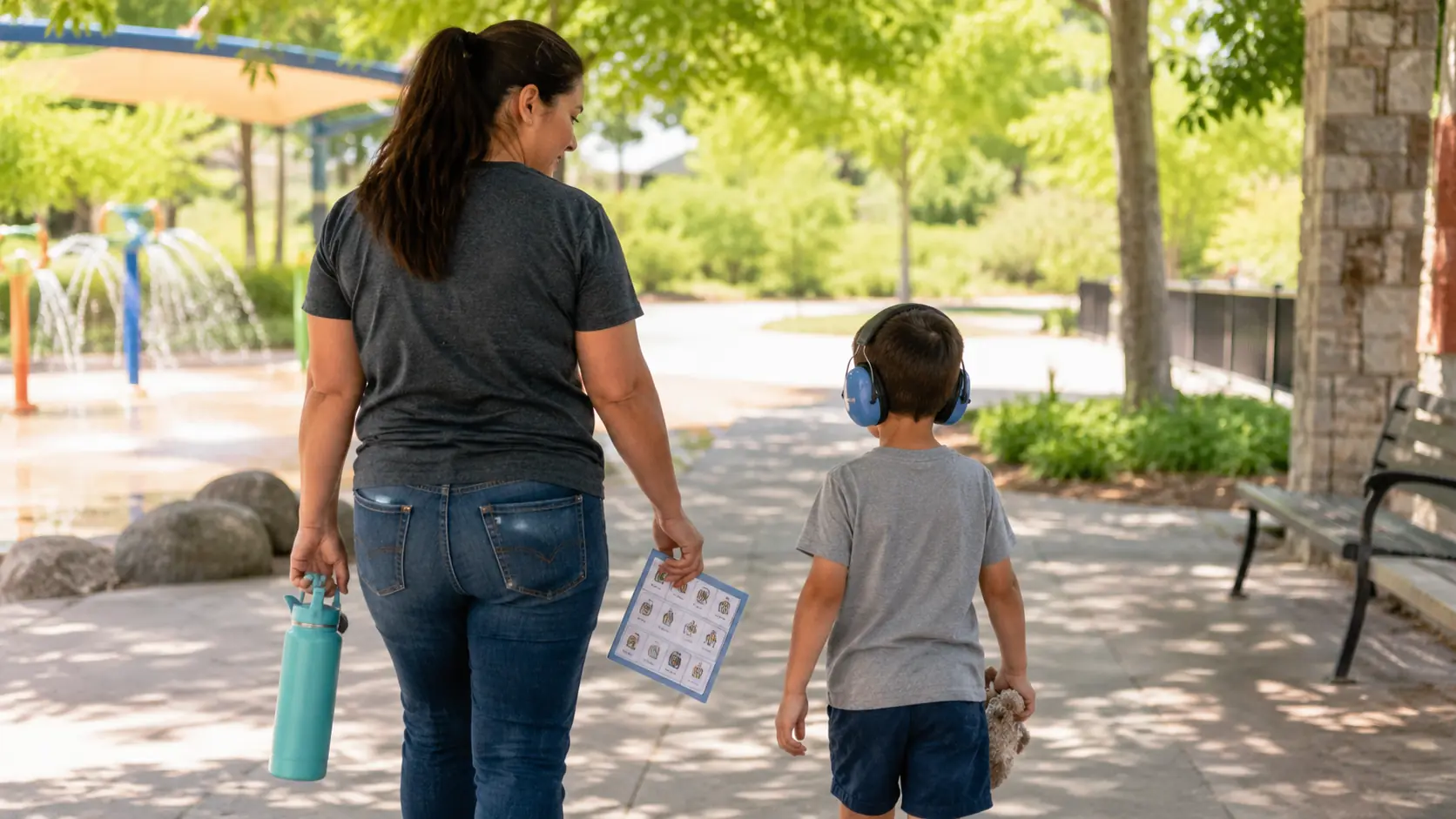
- Communication in natural settings: Using language or AAC during meals, outings, and family activities helps skills carry over beyond school.
- Tolerance for change: Summer brings more variation in schedules, people, and activities, which can be used to build flexibility with support.
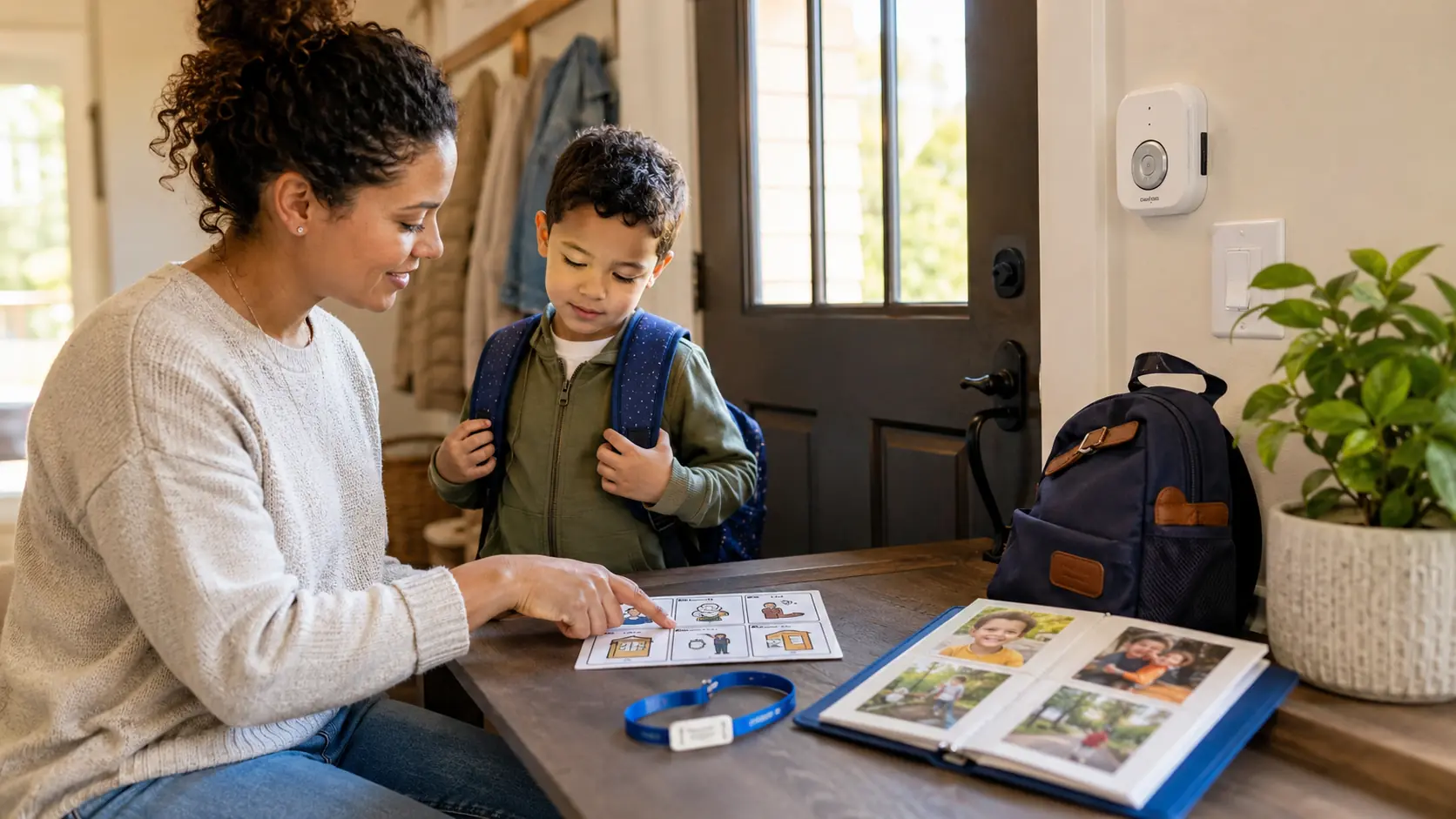
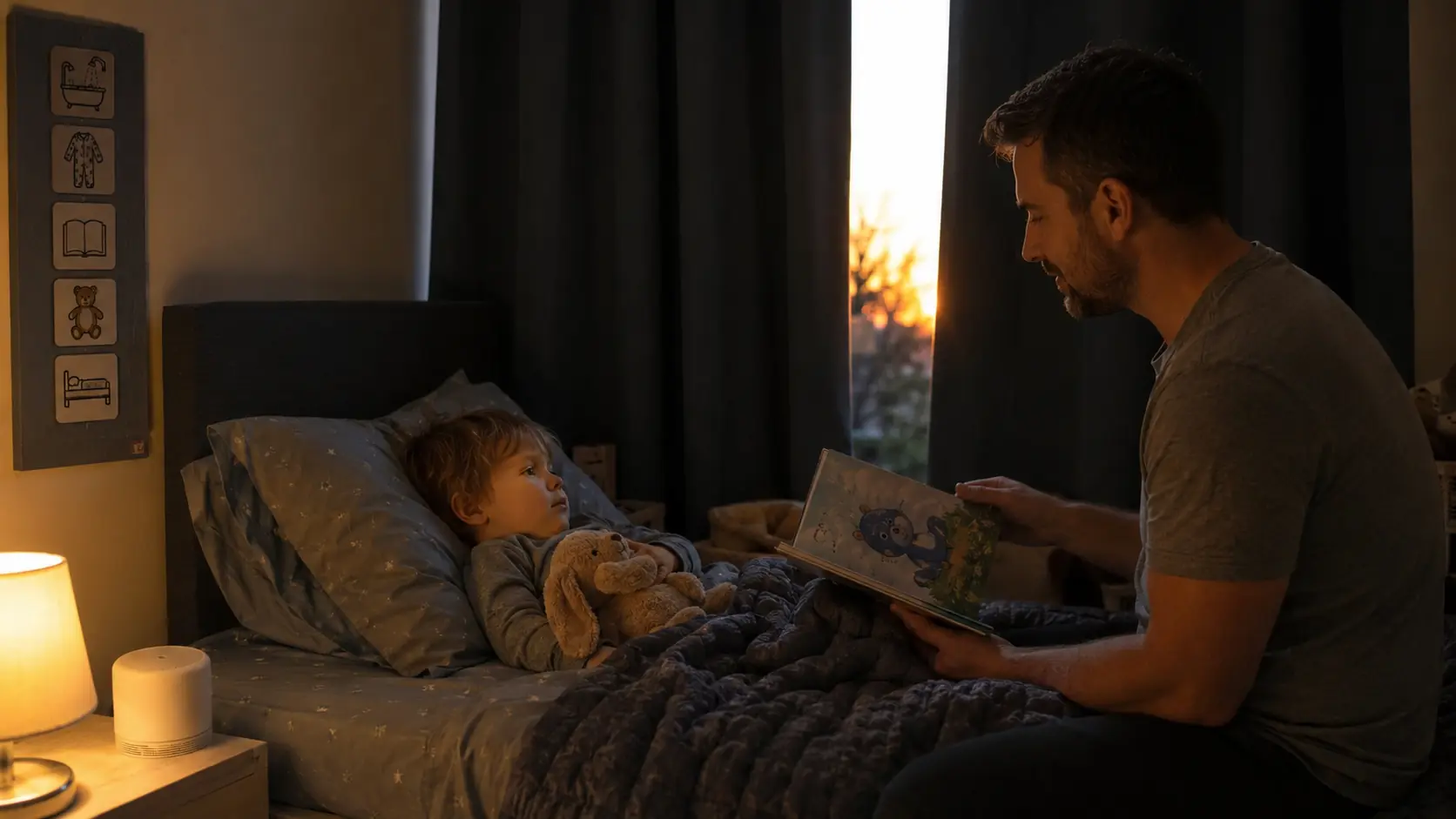
- Fall-readiness routines: The later part of summer is a good time to rebuild morning structure, sleep routines, and expectations before school starts again.
Should You Choose In-Home or Clinic-Based Care This Summer?
The center-based vs. home ABA decision comes up in almost every summer planning conversation. Neither option is always better. The right fit depends on your child’s goals, energy level, family schedule, and what you want summer therapy to accomplish.
What a Blend of Both Can Look Like
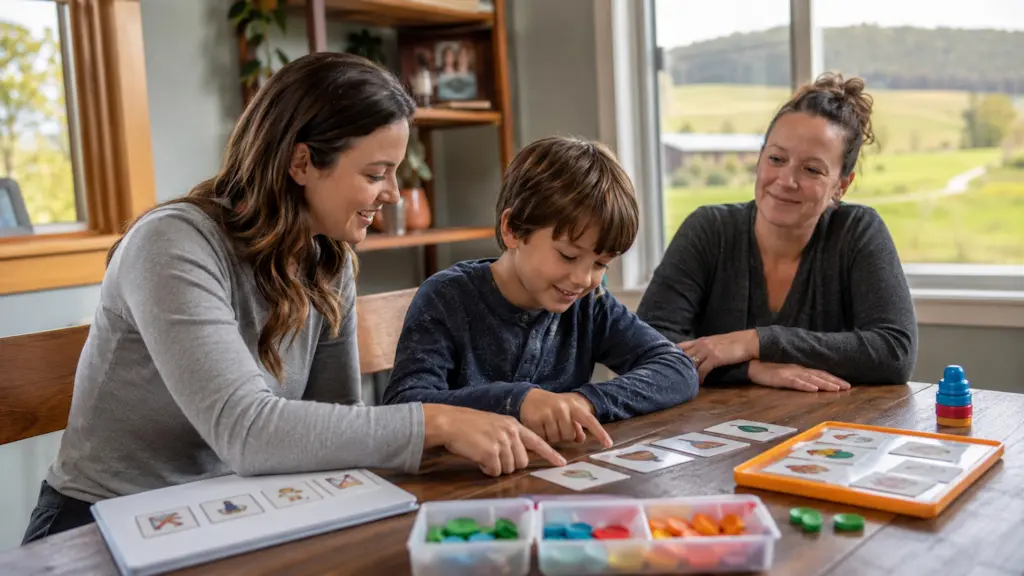
Some families do best with a mix of both. Community outing sessions can also help bridge home and clinic goals. If peer interaction and school-readiness are priorities, clinic time may be especially useful. If parent coaching and home routine generalization matter most, home-based care may be the better anchor. The key is building the schedule around the child’s actual goals, not just around format preference.
How Many Hours Should a Summer ABA Program Include?
This is one of the most common summer planning questions, and the honest answer is that it depends on the child. There is no single number of hours that fits everyone, and more is not always better.
- Intensity should match the child’s needs: Summer hours should reflect the child’s current goals, progress with consistent therapy, stamina, and any other services already in place.
- Some children do well with a focused block: A shorter, more intensive summer schedule can help build momentum on specific goals.
- Others do better with moderate consistency: Steady hours across the full summer may work better than a heavy schedule that leads to fatigue.
- Fatigue matters: A child who is exhausted or overwhelmed is less likely to benefit, even if the program looks strong on paper.
- ESY and other therapies need to be factored in: If the child is also receiving Extended School Year support, speech therapy, or other services, the summer ABA plan should be built around that total load.
Can Summer ABA Work Alongside ESY or Other School Supports?
Yes, in many cases it can. Some children qualify for Extended School Year (ESY) services through the school district to help prevent regression in important IEP goals over the summer. Private ABA can sometimes work alongside ESY when the schedules fit, the goals are different, and the child is not overloaded.
ESY usually focuses on school-based educational goals. Summer ABA can target behavior, communication, social skills, and daily living goals that ESY may not address as directly. When planned well, the two can complement each other.
Practical Coordination Between Private ABA and ESY
- Review the full schedule together: ABA should be planned around ESY, not simply added on top without looking at the child’s total week.
- Separate the goals clearly: ESY can focus on IEP and academic support, while ABA can focus on behavior, communication, adaptive skills, and social growth.
- Watch for fatigue: If the child is showing signs of overload, the schedule or session length may need to be adjusted.
The goal is not to replace ESY, but to make sure summer support is coordinated, useful, and manageable.
Maximizing Outcomes with AtlasCare's New Mexico and Delaware Teams
For families in New Mexico and Delaware, AtlasCare’s ABA therapy programs are designed to reduce the gap between the school year and summer services. Because the first two weeks after school ends are often the most disruptive, summer enrollment works best when it starts before school is out, not after routines have already fallen apart.
Summer planning with AtlasCare typically includes:
- Reviewing current goals and school-year progress: Looking at what improved during the year and what still needs support helps shape the summer plan.
- Creating a summer-specific treatment plan: The plan is built for summer routines, not copied from the school year, and may include home, community, or clinic-based work depending on the child’s needs.
- BCBA supervision and data-based adjustments: Goals are reviewed regularly, progress is tracked, and the plan is adjusted based on what is actually working.
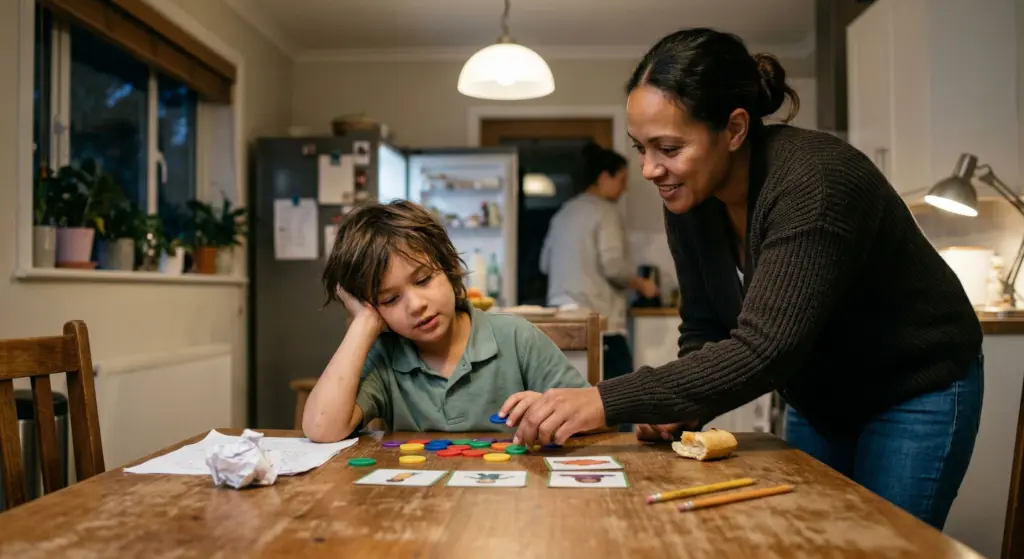
- Caregiver coaching: Parents and caregivers are supported so they can carry strategies into the parts of the day outside formal sessions.
- A fall-transition plan: The final weeks of summer can be used to rebuild routines, sleep schedules, and expectations before school starts again.
Summer spots are time-sensitive. The break is short, and starting several weeks into summer can mean losing a meaningful part of the window for progress. Families who want a focused summer block are usually better off reaching out before the school year ends.
Summer Is a Window — Not Just a Gap to Survive
Summer is not just time to get through. It is a real opportunity to protect progress, build new skills, and help a child return to school more prepared than they were in June.
A strong summer ABA program is not about recreating school or filling every hour. It is about maintaining important skills, using summer-specific opportunities well, and helping the whole family move into fall with more stability.
If you want to use the summer strategically, AtlasCare can help build a plan that supports skill maintenance, daily routines, and a smoother fall transition. Contact AtlasCare now to discuss summer intensive block availability before spots fill.

















.webp)


.webp)

.webp)
.webp)
.webp)







.jpg)


.webp)

.webp)
.webp)









%20During%20Play%20in%20the%20Home.webp)