Your child starts banging their head against the wall. Or bites their own hand so hard it leaves marks. Or scratches themselves during a meltdown until their skin is raw. These are moments that stop every parent cold — and the fear, confusion, and helplessness they generate are real and valid. If this is your experience, you are not failing. And your child is not broken. But this does need serious attention, starting today.
Self injurious behavior autism families face is one of the most frightening and least-discussed challenges in daily caregiving. It is not a sign of bad parenting. It is usually a sign that something — a need, a pain, an overwhelming sensory experience, or a communication barrier — has reached a point where the child does not have a safer way to respond. That is the starting point for everything that follows: not punishment, not frustration, but understanding.
What Is Self-Injurious Behavior in Autism?
Self-injurious behavior in autism means any action that can cause harm to a child’s own body. This may include head banging, hitting oneself, biting, skin picking, scratching, or other behaviors that create injury or risk of injury.
SIB is different from non-harmful repetitive behaviors like hand flapping, rocking, or other forms of stimming. The concern increases when the behavior causes bruising, bleeding, tissue damage, pain, or begins to affect the child’s safety and daily life.
Most importantly, self-injury is not “bad behavior” or manipulation. It is often a form of communication, a response to discomfort, a sensory regulation need, or a learned pattern. Understanding the reason behind the behavior is the first step toward safer support.
Common Examples of Self-Injurious Behavior Parents May See
Recognizing common examples of self injurious behavior can help parents explain what is happening to healthcare providers and ABA teams.
Why Self-Injury Can Happen
What causes self-injurious behavior in autism is not always simple. For many children, self-injury serves a purpose, also called a behavior function. Understanding that function is key to choosing the right support.
Common reasons may include:
- Communication: The child may be trying to express pain, frustration, “stop,” “help,” or “I want that.”
- Escape from demands: Self-injury may happen during tasks, transitions, or non-preferred activities if it has helped the child avoid or delay them before.
- Sensory regulation: Hitting, biting, or pressure may provide sensory input that feels regulating to the child.
- Pain or discomfort: Headaches, ear pain, tooth pain, stomach issues, or illness can sometimes show up as self-injury, especially when a child cannot explain what hurts.
- Access to preferred items: The behavior may lead to getting a toy, food, screen time, or another preferred activity.
- Anxiety or overload: Unexpected changes, noise, transitions, or sensory demands may become too much to manage.
- Fatigue, hunger, or illness: When a child is tired, hungry, or unwell, coping skills may decrease and behaviors may escalate.
The same behavior can have different causes for different children, or even for the same child in different situations. That is why a functional behavior assessment is often the best starting point before choosing an intervention.
Safety Comes First: What Parents Should Do Immediately
Seek urgent medical help or call emergency services if your child has:
- Significant head injury or repeated forceful head banging
- Uncontrolled bleeding or an open wound
- Possible eye injury
- Ingested a dangerous object, chemical, or non-food item
- Lost consciousness or had a seizure
- Serious injury to any part of the body
- Created immediate risk of harm to themselves or others
For ongoing or escalating self-injury that is not an immediate emergency, contact your child’s pediatrician and a behavior assessment provider. Serious self-injury should not be managed without professional support.
In the moment, focus on safety and de-escalation:
- Create physical space: Move hard or sharp objects away and guide your child toward a safer, softer area when possible.
- Stay calm: Use a low, steady voice and keep your reaction focused on safety.
- Lower demands: Pause tasks, transitions, or requests that may be increasing distress.
- Move siblings if needed: Give your child a quieter, less crowded space.
- Offer calming supports: Use known supports such as a preferred item, reduced noise, lower lights, or deep-pressure tools if appropriate.
- Document what happened: After everyone is safe, note what happened before, during, and after the behavior.
- Avoid physical restraint: Do not restrain your child unless you are trained and it is necessary for immediate safety, as restraint can increase risk and escalate the situation.
How ABA Identifies the Function of Self-Injury
Effective self injurious behavior autism treatment should begin with assessment, not guesswork. Function-based self injurious behavior autism interventions focus on understanding what the behavior is communicating or helping the child access or avoid, then teaching safer replacement behaviors that meet the same need.
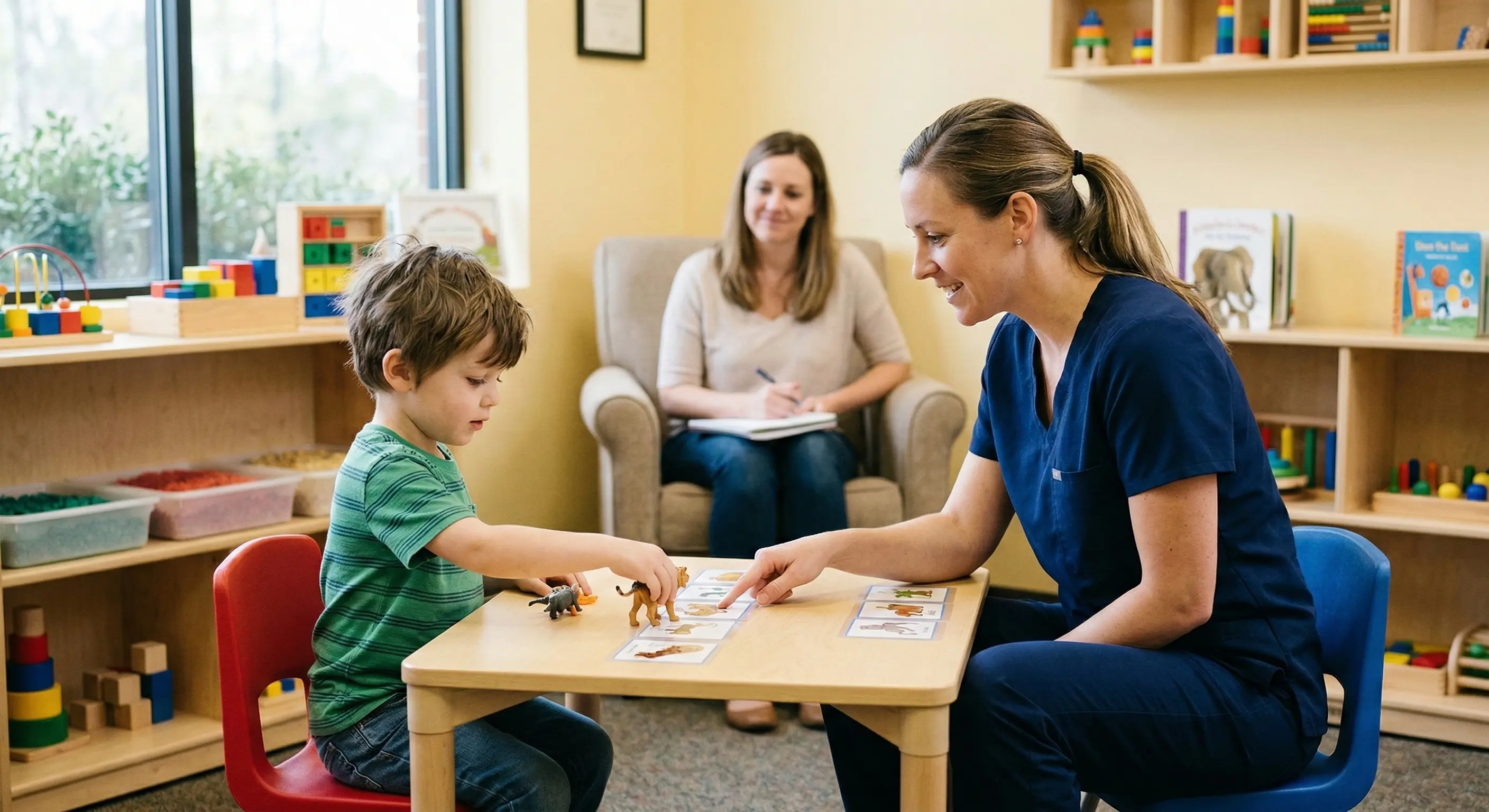
When a child has self-injurious behavior, an ABA team does not only look at what the behavior looks like. They look at why it is happening and what may be maintaining it.
A functional behavior assessment often includes ABC data:
- Antecedent: What happened before the behavior?
- Behavior: What did the child do, how intense was it, and how long did it last?
- Consequence: What happened right after the behavior?
A BCBA may observe the child, interview caregivers and teachers, review records, collect data, and identify the most likely behavior function. This matters because head banging caused by escape from demands needs a different plan than biting caused by pain, sensory needs, or communication difficulty.
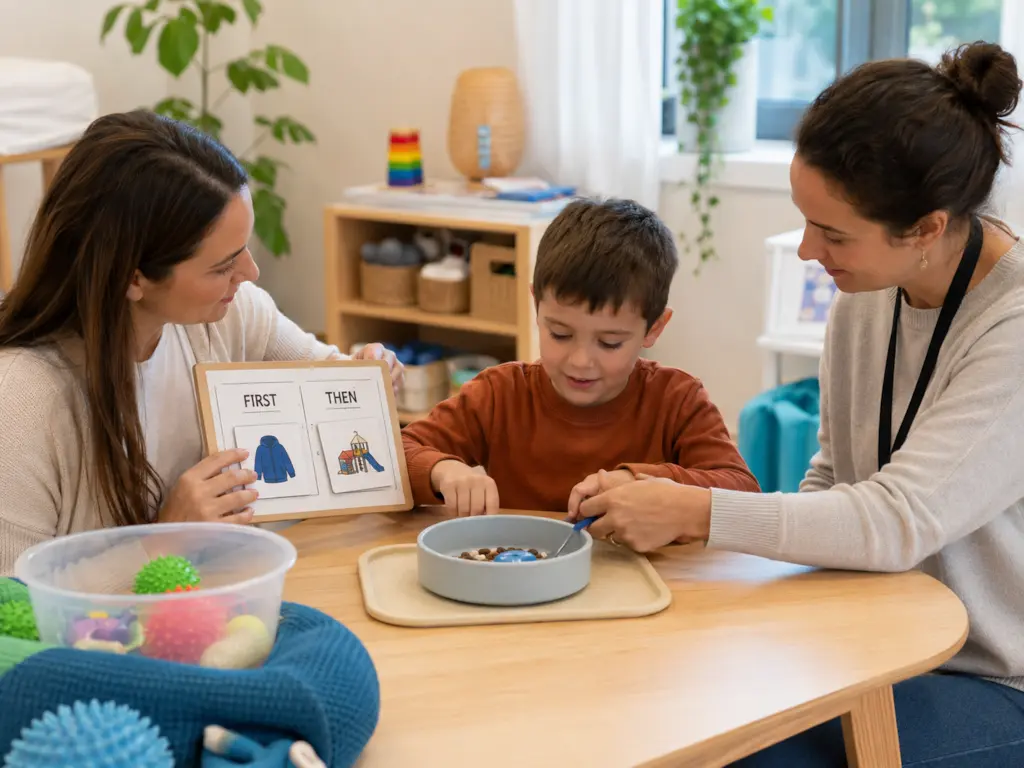
Teaching Safer Replacement Behaviors
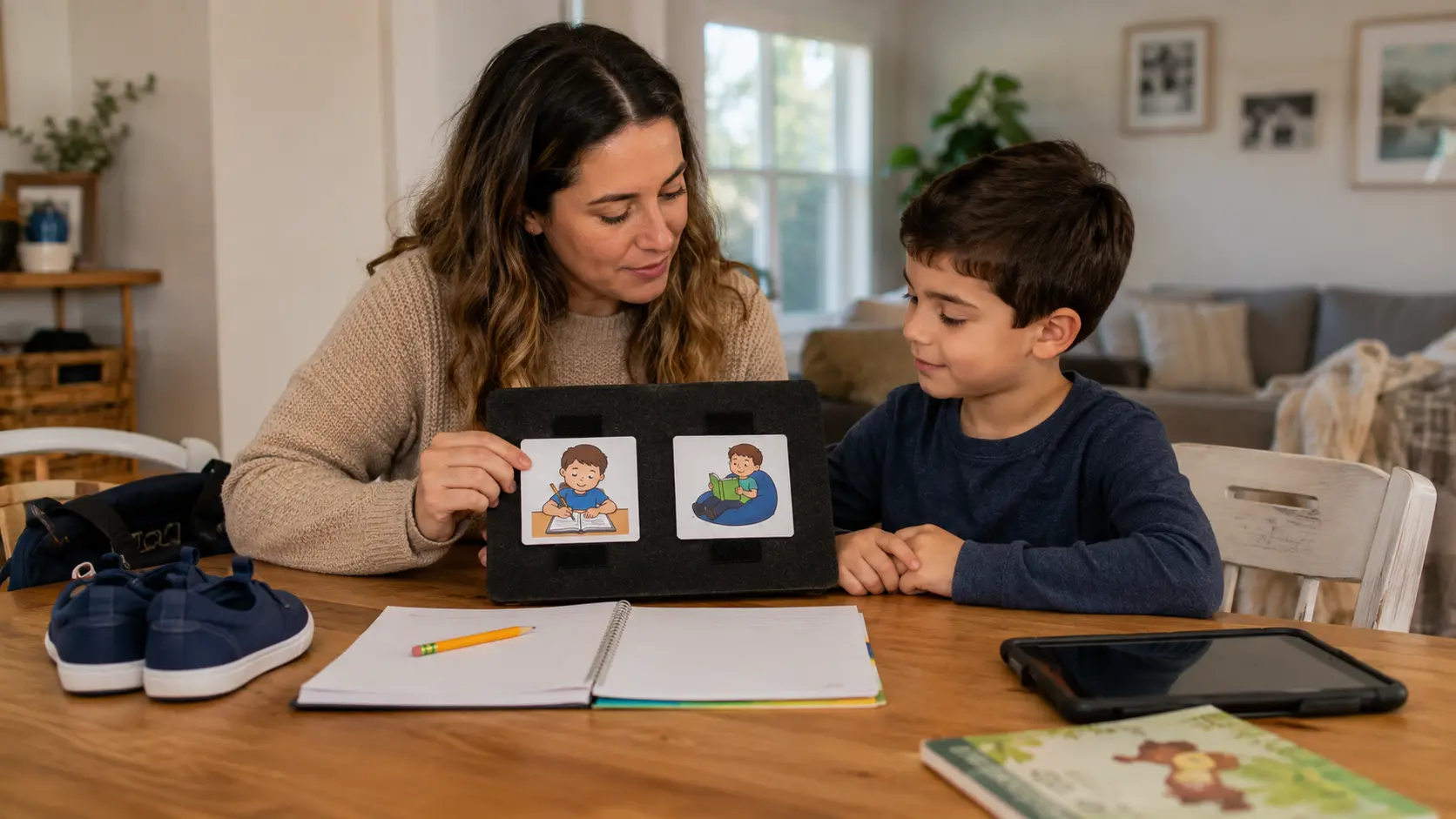
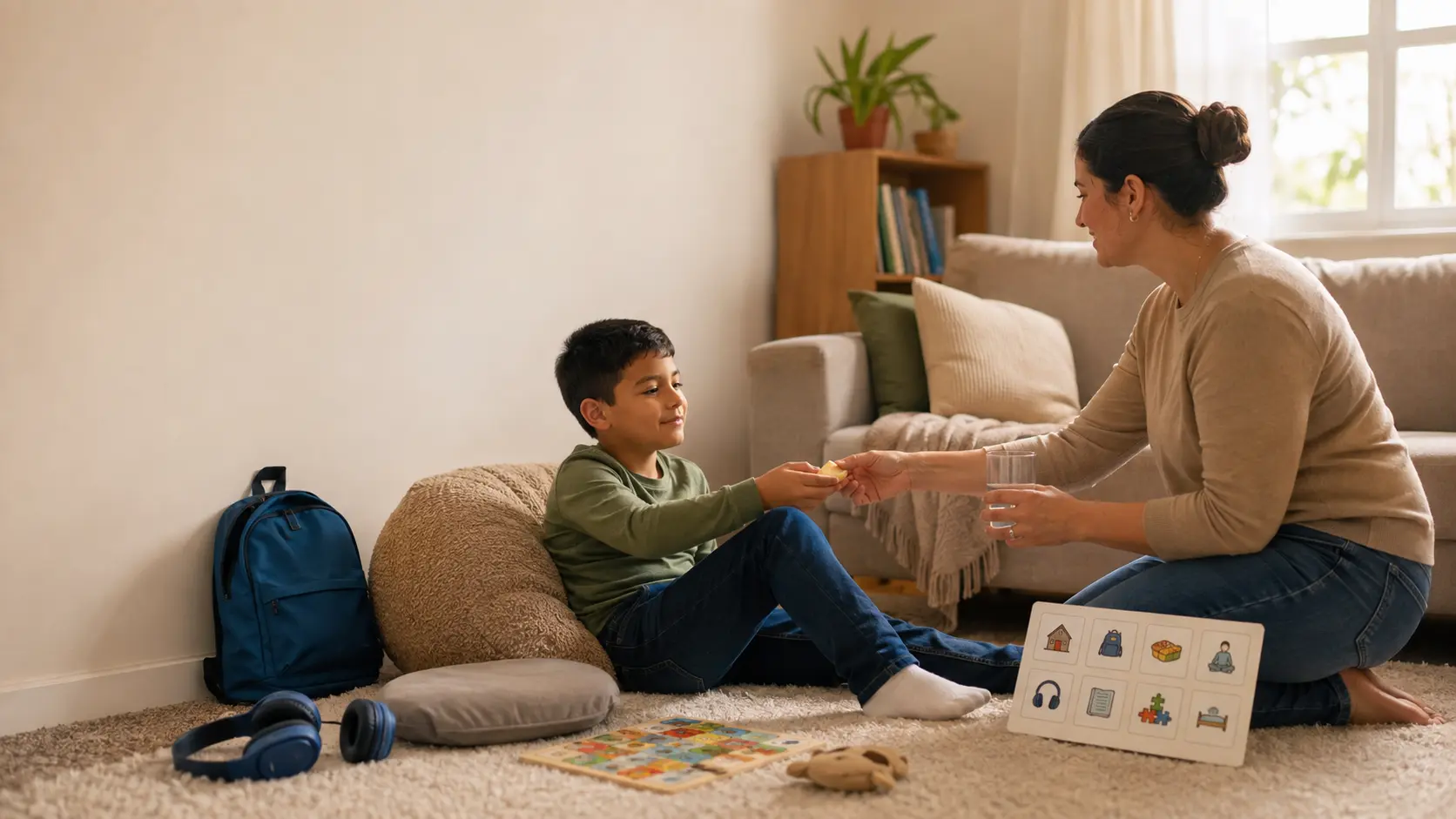
A replacement behavior is a safer skill that meets the same need as the self-injury. It must work for the child, or the child may return to the behavior that has worked before.
Examples include:
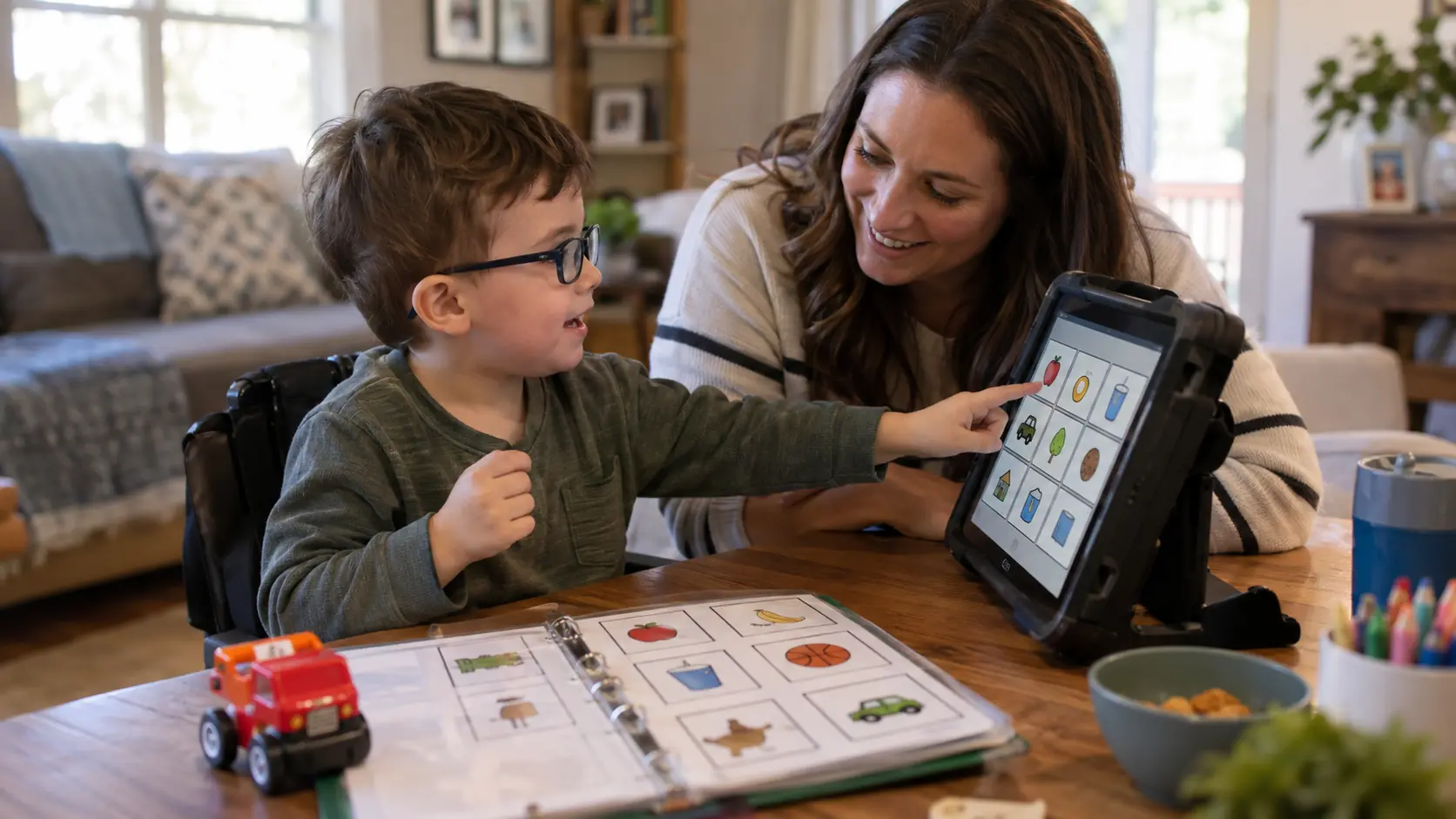
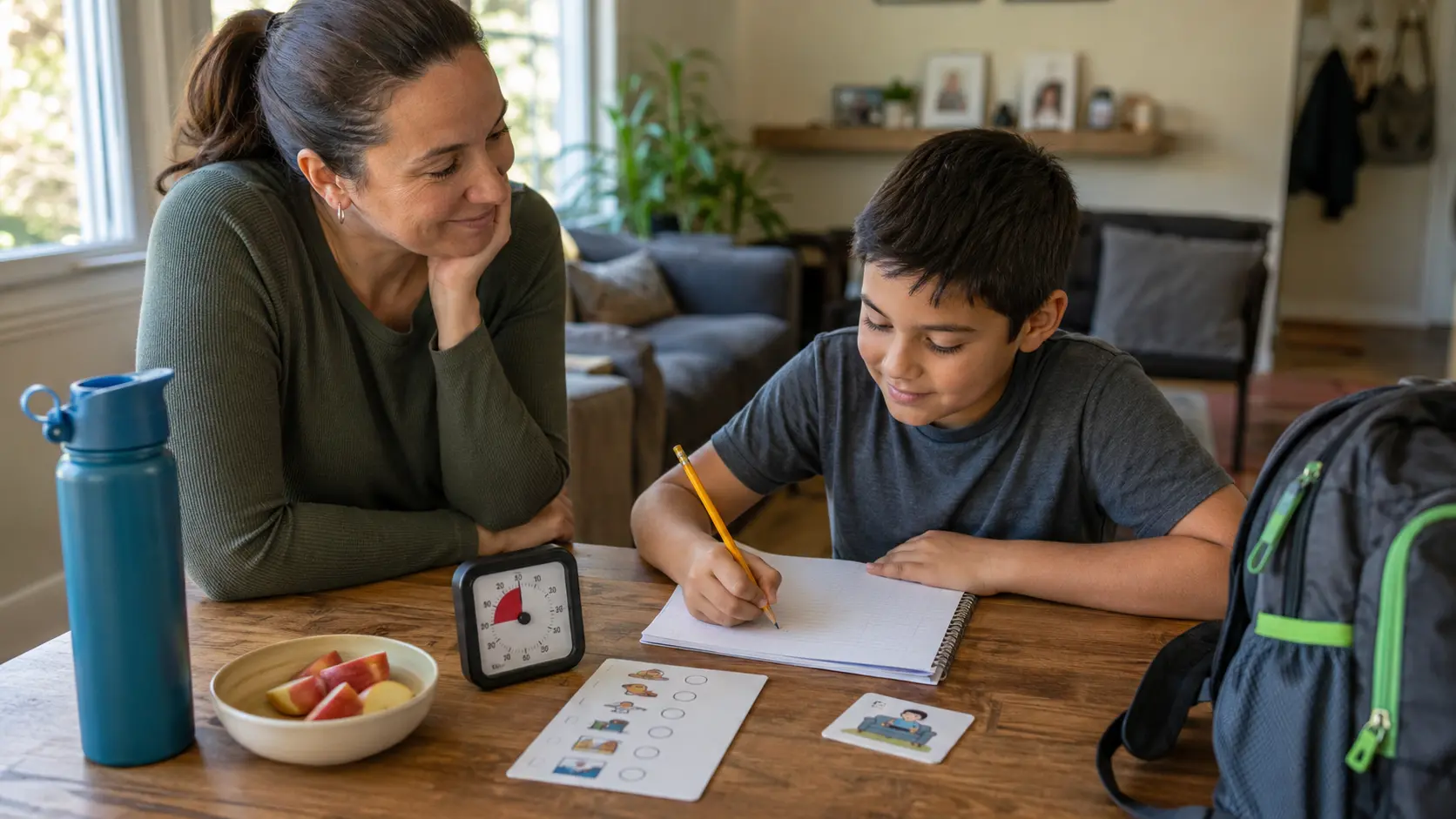
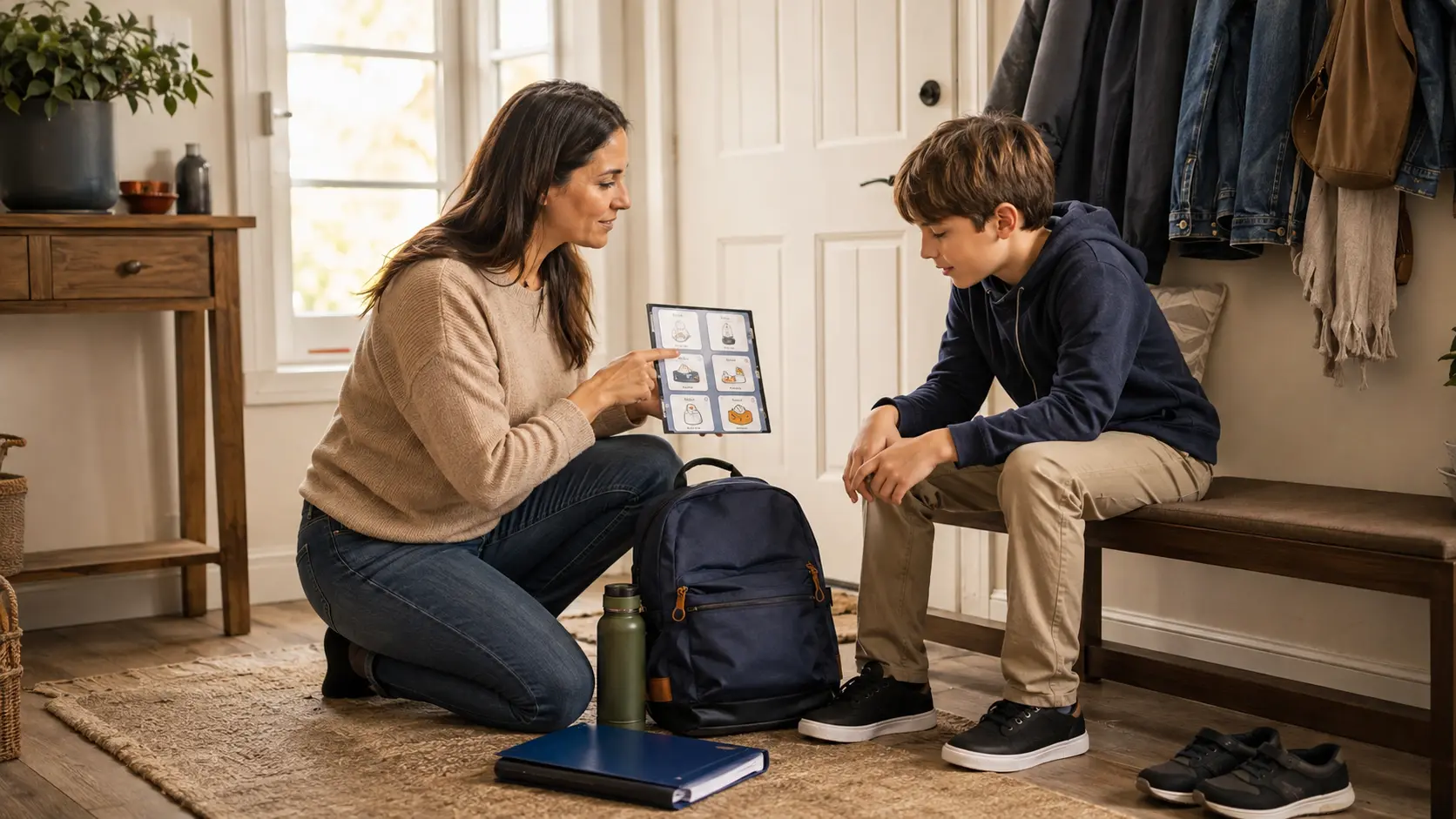
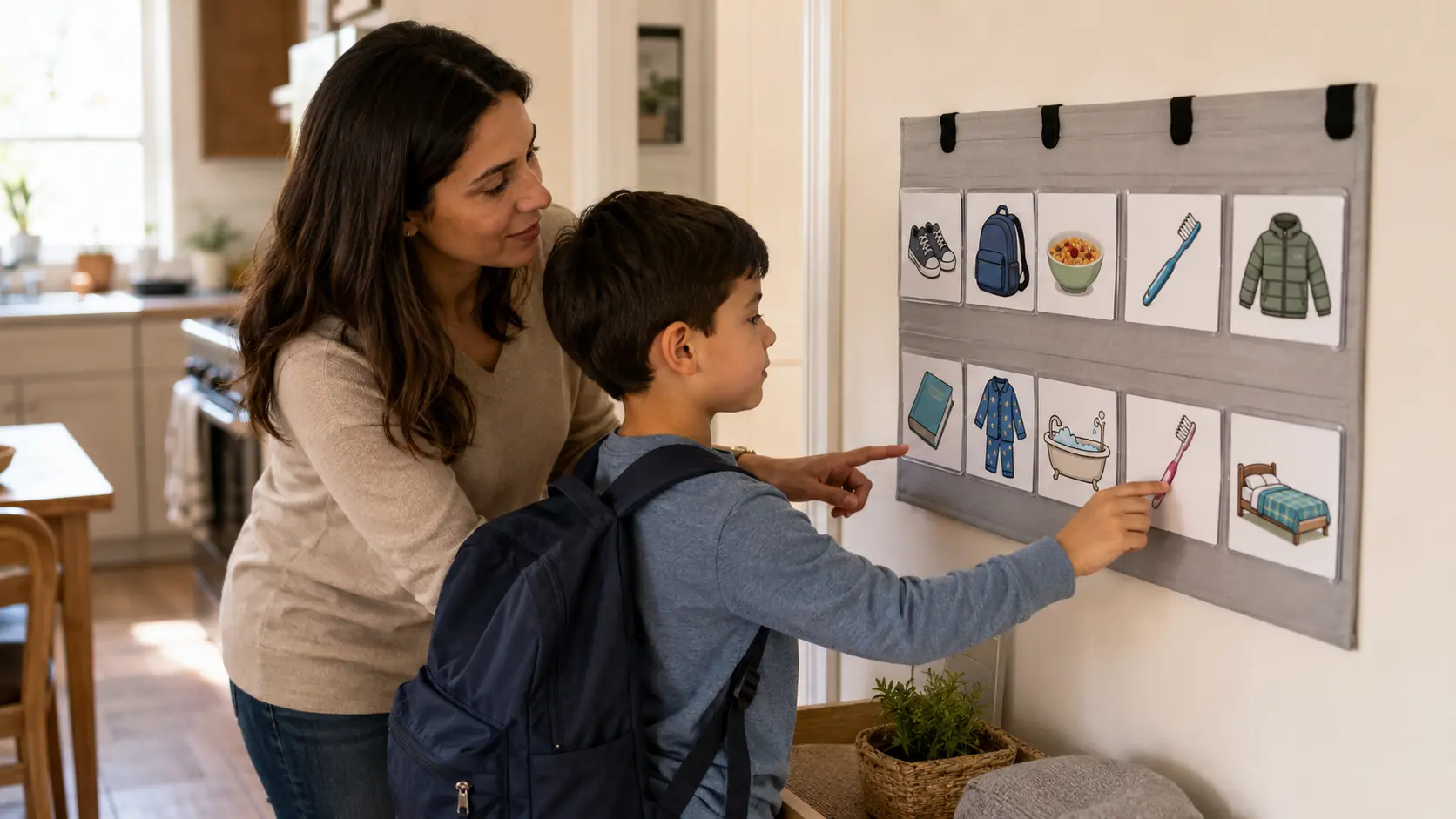
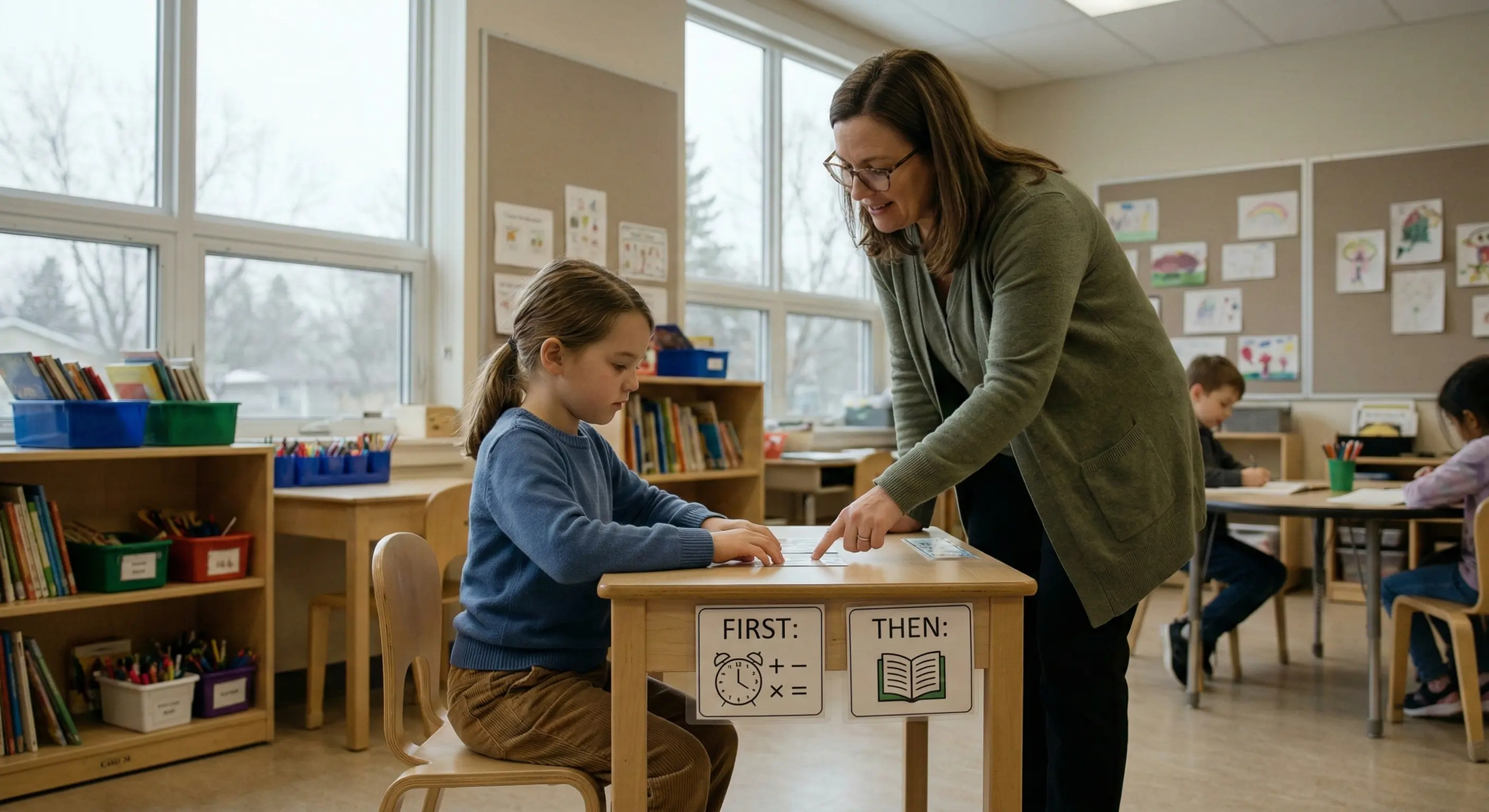
- If the function is escape, teach the child to request a break.
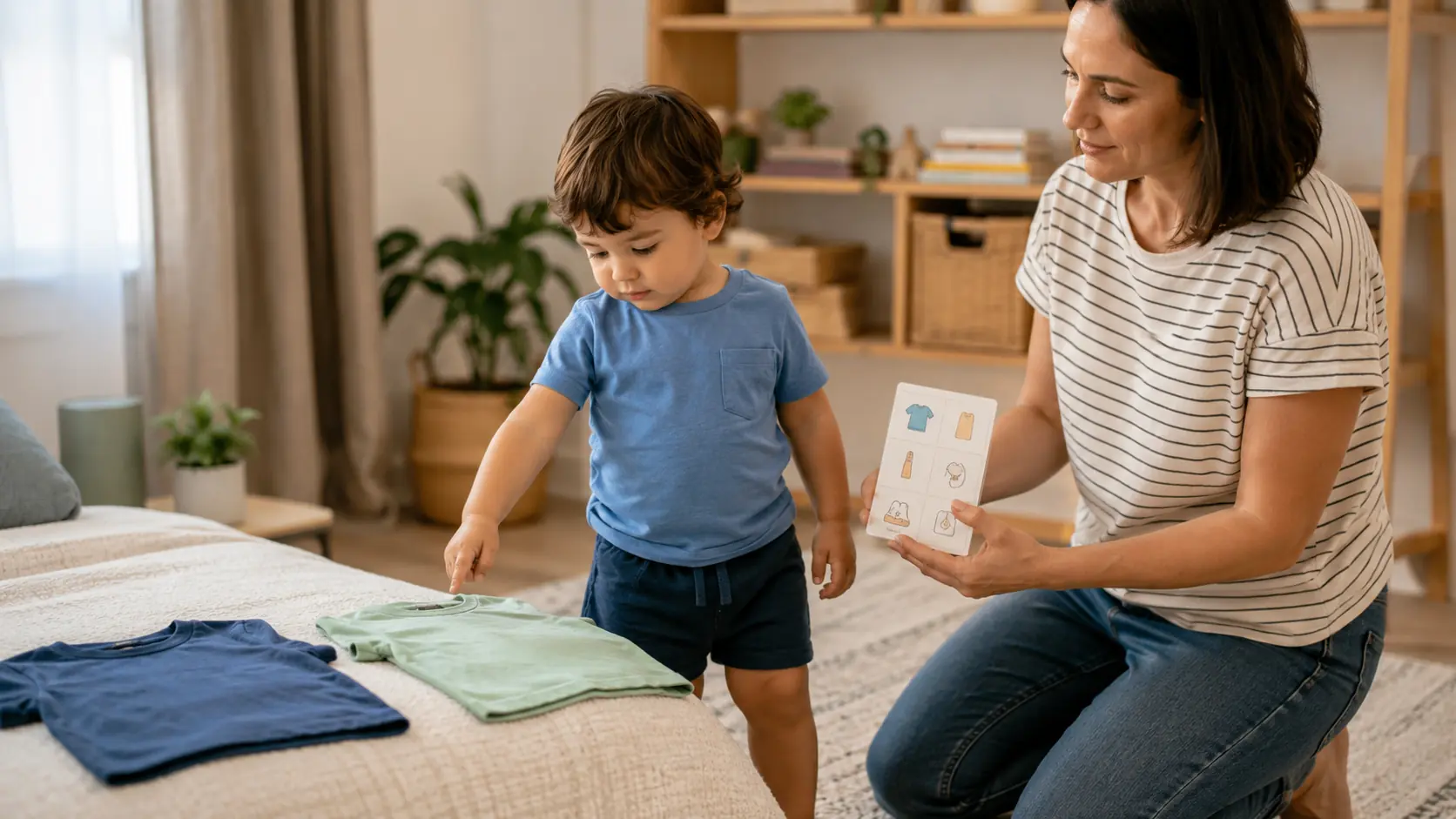
- If the function is access, teach the child to request the item or activity.
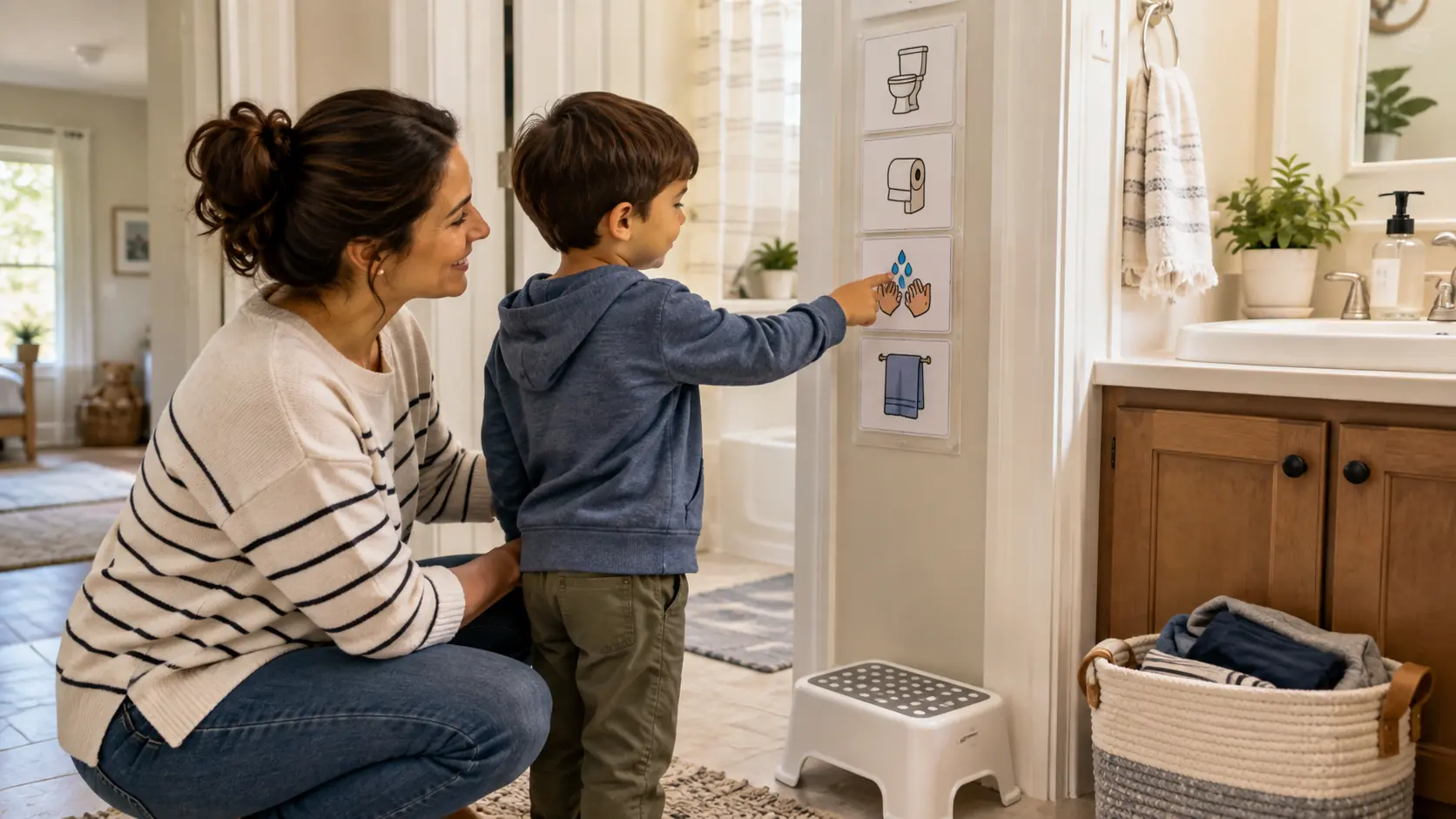
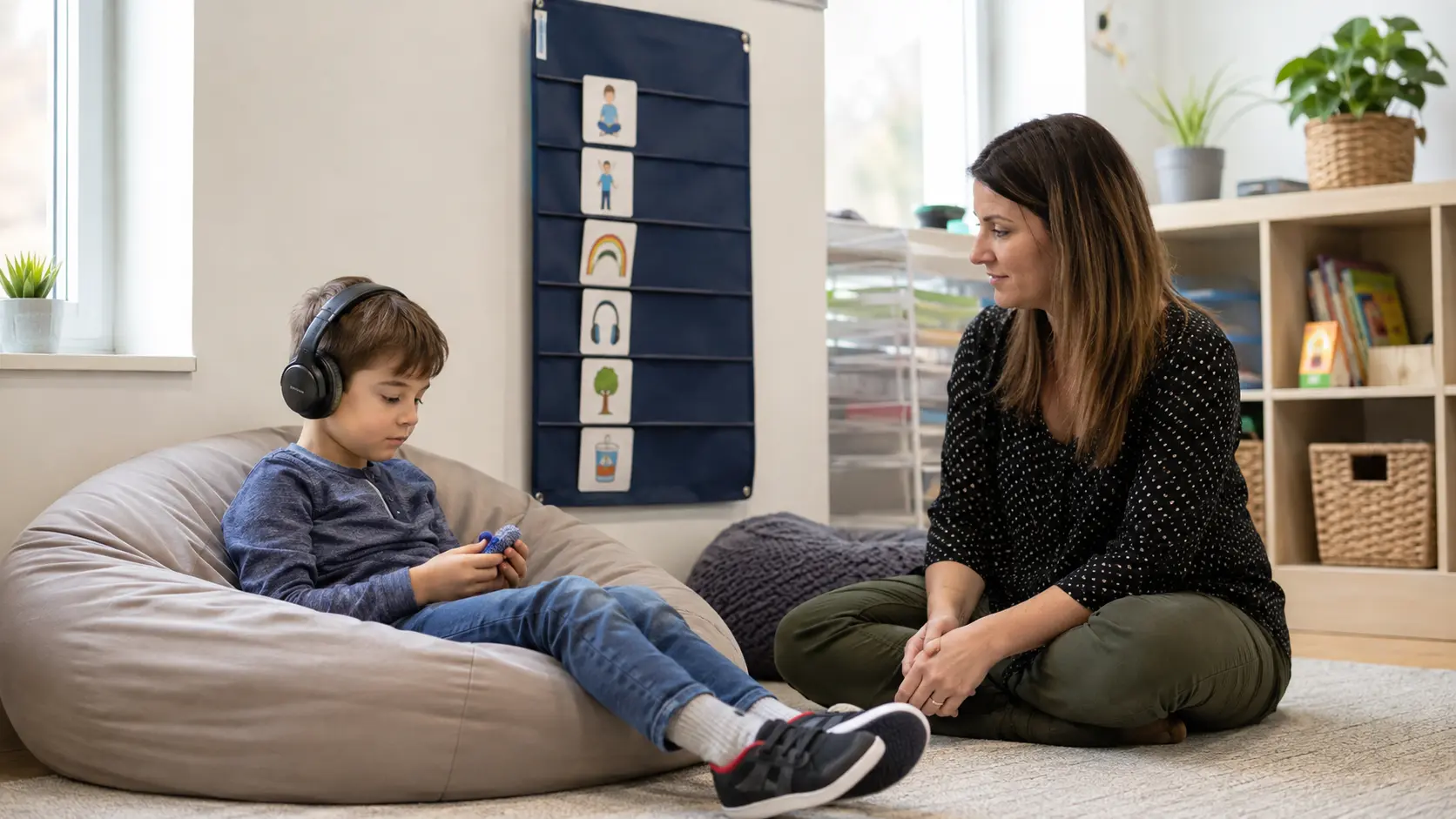
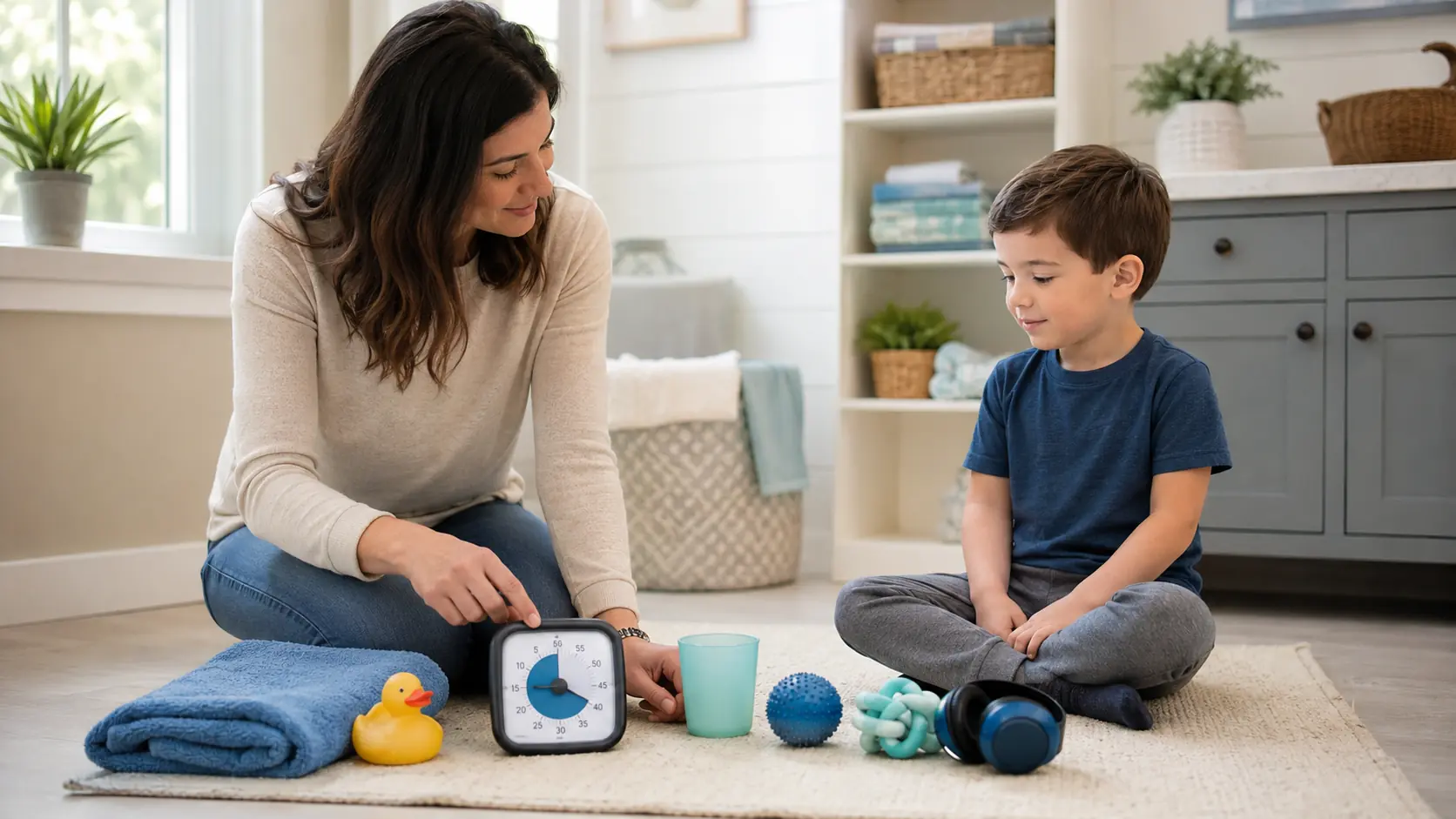
- If the function is sensory regulation, teach safer sensory options such as pushing a pillow, using a squeeze item, or accessing appropriate movement.
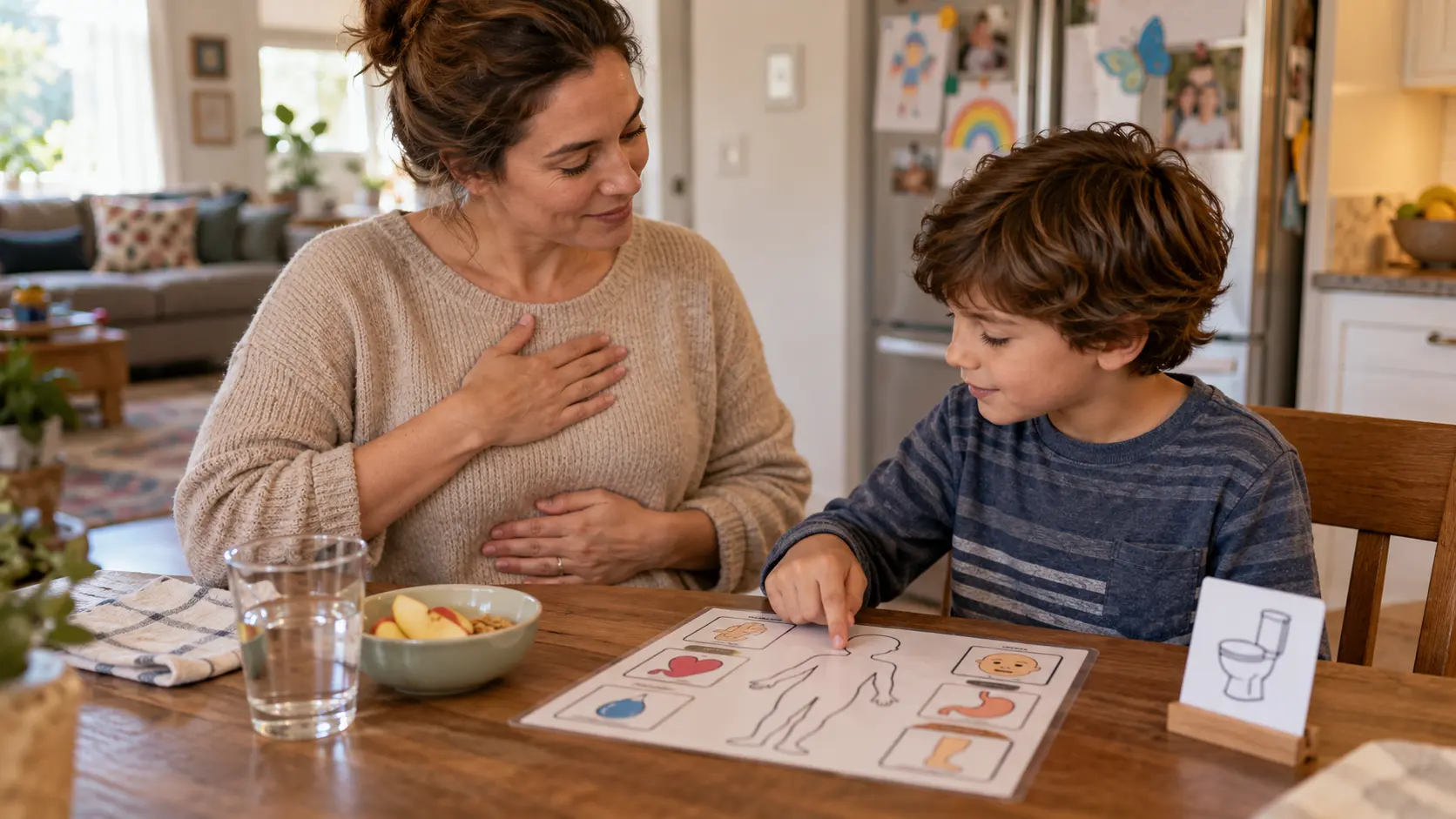
- If the function is pain, teach the child to communicate “I hurt” or point to where pain is felt.
- If the function is attention or connection, teach a safer way to get adult interaction.
Replacement behaviors require consistency, reinforcement, caregiver training, and ongoing data tracking.
When Medical or Mental Health Evaluation Is Needed
Self-injury should not be treated only as a behavioral concern. Medical or dental causes should be considered, especially when the behavior is new, sudden, or escalating.
Medical evaluation may be needed when there is:
- Sudden onset of self-injury
- Increased frequency or intensity without a clear trigger
- Signs of pain, such as ear pulling, tooth discomfort, stomach pain, or changes in eating
- Sleep disruption, illness, regression, or major behavior changes
- Recent medication changes
Mental health support may also be needed if there are signs of severe anxiety, depression, trauma, major distress, intentional self-harm, suicidal statements, or significant regression.
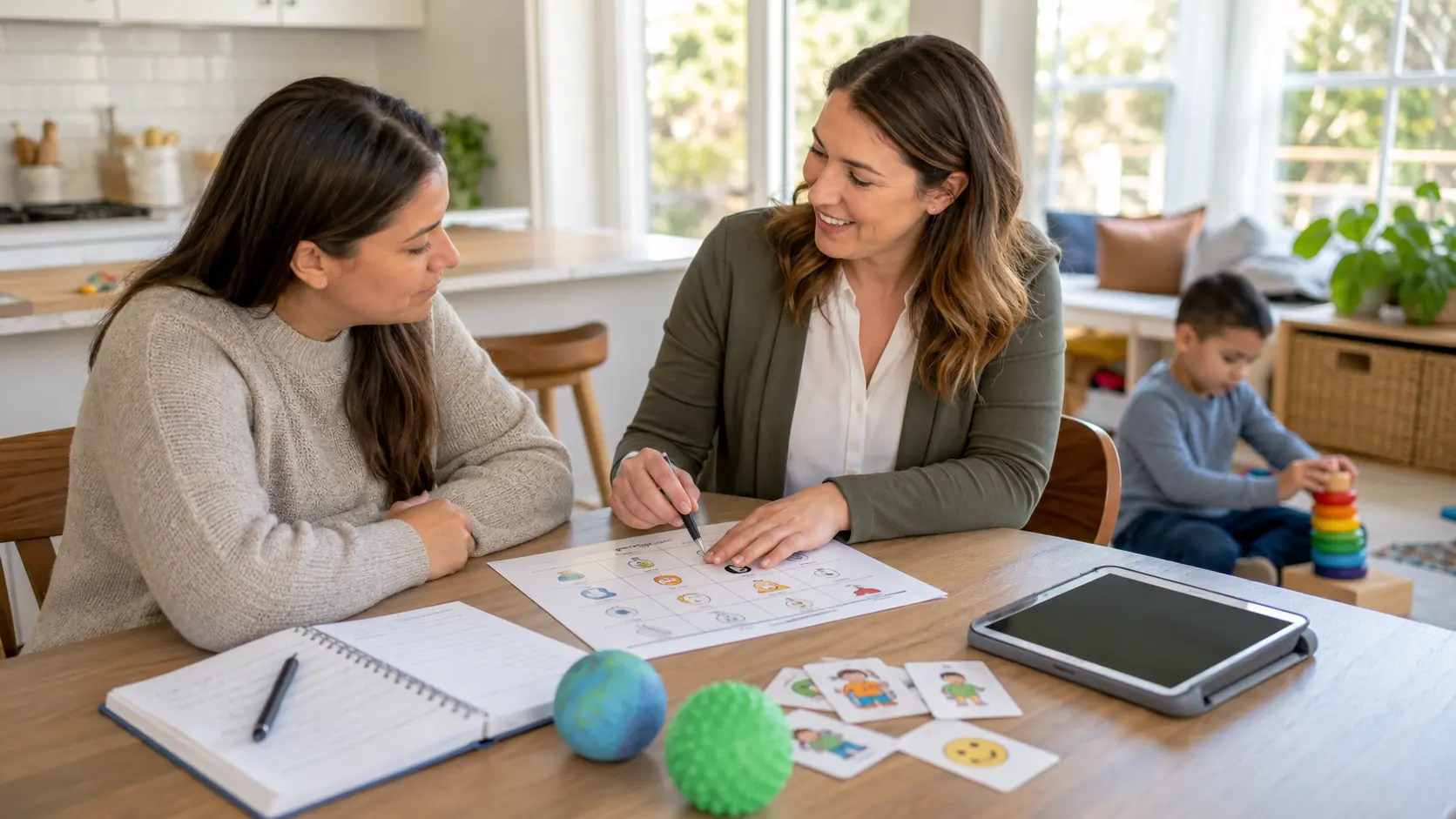
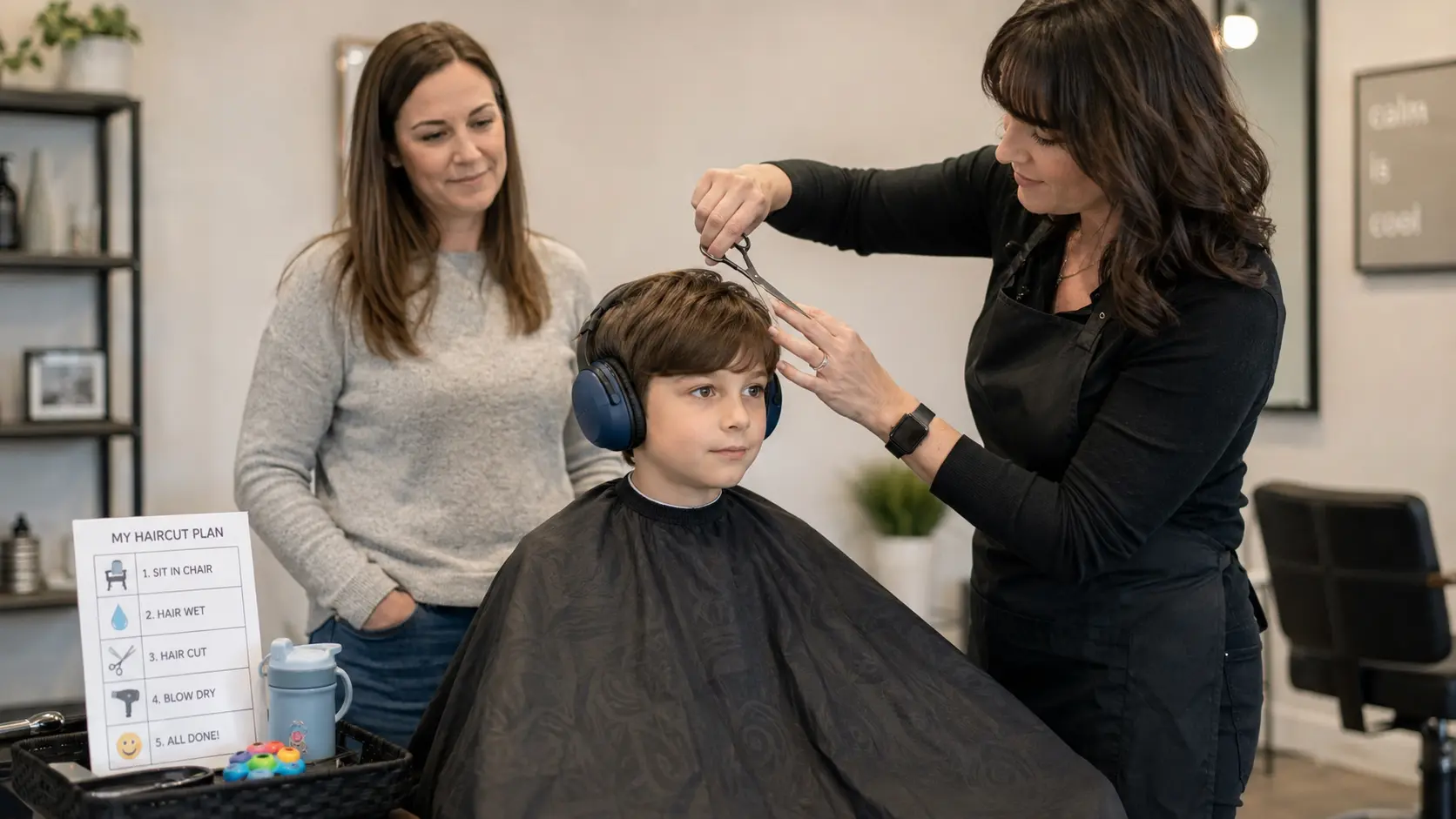
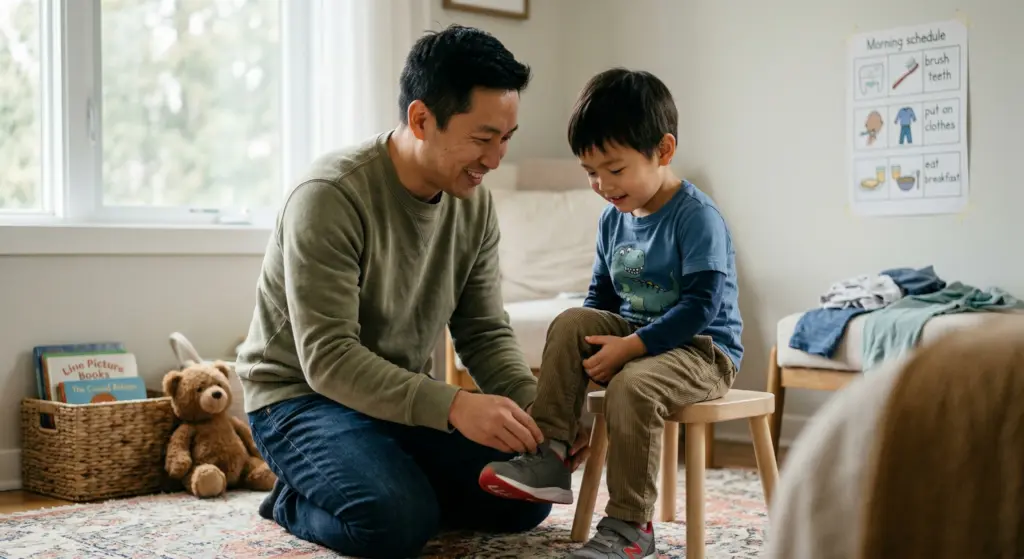
How Parents and ABA Teams Work Together
Self-injurious behavior improves most effectively when parents and the ABA team use the same plan consistently across daily life.
AtlasCare ABA may support families through:
- Behavior assessment: Identifying patterns, triggers, and behavior function.
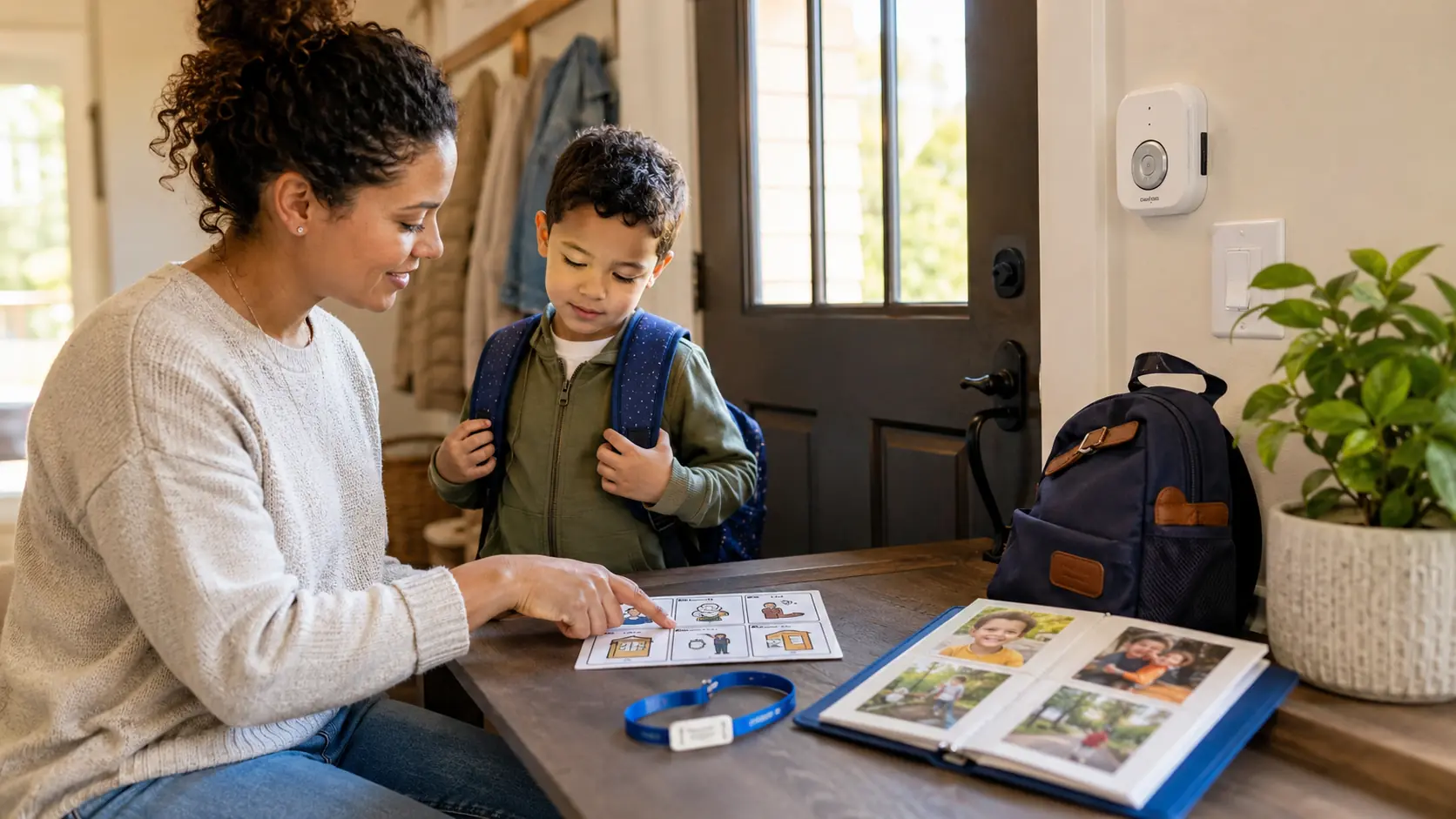
- Safety planning: Creating a clear plan for how to respond during episodes.
- Parent training: Coaching caregivers on replacement behaviors and safe responses.
- Data tracking: Reviewing whether self-injury is decreasing and safer skills are increasing.
- Coordination: Working with school teams, pediatricians, and specialists when needed.
The goal is not only to reduce self-injury, but to understand what the child is communicating and teach safer, more effective ways to meet that need.
Support Starts With Understanding the Why
If self-injurious behavior is part of your family’s daily life, the fear, stress, and exhaustion are real. It does not mean you are doing anything wrong, and you do not have to manage it alone.
Effective support starts with understanding why the behavior is happening before deciding what to do next. That means prioritizing safety, ruling out medical concerns when needed, completing a functional behavior assessment, teaching safer replacement behaviors, and supporting parents with a consistent plan.
AtlasCare ABA can help families facing self-injurious behavior through behavior assessment, safety planning, parent training, and individualized behavior support at home, school, and in the community.
Contact AtlasCare ABA to schedule a consultation and start building a safer support plan.








.webp)
.webp)
.webp)
.webp)
.webp)




.jpg)
.webp)

.webp)
.webp)





%20During%20Play%20in%20the%20Home.webp)