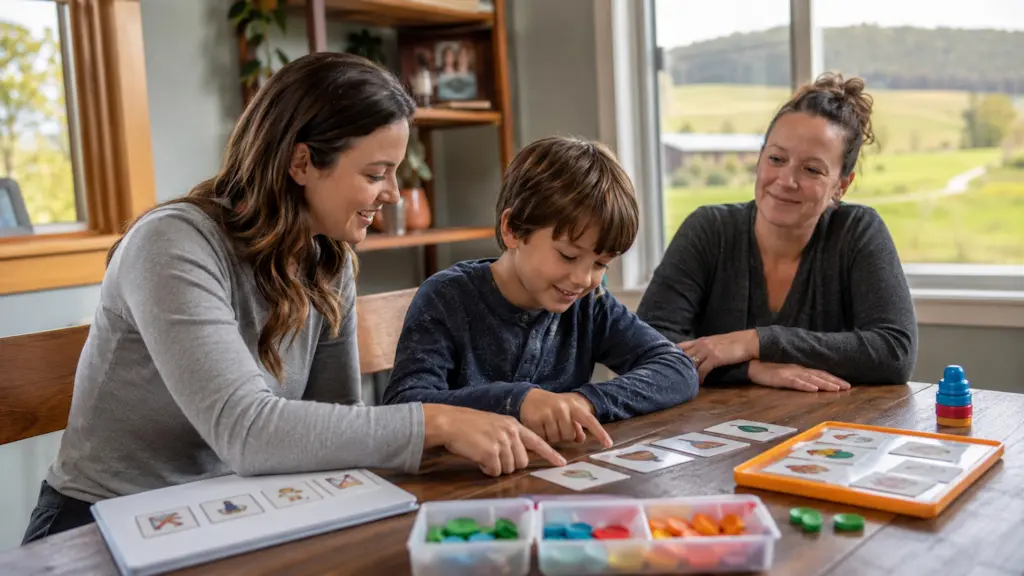
When you search for in-home ABA therapy near me from a small town or rural community in Iowa or New Mexico, the results can feel discouraging. The nearest clinic may be far away, listings may be limited, and waitlists may be long.
That challenge is real. But for many rural families, in-home ABA is still possible. Access often depends on staffing, travel range, insurance rules, and coordination. Understanding those factors can help families ask better questions and make more realistic next-step decisions.
The Challenge of Finding Quality Autism Care in Rural Areas
The experience of searching for autism services outside a major city is its own particular kind of difficulty.
What "Near Me" Really Means in a Rural Search
For rural families, “near me” often does not mean nearby in any practical sense. Search results may show providers an hour away, outdated listings, or clinics that serve a city but do not travel to smaller surrounding communities. In non-metro areas, the closest result is not always the same as real access.
Common barriers for families in rural Iowa and rural New Mexico include:
- Distance to the nearest specialist: The closest BCBA or ABA clinic may be far enough away that regular services become difficult to sustain.
- Limited local staffing: Rural areas often have fewer qualified providers, and available services may come with long waitlists.
- Transportation barriers: Long drives, fuel costs, and work schedules can make repeated appointments hard to manage.
- Insurance limitations: Some plans create added barriers through network restrictions or limited support for travel-related service delivery.
- Fragmented coordination: When care is spread across schools, pediatricians, and outside providers, families often end up managing the coordination themselves.
These are structural barriers, not personal failures. The key question is not whether families are trying hard enough, but which service models are actually designed to work for rural communities.
Why In-Home Therapy Is Often a Strong Model for Many Remote Families
For families who live outside a major city, the center-based clinic model — bringing a child to a dedicated therapy facility for multiple sessions per week — may not be a realistic primary option. In-home ABA therapy changes the access equation in several practical and clinical ways.
The Practical Advantage: Care That Comes to You
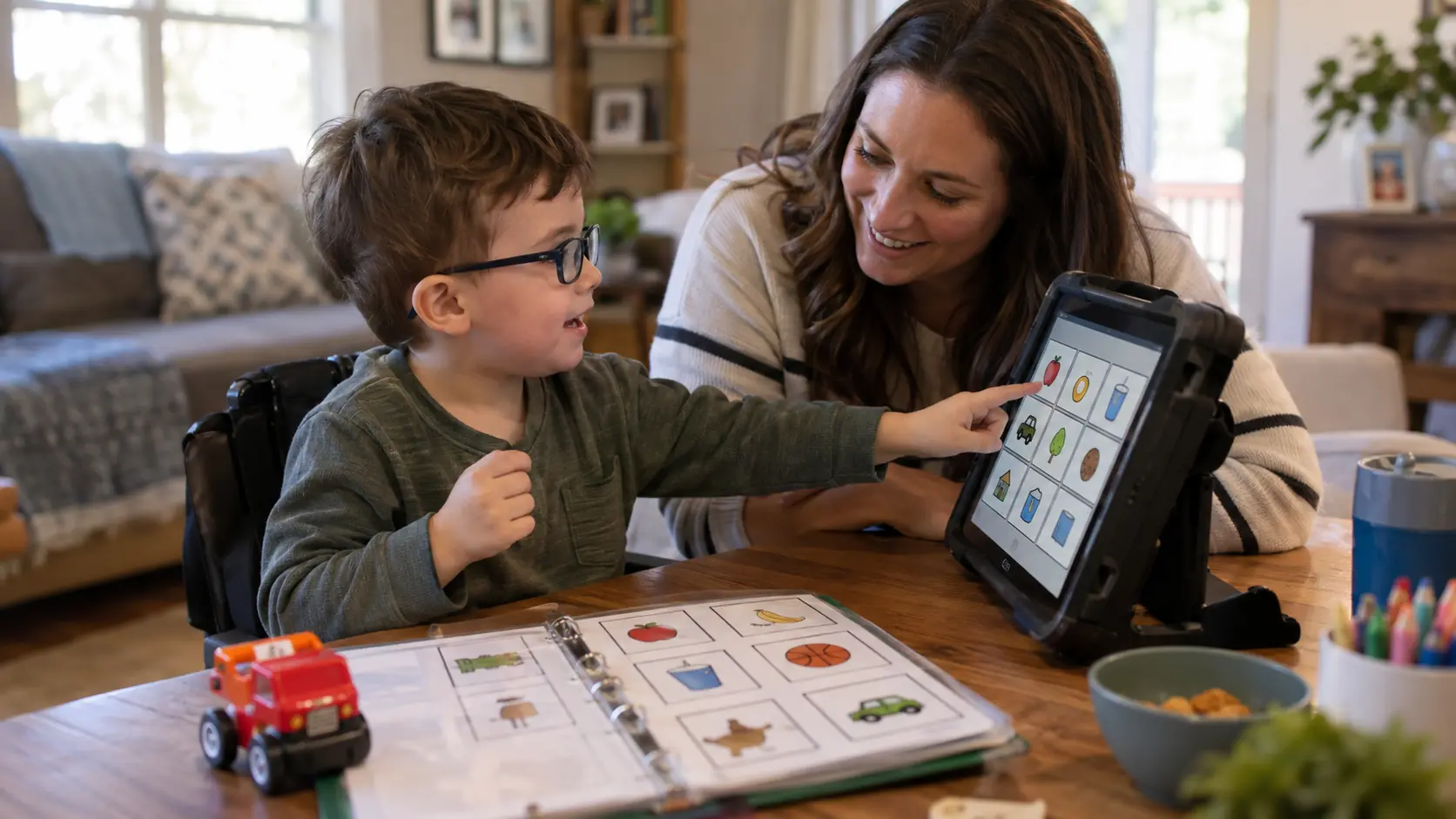
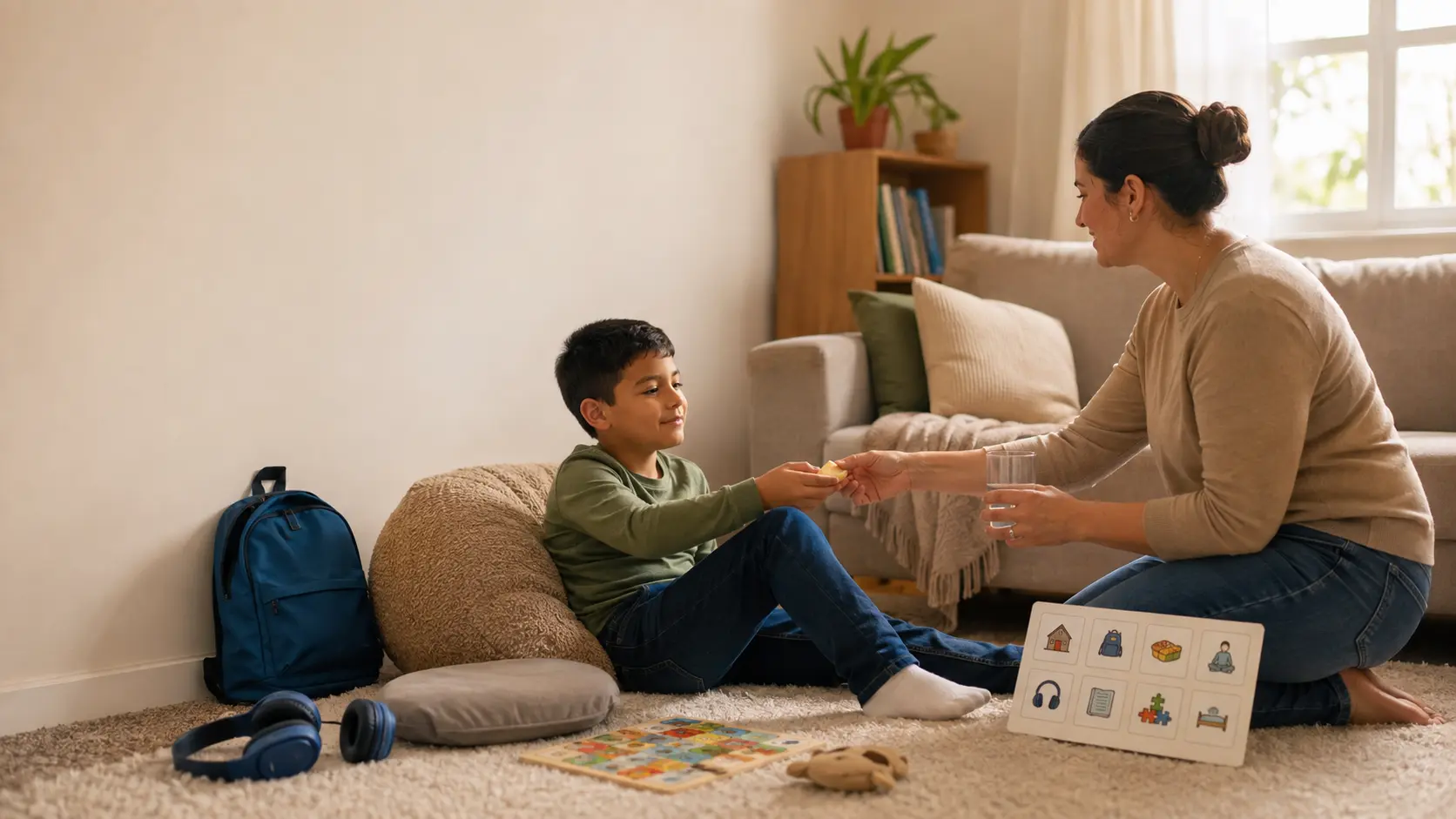
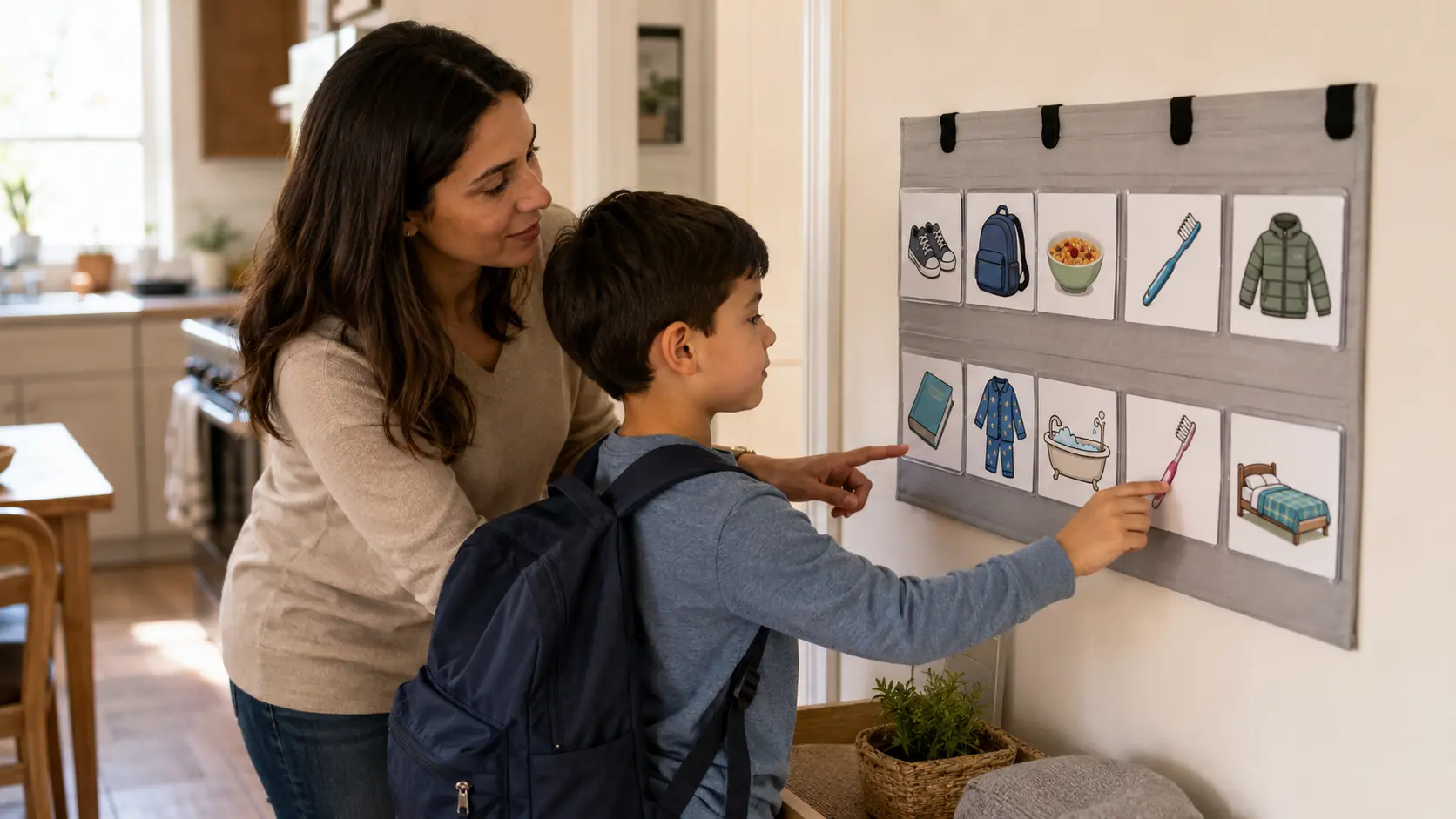
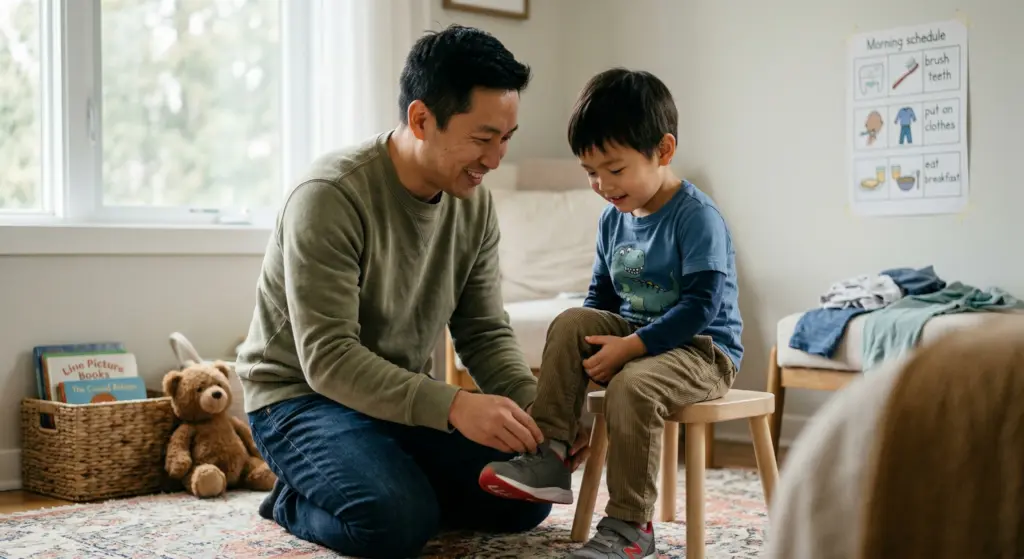
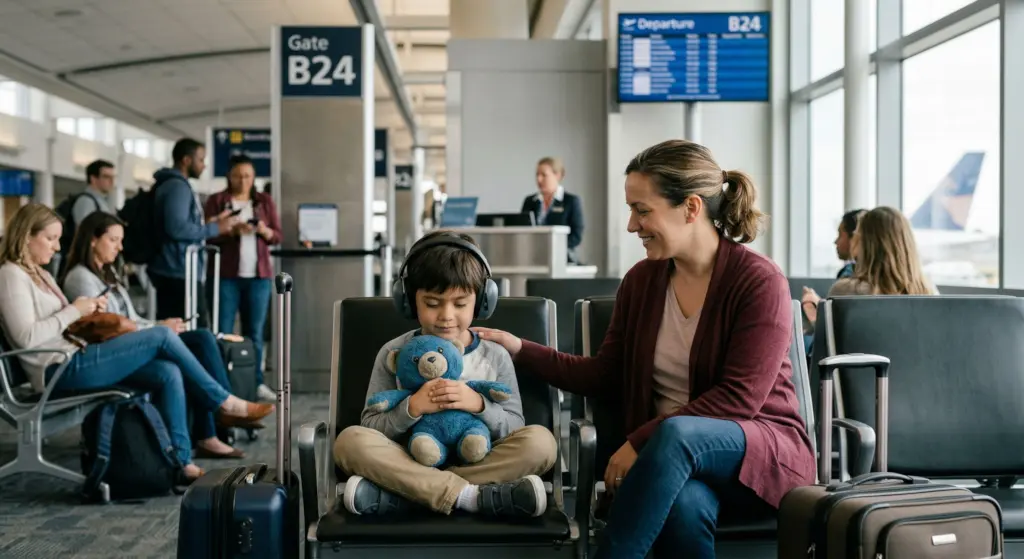
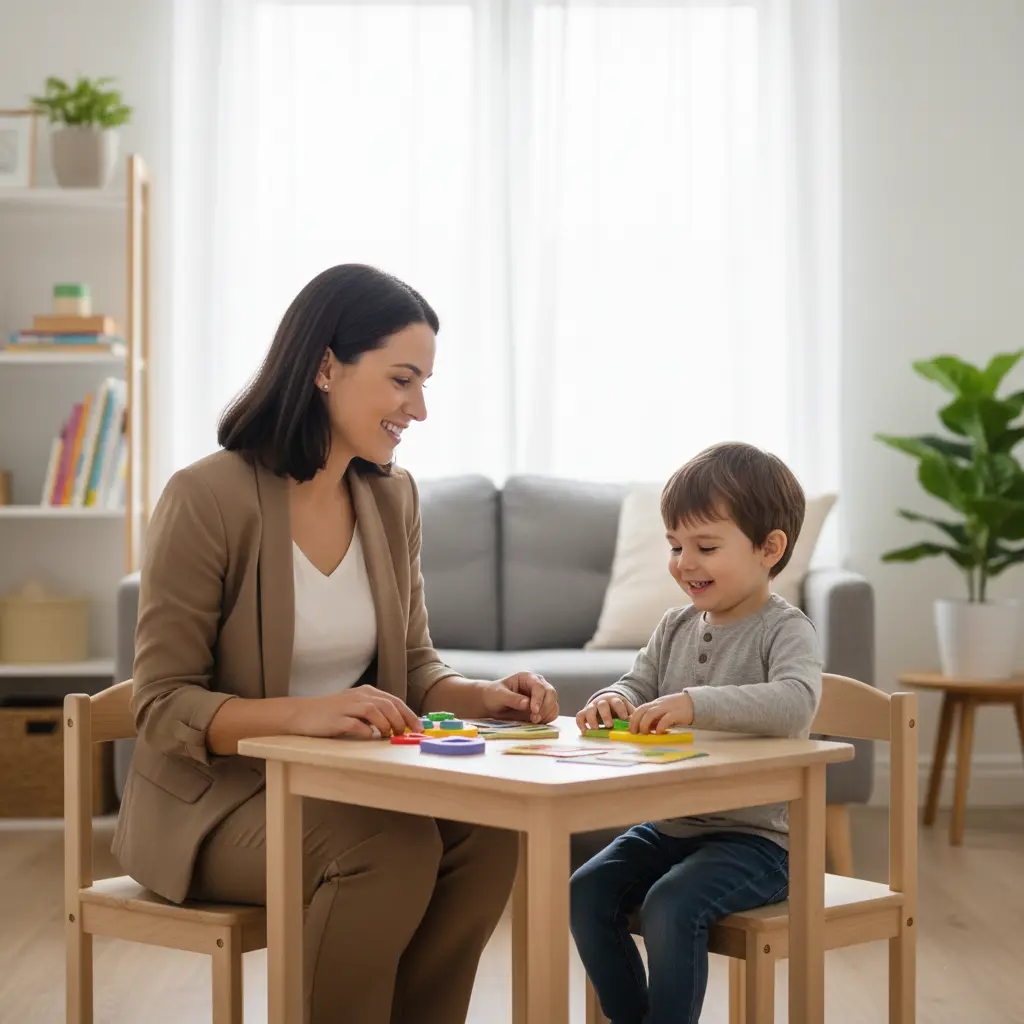
For rural families, the biggest benefit is simple: the provider comes to the home instead of the family traveling long distances. That can make services far more sustainable for working parents, families with limited transportation options, or children who find travel stressful or dysregulating.
In-home sessions can also reduce the child’s sensory and emotional load before therapy even begins. A child who starts in a familiar environment may be more regulated and more ready to learn than one arriving after a long drive.
The Clinical Advantage: Naturalistic Teaching in the Real Environment
In-home ABA also has clear clinical benefits, especially for functional daily-life goals:
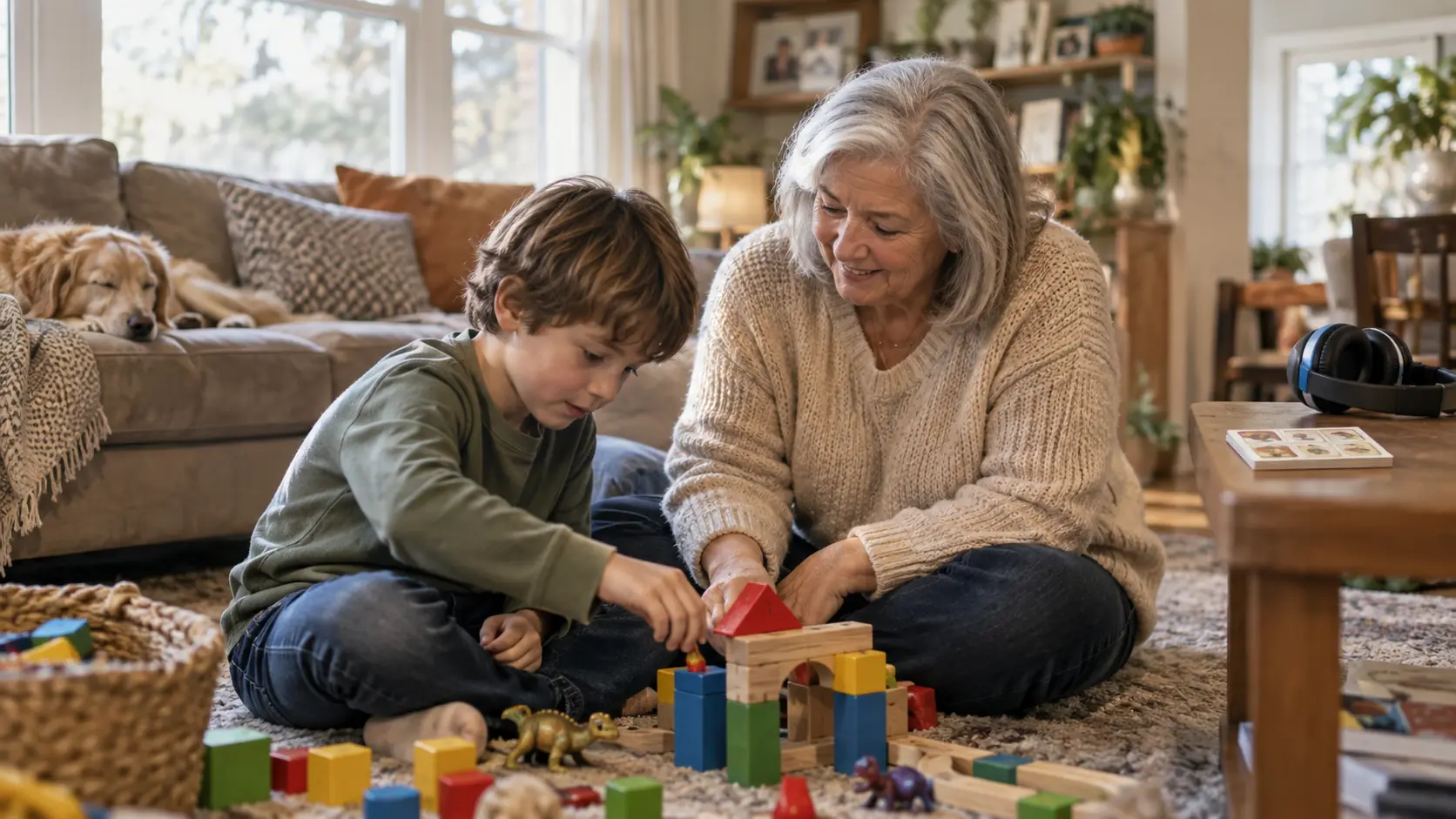
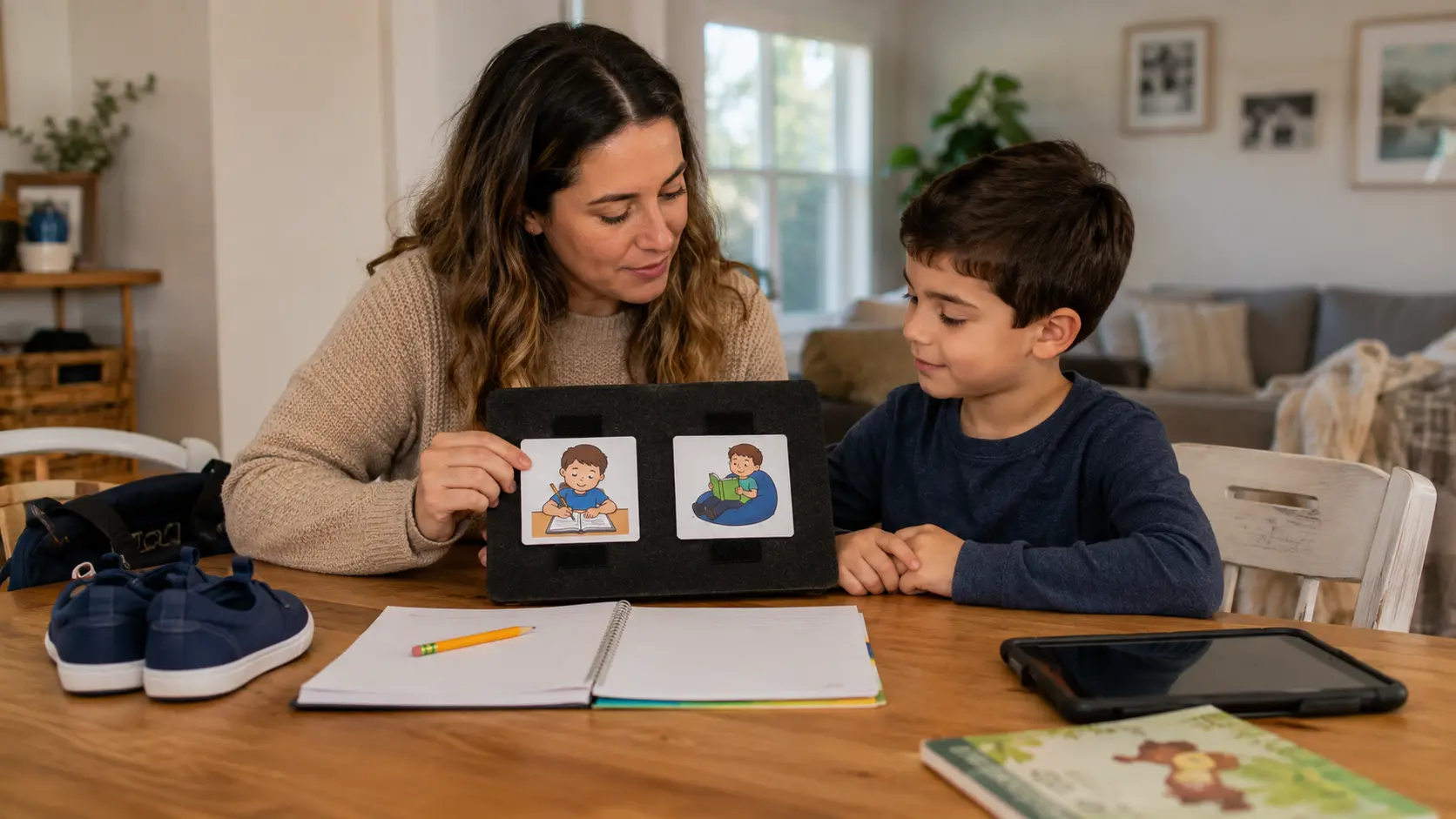
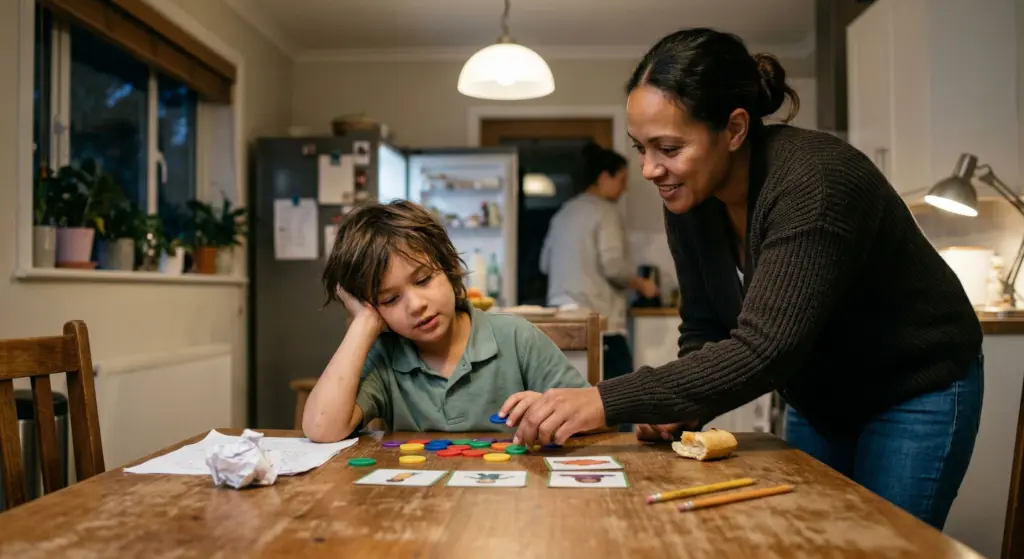
- Real-life context: Skills are taught in the child’s actual home and routines, which often makes them easier to use in daily life.
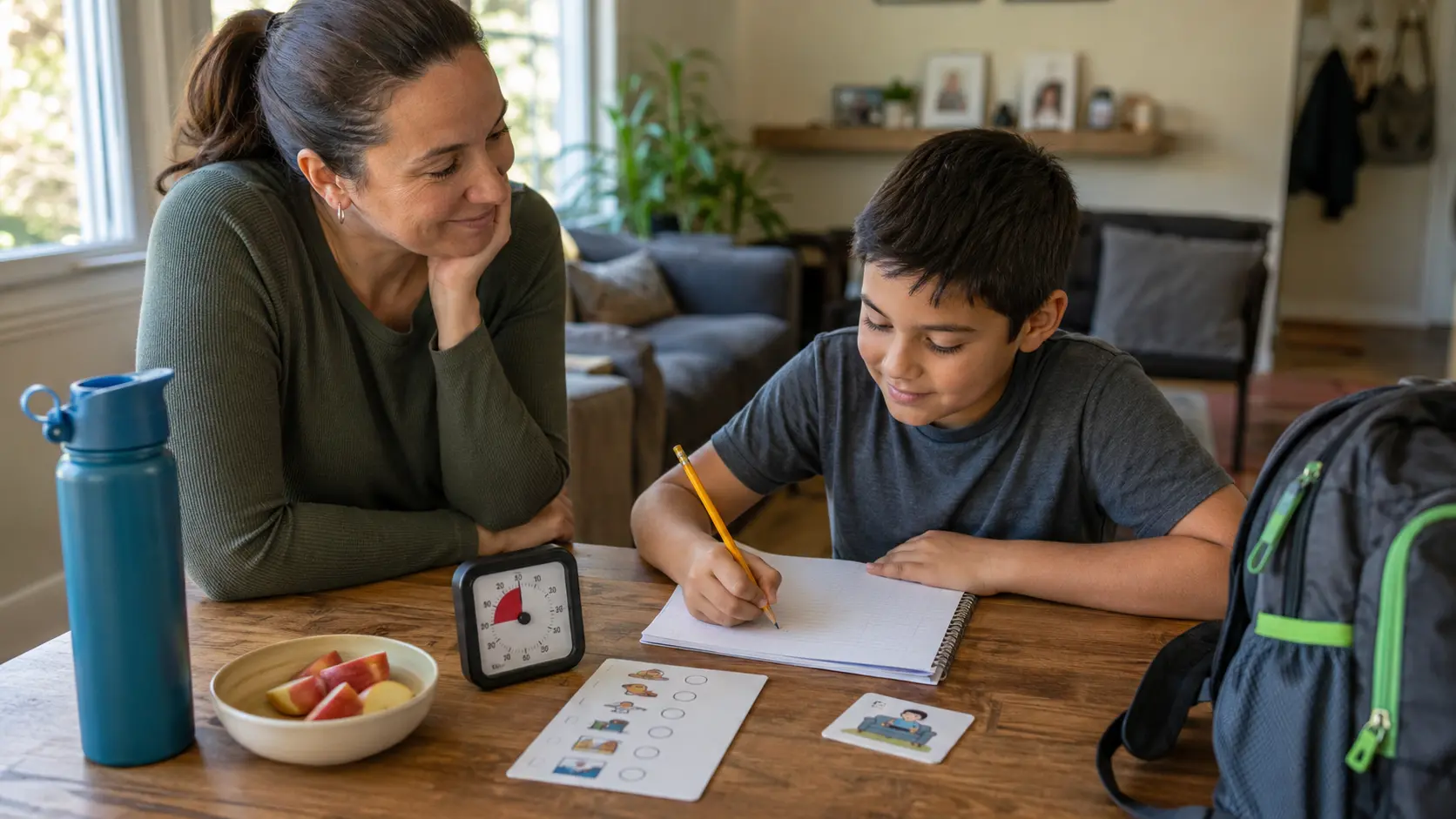
- Parent coaching in the moment: Caregivers can learn strategies during real routines and real challenges, not just through explanation.
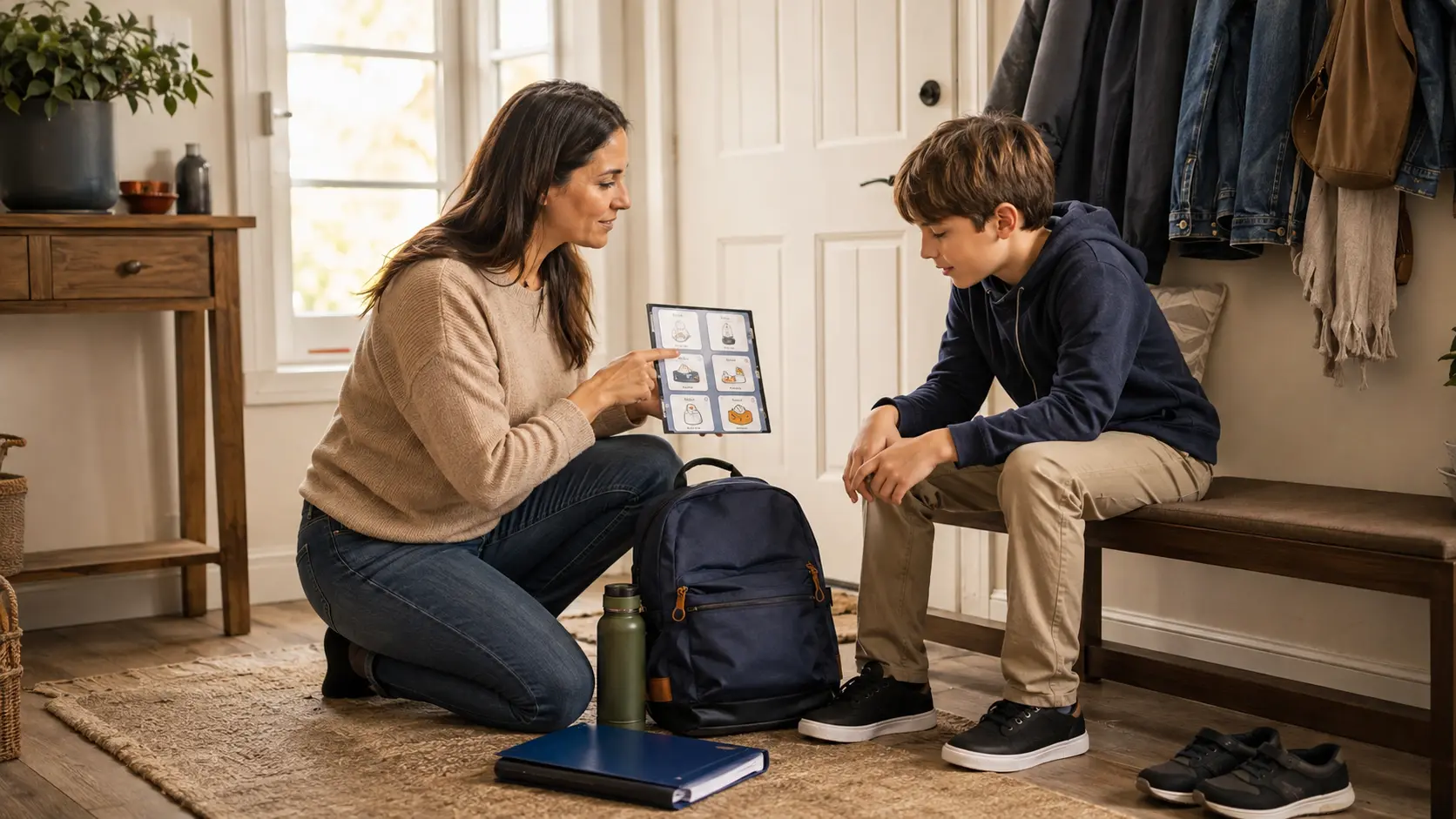
- Direct observation of triggers and routines: Providers can see what is happening in the environment and adjust strategies more accurately.
- Reduced stress for the child: For some children, learning at home feels safer and less overwhelming than starting in an unfamiliar clinic.
Home-based therapy is not the only model every child needs. Some children also benefit from center-based services, especially for peer interaction or structured group learning. But for many rural families, in-home ABA is not a lesser option — it is a practical and clinically strong model for supporting communication, routines, behavior, and caregiver follow-through.
How AtlasCare Serves Underserved Communities in New Mexico and Iowa
AtlasCare ABA is designed with rural family life in mind, not with the expectation that families can easily reorganize everything around clinic-based care. For families in smaller communities across Iowa and New Mexico, that matters.
Travel-Aware Scheduling and Rural Outreach
AtlasCare’s model is built to support families outside major metro areas. Availability still depends on staffing, travel range, and current capacity, so families should check directly for their location. But the service model is intentionally designed with non-metro access in mind.
For rural families, scheduling may involve fewer but longer visits when frequent travel is not practical, combined with strong parent coaching between sessions. The goal is care that is realistic and sustainable.
How BCBA Supervision Can Work Across Distance
A common concern is whether meaningful BCBA oversight is possible when in-person contact is less frequent. In rural service models, supervision often combines in-person visits with structured remote support, such as data review, caregiver check-ins, video observation when appropriate, and regular goal updates.
Families should always ask how BCBA supervision works in practice, including how often it happens and what parts are done in person versus remotely.
Remote Intake and Tele-ABA as Part of Access
Not every part of ABA care has to begin in person. Intake, insurance verification, caregiver coaching, and planning discussions can often happen by phone or secure video, which can help families get started sooner.
Tele-ABA may also be useful for some goals and some families, depending on the child’s age, communication style, and needs. It is not a full replacement for in-home therapy in every case, but it can be one important part of improving access.
Getting Started: The Remote Intake and Assessment Process
Starting ABA in a rural area can feel overwhelming, especially when it is not clear whether services will actually be available in a practical way. A good intake process should help answer that early.
What to Expect If There Is No Clinic Near You
Not having a local clinic does not automatically mean services are unavailable. It usually means the provider will need to build a plan around travel and logistics. A realistic intake process often includes:
- Availability and location check: The provider confirms whether your county or ZIP code is within their service area. If not, ask about waitlists, future expansion, or referrals.
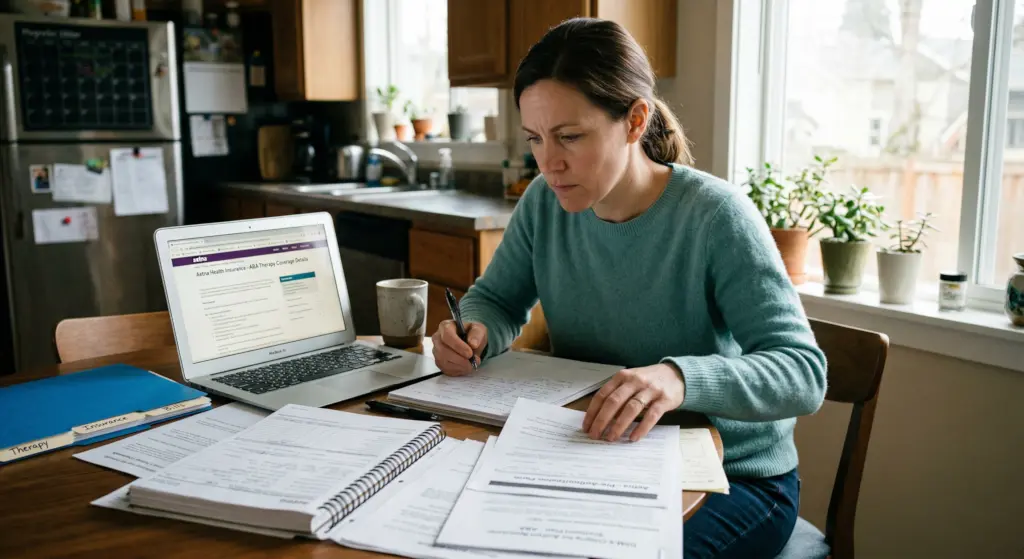
- Insurance and authorization review: Most ABA services require insurance verification and prior authorization, which can take time.
- Intake call: This is usually a phone or video conversation about your child’s needs, routines, and the main concerns you want help with.
- Assessment planning: If the provider is a fit, the next step is scheduling the initial evaluation, which may include in-home visits and parent input.
- Service planning: After assessment, the provider develops goals and proposes a schedule that takes rural travel, visit frequency, and caregiver coaching into account.
Questions to Ask Before Joining a Waitlist
- Does this provider currently serve my specific ZIP code or county? Service radius varies by provider — confirm rather than assume.
- What is the current typical wait time for families in my area? Waitlist durations vary significantly; understanding the realistic timeline helps you plan and consider whether to pursue parallel options.
- What happens during the wait? Some providers can begin remote intake, insurance authorization, or caregiver coaching while in-person services are pending.
- How is BCBA supervision structured for families in my area? Understanding oversight frequency and format is a reasonable quality assurance question.
- Does your organization bill for travel time, and if so, how does that affect my co-pay or insurance liability? Travel billing practices vary by provider and payer; confirm early.
- What components of care, if any, can be delivered via telehealth? This matters for families where in-person frequency is limited by distance.
- What should I do while I wait? A good provider will offer practical guidance on what families can do in the meantime — school advocacy, caregiver coaching resources, connection to other supports.
Geography Should Not Determine Whether Your Family Gets Support
Living outside a major city does not mean your child needs less support. It means access often depends on providers who understand rural logistics and can build care around them.
In-home ABA can be a strong option for rural families — not just a backup when clinic care is far away, but a practical and clinically sound way to support daily routines, communication, and caregiver follow-through in the home environment.
If you have been unsure whether services are possible where you live, the best first step is to ask directly. Access may be more realistic than it first appears.
If you are looking for in-home ABA outside a metro area, AtlasCare can help you explore what is available in your location.
Reach out to confirm availability in your ZIP code or county.
















.webp)


.webp)
.webp)
.webp)
.webp)




.jpg)

.webp)

.webp)
.webp)








%20During%20Play%20in%20the%20Home.webp)