You turn around for a moment in the grocery store and they are gone. You check the backyard and the gate is open. A school calls to say your child was found near the fence. In each of these moments, the fear is immediate and visceral — and many parents of autistic children know that feeling all too well.
Autism elopement — leaving a safe area or responsible caregiver — is a safety concern that affects a meaningful number of autistic children and genuinely terrifies their families. It is not a behavior that signals failure on the part of the parent or the child. It is a pattern that often communicates something real: a need, a trigger, a destination, or a response to something overwhelming. And while that understanding matters for long-term safety planning, the first priority when elopement is a concern is always the same: making the environment safer while the behavioral work begins.
What Is Elopement in Autism?
Parents searching for an autism elopement definition, autistic elopement meaning, or what is elopement in autism are usually asking the same core question: why does a child leave a safe place, and how can the family reduce the risk before it happens again?
The autism elopement meaning is leaving a safe area or responsible caregiver without supervision or permission in a way that creates a safety risk. This is different from ordinary childhood curiosity because it is often repeated and can place the child in danger.
For autistic children, elopement may look like:
- Running from a parent in a parking lot, store, or playground
- Leaving home through a door, gate, or window
- Bolting from a classroom or school building
- Wandering during a transition or distraction
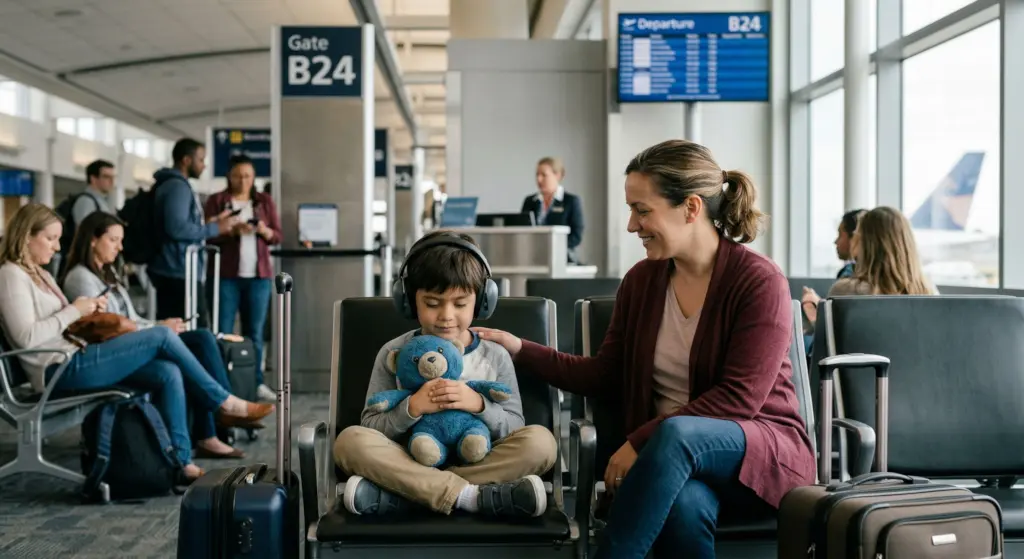
- Heading toward a preferred place, such as water, a park, or a neighbor’s home
Elopement is not simply a discipline issue. Because it can involve roads, water, strangers, or unfamiliar environments, it needs a safety-first response and a plan to understand what is triggering the behavior.
Why Autistic Children May Wander or Run Away
Elopement is rarely random. In many cases, the child is moving toward something they want or away from something difficult. Understanding that reason is key to creating safer, more effective prevention strategies.
Common reasons autistic children may elope include:
- Access to a preferred place or item: Running toward water, a park, toy aisle, or familiar location.
- Escape from demands: Leaving when asked to clean up, complete work, or start a difficult task.
- Escape from sensory overload: Running from loud, crowded, bright, or overwhelming environments.
- Seeking movement or sensory input: Running or being outside may feel regulating or rewarding.
- Following a routine or interest: Moving toward a familiar place because it is part of an established pattern.
- Communication distress: Leaving may be the child’s way of saying “I need a break,” “I want to leave,” or “I’m overwhelmed.”
This does not make elopement safe or acceptable. It means prevention needs to address what is driving the behavior, not just block the child from leaving.
Common Elopement Triggers and What They Look Like
Elopement issues autism families describe often happen during predictable moments. Knowing your child’s highest-risk situations helps you plan before the behavior happens.
Other triggers may include changes in routine, new caregivers, fatigue, hunger, illness, or unmet communication needs. Tracking when, where, and why elopement happens can help parents and ABA teams identify patterns and plan safer supports.
Why Safety Planning Comes First
Behavior change takes time. ABA assessment, communication supports, and transition strategies can help, but safety planning must begin immediately while those skills are being taught.
Home Safety
- Door alarms: Simple alarms can alert caregivers when an exterior door opens.
- Secure exits: Extra locks or latches placed safely and legally can delay unsupervised exits.
- Window safety: Treat windows as possible exit points, especially near roads, pools, or upper floors.
- Pool and water precautions: If water is nearby, fencing and self-latching gates are critical safeguards.
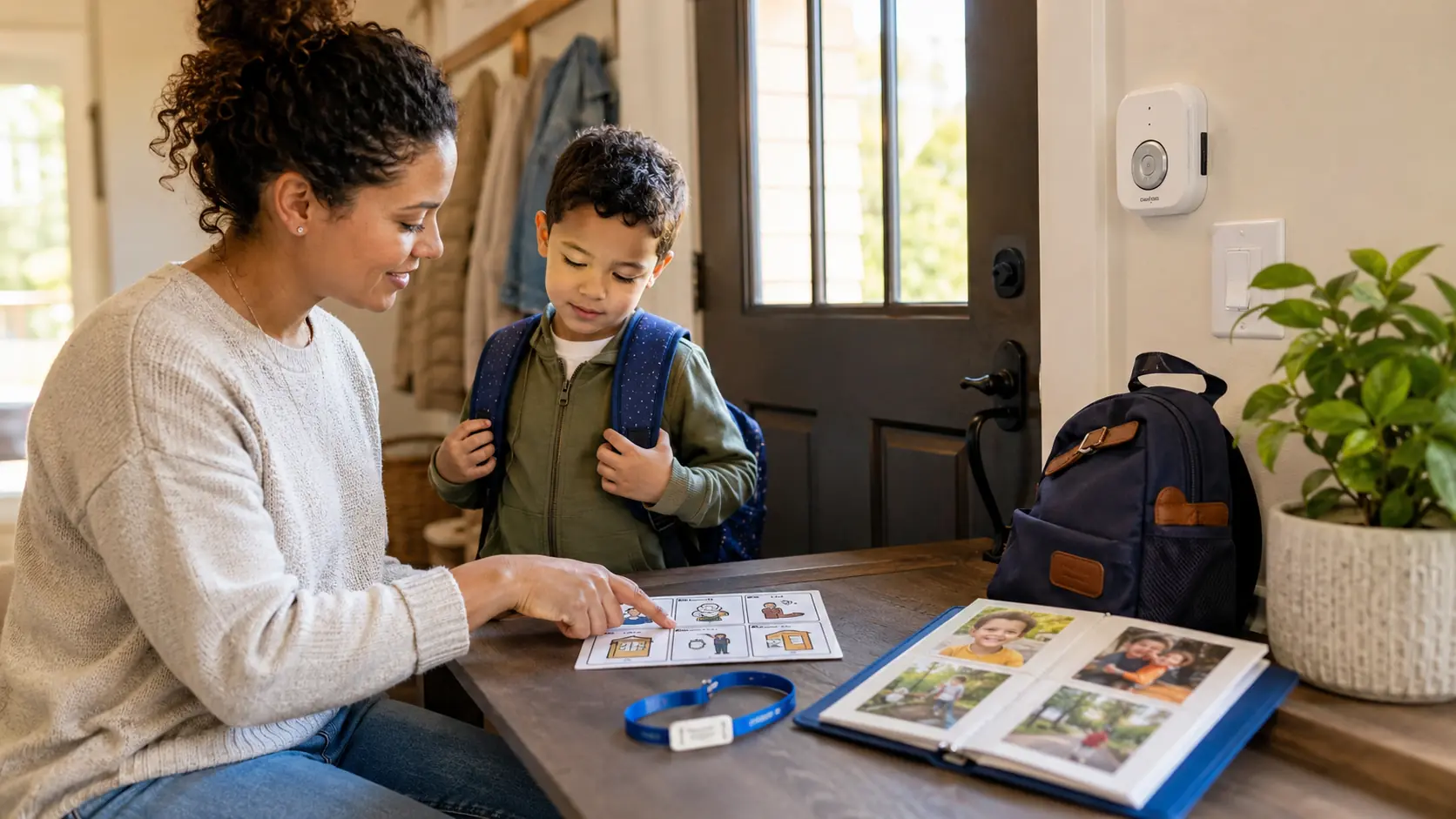
- ID information: Medical ID bracelets, QR tags, clothing labels, or GPS devices can help others contact you quickly.
- Current photo and emergency plan: Keep an updated photo and a written plan for what to do if elopement occurs, including calling 911 and sharing autism and communication needs.
Community Safety
- Assign adult roles: Before entering a store, parking lot, or event, decide who is watching exits, holding hands, or staying near the car.
- Practice short trips: Teach safety skills in calmer places before trying busy or stressful environments.
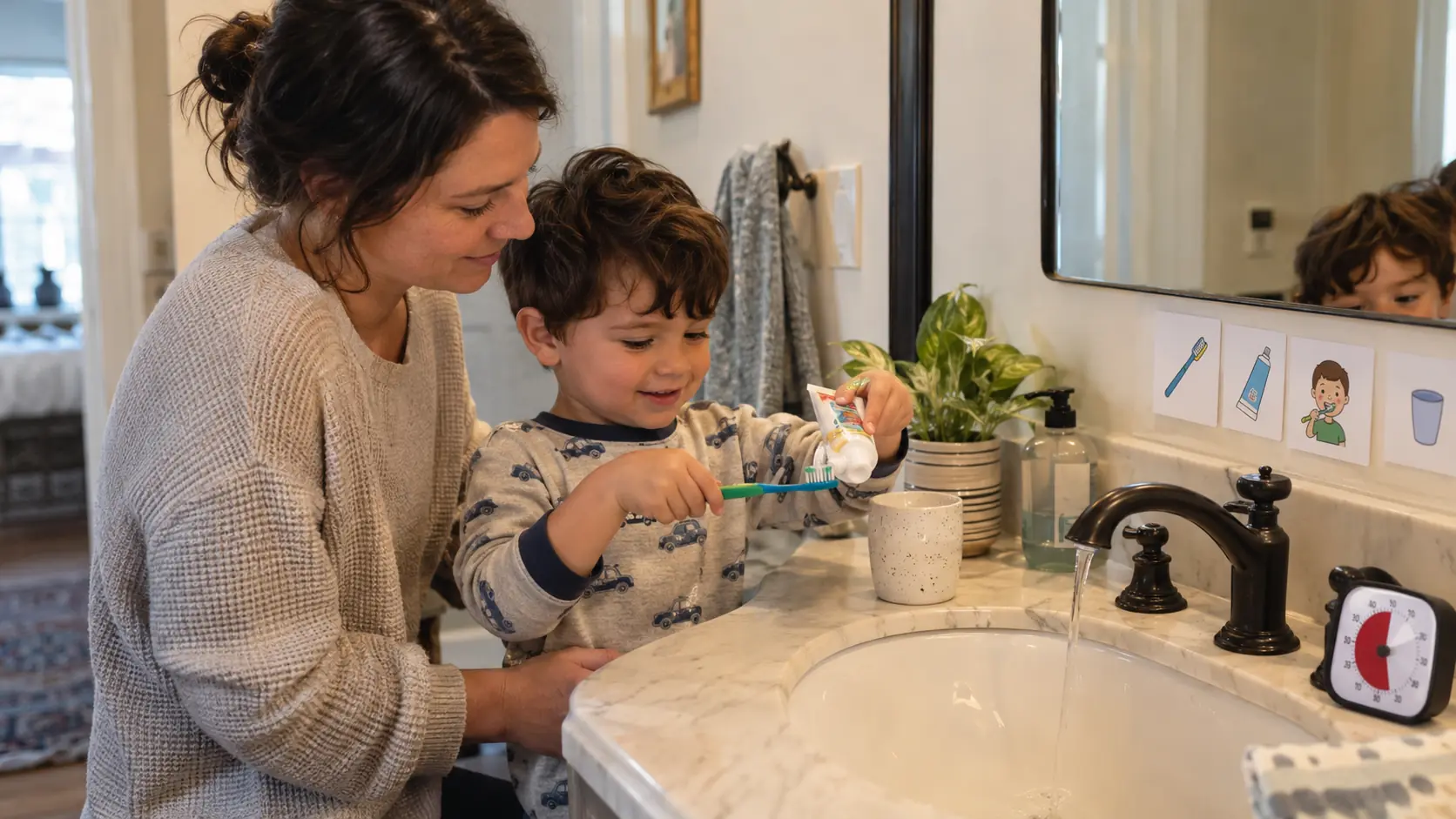
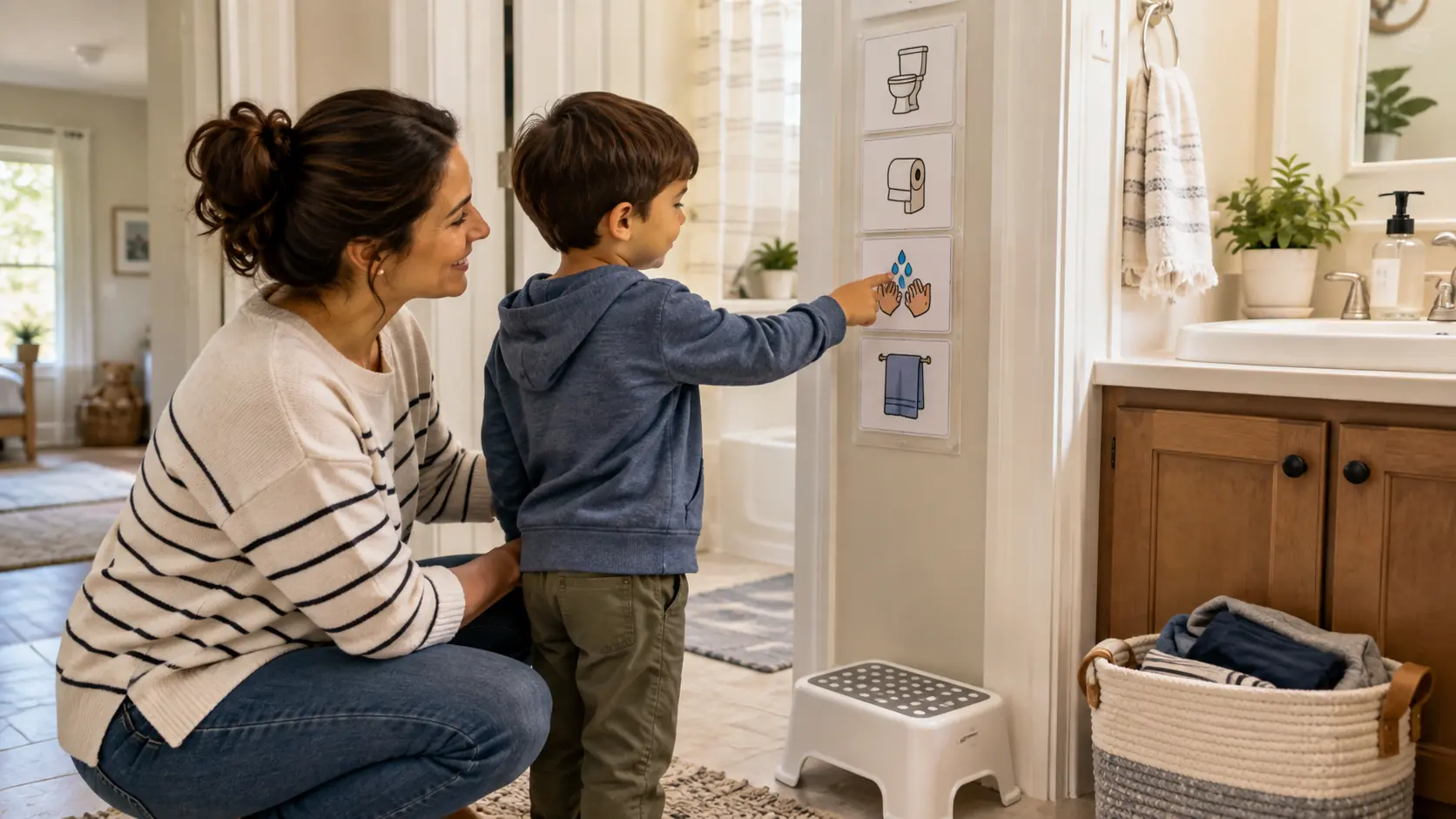
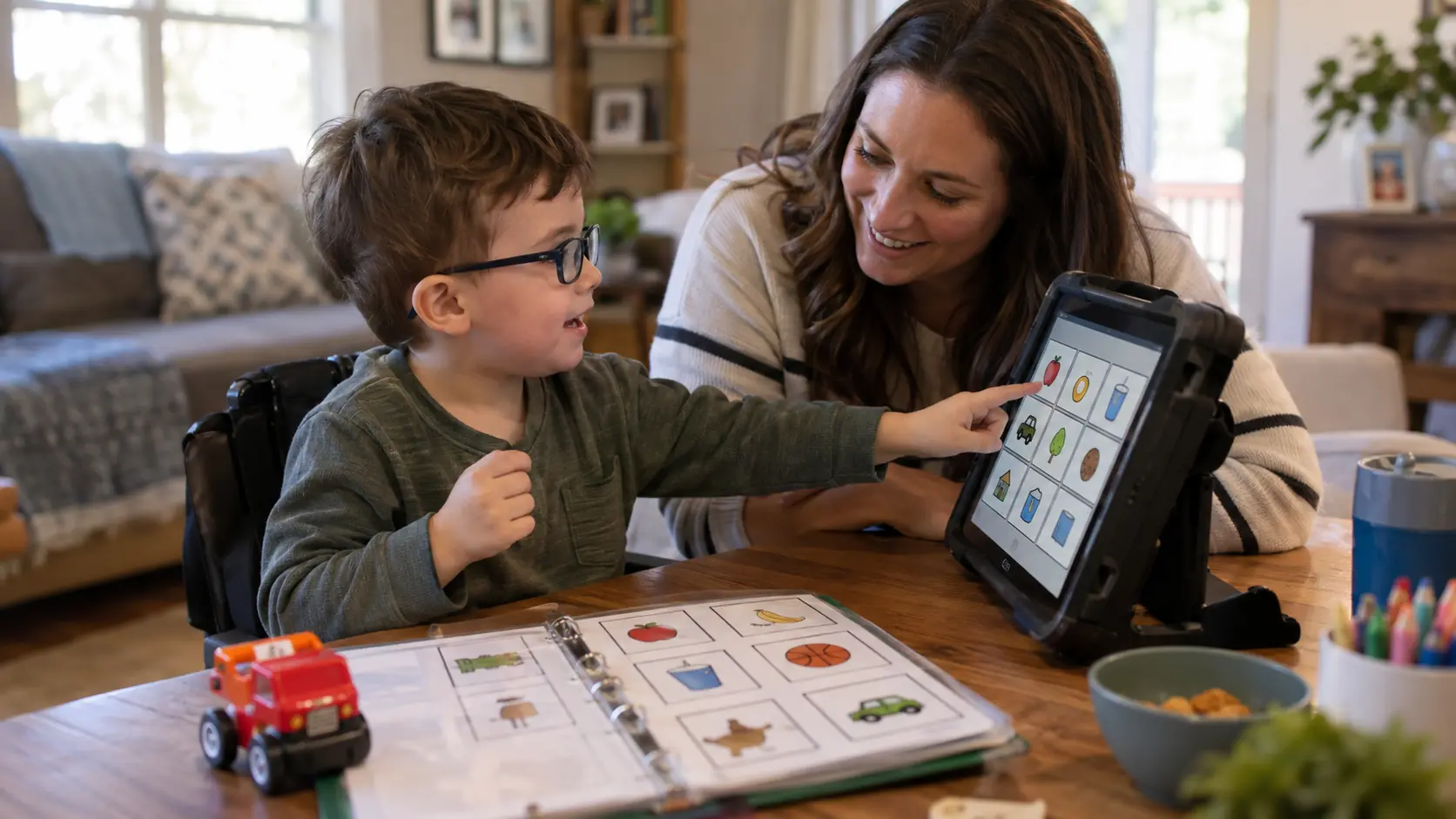
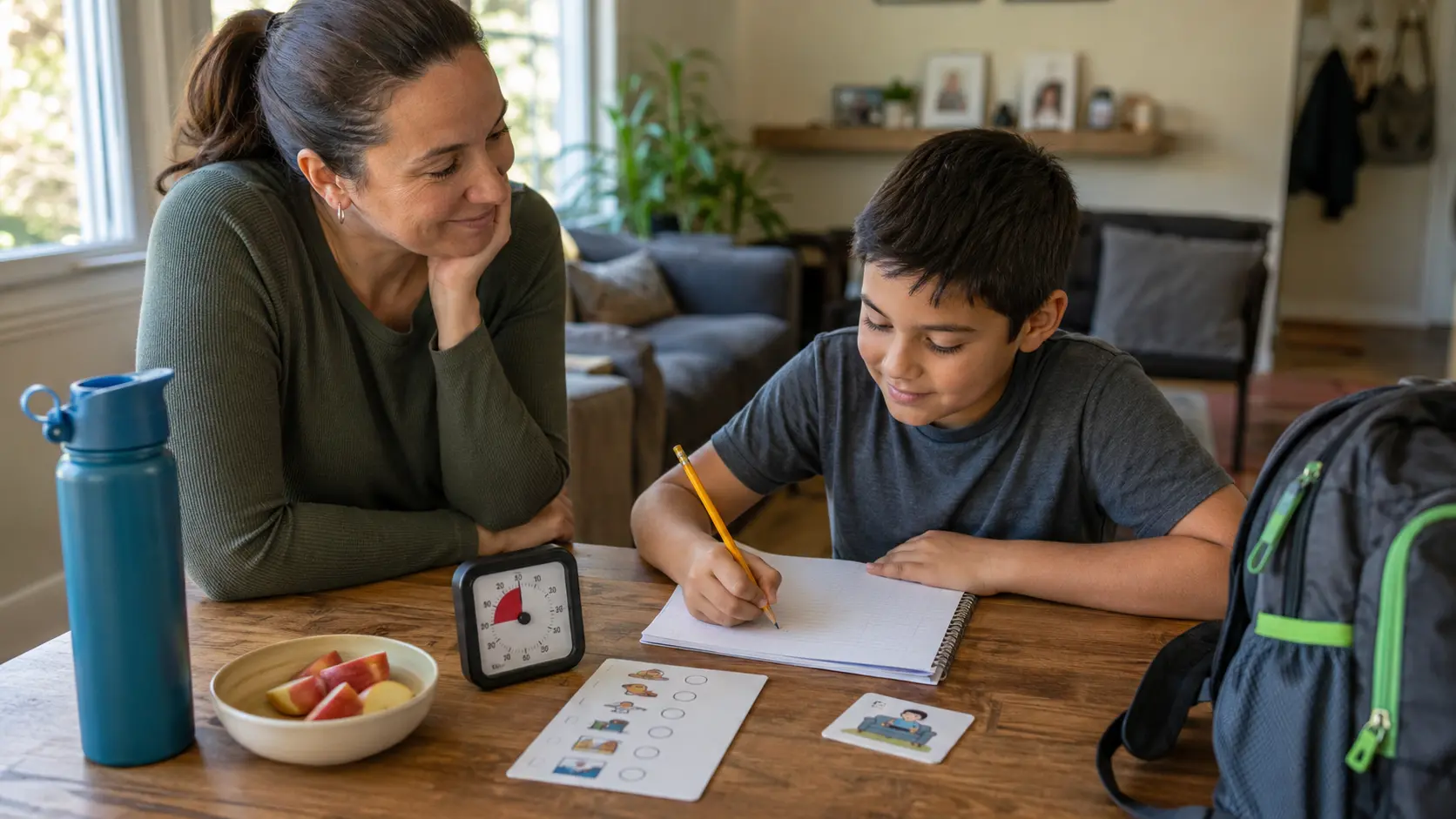
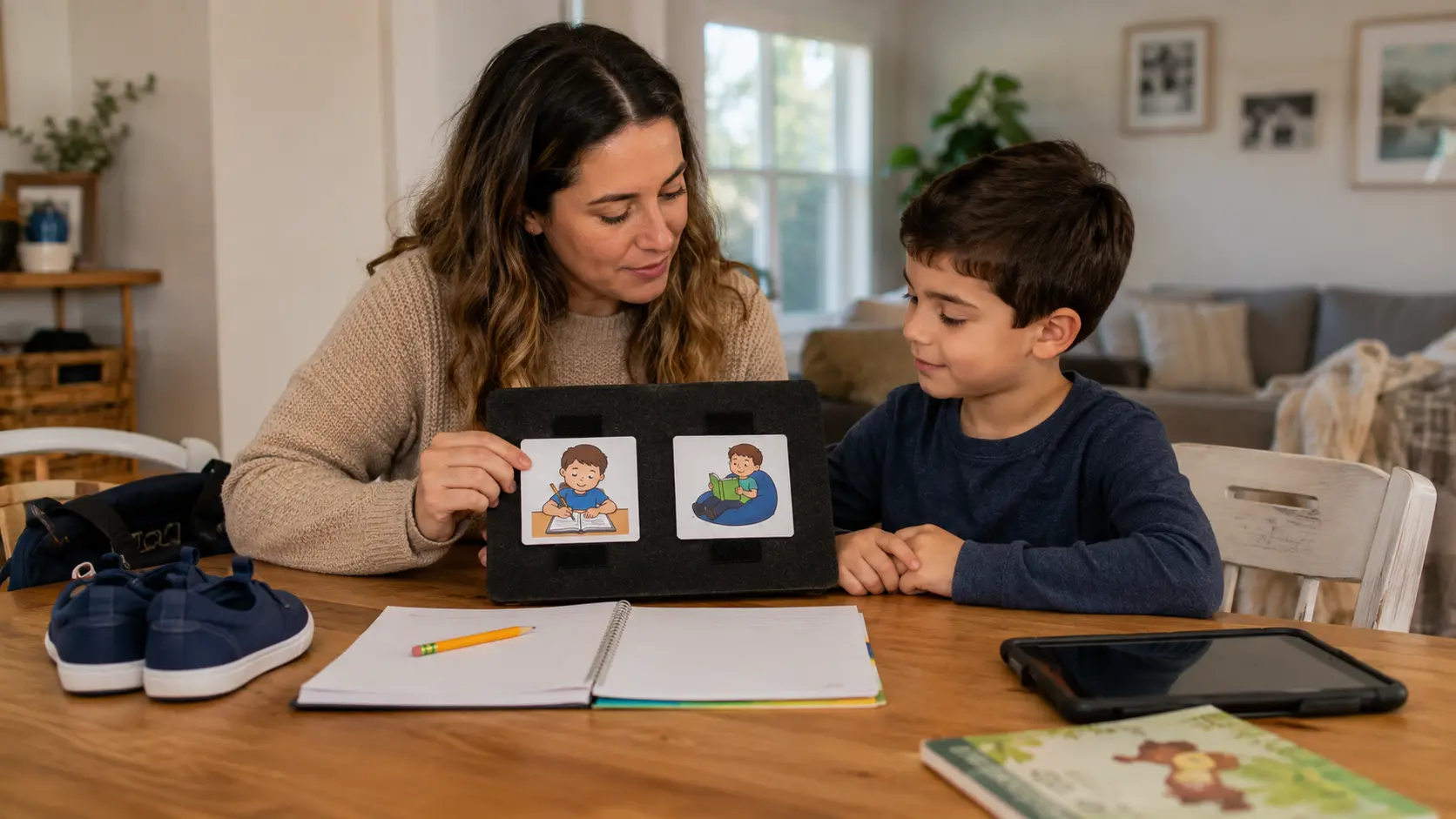
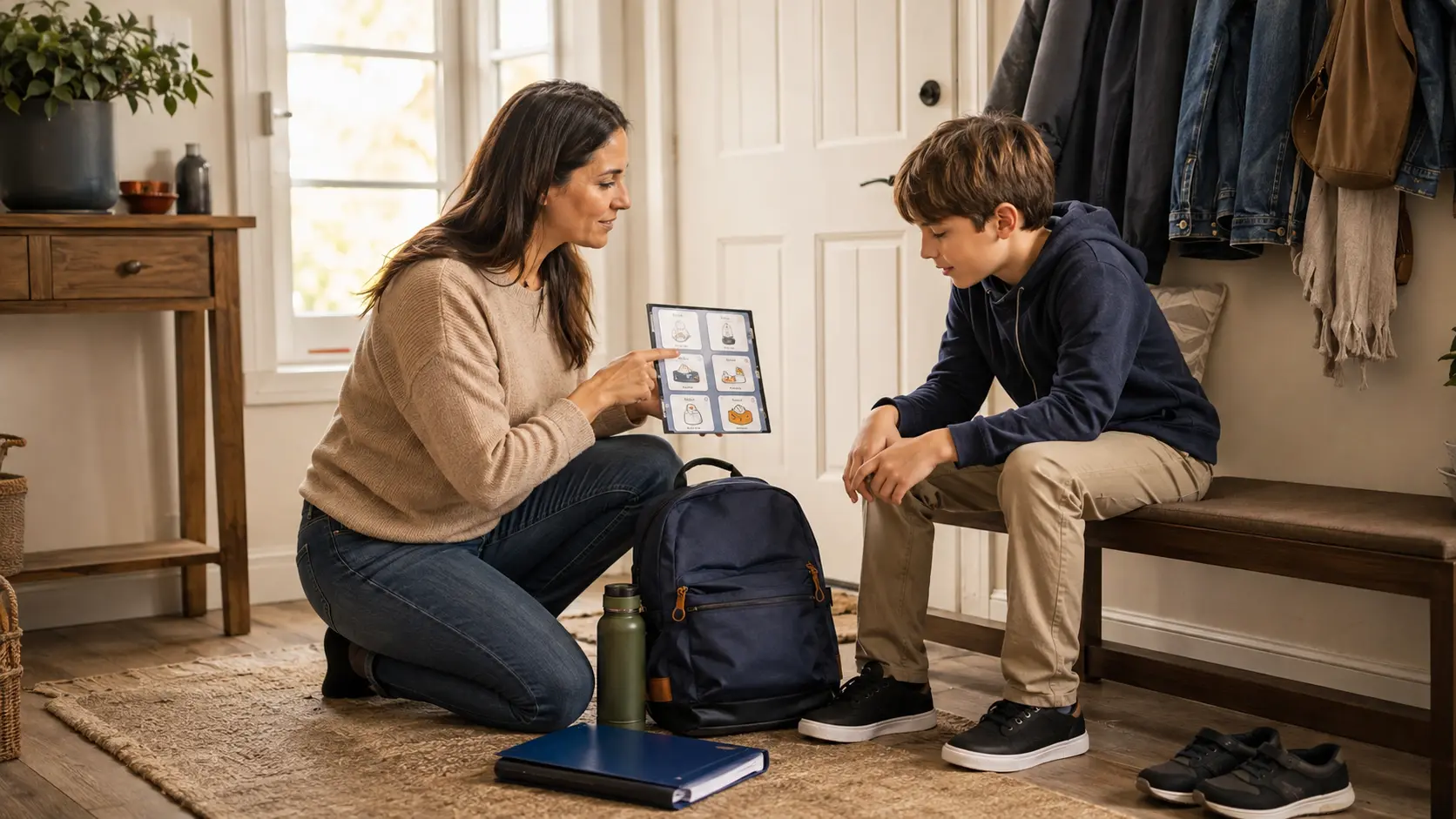
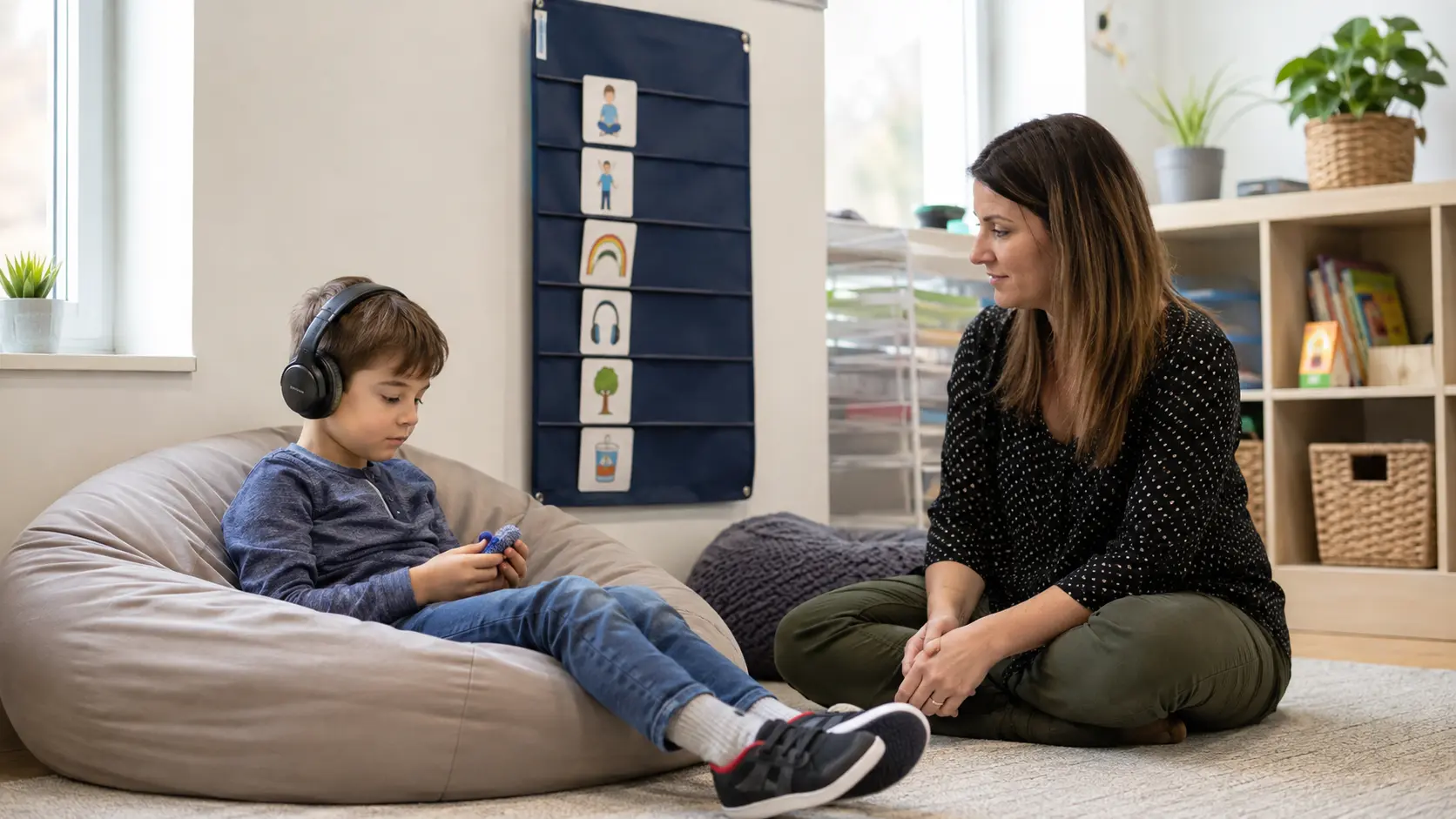
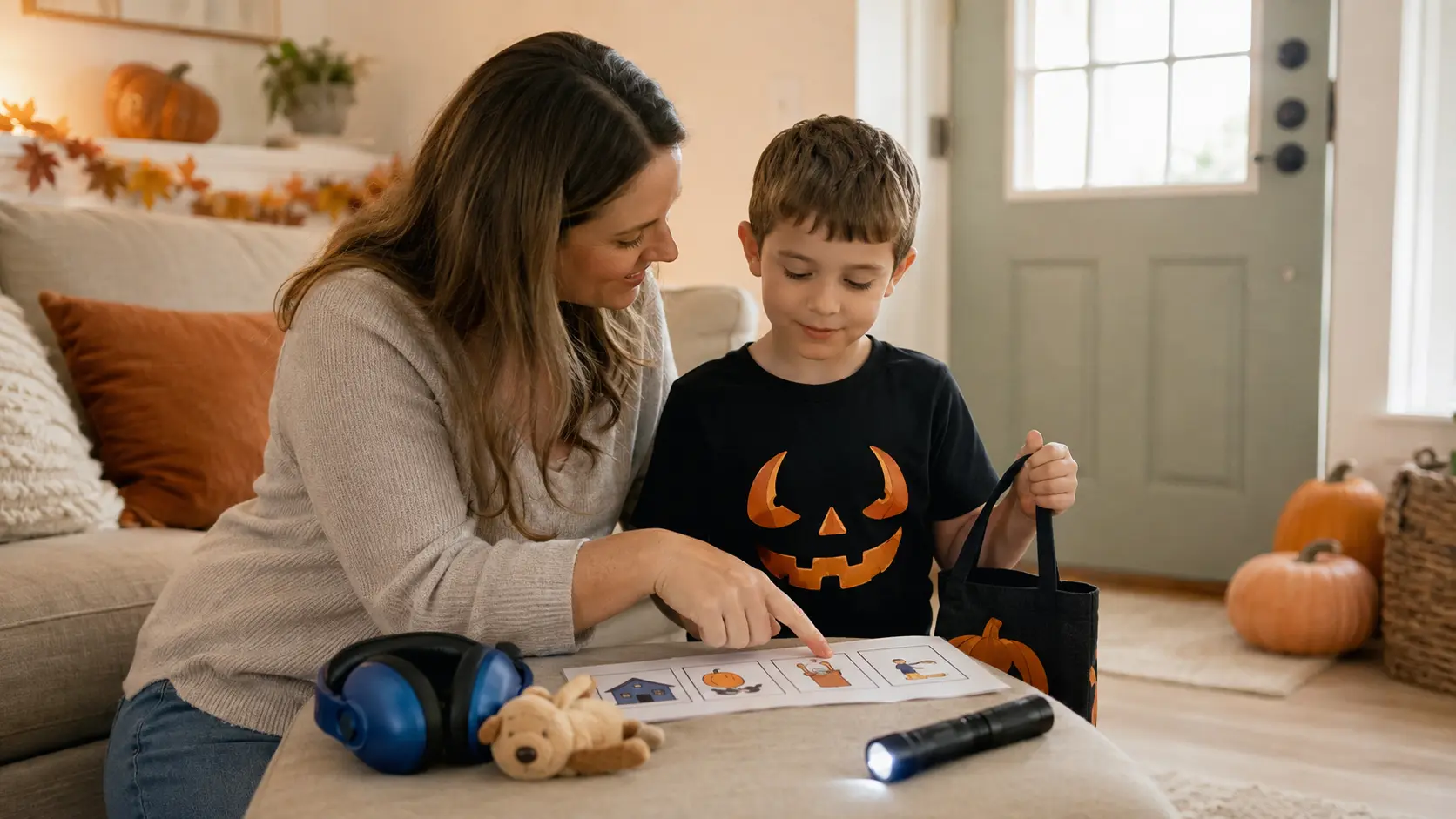
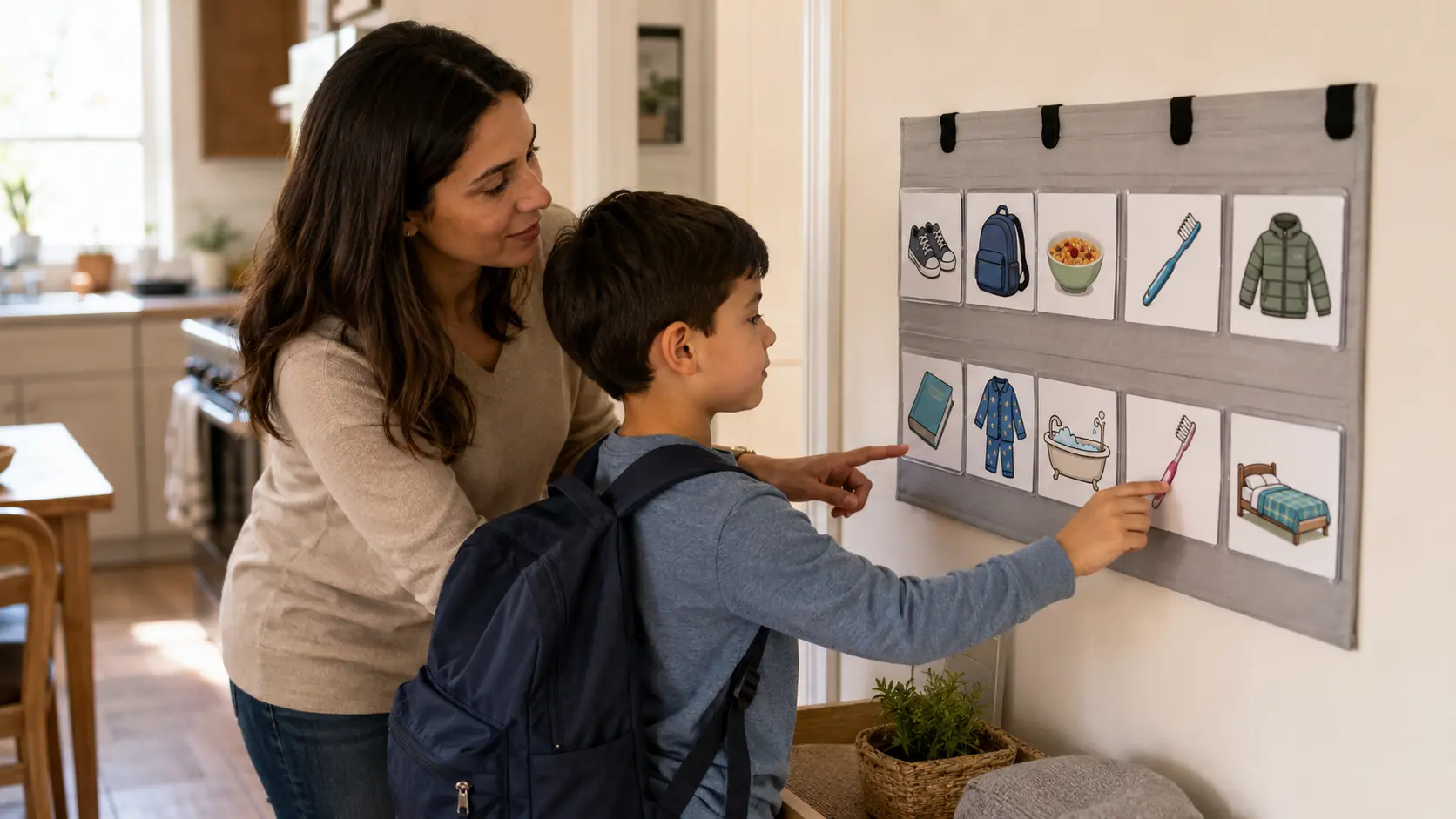
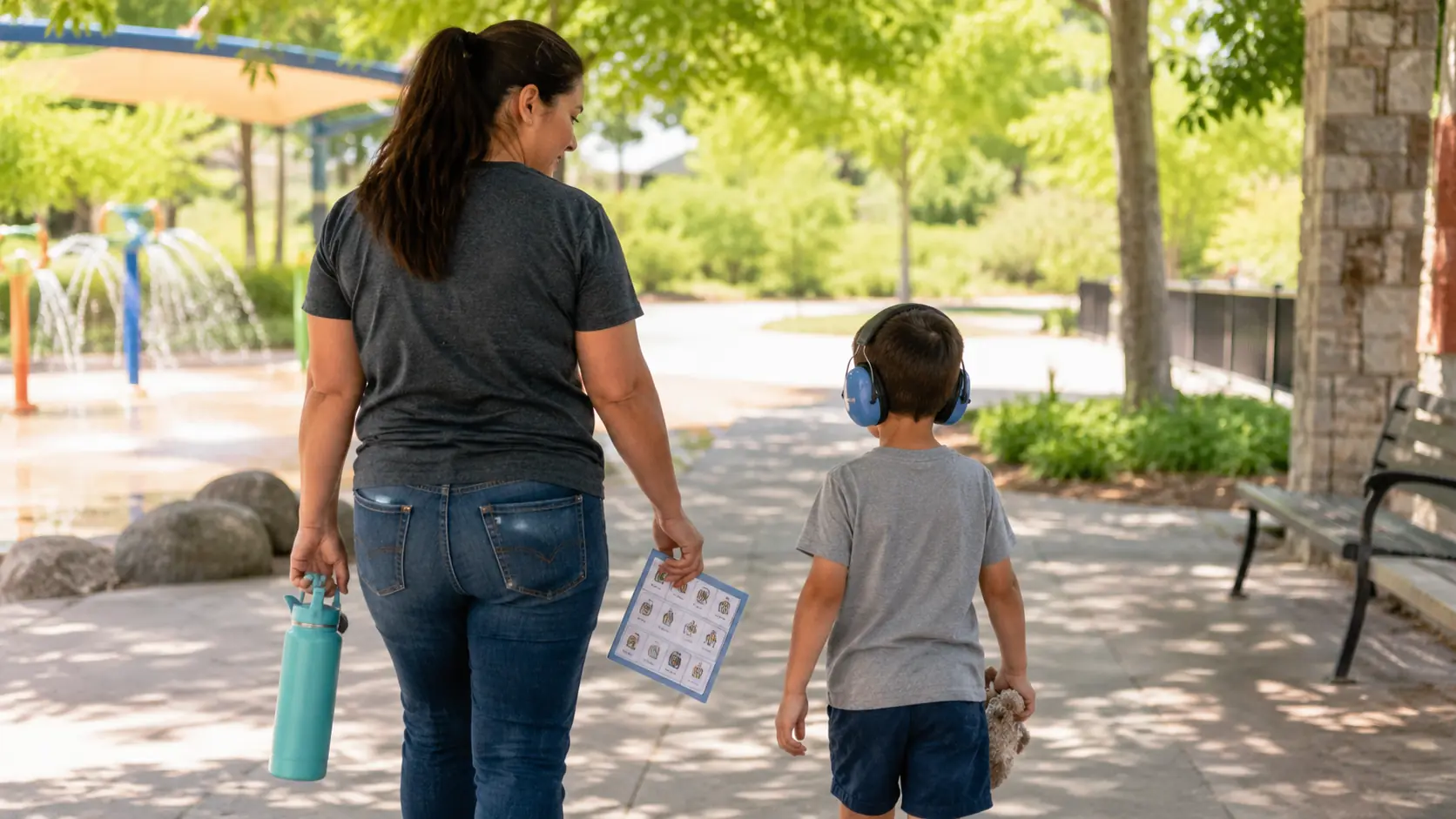
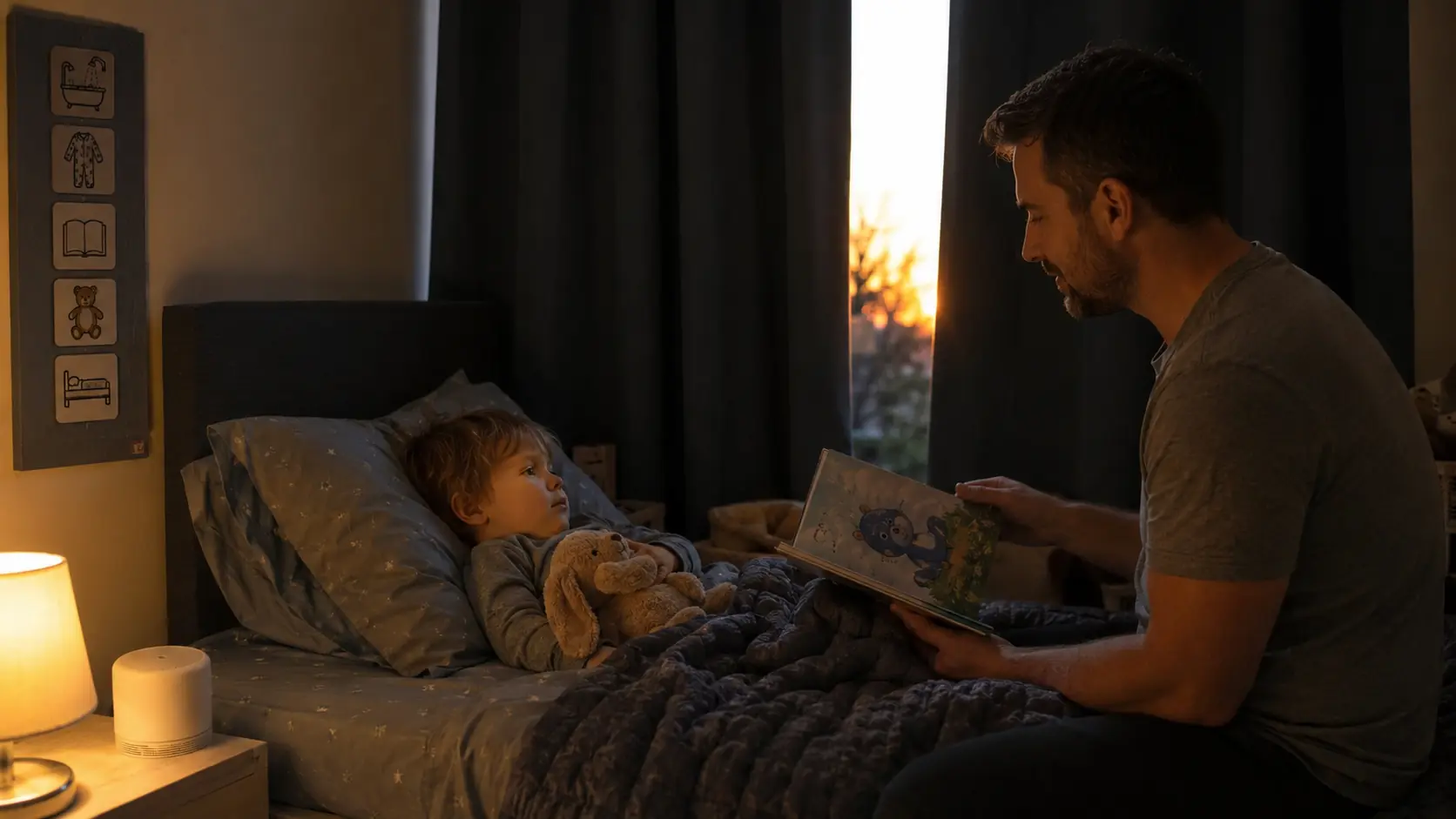
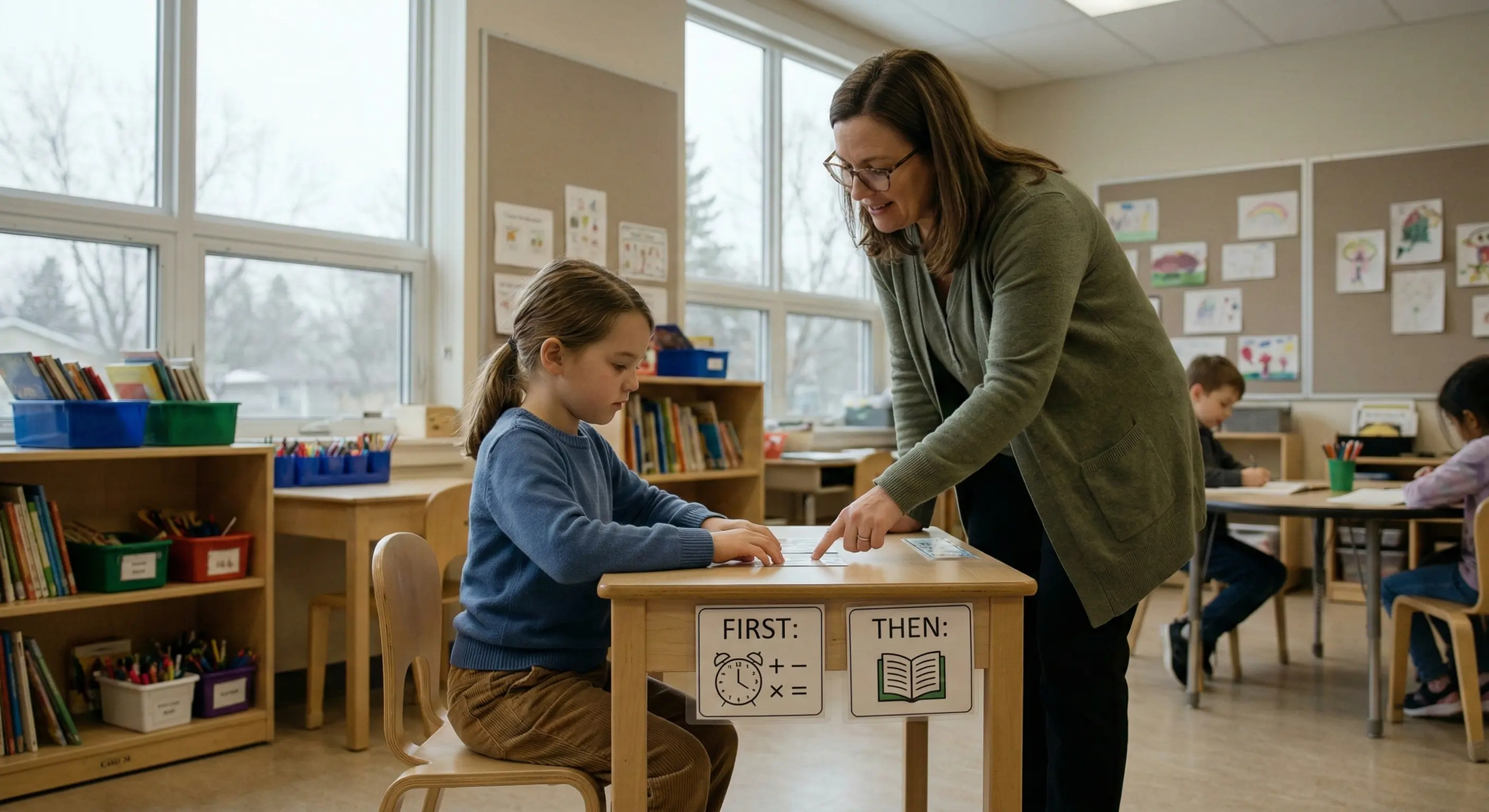
- Use visual supports and social stories: Visuals like “walk with adult” or “stay in cart” can help when practiced calmly and paired with supervision and reinforcement. An autism elopement social story may help teach a specific safety rule, but it should be used with supervision, environmental safeguards, and behavior support — not as the only strategy.
Safety planning does not replace behavior support. It protects the child while parents and professionals work on the skills and triggers behind elopement.
How ABA Identifies the Function of Elopement
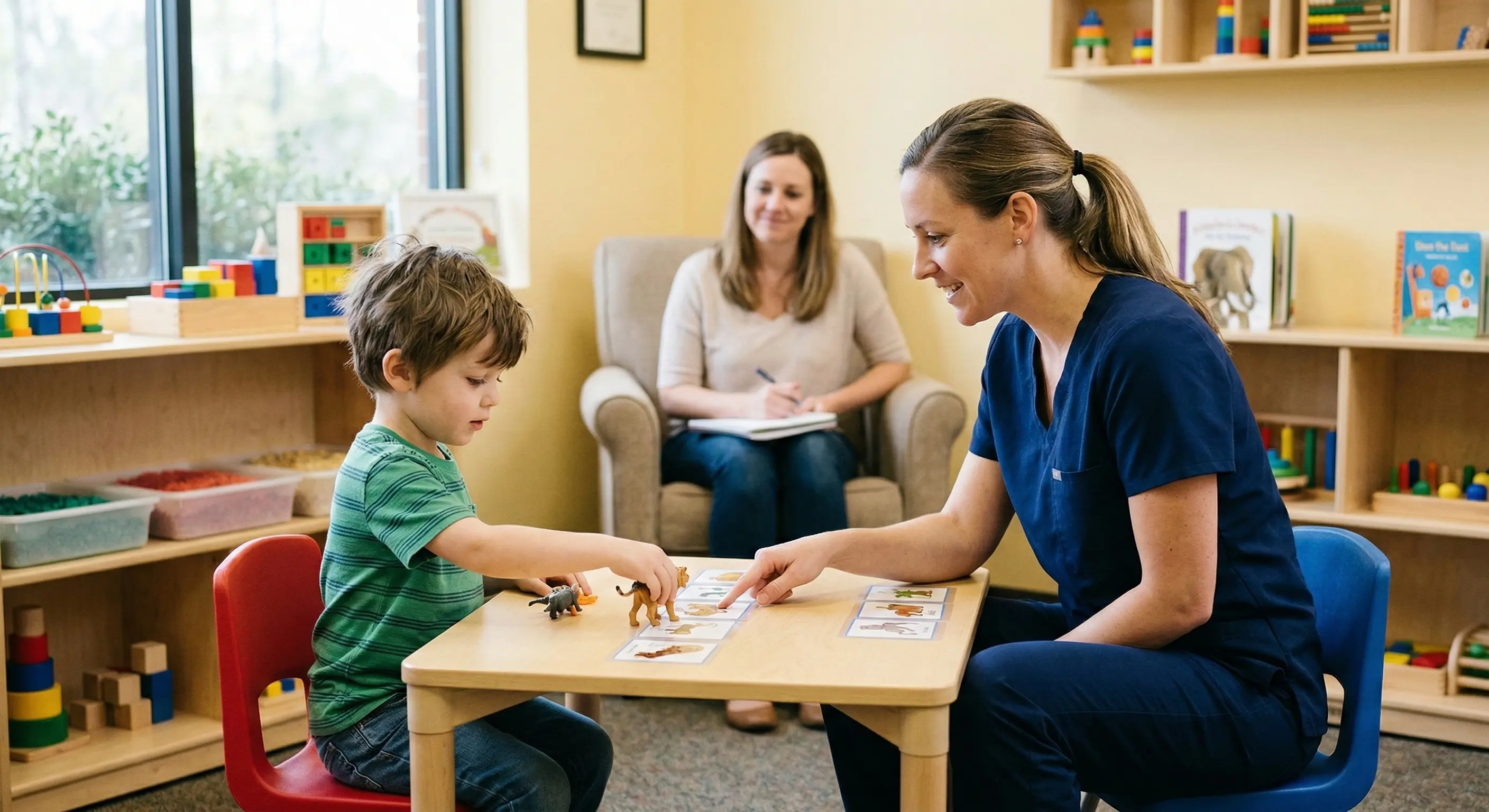
A functional behavior assessment, or FBA, helps identify what is maintaining elopement. Since wandering or running away can create serious safety risks, understanding the function is an important part of prevention.
An FBA for elopement typically involves:
- ABC data collection: Tracking what happens before elopement, what the child does, and what happens afterward.
- Direct observation: Watching for triggers, warning signs, and environmental patterns.
- Parent and caregiver interviews: Learning when, where, and why elopement tends to happen at home, school, or in the community.
- Function hypothesis: Identifying whether the behavior is related to access, escape, sensory needs, or communication.
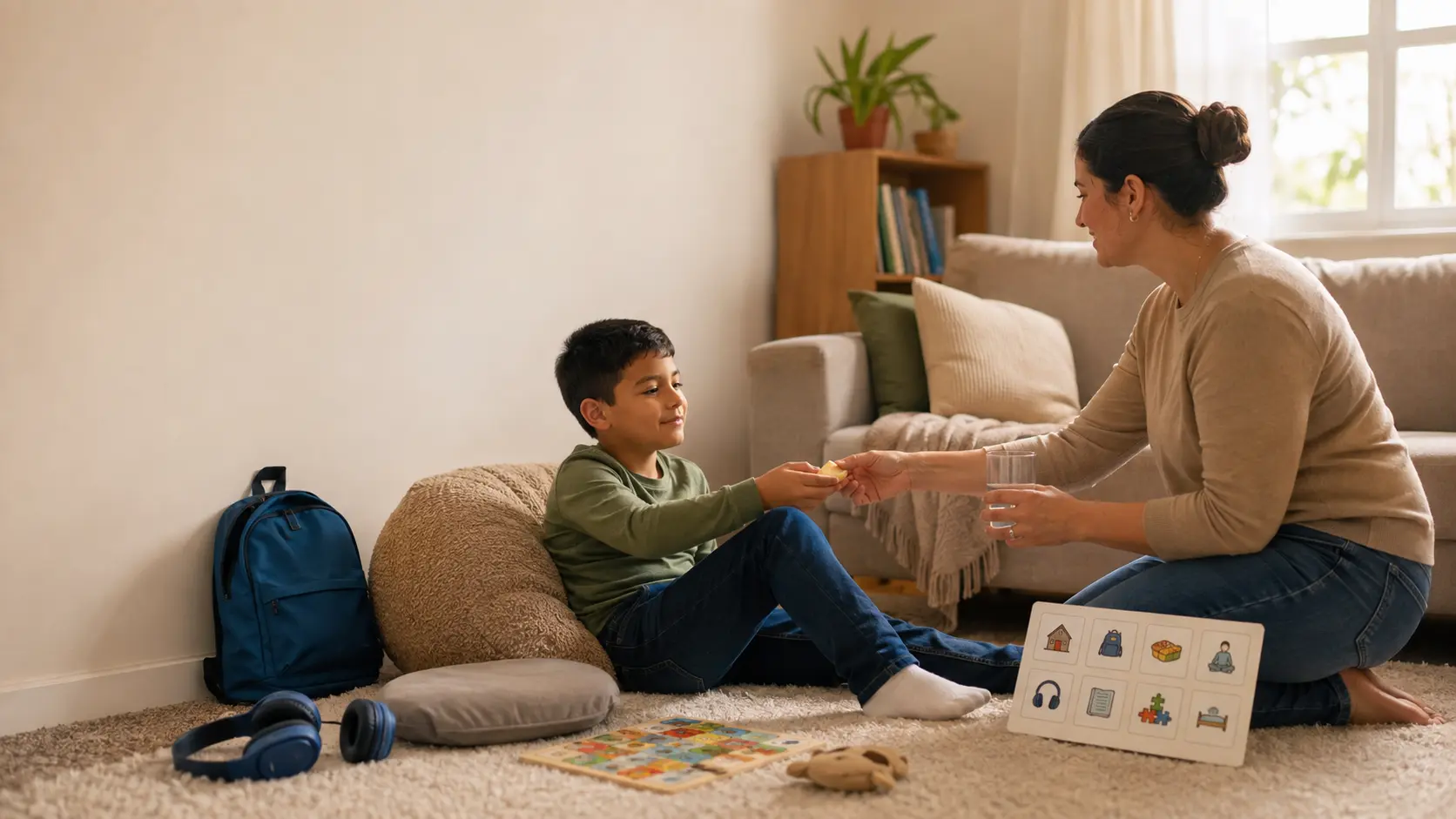
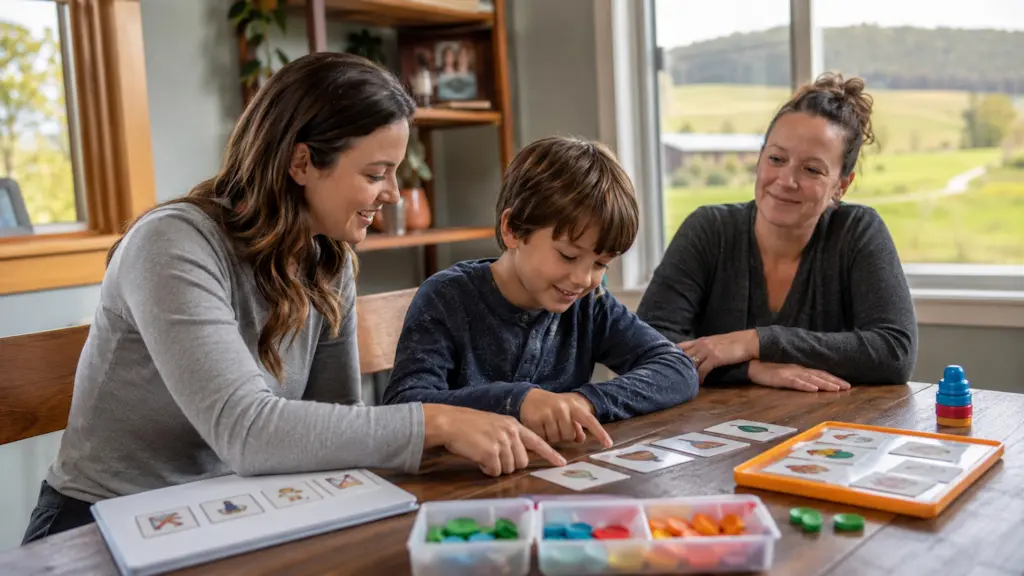
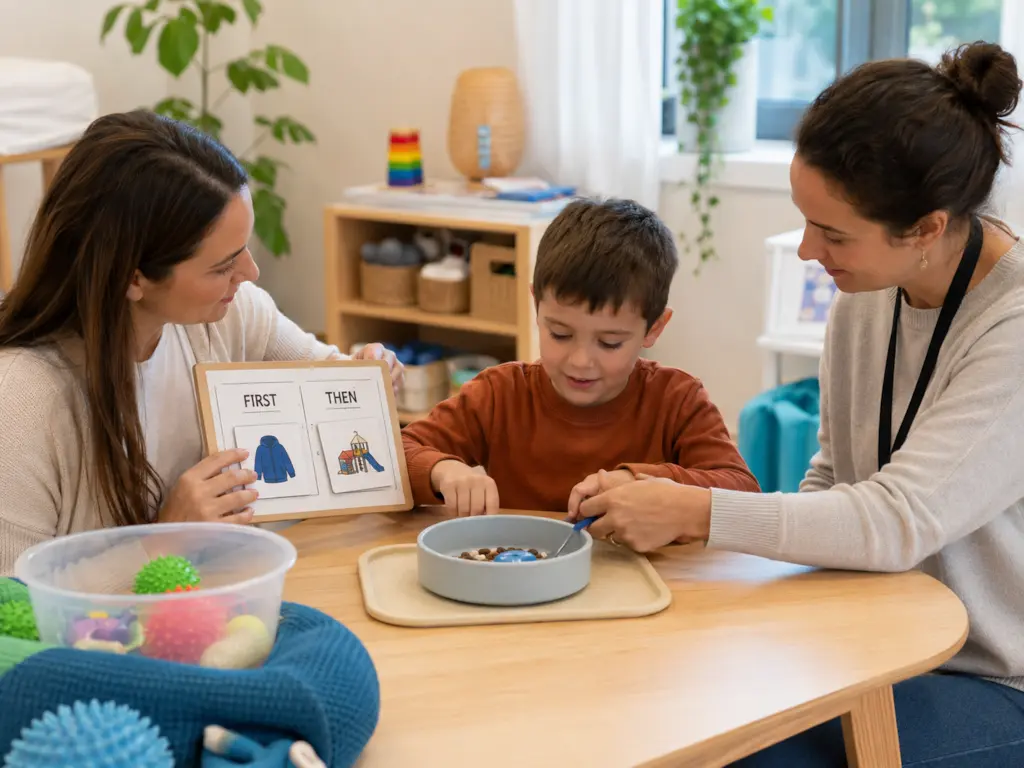
The goal is not only to block elopement. ABA support focuses on teaching safer alternatives that meet the same need, such as asking for a break, requesting help, using a visual card, or accessing a preferred activity in a supervised way.
Prevention Strategies for Home, School, and Community
Parents searching “how to stop elopement autism” usually need two things at the same time: immediate safety safeguards and a behavior assessment that identifies what is triggering the child to leave.
Effective autism elopement prevention depends on the setting. A safety plan for home may look different from a plan for school or a busy public place.
The goal is not one single solution. It is to build layers of safety that reduce risk while parents, schools, and ABA teams work on the triggers behind elopement.
What Parents Should Include in an Elopement Safety Plan
A written autism elopement safety plan helps everyone who cares for your child know what to do before an emergency happens. Share it with school staff, babysitters, relatives, and trusted neighbors.
Autism Elopement Safety Plan Checklist includes:
- Recent photo and physical description
- Child’s first name and how they respond to it
- Communication profile, including speech, AAC, or signs used
- Known triggers and warning signs
- Preferred places the child may run toward
- Water attraction or interest in pools, ponds, or fountains
- Traffic awareness and road safety concerns
- Medical information, diagnosis, and medications
- Primary and secondary emergency contacts
- Calming strategies and preferred items
- Tracking device or ID bracelet details, if used
- Step-by-step plan for what to do if the child is missing
Families may also share key safety information with trusted neighbors or local emergency responders when appropriate.
If elopement happens at school, parents can ask for a written plan through the IEP team, behavior support plan, or school safety protocol. The plan should explain supervision during high-risk times, response steps, documentation, and parent notification.
When to Seek Professional Support
If elopement happens once, close supervision and safety safeguards may be enough while you monitor for patterns. But professional support is important when:
- Elopement has happened more than once
- Roads, water, or unsafe areas are involved
- It happens at school or in multiple settings
- It occurs during everyday transitions
- Current safety measures feel difficult to maintain
- Wandering is causing significant family stress or fear
Professional support may include a functional behavior assessment, a behavior support plan, parent training, school coordination, and communication support if the child is running because they cannot express a need safely.
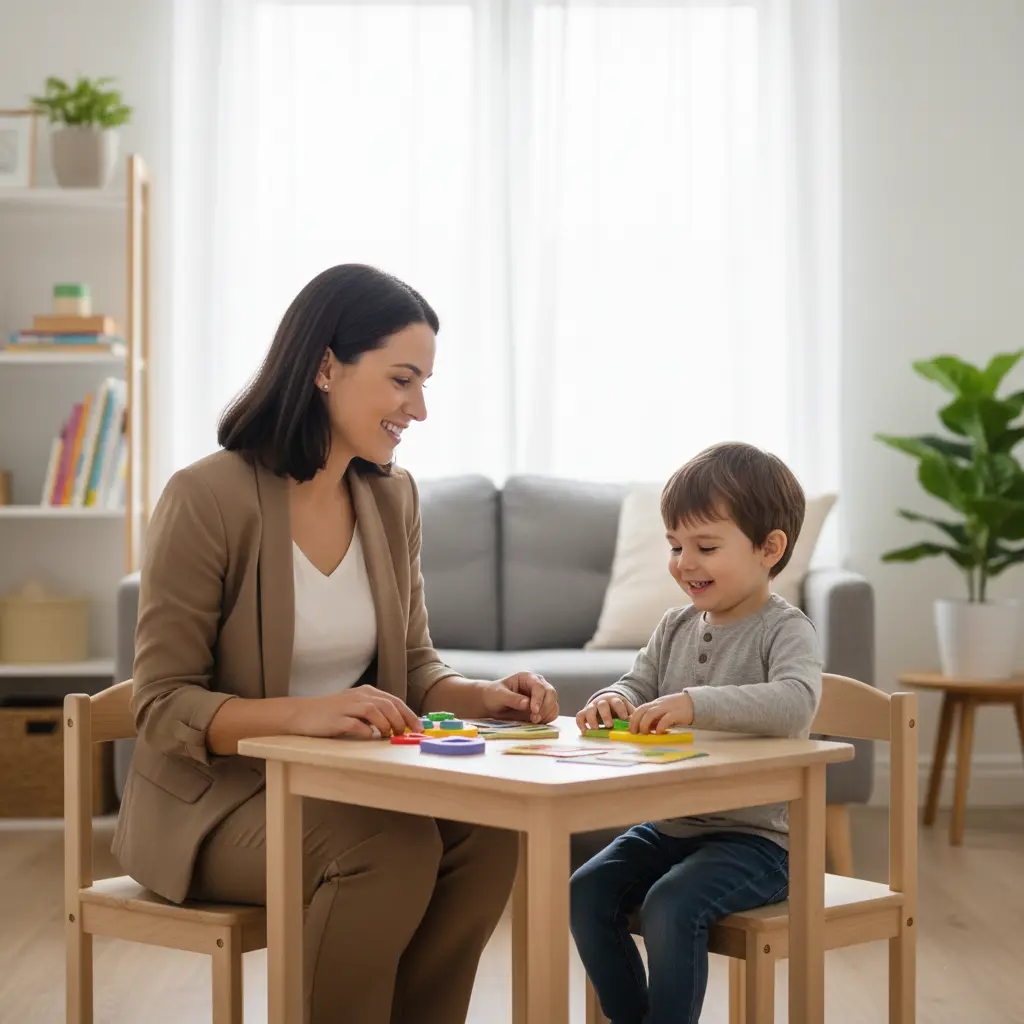
AtlasCare ABA supports families with in-home assessment, individualized safety planning, and parent training to build safer routines and communication skills in real-life settings.
Elopement can be one of the most frightening experiences for parents of autistic children. The priority is safety first — then understanding what is driving the behavior.
Start with immediate safeguards like door alarms, ID information, a current photo, and a written emergency plan. Then seek support to identify triggers and build prevention strategies that fit your child’s needs.
AtlasCare ABA can help families with functional behavior assessment, individualized safety planning, parent training, and behavior supports for home, school, and community routines.
Contact AtlasCare ABA to ask about support for wandering and elopement safety planning.










.webp)
.webp)
.webp)
.webp)
.webp)




.jpg)
.webp)

.webp)
.webp)








%20During%20Play%20in%20the%20Home.webp)