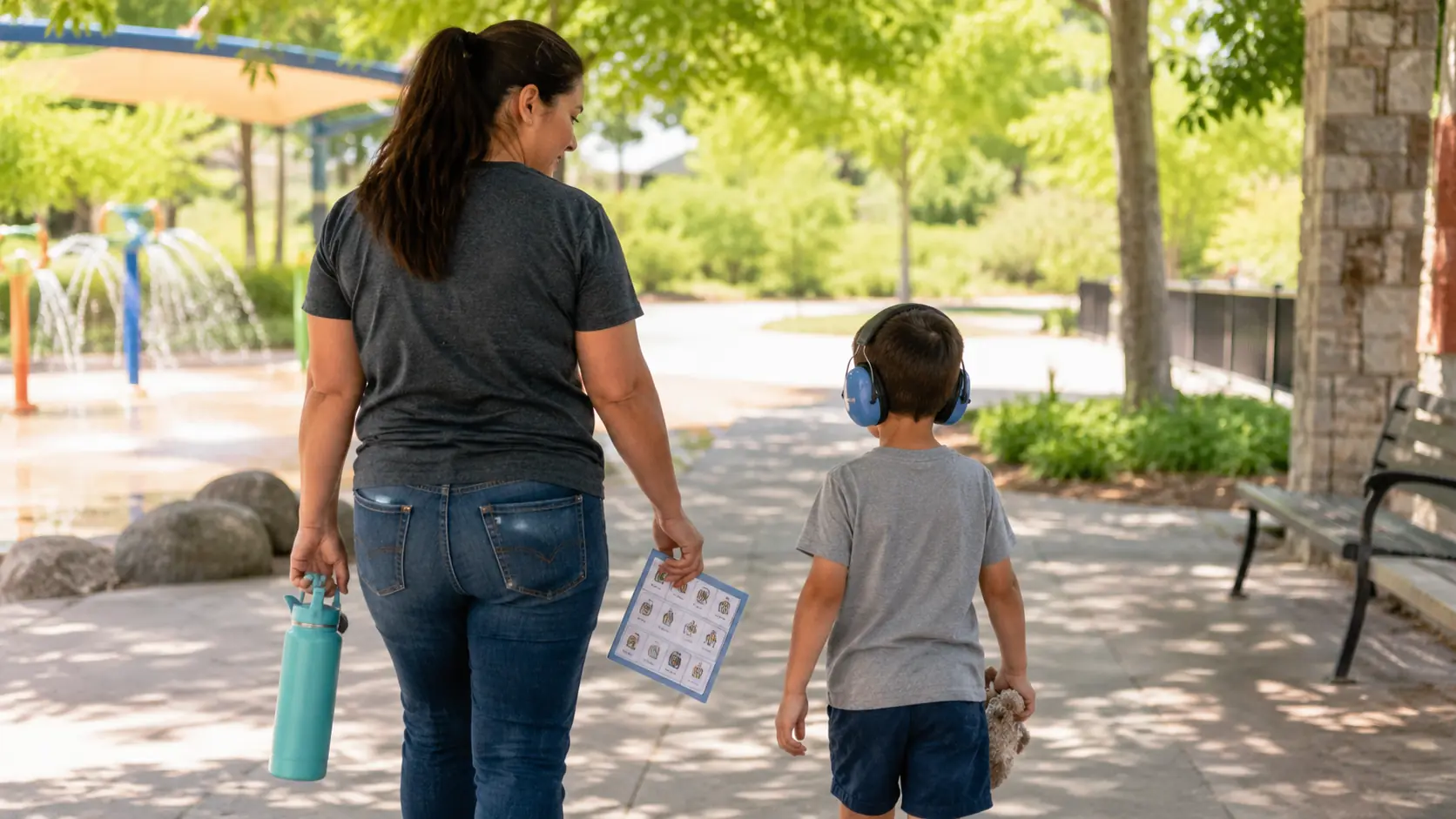
Summer is supposed to be the easy part. School is out. There are more hours in the day. Everyone else seems to be at the pool or the park or the splash pad, carefree and sunburned. For families of autistic children, the reality is often more complicated than that. The places where summer fun is supposed to happen — loud, crowded, unpredictable public venues with no quiet zones, no predictable structure, and no clear escape route — can be the hardest environments of the year to navigate.
Searching for autism friendly activities near me in Iowa or New Mexico often produces a list of venues that are technically open to everyone but not genuinely designed with sensory or behavioral needs in mind.
Safe Summer Outings: What to Look for in a Public Venue
A venue can call itself “inclusive” and still feel overwhelming for a sensory-sensitive child on a busy summer day. What matters is not the label, but how the space actually works in practice.
What 'Sensory-Friendly' Actually Means in Practice
A sensory-friendly venue usually has a few important features in common:
- Predictable layout: Clear boundaries and visible exits help reduce anxiety in unfamiliar spaces.
- Low-sensory windows: Early mornings, right after opening, or quieter off-peak times are often much easier to manage.
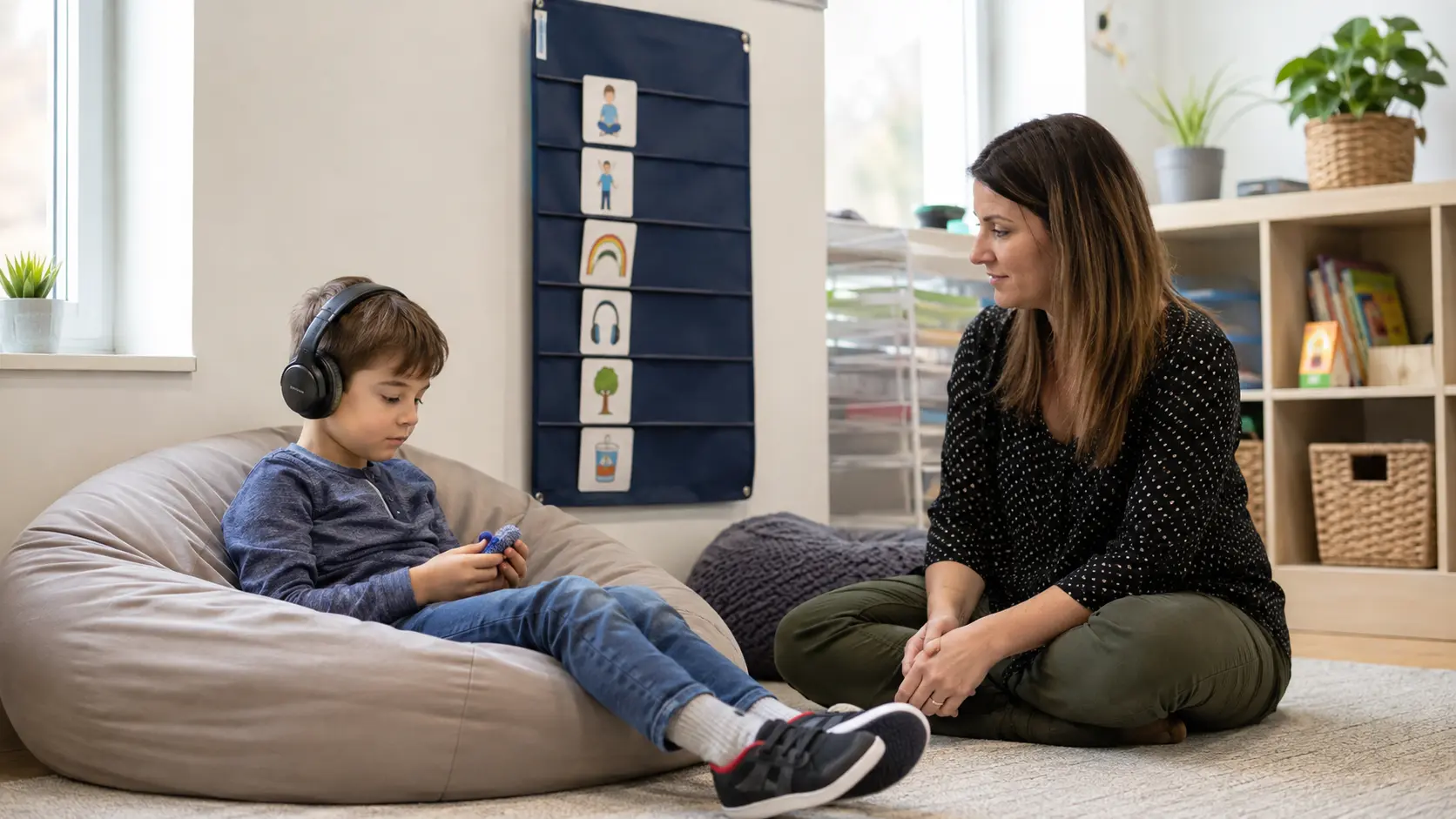
- Quiet zones or calm-down space: A bench, quiet corner, or shaded area gives the child a place to reset.
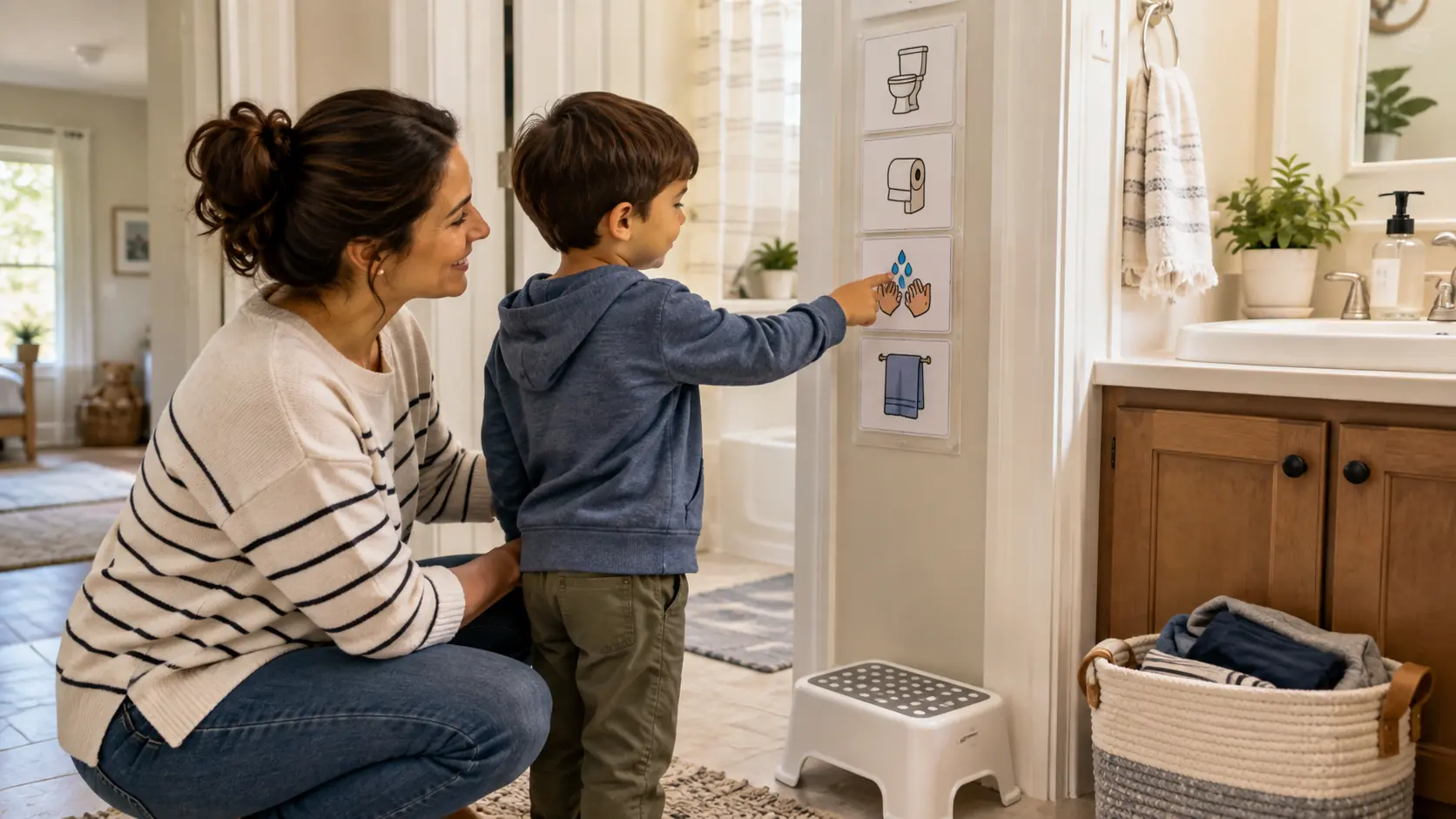
- Visible bathroom access: Knowing where the bathroom is before entering can prevent a stressful situation later.
- Flexible staff: Staff who can explain accommodations or respond calmly when a child needs a break make a big difference.
The table below offers a simple framework for common venue types. Families should still verify hours, sensory programming, and crowd levels before going.
Quick Venue Assessment Checklist: 10 Things to Check Before You Go
- Shade availability
- Bathroom proximity
- Noise level
- Lighting quality
- Quieter time windows
- Exit visibility
- Seating or rest space
- Staff familiarity with accommodations
- Expected crowd density
- Walking distance from parking
How to Choose Sensory-Friendly Parks and Pools in Des Moines and Cedar Rapids
Iowa’s summer heat peaks in July and August, so the best sensory-friendly outings usually combine shade, water, and a manageable space. Families in Des Moines and Cedar Rapids have access to parks, splash pads, and aquatic centers, but timing and setup often matter more than the venue name itself.
What to Look for in Iowa Parks and Splash Pads
Splash pads can work especially well for sensory-sensitive children because they allow easy entry and exit, do not require submersion, and usually offer clear visibility for caregivers. Before going, families should check for nearby shade, smooth walking surfaces, and lower-crowd times during the week.
For parks in Des Moines, it helps to look for enclosed or semi-enclosed play areas, shade over the main equipment, and parking that is close to the play space. Cedar Rapids families can use the same approach. In both cities, choosing the right time to visit often makes the biggest difference.
Special Needs Events and Sensory Hours of Pools in Iowa
Some Iowa community pools offer quieter swim times, sensory-friendly sessions, or special needs events during the summer. These are often less crowded and may reduce common barriers like loud music, packed swim areas, and rigid entry timing.
Families should check with local parks and recreation departments for summer 2026 schedules, since programming can vary by season and location. In Des Moines and Cedar Rapids, it is often more reliable to call directly and ask about quieter swim times or sensory-friendly hours than to rely only on website listings.
Beat the Desert Heat: Indoor Low-Sensory Spots in Albuquerque and Las Cruces
In New Mexico, summer heat is a real safety issue, not just an inconvenience. Albuquerque often reaches above 95°F in July, and Las Cruces can be even hotter. For many families, that means planning outings indoors after mid-morning and saving outdoor activities for early hours.
Indoor Play Spaces and Children's Museums in Albuquerque
Indoor spaces in Albuquerque can be much easier to manage because they remove heat as a sensory stressor. But indoor does not always mean low-sensory. Some venues are still loud, bright, and crowded. Before going, families should ask about:
- Acoustics: Carpeted, divided spaces are usually calmer than large open rooms with hard floors and echo.
- Lighting: Softer lighting is often easier for light-sensitive children than bright fluorescent lighting.
- Quieter hours: Morning sessions are often less crowded and easier to manage than peak daytime hours.
Libraries in Albuquerque and Las Cruces are also strong summer options. They are usually cooler, quieter, more predictable, and easier to navigate than many play venues.
Las Cruces and the Rio Grande Valley
For outdoor options, Las Cruces families may do best with early-morning visits, before the heat builds. Natural settings with predictable trails and open sight lines can work well for children who regulate better outdoors than in busy built environments.
Indoor options, including museums and library spaces, can also offer a quieter weekday experience with clearer layouts and fewer sensory surprises than more crowded attractions.
How AtlasCare Evaluates Safe Zones for Community Outings
AtlasCare’s approach to community outings is based on what makes a space behaviorally manageable, not just technically accessible. When AtlasCare behavior analysts review a location, they look at a few key questions:
- Can the transition into the space be structured and predictable? Is there a clear entry process, or will the child face immediate crowd unpredictability?
- Is there a visible calm-down option nearby? Is there a place to step away, regulate, and return if needed?
- Does the venue have a low-sensory window? A place that works well at 8:30 AM may be overwhelming by late morning. Timing matters as much as location.
- Is the exit plan manageable? Can the child leave without having to push through extra crowds, waiting, or overstimulation?
AtlasCare is developing a curated local guide for families in Iowa and New Mexico, highlighting venues in Des Moines, Cedar Rapids, Albuquerque, and Las Cruces that meet these criteria. Families who want early access to vetted suggestions, or support reviewing a location they are already considering, can reach out through the contact page.
How to Prepare Your Child for a Brand-New Venue
New outings usually go best when they are planned ahead. For sensory-sensitive children, unfamiliar spaces can be hard because they bring both new sensory input and a setting the child does not yet understand. The more unknowns you reduce before arriving, the easier the outing is likely to be.
Preparing for a First Visit: A 5-Step Pre-Outing Routine
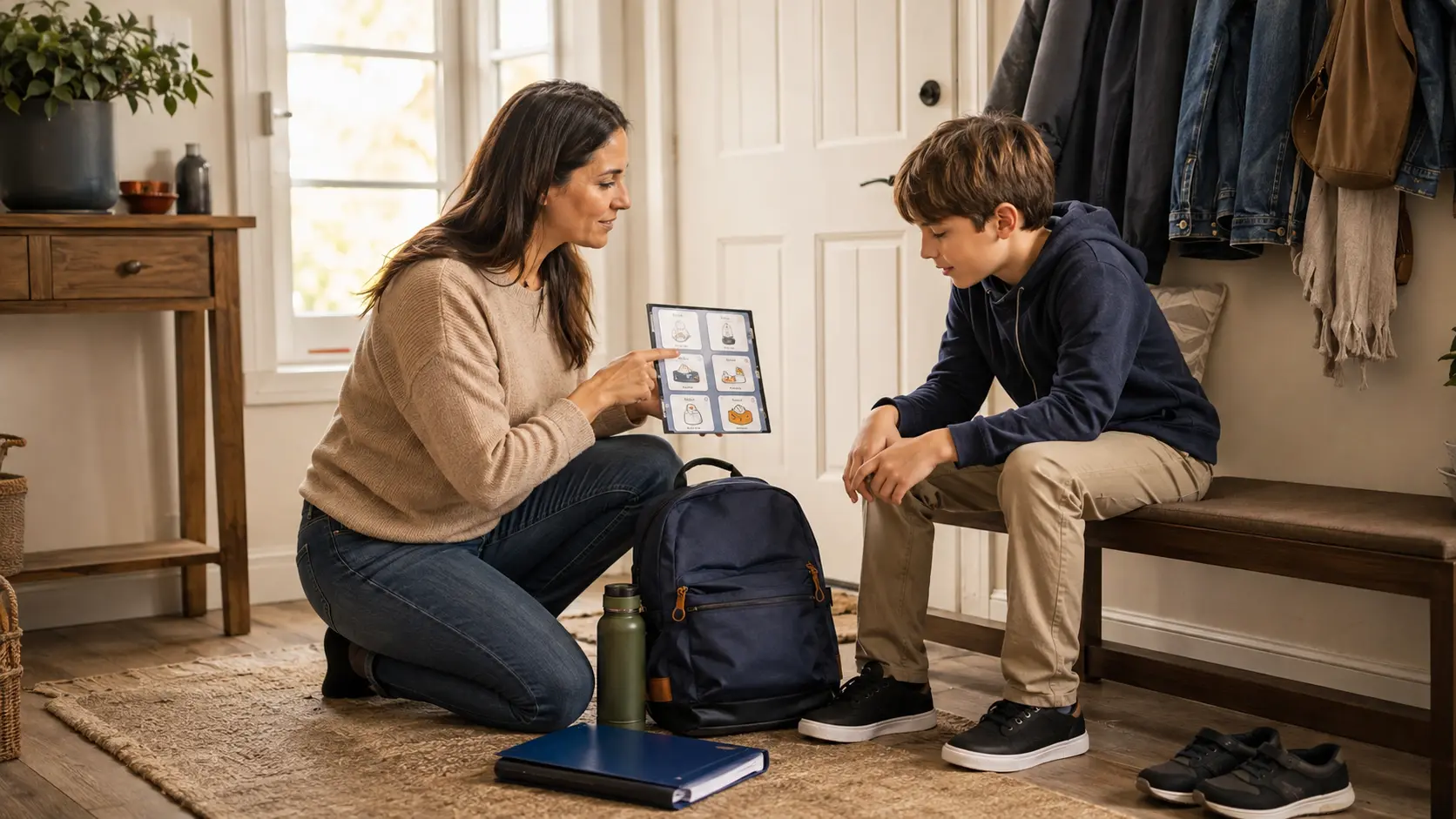
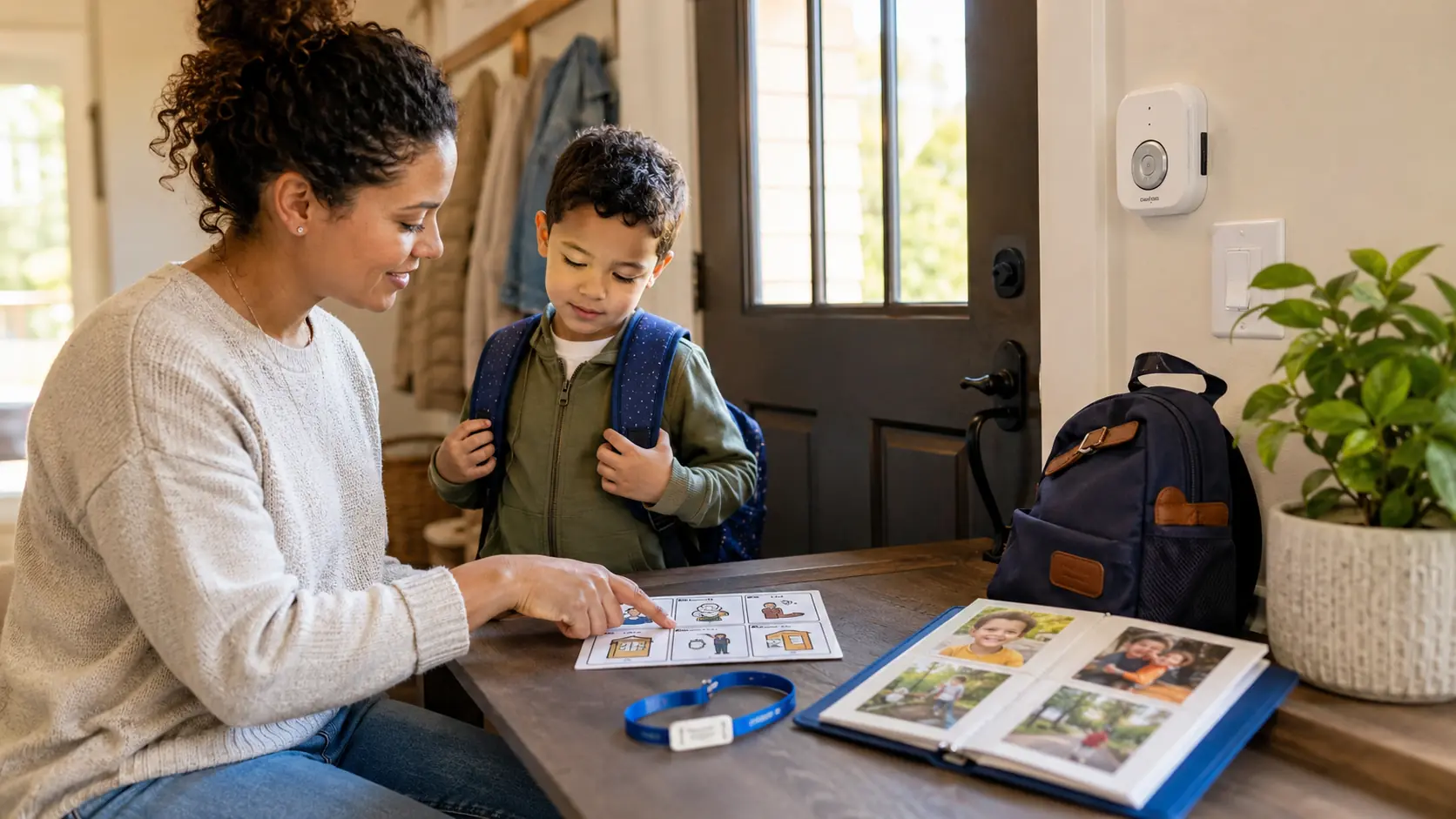
- Preview the space with photos or a virtual tour: Show the parking lot, entrance, bathroom, and main activity area ahead of time.
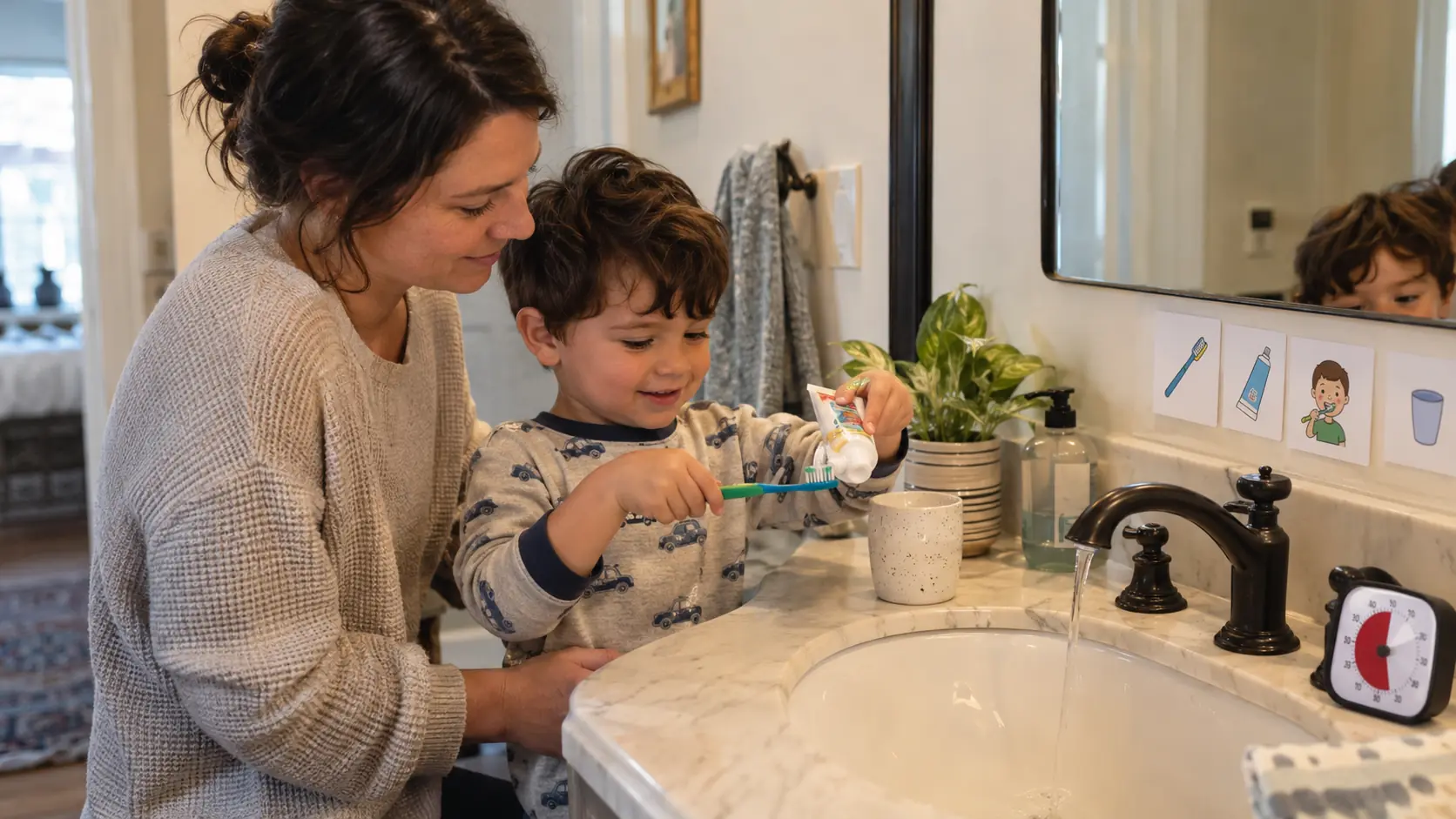
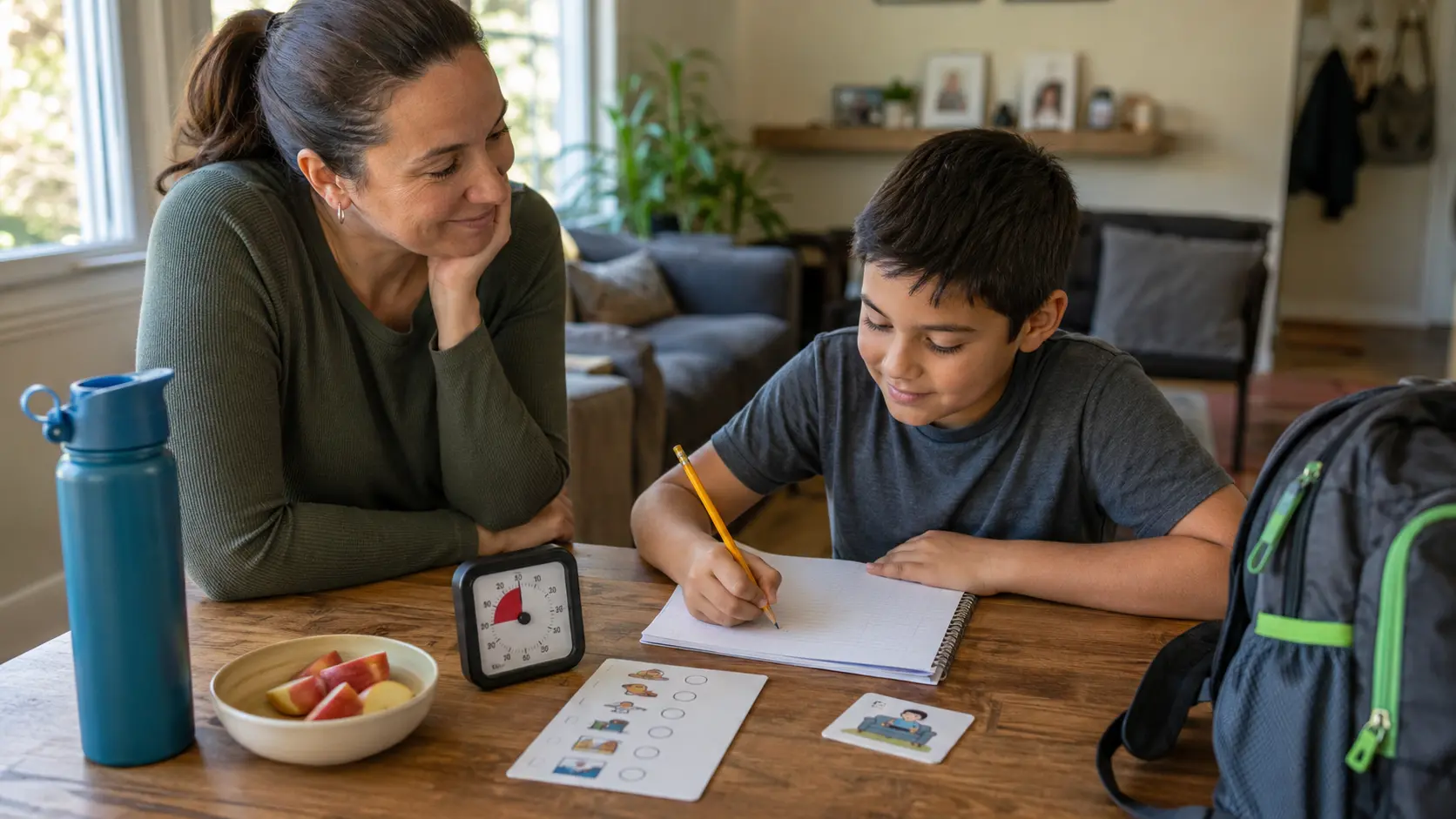
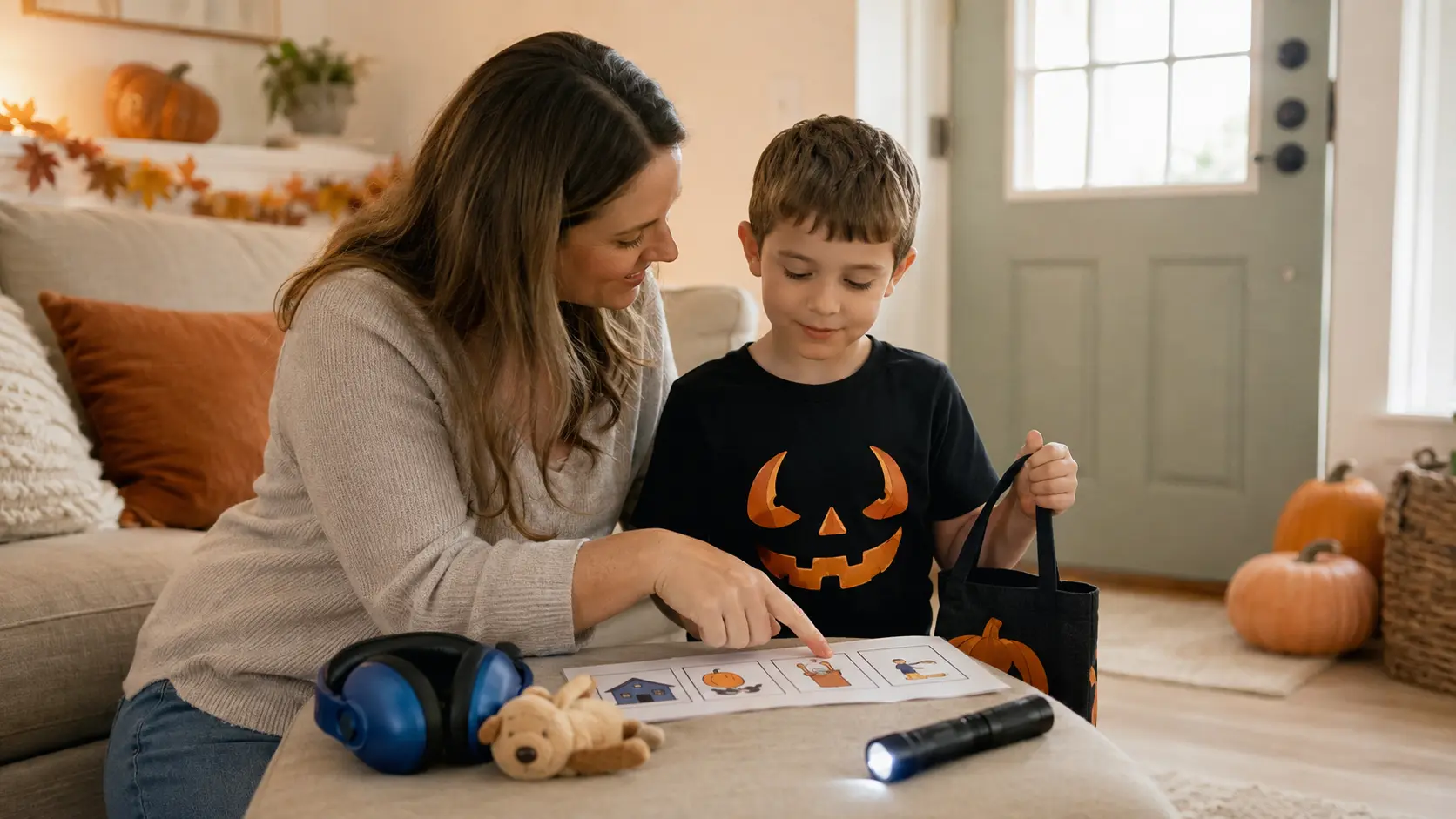
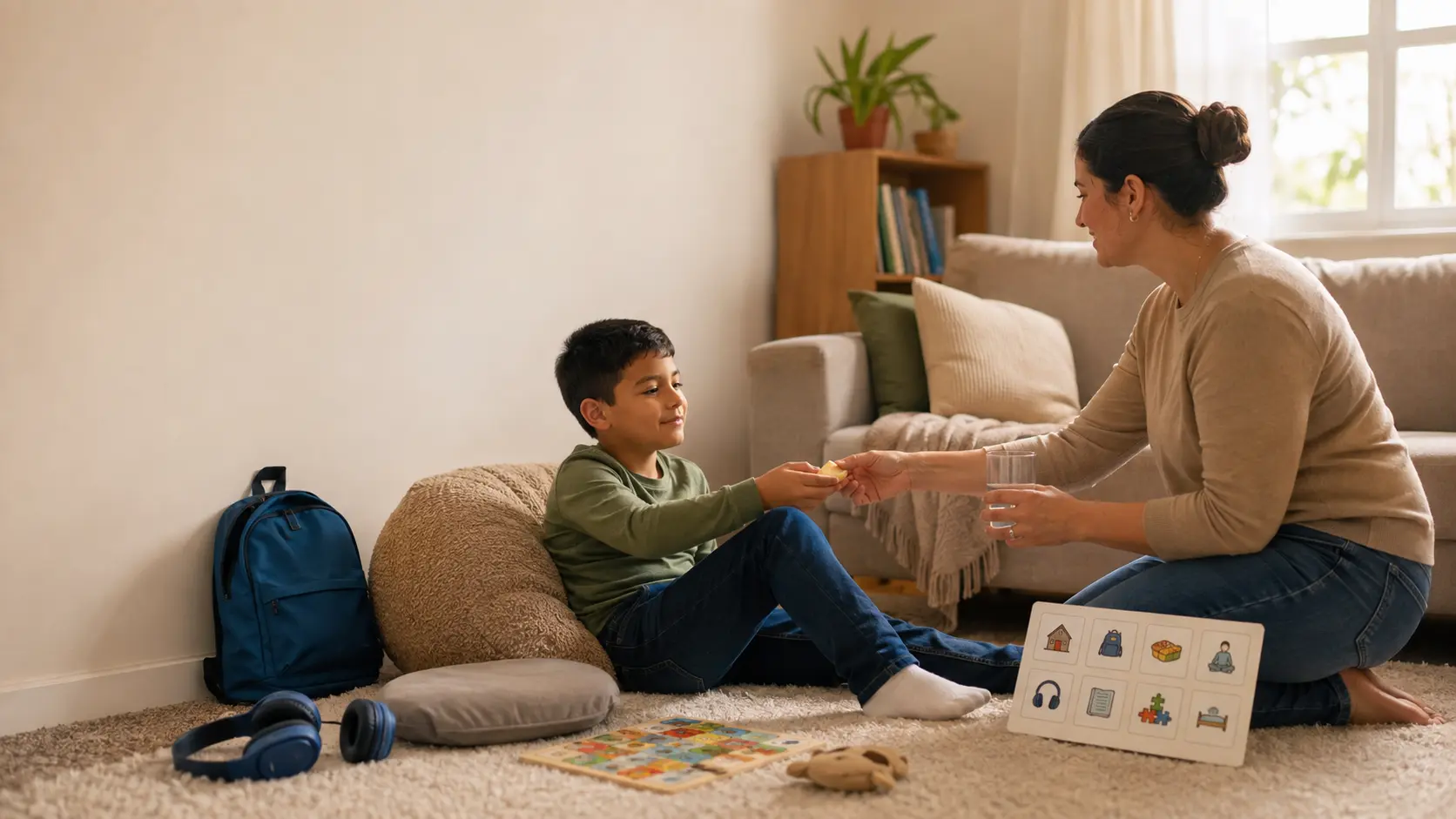
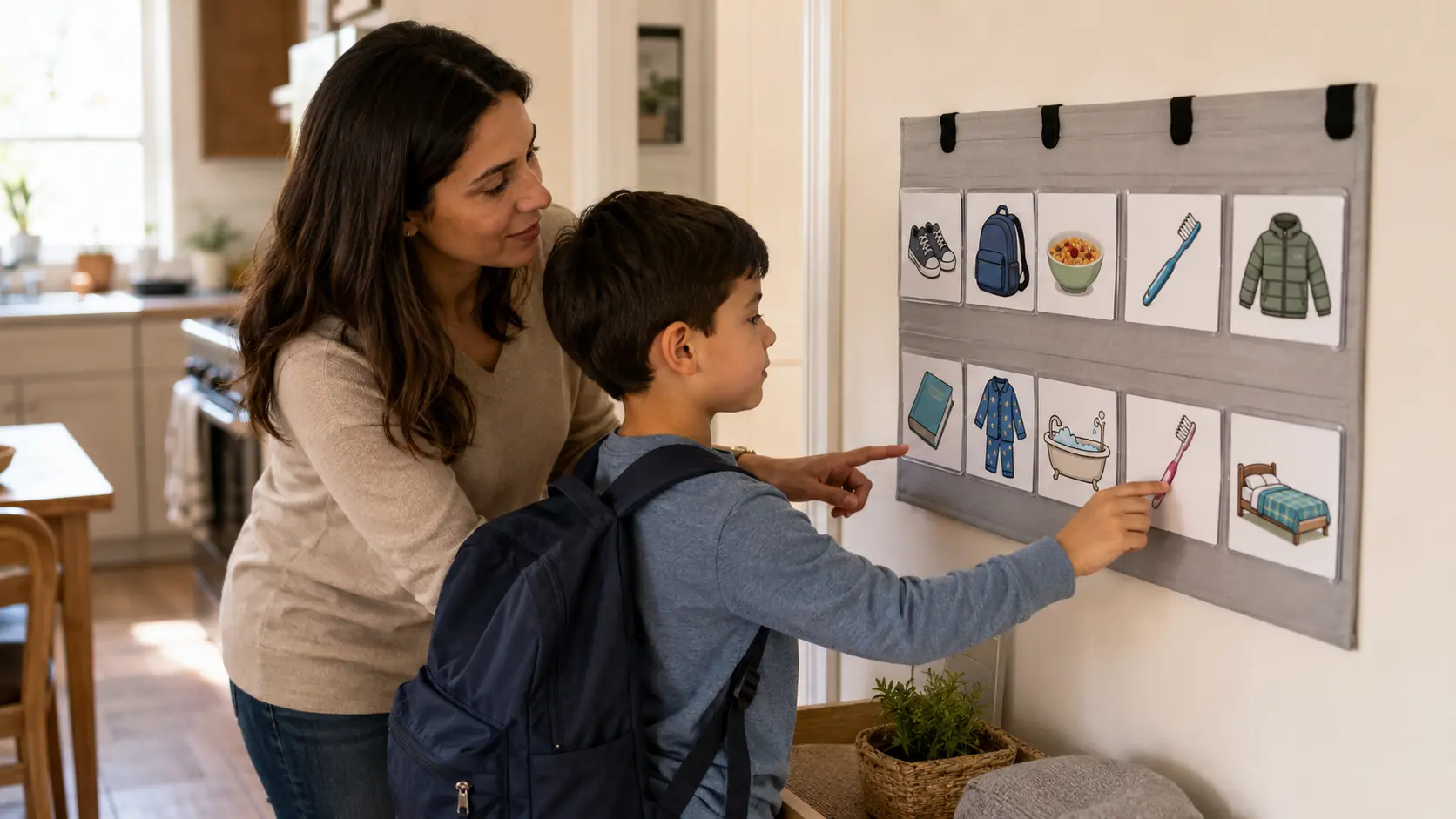
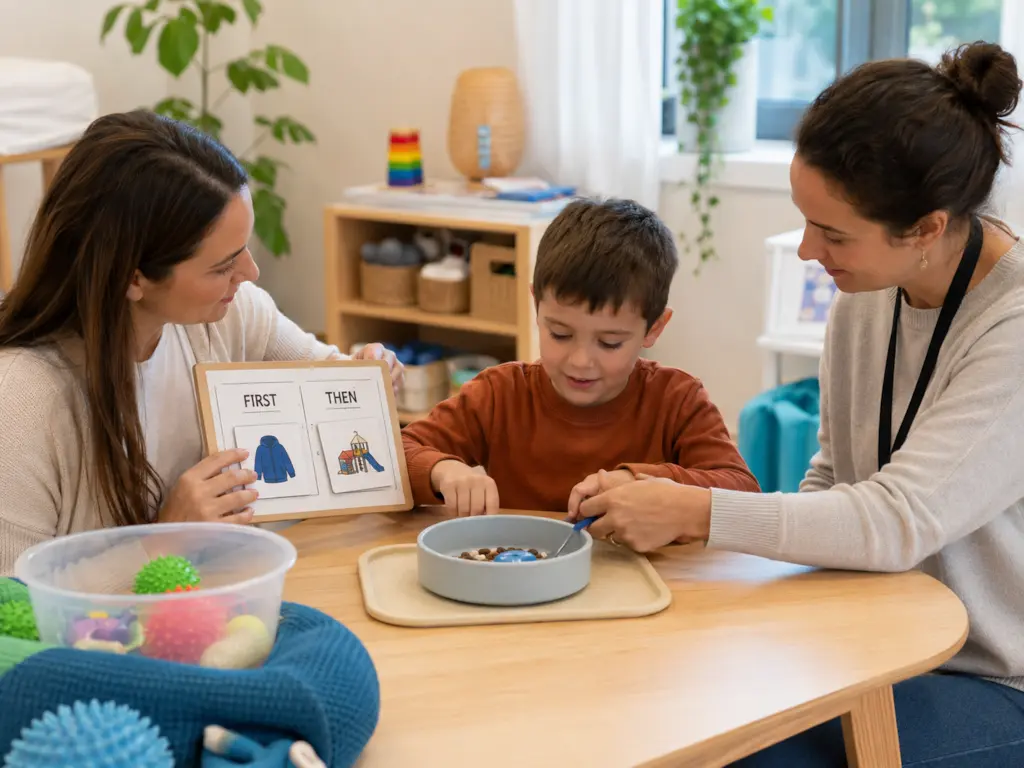
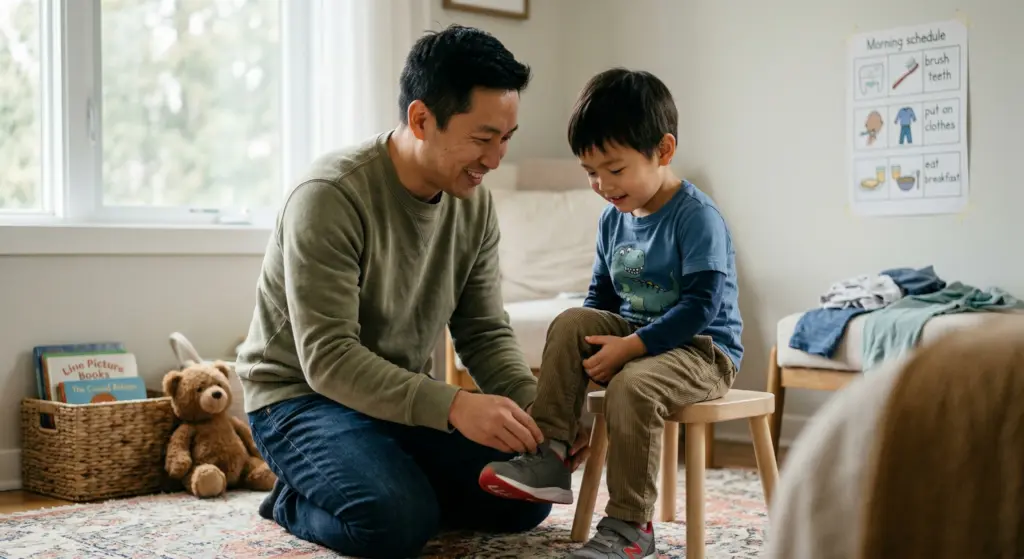
- Build a simple visual schedule: Keep it short, such as arrive → activity → snack → leave.
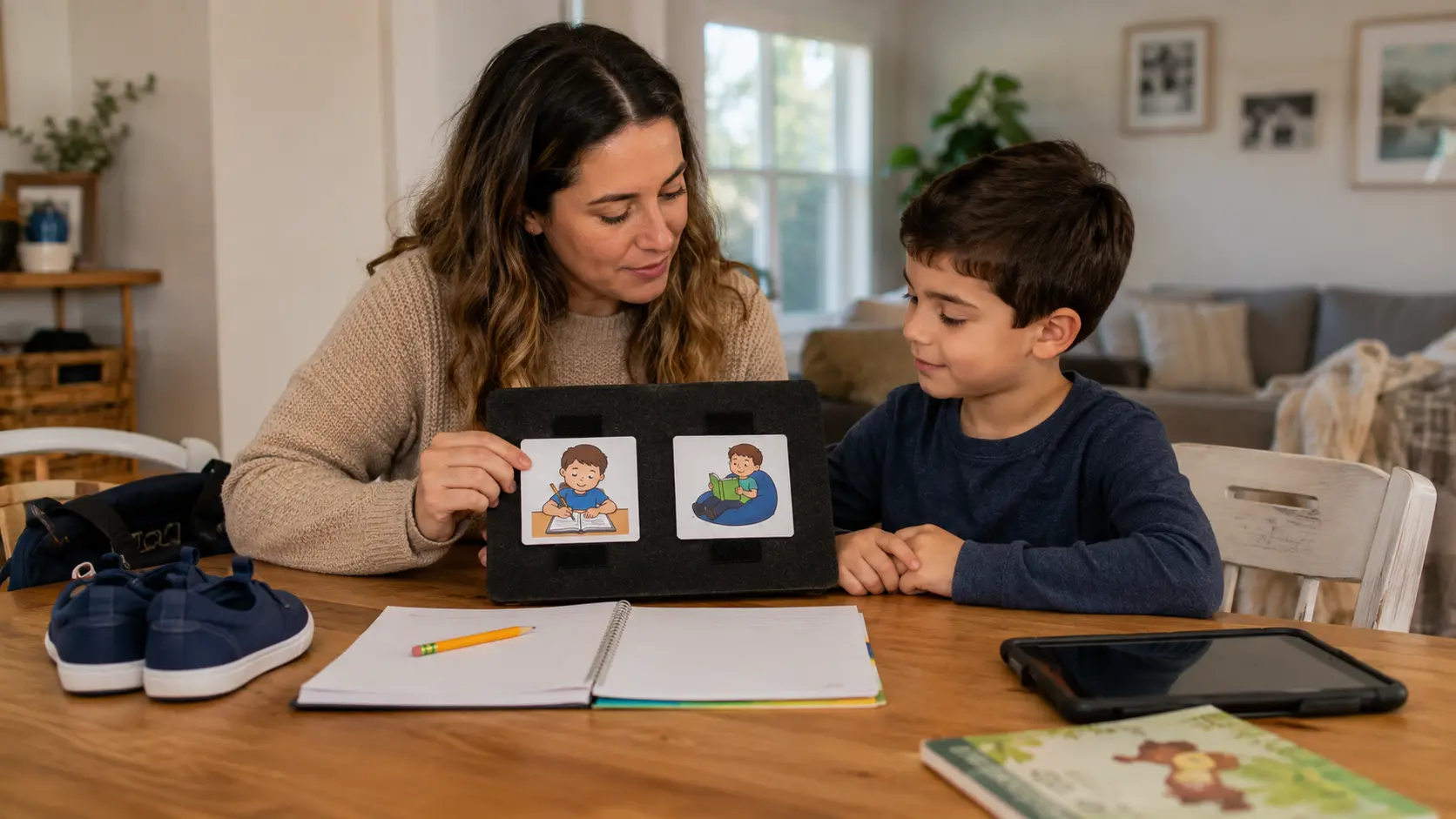
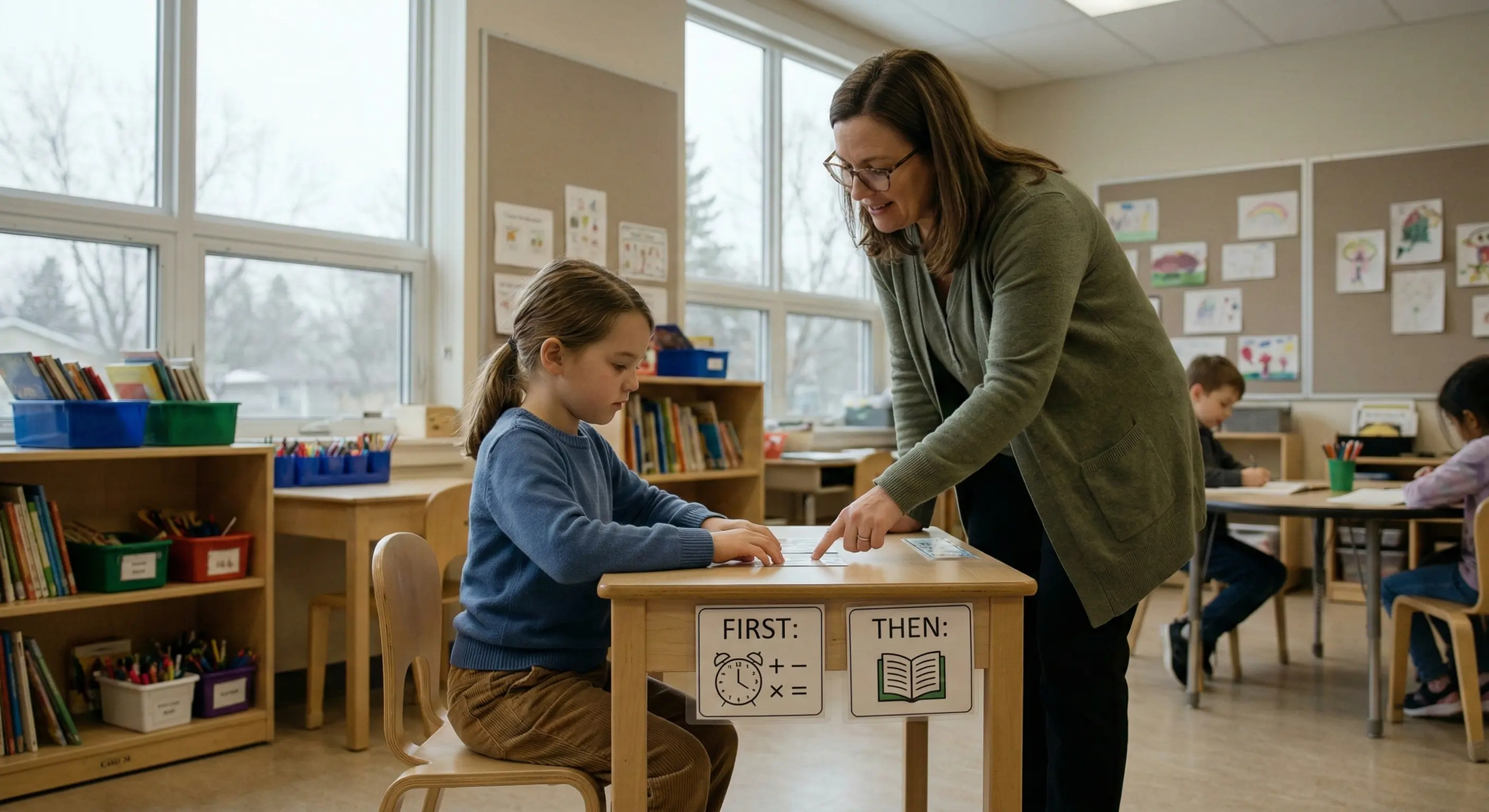
- Set a clear First/Then: For example, “First splash pad, then snack” or “First museum, then quiet car time.”
- Find the quiet spot before starting: Identify a bench, shaded corner, or calm area where a break can happen if needed.
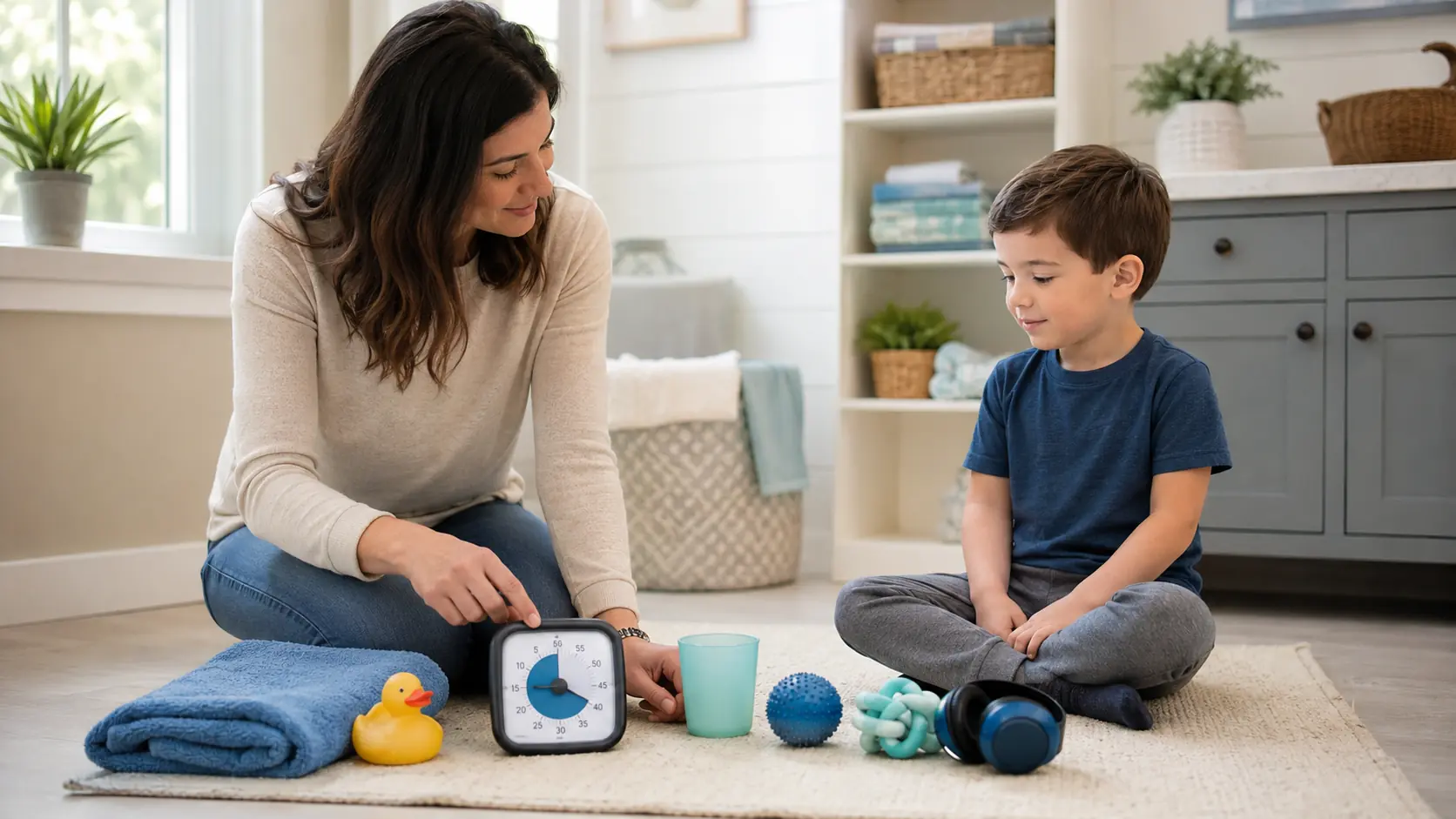
- Explain the exit plan: Use a cue, countdown, or timer so leaving does not feel sudden.
Keep the First Visit Short on Purpose
The first visit does not need to be a full outing. It is better to arrive, explore a little, use one or two parts of the space, and leave while the child is still regulated. A short, successful first visit usually makes the next one much easier.
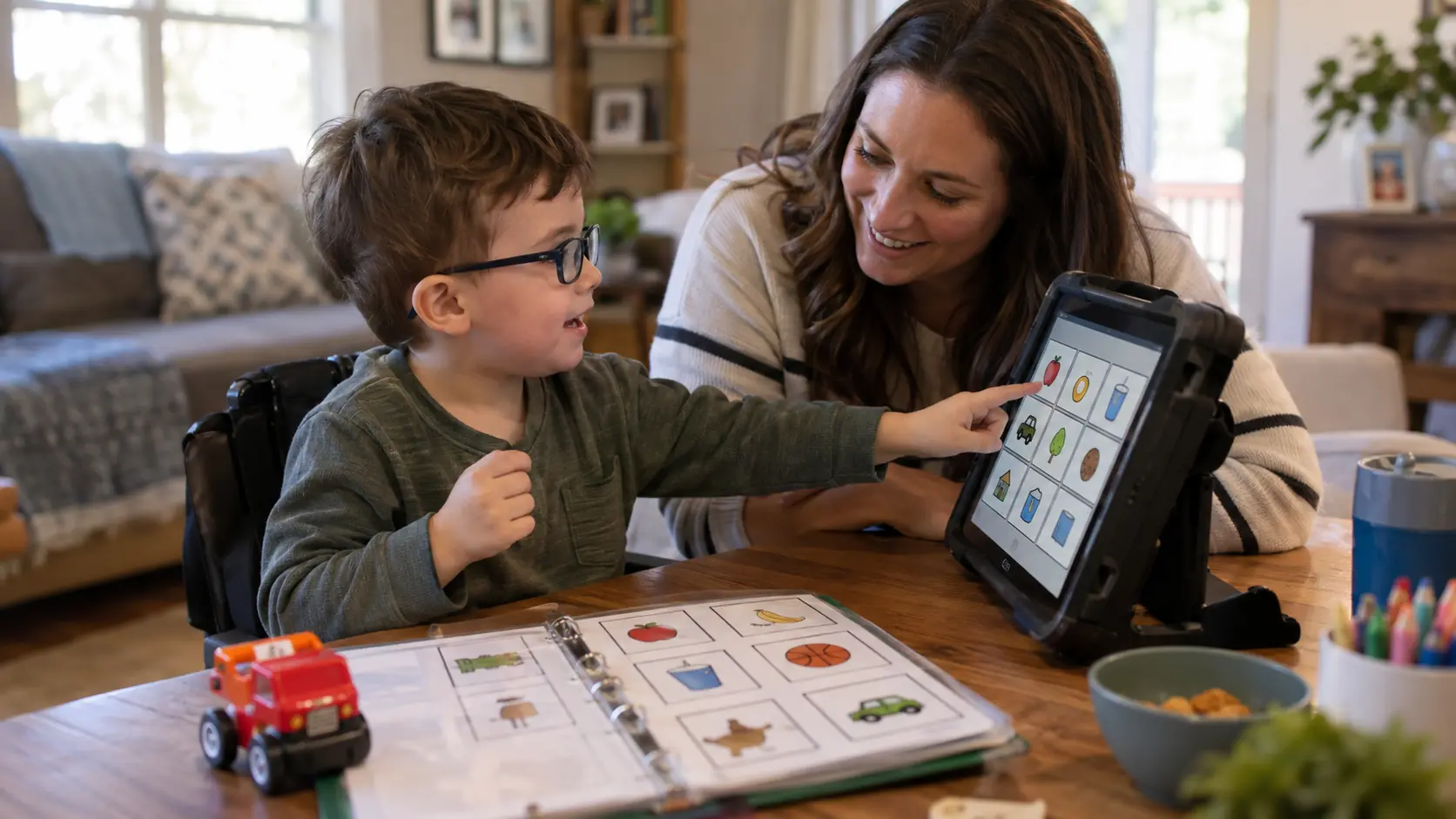
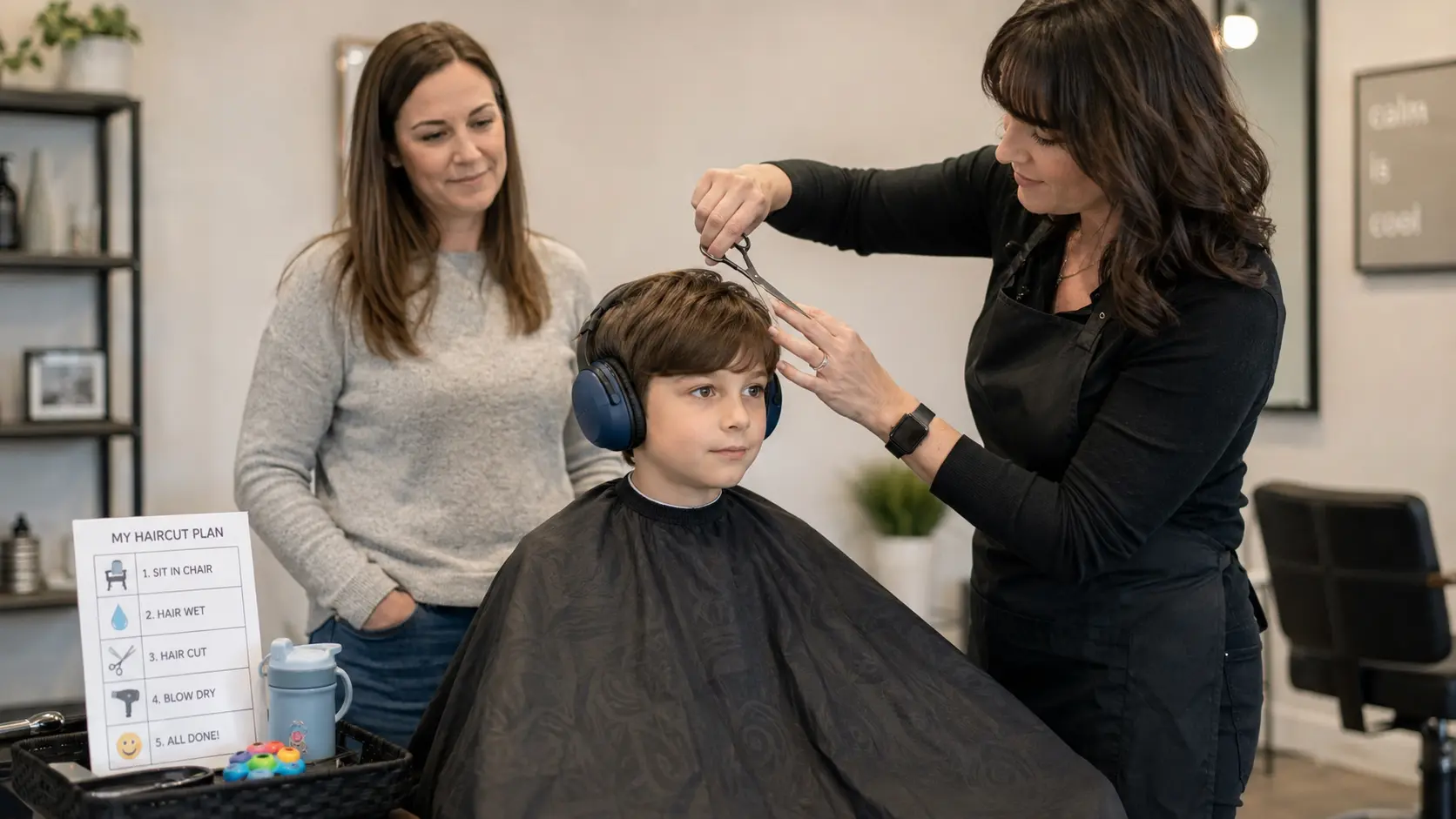
Bring the sensory supports your child already uses elsewhere, headphones, a comfort item, a visual schedule, or communication tools. A new environment is usually when those familiar supports matter most.
When Group Playdates Work Better Than Big Public Spaces
For some children, large public venues are simply not the best starting point. A crowded splash pad or busy park may bring more sensory and social demand than the child can manage comfortably right now. That is not a matter of effort — it is about fit.
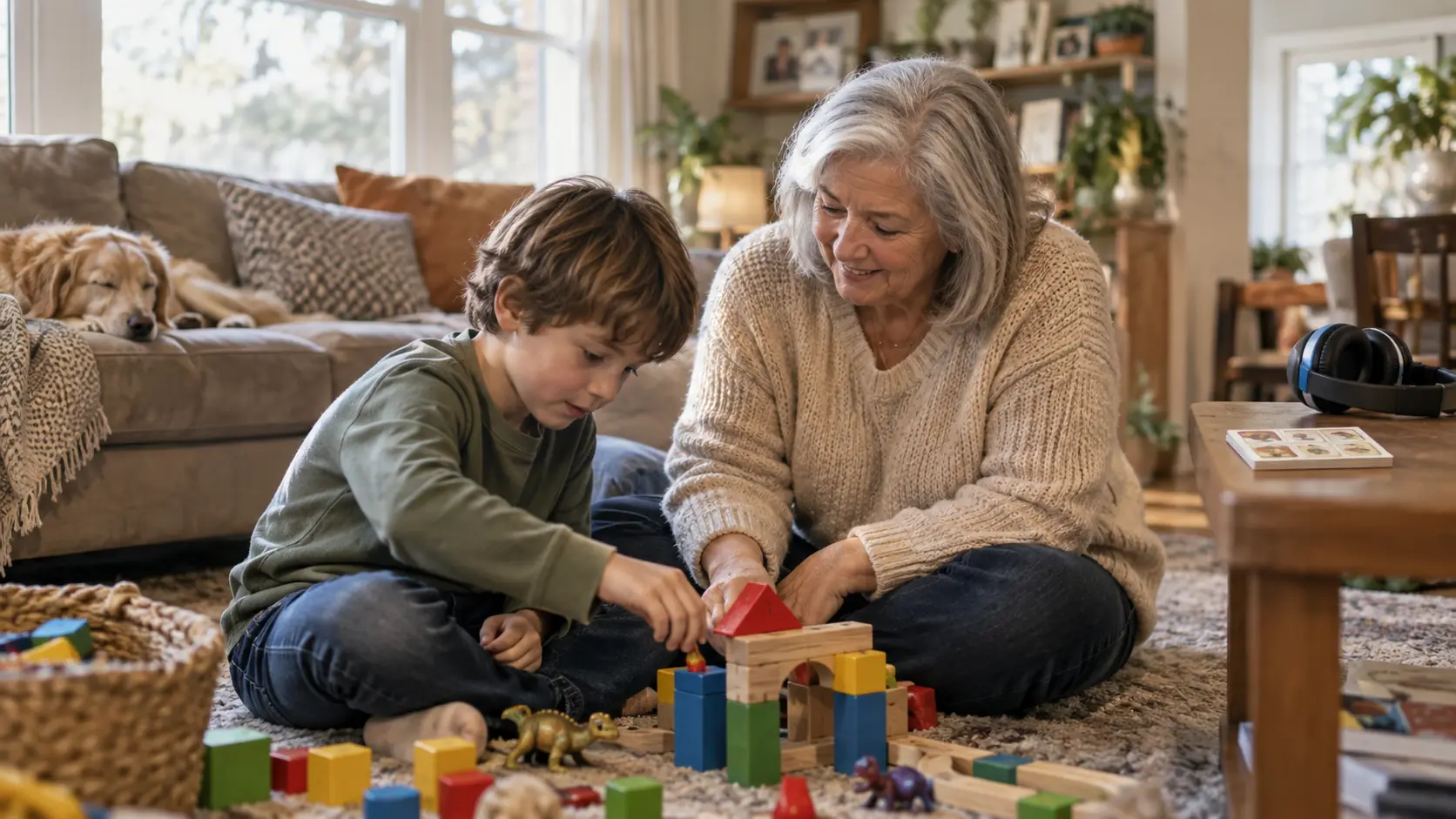
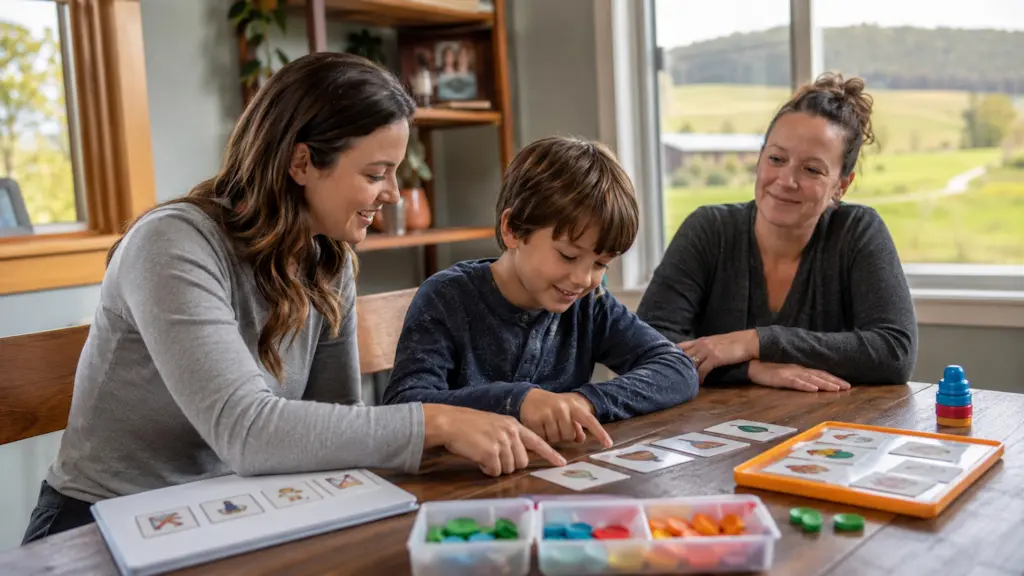
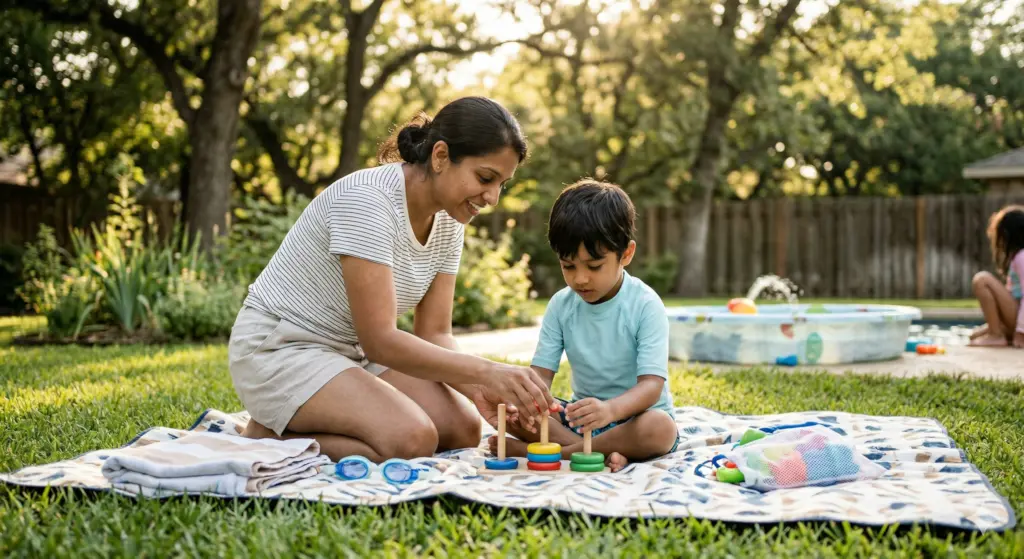
A small, structured playdate with two to four children in a familiar or pre-visited setting is often more useful. The sensory environment is easier to control, the social demands are lower, and adults can support interaction in real time.
What AtlasCare's Group Playdates Offer
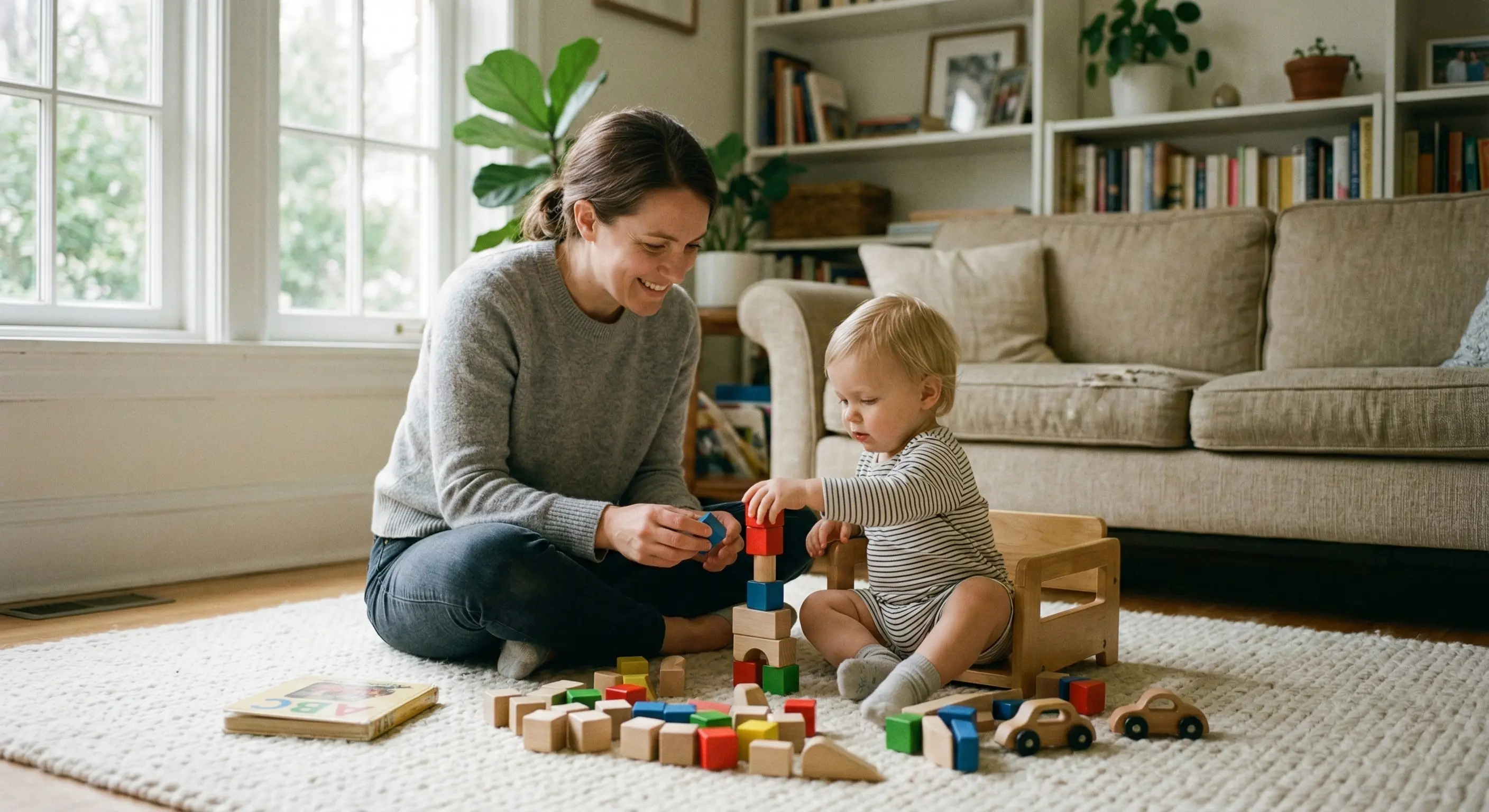
AtlasCare’s summer group playdates in Iowa and New Mexico are designed for exactly this step. They provide structured, supervised social experiences in manageable settings, with trained clinicians available to guide interaction as it happens.
These sessions are not a replacement for larger community outings. They are a stepping stone toward them, helping children build the regulation and peer interaction skills that make future public outings go more smoothly.
Many families find that combining structured group playdates with community outings works better than relying on either one alone.
Find Better Outings, Have Smoother Summers
Summer outings do not have to be the hardest part of the week. With better venue choices, smarter timing, simple preparation, and a clear exit plan, families in Iowa and New Mexico can find sensory-friendly summer outings that are truly manageable.
Use the checklist, venue ideas, and preparation steps in this guide as real planning tools — not just reading material. Test them, adjust them, and build a rhythm that works for your family over the course of the summer.
If you want more individualized support, AtlasCare can help you plan outings around your child’s regulation, transition, and sensory needs.
Ask about AtlasCare’s local group playdate schedules and family support options in Iowa and New Mexico.
Contact AtlasCare today to get started.









.webp)

.webp)
.webp)
.webp)
.webp)





.jpg)

.webp)

.webp)
.webp)









%20During%20Play%20in%20the%20Home.webp)