Families searching for in-home ABA therapy in Albuquerque want practical answers before they make any decisions: Can ABA actually happen at home rather than a clinic? What does a home session look like? How much will insurance or Medicaid cover? What does parent involvement require? These are the right questions, and they deserve clear answers rather than vague reassurance.
It is important to know what home-based ABA therapy involves for New Mexico families in Albuquerque, Rio Rancho, Santa Fe, and surrounding communities — what happens during sessions, how parent coaching works, what the in-home versus center-based comparison actually looks like, and how to take the first step toward intake and insurance verification.
What Is In-Home ABA Therapy?
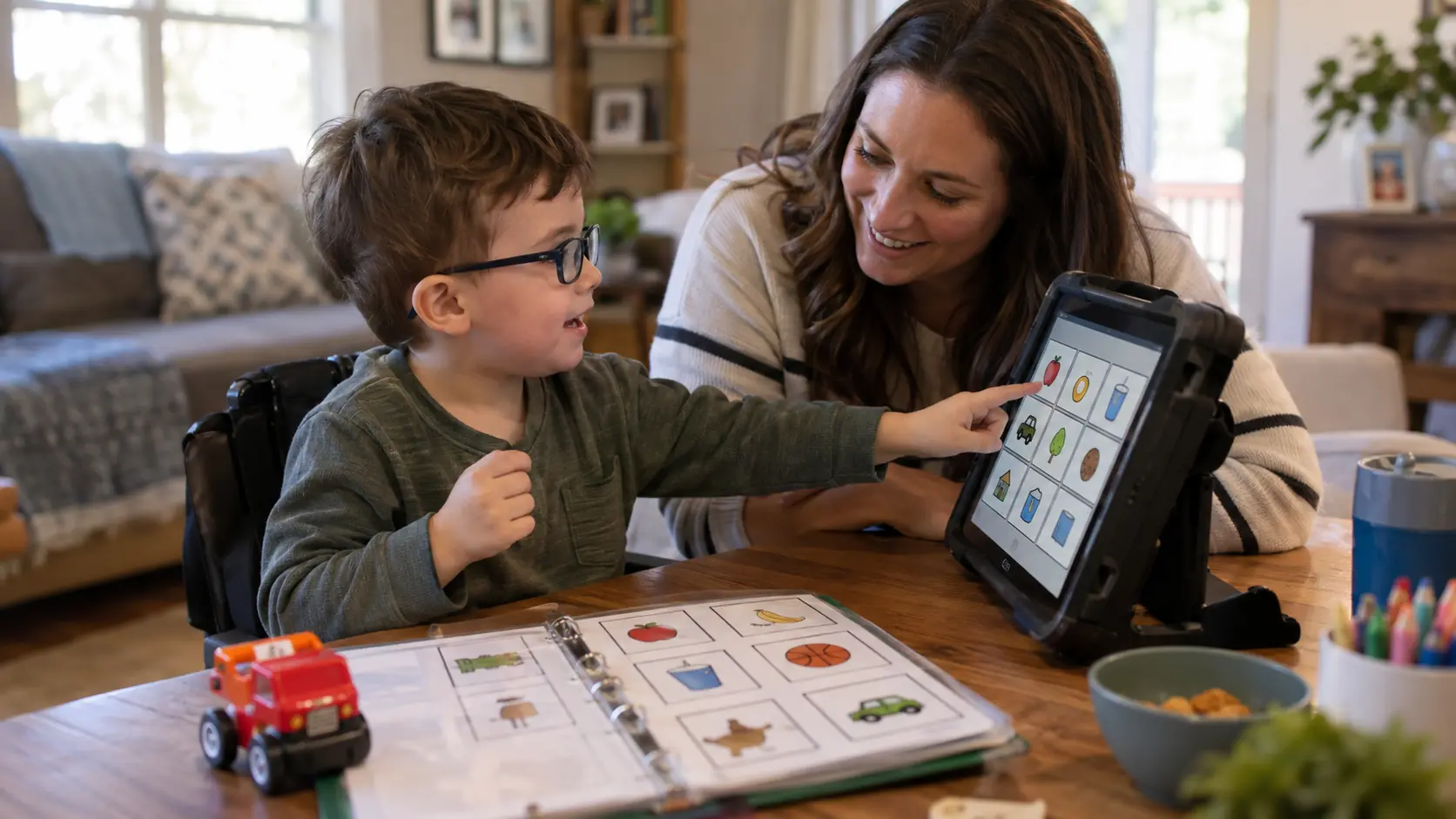
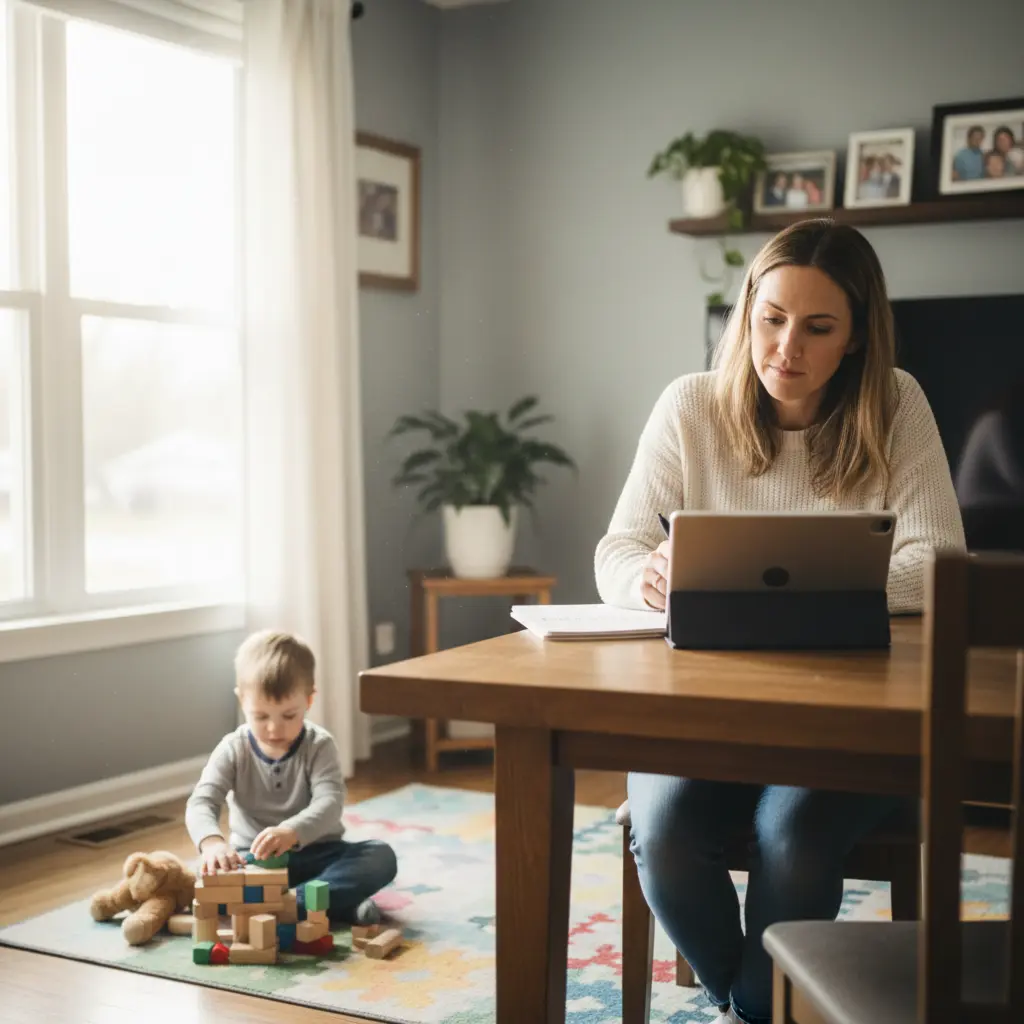
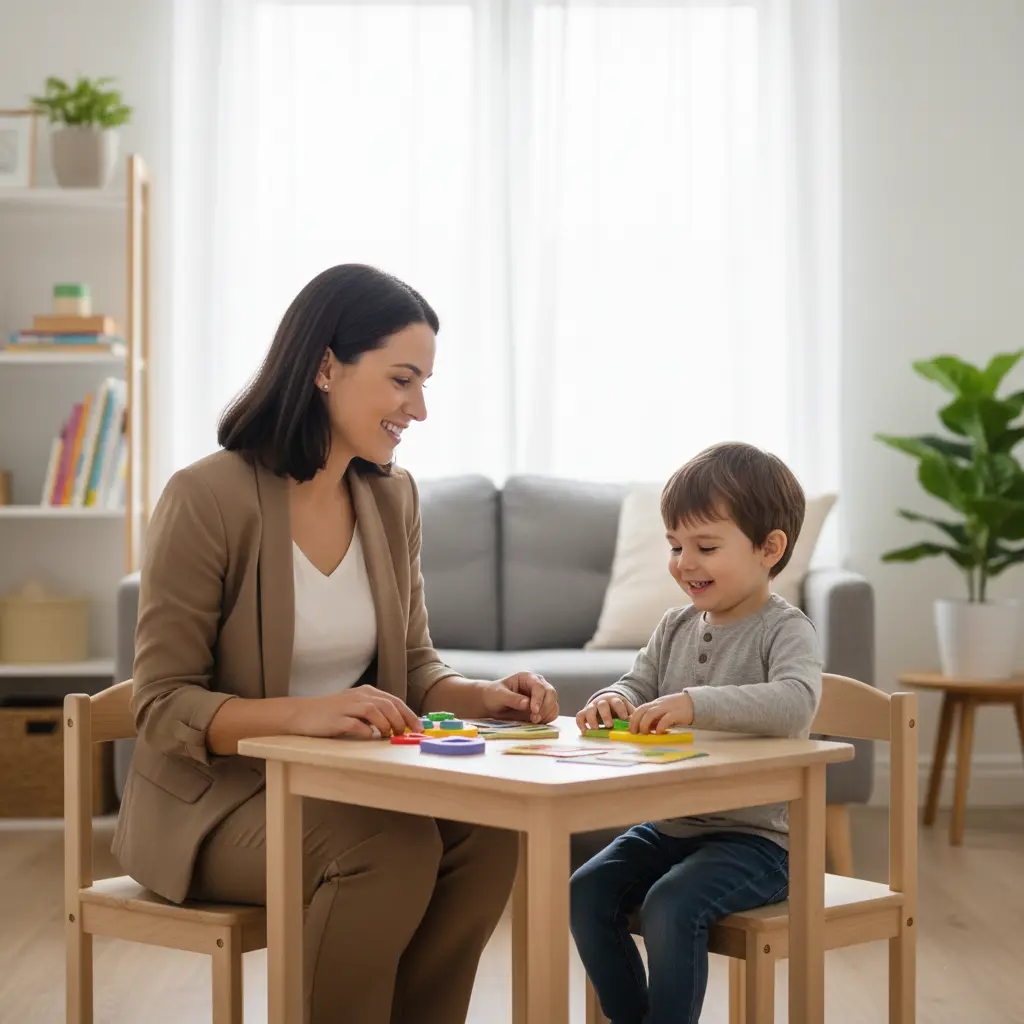
In-home ABA therapy is applied behavior analysis delivered in the child’s natural home environment, such as the living room, kitchen, backyard, or daily routines where challenges often happen.
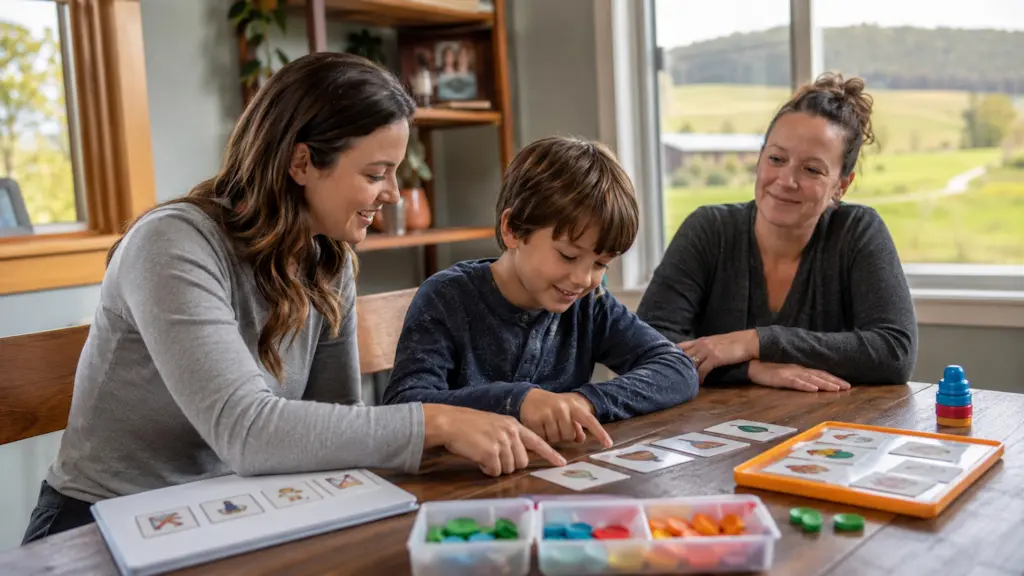
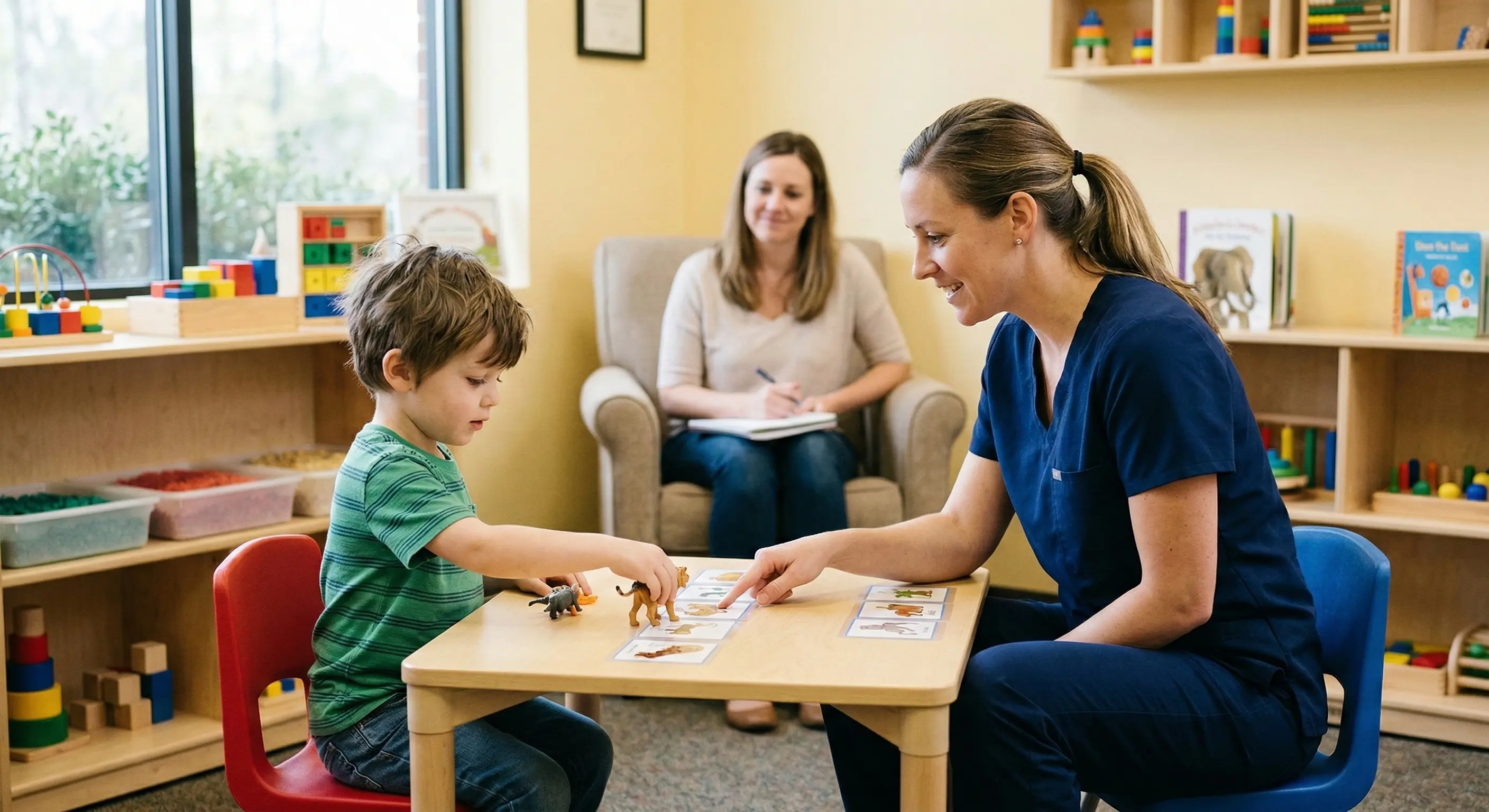
Sessions are based on an individualized treatment plan created after an assessment and supervised by a Board Certified Behavior Analyst (BCBA). A Registered Behavior Technician (RBT), when used, may provide direct support under BCBA supervision. Caregivers are also involved through parent coaching so strategies can continue between sessions.
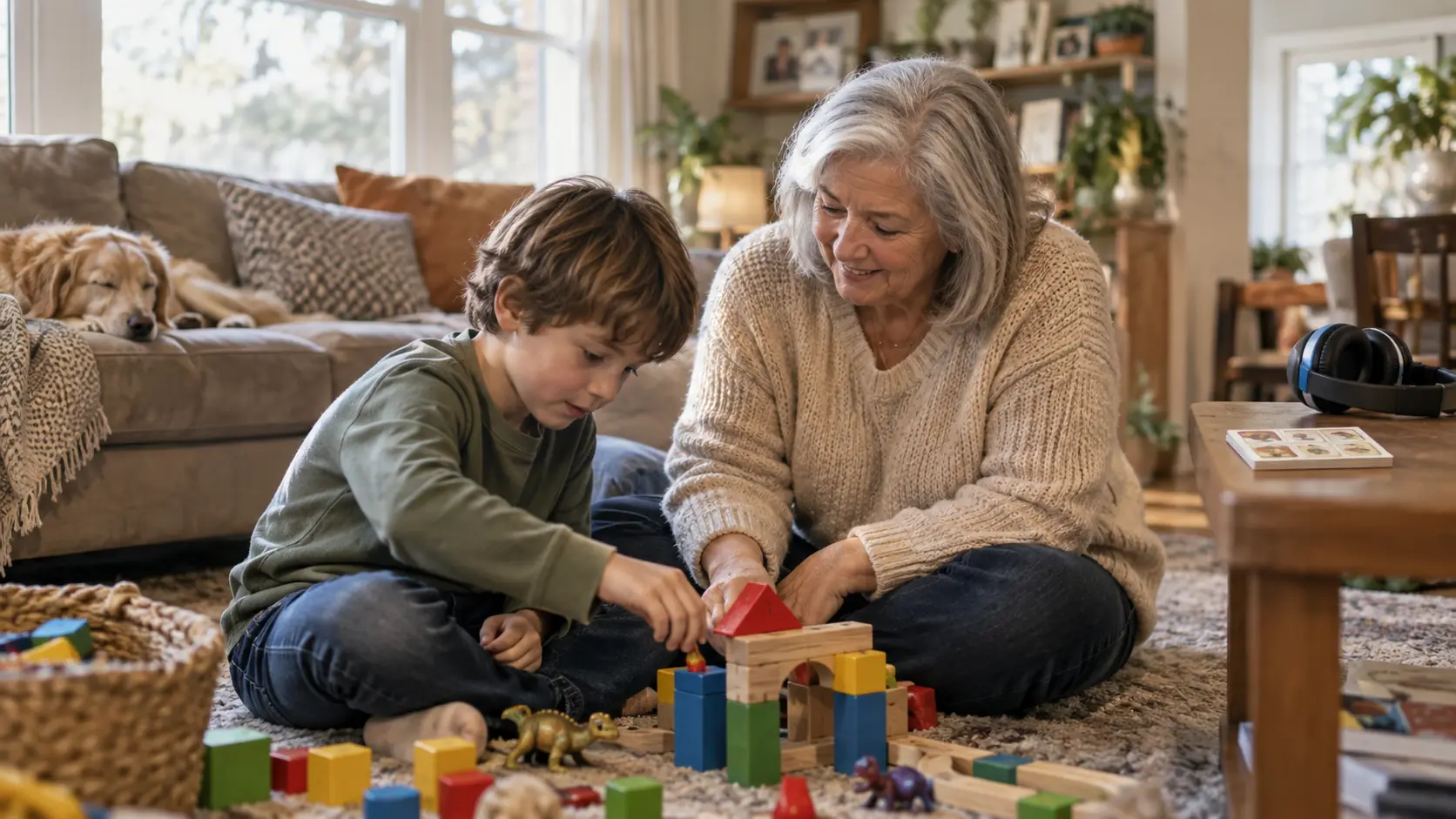
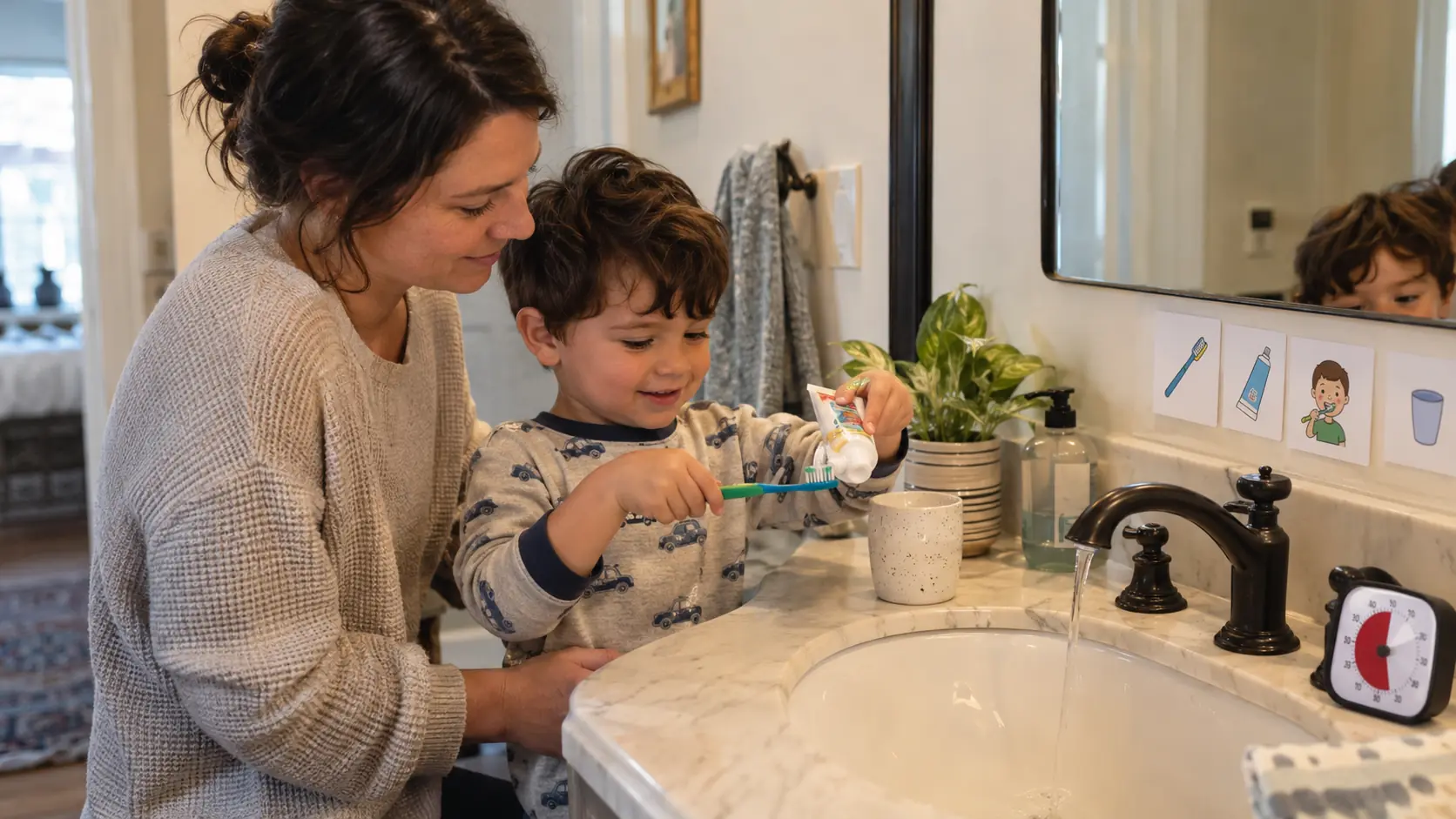
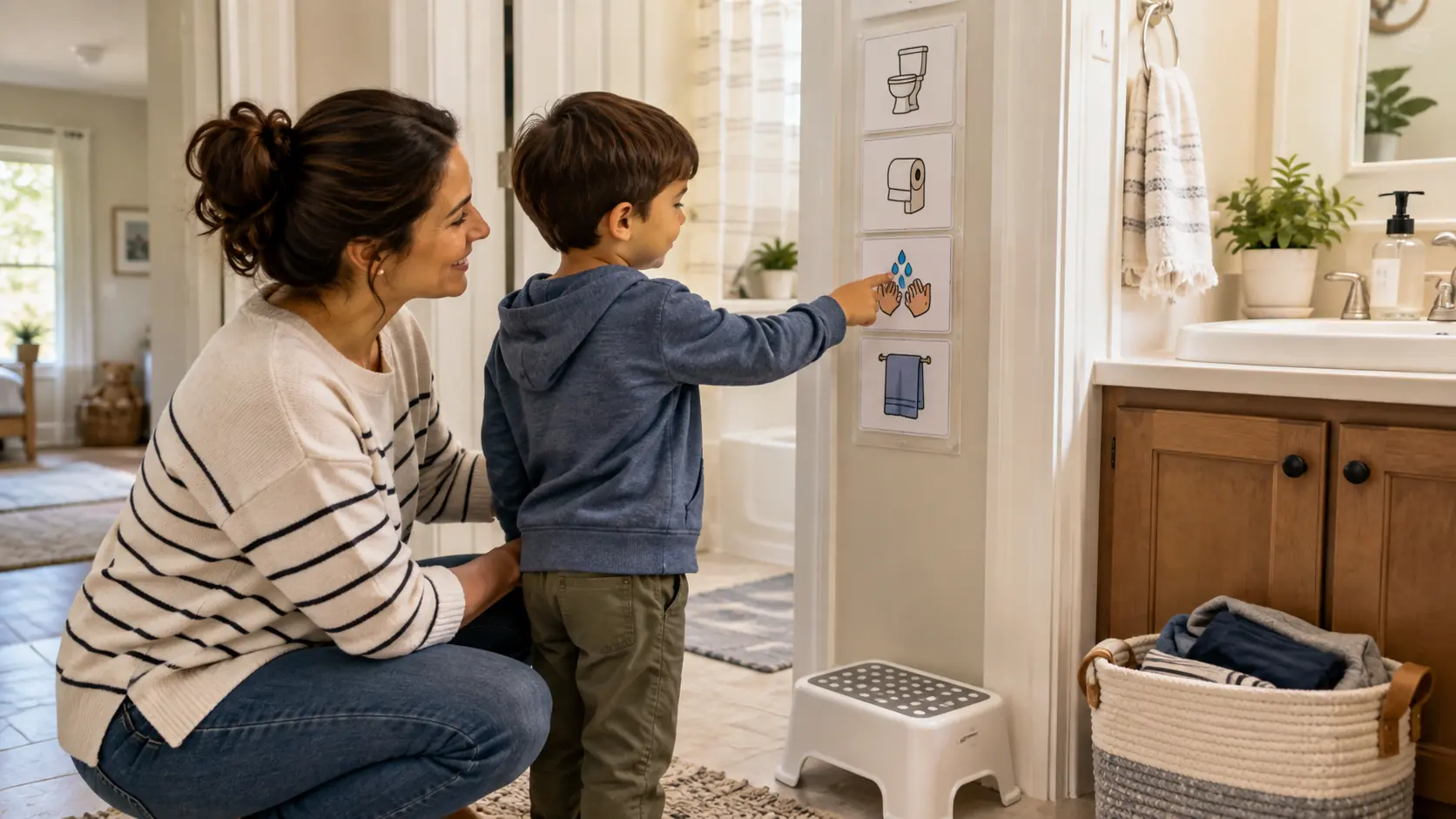
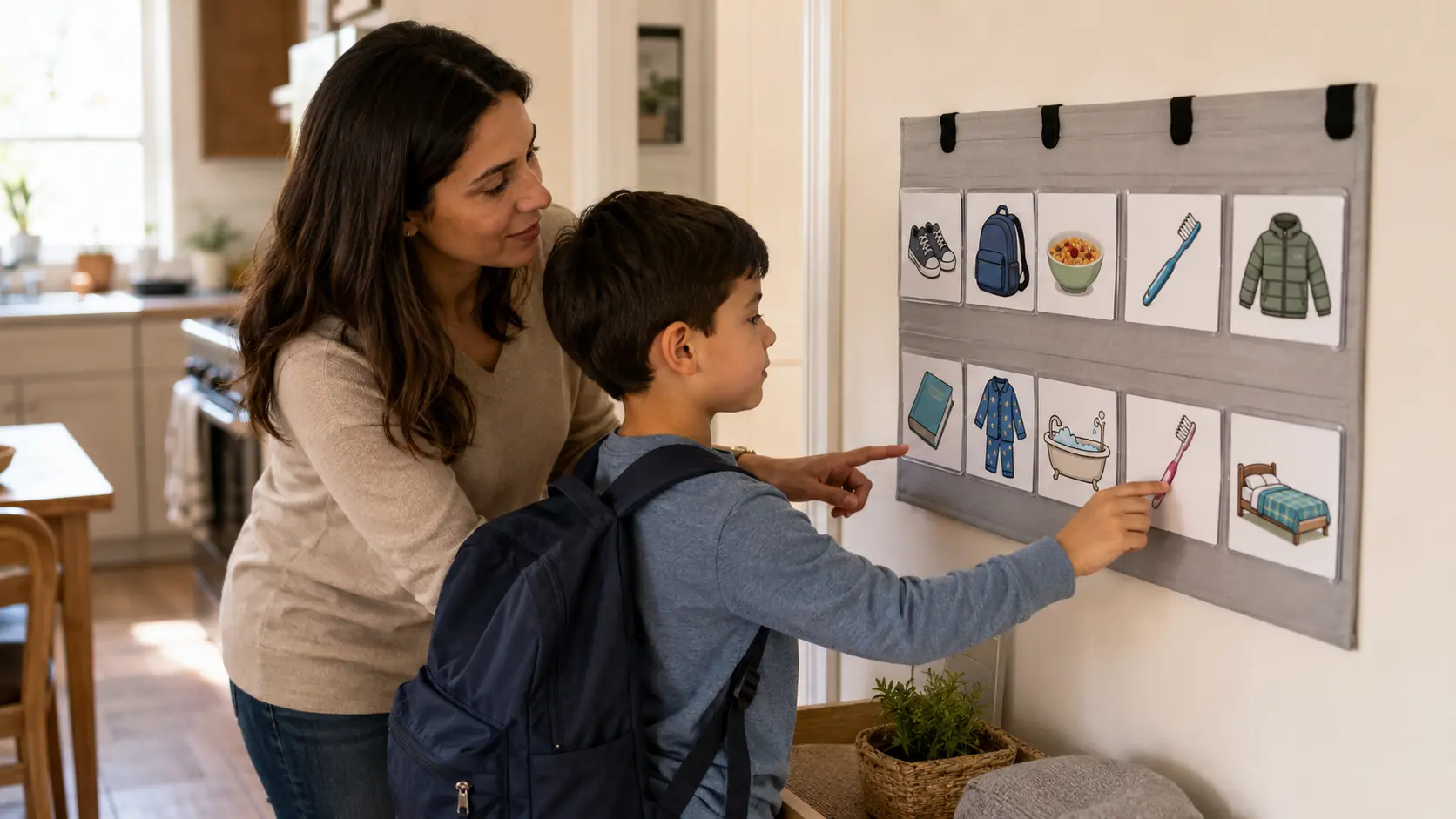
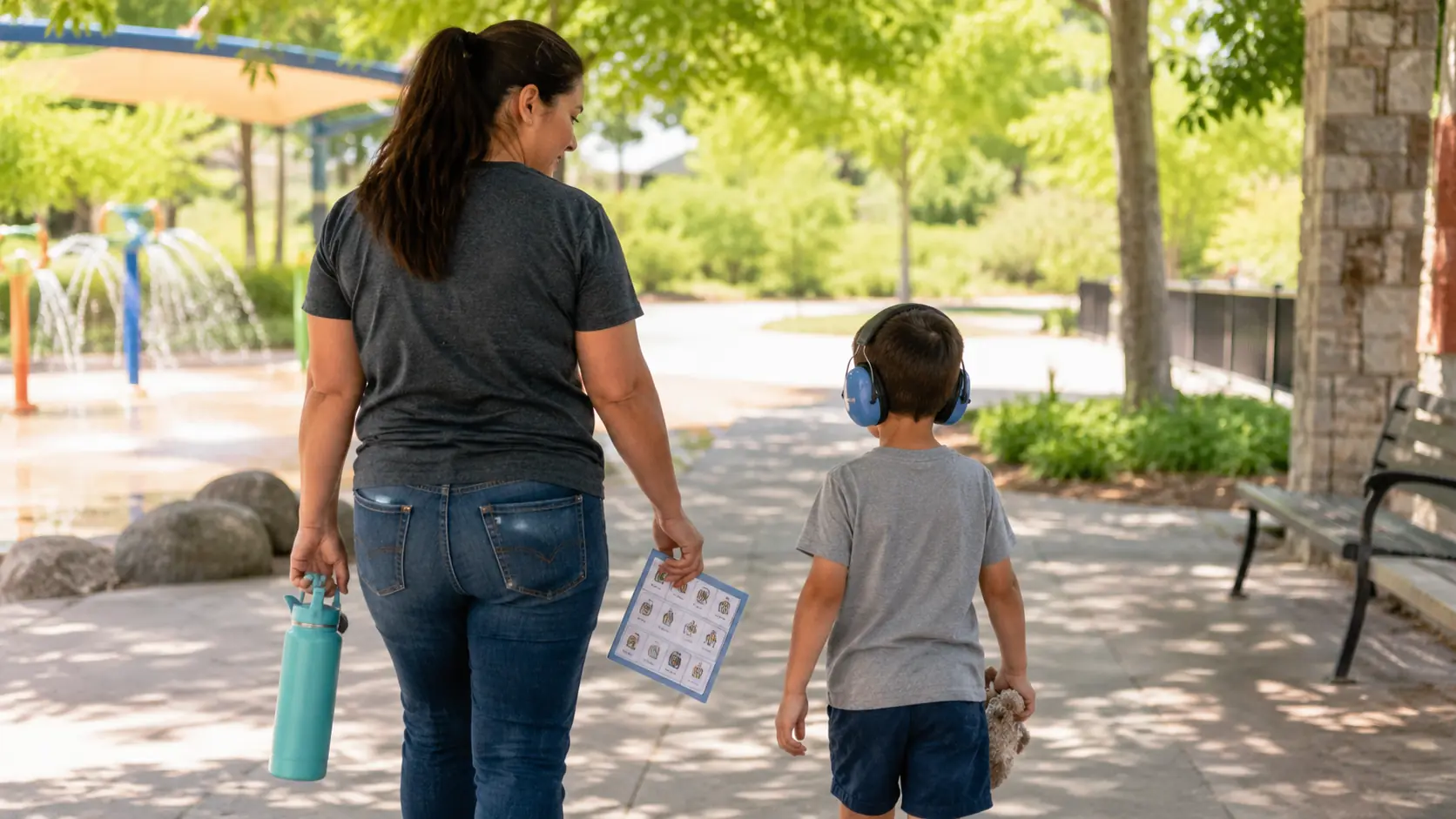
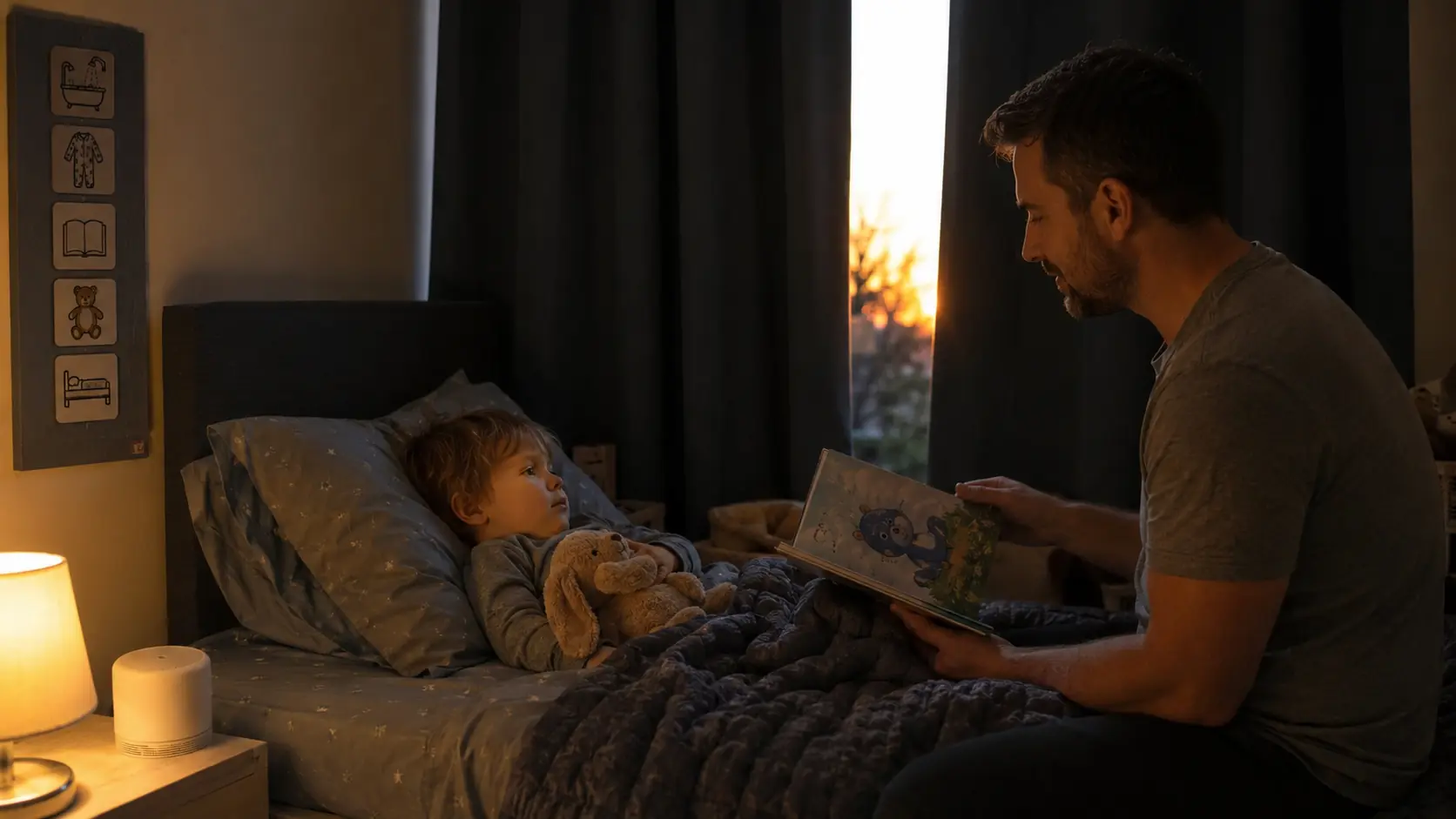
Common goals in home-based ABA include communication, morning and bedtime routines, mealtime, hygiene, play skills, transitions, independence, and reducing behaviors that affect safety or daily life.
Because therapy happens at home, children can practice skills in the environment where they are most likely to use them.
Why Families Choose In-Home ABA in New Mexico
Families often choose in-home ABA therapy services because skills are practiced where they are actually needed. A child who learns to request help, follow a routine, or manage a transition at home is more likely to use that skill during real family life.
New Mexico families may also choose in-home ABA because of:
- Geography: Families in Albuquerque, Rio Rancho, Santa Fe, the South Valley, or nearby areas may have long drives to a clinic.
- Family schedule: In-home sessions can reduce the burden of drop-off, pick-up, and transportation.
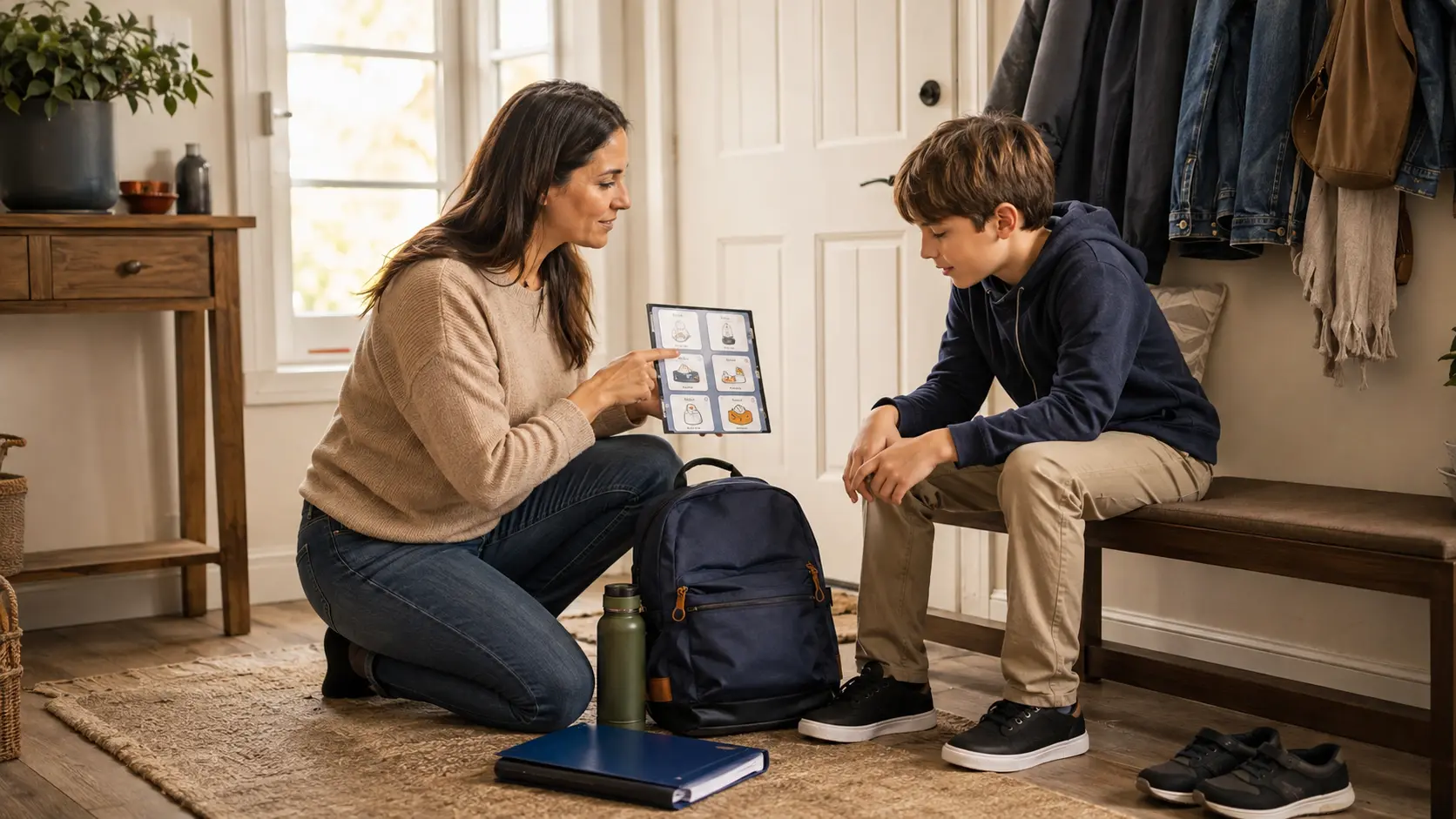
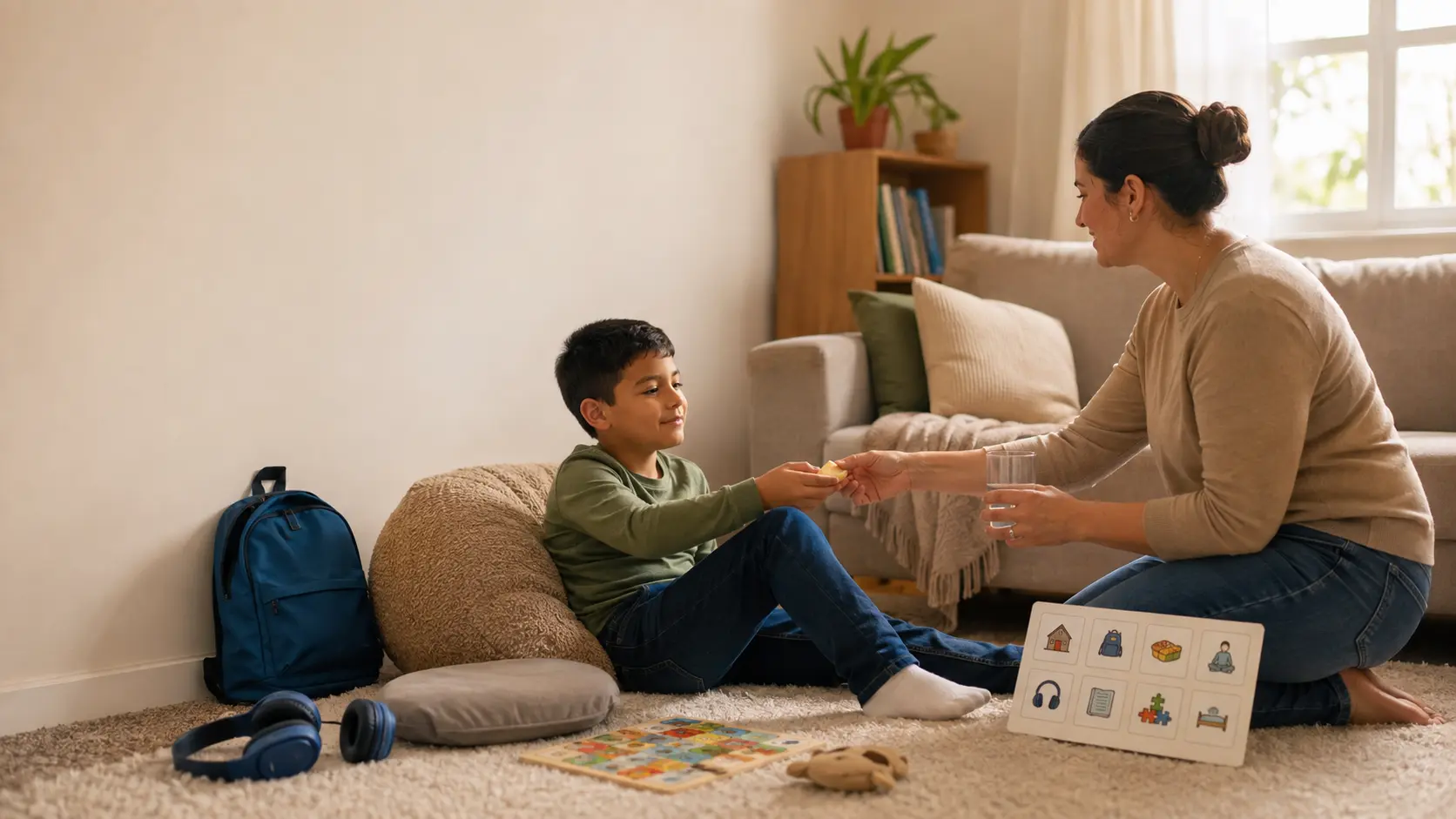
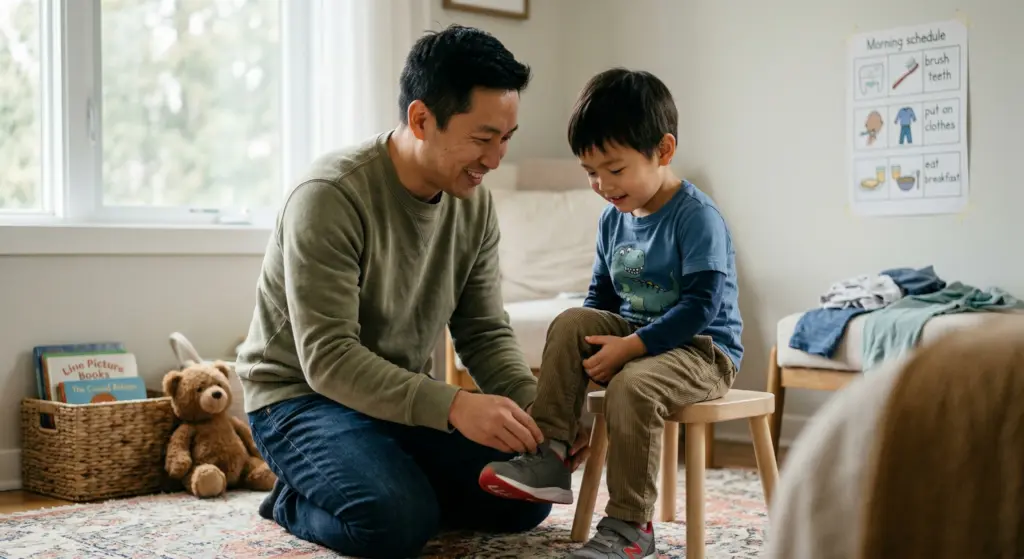
- Real-life routines: Morning routines, mealtimes, sibling interactions, transitions, and bedtime can be practiced in the actual home setting.
- Parent involvement: Caregivers can receive coaching during the routines where challenges happen.
In-home ABA is not automatically better for every child. Some children may benefit from center-based settings, peer opportunities, or structured clinic environments. The right model depends on the child’s needs, family schedule, and the BCBA’s clinical recommendation.
In-Home ABA Therapy in Albuquerque, Rio Rancho, and Santa Fe
Families comparing ABA therapy in Albuquerque, autism therapy Albuquerque, or ABA services Albuquerque can contact AtlasCare to confirm whether in-home services are currently available for their address.
AtlasCare ABA provides New Mexico ABA therapy for families in Albuquerque and nearby areas. For families in Northeast Heights, the North Valley, South Valley, Westside, Rio Rancho, Santa Fe, and surrounding communities, in-home ABA may be available depending on clinician schedules, travel radius, insurance authorization, and clinical fit.
Families searching for ABA therapy Albuquerque, ABA pediatric therapy near me, or in-home ABA therapy near me should contact AtlasCare directly to confirm whether services are currently available for their specific address.
Service coverage can change based on provider availability and scheduling, so the best first step is to ask the intake team about current availability in Albuquerque, Rio Rancho, Santa Fe, or the broader central New Mexico region.
What Happens During Home-Based ABA Sessions
The ABA process usually follows a structured path so families know what to expect:
- Intake call: The team gathers family information, confirms service area, reviews insurance details, and schedules the assessment.
- Behavior assessment: A BCBA observes the child, reviews history, and gathers parent input to identify needs and goals.
- Treatment plan: The BCBA creates an individualized plan with goals, recommended hours, teaching strategies, and data collection methods.
- Insurance authorization: If required, the treatment plan is submitted to insurance or Medicaid for approval.
- Sessions begin: Therapy takes place at home during agreed times. The BCBA supervises care, and an RBT may provide direct support under supervision.
- Progress review: Data is collected during sessions, and the BCBA adjusts goals and strategies as needed.
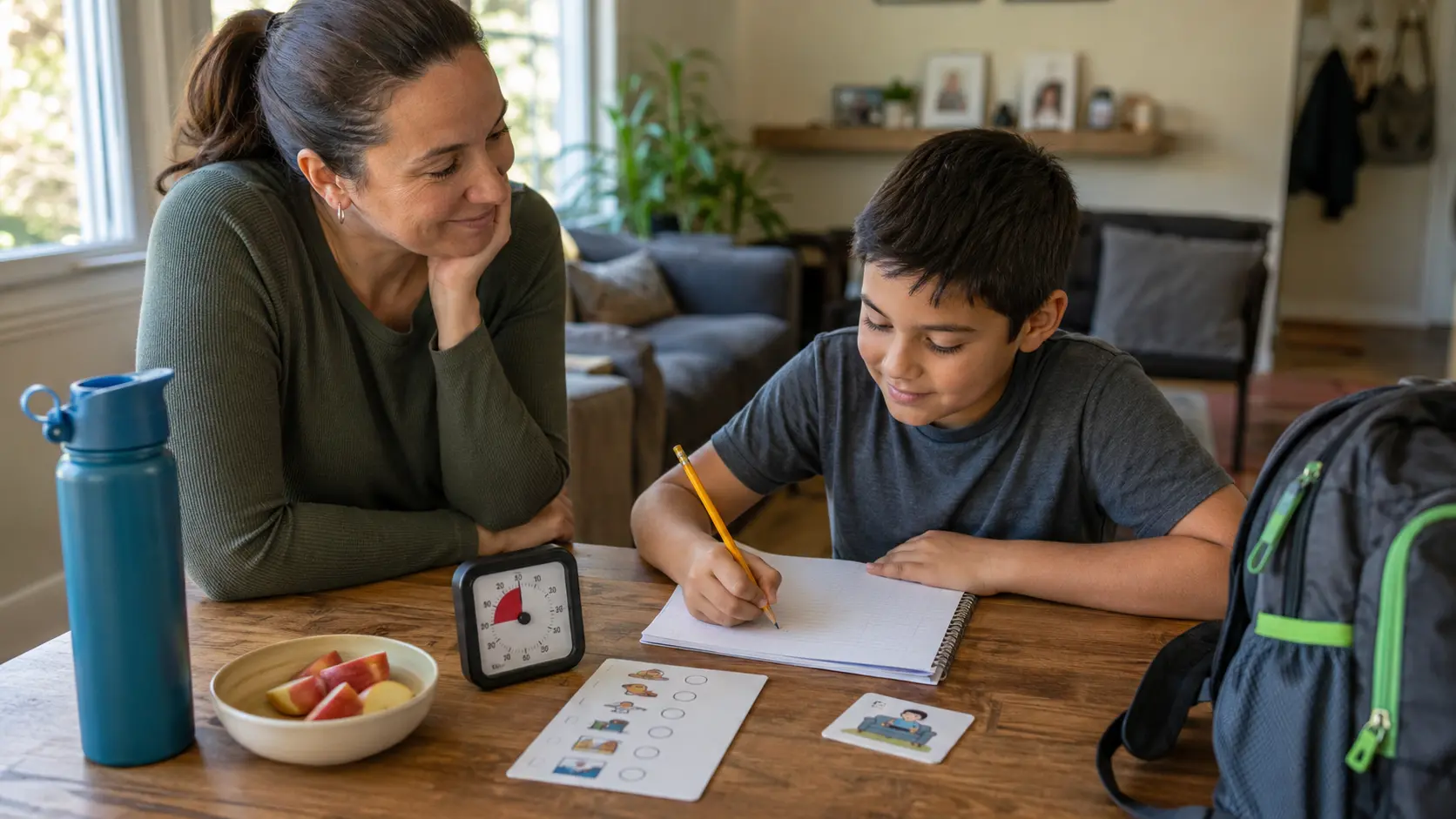
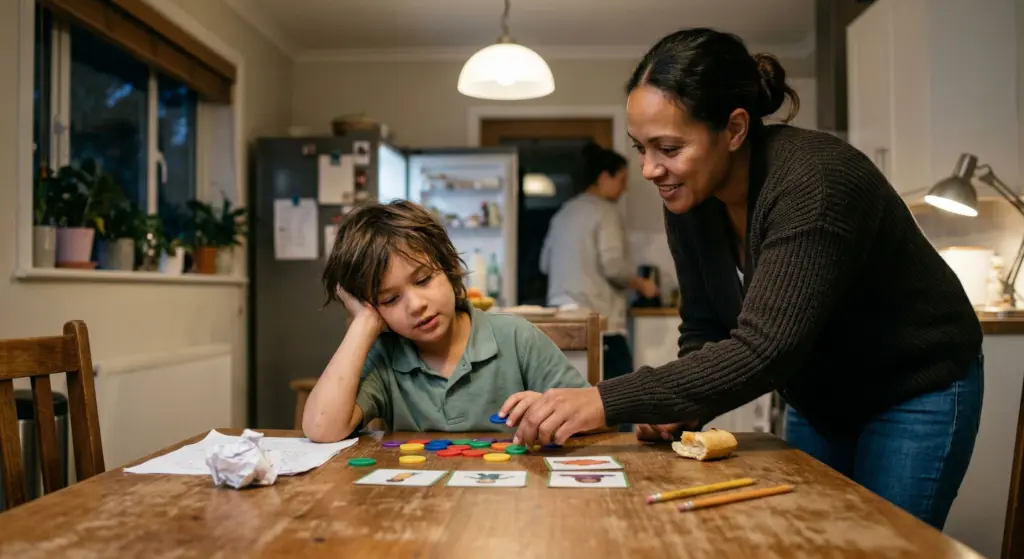
Home-based ABA should connect to real daily routines, such as play, meals, transitions, homework, or bedtime. Caregiver participation is important because parents learn how to use strategies between sessions.
Sessions work best when there is a consistent space, caregivers are available for coaching, and pets, siblings, or visitors are managed around the schedule.
How Parent Coaching Fits Into In-Home ABA
Parent coaching is a key part of in-home ABA therapy because caregivers can learn strategies in the real moments where challenges happen, such as morning routines, homework transitions, mealtimes, or bedtime.
Parent coaching may include:
- Prompting strategies: Helping your child complete steps without becoming dependent on adult prompts.
- Reinforcement: Using meaningful rewards to strengthen helpful skills.
- Responding to difficult moments: Staying calm, reducing escalation, and avoiding accidental reinforcement of challenging behavior.
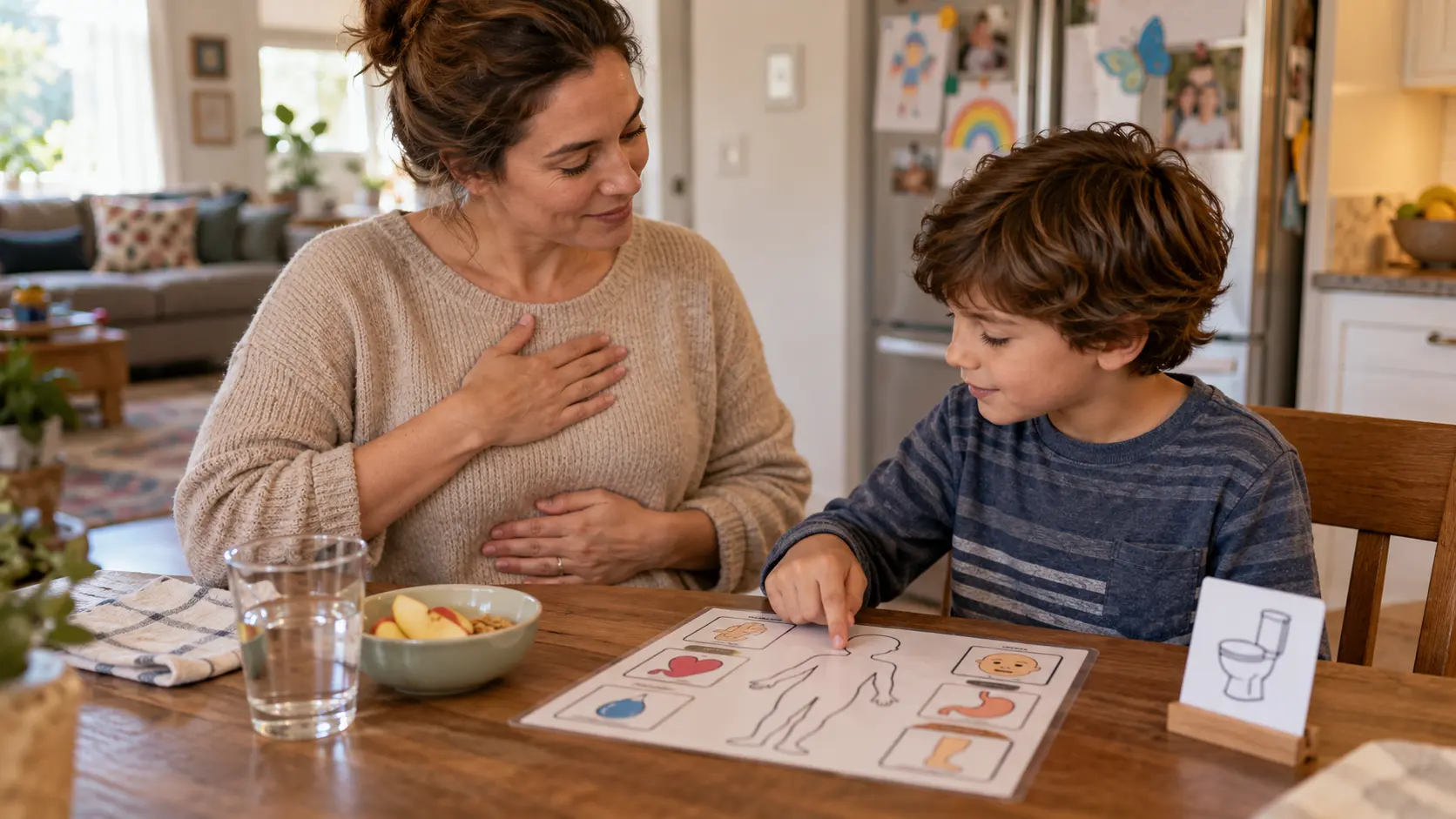
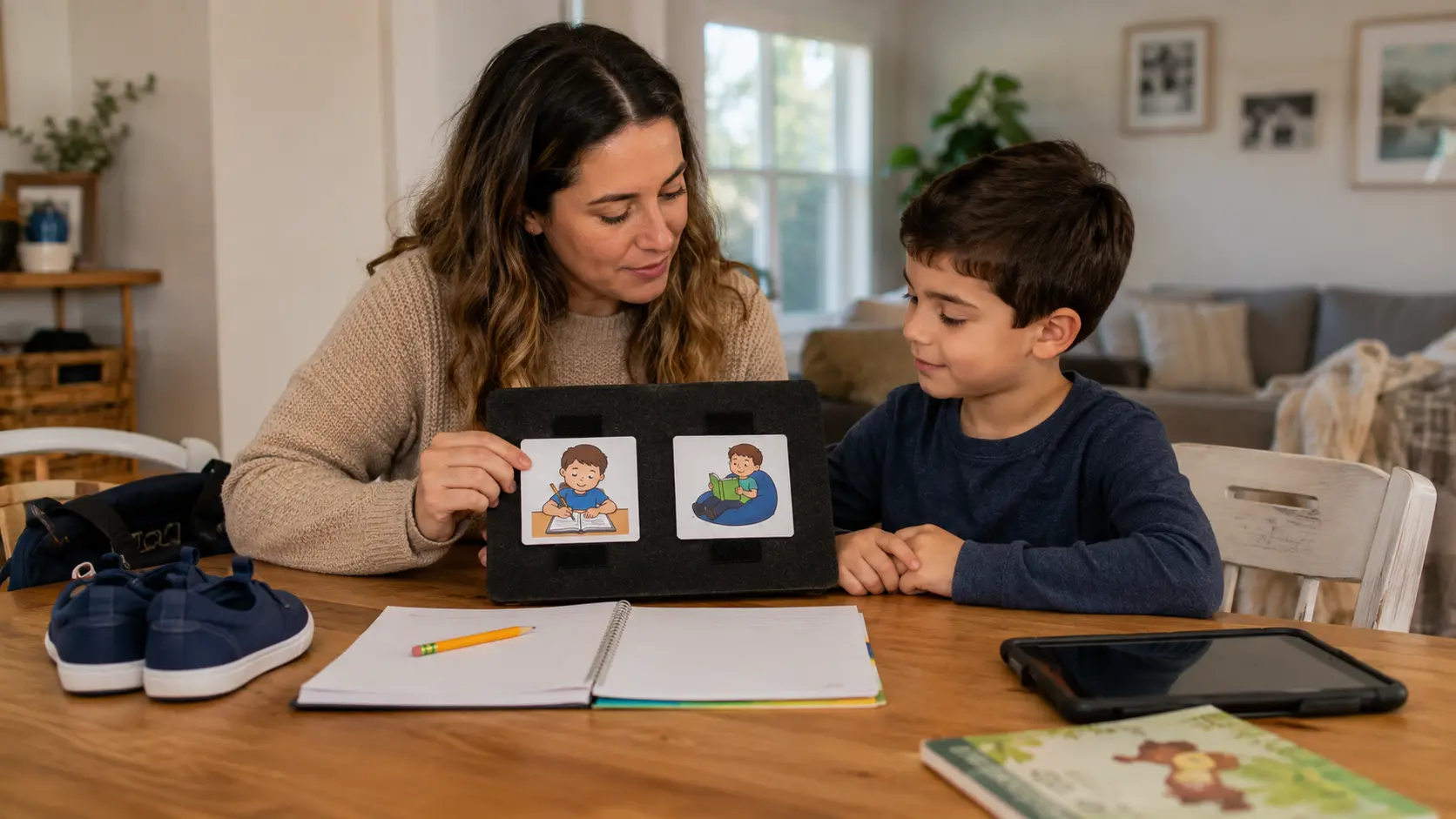
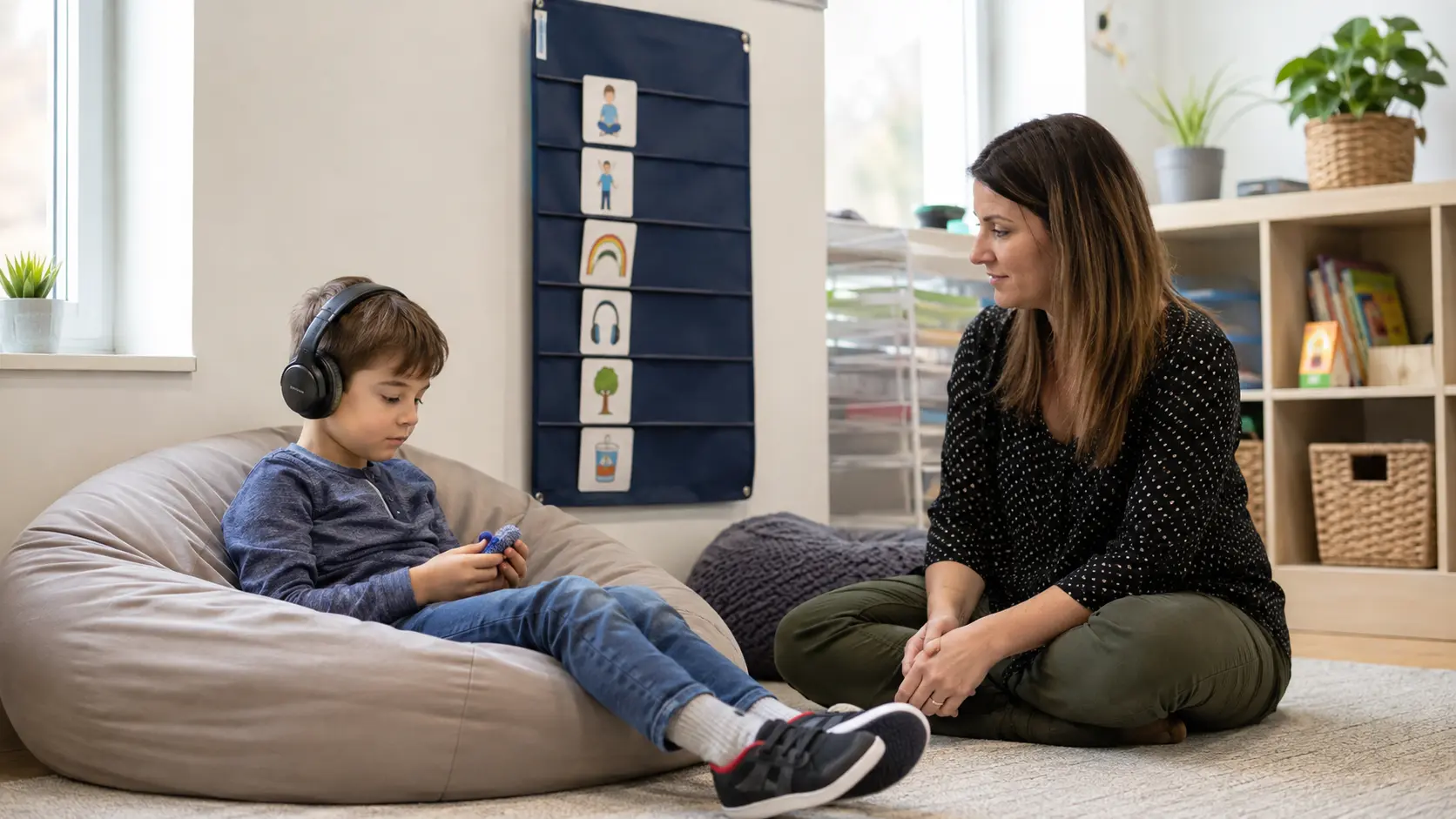
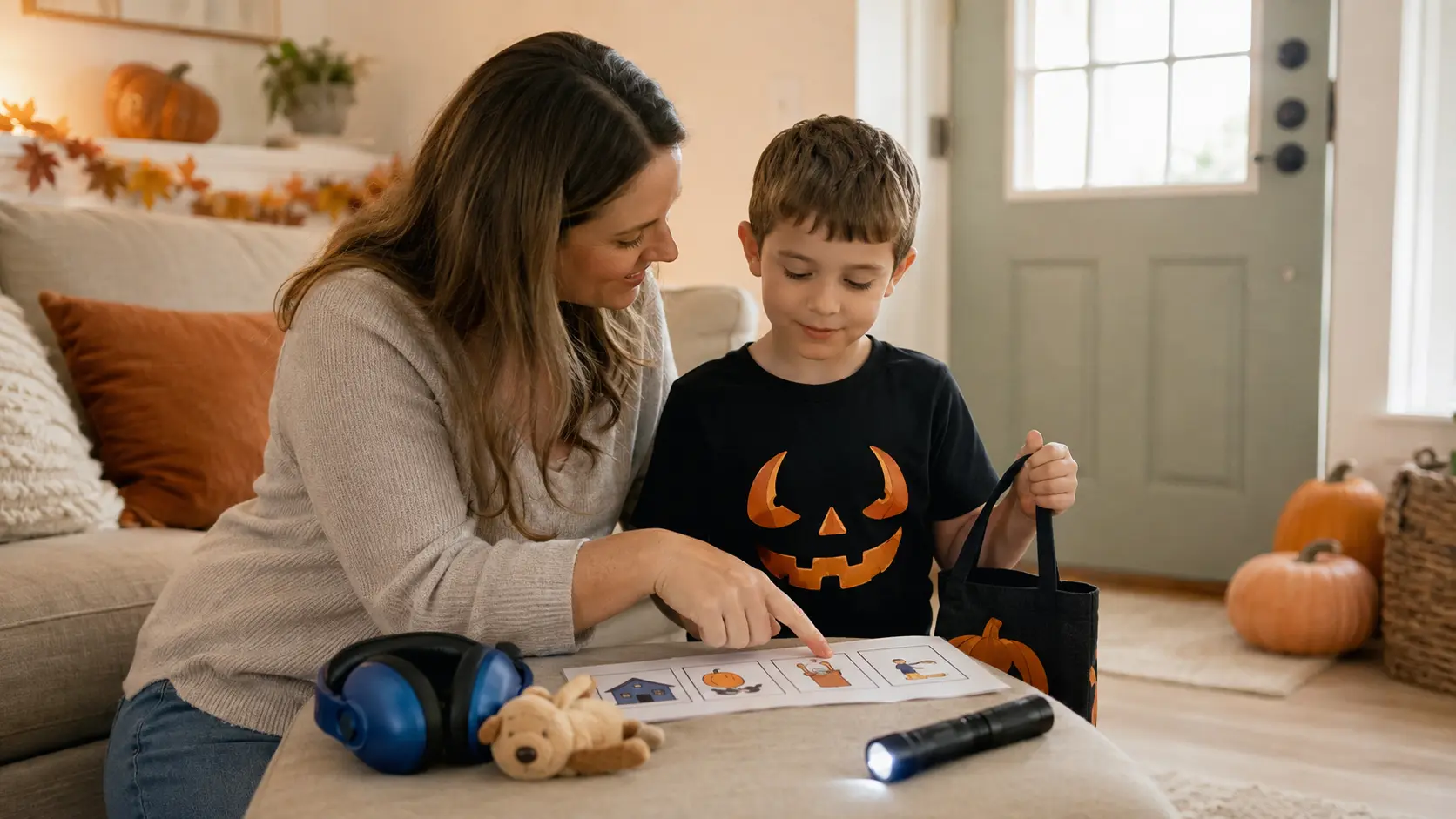
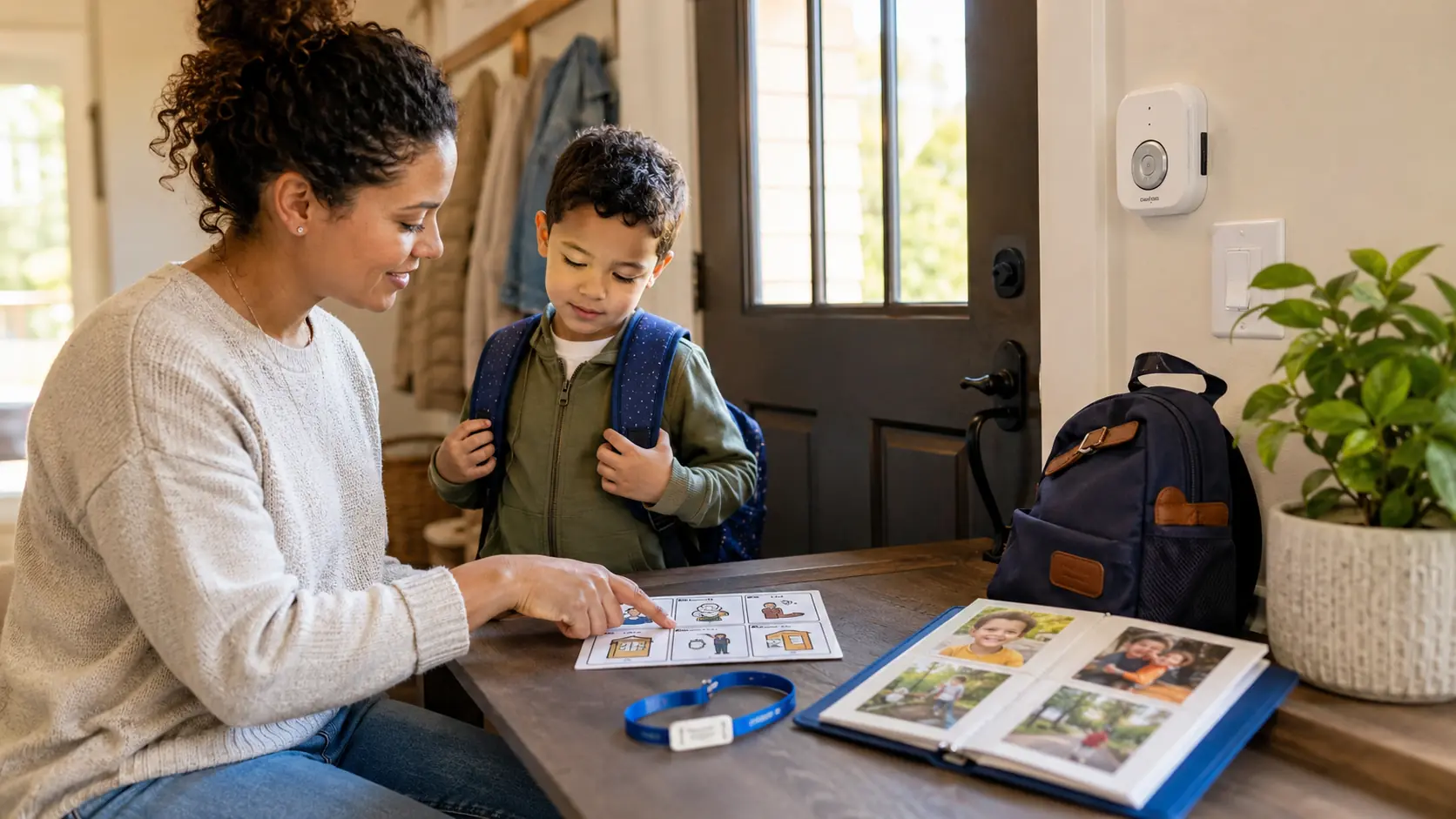
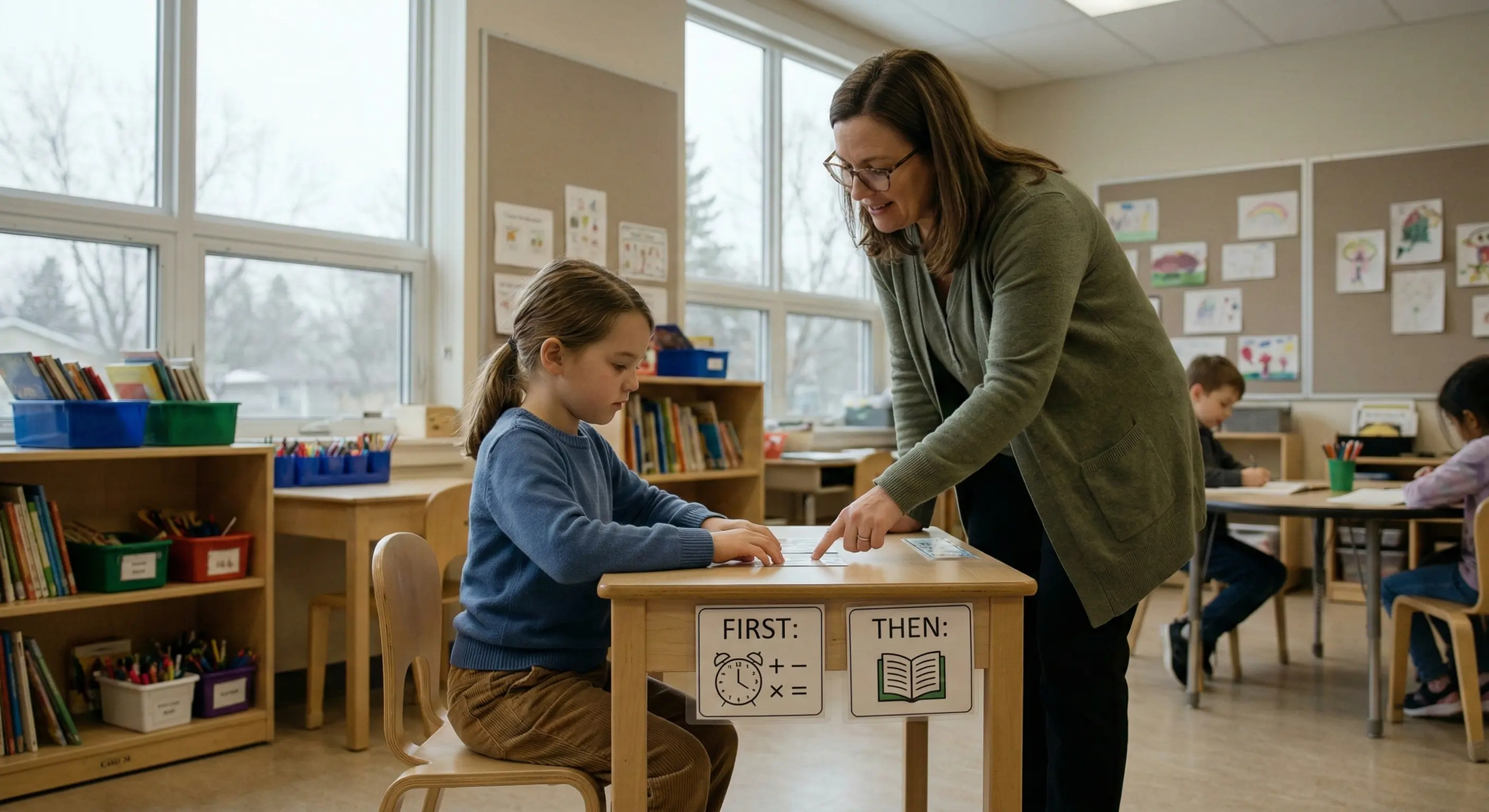
- Routine consistency: Using visual schedules, first-then boards, and routines the same way across caregivers.
- Reducing repeated verbal prompts: Building independence through clearer, more effective supports.
Parent coaching is collaborative, not judgmental. The goal is to help families use practical strategies during everyday routines so skills can carry over between sessions.
Service Coverage, Scheduling, and Travel Considerations
In-home ABA therapy depends on clinician availability, travel distance, service area coverage, insurance authorization, and the number of weekly hours recommended in the treatment plan.
Questions to Ask When Inquiring About In-Home ABA in New Mexico
- Do you currently serve my address in Albuquerque, Rio Rancho, Santa Fe, or nearby areas?
- What days and times are available for home sessions?
- Is caregiver participation expected during sessions?
- How is the supervising BCBA involved?
- What insurance plans or Medicaid programs do you accept?
- What documents are needed for intake, such as diagnosis report, insurance card, or referral?
- What does the assessment involve, and where does it happen?
- How soon could services begin after intake?
Because service coverage and wait times can change, families should contact AtlasCare’s intake team directly for the most current availability.
In-Home ABA vs. Center-Based ABA
In-home ABA and center-based ABA use the same behavior-analytic principles, but they support children in different settings. Neither is automatically better. The right fit depends on the child’s goals, family schedule, clinician availability, and the BCBA’s recommendation.
Some families benefit from a mix of settings. The best approach should be based on the child’s treatment goals, family needs, and what services are currently available. Families comparing service models may also find it helpful to review in-home vs. clinic-based ABA before deciding what questions to ask during intake.
Insurance, Medicaid, and First Steps for Families
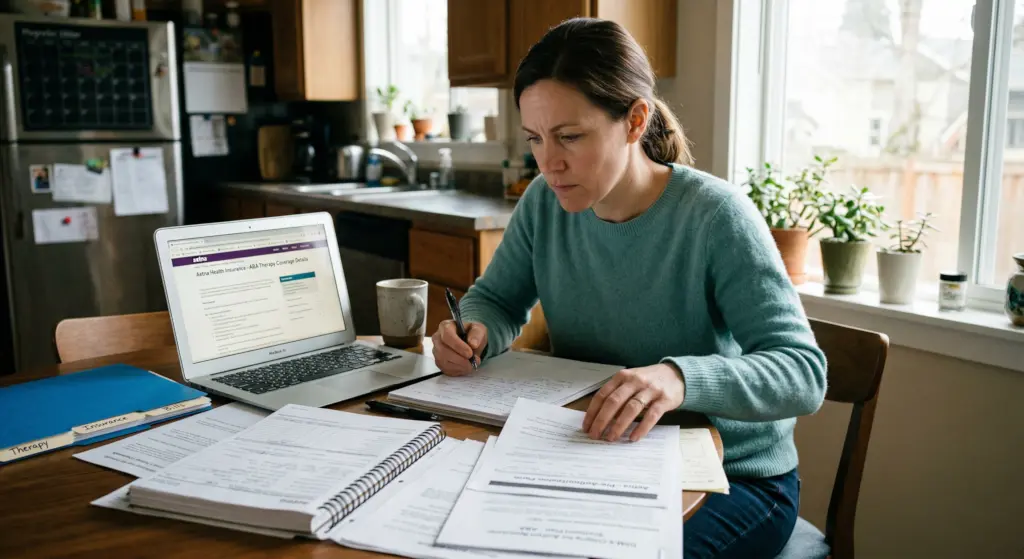
Insurance and Medicaid coverage for ABA therapy depends on the family’s specific plan, eligibility, provider network, and authorization requirements.
- Private insurance: ABA may be covered when medical necessity criteria are met, but coverage, approved hours, and family cost-sharing vary by plan. Benefits verification is essential before starting services.
- New Mexico Medicaid: Medicaid may cover ABA when eligibility, diagnosis, medical necessity, provider enrollment, assessment, and treatment plan requirements are met. Families should verify their specific plan and AtlasCare’s current Medicaid participation.
- In-home ABA therapy Medicaid: Medicaid may cover home-based ABA when the treatment plan supports why services should happen in the home. This is not automatic and may require authorization.
- ABA therapy cost per hour: Costs vary based on provider rates, approved hours, BCBA/RBT involvement, insurance coverage, deductible, copay, coinsurance, and out-of-pocket maximum.
To prepare for insurance verification, have your insurance card, child’s date of birth, policyholder details, autism diagnosis or evaluation report, referral if required, and preferred availability ready.
How to Start the ABA Intake Process
Starting ABA therapy in New Mexico does not require having every answer upfront. The intake process helps families clarify service availability, insurance, assessment needs, and next steps.
The process usually includes:
- Contact AtlasCare: Reach out by phone or through the website and share your child’s current needs.
- Confirm service area: The intake team checks whether your address is currently covered.
- Share insurance and diagnosis details: Provide insurance information and any autism evaluation or diagnosis documents.
- Complete intake paperwork: Fill out forms, consents, and required documents.
- Schedule the behavior assessment: A BCBA meets with your family, observes your child, and reviews routines and concerns.
- Create the treatment plan: The BCBA develops goals and submits authorization if insurance or Medicaid requires it.
- Begin services: Once approved and scheduled, in-home ABA sessions begin.
If there is a waitlist or limited availability in your area, AtlasCare’s intake team can explain the current timeline.
Parents searching for ABA therapy near me in home should confirm service area, clinician availability, insurance requirements, and assessment timelines during the intake call.
The Right Plan Starts With an Honest Conversation
In-home ABA therapy can be a meaningful option for New Mexico families who need support with daily routines, transitions, communication, and behavior at home. It is not the right fit for every child, but it can help when the setting and goals match the family’s needs.
The next step is a conversation, not a commitment. AtlasCare ABA can help families in Albuquerque, Rio Rancho, Santa Fe, and nearby New Mexico communities confirm service coverage, ask about intake openings, and begin insurance or Medicaid verification.
Contact AtlasCare ABA today to ask about in-home ABA therapy in New Mexico.














.webp)


.webp)
.webp)
.webp)
.webp)




.jpg)

.webp)

.webp)
.webp)







%20During%20Play%20in%20the%20Home.webp)