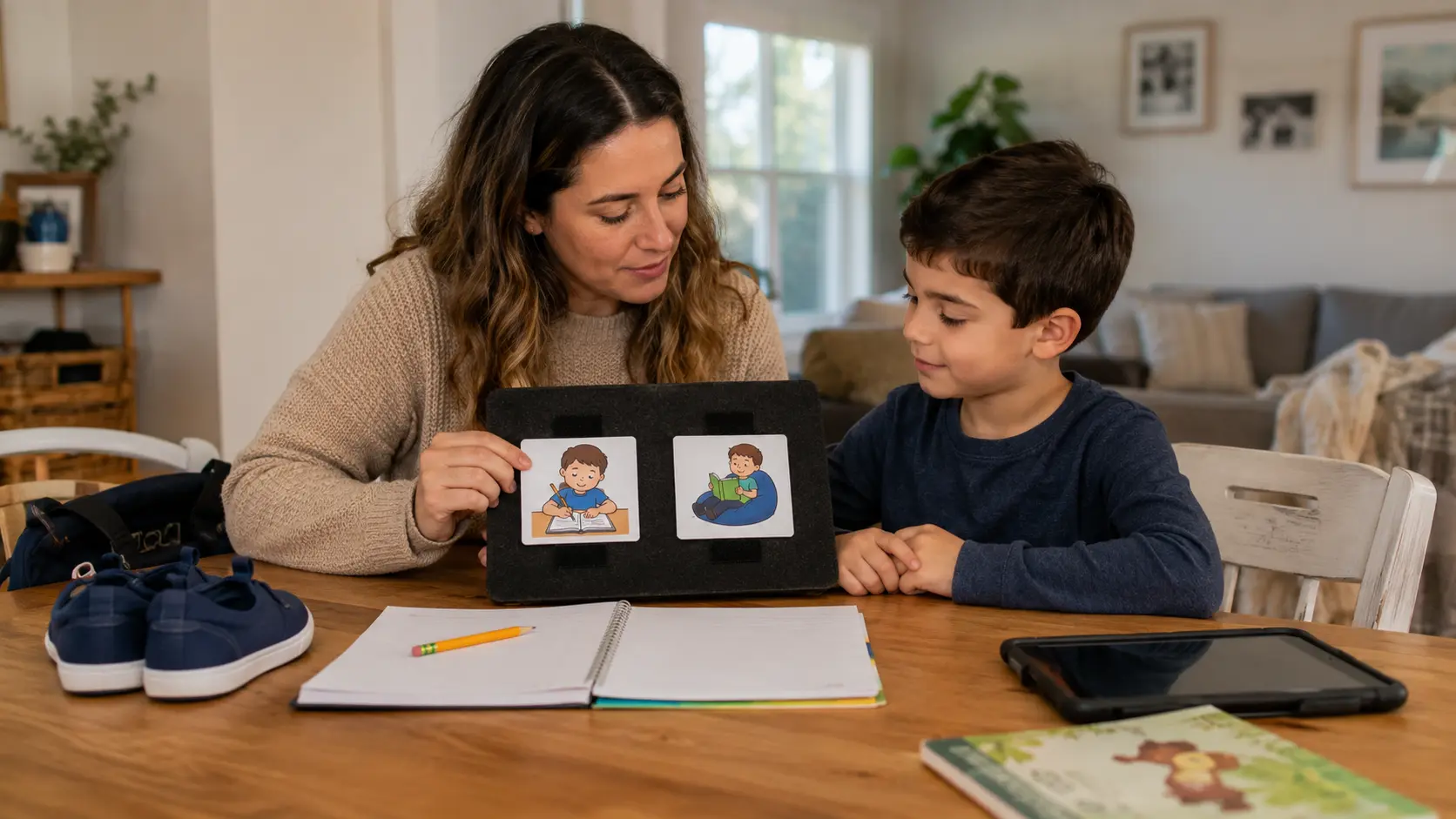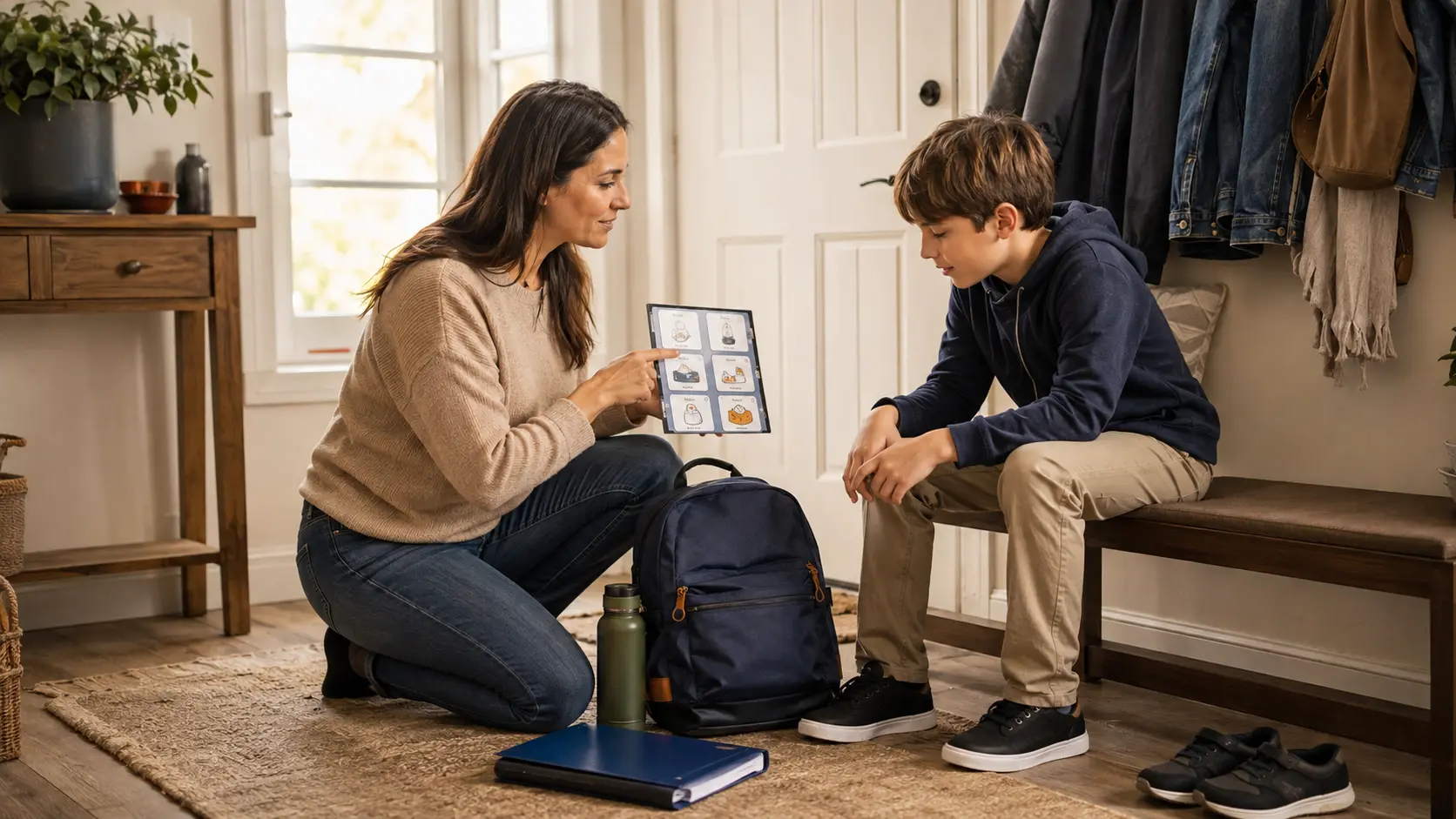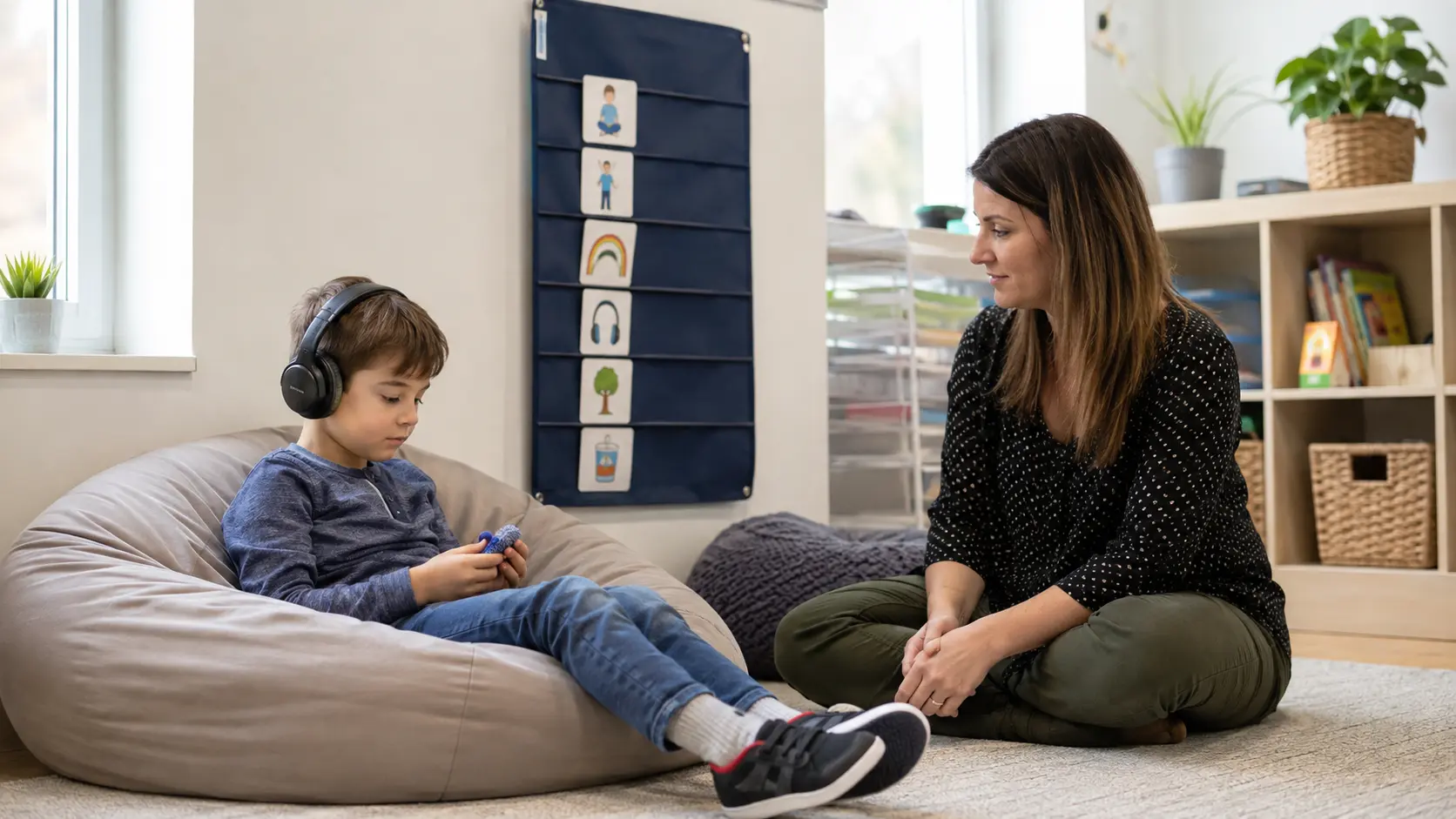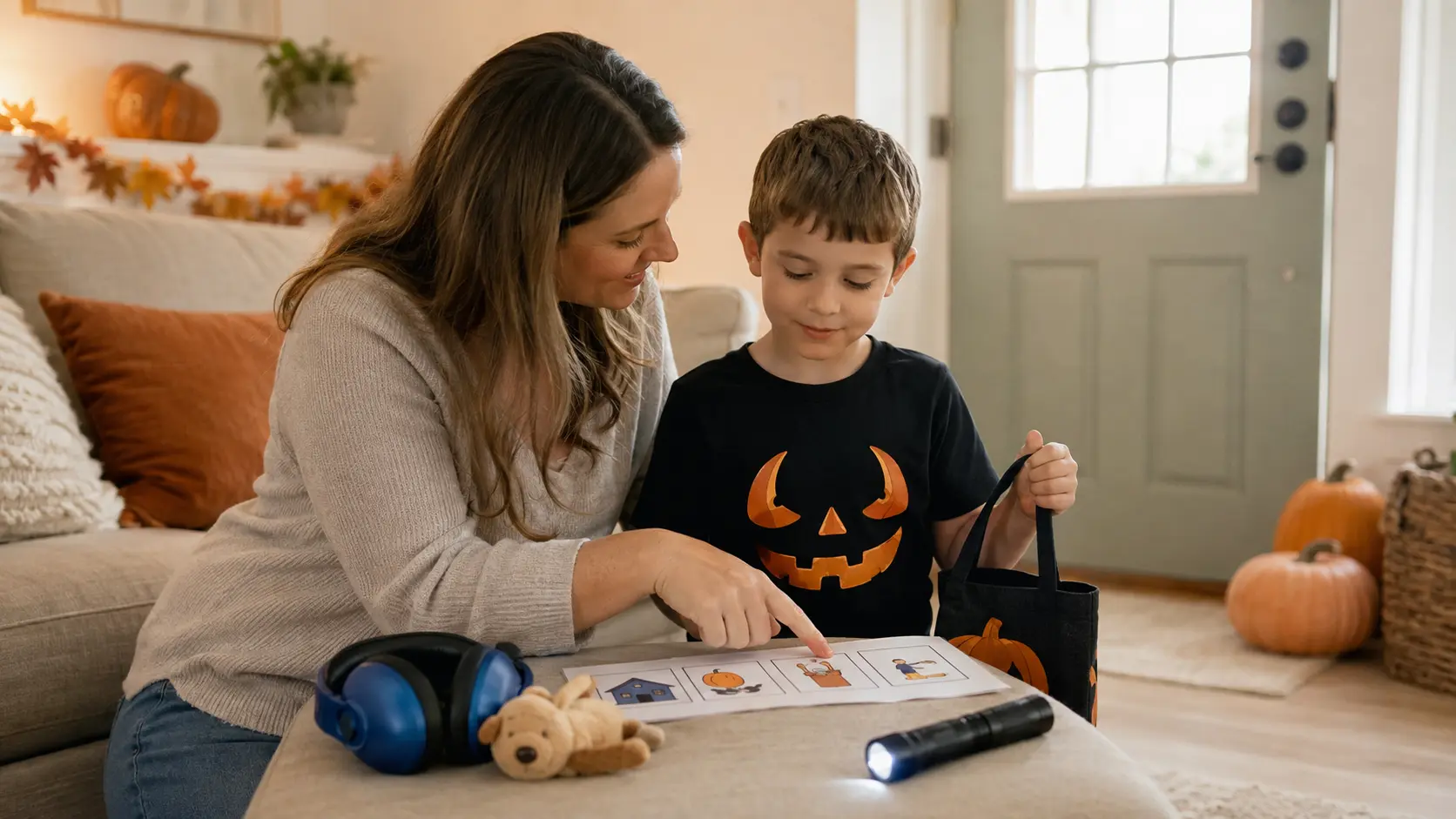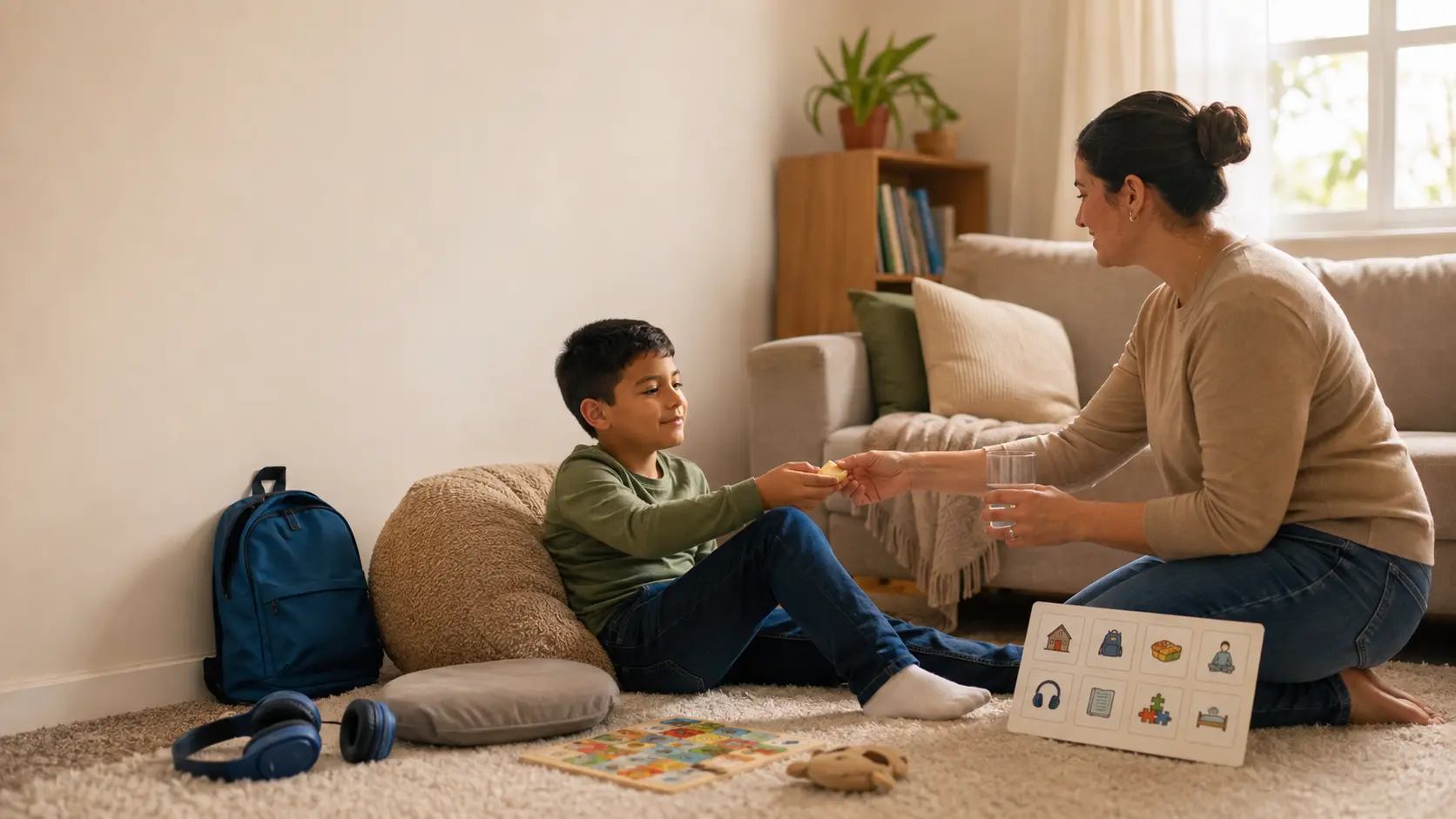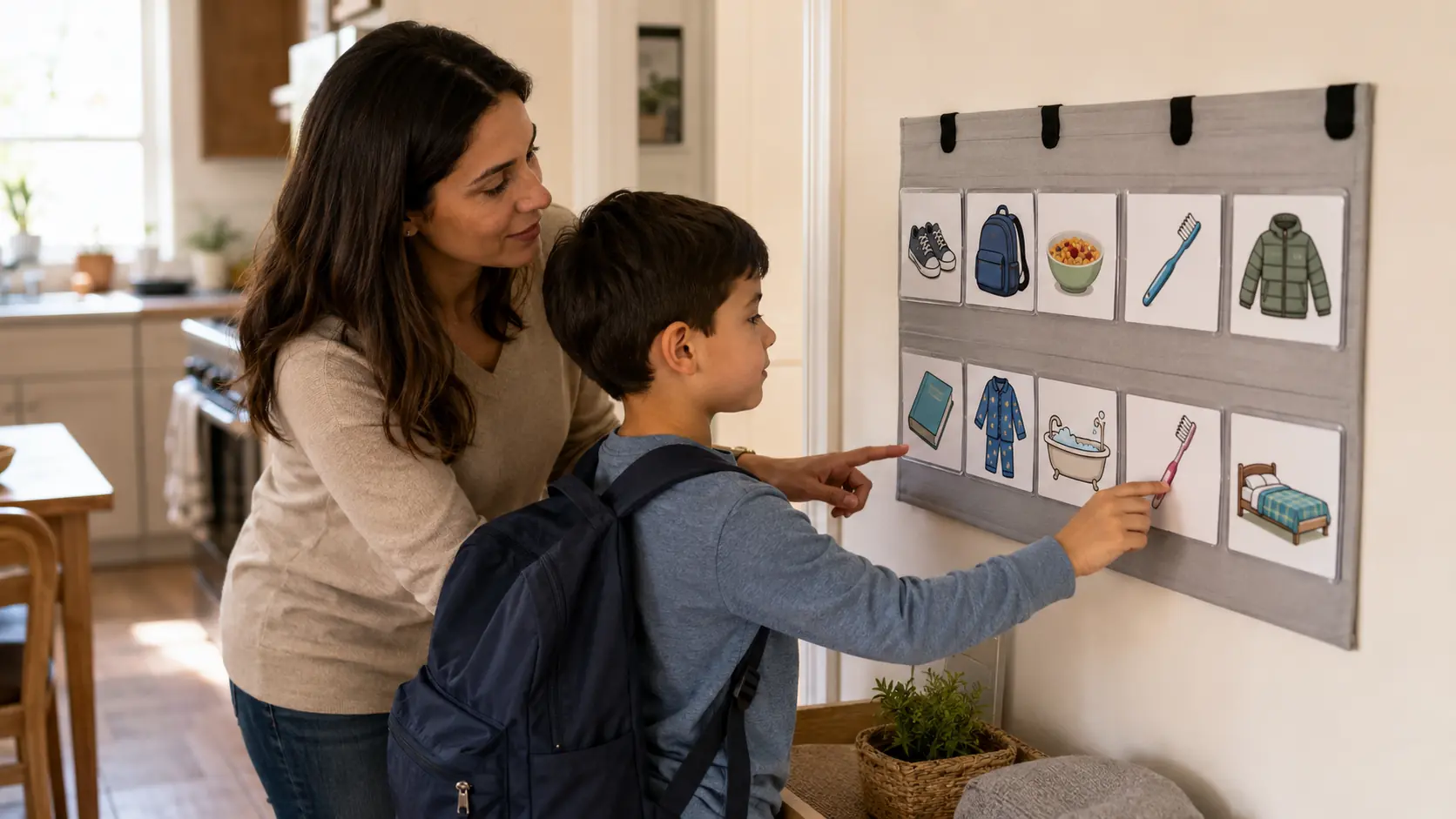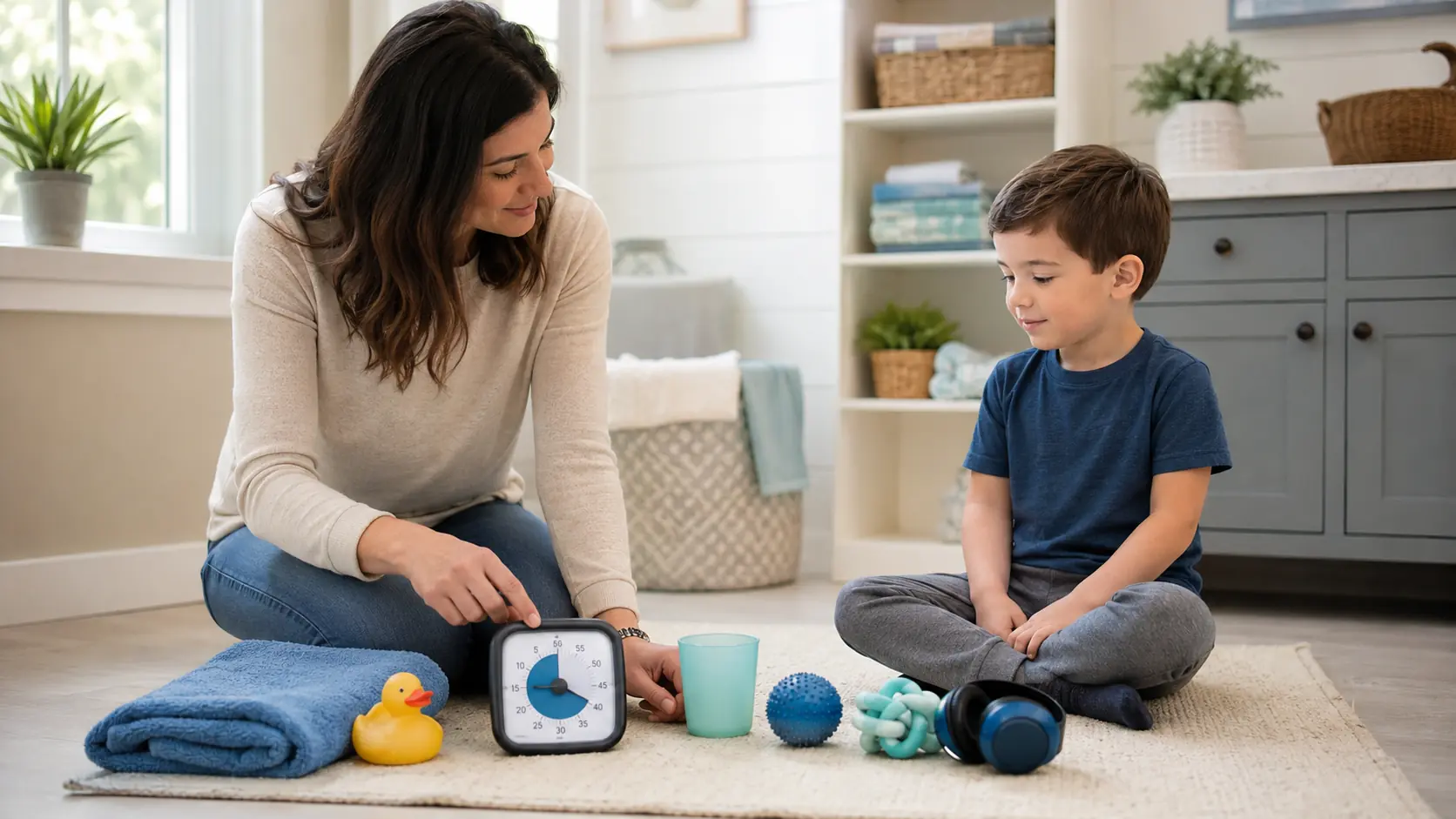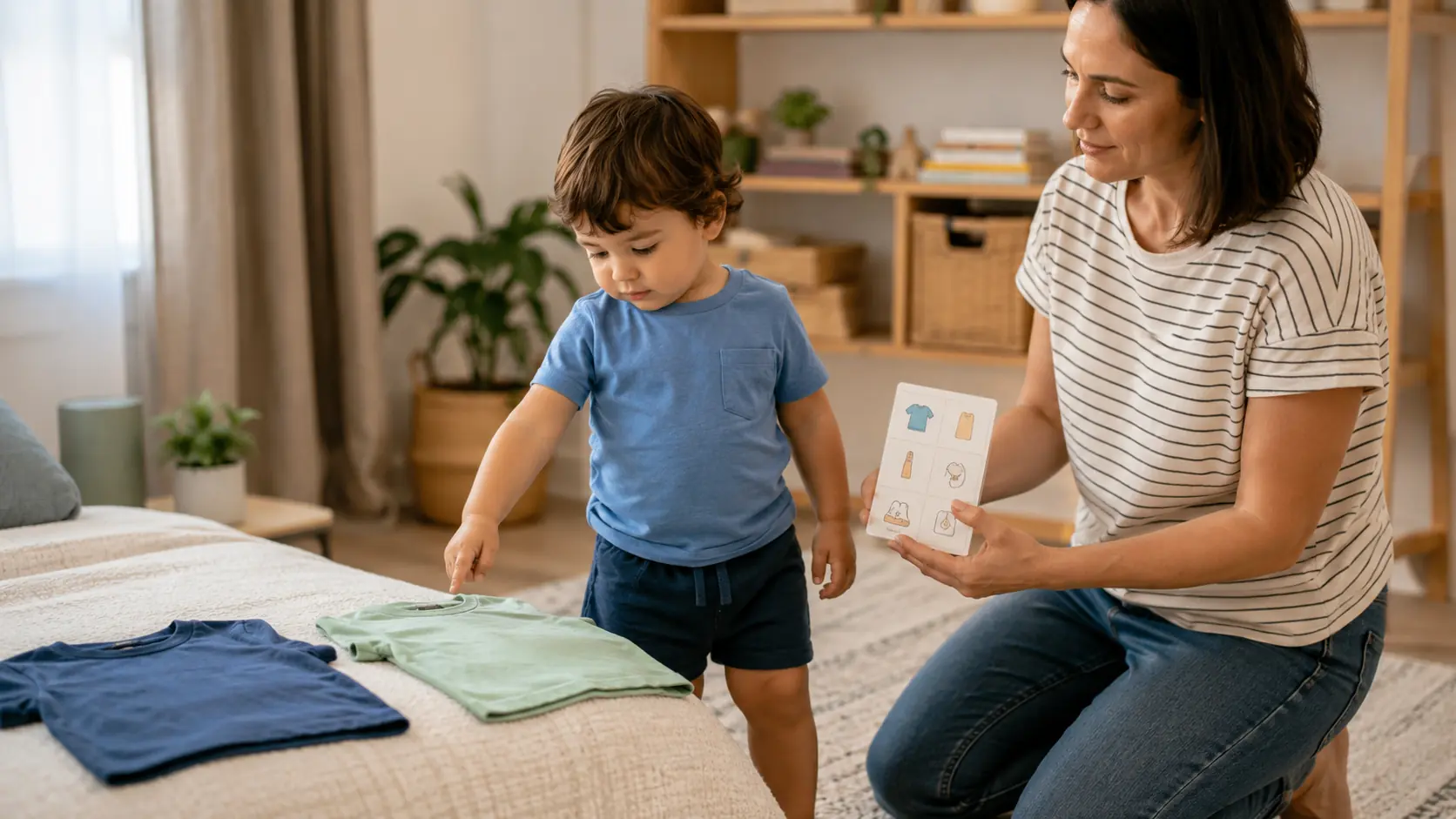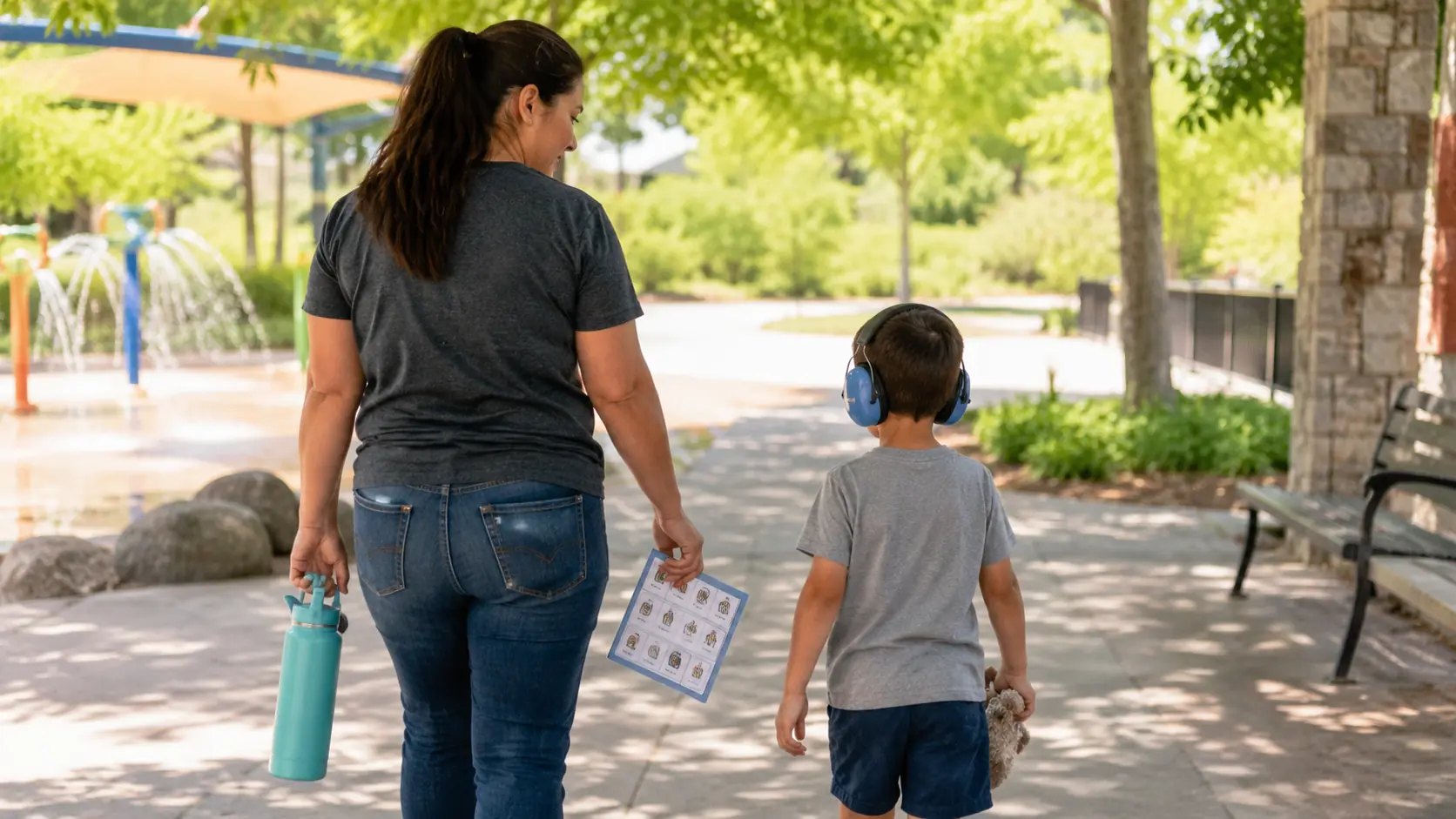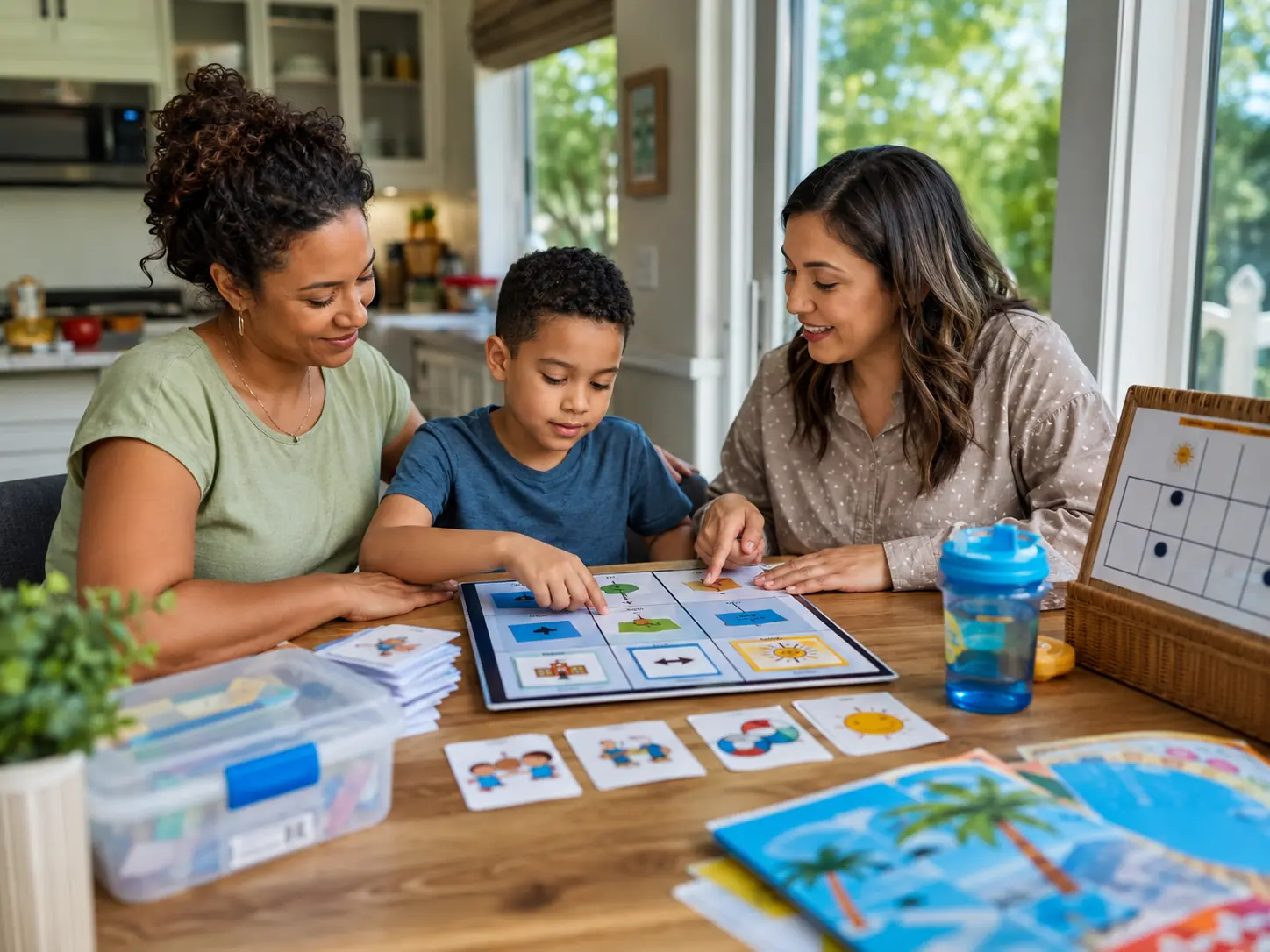
Outdoor sensory activities do not have to involve a busy playground, organized sport, or planned outing. Even a few minutes outside can offer different sounds, textures, movement, and visual experiences.
Autistic children may engage with outdoor spaces in different ways. Some may enjoy movement, touching leaves, or exploring new textures, while others may prefer to listen, watch, or stay at a comfortable distance.
Start With What the Child Already Enjoys Outdoors
Begin by noticing what the child already seems to enjoy or feel comfortable with outside. Some children may seek movement and textures, while others may prefer watching, listening, or staying close to a familiar space.
Consider:
- What the child naturally looks at, reaches for, or moves toward
- Whether movement or quiet observation feels more comfortable
- How the child responds to unexpected sounds, textures, or weather changes
- Whether they prefer exploring independently or with an adult nearby
Offering a simple choice can make outdoor time feel more manageable, such as:
“Would you like to look for different leaf colors, or sit and listen for a while?”
Participation can look different for every child. Watching, listening, pointing, moving around, or choosing to stop are all valid.
Low-Pressure Principle
Sensory-friendly activities should stay flexible. Discomfort or loss of interest is useful information, not something the child needs to push through.
Simple Ideas for Listening, Looking, and Optional Touch
Fall offers plenty of sensory experiences without needing special equipment. Keep activities brief, flexible, and easy to stop or adapt.
Listening
Try noticing simple outdoor sounds, such as:
- Dry leaves moving in the wind
- Footsteps on leaves, grass, gravel, or pavement
- Birds or other nearby nature sounds
- Rain from a covered porch or doorway
- The difference between a quiet yard and a busier street
If the area feels too loud, move farther away or choose a quieter spot.
Looking
Visual activities can be especially easy to adapt:
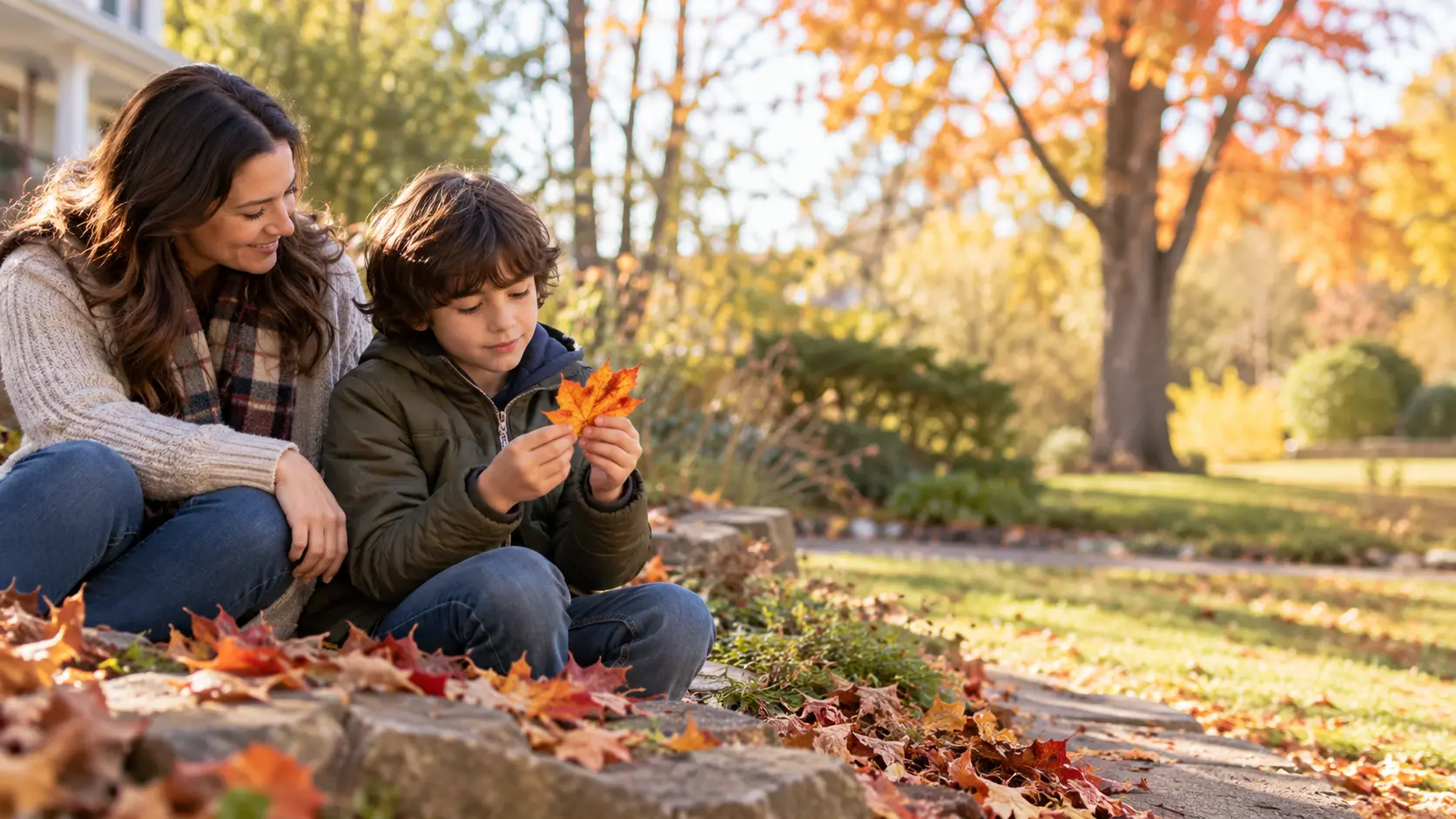
- Find a few different leaf colors
- Watch clouds or light moving through trees
- Notice shadows
- Compare tree shapes or bark colors
- Take photos of anything that catches the child’s attention
The child can choose what to notice, point to, or photograph.
Optional Touch
Touch should always be optional. Children who enjoy textures might explore dry leaves, smooth acorns, bark, or damp soil. Others may prefer to look without touching.
If collecting natural items, check for insects, sharp edges, or unfamiliar plants, supervise as needed, and keep the activity simple. Gloves can also help children explore without direct skin contact.
If mouthing or swallowing small objects is a concern, skip items such as acorns or other small natural materials and choose safer alternatives.
Offer Options for Movement and Quiet Participation
Outdoor sensory activities can include both movement and quiet participation. The goal is to let the child shift between them based on comfort and interest.
Movement Choices
Try simple options such as:
- A short walk on a familiar route
- Stepping through dry leaves on a safe, non-slippery surface
- Walking between two nearby landmarks
- Following a simple chalk or leaf path
- Carrying a light, safe item for a short distance
Keep activities brief and flexible. There is no need to increase distance, speed, or endurance.
Quiet Choices
Some children may prefer:
- Sitting on a porch, bench, or quiet spot
- Watching leaves move
- Listening for one specific sound
- Looking at clouds, shadows, or treetops
- Spending a few minutes outside without a planned activity
Children can also move between active and quiet choices during the same outdoor time.
These are flexible ideas, not required activities. The child’s comfort, preferences, and willingness to participate should guide the experience.
Adapt the Setting and Keep Supervision Practical
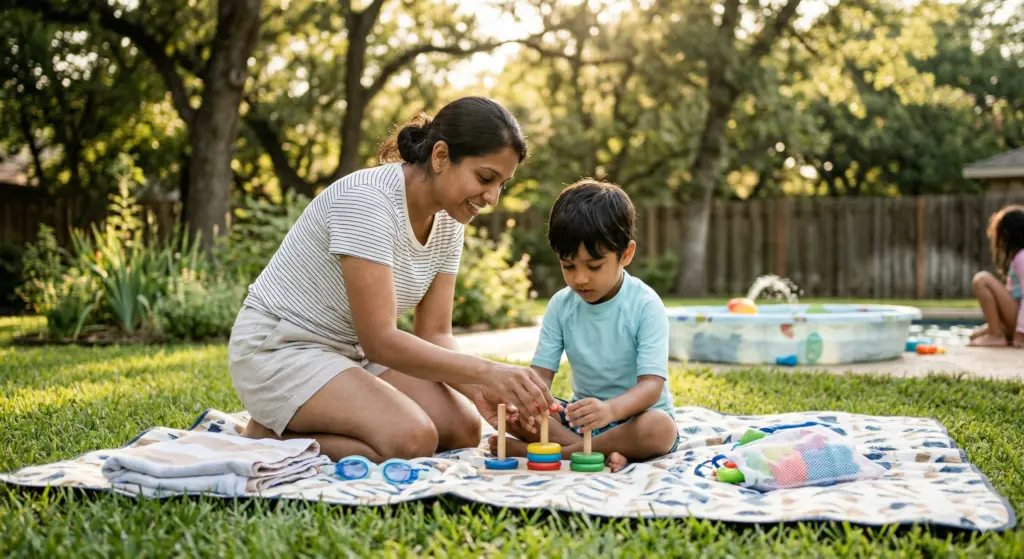
Outdoor sensory activities do not require a park or large yard. Many ideas can work in a backyard, porch, courtyard, quiet sidewalk, or less busy area of a nearby park.
Choose the setting based on the child’s comfort and the activity. A familiar backyard, short walking route, or covered porch may be enough.
Weather and Access
Before going outside, consider:
- Temperature, wind, and appropriate clothing
- Wet or slippery surfaces
- Available daylight
- How quickly the child can return indoors if needed
If the weather or conditions are not suitable, “not today” is a valid choice.
Supervision
Match supervision to the child, activity, and setting. Watch for:
- Traffic or driveways
- Water, uneven ground, or slippery leaves
- Unfamiliar plants, berries, insects, or animals
- Small objects that may create a safety concern
Any safety supports the family already uses outdoors should stay in place.
Low-Pressure Framework: Offer → Observe → Adapt → Pause or Leave
Make It Easy to Pause, Leave, or Choose an Indoor Option
A low-pressure activity should always include an easy way to stop, move away, or go inside. The child does not need to finish the activity or complete a certain number of steps first.
Simple choices might include:
- “One more minute or inside now?”
- “Watch from here or move farther away?”
- “Touch it or just look?”
- “Stay a little longer or head inside?”
If the child loses interest, becomes uncomfortable, or asks to stop, treat that as useful information rather than a failed activity.
An indoor follow-up can be optional, such as looking at photos, arranging a few leaves, or drawing something noticed outside. It should never feel like a required continuation of an activity the child chose to end.
How These Activities Differ from Sports and Community Outings
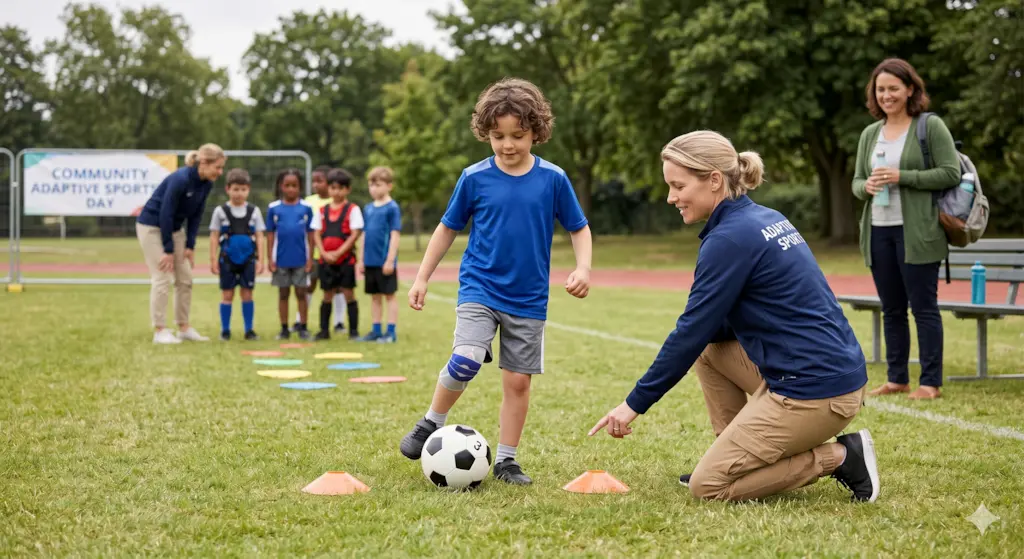
Outdoor sensory activities can be informal and flexible, while organized sports and community outings often involve more structure and planning.
Sports programs may include coaching, group participation, scheduled activities, skill development, and social interaction. Families exploring these options can read AtlasCare’s guide to sports and activities for autistic children.
Community outings may involve transportation, crowds, waiting, unfamiliar environments, and transitions. AtlasCare’s community outings guide offers more guidance for planning those experiences.
A Successful Outdoor Activity Does Not Need to Be Long or Elaborate
A successful outdoor activity can be very short. Even a few minutes outside before the child chooses to go in can still be a complete experience.
The goal is not duration or perfect participation. What matters is whether the activity felt manageable, accessible, and comfortable for the child.
Over time, families may notice which settings, weather conditions, and types of participation work best. Those patterns can help guide future activities.
If going outside does not feel right on a particular day, that is also a valid choice.
Questions About Routines, Transitions, or Everyday Participation?
AtlasCare ABA can support families with individualized guidance around routines, communication, transitions, and everyday participation where appropriate.
Contact AtlasCare ABA to learn more about services available in your area.