
For most families, the last day of school brings relief. But for families raising a child with autism, the start of summer can also bring a quieter concern: what happens when the structure of the school year suddenly disappears?
That concern is understandable. During the school year, children often benefit from consistent schedules, predictable transitions, built-in social opportunities, and regular support across home, school, and therapy environments. When June and July interrupt that rhythm, some families notice more difficulty with transitions, communication, daily routines, or emotional regulation. Changes like these do not happen to every child, and they do not automatically mean a child is losing major progress. But they can be a sign that certain skills need more consistent practice and support to stay strong.
The good news is that summer does not have to mean losing ground. With thoughtful planning, practical home strategies, and the right level of therapy support, many families can use the summer months to maintain momentum and even build new skills in everyday settings. Applied Behavior Analysis, or ABA, is one approach often used to support skill development and behavior goals in children with autism, and the Centers for Disease Control and Prevention (CDC) notes that behavioral approaches such as ABA have the strongest evidence base for treating symptoms of autism spectrum disorder.
What Summer Behavioral Regression Can Look Like in Children With Autism
"Summer regression" does not mean every child with autism will lose skills over the break. Children respond differently to changes in routine, and a lot depends on the child's support needs, home structure, and how long the disruption lasts.
Still, families and clinicians often notice certain patterns when structured supports pause for an extended time. These are not signs of failure or permanent loss. They are signals that certain skills require regular practice and reinforcement to stay accessible and fluent under stress.
What parents may notice in June, July, or August can include:
- More difficulty with transitions, such as leaving the house, ending preferred activities, or adjusting to changed plans
- Increased emotional dysregulation or more frequent meltdowns
- Reduced communication or more difficulty expressing wants and needs
- Less independence in routines like dressing, hygiene, or mealtimes
- Reduced social initiation with peers, more difficulty with cooperative play or turn-taking
- Increased rigidity around routines or stronger reactions to unexpected change
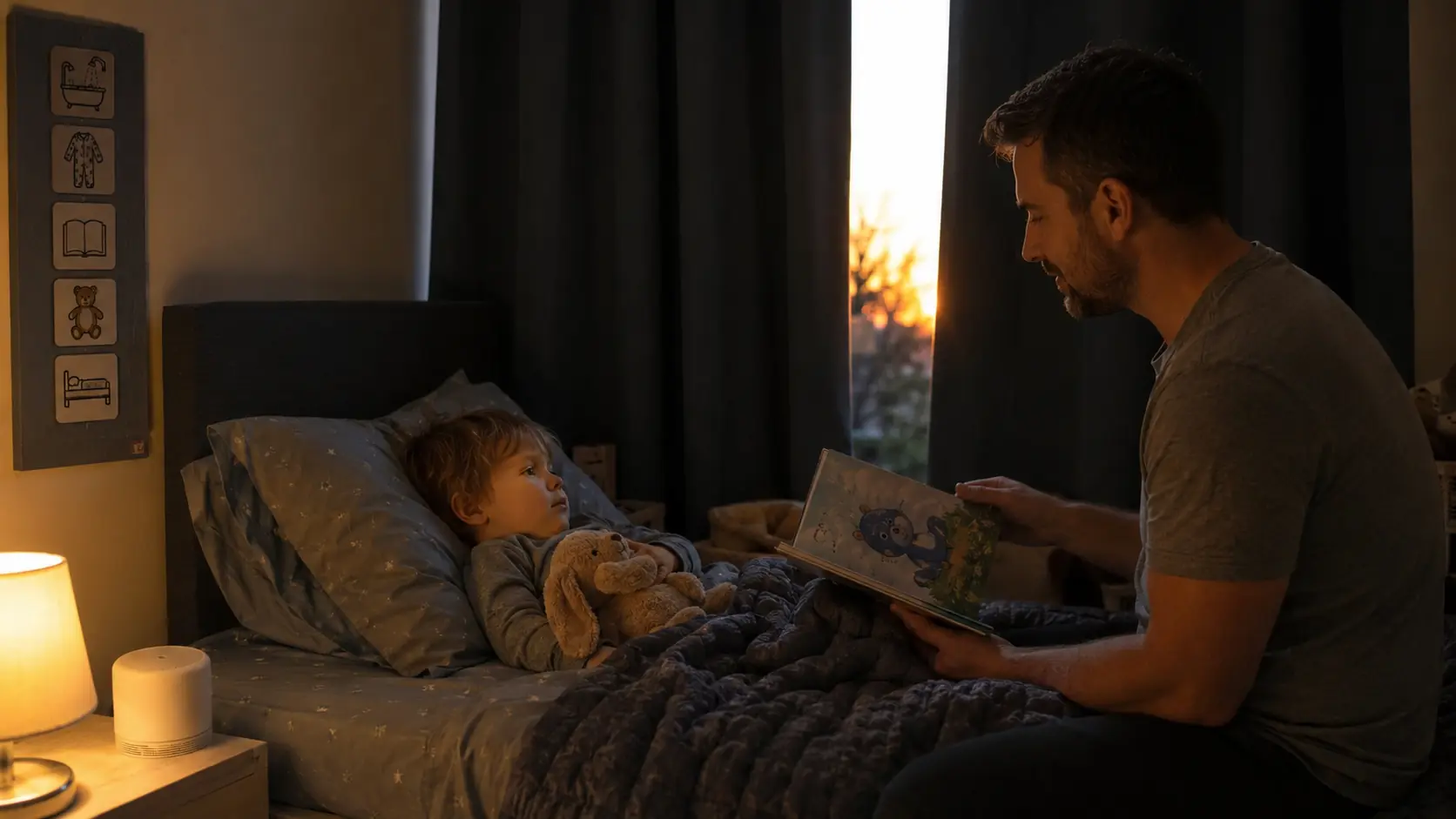
- Changes in sleep patterns as bedtime and wake-time anchors shift
Seeing one or more of these changes does not mean the school year's progress is gone. It usually means the child needs more consistency, more predictability, or more intentional practice during the summer months.
Why June and July Can Be So Disruptive
Many children with autism rely on predictability to feel secure and to participate successfully in daily life. When a child knows what comes next, they often spend less energy managing uncertainty and more energy communicating, learning, and engaging.
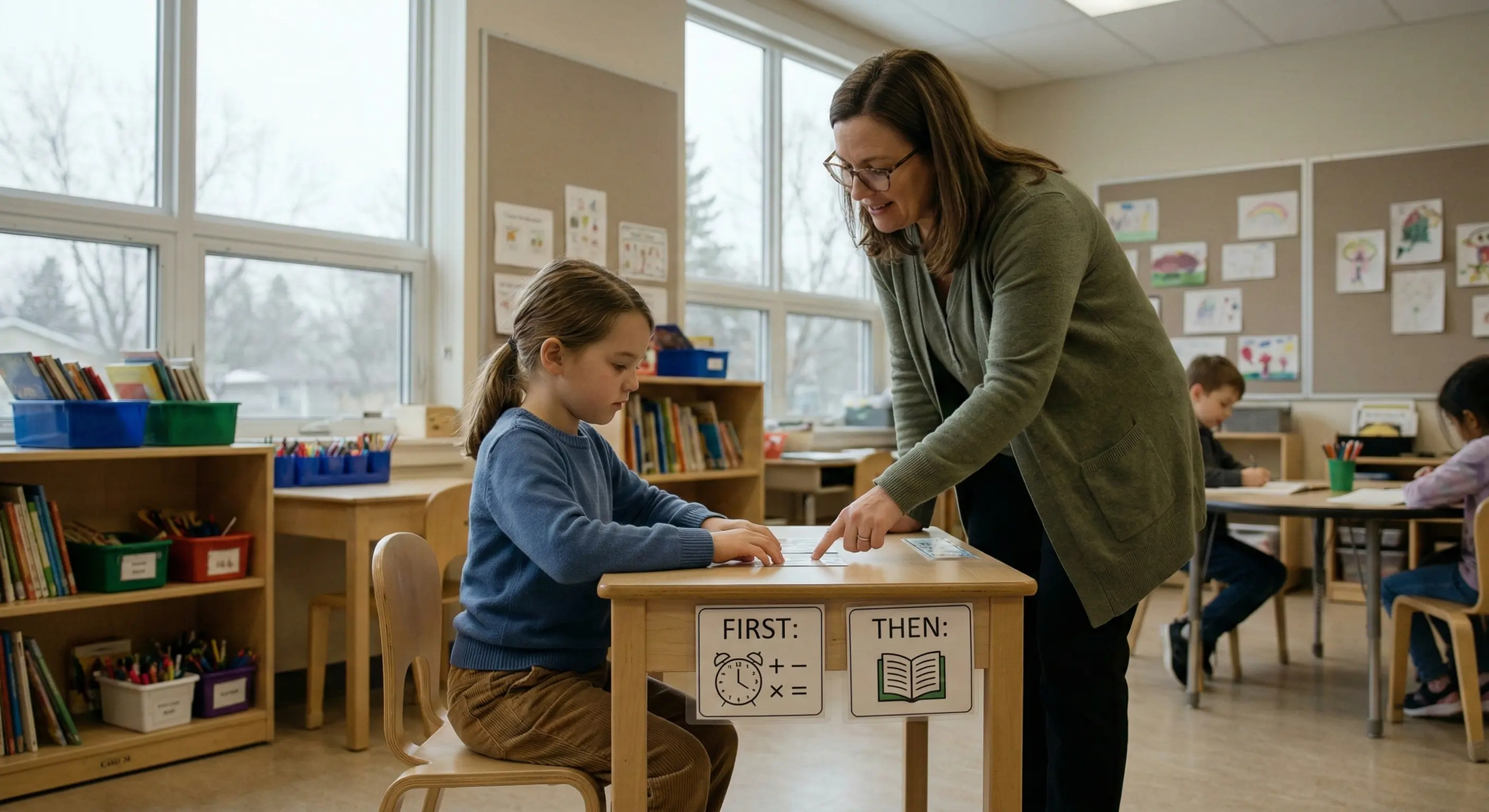
Summer can remove that predictable scaffolding all at once. The school-day rhythm disappears. Familiar staff and peers are gone. Therapy schedules may change. Sleep patterns shift. Family outings, holidays, camps, and travel introduce new places, new sensory demands, and unfamiliar expectations. Autism Speaks specifically highlights the challenge that comes when summer removes weekly schedule and predictability, and recommends supports such as visual schedules, first-then structures, and early summer planning.
Several factors often make summer harder:
- Loss of predictable daily structure
- Fewer naturally occurring opportunities to practice communication and social skills
- More sensory-heavy activities such as pools, fireworks, travel, and large gatherings
- Less repetition for skills that are still emerging
- More unstructured time, which can feel relaxing for some children and disorienting for others
This does not mean summer has to be rigid. It means many children benefit from a summer that still includes enough structure to feel safe and manageable.
Skills Most at Risk When Structure Disappears
Not every skill is equally vulnerable during school breaks. Skills that are newer, not fully generalized, or heavily dependent on prompting often need more intentional maintenance.
Communication Skills
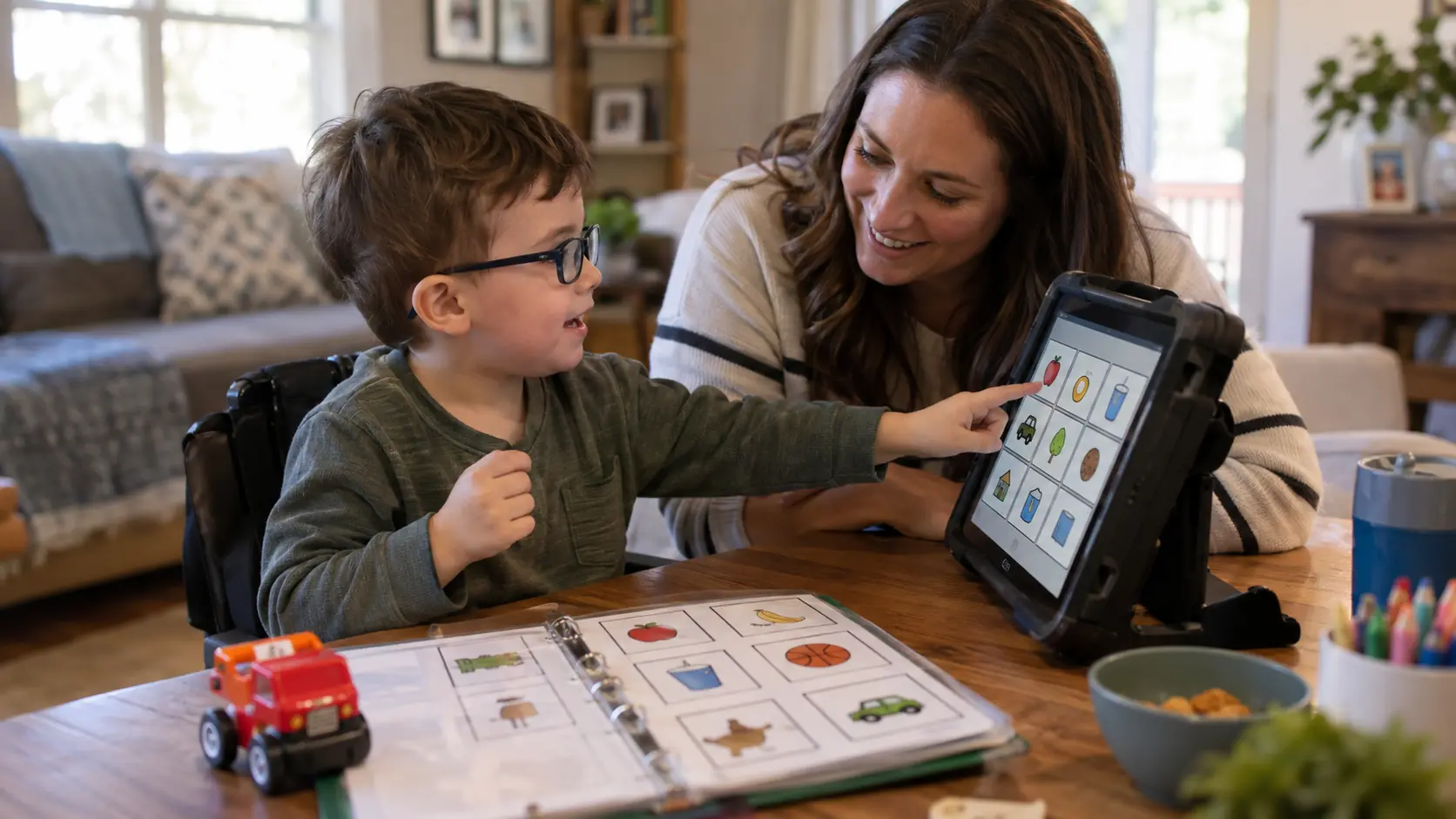
Children who are still building expressive language, requesting, conversation skills, or AAC use may need regular opportunities to practice. Without that practice, families may notice more frustration, reduced functional communication, or greater reliance on behavior to express needs.
Social Skills
Social skills need real opportunities to stay active. Summer can provide excellent natural settings for practice, but without support, some children may show less initiation, less flexibility, or more difficulty navigating peer interaction.
Daily Living Skills
Routines like brushing teeth, getting dressed, preparing a simple snack, or managing belongings are often built through repetition. When repetition fades, independence can weaken.
Behavior Regulation
Waiting, tolerating changes, following directions, and transitioning between tasks often improve through consistent expectations and reinforcement. A less predictable environment can make those skills harder to access.
How Consistent ABA Therapy Can Help Keep Skills Sharp
Applied Behavior Analysis (ABA) is built around teaching, reinforcing, generalizing, and maintaining meaningful skills over time. According to the CDC, ABA is a behavioral treatment approach that encourages helpful behaviors and reduces behaviors that interfere with learning and daily functioning, while tracking progress over time.
That makes consistent ABA support especially relevant during summer.
When ABA therapy continues through June and July, it can help children:
- Maintain recently acquired skills through ongoing practice and reinforcement
- Apply skills in real-life summer settings such as family outings, restaurants, pools, stores, and camps
- Strengthen communication, flexibility, independence, and behavior regulation across different environments
- Prepare for high-demand situations such as travel, holiday events, or changes in routine
- Reduce the impact of long gaps in structured support
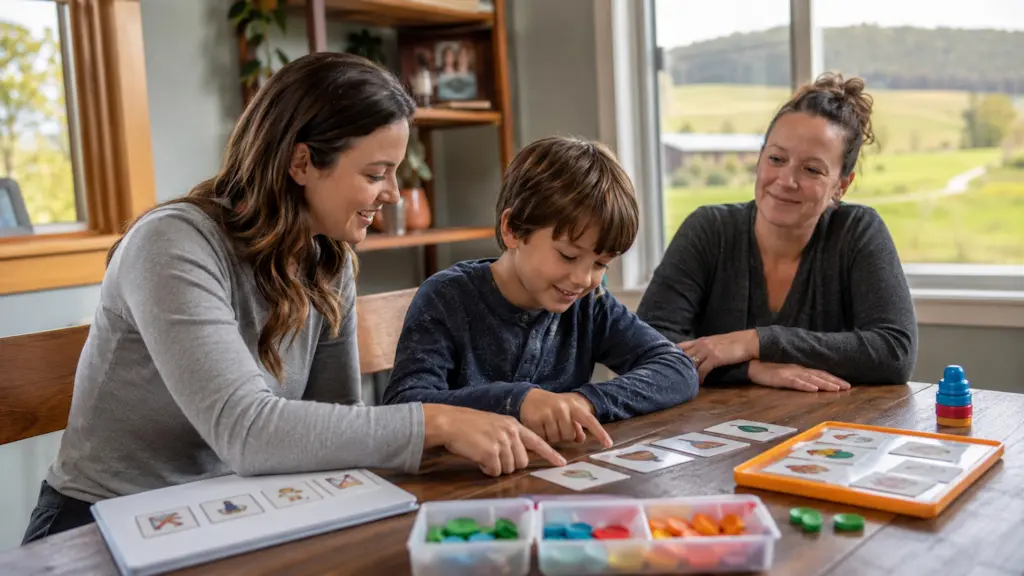
ABA during the summer does not have to look exactly like it does during the school year. In fact, one of summer's advantages is that therapy goals can often be practiced in real-world contexts. Natural-setting work, parent coaching, and routines built around actual family life can help support generalization across environments. The CDC notes that some ABA approaches are specifically designed to occur in more natural settings to help children learn broader, functional skills.
5 Practical Ways to Support an Autism Summer Routine at Home
Even if your child is not receiving the same level of formal therapy over the summer, there is still a lot you can do at home to protect momentum.
1. Keep daily anchors consistent
Wake times, mealtimes, and bedtimes matter. Even when the full school schedule disappears, these anchors give the day a reliable frame.
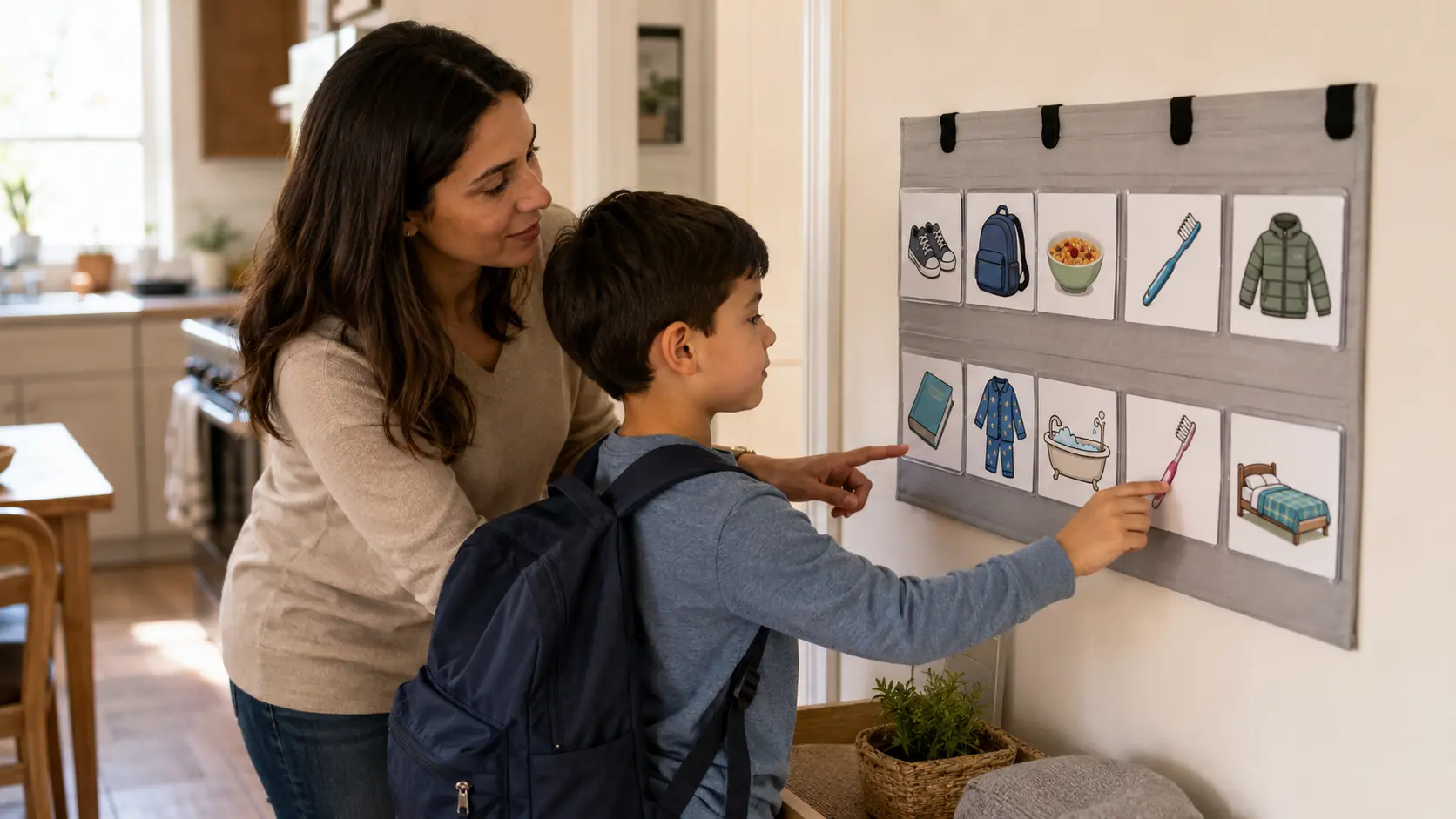
2. Use visual schedules
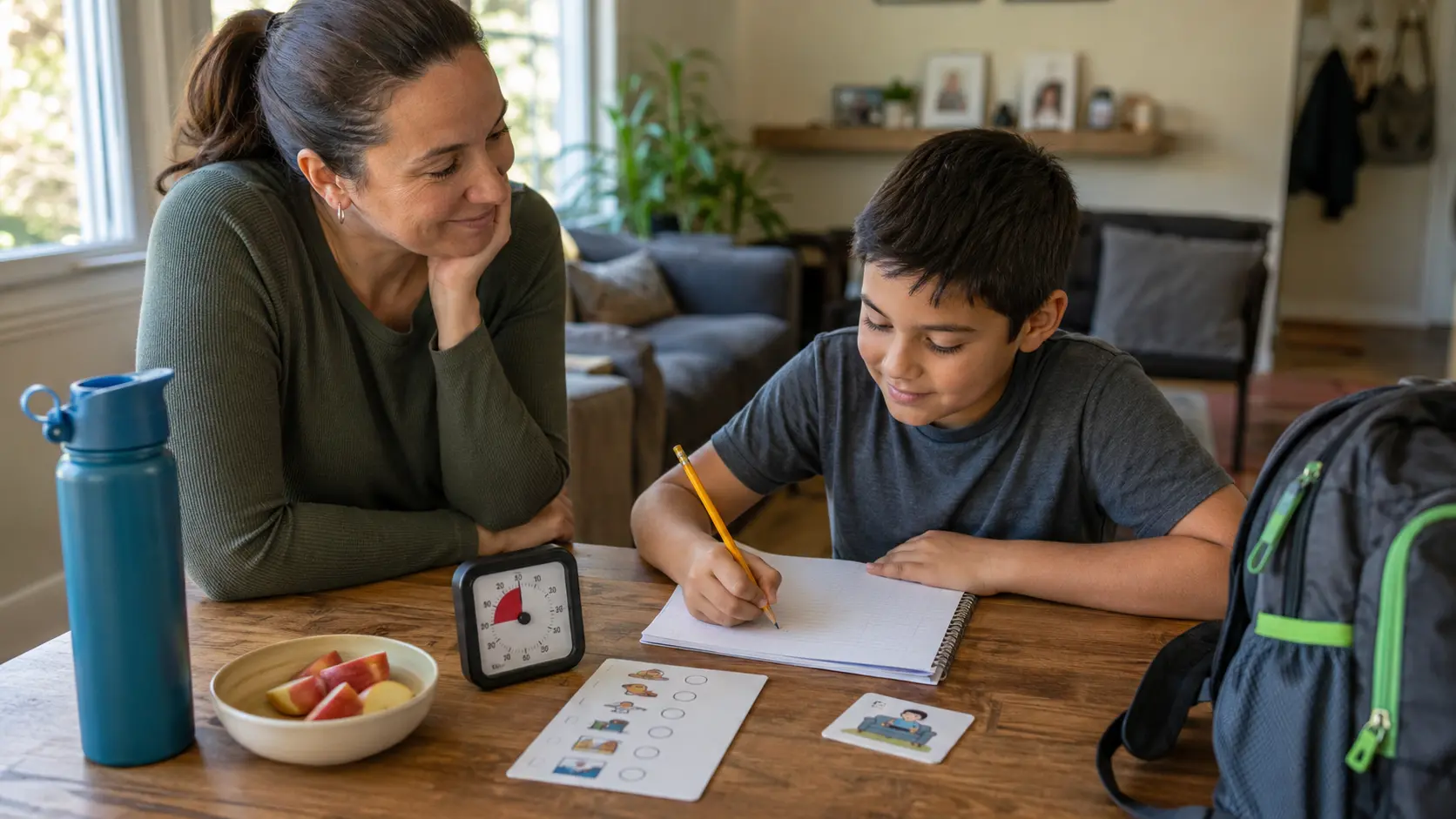
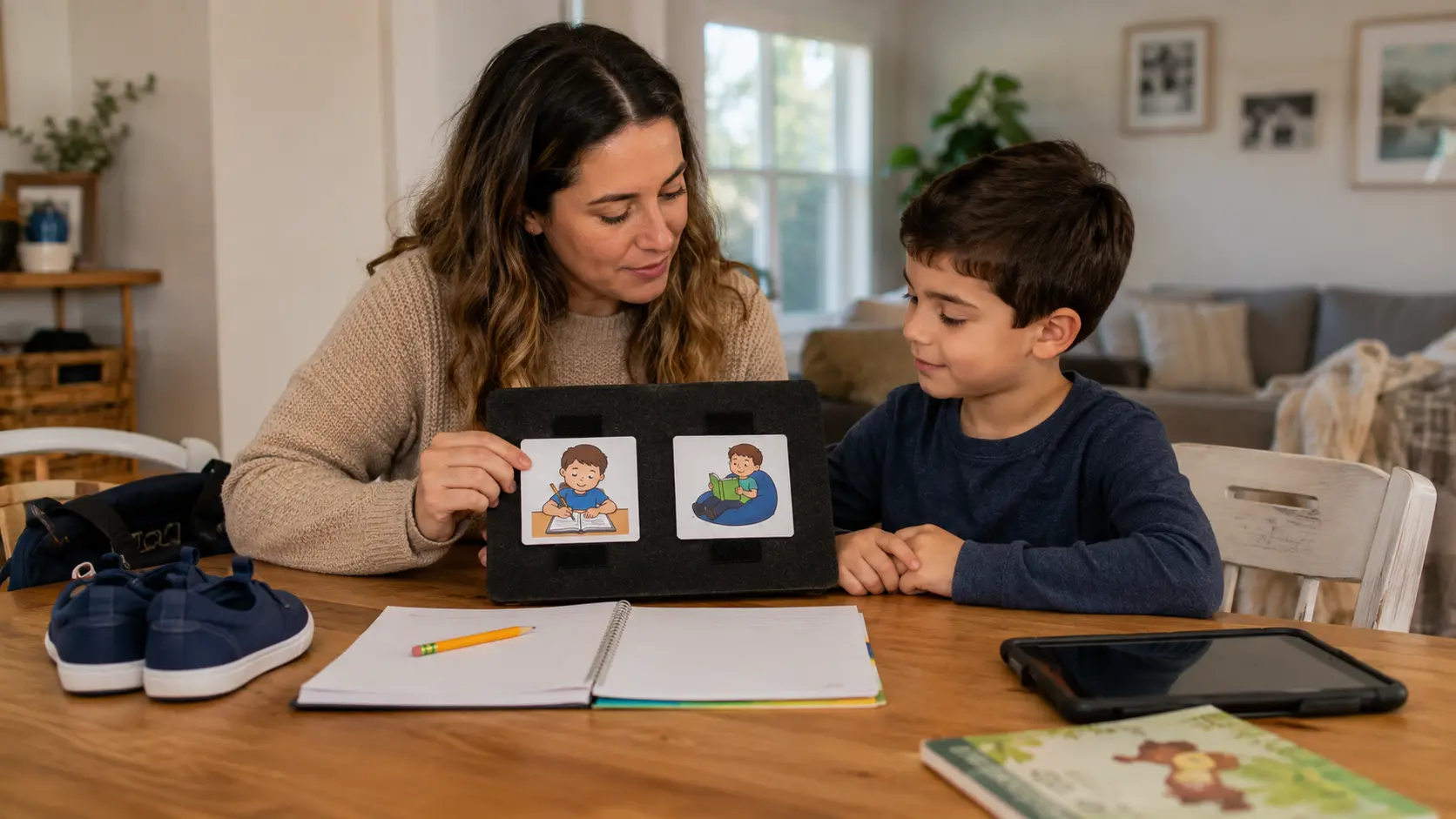
Visual schedules can help children understand what is coming next and reduce the stress of unpredictability. Autism Speaks recommends visual schedules and first-then structures as practical summer supports, especially when routines change.
3. Preview transitions before they happen
A child often handles change better when it is introduced ahead of time. Simple language like "First pool, then lunch" can reduce resistance and increase cooperation. Autism Speaks also recommends first-then supports and visual reminders to prepare for changing summer activities.
4. Keep communication practice in everyday life
You do not need a formal lesson to practice communication. Mealtime choices, requesting help, narrating activities, and offering simple choices throughout the day all create meaningful opportunities.
5. Protect downtime
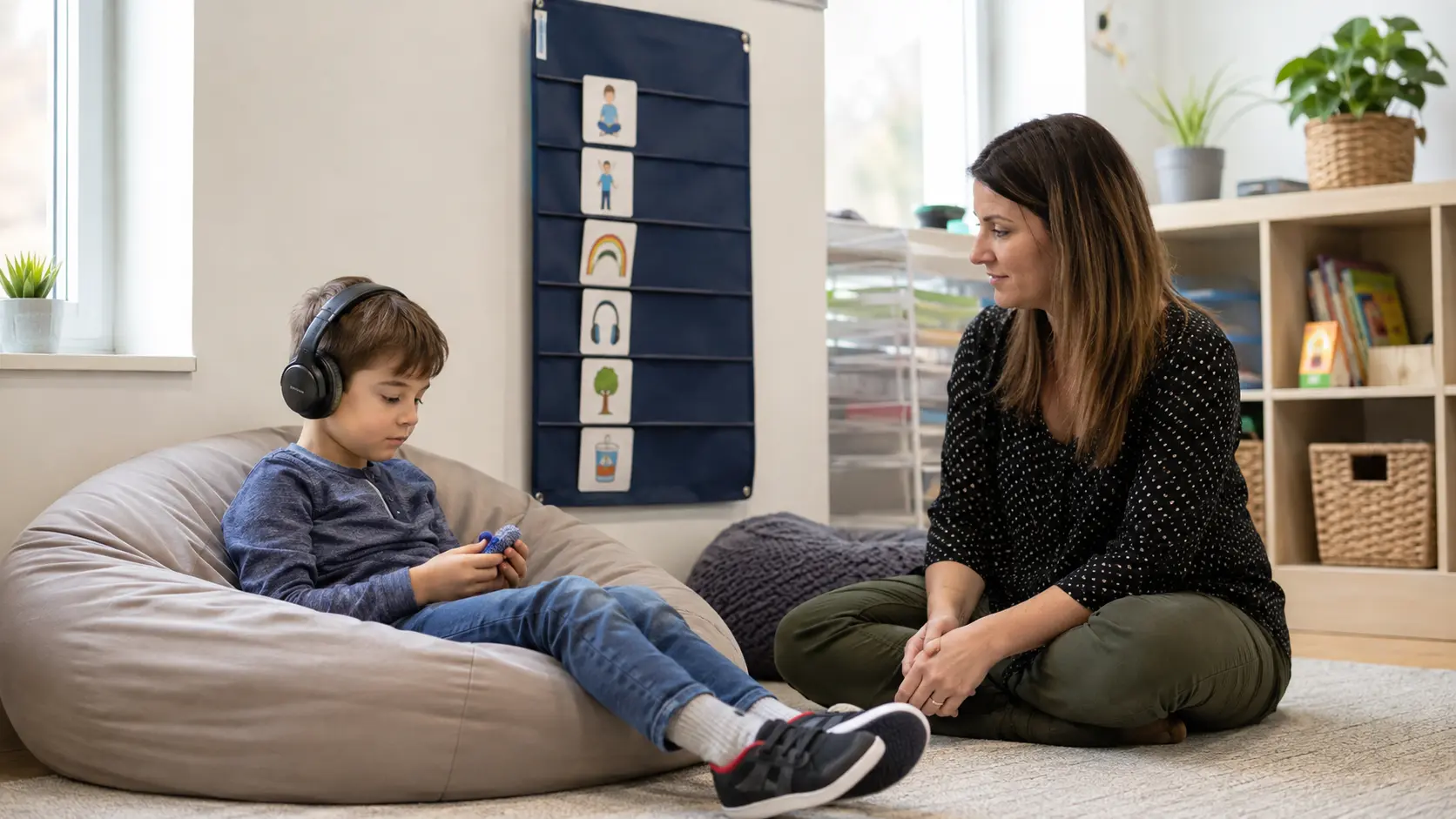
Summer should not become nonstop therapy or nonstop activity. Children often need breaks between stimulating outings, social events, or transitions. Planned downtime can help with regulation and recovery.
Travel, Camps, Holidays, and Vacations: Keep Support Realistic
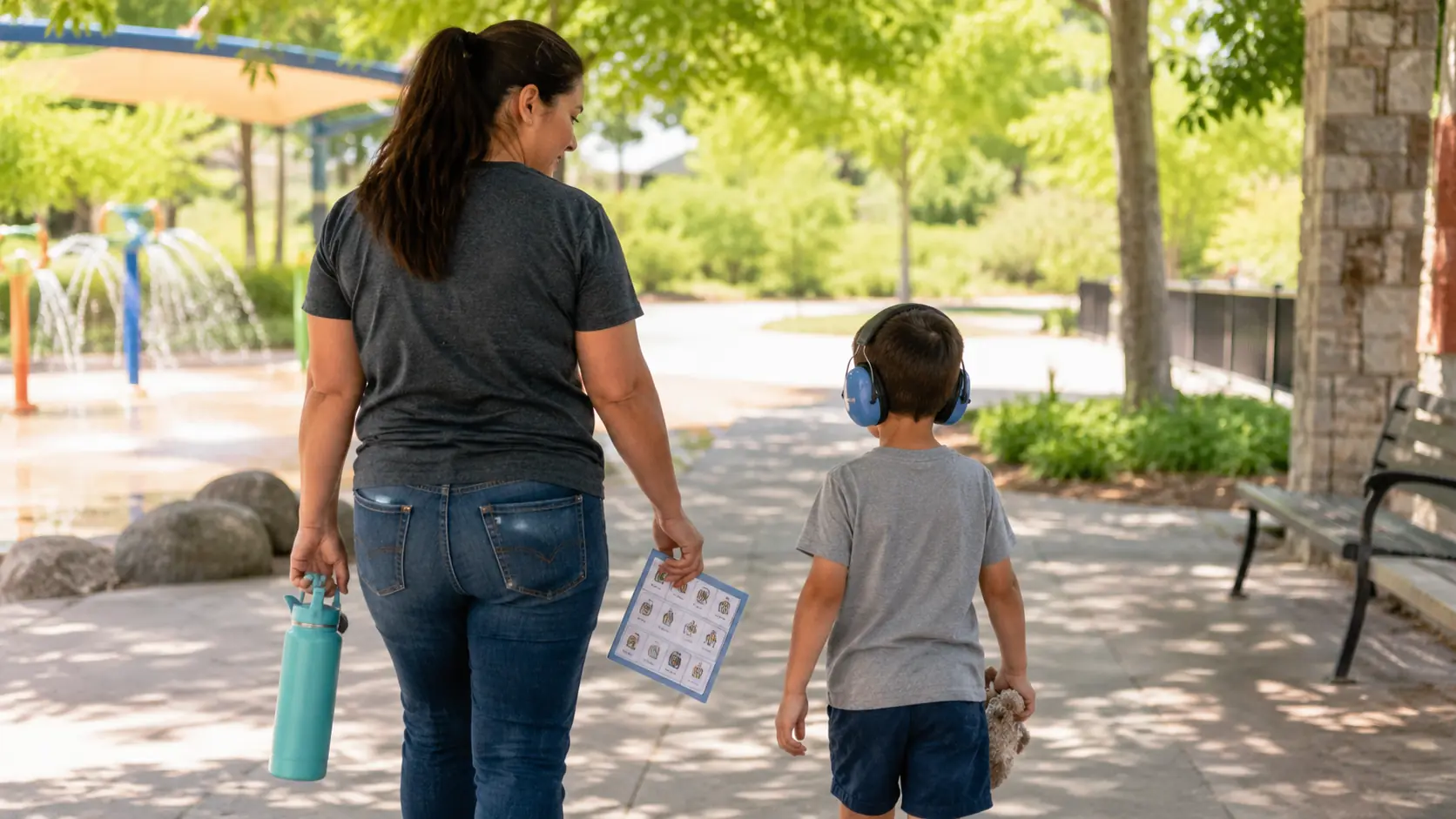
Summer events can be fun, but they can also be demanding. Fireworks, day camps, road trips, family gatherings, and vacations often bring unfamiliar sensory input, disrupted routines, and higher emotional load.
A few strategies can help:
- Think through sensory demands in advance
- Bring visual supports or simple first-then plans
- Preview new places and changes before they happen
- Keep a few non-negotiable anchors in place, such as bedtime routines or preferred comfort items
- Set realistic expectations for participation
Success does not have to mean staying the whole time or doing every activity. Sometimes success means a child joins for part of the event and leaves before becoming overwhelmed.
When Summer ABA Therapy Programs May Be Worth Considering
For some families, summer support can stay mostly home-based and light. For others, a more structured therapy plan may make sense.
A summer ABA program or a more focused summer schedule may be worth discussing if:
- Your child has had noticeable skill drift in past summers
- Important skills are still emerging and need regular reinforcement
- Your child is facing a major transition in the fall
- Behavior regulation becomes much harder when routine changes
- Summer offers a window for more consistent work on communication, independence, or flexibility
The right plan depends on the child, the family's capacity, and the goals that matter most right now. Not every child needs more therapy in the summer. But many children benefit from not letting all structure disappear at once.
How AtlasCare ABA Can Help Families Build a Summer Plan
At AtlasCare ABA, we help families create support plans that fit real life, not just the school calendar. Summer can bring a different rhythm, but it does not have to mean starting over every fall.
Our team can help families:
- Review current goals and identify which skills may benefit most from consistent summer support
- Build a realistic plan for routines, transitions, and everyday communication practice
- Use parent-friendly strategies that fit naturally into home and community life
- Decide whether a regular summer schedule or a more focused therapy plan makes the most sense
AtlasCare ABA's website currently lists locations in Delaware, Iowa, Missouri, North Carolina, and New Mexico. Families can check service availability and contact the team directly through the AtlasCare ABA site.

















.webp)


.webp)

.webp)
.webp)
.webp)






.jpg)


.webp)

.webp)
.webp)









%20During%20Play%20in%20the%20Home.webp)