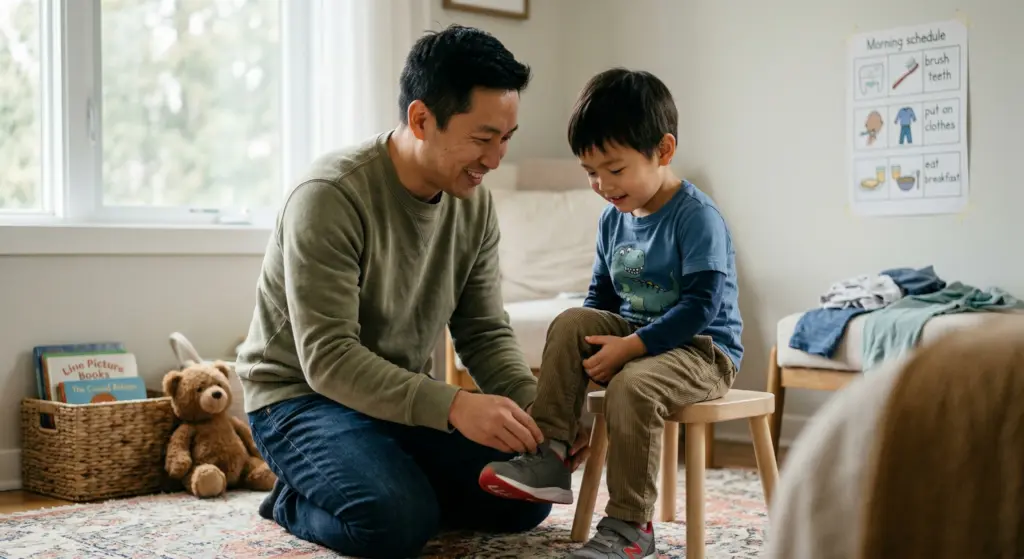
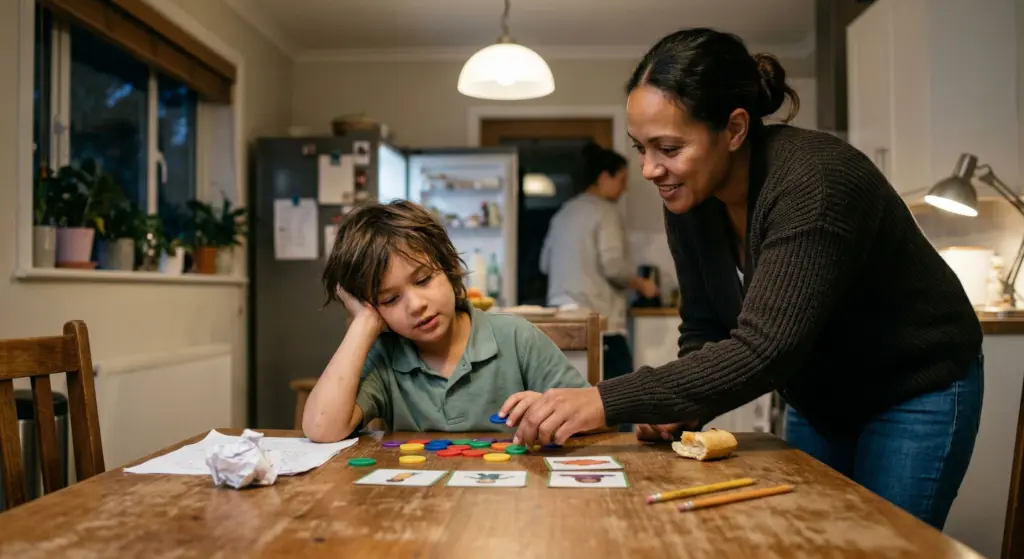
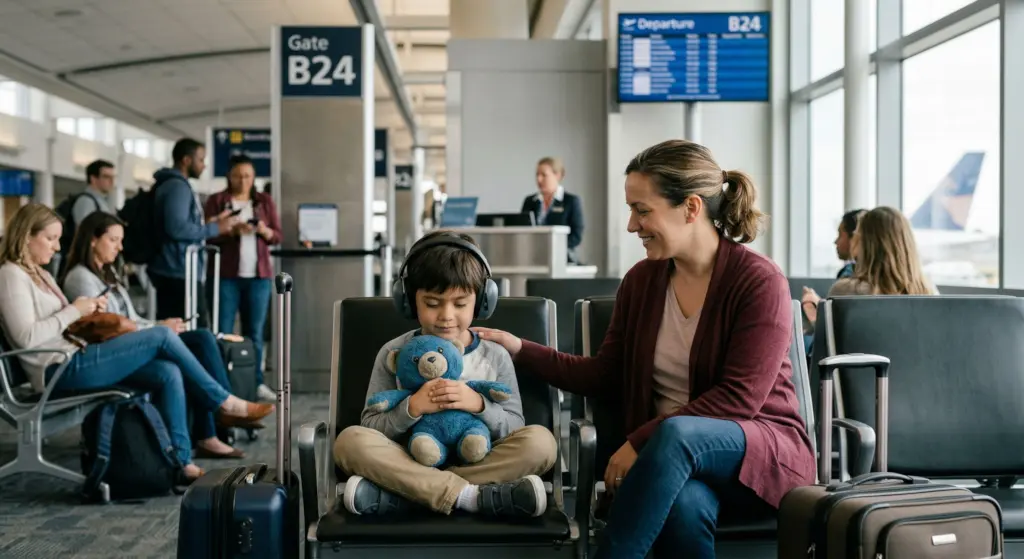
Picture this: your child has a great week in therapy. Their Board-Certified Behaviour Analyst (BCBA) reports meaningful progress—more consistent requesting, smoother transitions, and fewer struggles at the end of sessions. You feel hopeful. Then dinner time arrives, and the same challenges you’ve been facing for months show up all over again.
If that gap between therapy progress and home reality feels familiar, you’re not doing anything wrong. In fact, it’s one of the most common challenges families experience during Applied Behaviour Analysis (ABA) therapy. Skills practiced in structured sessions don’t always transfer automatically to everyday environments—like home, school, the car, or busy routines.
What ABA Parent Training Actually Means
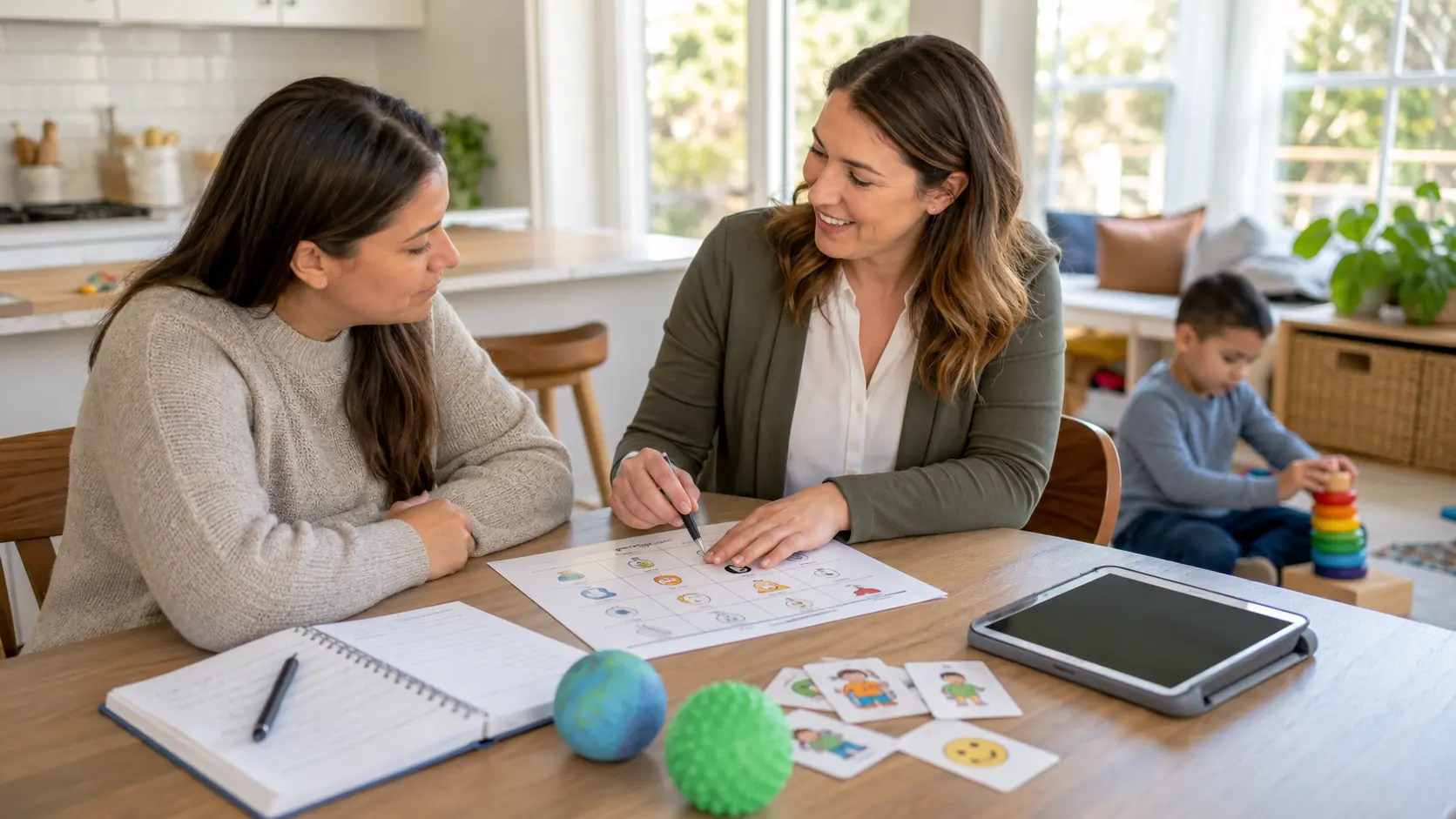
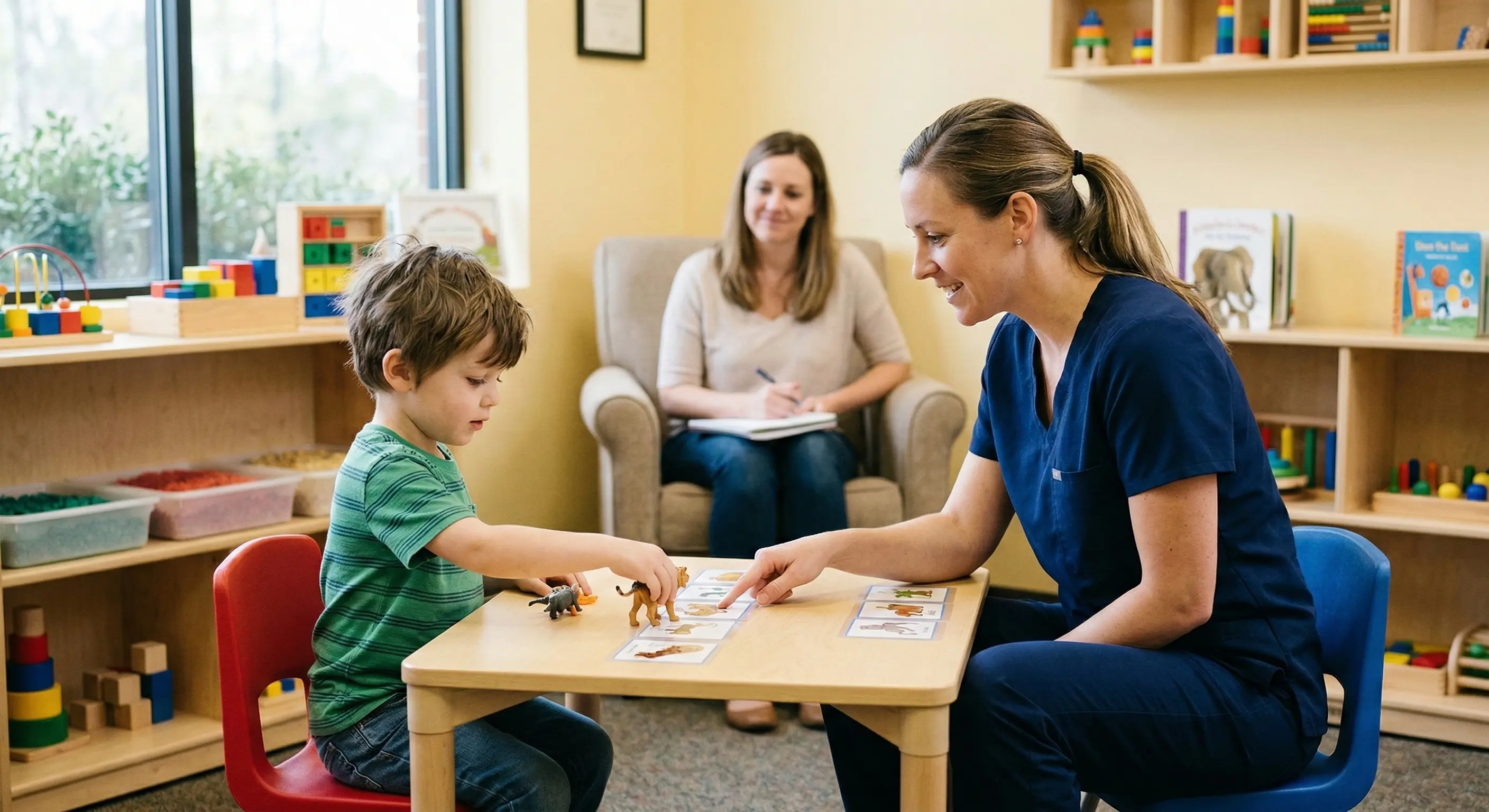
ABA parent training — sometimes called parent coaching for autism — is one-on-one caregiver coaching, typically led by a Board-Certified Behaviour Analyst (BCBA). The sessions are built around your child’s specific goals, your family’s daily routines, and the real-world situations where things feel hardest.
It is not a lecture series, a homework assignment, or an evaluation of how you parent. Parent training sessions are collaborative working sessions. You and your BCBA look at what is happening at home, identify what is and is not working, and build practical responses you can use consistently.
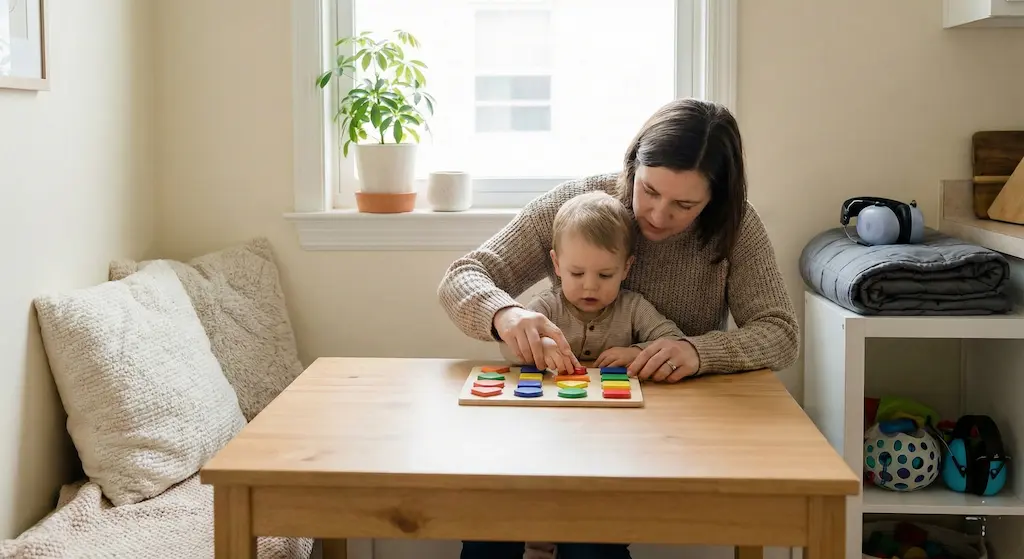
Sessions may take place in your home, at the clinic, or via telehealth, depending on the provider and your family’s needs. The goal is always the same: to close the gap between what your child can do in session and what they can do when the therapist is not in the room.
Why ABA Does Not End When the Therapist Leaves
A child showing a skill during therapy does not automatically mean that skill will appear everywhere else. A child may request well in session but struggle to do the same during dinner, in a crowded store, or while rushing out the door for school.
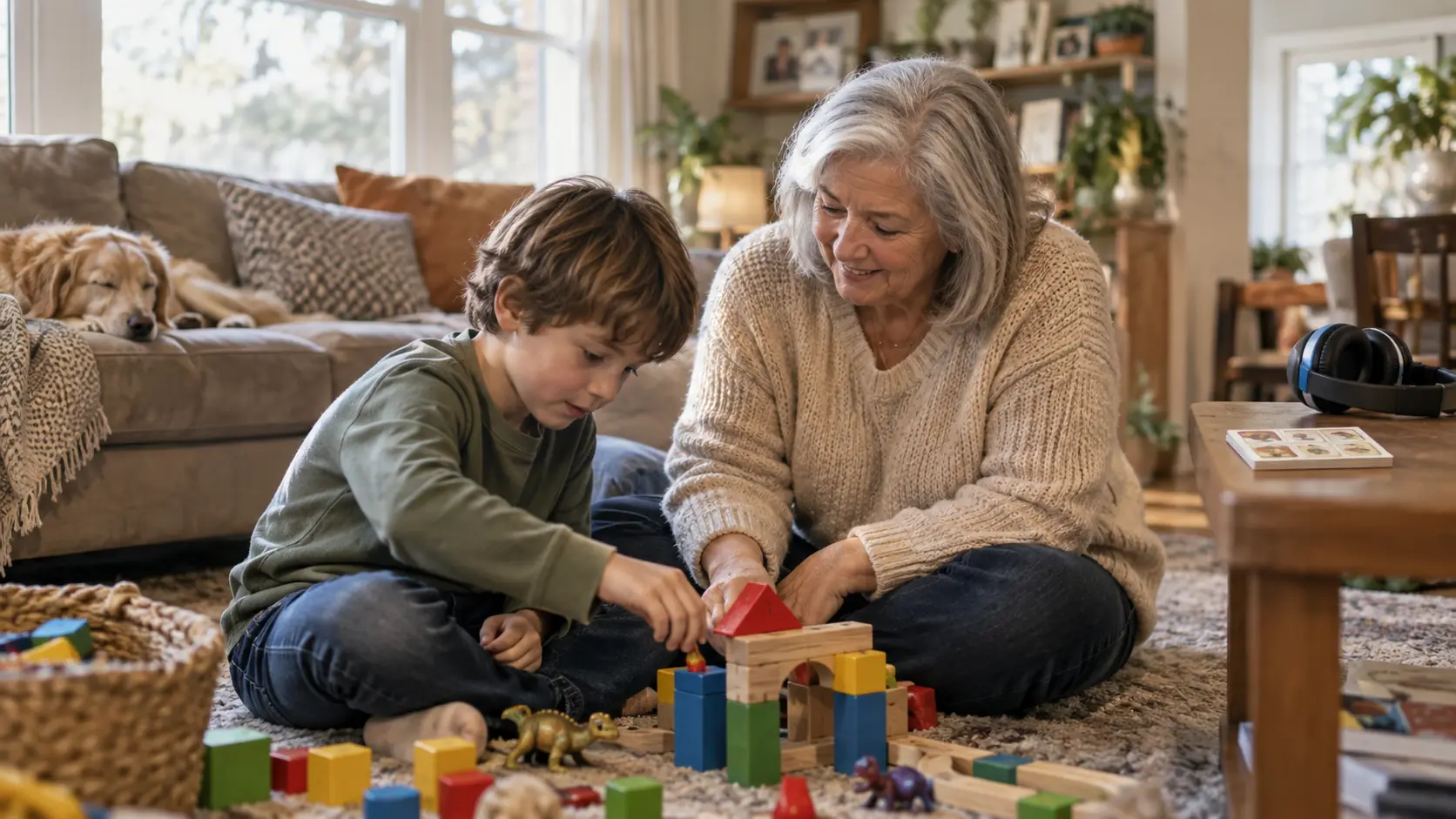
That is where generalization matters. For a skill to be truly useful, it has to show up across different people, settings, materials, and times of day. Parent training helps caregivers support that carryover by using consistent prompts, responses, and reinforcement during normal routines.
Caregiver consistency also matters for another reason: children learn faster when the adults around them respond in a more predictable way. Parent-mediated intervention research suggests that involving caregivers can support adaptive functioning and some behavior
outcomes, though results vary and should be viewed realistically rather than as guaranteed outcomes.
The Benefits of ABA Parent Training for Families
The biggest ABA parent training benefits usually show up in daily life, not just in progress notes.
- ·More consistent responses at home
When caregivers understand the logic behind a strategy, they are more likely to respond in a steady way. That consistency can make expectations clearer for the child and reduce mixed messages across settings.
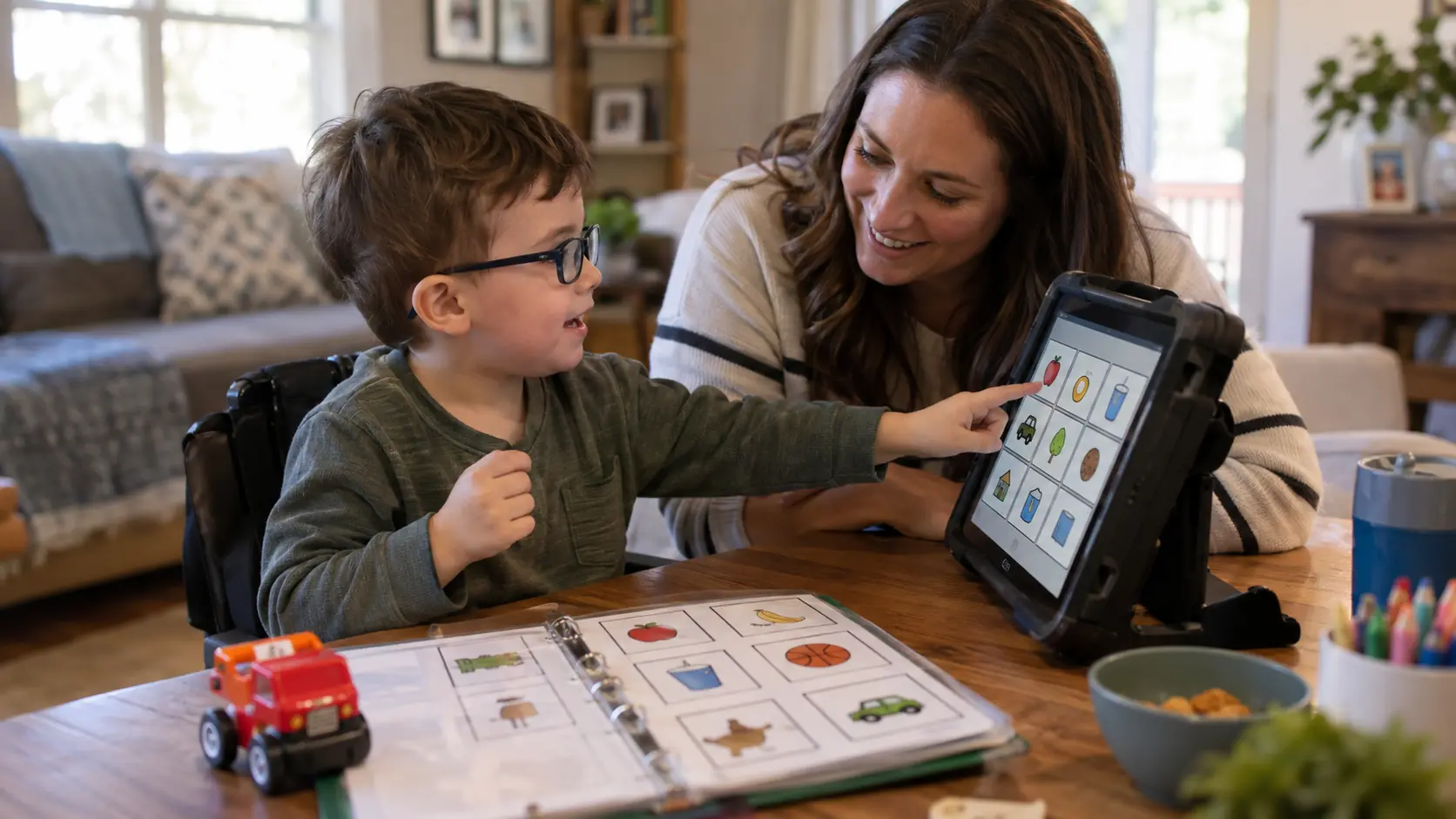
- Better support for communication
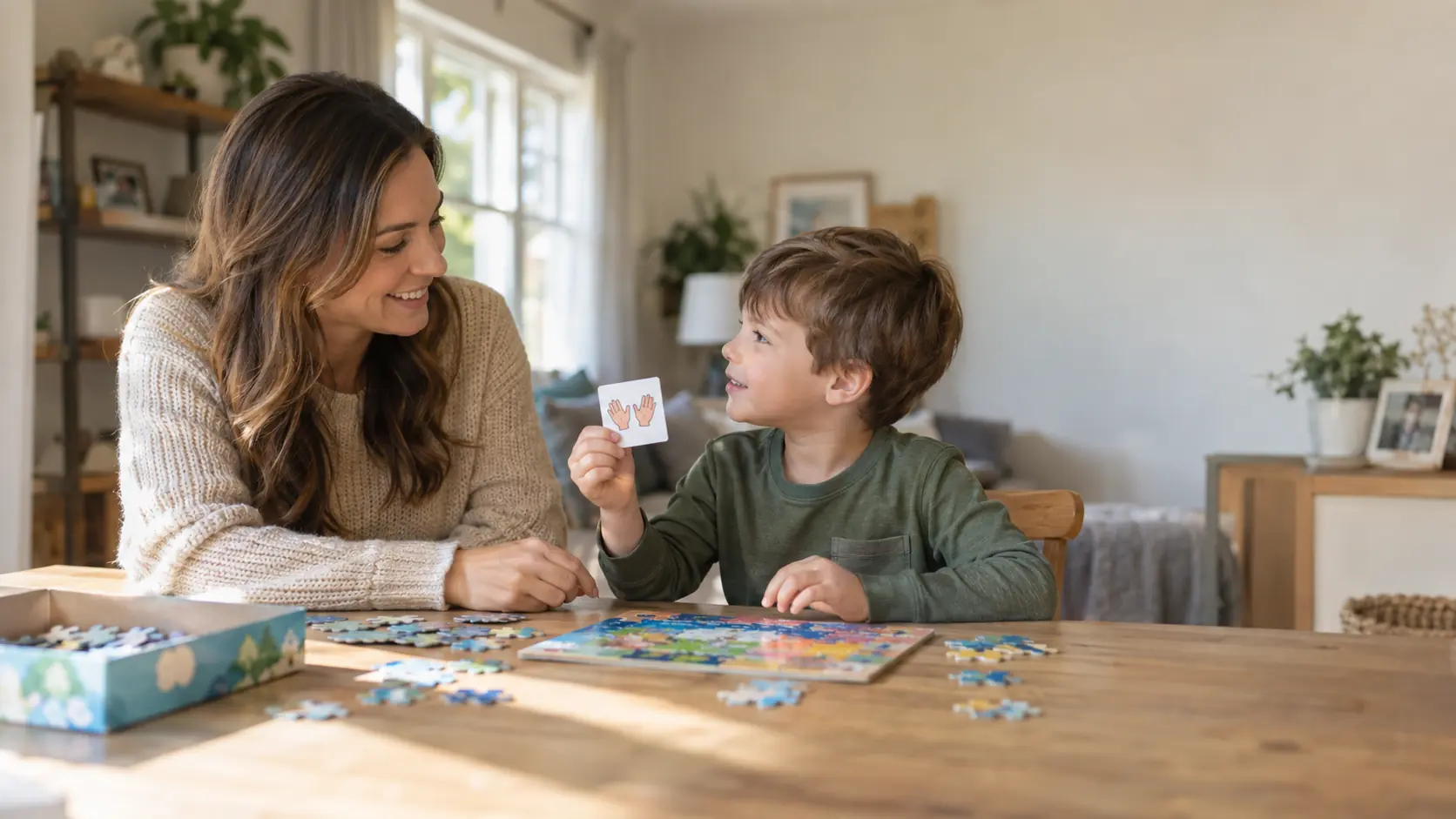
Parent training can help caregivers recognize communication opportunities throughout the day - during meals, play, dressing, errands, and transitions..
- Smoother transitions
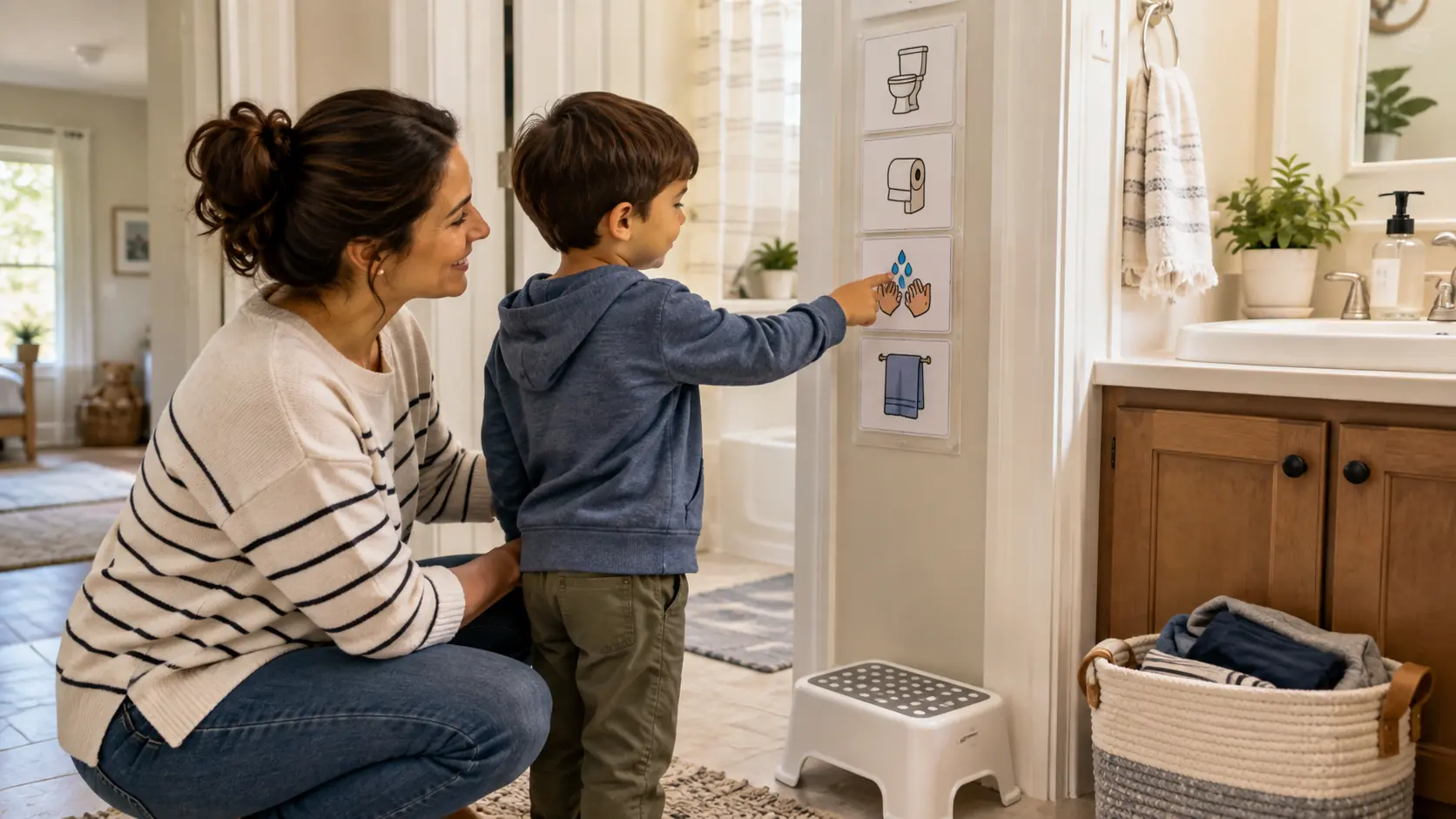
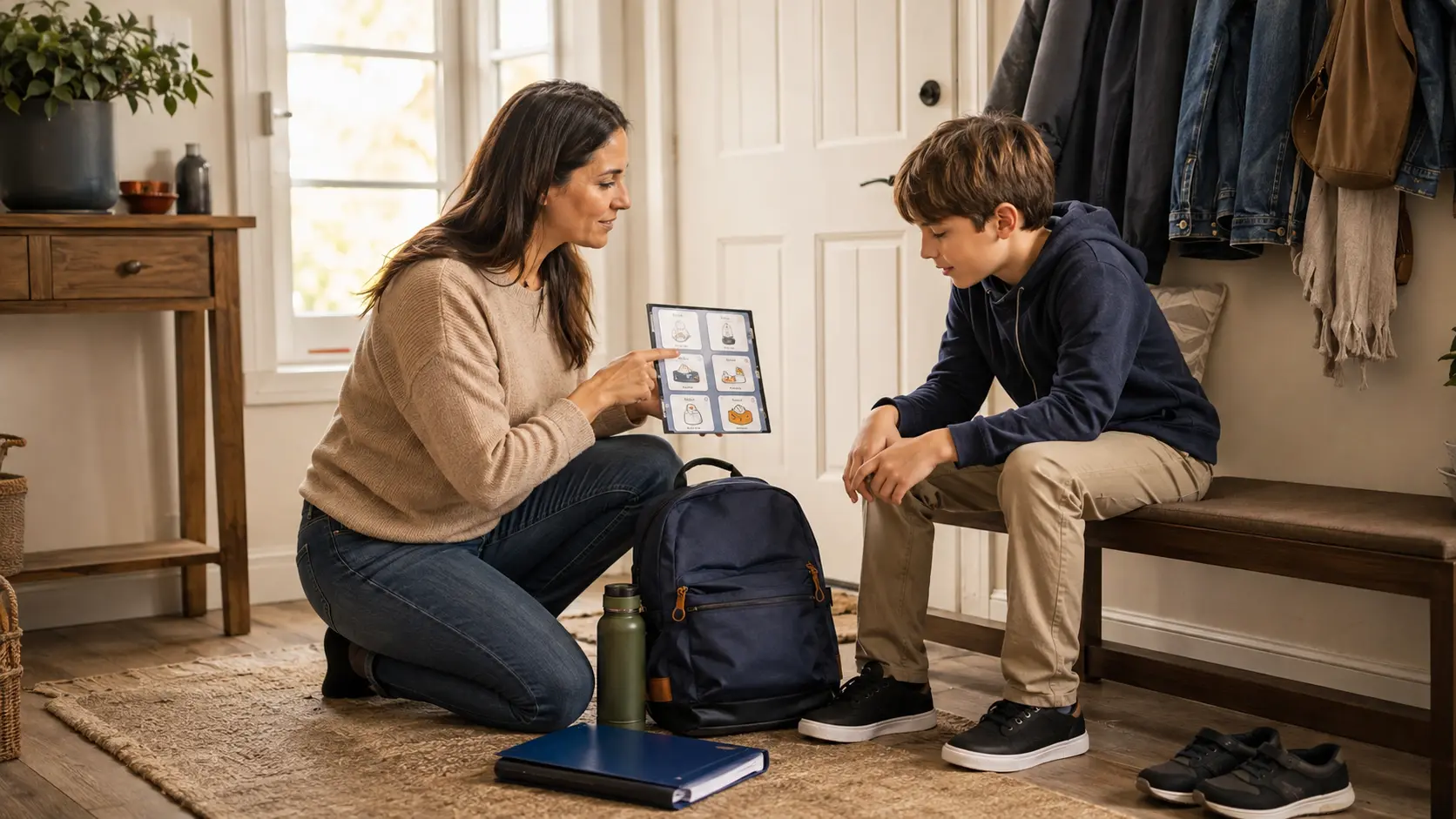
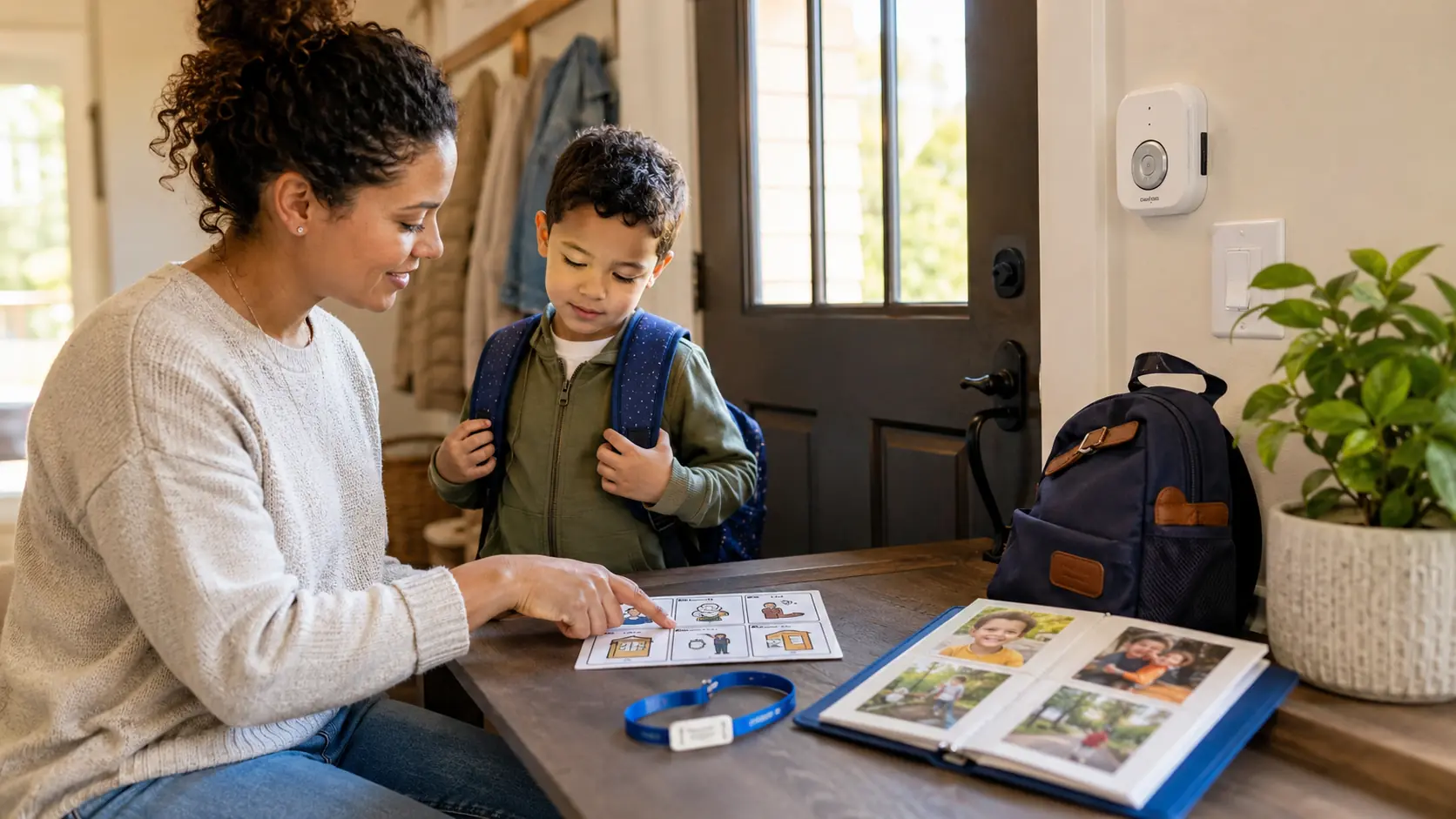
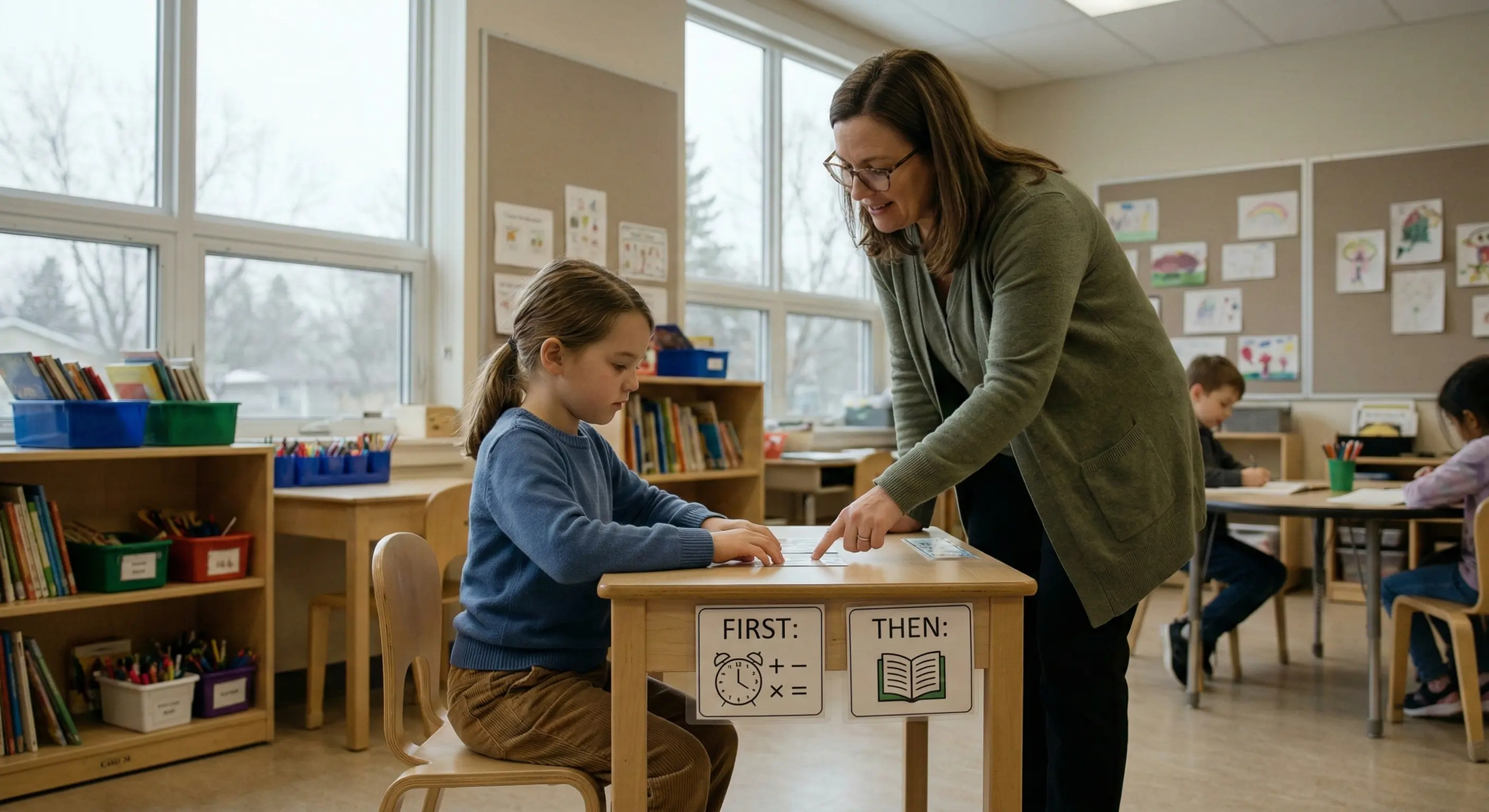
Transitions are one of the most common pain points for families. Parent coaching often includes practical tools such as previewing changes, using visual supports, and reducing last-minute negotiation.
- More learning opportunities outside therapy
Therapy hours are limited. Daily life is not. Caregivers who know what to reinforce and when to respond can create more natural opportunities for practice across the week.
- Less guesswork in hard moments
When a meltdown, refusal, or difficult transition happens, it helps to have a plan. Parent training gives families a framework to fall back on instead of having to improvise under stress.
- Stronger partnership with the clinical team
Parent training also gives caregivers a regular way to share what is actually happening at home. That feedback helps clinicians make goals more practical and relevant.
How to Use ABA Strategies at Home Without Overwhelming Yourself
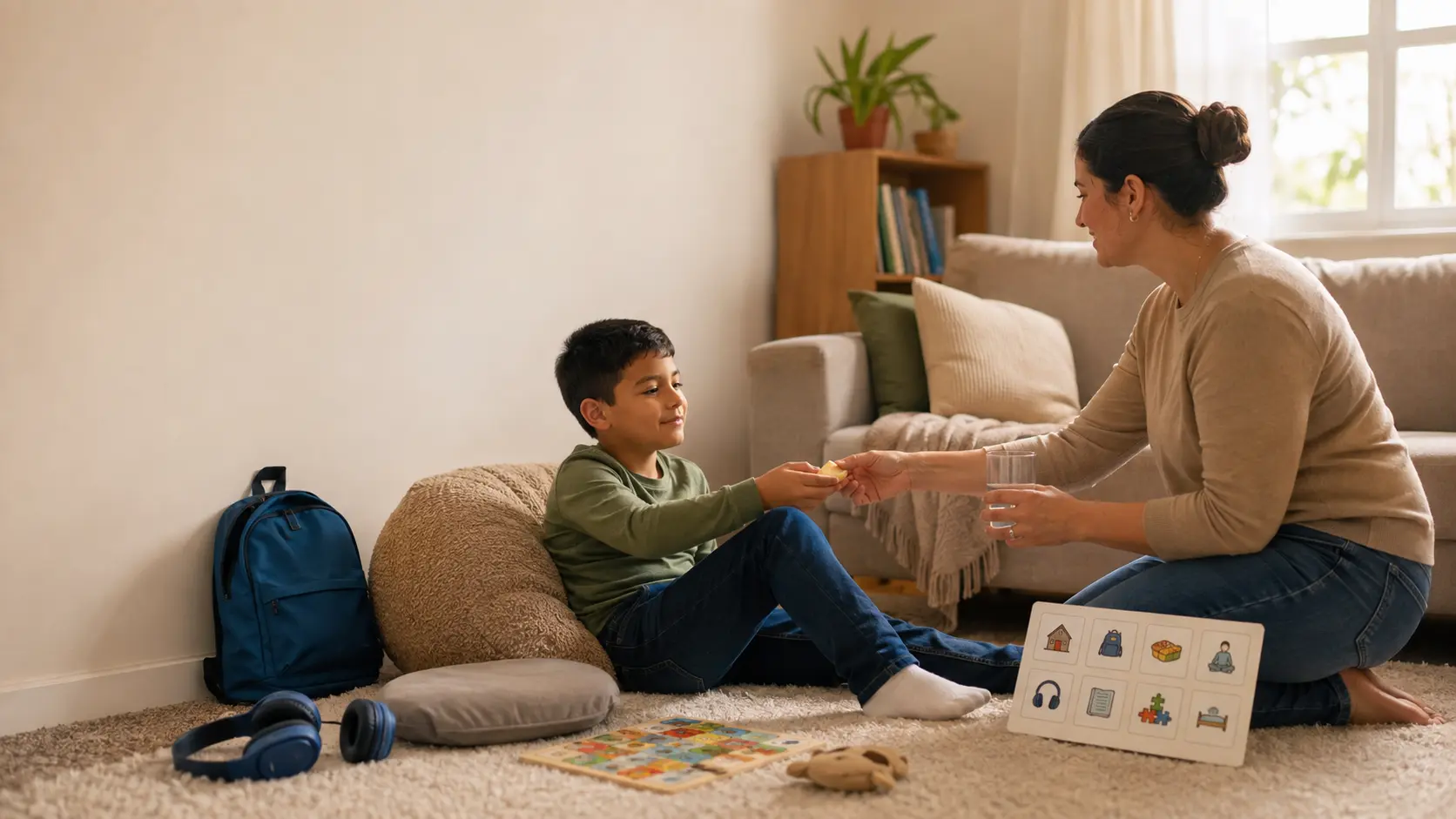
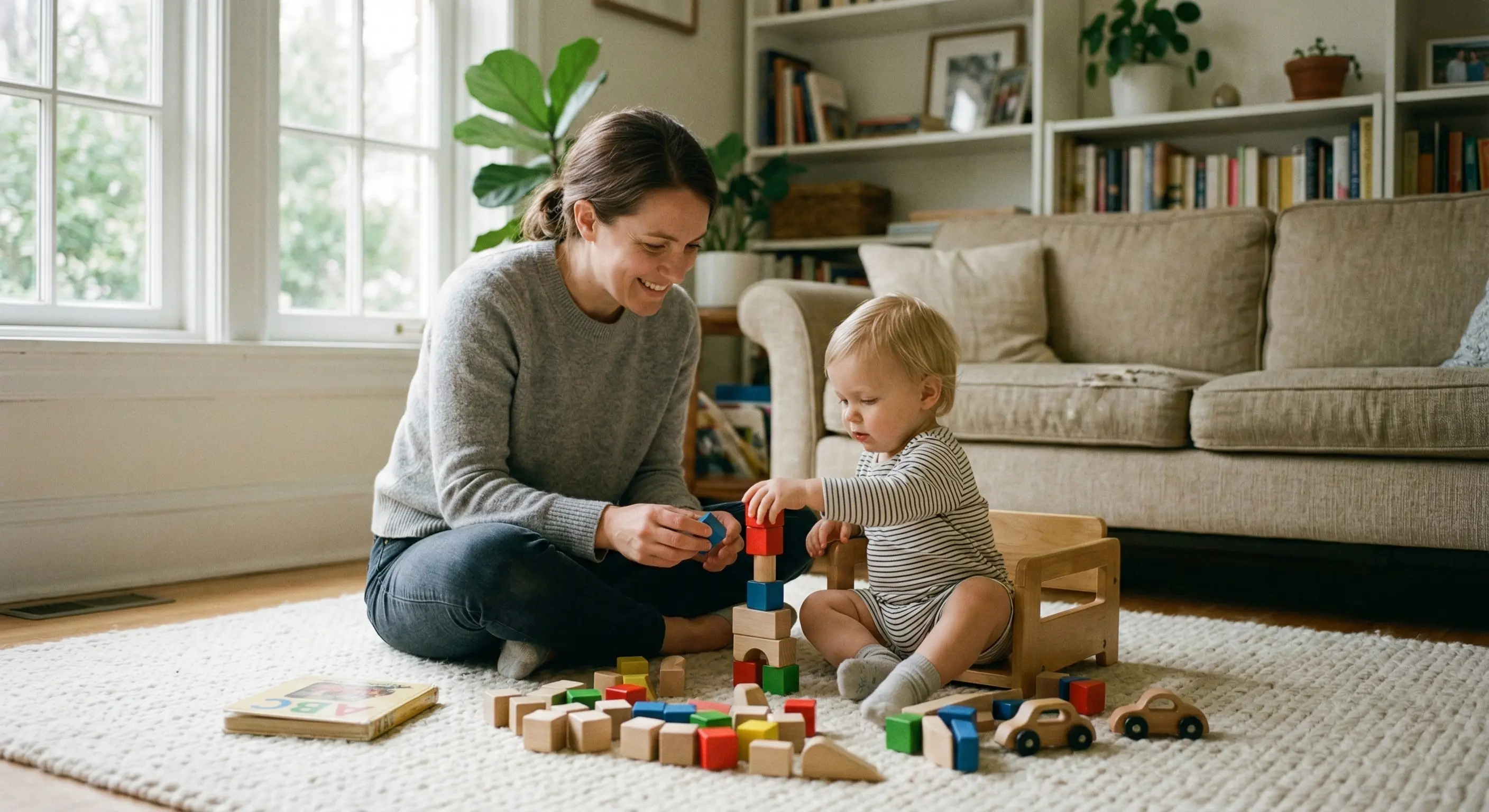
Many caregivers hear “doing ABA at home” and imagine clipboards, data sheets, and formal drills. That is not what most families need.The most useful home strategies are often simple, practical, and built into routines you already have.
- Use positive reinforcement naturally
Notice the behavior you want to see more of and respond to it right away. That might sound like, “Nice job putting your shoes on the first time,” or “I like how you asked for help calmly.”
- Keep prompts simple
Caregivers can learn how to give clear prompts that match the child’s current level, then fade them gradually as independence improves.
- Use visual supports
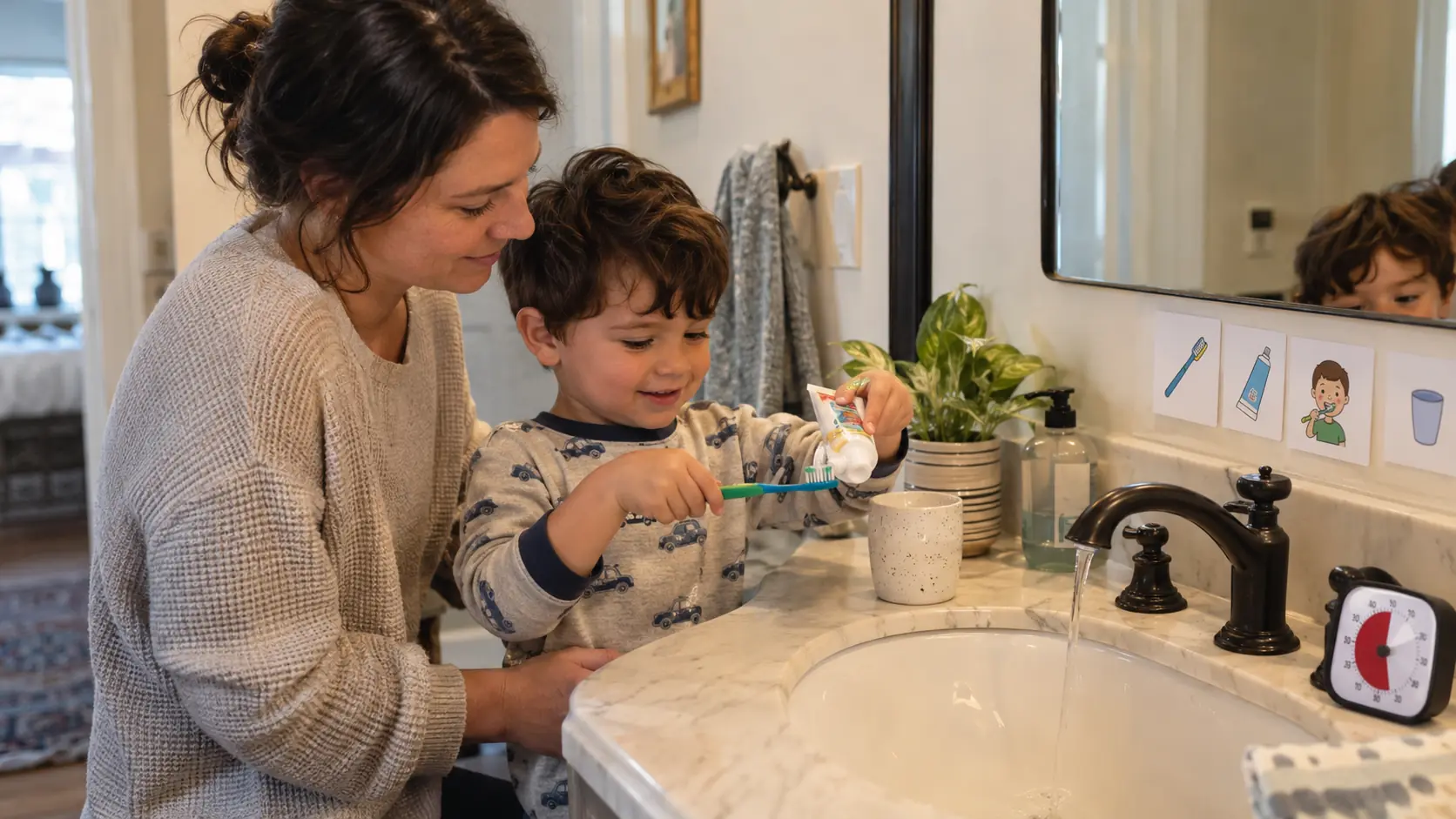
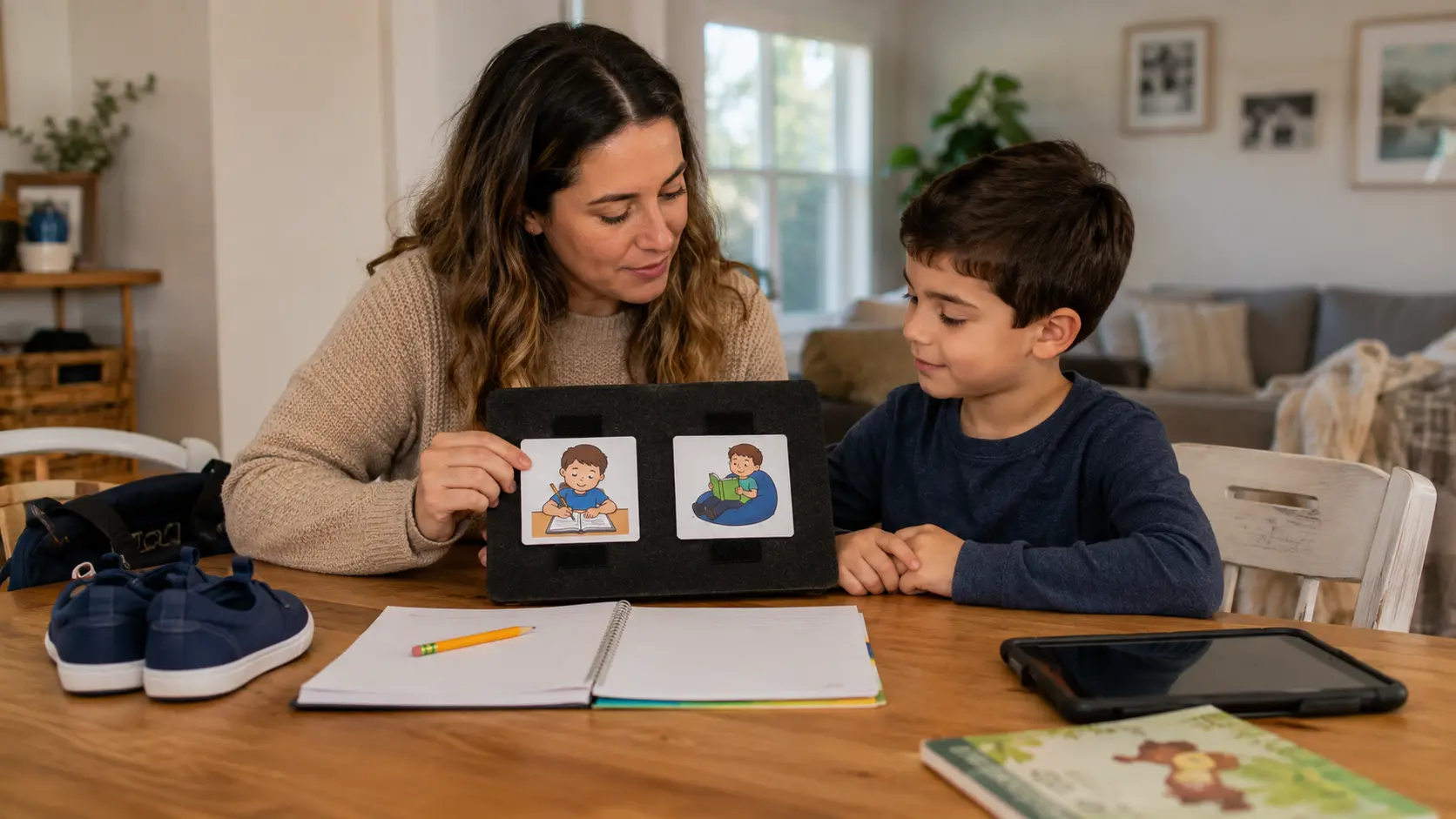
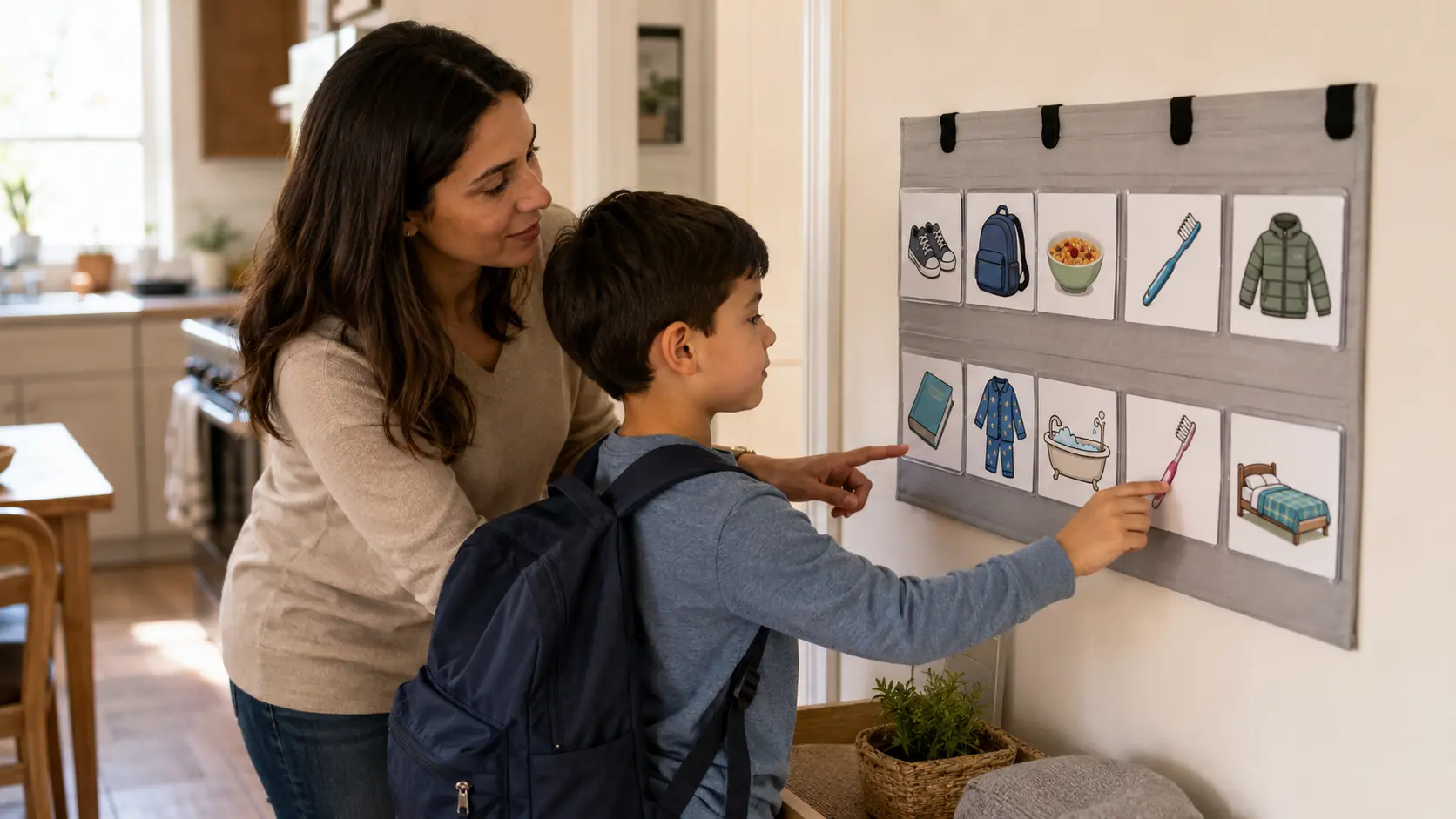
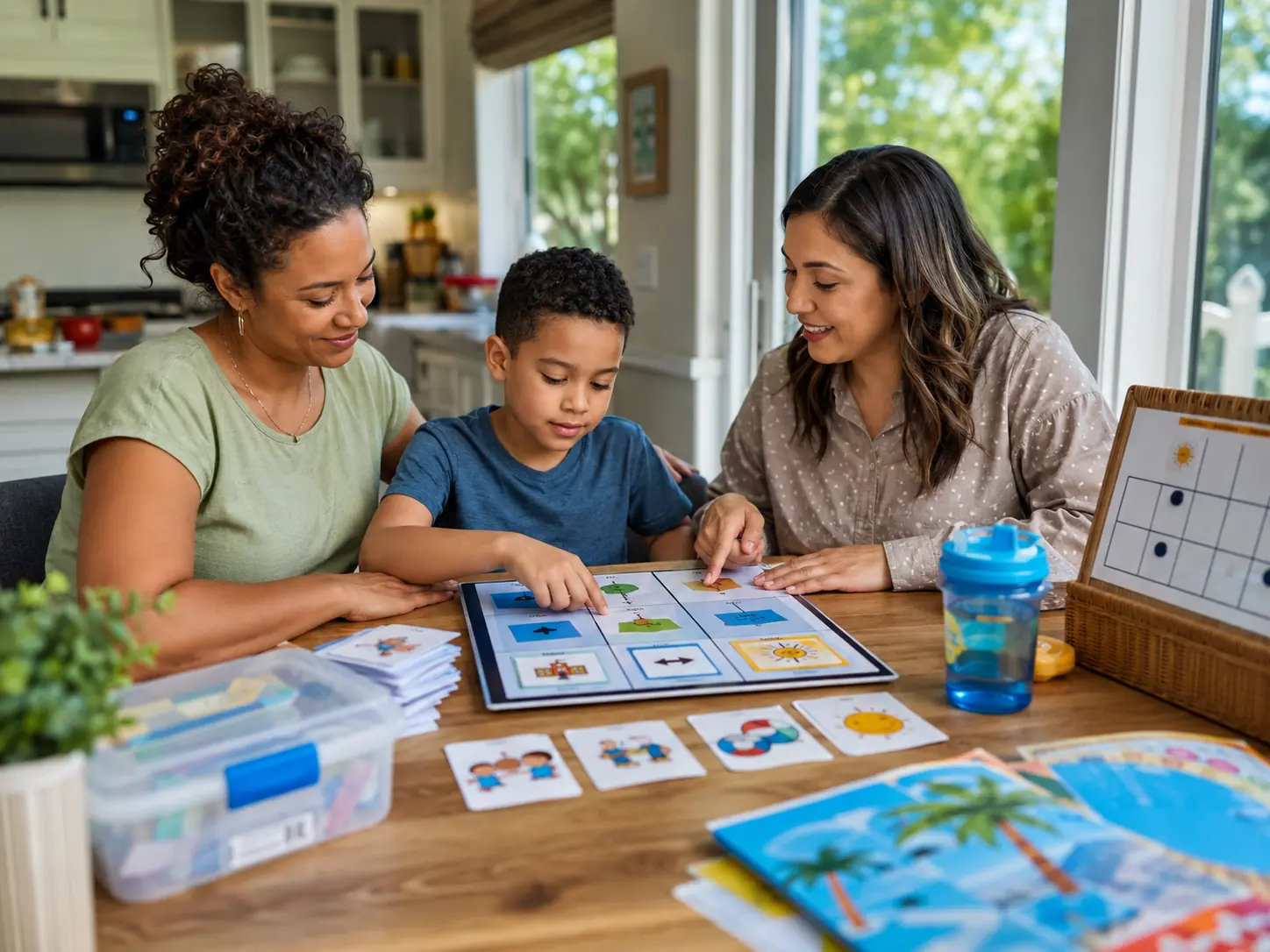
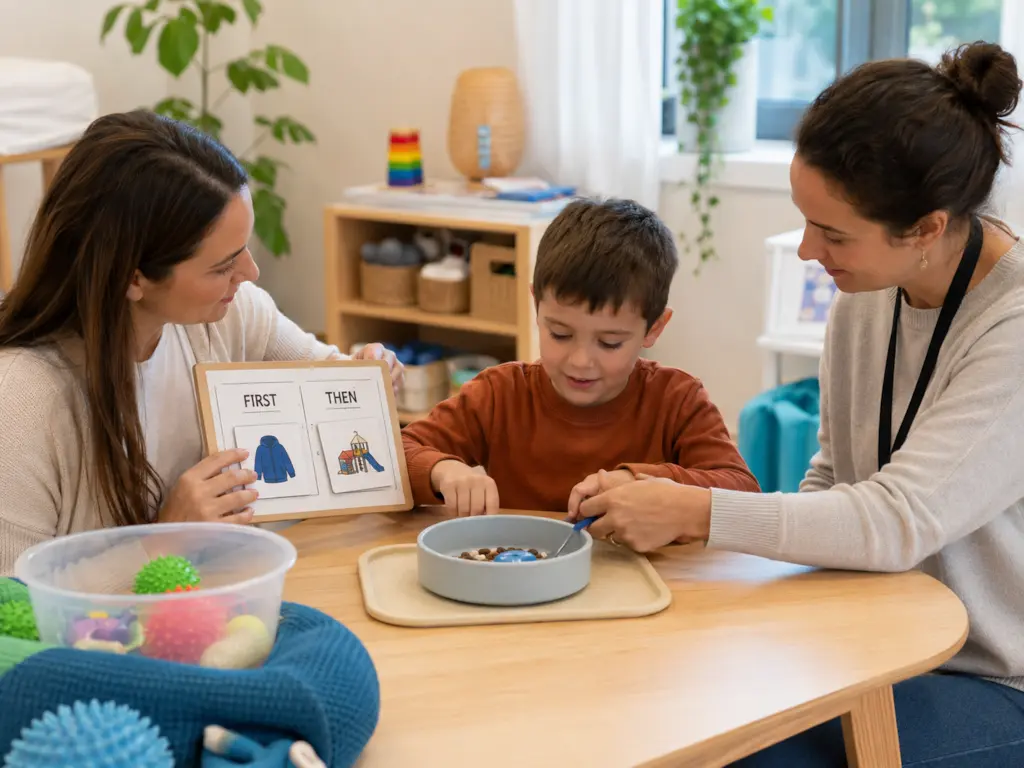
Visual schedules, first-then boards, and simple routine charts can make the day feel more predictable and reduce transition stress.
- Protect routines
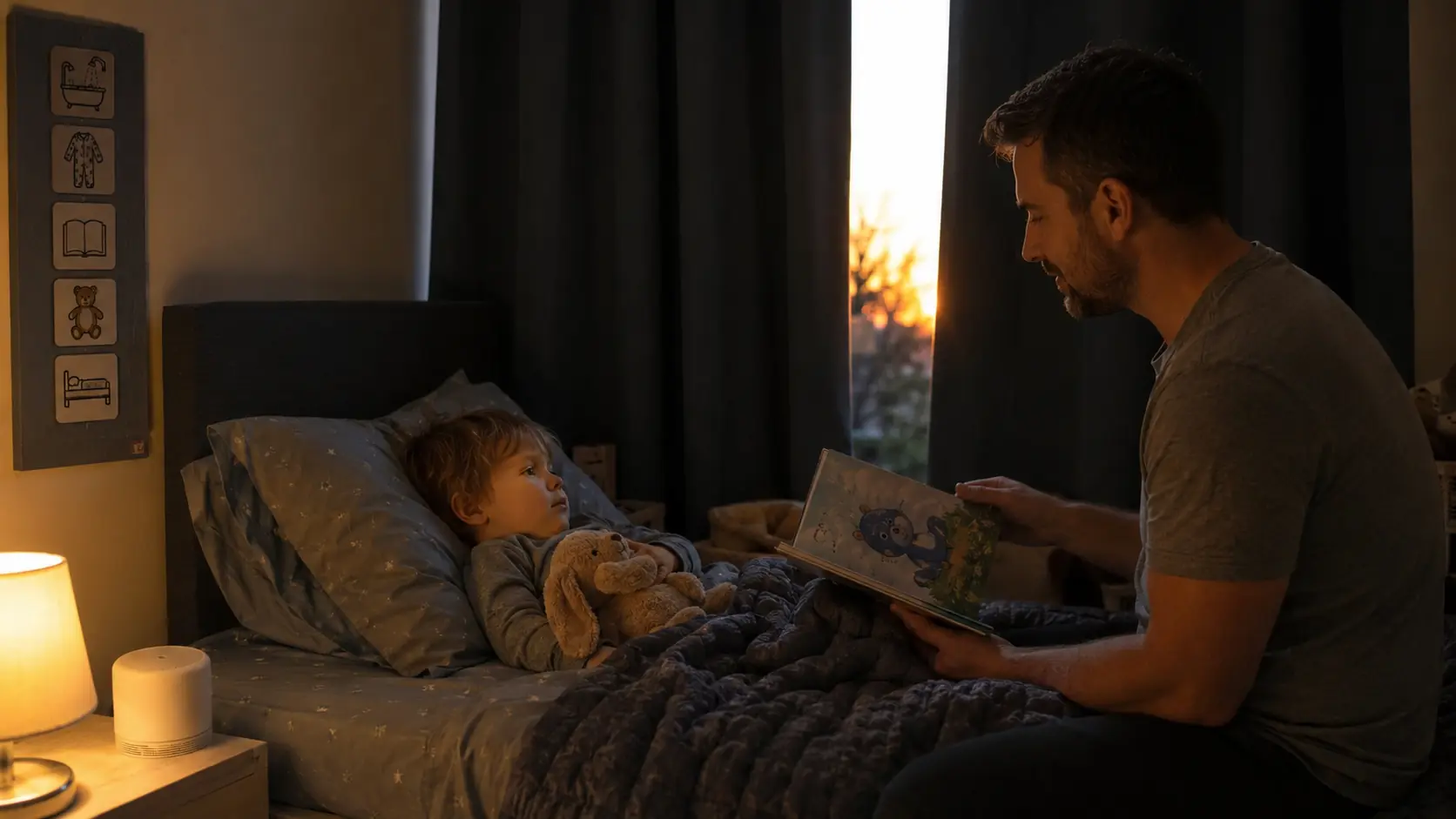
Consistent sequences for mornings, mealtimes, bedtime, and leaving the house can lower stress and support independence.
- Offer structured choices
Choices like “Do you want pajamas first or teeth first?” can reduce power struggles while still keeping the routine moving.The goal is not to turn your home into a clinic. It is to make everyday routines more supportive, more predictable, and easier to navigate.
What Parents Learn During a Typical Parent Training Session
A strong parent training session should feel like a working conversation, not a presentation.
Sessions often include:
- Reviewing the child’s current goals
- Talking through a routine that feels hard right now
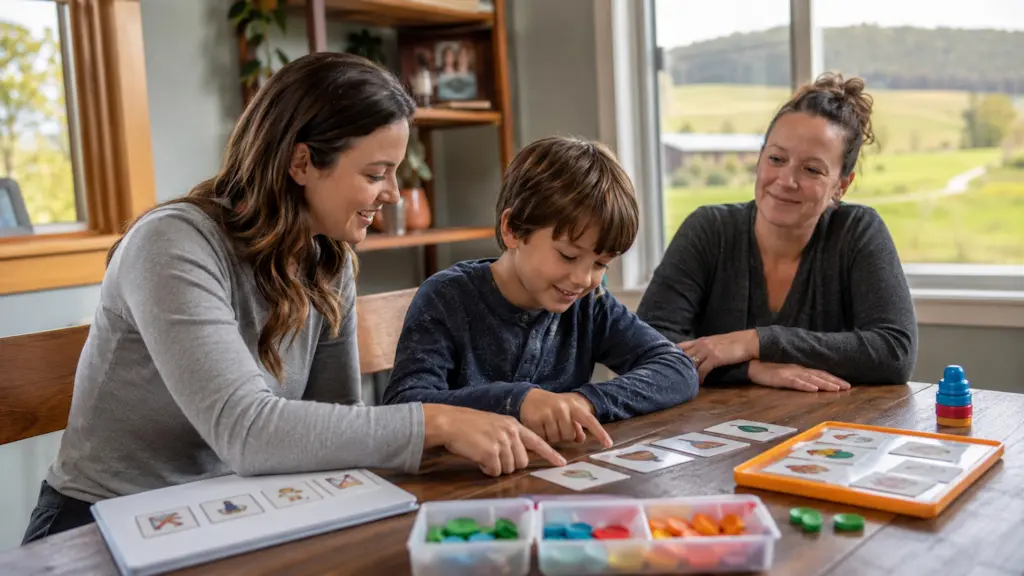
- Practicing a strategy together
- Adjusting how caregivers respond to a specific behavior
- Identifying one or two things to try before the next session
At AtlasCare ABA, parent training is delivered through one-on-one BCBA sessions and is part of a service model that also includes in-home ABA therapy and school/daycare support. AtlasCare’s site also describes team coordination with other therapies so goals can stay aligned across settings.
Behavioral Strategies for Parents During Real-Life Moments
The most useful coaching usually happens around the moments families actually struggle with.
- Transitions
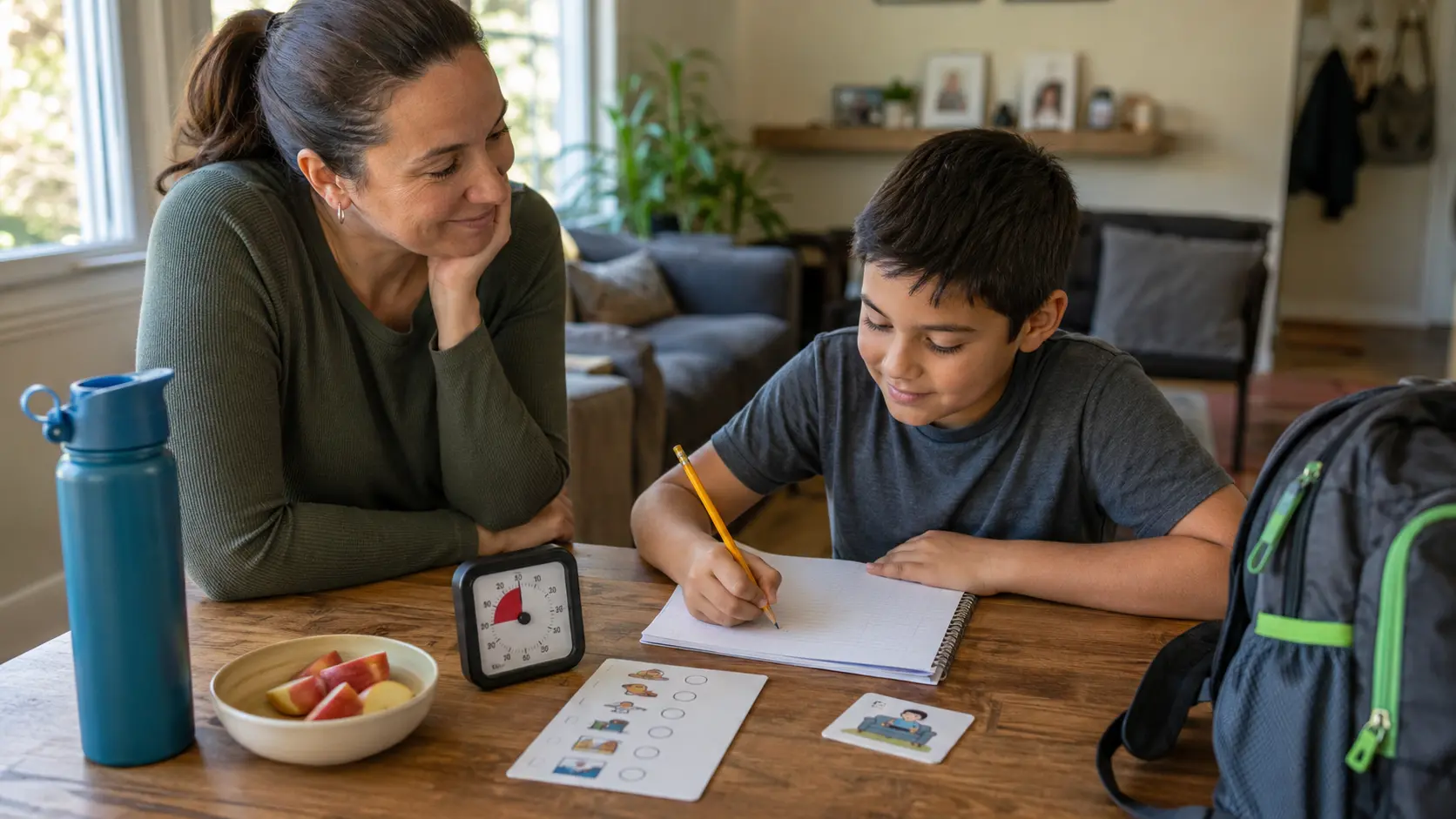
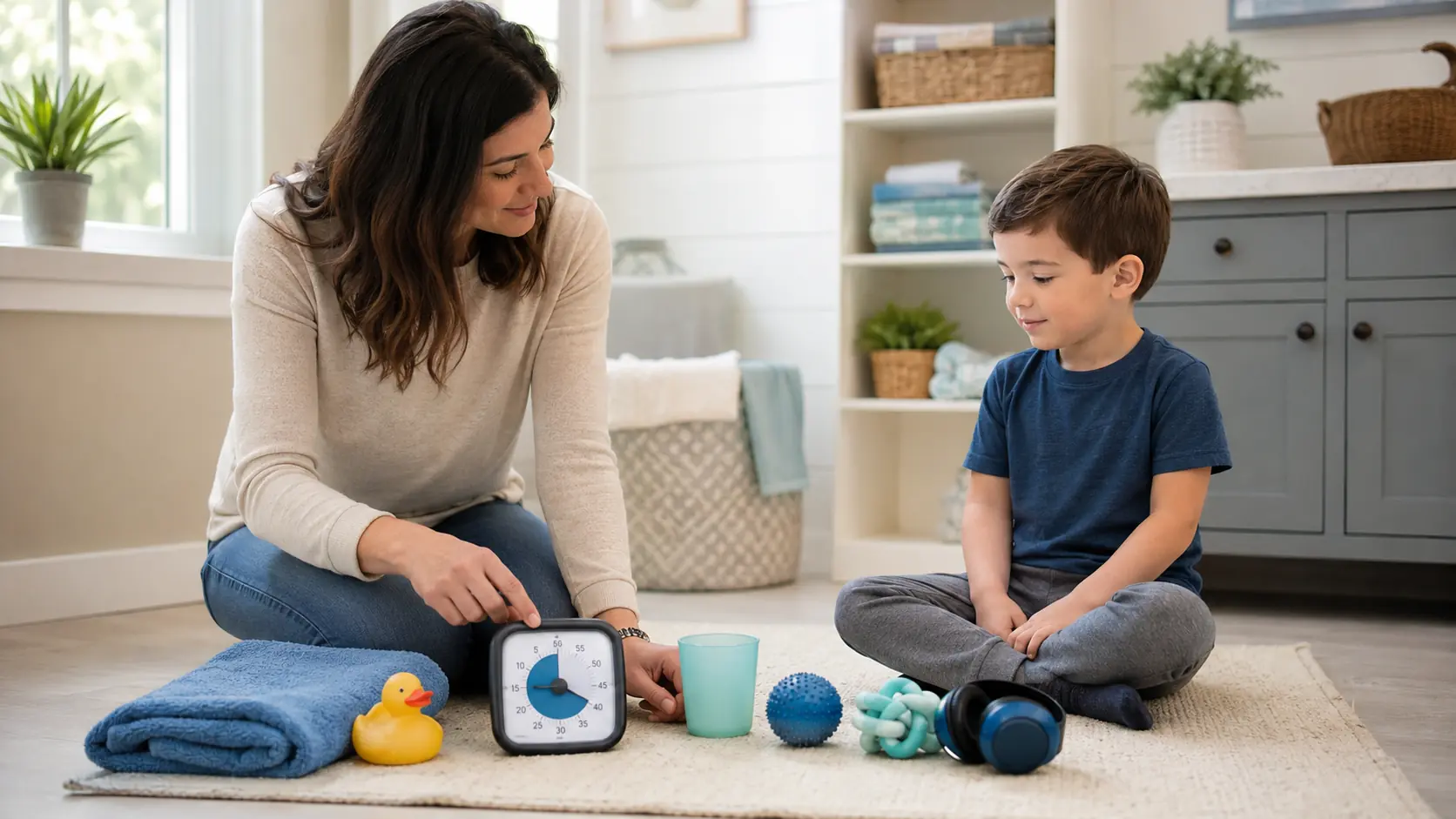
Many transition problems come from abruptness. Warnings, timers, first-then language, and calm follow-through can help reduce the stress of switching activities.
- Mealtime
Caregivers can learn how to keep mealtimes predictable, avoid escalating pressure, and reinforce participation without turning the table into a power struggle.
- Morning routines
Visual sequences, consistent steps, and reinforcement for completing parts of the routine can make mornings feel less chaotic.
- Screen time limits
Preferred activities are often hard to end. Parent coaching can help families plan the transition before it becomes a fight.
- Community outings
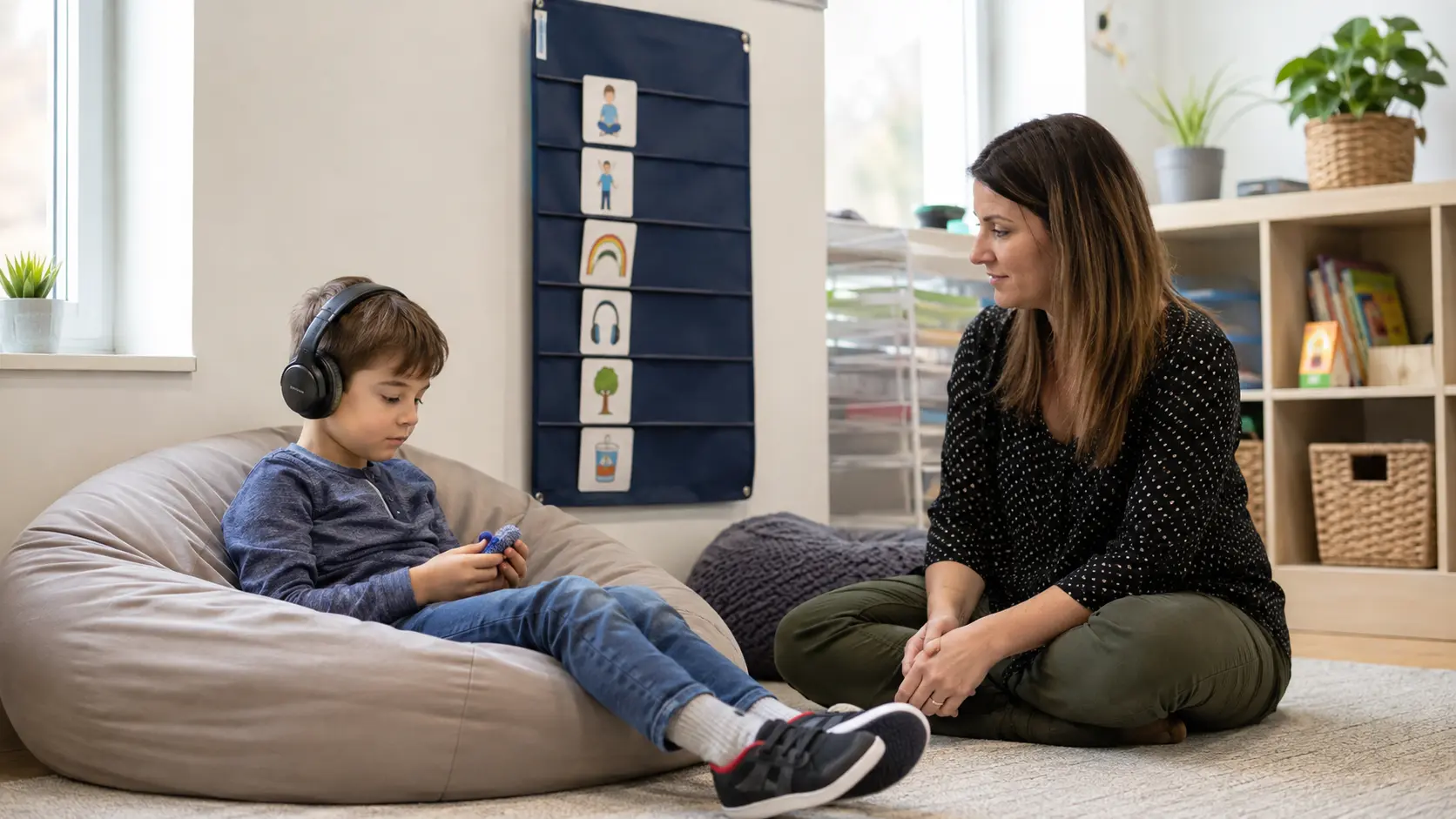
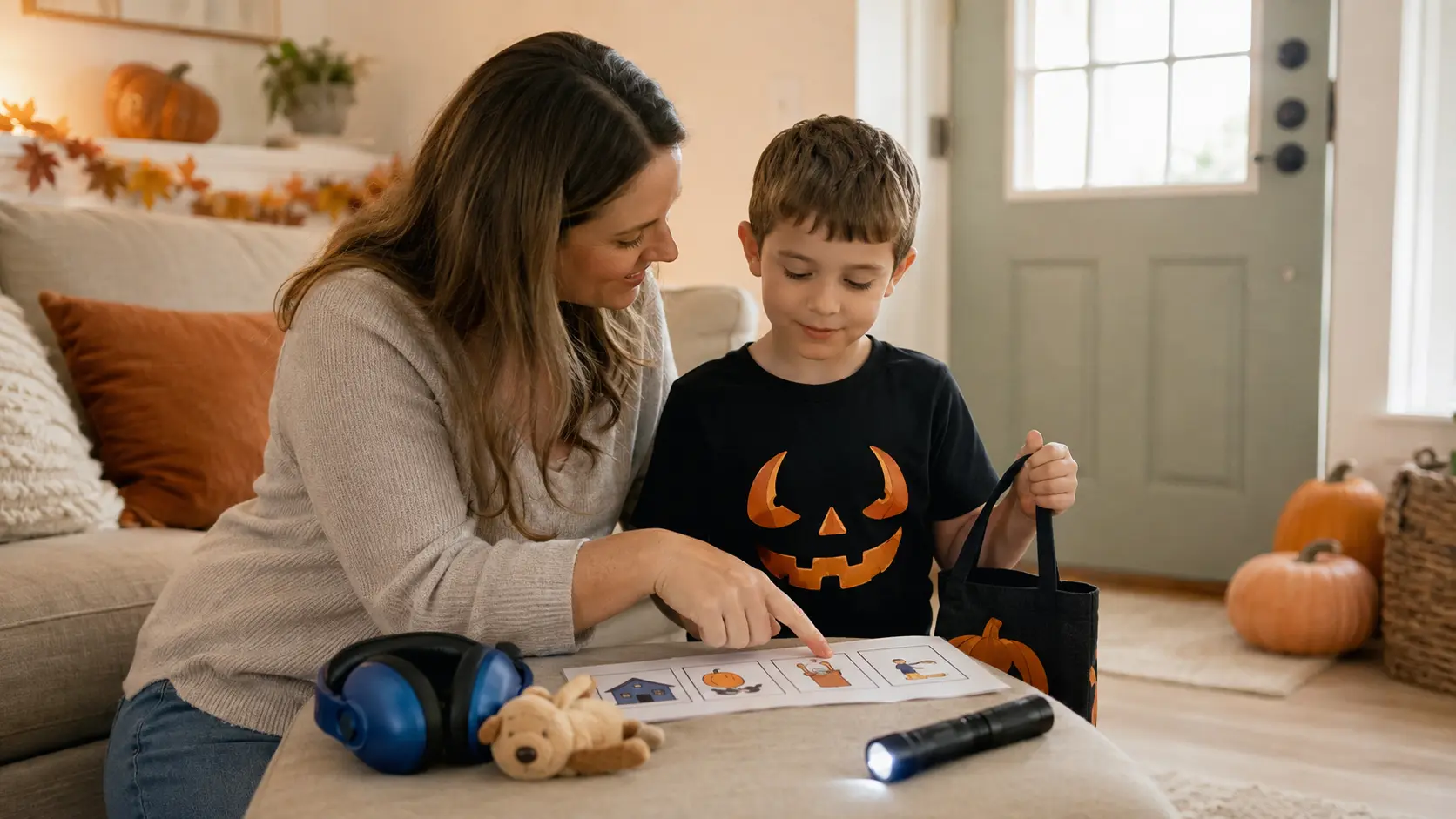
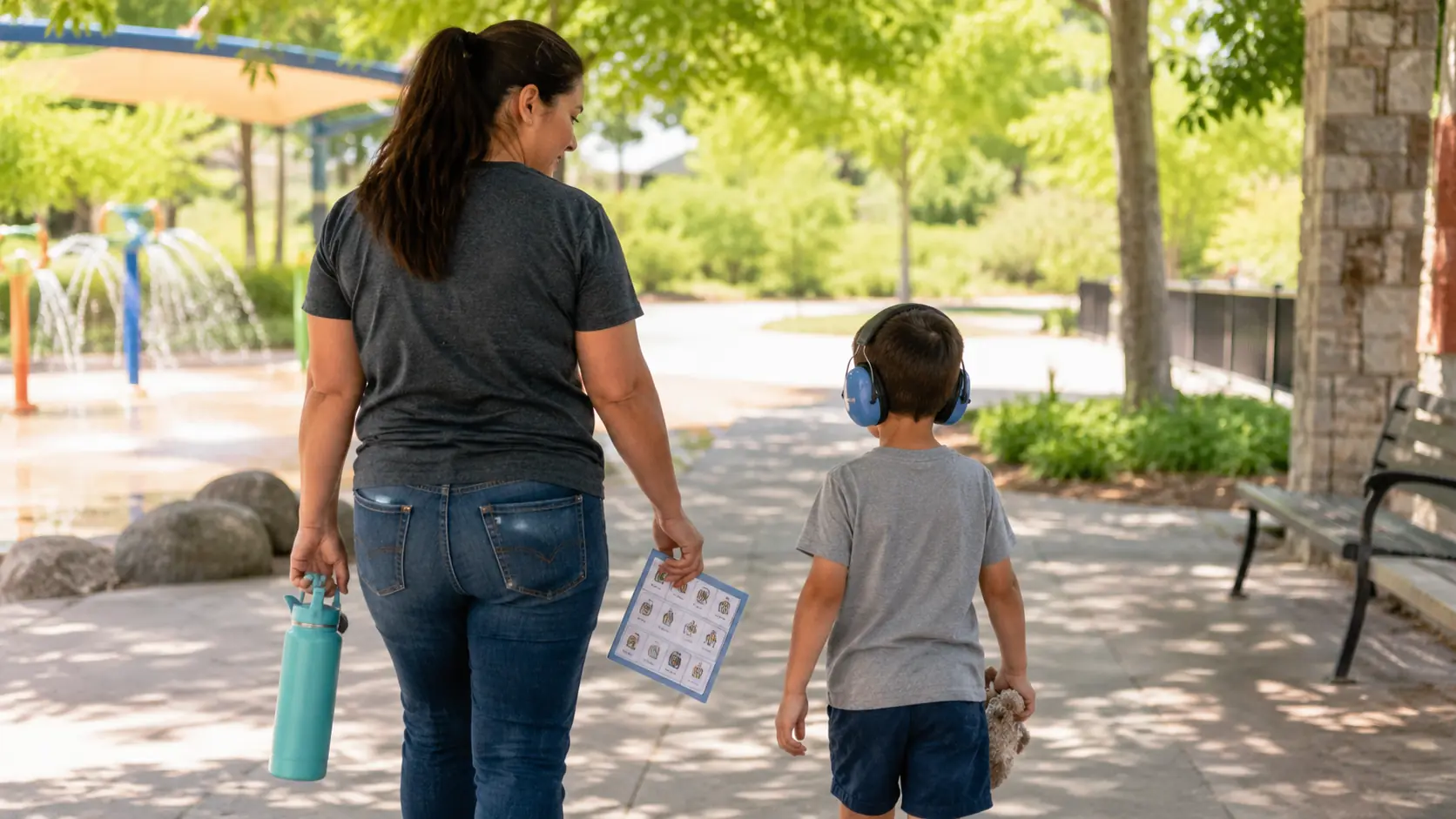
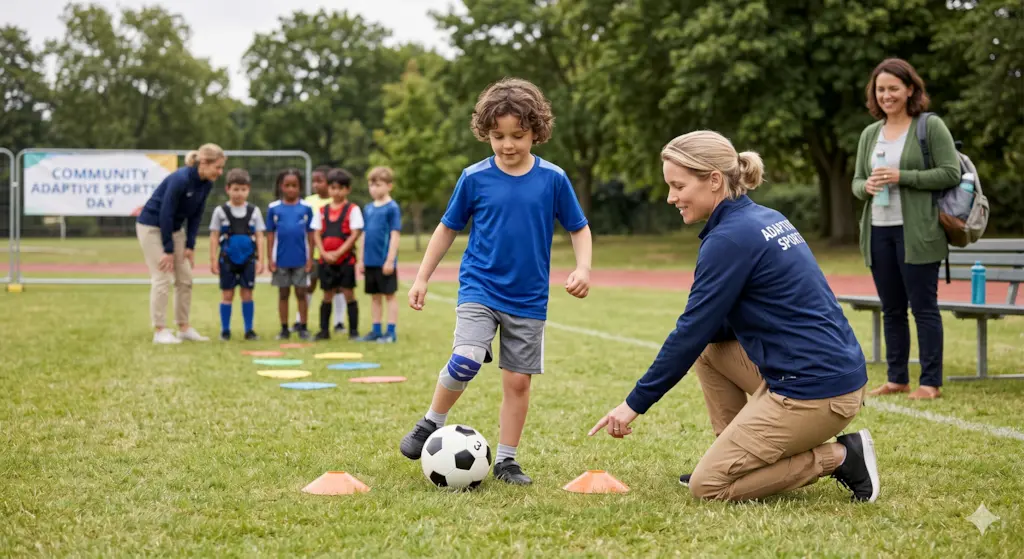
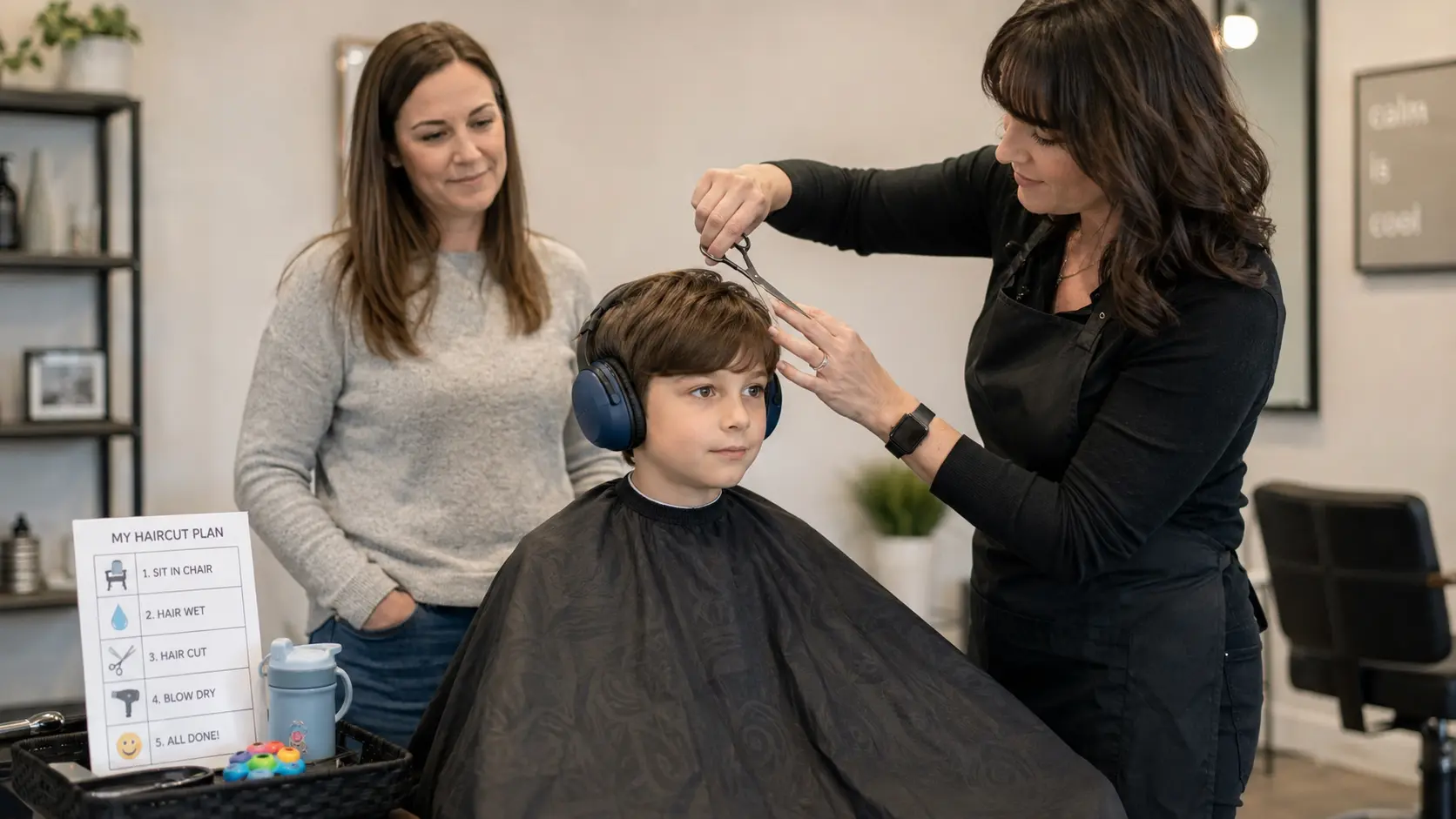
Outings can be overwhelming because they are unpredictable. Parent training can help caregivers plan for sensory load, define realistic expectations, and support success in smaller steps.
Caregiver Support Matters Too
Raising a child with higher support needs can be demanding. Parent training is not therapy for the caregiver, but it can reduce some of the uncertainty that makes daily life feel harder.
When caregivers better understand what a child is working on and how to respond during difficult moments, everyday routines often feel more manageable. That does not mean everything becomes easy, but it does make things more manageable.”
How AtlasCare ABA Supports Parent Training
At AtlasCare ABA, parent training is presented as one of the core service lines alongside in-home ABA therapy and school/daycare support. AtlasCare describes parent training as one-on-one BCBA sessions that help caregivers support development and handle daily challenges with more confidence. The company’s services page currently lists locations in Delaware, Iowa, Missouri, North Carolina, and New Mexico.
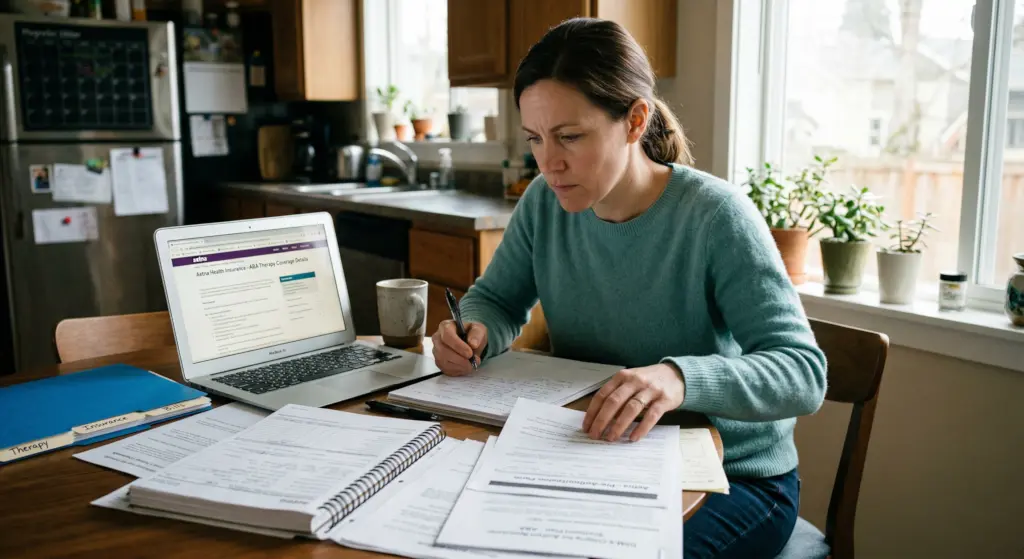
For families comparing providers, parent training is an important question to ask. You want to know whether caregiver coaching is practical, individualized, and tied to your child’s real goals — not treated as an afterthought.






.webp)
.webp)
.webp)
.webp)
.webp)




.jpg)
.webp)

.webp)
.webp)




%20During%20Play%20in%20the%20Home.webp)