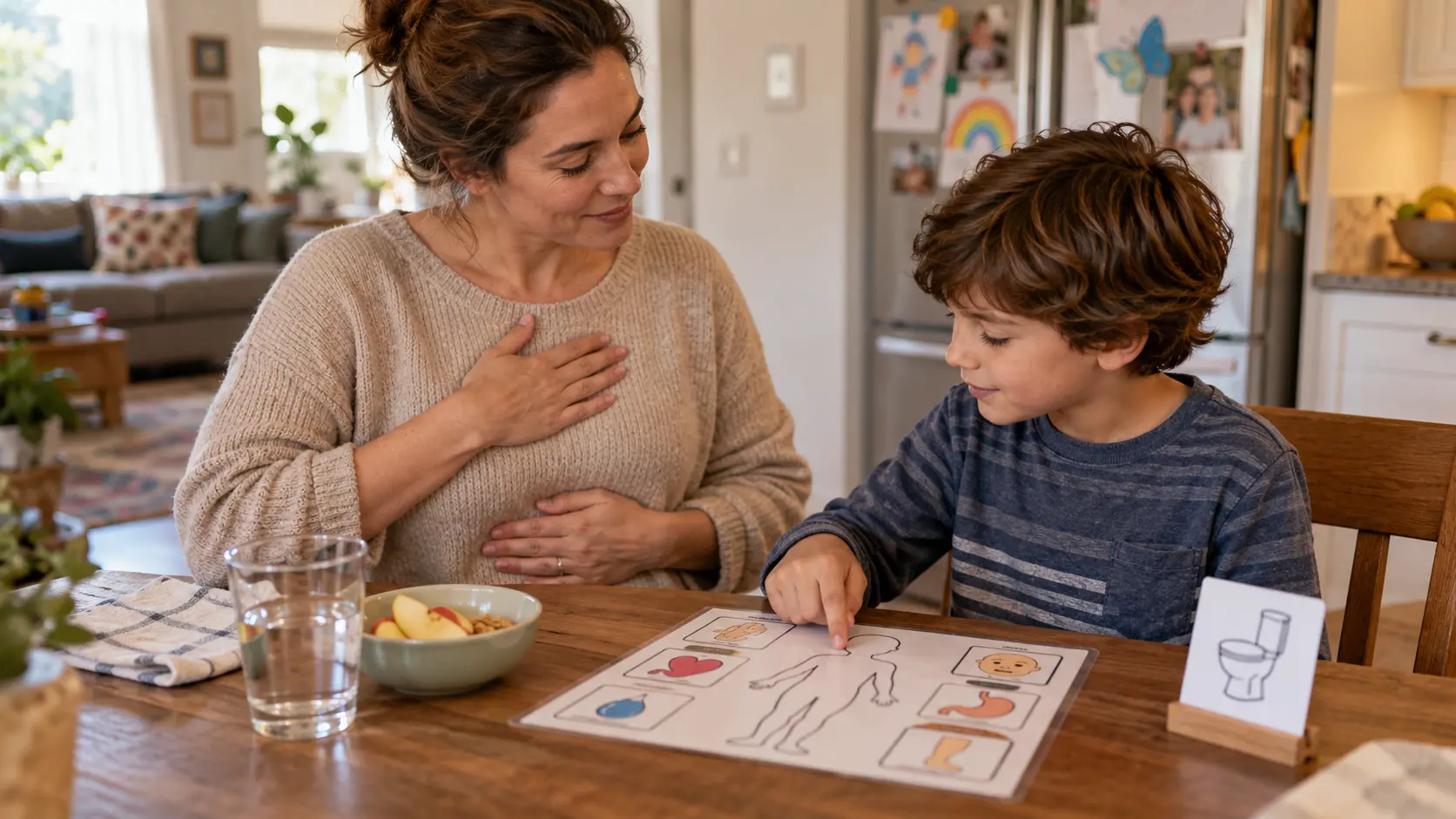
You may notice your child chewing paper, picking at foam from furniture, swallowing a crayon, or eating dirt from outside. These situations can leave parents unsure about what they are seeing, how serious it may be, and what to do next.
Pica involves repeatedly eating or swallowing items that are not food. When pica and autism occur together, safety is an important concern because some objects or substances can cause choking, poisoning, intestinal blockage, dental injury, or other medical complications.
Understanding what your child is ingesting, how often it happens, and whether any symptoms are present can help families know what to track, when to contact a healthcare professional, and when urgent medical attention may be needed.
What Pica Means and How It Differs From Selective Eating
Pica generally refers to persistent eating or swallowing of non-food substances such as dirt, paper, hair, clay, fabric, paint chips, foam, or chalk. This is different from the brief mouthing or tasting of objects that can occur during normal early childhood exploration.
Pica is reported more often in autistic children and some other children with developmental disabilities. However, it can also occur in non-autistic children, and pica by itself does not mean a child is autistic. Repeated ingestion of non-food items should be discussed with a qualified healthcare professional.
Pica Is Different From Selective Eating
These concerns involve different behaviors:
- Pica: eating or swallowing items that are not food.
- Selective eating or food aversion: avoiding or limiting certain foods because of factors such as taste, texture, smell, or preference.
Because the causes and risks can differ, pica and selective eating should be evaluated separately.
If you are unsure whether your child’s behavior may be pica, discuss what you are seeing with their pediatrician or another qualified clinician.
When to Seek Urgent or Routine Medical Help
Not every pica-related situation carries the same level of risk. Some ingestions can cause serious harm even before symptoms appear, so knowing when to seek urgent help is important.
Do Not Wait for Symptoms After Certain Ingestions
Button batteries and magnets can cause serious internal injury even when a child initially appears well. If you suspect your child swallowed either, seek urgent medical guidance or emergency evaluation right away.
If you are unsure how serious an ingestion may be, contact emergency services, Poison Control, or your child’s healthcare provider rather than waiting for symptoms to develop.
What Families Can Record for the Care Team
A simple record can help the care team understand what is happening, how often it occurs, and what risks may be involved. Because pica may not be observed during an appointment, details from home or school can be especially useful.
When an incident occurs or is suspected, try to record:
Observation Checklist
- What item or substance was mouthed, chewed, or swallowed?
- How much may have been swallowed, if known?
- When and where did it happen?
- What was happening immediately beforehand?
- How often has it occurred, and is the pattern changing?
- Where does the child usually access the item?
- Were there symptoms afterward, such as pain, vomiting, coughing, constipation, or unusual tiredness?
- What did the caregiver or school team do afterward?
- Have there been recent changes in appetite, bowel habits, sleep, medications, supplements, routines, or general health?
When safe and practical, a photo of the item, label, or packaging may also help the medical team identify what was involved.
Assessment of Health, Environment, and Behavior
Pica is best understood by looking at the situation from several angles. Medical, environmental, and behavioral factors can all play a role, so a coordinated assessment can help build a clearer picture.
Medical and Health Factors
A healthcare professional may consider factors such as:
- Nutritional status and possible deficiencies, including iron or zinc
- Exposure to lead or other harmful substances
- Gastrointestinal problems or complications
- Other health concerns related to what has been ingested
The exact evaluation will depend on the child’s history and the substances involved.
Supplements should not be started without guidance from the child’s healthcare provider.
Environmental Safety
Reducing access to potentially dangerous items is an important safety step. Families and school teams may need to review access to:
- Button batteries
- Small magnets or coins
- Paint chips
- Cleaning products or medications
- Sharp objects
- Other items the child has tried to chew or swallow
Safety changes should be based on the specific items the child tends to seek out.
Behavioral and Communication Context
It can also help to look at when and where the behavior happens, what occurs beforehand, and what follows it. Communication needs, sensory factors, and patterns of access may all be relevant.
Because the reasons behind pica can vary from child to child, these patterns should not be interpreted too quickly. A qualified behavior analyst can help examine them as part of a broader, coordinated care plan.
How Coordinated Support May Be Planned
Pica often requires support from more than one professional. A coordinated plan can bring together medical care, environmental safety, communication support, and behavioral assessment.
Depending on the child’s needs, the team may include:
- Pediatrician or medical specialist: to assess health risks, possible contributing factors, and follow-up needs.
- Dietitian: when nutritional concerns are identified.
- Occupational therapist: when sensory, functional, or daily-living concerns are relevant to the broader assessment.
- BCBA or ABA team: to assess behavior patterns, communication needs, environmental access, and skill-building strategies.
Medical and immediate safety concerns should be addressed first.
ABA can support the behavioral and environmental parts of a pica plan, but it does not replace medical evaluation or treat nutritional deficiencies, toxic exposure, or gastrointestinal complications.
If pica occurs alongside self-injurious behavior, families may also benefit from coordinated safety planning across both concerns.
Questions to Ask at a Follow-Up Appointment
Bringing a short list of questions can help families make the most of follow-up appointments and understand the next steps more clearly.
You may want to ask:
- What medical evaluation is appropriate based on what my child has ingested and how often it happens?
- Which items or substances would require emergency care if swallowed?
- What symptoms should prompt urgent medical attention?
- Could my child have lead exposure or a nutritional deficiency, and how would this be assessed?
- What information should we continue tracking at home or school?
- Which professionals should be involved in the support plan?
- What practical steps can we take to make the home and school environment safer?
These questions are a starting point. Your child’s care team may recommend additional priorities based on their history, symptoms, and assessment findings.
Moving Toward a Safer, Coordinated Plan
Persistent non-food ingestion deserves careful attention. The right response depends on what was ingested, how often it happens, and whether there are any medical or safety concerns.
Families can help by tracking patterns at home and school and sharing those observations with the care team. Clear information about what happened, when it occurred, and what happened before and after can support better assessment and planning.
When pica is creating safety concerns or affecting daily routines, the goal is a coordinated plan tailored to the child’s individual needs.
Support That Fits Your Child’s Needs
AtlasCare ABA can work with families and other members of the care team on individualized behavior, communication, and environmental support strategies.
Contact AtlasCare ABA to learn more about services available in your area.