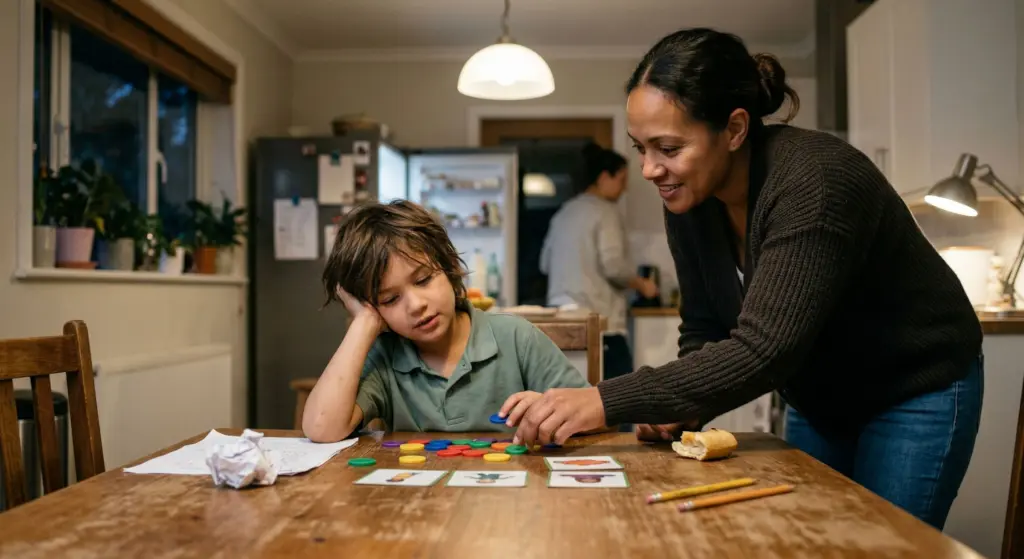
You may notice that your child waits until the last moment to use the bathroom, asks for water only when they are very thirsty, or says, “My tummy feels weird” without being able to explain what feels wrong.
These everyday moments can involve interoception — the process of noticing and making sense of signals coming from inside the body. These signals include hunger, thirst, tiredness, pain, temperature, a racing heartbeat, and the need to use the bathroom.
Autistic children may notice, interpret, or communicate internal body signals in different ways. These experiences can vary considerably from one child to another.
What Interoception Means in Everyday Family Life
Interoception is the ability to notice and understand signals from inside the body, such as:
- Hunger or thirst
- Feeling hot or cold
- Tiredness
- Pain or discomfort
- Changes in heartbeat or breathing
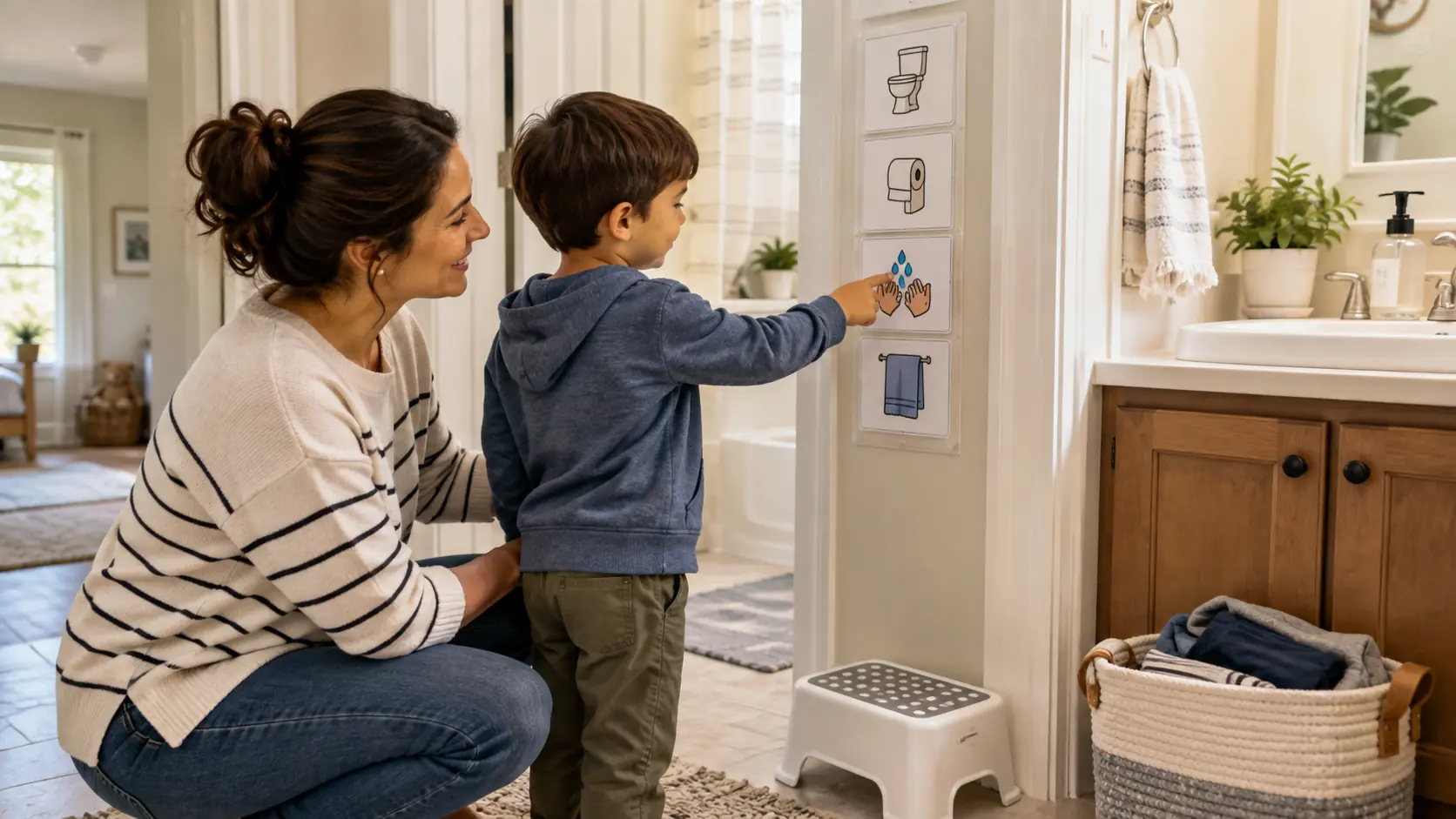
- The need to use the bathroom
These signals help guide everyday actions, such as getting a drink, taking a break, asking for help, or using the bathroom.
For some autistic children, body signals may be noticed later, felt differently, or be harder to describe. This can create a gap between feeling a sensation, understanding it, and communicating what is needed.
Support may include simple words, visuals, or communication tools that help the child notice and express these sensations more easily.
Body Signals Can Be Noticed and Described Differently
There is no single pattern of interoception in autism. A child may notice some sensations clearly but others less consistently, or may recognize a sensation without knowing how to describe or communicate it.
The examples below simply show some ways internal body signals may be noticed or communicated.
It is important not to assume that a particular behavior always means a specific body sensation. For example, “my tummy feels funny” could refer to hunger, nausea, discomfort, anxiety, or something else entirely.
A helpful starting point is to stay curious about what the child may be experiencing while giving them ways to describe or communicate those sensations. New, persistent, or concerning physical symptoms should also be evaluated by an appropriate healthcare professional rather than assumed to be related to interoception.
Helping a Child Communicate an Internal Sensation
Helping a child communicate what they are feeling inside does not require speech. The best method is the one that fits the child’s existing communication style and feels accessible to them.
Useful options may include:
- Words or speech: simple terms such as “thirsty,” “tired,” “hurts,” or “hot.”
- Gestures and pointing: pointing to a body area, cup, bed, or bathroom.
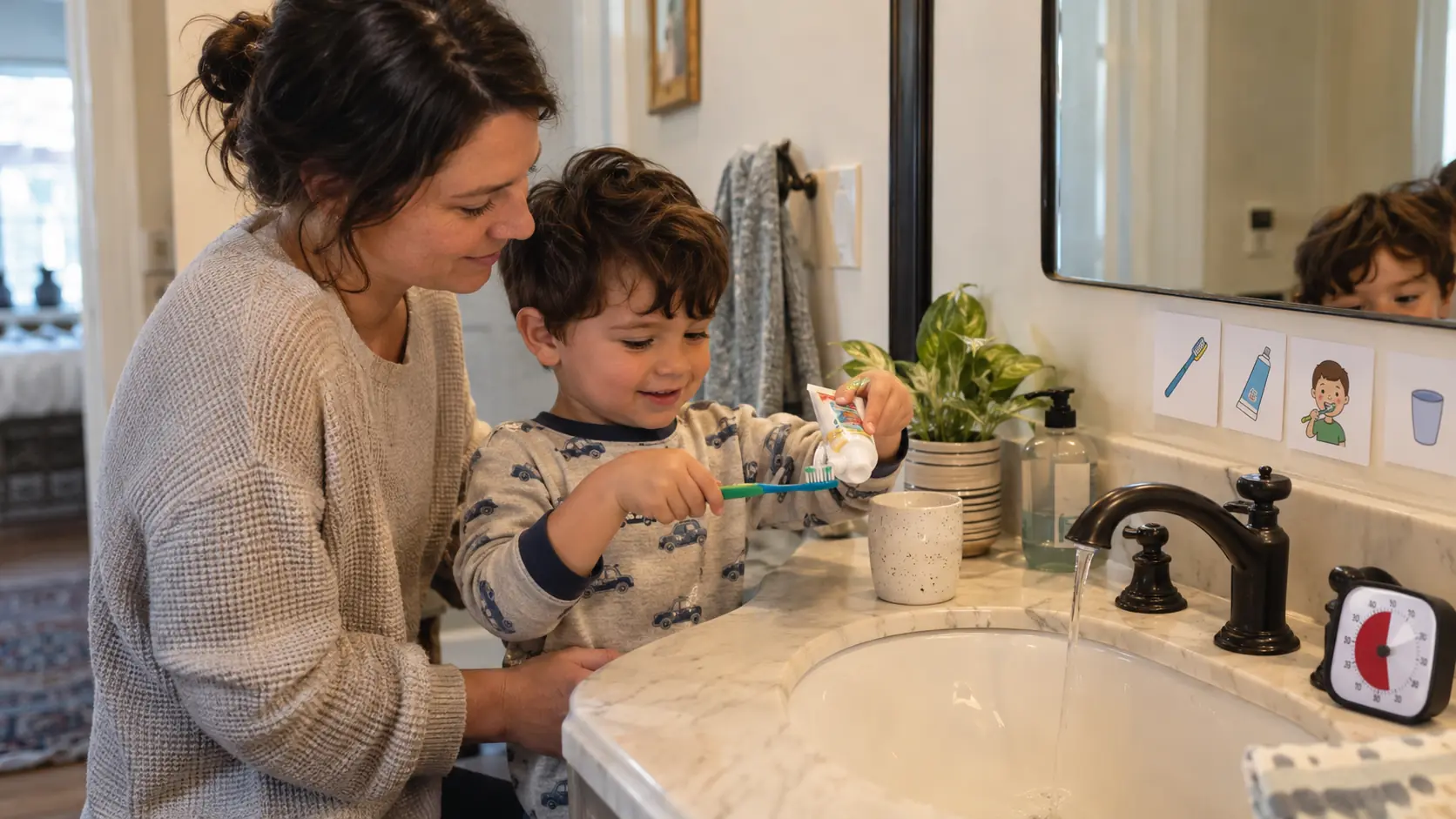
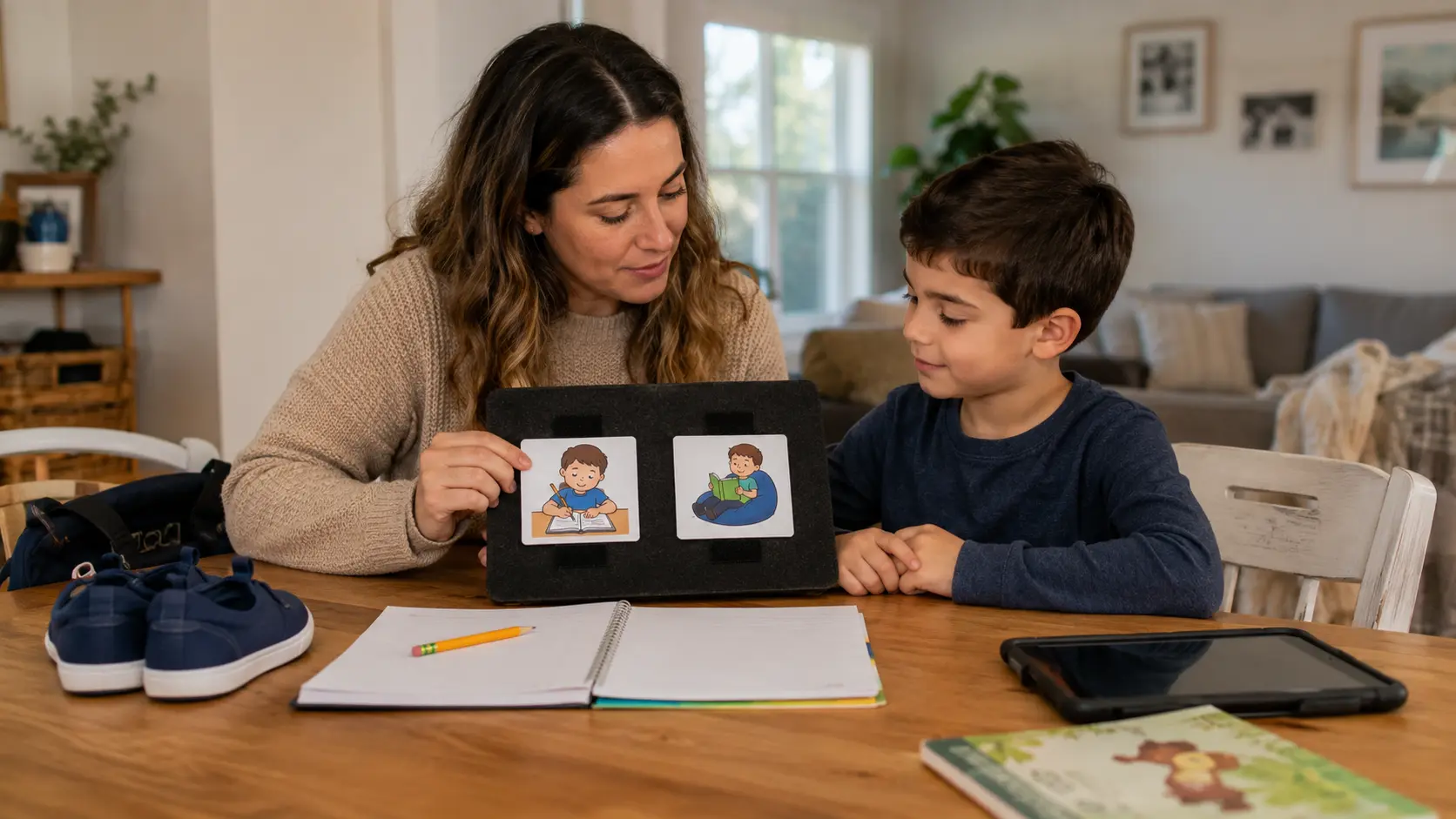
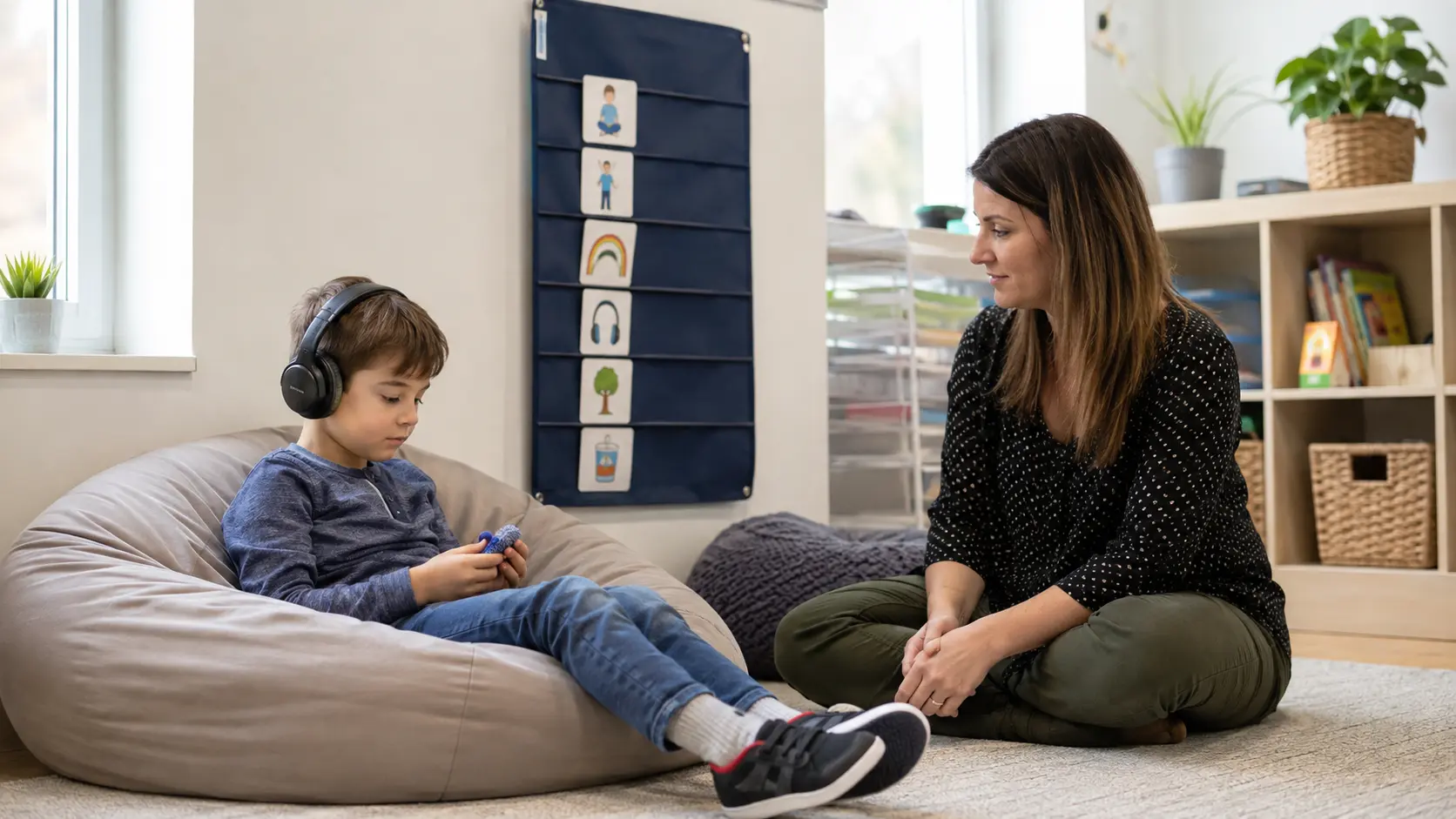
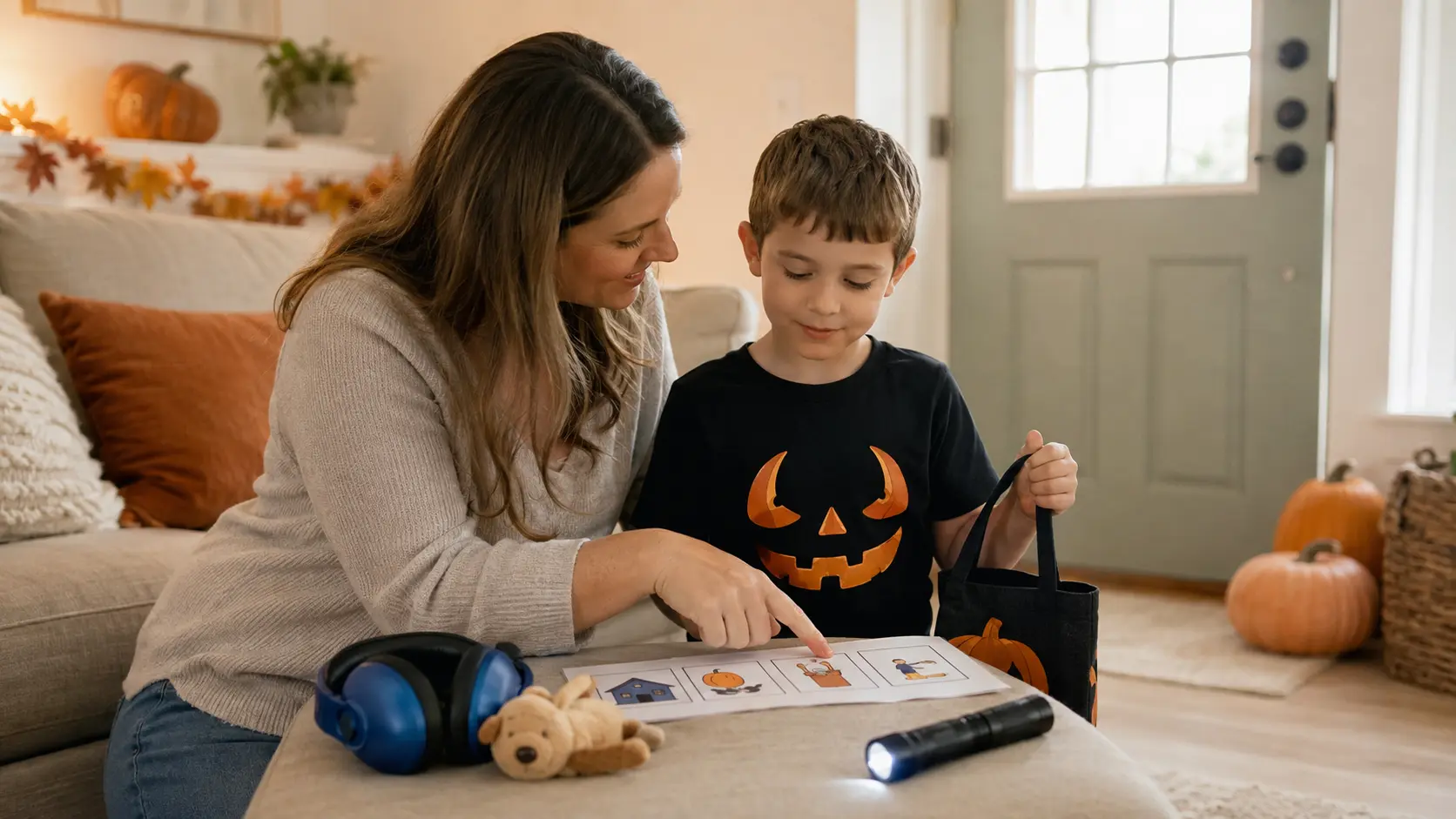
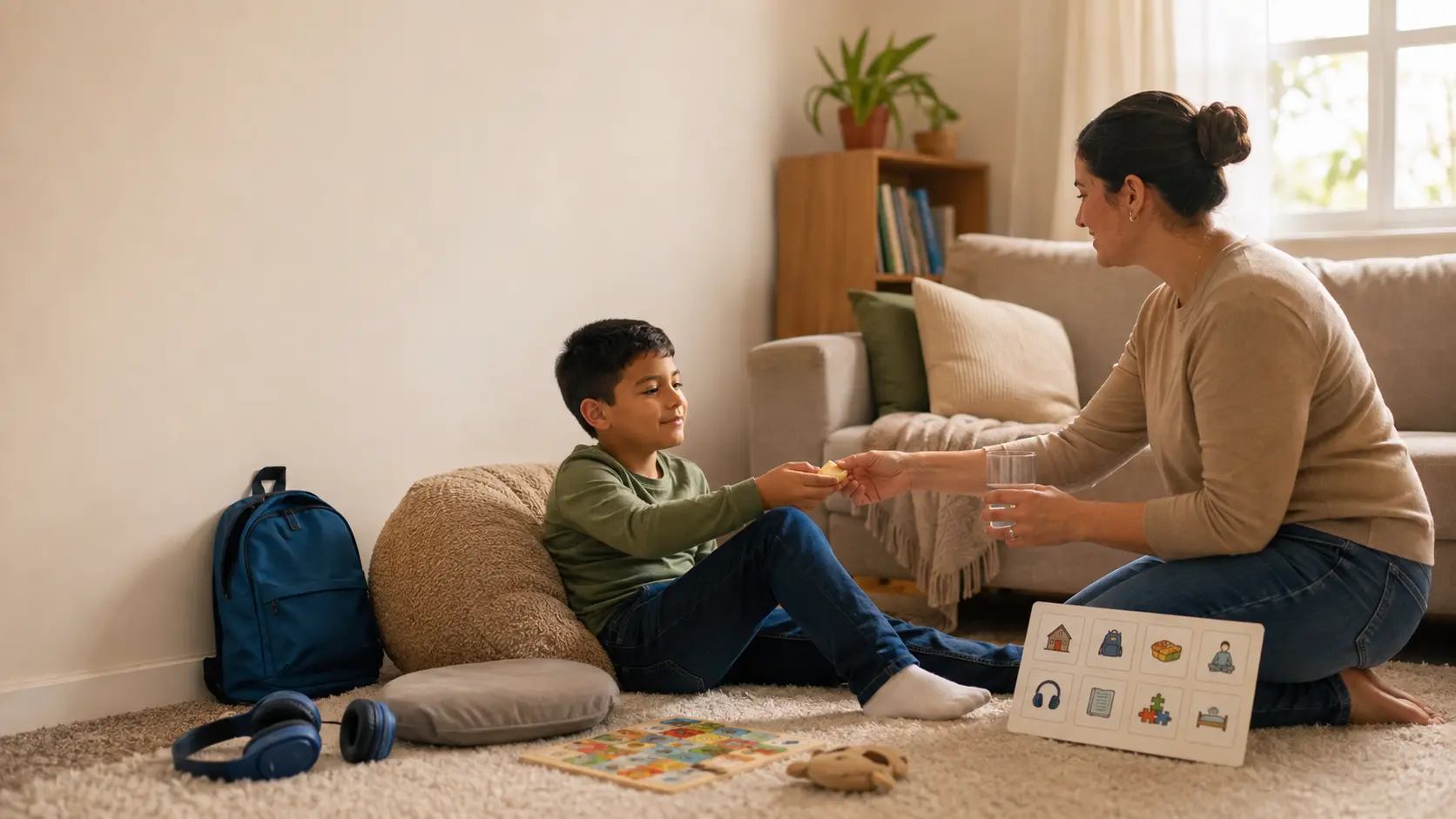
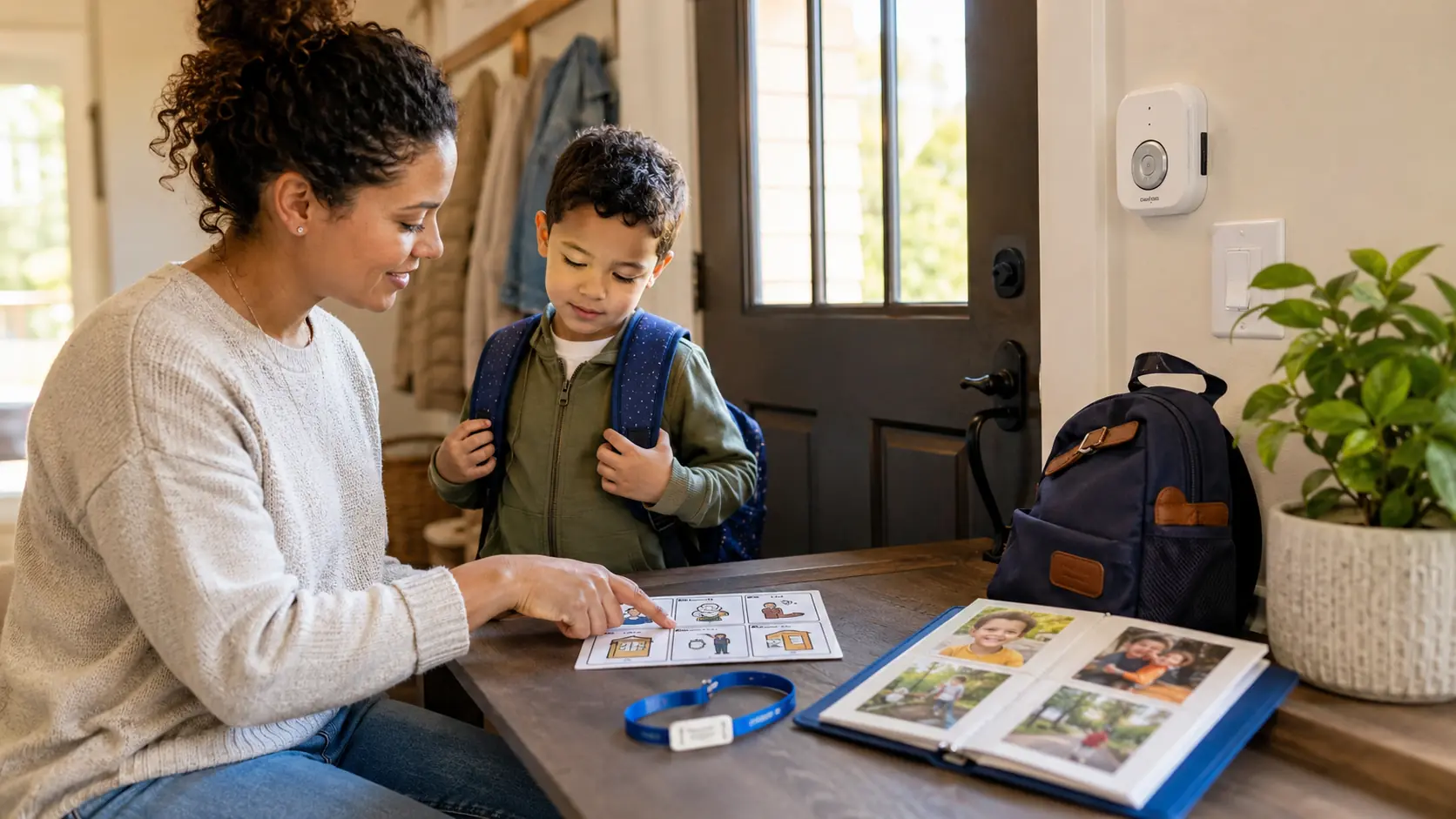
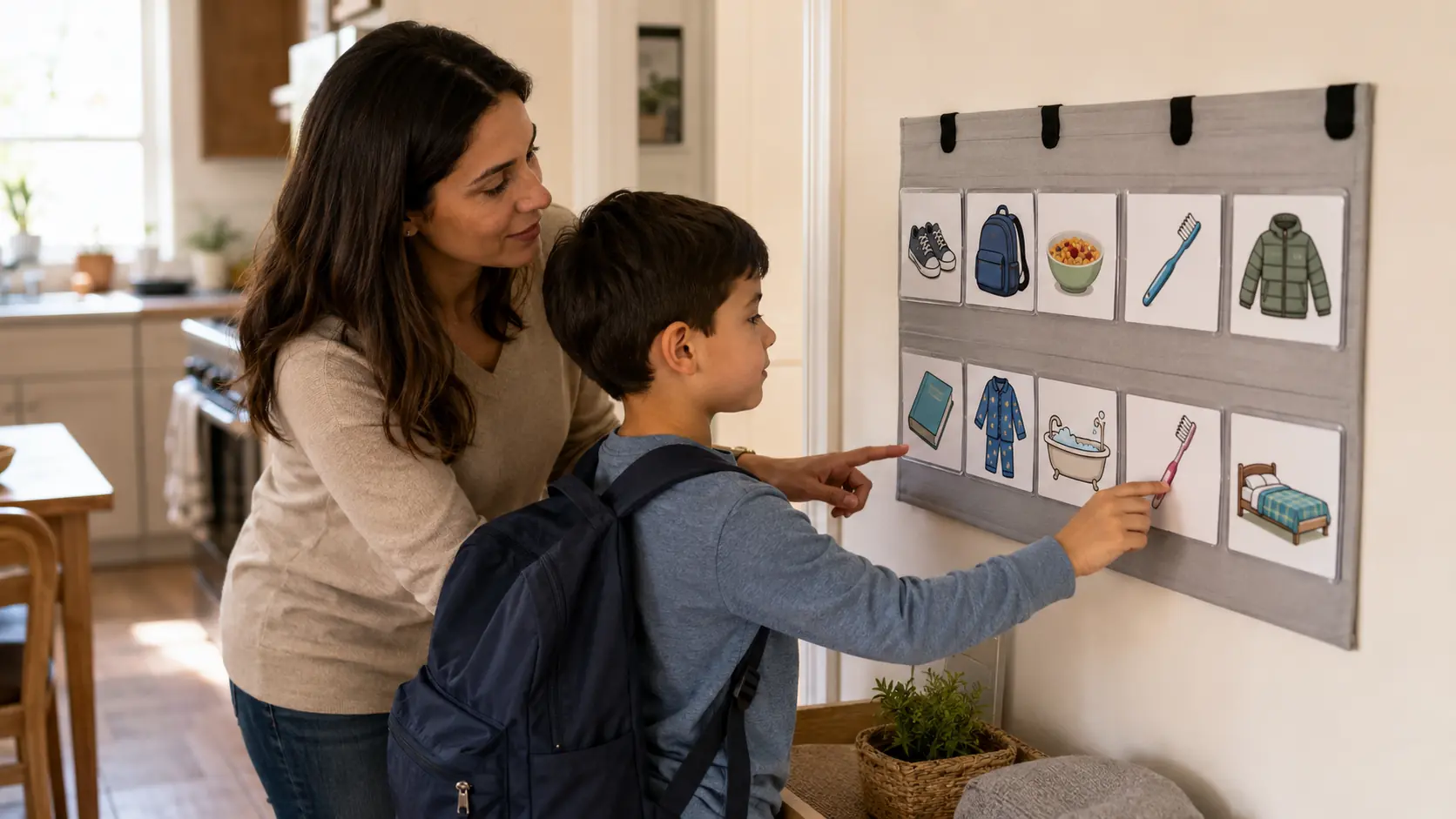
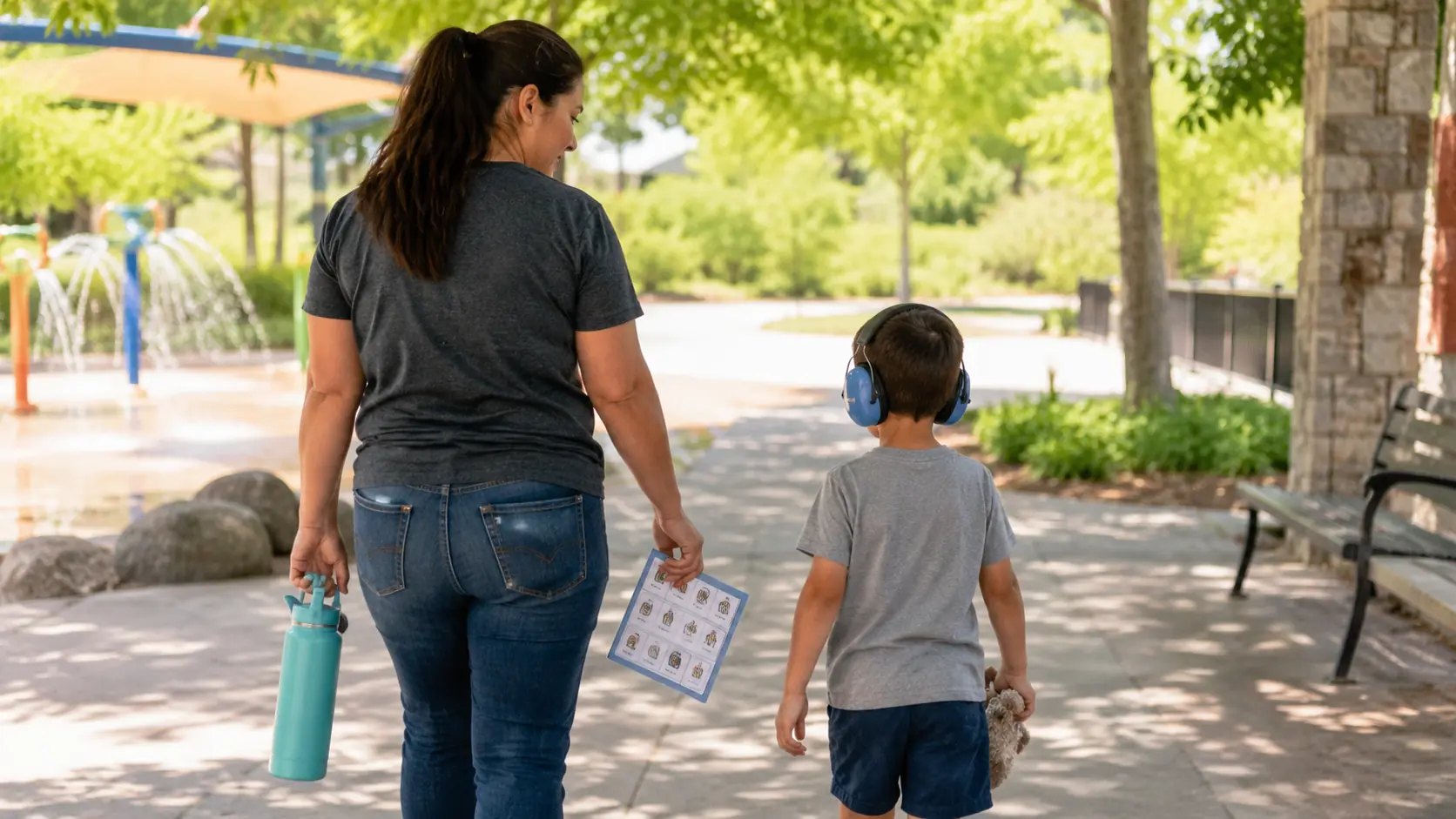
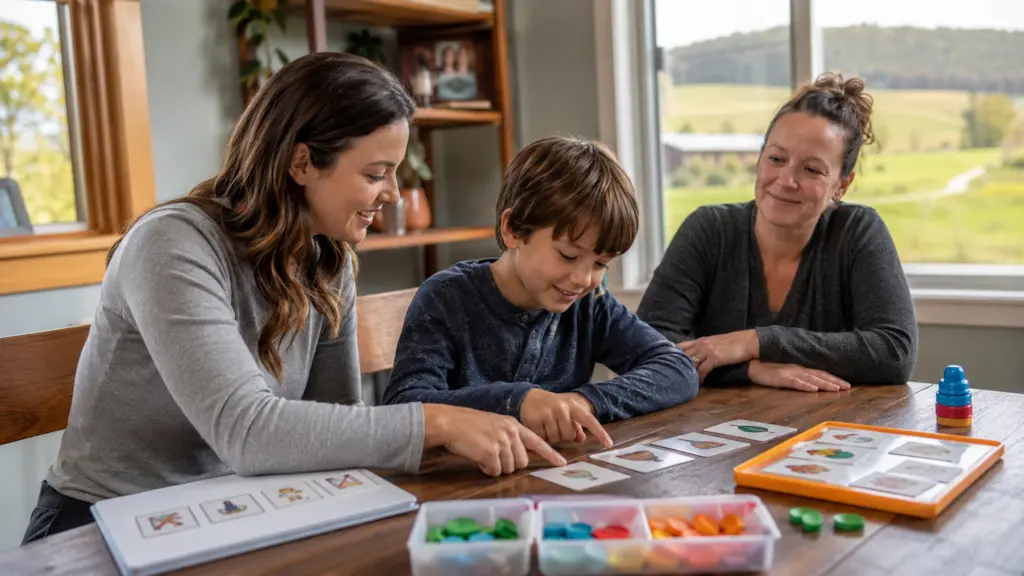
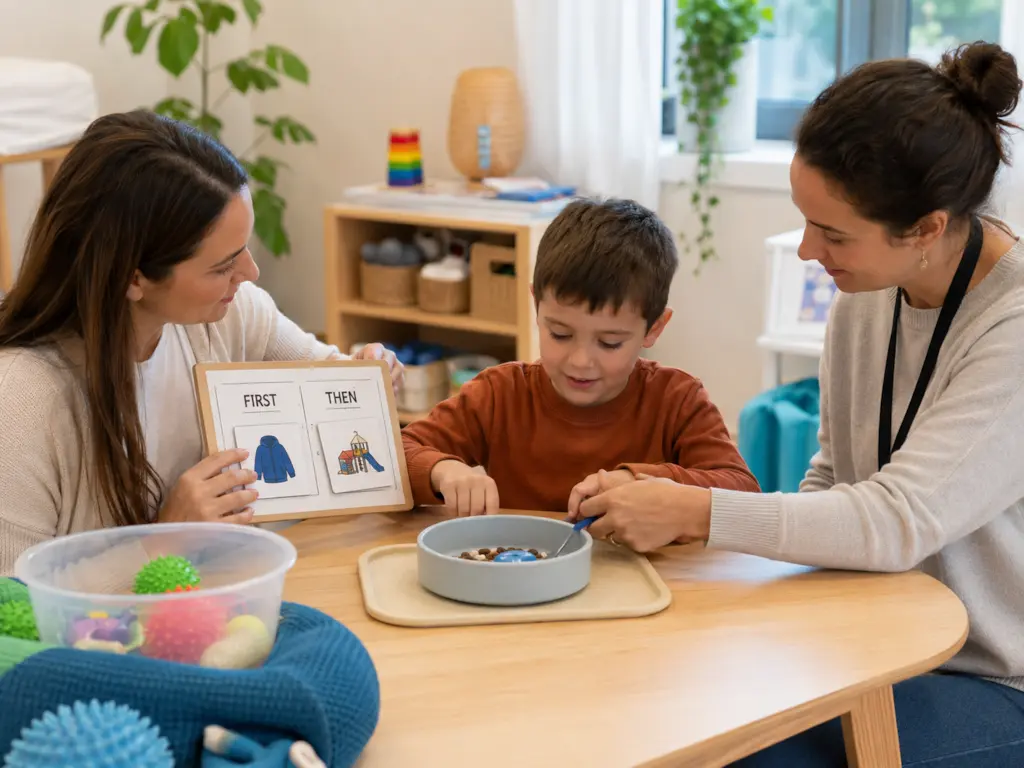
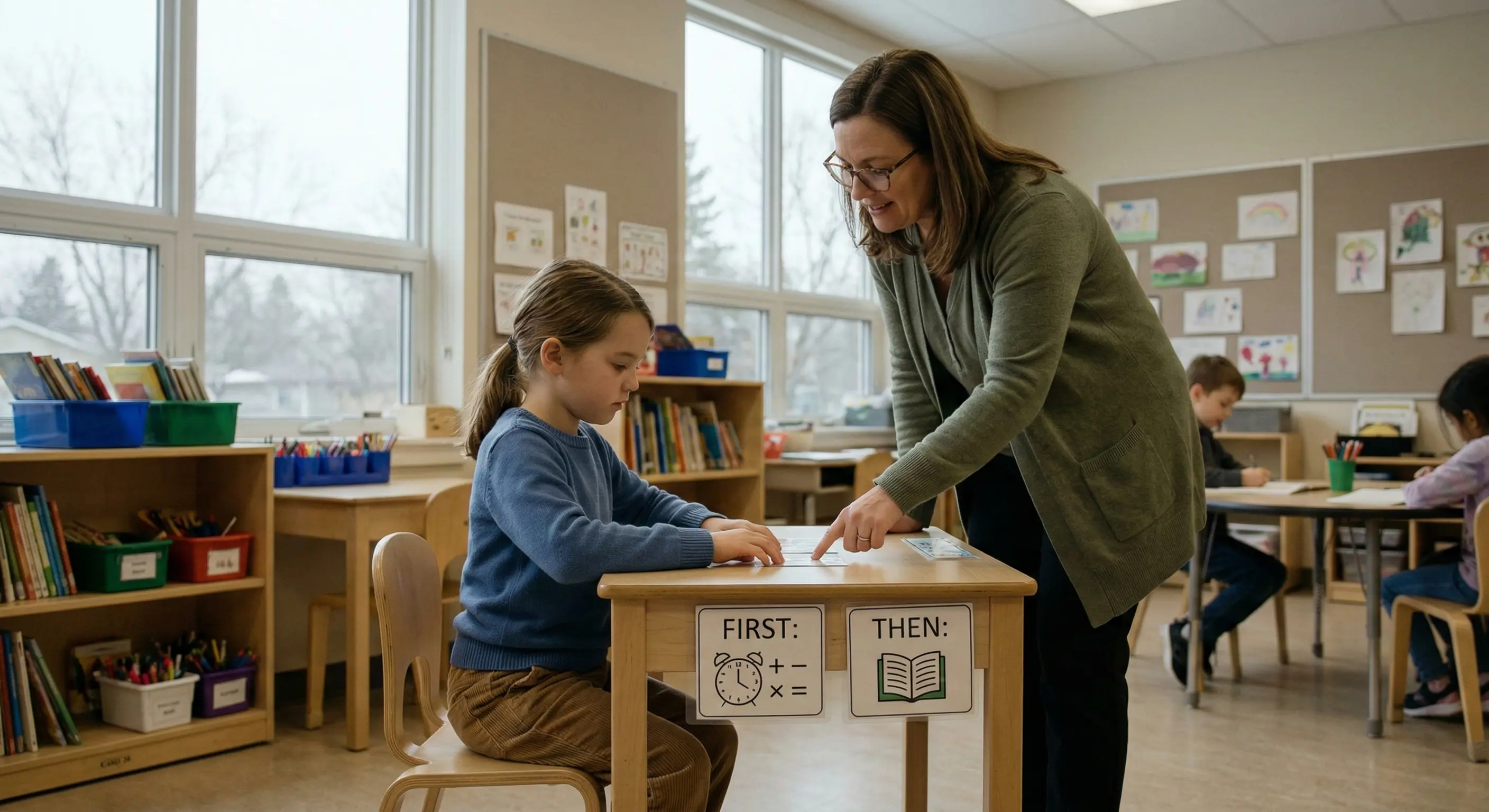
- Pictures or icons: visual cards for needs such as hungry, thirsty, tired, pain, or bathroom.
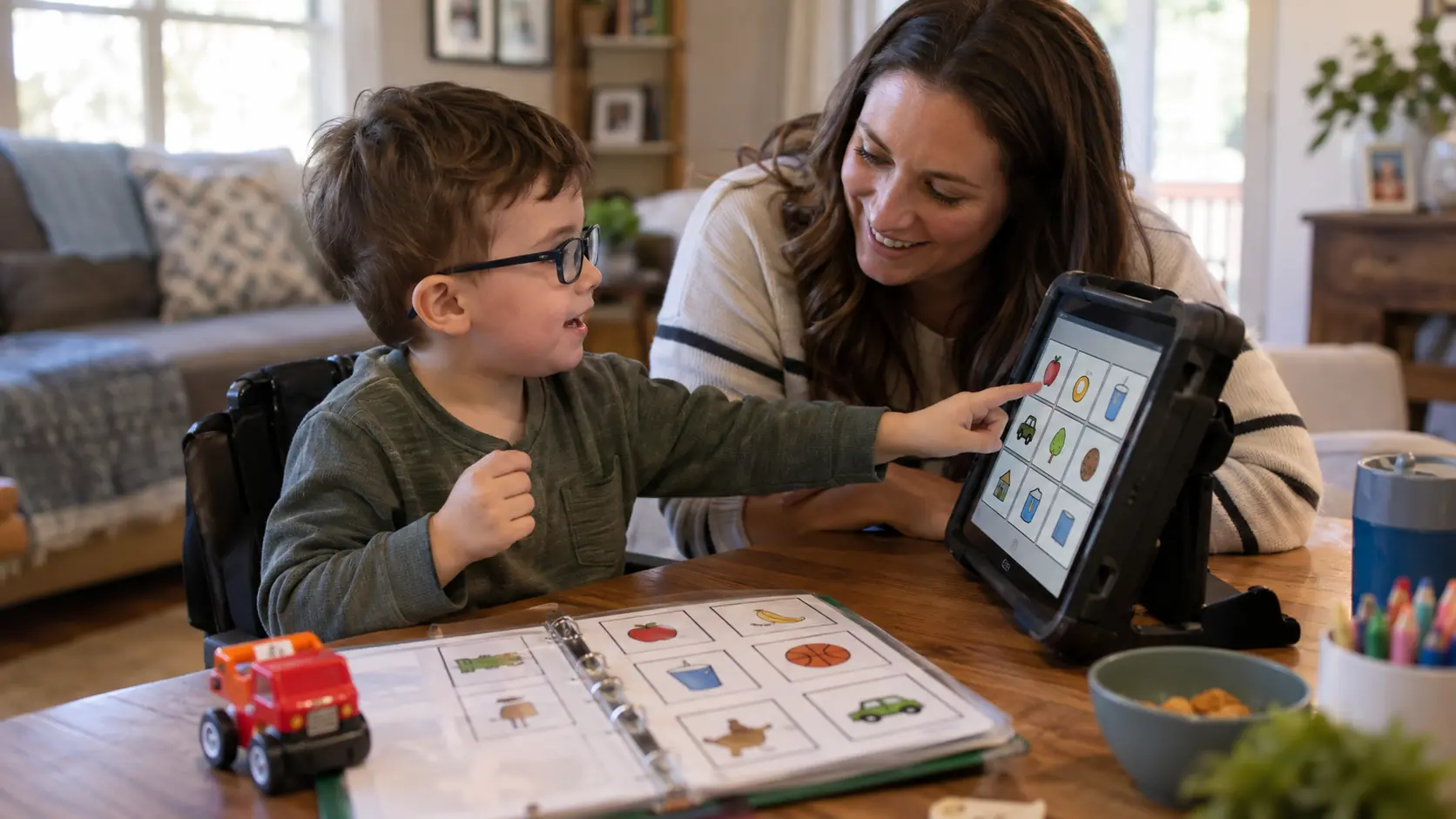
- AAC: using existing buttons or vocabulary for body sensations and daily needs.
- Body maps: pointing to where something feels uncomfortable or different.
- Simple rating scales: showing how strong a sensation feels.
Adults can also model this language naturally. For example, saying, “My mouth feels dry, so I’m getting some water,” shows how a body sensation can connect to an action without putting pressure on the child to respond.
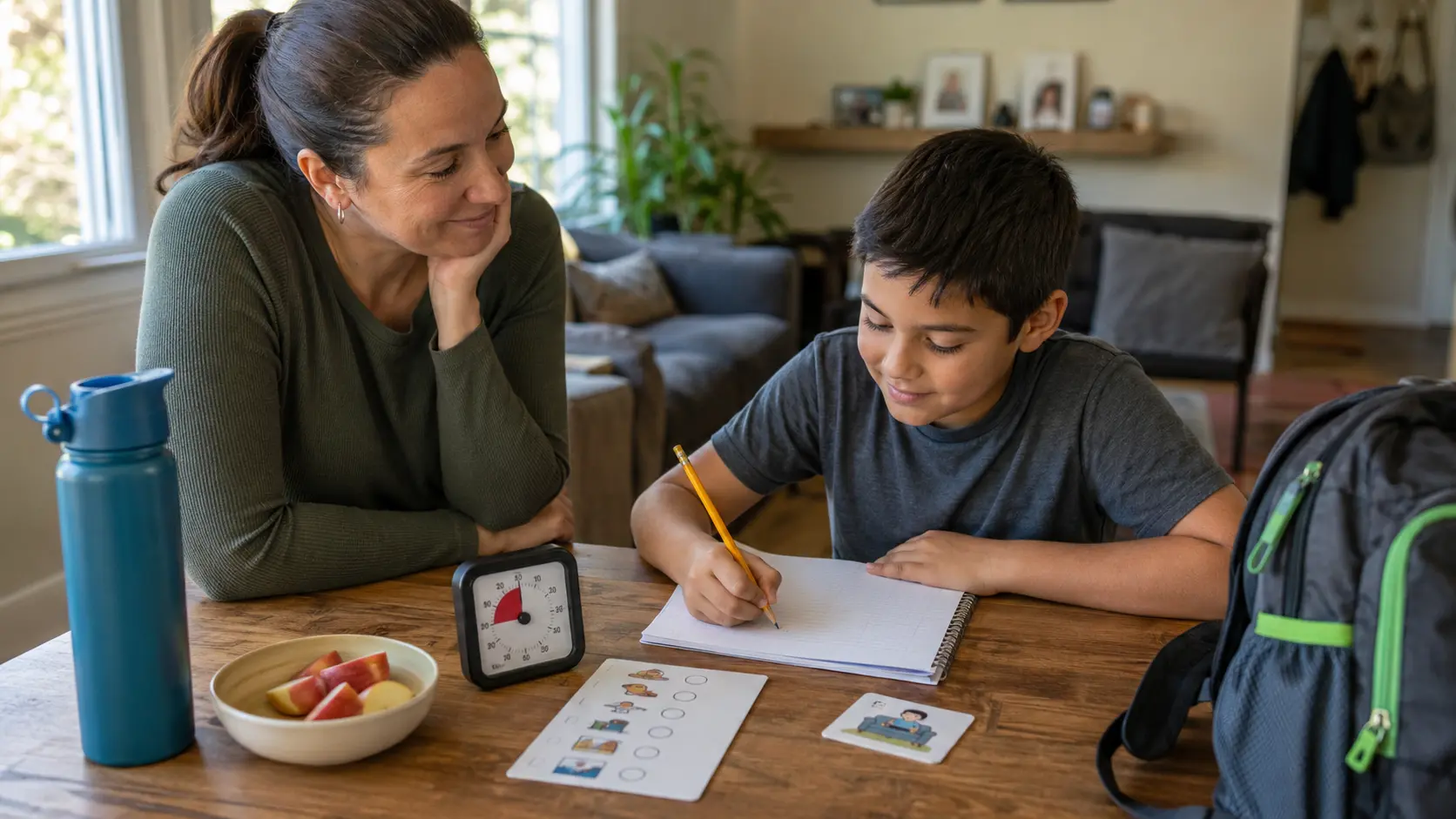
It can also help to allow extra processing time. Some children may need a few moments to connect a sensation with a word, picture, or symbol.
For more guidance on communicating needs such as asking for help or requesting a break, families can also refer to AtlasCare ABA’s guide to functional communication in ABA.
Families using communication devices can also learn more about AAC devices and autism.
Optional Body-Awareness Activities for Children
Body-awareness activities can be simple, low-pressure, and part of everyday routines. These activities can offer opportunities to connect physical sensations with words, pictures, or gestures — without turning the experience into a test.
Some interoception activities for kids may include:
- Notice heartbeat or breathing: After running, jumping, or another activity, comment on a fast heartbeat or heavier breathing.
- Explore temperature: Use everyday moments such as a cold drink or warm hands to name sensations like “cold” or “warm.”
- Use a visual body check-in: Offer simple choices such as hungry, thirsty, tired, bathroom, or hurts using pictures or icons.
- Try a body map: Let the child point to where something feels different or uncomfortable.
- Pair sensations with routines: Connect natural moments with words, such as noticing hunger before meals or tiredness after activity.
These activities should remain optional and comfortable. There is no need to create discomfort or require a particular response for the activity to be useful.
When Medical or Occupational Therapy Input May Help
Body-awareness activities and communication supports can be helpful, but they are not a substitute for medical care or individualized professional guidance.
When to Speak With a Medical Professional
New, persistent, severe, or unexplained symptoms — such as frequent stomach pain, headaches, major changes in eating or sleeping, or other physical concerns — should be discussed with a pediatrician or appropriate medical specialist.
Interoception differences should not be used to explain away physical symptoms that may need medical evaluation.
When Occupational Therapy May Help
Families may consider consulting an occupational therapist (OT) when concerns about body awareness, sensory processing, or daily routines are affecting a child’s participation in self-care, school, or everyday activities.
An OT can help families identify strategies that fit the child’s individual needs and existing strengths.
ABA services may also support communication, routines, and skill-building alongside OT or other professionals. When multiple providers are involved, support should be individualized and coordinated around the child’s needs.
How This Connects with Toileting and Communication Support
Interoception is only one part of the process. Noticing a body signal, communicating the need, and completing the related routine are separate skills.
For example, a child may recognize the need to use the bathroom but still need help communicating it in a new setting. Another child may communicate the need clearly but still need support with parts of the routine.
Because these skills do not always develop together, support may need to focus on one area at a time.
For more detailed guidance, see AtlasCare ABA’s articles on autism toilet training readiness and functional communication training in ABA, which cover those topics in greater depth.
Supporting Body Awareness, One Small Step at a Time
Body signals can be noticed and communicated in many different ways. The goal is not to make a child identify sensations on demand, but to make it easier for them to notice and communicate what their body may be telling them.
Small, consistent supports can help, such as:
- Modeling simple sensation words during everyday routines
- Offering flexible communication options
- Using brief body check-ins in familiar situations
- Keeping the process low-pressure and individualized
Over time, noticing patterns can help families understand where a child communicates comfortably and where additional support may be useful.
Wondering How to Support Your Child’s Daily Communication and Routines?
If your child has difficulty communicating needs during everyday routines, AtlasCare ABA can help families explore individualized communication and skill-building supports.
Contact the AtlasCare ABA team to learn more about services available in your area.