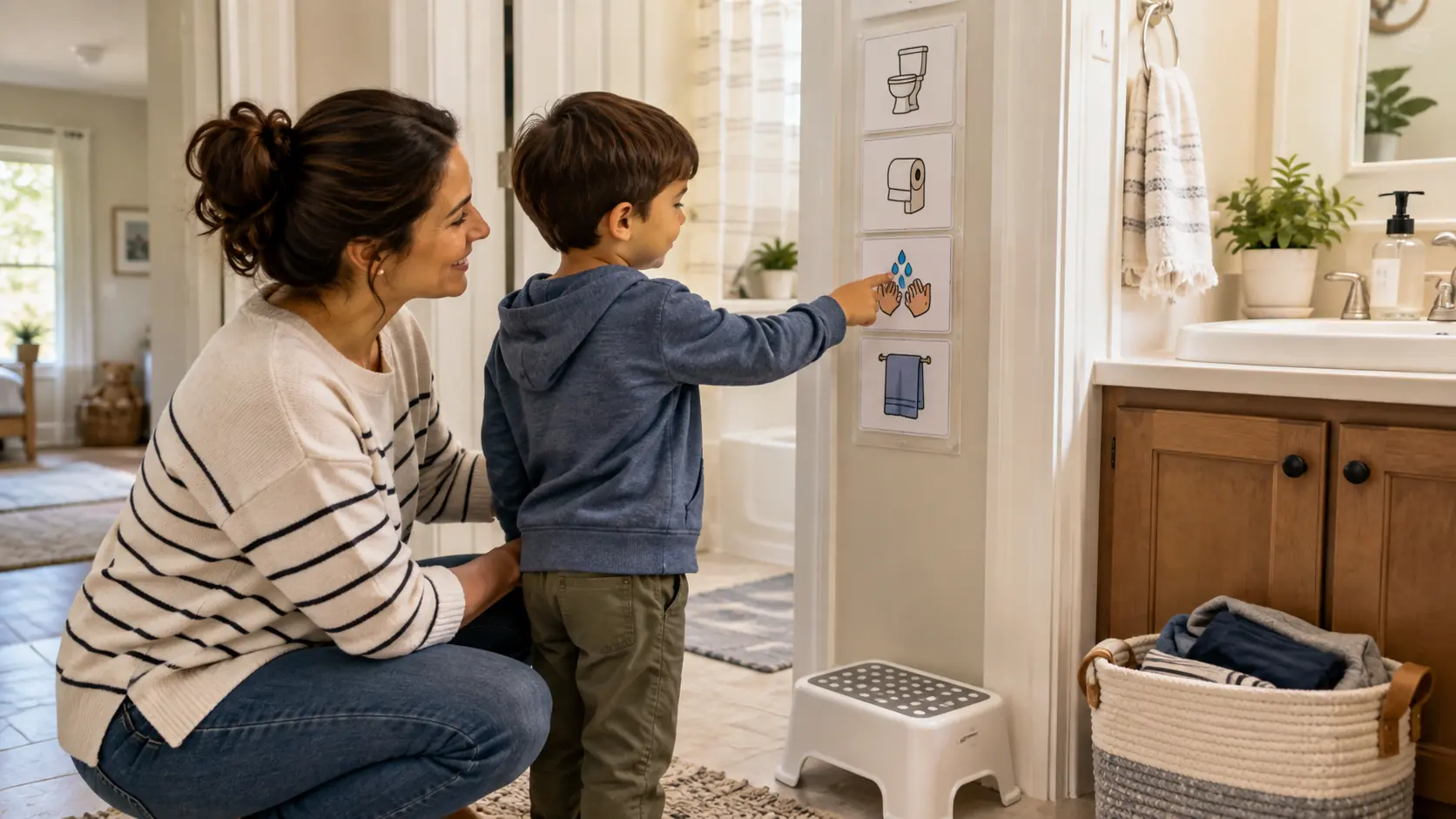
Toilet training can be inconsistent for autistic children. A child may stay dry for part of the day, use the toilet at school but not at home, or show very few signals before they need to go.
Autism toilet training may look different because toileting is not one single skill. It involves body awareness, transitions, the bathroom environment, clothing, sitting, wiping, flushing, and handwashing.
Some children may need more explicit teaching and support for one or more of these steps. The goal is to identify where the difficulty is happening and build progress gradually.
Why Toilet Training May Be Different for Autistic Children
Toilet training can involve several skills at once, including body awareness, communication, sensory tolerance, transitions, and motor planning. The goal is to identify which part of the routine is difficult rather than treating toileting as one behavior problem.
Common challenges may include:
- Body-signal awareness: Some children may not notice the need to use the bathroom until urgency is high.
- Communication: The child may need a clear way to signal “toilet,” “help,” or another need.
- Sensory sensitivities: Flushing sounds, smells, cold seats, or the bathroom environment may feel uncomfortable.
- Transitions and predictability: Moving to the bathroom or following an unfamiliar routine may be difficult.
- Motor skills: Clothing, wiping, flushing, and handwashing may need to be taught separately.
- Medical factors: Constipation, painful bowel movements, urinary discomfort, or medication effects can also affect toileting.
If toilet refusal appears suddenly, especially with signs of pain or discomfort, medical causes should be considered before increasing behavioral demands.
Signs a Child May Be Ready for Toilet Training
Readiness is not a pass/fail checklist. Instead, look for patterns that show which toileting skills may be ready to teach first.
A child does not need to show every sign before support can begin. Families can start with the skills the child is already showing and build from there.
Creating a Predictable Bathroom Routine
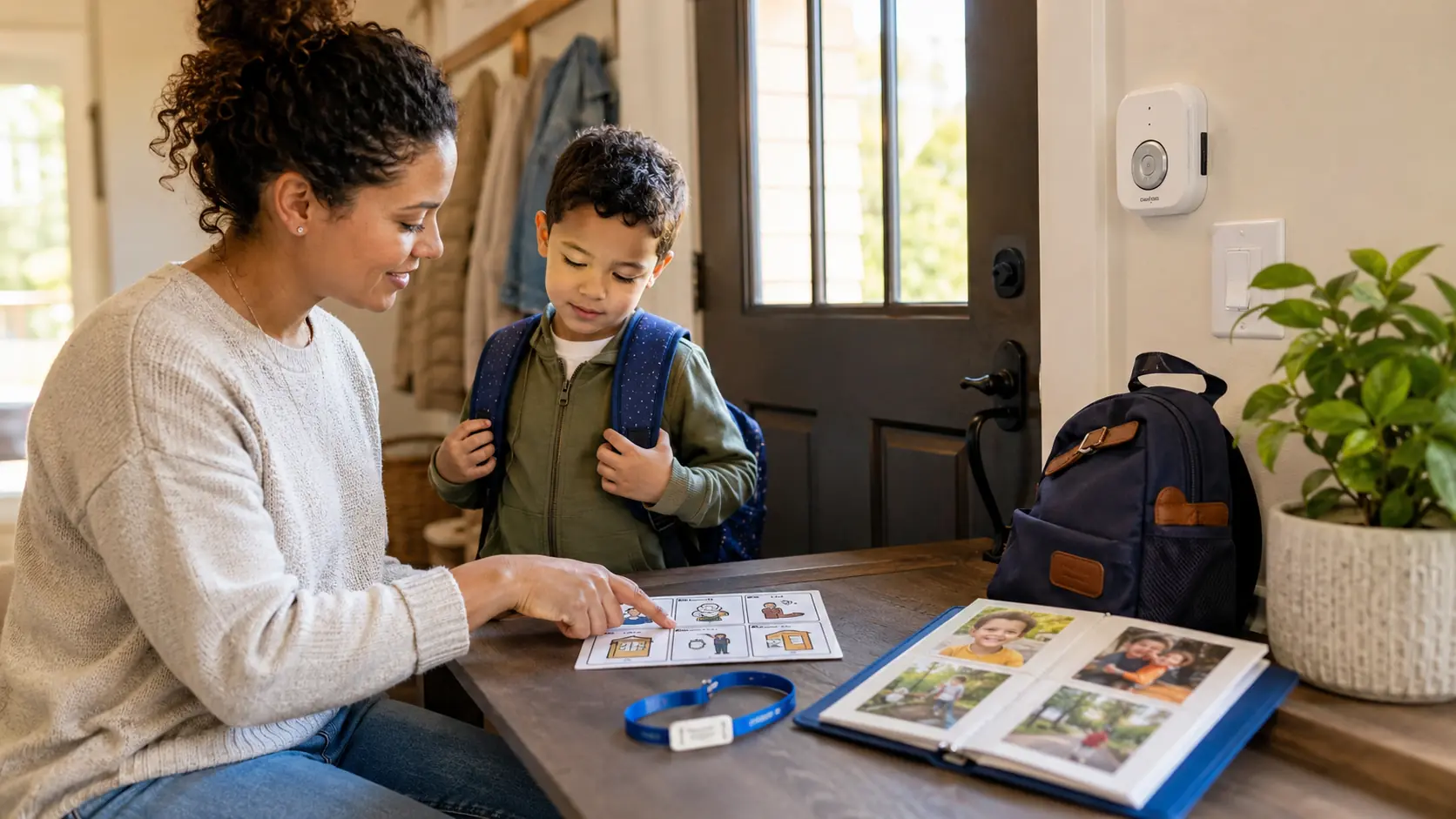
A predictable routine can make toilet training easier by reducing uncertainty. Try to keep bathroom visits consistent in timing, sequence, language, and how the routine ends.
Use the child’s natural patterns to guide timing, such as after waking, after meals, before leaving home, or before bath and bedtime. Avoid relying on one fixed schedule for every child.
Helpful routine elements include:
- Consistent timing: Base bathroom visits on the child’s usual elimination patterns
- Same sequence: Follow the same steps in the same order
- Consistent language: Use the same words, gestures, or visuals across caregivers
- Clear ending: Use a word, gesture, or visual cue to show the routine is finished
- Brief sits: Keep sitting periods manageable rather than turning them into endurance practice
Once the routine is established, it can gradually be practiced in different bathrooms and settings.
Home-school coordination can also help. Parents and school staff can share the communication signal, visual supports, common toileting times, and level of assistance the child currently needs. The routines do not have to be identical, but consistent cues and shared observations can make it easier to identify patterns and build independence across settings.
Breaking Toileting Into Smaller Steps
Task analysis means breaking the bathroom routine into small steps and teaching only the areas where the child needs support. A child may already manage most of the routine and need help with just one or two parts.
Wiping may require adult help longer than other steps, especially when motor skills or hygiene are still developing. Early goals may focus on participating with help rather than full independence.
Using Visual Supports During Toilet Training
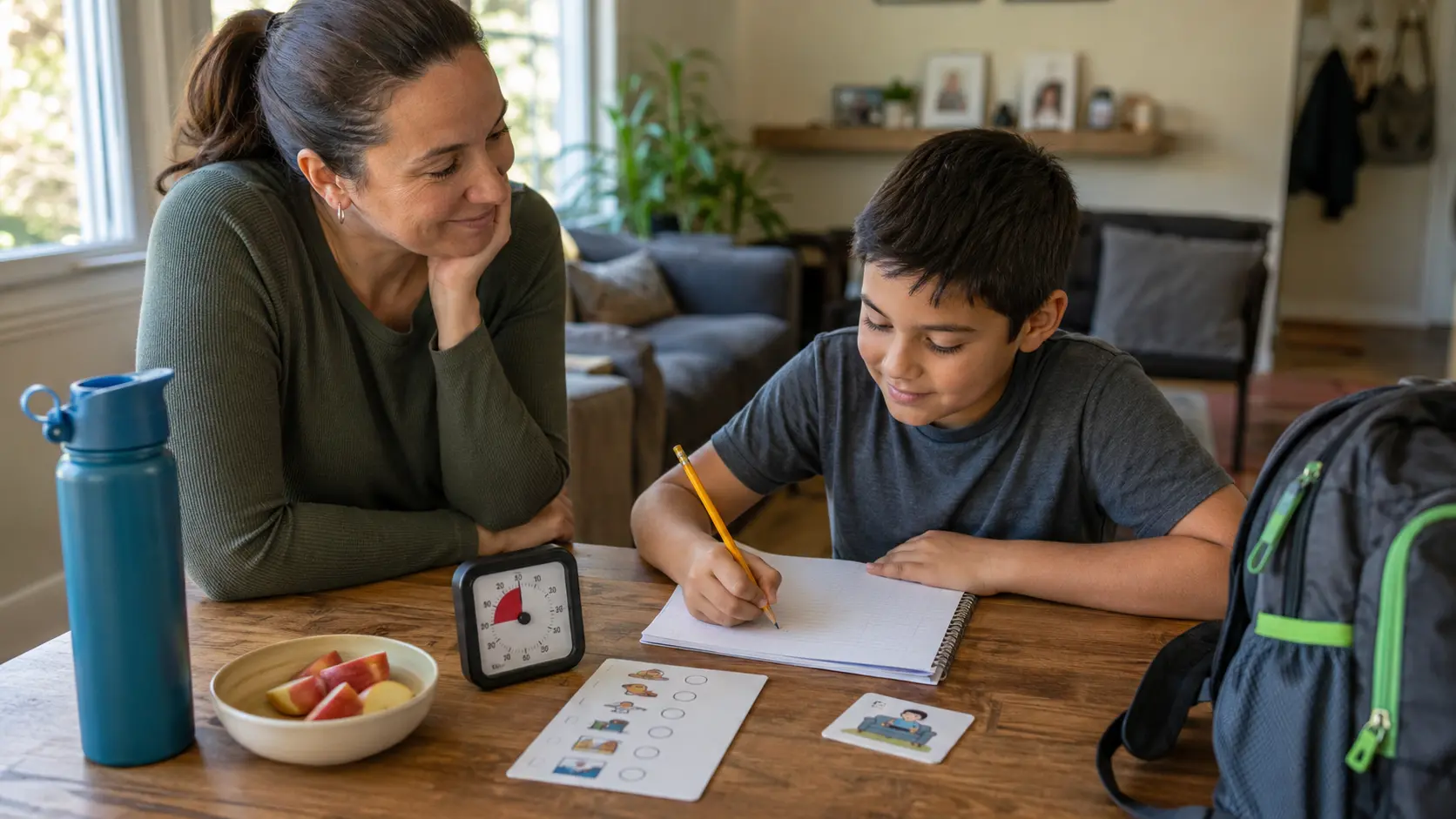
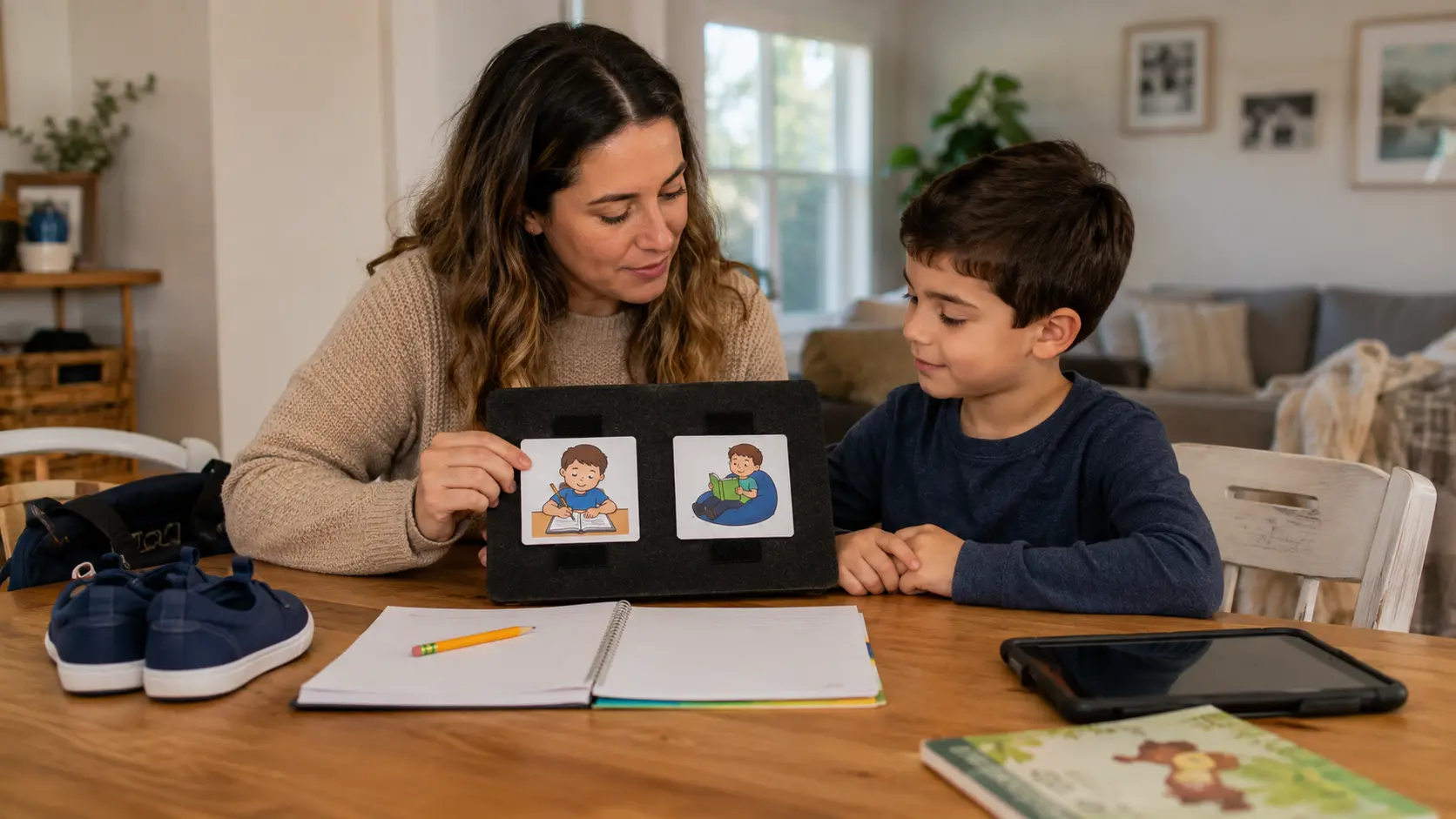
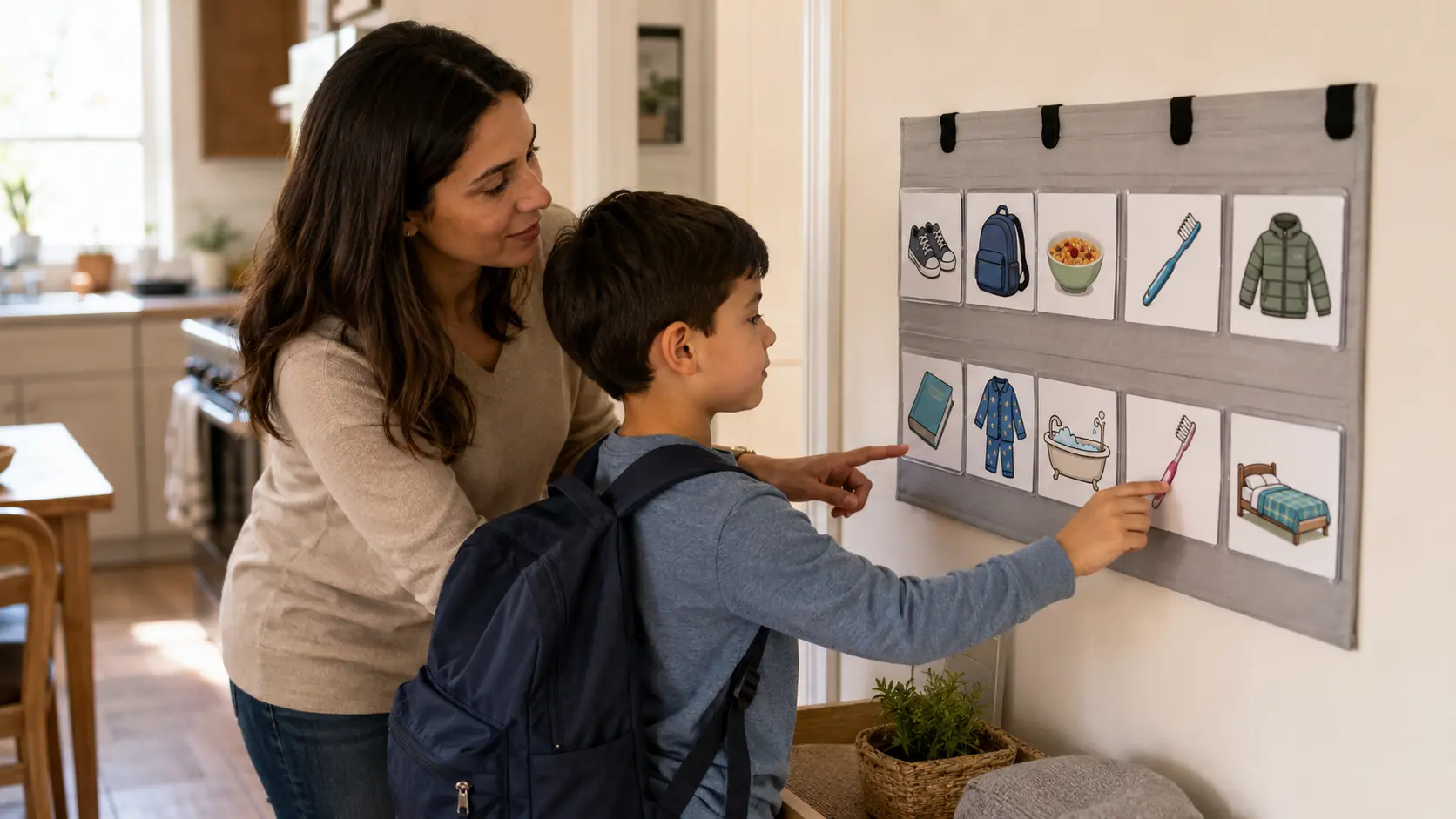
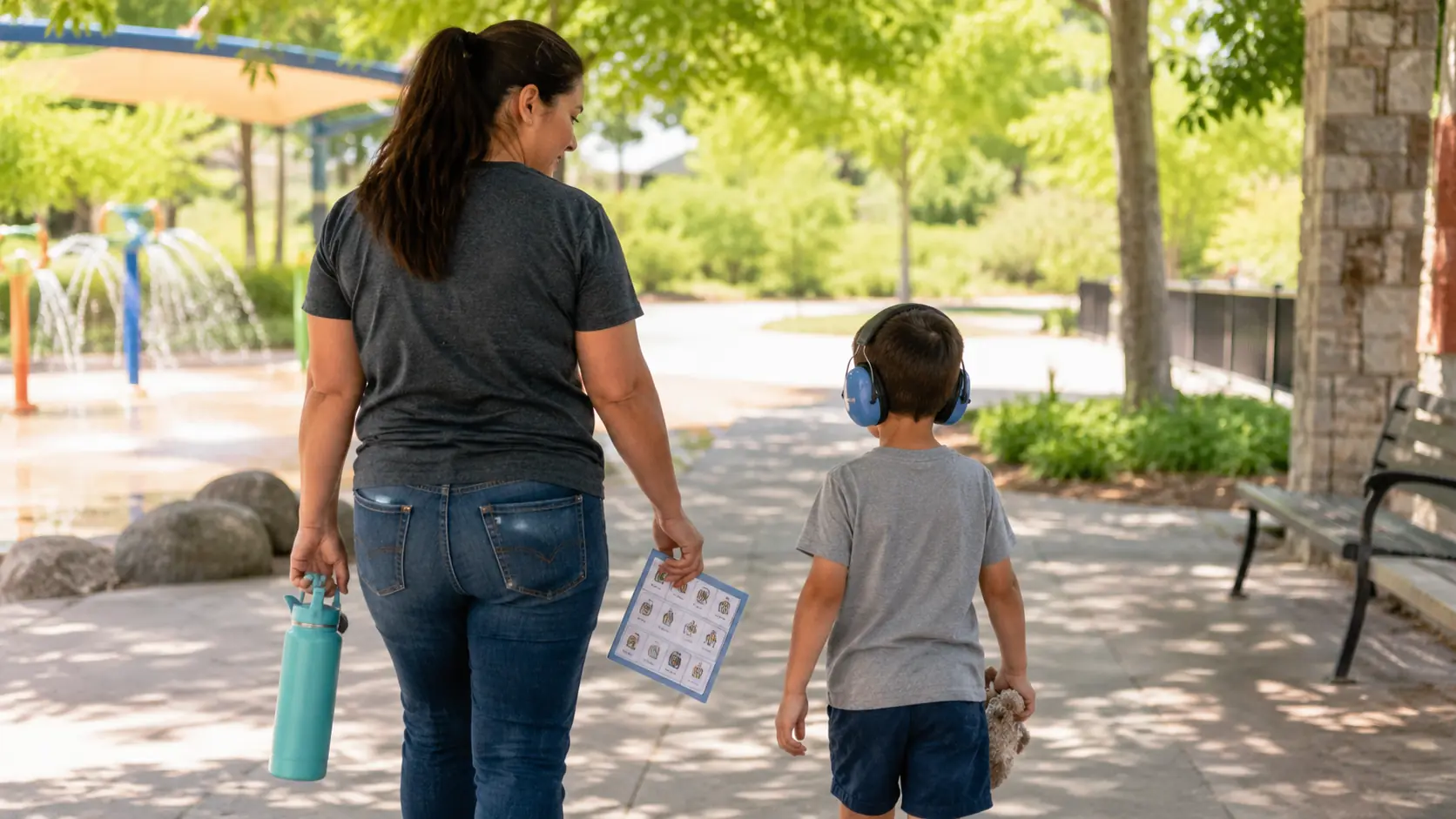
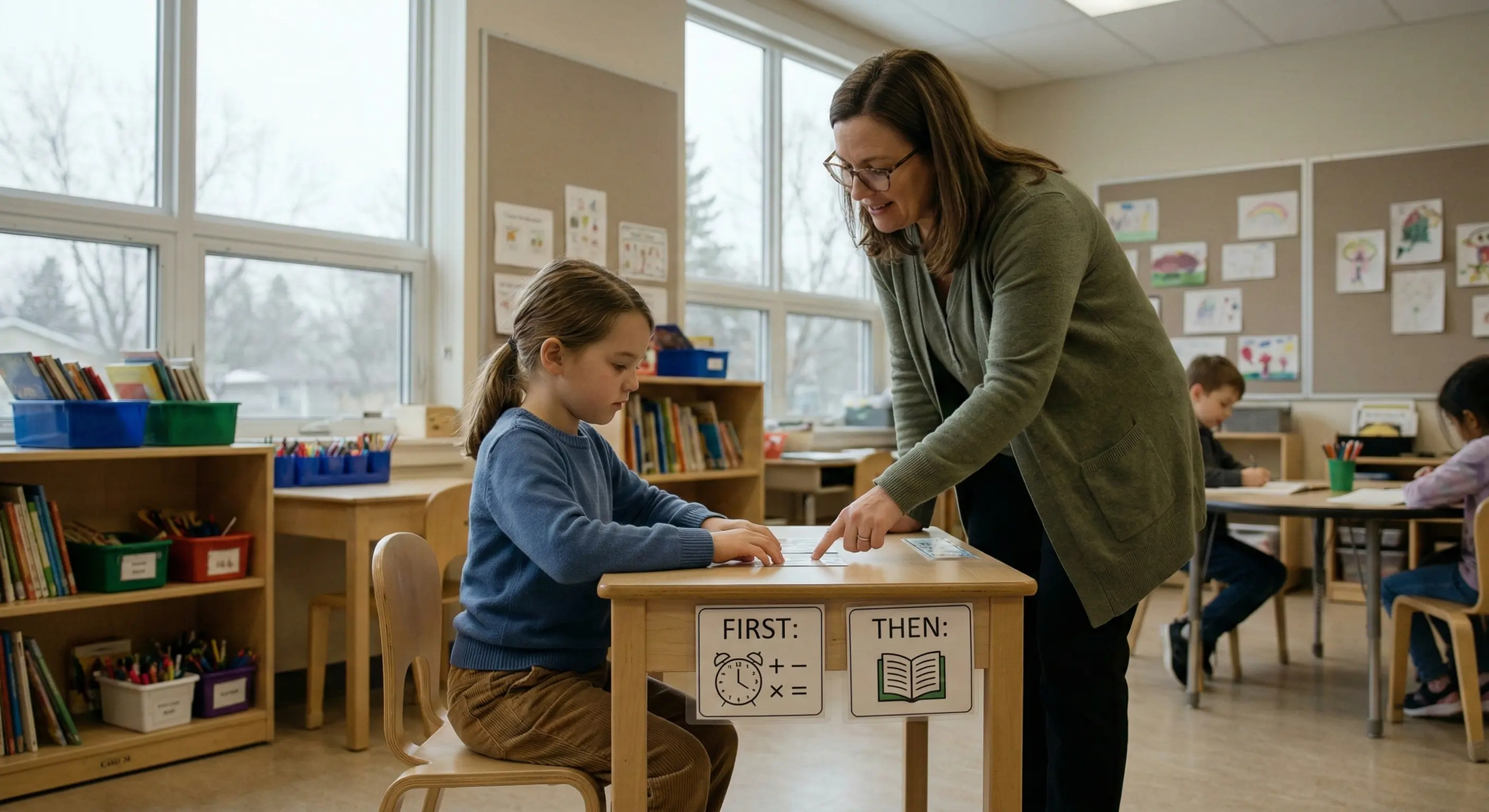
Visual supports can make bathroom routines more predictable by showing the child what happens next and when the routine is finished.
Helpful options include:
- Visual step sequence: Show the bathroom steps in order using simple pictures or icons.
- First-then board: Use a cue such as “First bathroom, then [preferred activity]” to make the sequence and endpoint clear.
- Visual timer: Show how long a bathroom sit will last.
- Social story: Describe the routine in simple, concrete language, including what happens and what comes next.
Keep visuals consistent with the child’s actual routine and easy to understand.
Visual supports can help with sequencing and predictability, but they do not address pain, constipation, or significant sensory discomfort, which may need separate support.
Families who need practical examples can also review the AtlasCare first-then board guide.
Supporting Nonspeaking Children During Toilet Training
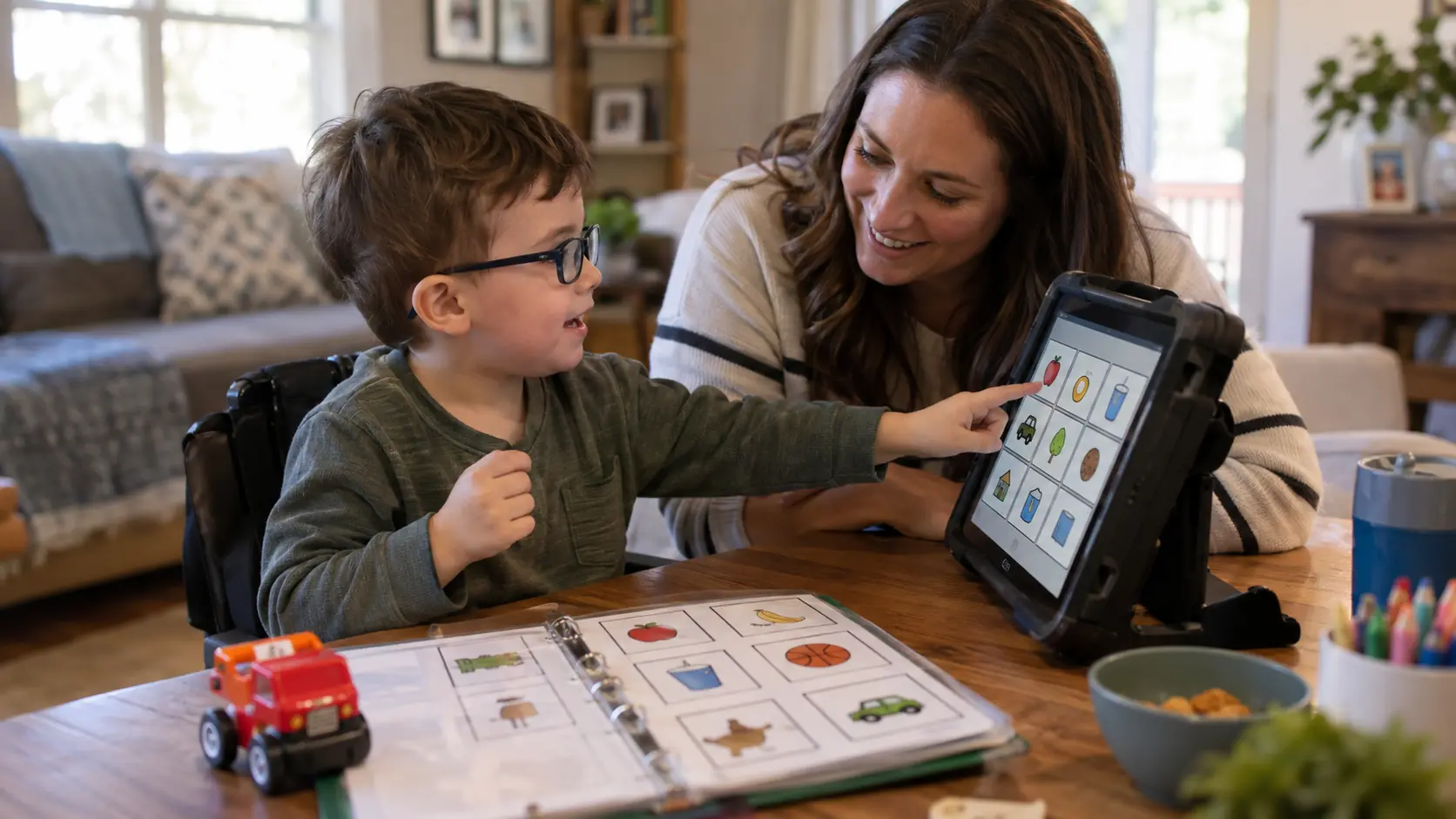
Speech is not required for toilet training. The goal is to give the child a reliable way to communicate bathroom needs that adults can recognize and respond to consistently.
Possible communication methods include:
- Gestures, signs, or body movements
- Leading an adult to the bathroom
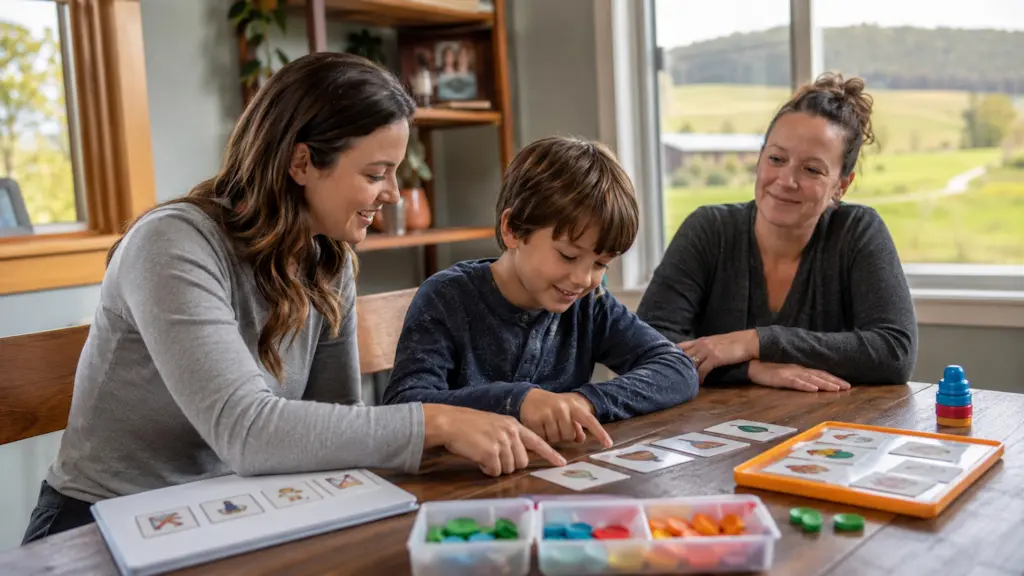
- Picture cards or symbols
- AAC buttons, pages, or phrases
- Any other clear, consistent signal
If the child already uses AAC, toileting requests should be added to that existing system rather than taught separately.
Useful related requests may include “toilet,” “help,” “finished,” “wipe/help,” and “change.”
These give the child more control and participation throughout the bathroom routine.
Handling Accidents Without Shame or Punishment
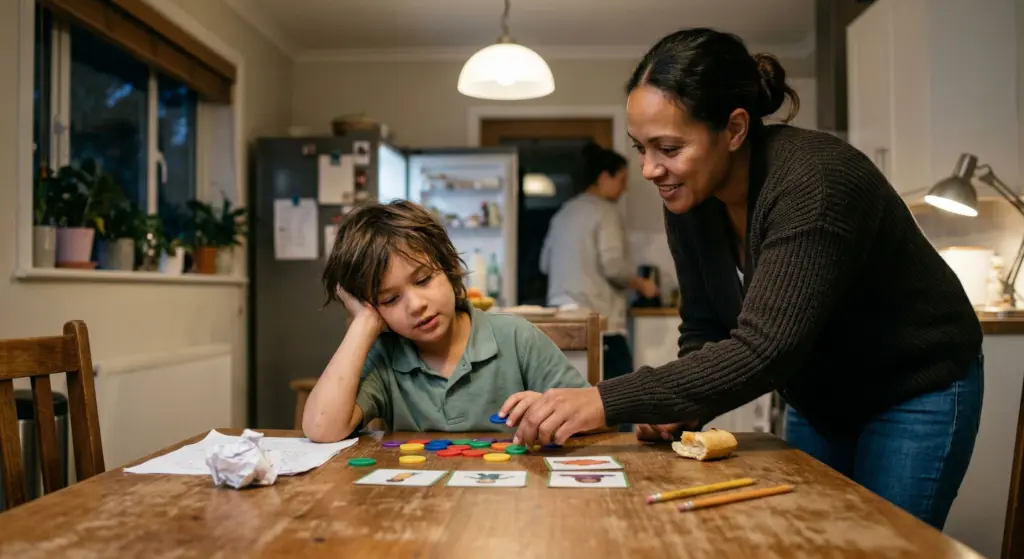
Accidents are a normal part of toilet training and can provide useful information about timing, missed cues, clothing, constipation, or routine changes.
Helpful responses include:
- Stay calm and neutral: Avoid punishment, shame, or visible frustration.
- Clean up efficiently: Keep the response brief and matter-of-fact.
- Redirect gently: If appropriate, use a simple cue such as, “Let’s go to the bathroom.”
- Track patterns: Note the time, context, and possible triggers rather than assigning blame.
- Avoid fluid restriction: Do not broadly limit drinks to reduce accidents.
- Protect dignity: Do not use cleanup or hygiene support as a punishment.
If accidents happen at similar times or in similar situations, the pattern may suggest an earlier bathroom opportunity, clothing adjustment, or routine change.
What to Do When Toilet Training Regresses
Toileting regression means a child who had developed some skills begins having more accidents, refusing familiar steps, or no longer using a communication signal consistently. It is not necessarily a behavior problem.
Common causes may include:
- Medical factors: Constipation, painful bowel movements, urinary discomfort, UTIs, or medication changes
- Routine changes: School transitions, travel, family changes, or other disruptions
- Support faded too quickly: Visuals, prompts, or scheduled bathroom opportunities may have been removed before the child was ready
- Sleep or illness: Fatigue, sickness, or sensory overload can temporarily affect toileting skills
A helpful first step is to return to the last level of support that worked while looking for what may have changed.
Sudden or unexplained regression should be discussed with a healthcare provider, particularly after a period of established toileting skills. Pain, constipation, urinary symptoms, or other physical changes make medical review especially important.
Reducing Prompts and Building Independence
The goal is to gradually reduce adult support as the child becomes more successful with the bathroom routine. Independence should be built based on progress, not a fixed timeline.
A simple fading sequence is:
- Full support: Model the step or provide the necessary assistance while protecting the child’s privacy, comfort, and dignity
- Partial prompt: Use a gesture or shorter cue
- Pause and wait: Give the child time to respond independently
- Independent: The child completes or initiates the step without prompting
Build independence one step at a time and give enough processing time before prompting again.
Independent bathroom requests and initiations should be recognized clearly, while support should remain in place for hygiene and safety. Skills such as wiping, handwashing, or clothing management may need help for longer than other parts of the routine.
When Toileting Problems May Need Medical Attention
Visual supports, routines, and behavioral strategies can help with toilet-training skills, but they do not diagnose or treat physical causes.
Contact a Healthcare Professional If You Notice:
- Painful, hard, or infrequent bowel movements
- Stool withholding or visible straining
- Blood in the stool or urine
- Pain or burning with urination
- Repeated urinary tract infections
- Persistent or worsening abdominal pain
- Sudden or unexplained regression, especially after previously established toileting skills
- New urgency or accidents after a period of reliable continence
- Seek prompt medical care for: inability to urinate, persistent vomiting, severe or worsening abdominal pain, marked lethargy, or other acute symptoms
When physical symptoms are present, medical evaluation should come before increasing behavioral demands.
Home-School Toileting Log
Tracking patterns can also help families, clinicians, and healthcare providers understand what may be happening.
Track only the information that is useful for the child’s routine, and share relevant patterns with the clinical team or healthcare provider when needed.
How ABA Can Support Daily-Living Toileting Skills
ABA can support the daily-living skills involved in toilet training, while medical concerns should be addressed by a healthcare provider.
Support may include:
- Task analysis: Break the routine into smaller teachable steps
- Communication: Teach a reliable way to request the bathroom, help, or a change
- Visual supports: Use schedules, first-then boards, or social stories
- Prompt fading: Gradually reduce adult support as independence improves
- Reinforcement: Encourage participation using motivators that are meaningful to the child
- Caregiver coaching: Help adults use consistent language, prompts, and routines
- Data tracking: Monitor patterns to guide adjustments
- Generalization: Practice the routine across home, school, and community settings
ABA does not treat constipation, urinary symptoms, or other physical causes of toileting difficulty. When medical and skill-related concerns occur together, healthcare providers and the ABA team can address their respective areas of support.
Identify the Barrier, Protect the Dignity, Coordinate the Support
Progress in autism toilet training often starts by identifying the specific barrier and addressing it with a small, manageable change. Sensory discomfort, communication difficulties, and regression after constipation may each require a different response.
Throughout the process, protect the child’s dignity with calm responses to accidents, accessible communication, and enough support for hygiene and safety.
Ask About Toileting and Daily-Living Skills at AtlasCare ABA
If toileting, hygiene, communication, or other daily-living skills are difficult at home, AtlasCare ABA parent coaching can support individualized skill-building goals and caregiver coaching as part of an appropriate ABA treatment plan.
Contact AtlasCare ABA to learn more about daily-living skill support and home-routine coaching.














.webp)

.webp)

.webp)
.webp)
.webp)







.jpg)

.webp)

.webp)
.webp)








%20During%20Play%20in%20the%20Home.webp)