School-Based ABA therapy Services


What is in-school ABA therapy?
School. The place where your child spends most of his or her waking hours. The place where children learn, play, develop and grow. But also, the place where they have to focus for long hours, reach academic milestones, engage with peers, and interact with the adults around them. For a child with autism, the school environment poses many unique challenges and hurdles.
That is where school-based ABA therapy comes in. A behavior technician, trained in providing ABA therapy, will work with your child in school, in the place where your child is being challenged, and help them navigate those challenges. They will gently coach them in the skills necessary for thriving in school, within the environment where those skills are needed.




How in-school ABA therapy works
1
Reach Out
You (parent or caregiver) reaches out to AtlasCare ABA

Client Intake
We will help you gather the necessary documents, check your insurance coverage, and the BCBA will reach out to schedule the initial assessment.
2

Treatment Plan
A qualified BCBA, working closely with the child’s parents or guardians, will create a plan on how to best help the child. This may involve identifying triggers, creating a routine, and setting goals.
3

Therapy Begins
A qualified behavior technician (BT) matched to your child’s and family's needs, will come at the designated time and implement your child's treatment plan.
4

5
Collaboration
The BCBA, BT, child’s teacher, and parents or caregivers remain in touch constantly to track the child's progress and revise the treatment plan as needed.

Supervision
The BCBA provides ongoing training and support to the BT, ensuring the technician is empowered to give your child the best care.
6

7
Parent Training
The BCBA provides designated monthly training sessions for parents or guardians, giving them the tools to help their child progress outside of therapy hours.

What an in-school ABA session looks like:
With school-based ABA therapy, a behavior technician will come to your child’s classroom at the arranged time, a time that works best for the child, the teachers, and the class. That might be during learning time, arrival or dismissal, recess or lunch.
They will implement the behavior plan created by the BCBA, and chart the child’s progress. This may include helping the child with schoolwork, guiding the child in effective peer interaction, providing the child with classroom breaks when needed, or helping them manage transitions effectively.
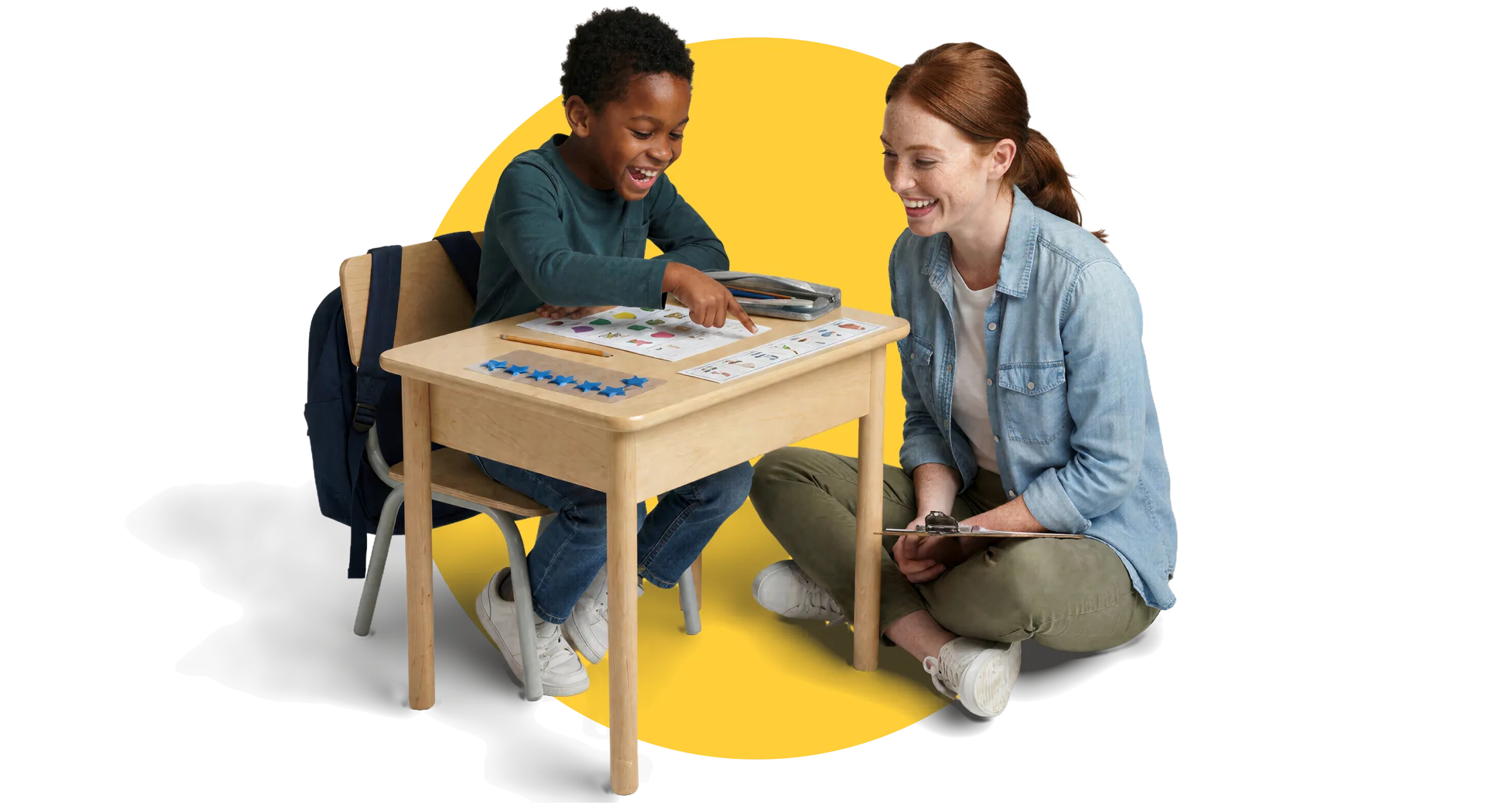
The behavior technician will also take great care to blend into the background when needed, giving the child space to grow and interact socially independently.
Always, the behavior technician will collaborate with the teachers, principals, BCBA, and parents, ensuring the child is receiving the best possible care. The BCBA will also supervise the behavior technician on a constant basis, tweaking the child’s treatment plan as needed.
Benefits of in-school ABA therapy
Everyday Environment
A large chunk of a child’s time is spent in school. Getting help in the very environment where challenges may occur allows any new skills learned to be immediately implemented in the environment where those skills are needed.
Academic Readiness
Behavior technicians can work on skills that may impact a child's academic success, such as focusing issues, following instructions, requesting help when needed, or completing multi-step directions or tasks.
Social Opportunities
Children can include their everyday social environment in sessions, such as classmates, teachers, and school staff. They can also learn skills to effectively navigate those social interactions.
Collaboration with Teachers
With school-based ABA therapy, teachers can collaborate with care providers to ensure the child is thriving in the classroom.
Convenience
With in-school services, ABA therapy is conveniently built into the child's daily routine, with no need for carpooling and none of the hassle that comes along with taking a child to an outside therapy center.
In-school ABA therapy locations
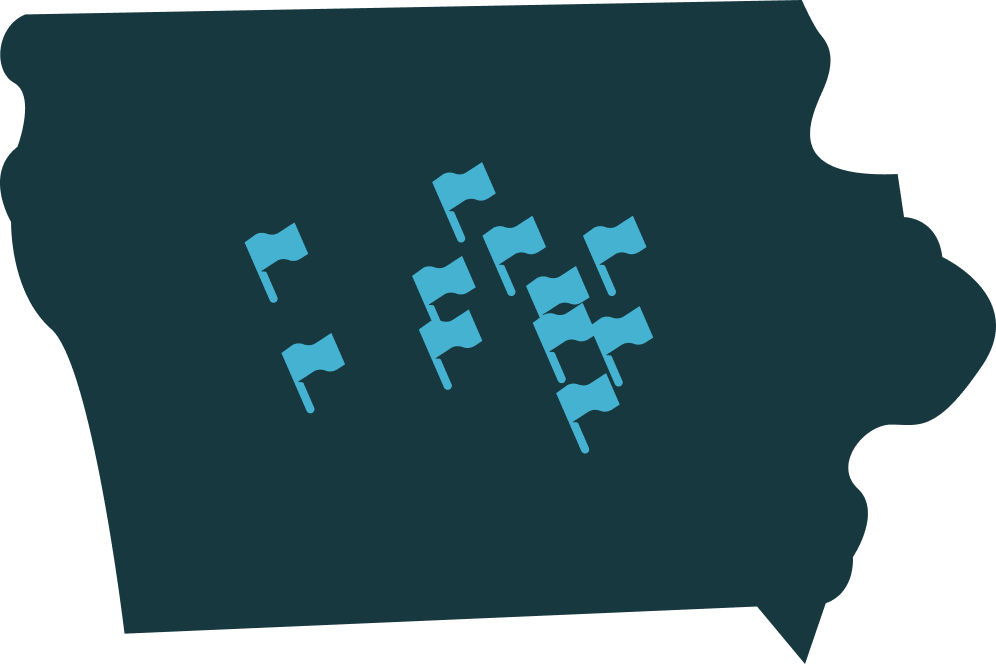
AtlasCare ABA is proud to provide school-based ABA therapy in Iowa and New Mexico.

Get started with in-school ABA therapy
Ready to explore school-based ABA therapy? Contact AtlasCare ABA today to get started.
Get the support you and your child need for all of life's adventures. Our expert team empowers both you and your child to navigate life's path with confidence.


FAQs about school-based ABA therapy
How long are in-school ABA therapy sessions?
Session length depends on the total number of weekly therapy hours your child receives, the child’s needs, and the classroom schedule. AtlasCare ABA will work with you and the school to determine what the right length session is for your child.
How do I know if my child’s school will allow an ABA therapist to come in?
Many schools are open to working with ABA providers and collaborating with therapists to support students in the classroom. Start by speaking with your child’s school or IEP team to learn about their policies and how an ABA therapist can work alongside the school staff.
How often does in-school ABA therapy take place?
Sessions can take place one to five days a week. Children with ASD are typically eligible for 15-30 hours a week of ABA therapy, and AtlasCare ABA will work with the school to create a schedule that works for the child, the teachers, and the class as a whole.
Does in-school ABA therapy happen in the classroom or outside?
The behavior technician will work with your child in the classroom, so your child remains part of the group and doesn’t lose out on being part of their class. When necessary, the BT can also take your child out for needed breaks.
What ages can receive in-school ABA therapy?
Children aged 1.5-21 can be eligible for ABA therapy. So generally, any school-aged children with an ASD diagnosis can receive ABA therapy.
Does insurance cover school-based ABA therapy?
Yes, insurance often does cover ABA therapy in school. AtlasCare ABA will verify your benefits and explain any out of pocket costs that you may have, so you’ll have a clear understanding of what help your child can receive and if and how much it might cost you out of pocket.
Can my child receive ABA therapy both in school and at home?
Yes. If your child has enough eligible ABA therapy hours, you can choose to receive part in school and part at home.
How do I know if in-school ABA therapy is right for my child?
AtlasCare ABA is experienced in guiding parents and guardians as to what kind of ABA therapy is right for their child. Speak to a trusted representative today, and we’ll guide you through.
How soon can I get started with school-based ABA therapy for my child?
10 days to two weeks. From the initial phone call you make, until your child is set up to begin services generally takes 10 days to two weeks.

Explore our other services

Daycare-Based ABA Therapy
Daycare is a place where children learn, play, and build important social skills. Our daycare-based ABA therapy provides personalized support within your child's daily routine, helping them communicate, participate in group activities, and interact confidently with peers. By partnering closely with daycare staff, we create consistent strategies that encourage meaningful progress throughout the day.

In-Home ABA Therapy
Home is where your child feels most secure. Our in-home therapy creates a natural learning environment within your family’s daily rhythm. We turn everyday moments into opportunities to build communication, social, and daily living skills, helping your child gain confidence for adventures beyond your front door.

Parent and Caregiver Training
You play an important role in supporting a child’s growth, and you deserve the confidence to support their journey. Through one-on-one sessions with our BCBAs, parents and caregivers gain practical tools and strategies to support the child’s growth and navigate daily challenges with clarity and calm.