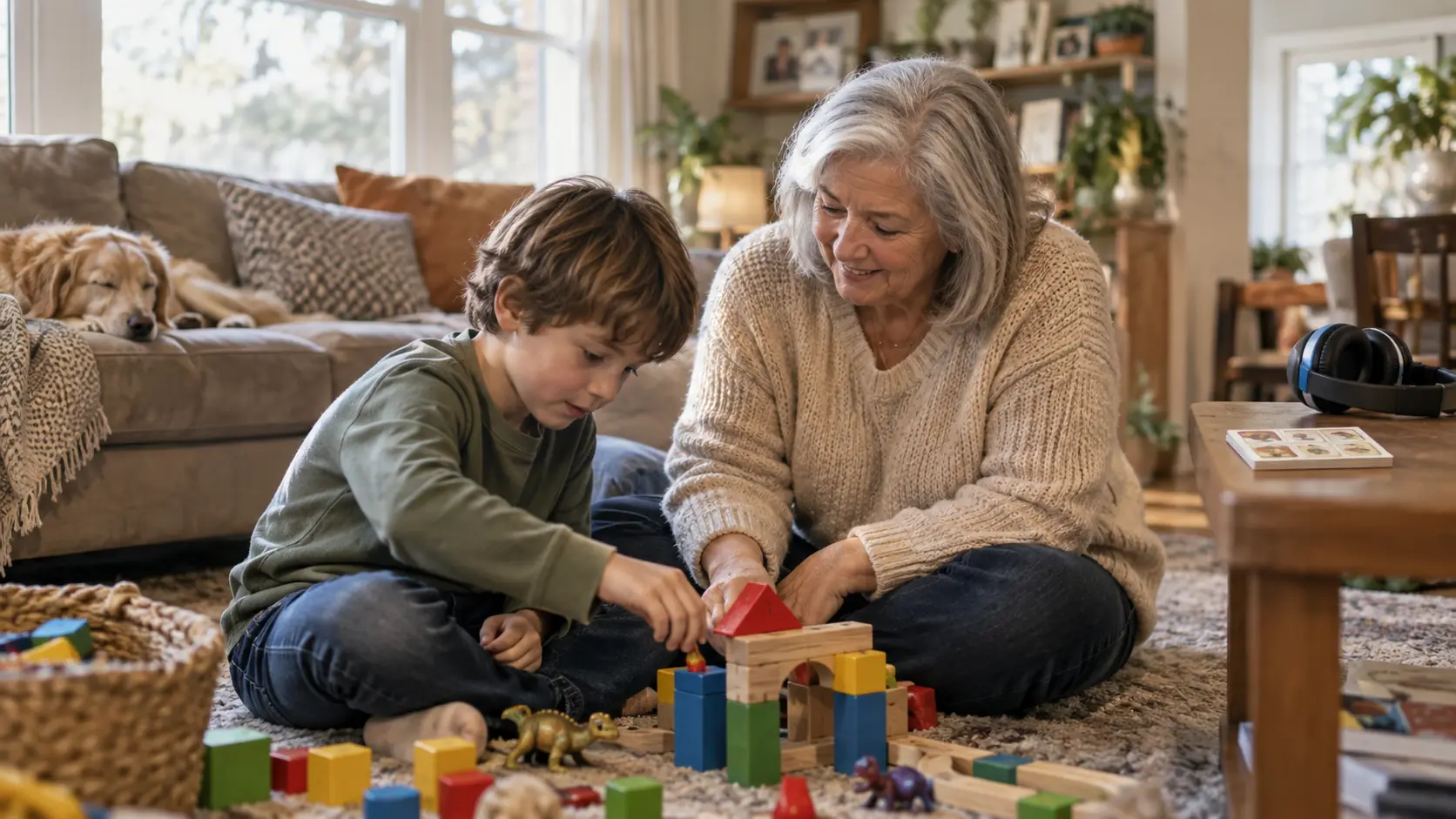
You love your grandchild, but some moments may feel unfamiliar. They may avoid a hug, need the same routine, become overwhelmed by noise, or communicate differently from what you expected.
Understanding autism is less about learning a long list of rules and more about understanding how your grandchild experiences the world.
You do not need to become an expert or therapist. What matters most is being willing to learn, stay flexible, respect the child’s needs, and follow the parents’ guidance so your grandchild feels safe, understood, and connected.
What Grandparents Should Understand About Autism
Autism is a neurodevelopmental difference that can affect communication, social interaction, sensory processing, flexibility, and daily life.
Autism is not caused by parenting style or lack of discipline, and extensive research has found no causal link between vaccines and autism. It is not something a child simply grows out of with stricter expectations.
Just as importantly, autism does not take away a child’s capacity for joy, connection, humor, creativity, affection, or meaningful relationships.
Autism is also a spectrum, which means every autistic child is different. Two children with the same diagnosis may have very different strengths, communication styles, sensory needs, and support needs.
Learning about autism is helpful. Learning how your grandchild experiences the world is what makes the biggest difference.
Every Autistic Child Has Different Strengths and Needs
Autistic children do not all communicate, behave, or connect in the same way. Stereotypes may describe some people, but they should not define how you understand your grandchild.
Your grandchild may be very verbal but struggle with transitions, communicate without speech but understand a great deal, enjoy affection from some people but not others, or have strong interests that bring comfort and joy.
Instead of comparing them with siblings, cousins, or other autistic children, pay attention to:
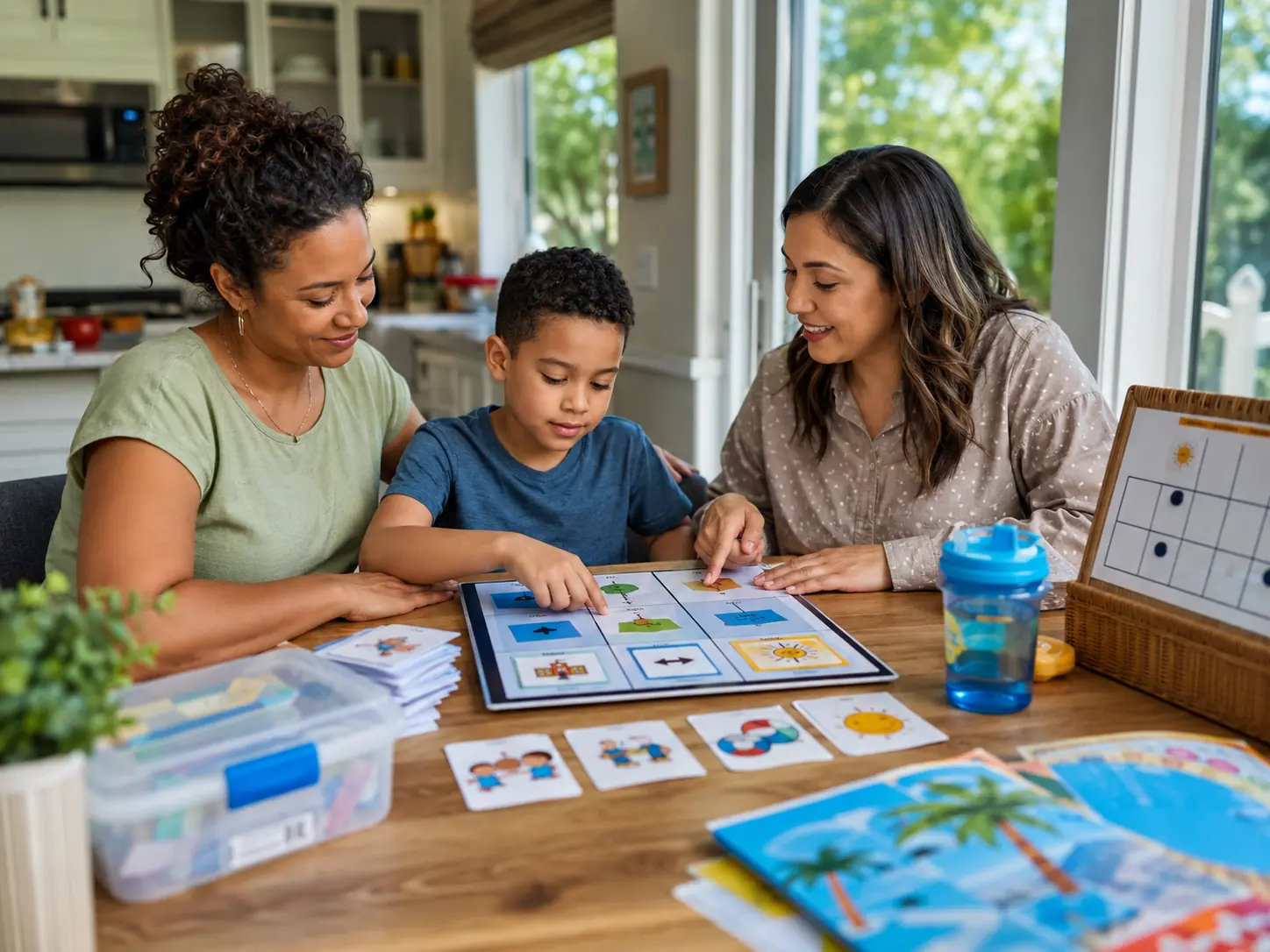
- How they communicate: words, gestures, AAC, sounds, facial expressions, or a mix
- What they enjoy: favorite topics, activities, foods, or routines
- What they find difficult: noise, changes, crowds, textures, or transitions
- How they show connection: sitting nearby, sharing an interest, bringing an object, or joining an activity
Ask the parents what they have learned, then keep learning through your own relationship with the child.
Understanding Communication Differences
Autistic children may communicate in many different ways, including:
- Spoken words or short phrases
- Repeated or scripted language
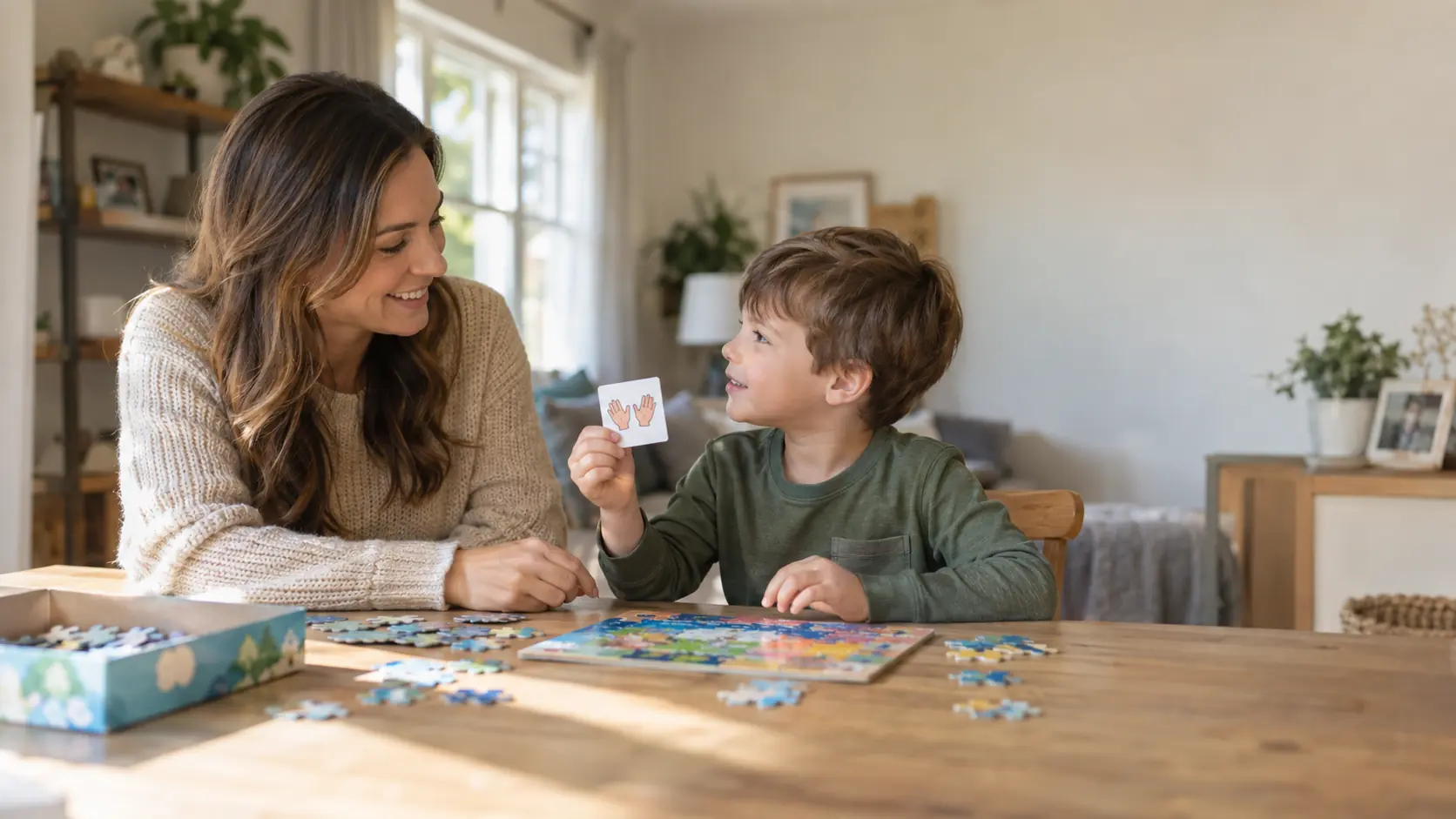
- Gestures, pointing, or showing objects
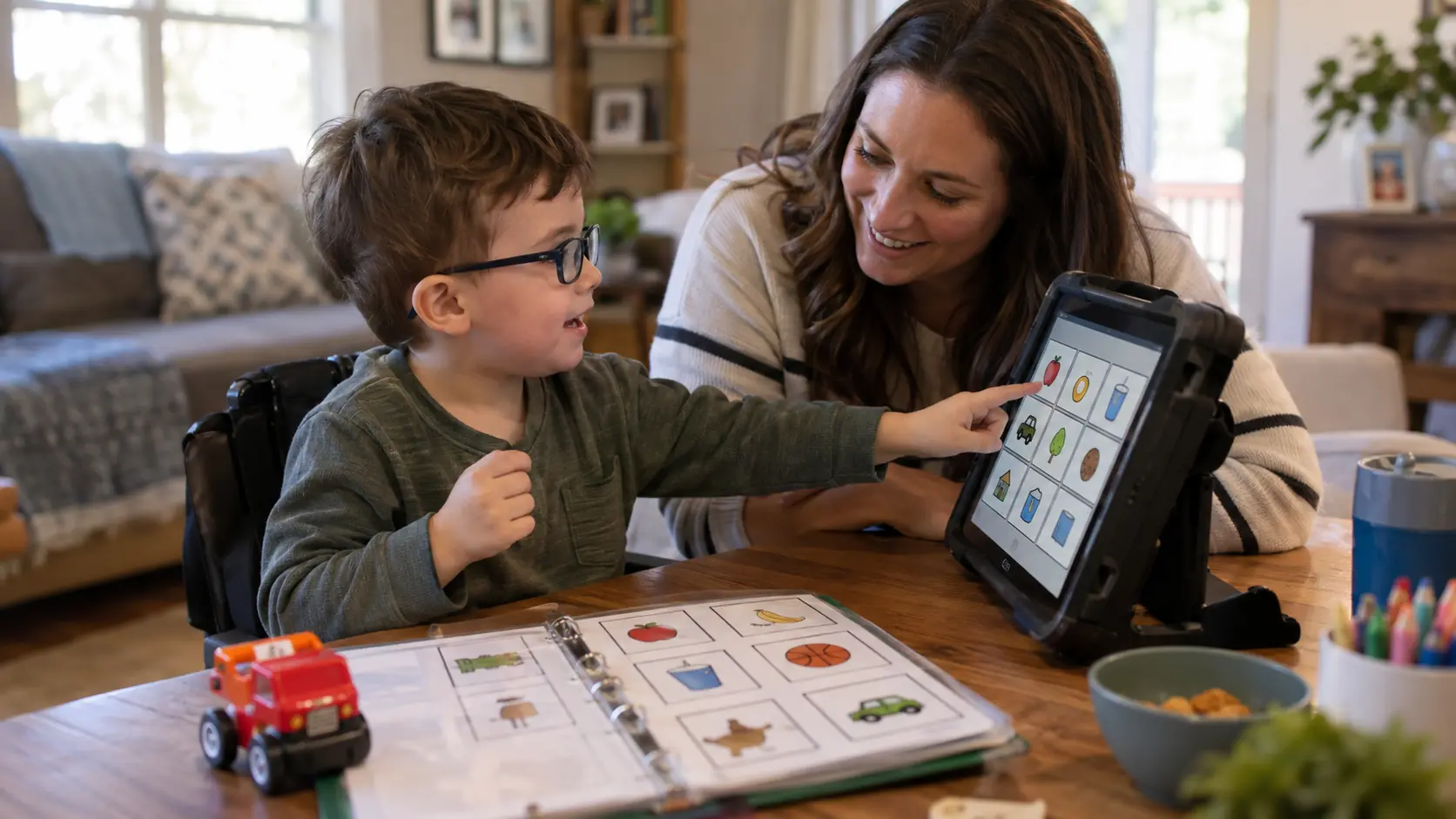
- AAC devices or communication boards
- Facial expressions, body language, or sounds
One important principle is that limited speech does not mean limited understanding. A child may understand much more than they can express.
Grandparents can make communication easier by using clear language, allowing extra processing time, avoiding rapid-fire questions, and respecting the child’s established communication system.
If the child uses a gesture or AAC device to communicate, respond to it as meaningful communication. Eye contact should not be required before listening or responding.
Understanding Sensory Needs and Overload
Many autistic children experience sensory input differently. Sounds, lights, smells, textures, crowds, clothing, or touch may feel more intense, less noticeable, or harder to process. What feels ordinary to someone else may sometimes become overwhelming for the child.
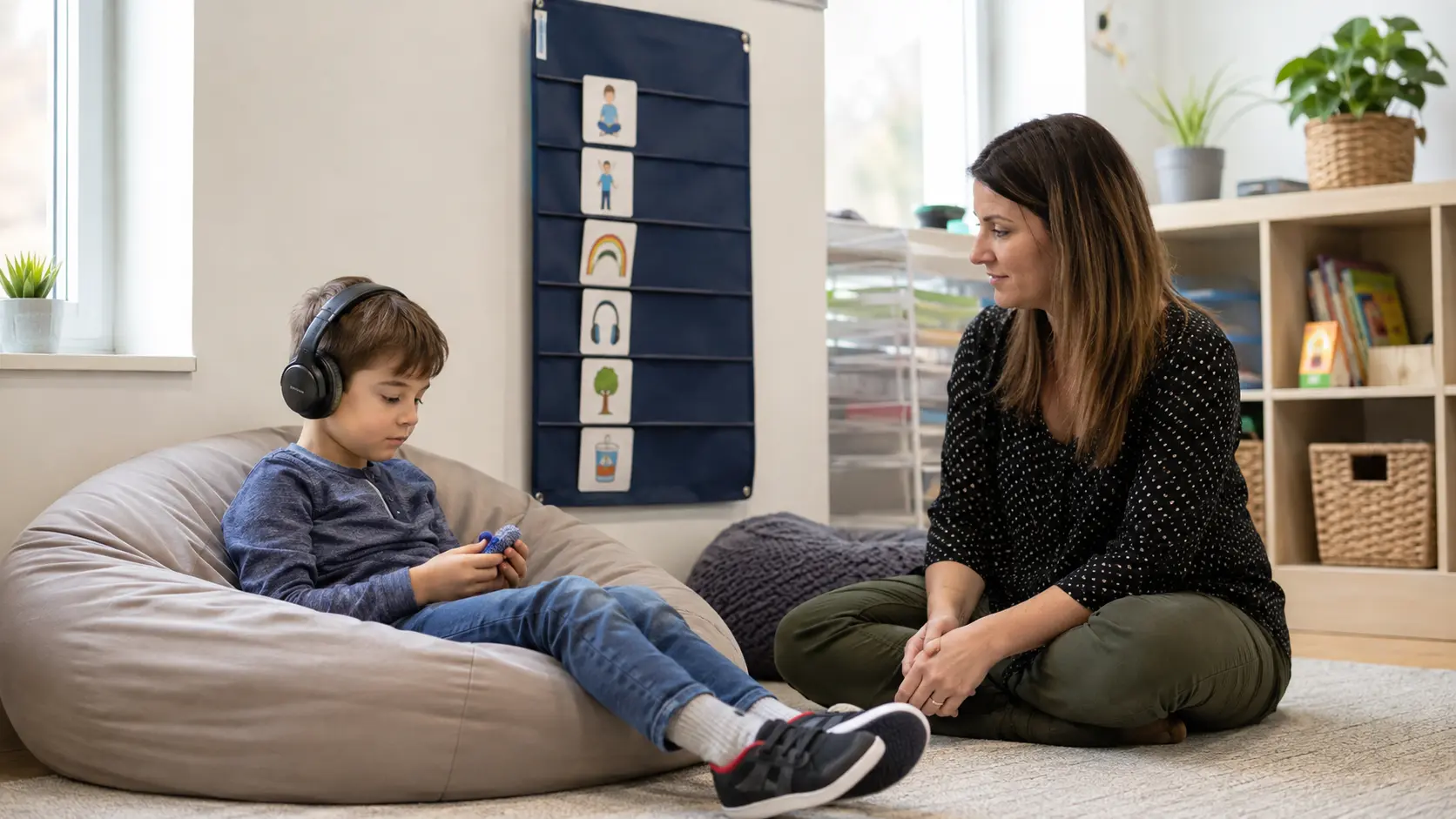
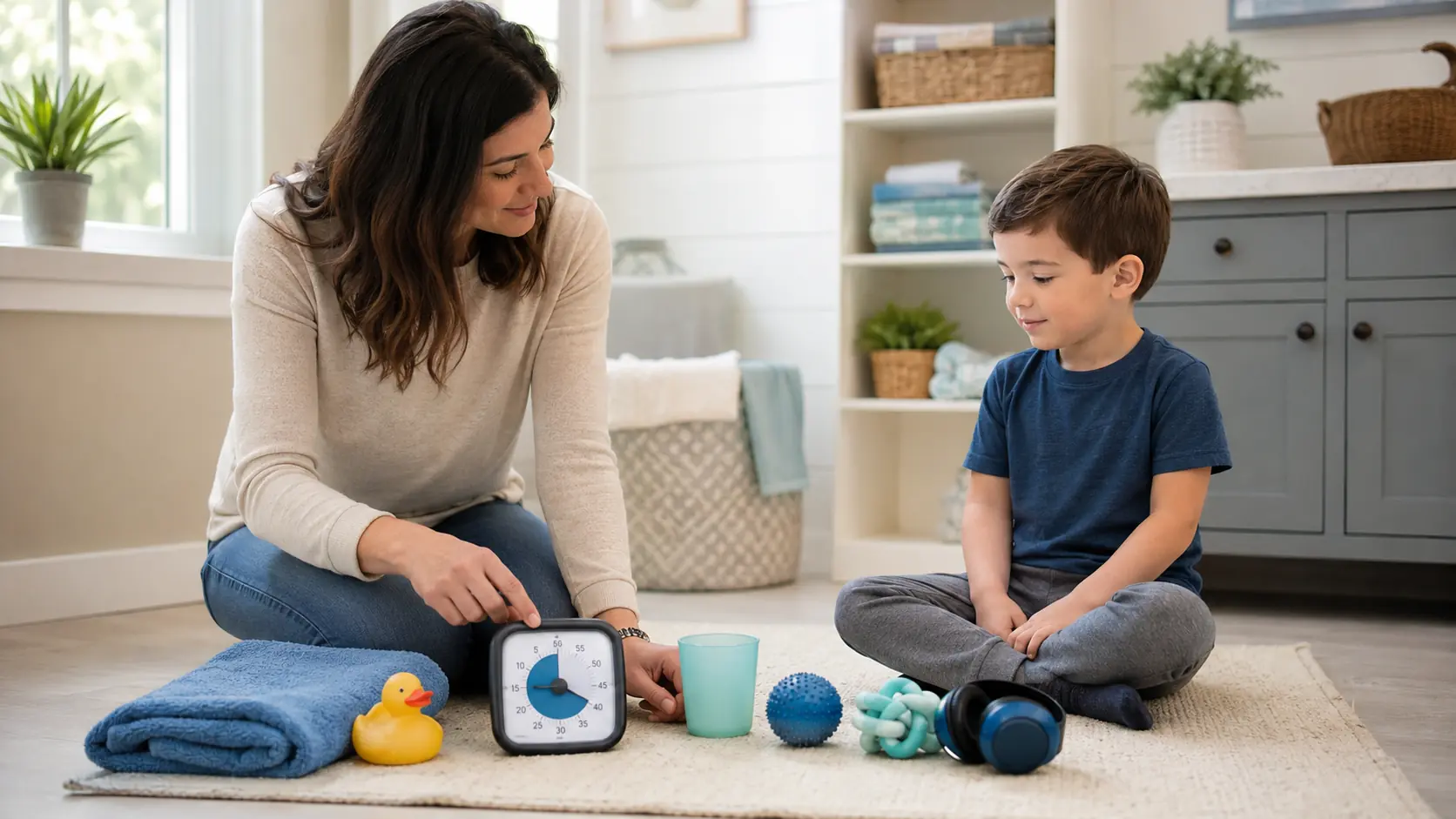
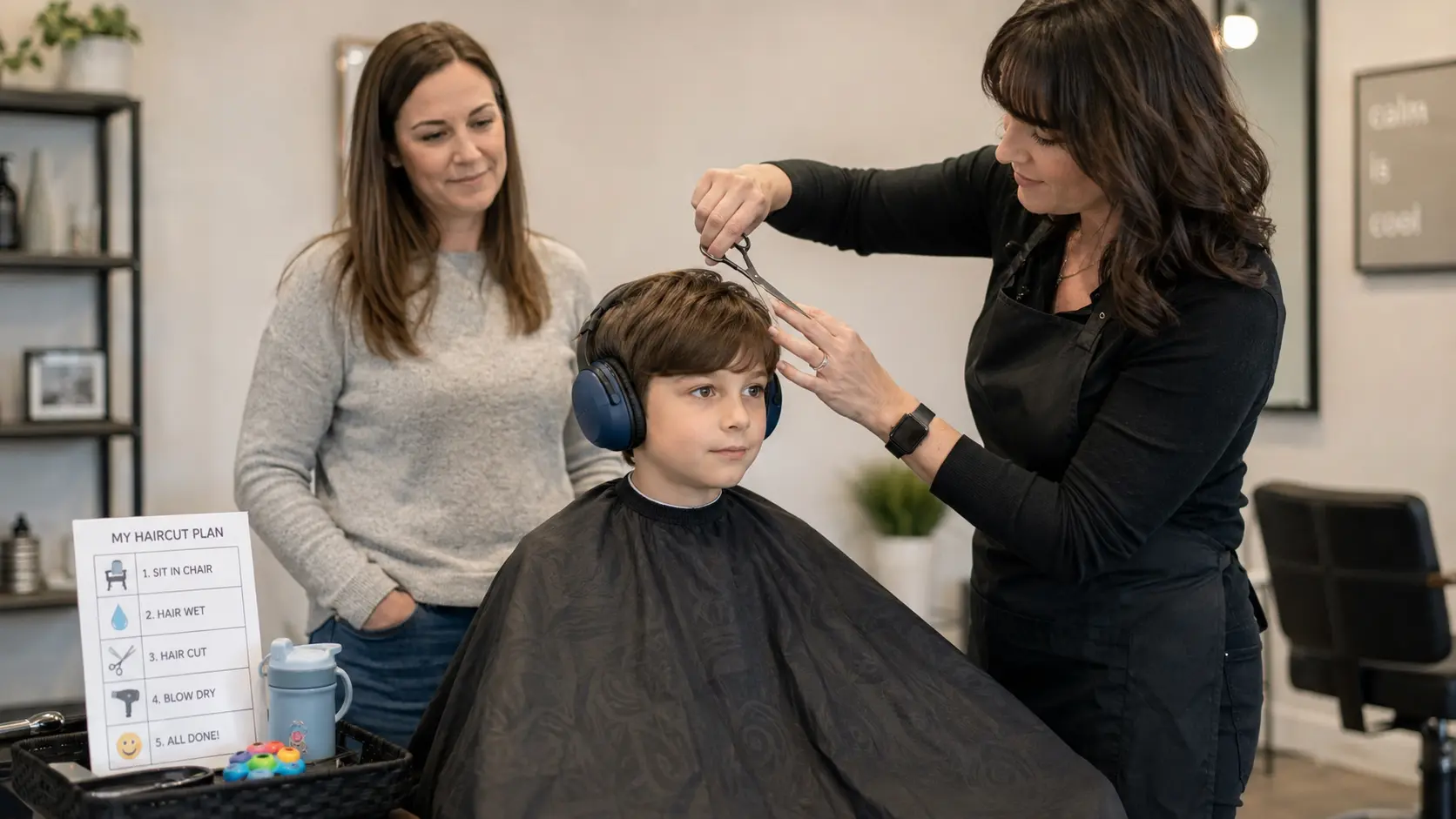
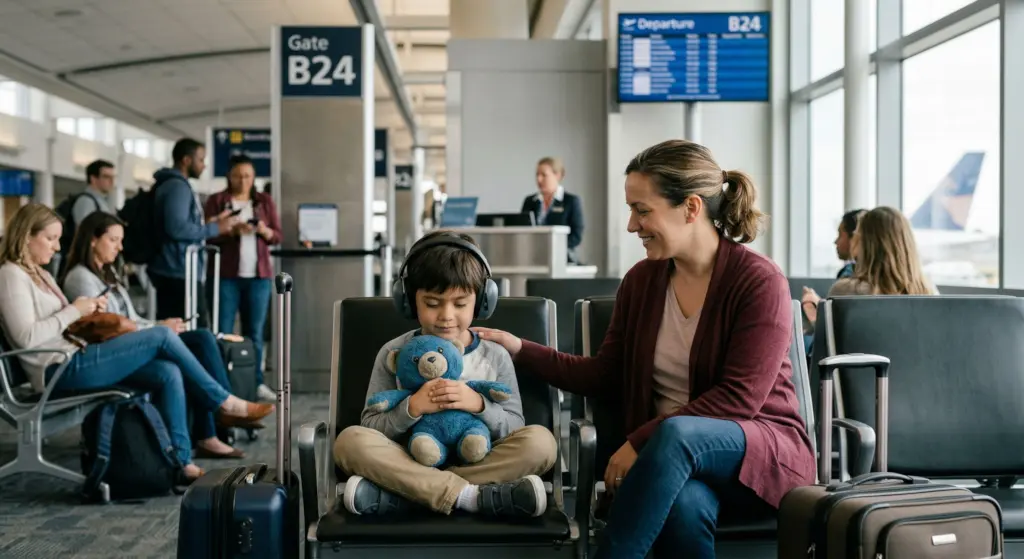
Sensory overload may look like crying, covering the ears, leaving the room, becoming less verbal, or seeking a quiet space. These reactions are not necessarily defiance; they may be signs that the child needs less stimulation.
Grandparents can help by:
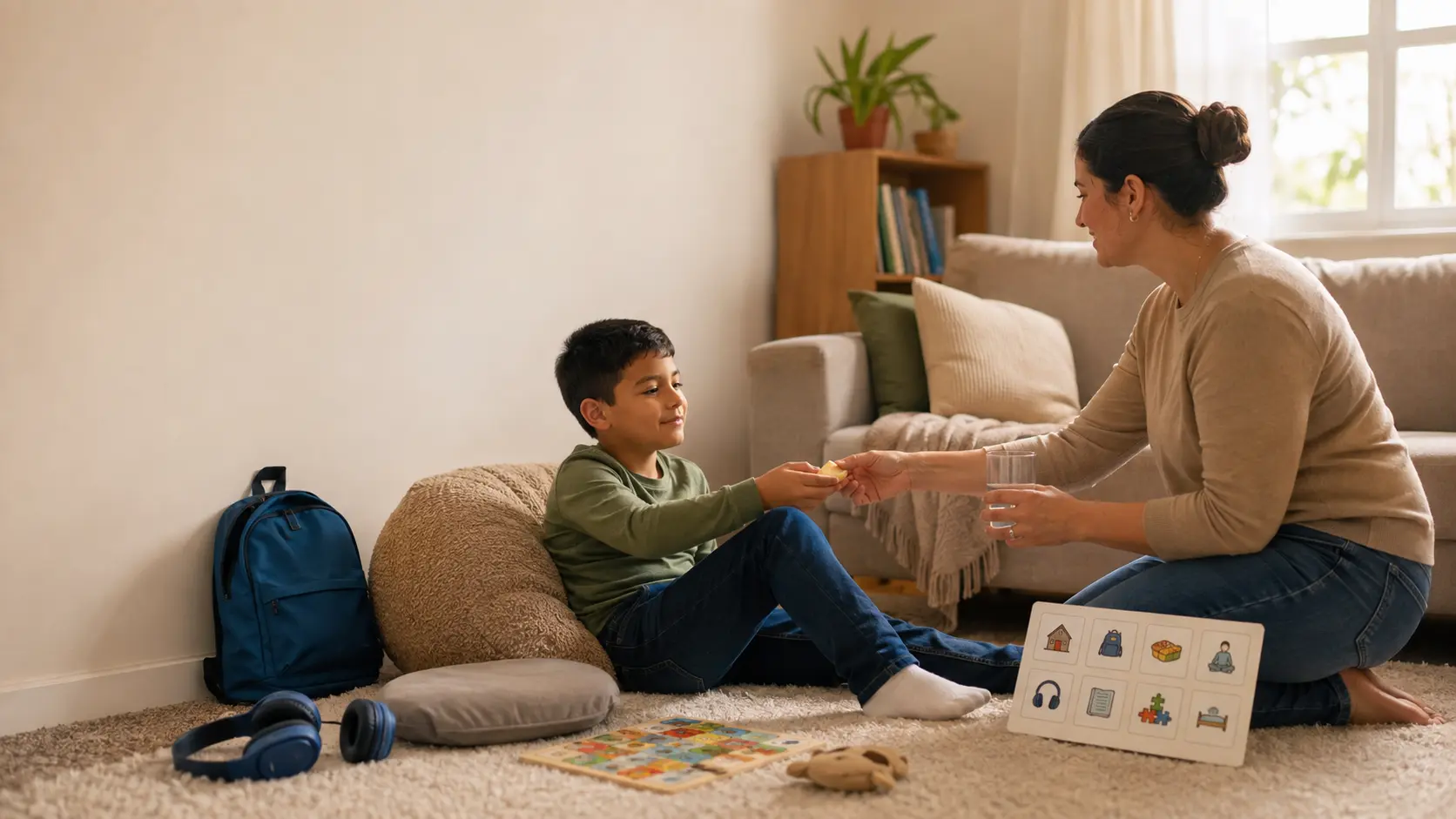
- offering a quiet space during busy events
- lowering background noise
- respecting clothing and sensory preferences
- asking before hugs, tickling, or other touch
- allowing breaks from group activities
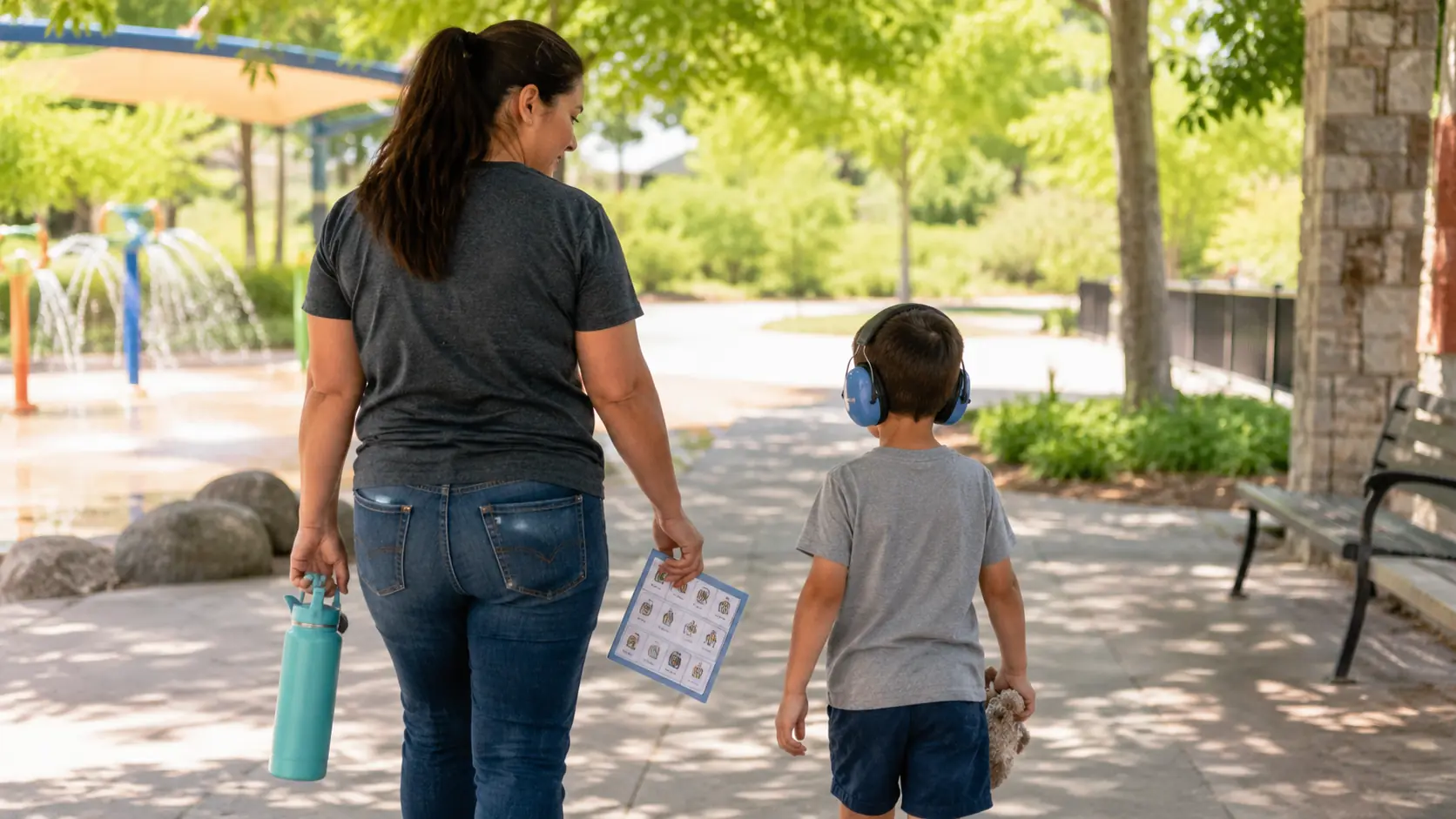
- supporting headphones or other familiar sensory tools
The goal is not to force the child to “get used to it,” but to help them feel comfortable enough to participate.
Why Predictable Routines Matter
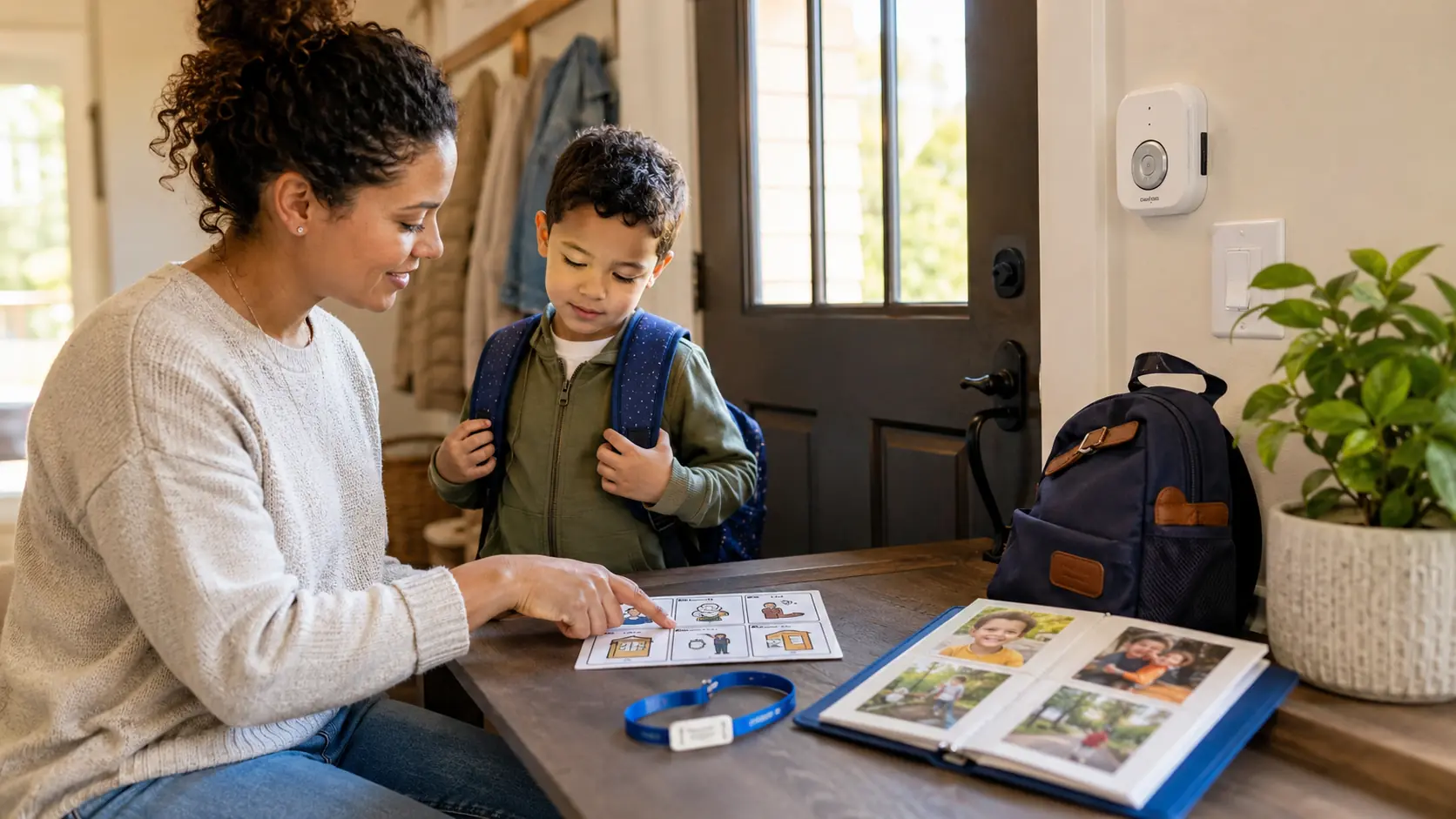
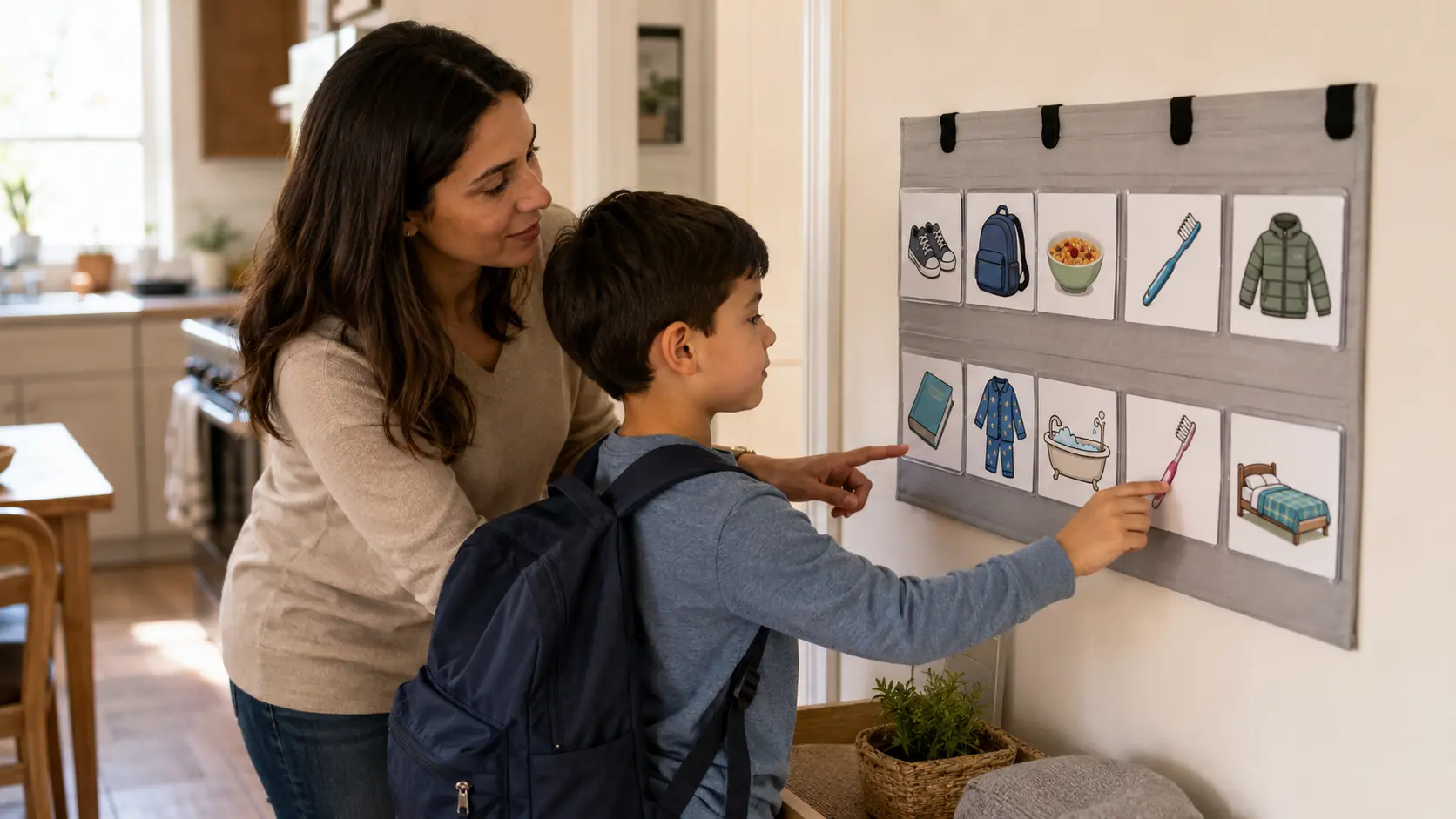
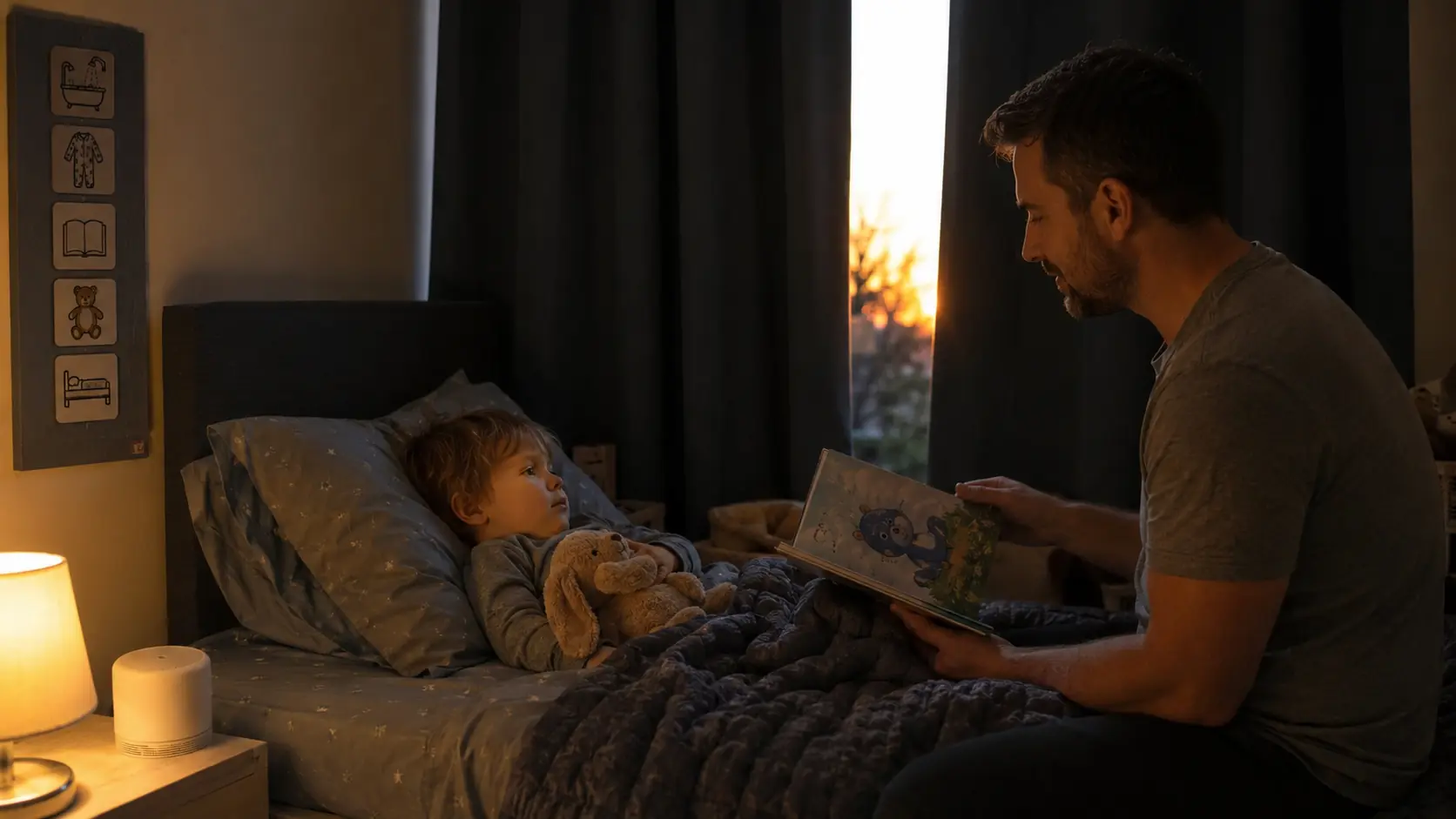
Predictable routines can help autistic children manage uncertainty and feel more comfortable during visits.
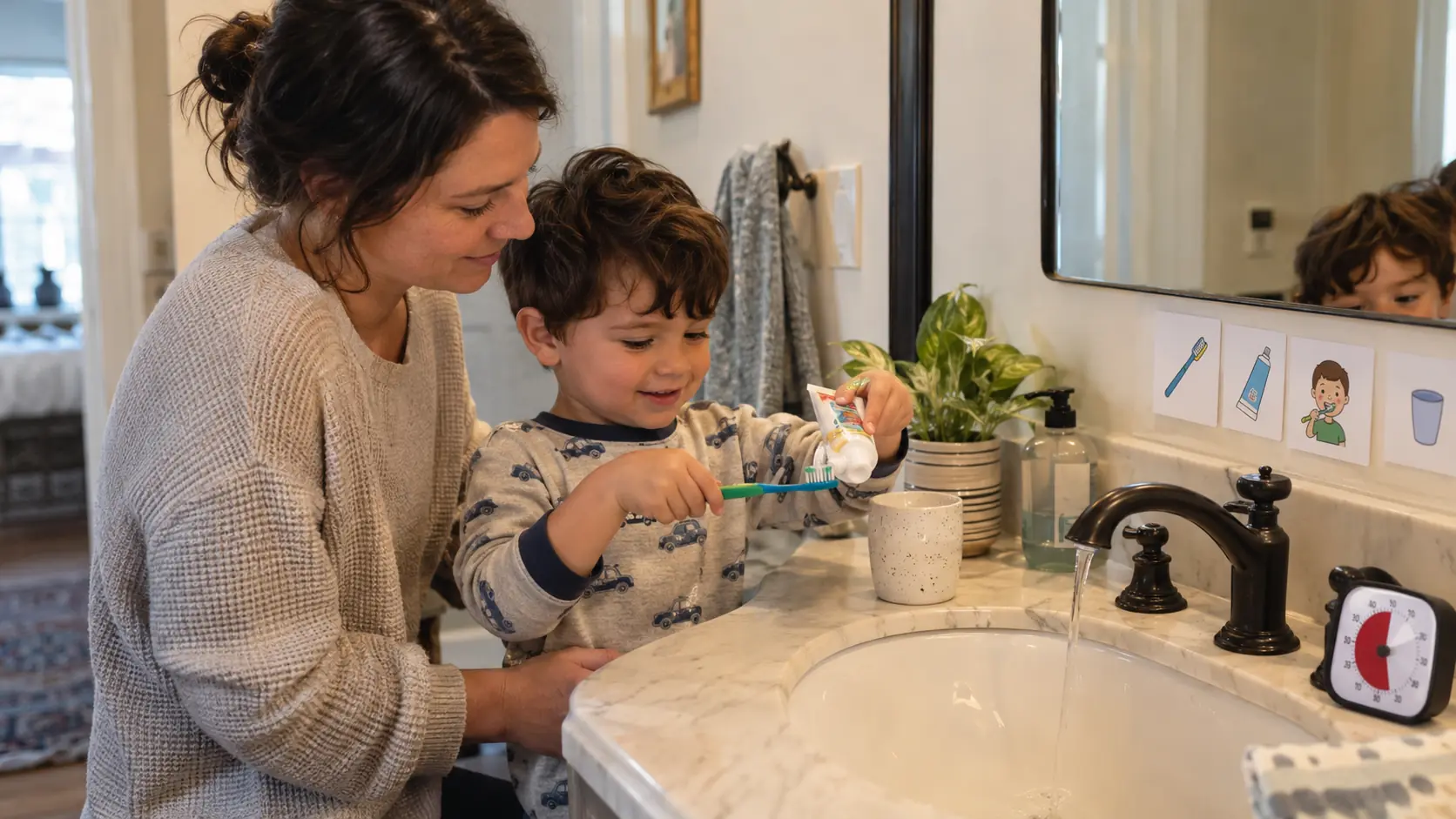
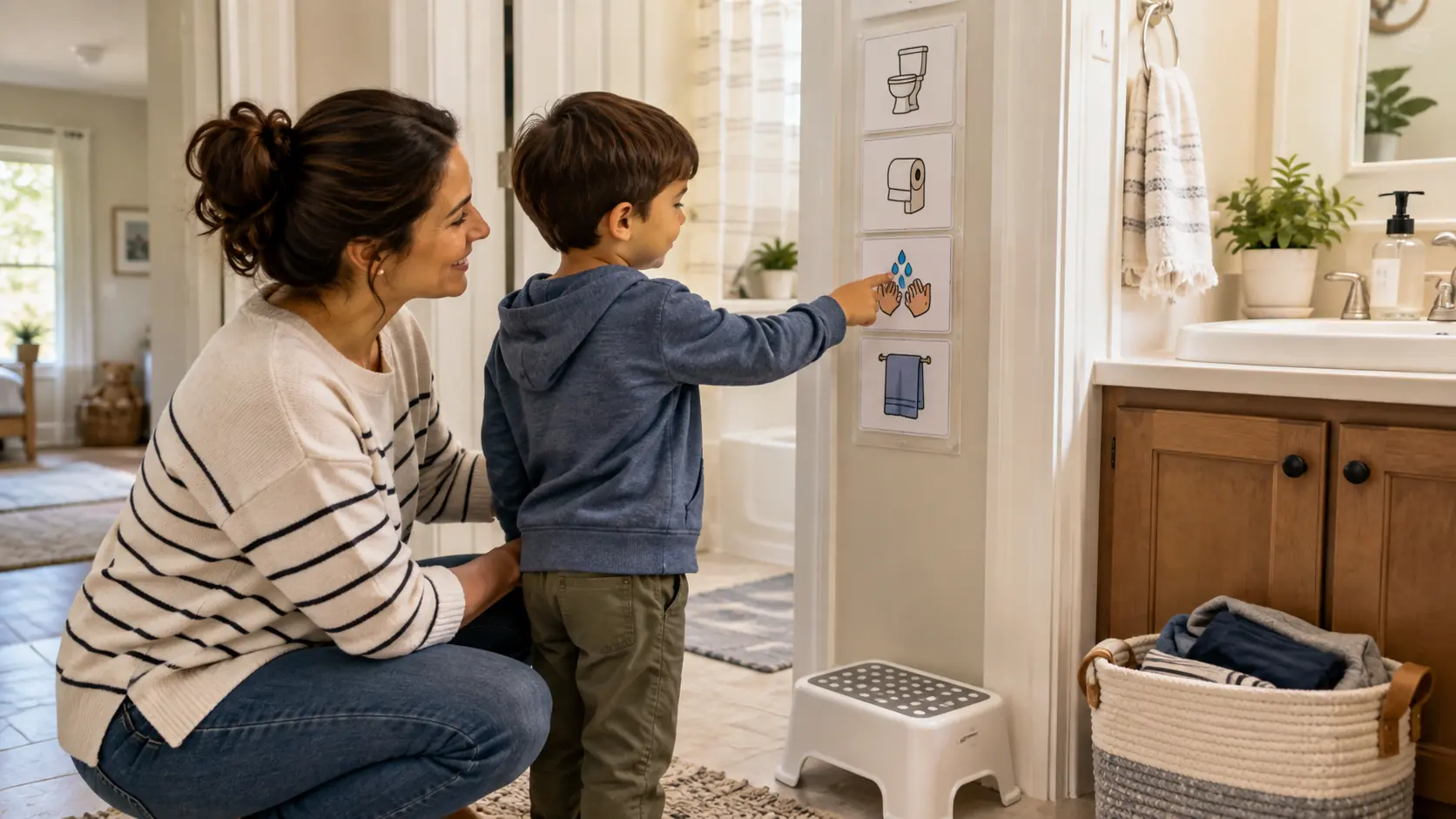
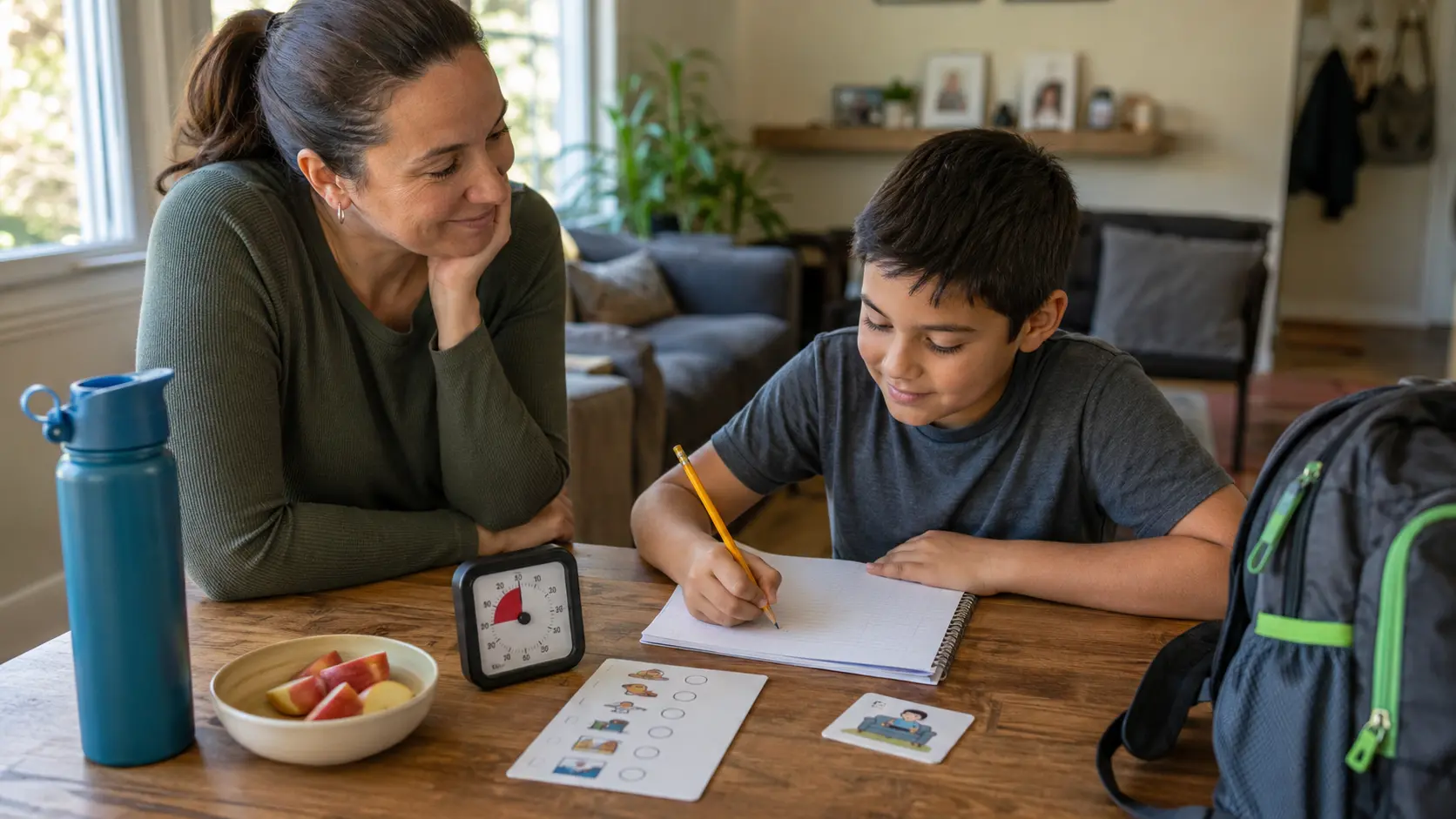
Grandparents do not need to copy every home routine exactly, but some routines around meals, medication, sleep, toileting, communication, and transitions may be important for regulation and safety.
Before a visit, ask the parents:
- Which routines are most important to keep?
- Where is there flexibility?
- What helps with transitions?
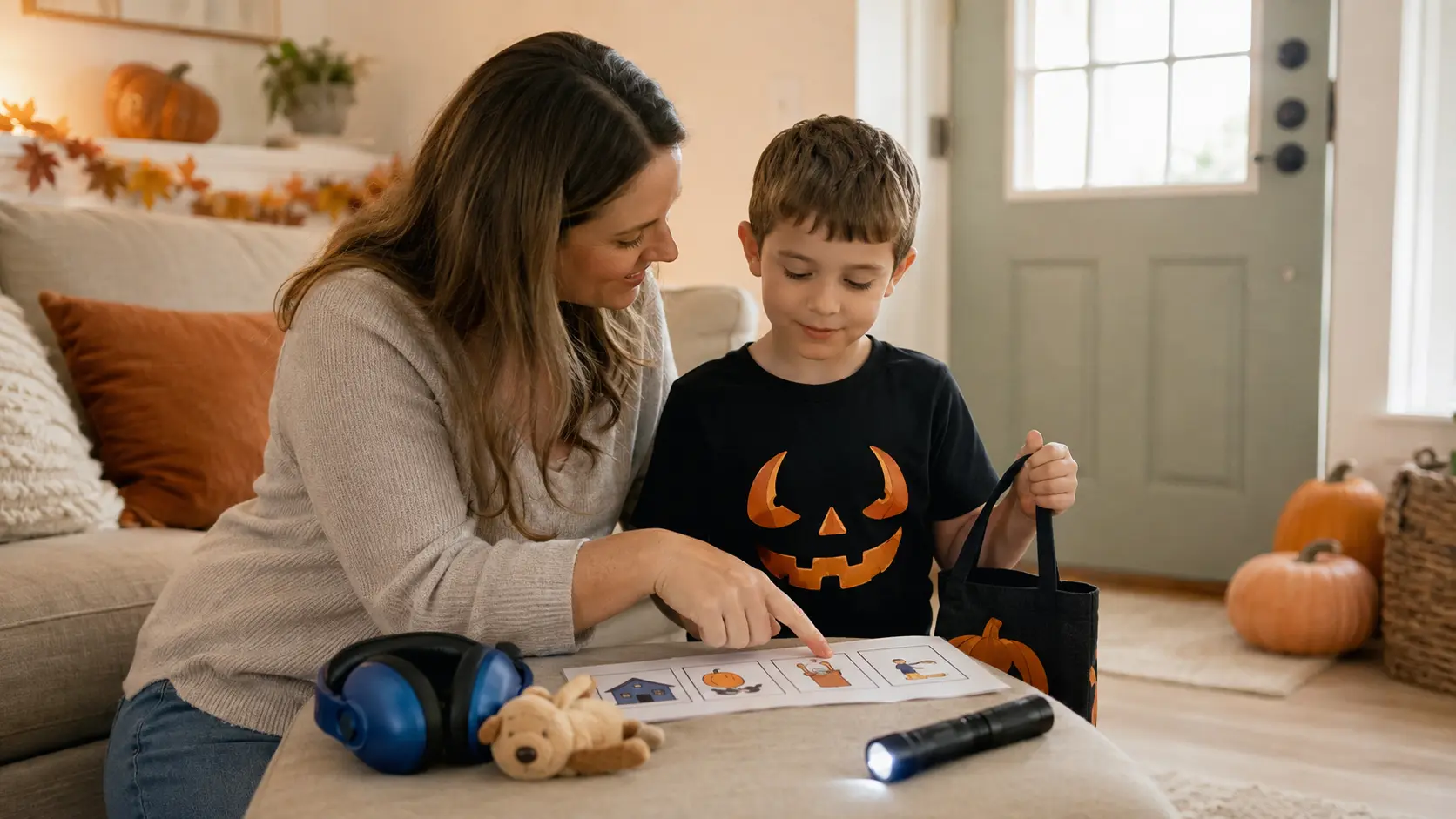
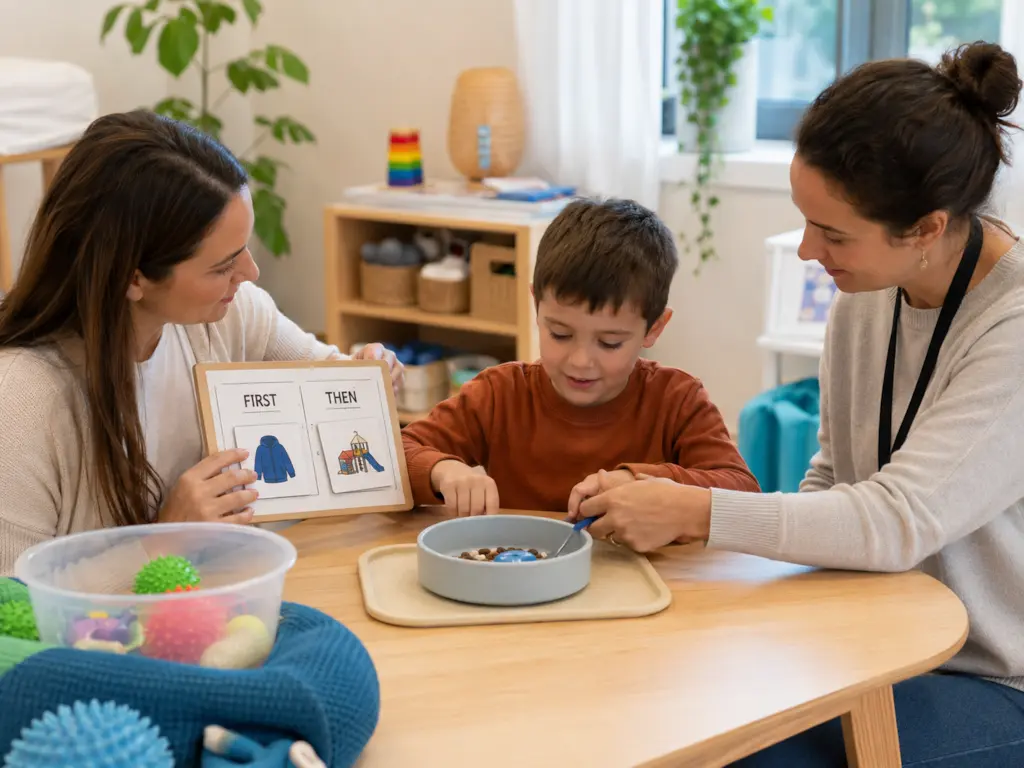
If plans change, give the child a simple warning when possible. For example:
“After lunch, we’re going for a walk, then we’ll come back inside.”
A calm preview can make unexpected changes easier to manage.
Supporting the Parents Without Judging Their Choices
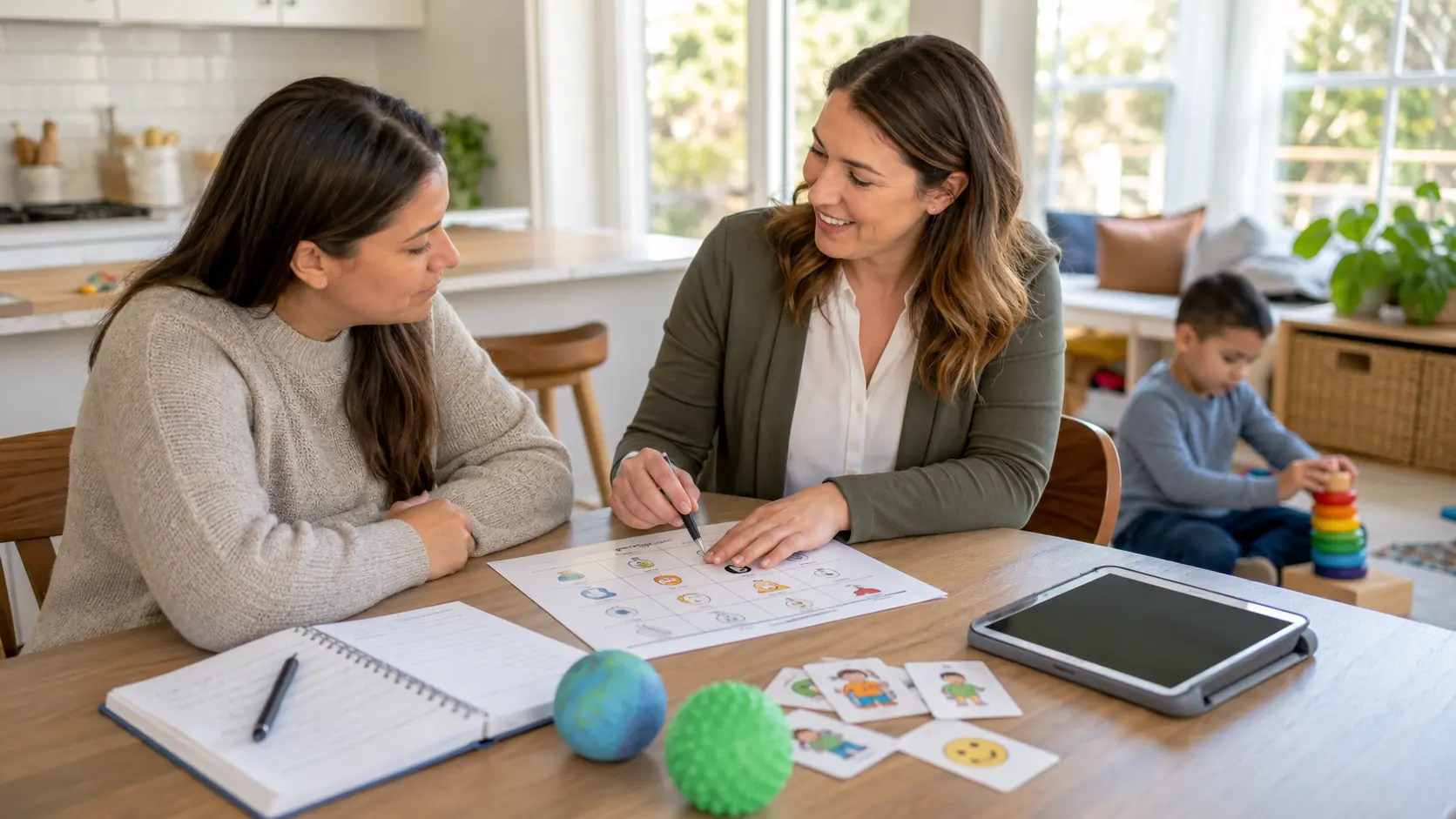
Parents of autistic children may be managing school, therapy, medical care, communication supports, sensory needs, sleep, and daily routines. What looks unnecessary from the outside may reflect what they have learned works best for their child.
The most helpful approach is to ask what helps and follow the parents’ guidance.
Try to avoid comments such as:
- “You are too soft on him.”
- “He behaves fine for me.”
- “We never did that in my day.”
If you have a concern, raise it privately and with curiosity. For example:
“I noticed she seems stressed when the television is on during dinner. Is there something I can do differently?”
Handling Differences in Discipline and Expectations
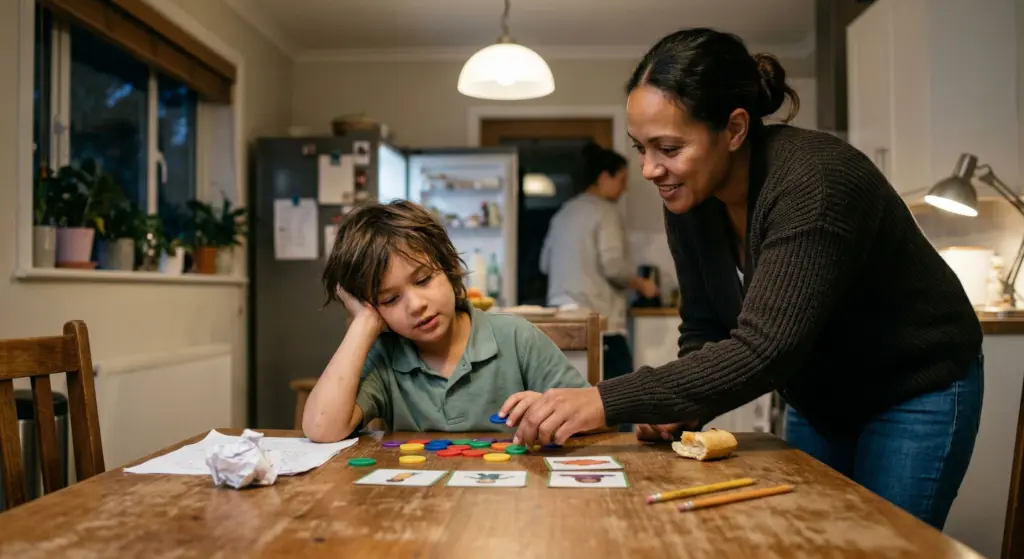
What looks like deliberate disobedience may sometimes reflect frustration, sensory overload, confusion, a difficult transition, or a skill the child is still learning.
That does not mean there are no limits. Safety and household expectations still matter, but some children may respond better to:
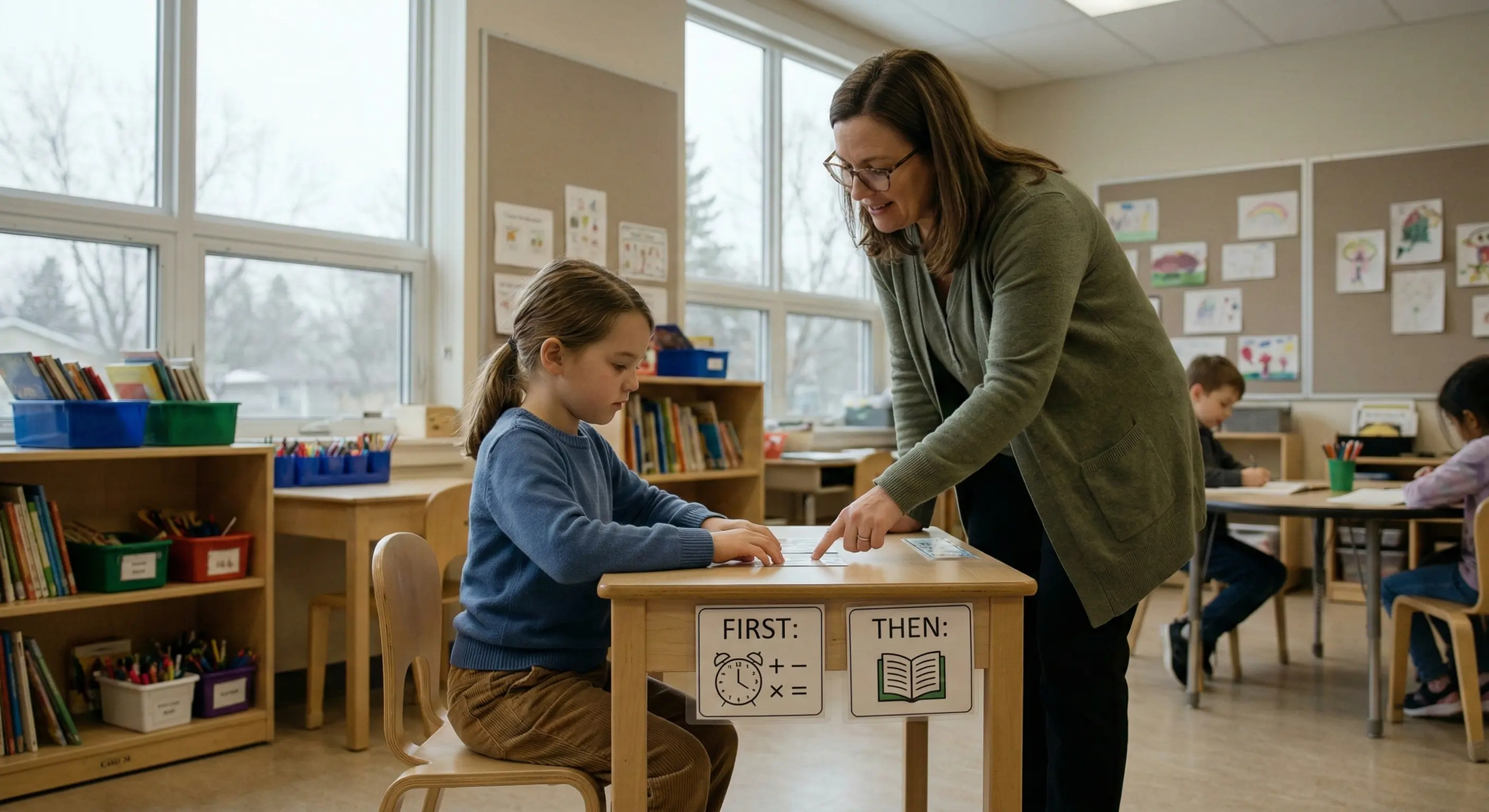
- clear, simple instructions
- extra processing time
- a calm tone
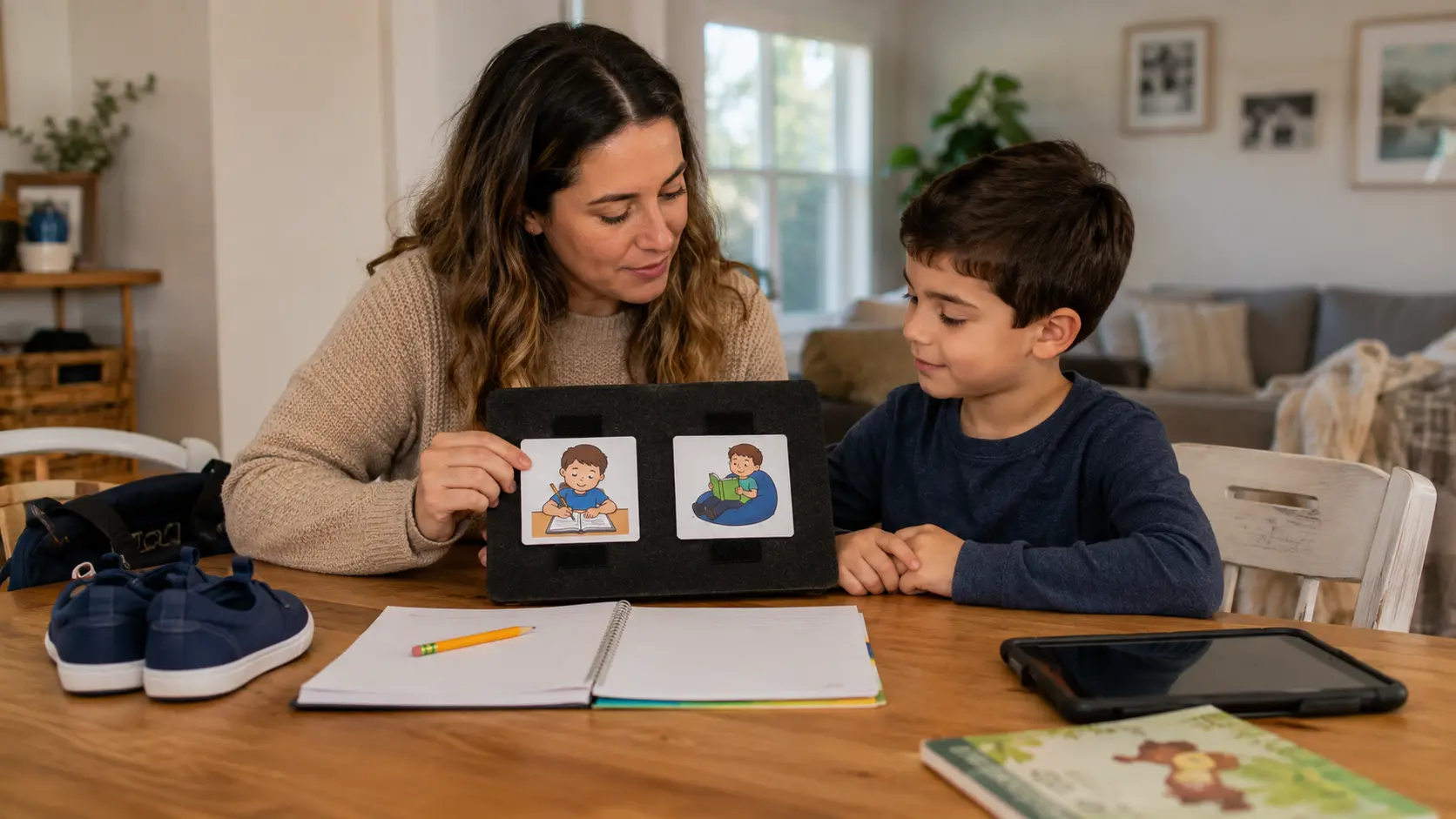
- visual or concrete cues
- reduced demands when already overwhelmed
If you are unsure how to respond, ask the parents in advance. For example:
“What usually helps when she gets upset about stopping the tablet?”
A shared plan helps grandparents respond consistently with the parents and care team.
Avoid removing a communication device or essential sensory support as a consequence. These tools help the child communicate and regulate, rather than functioning as rewards to be earned.
Building a Positive Relationship With an Autistic Grandchild
You do not need to understand everything about autism to build a strong relationship with your grandchild. What matters most is being consistent, respectful, and willing to follow their lead.
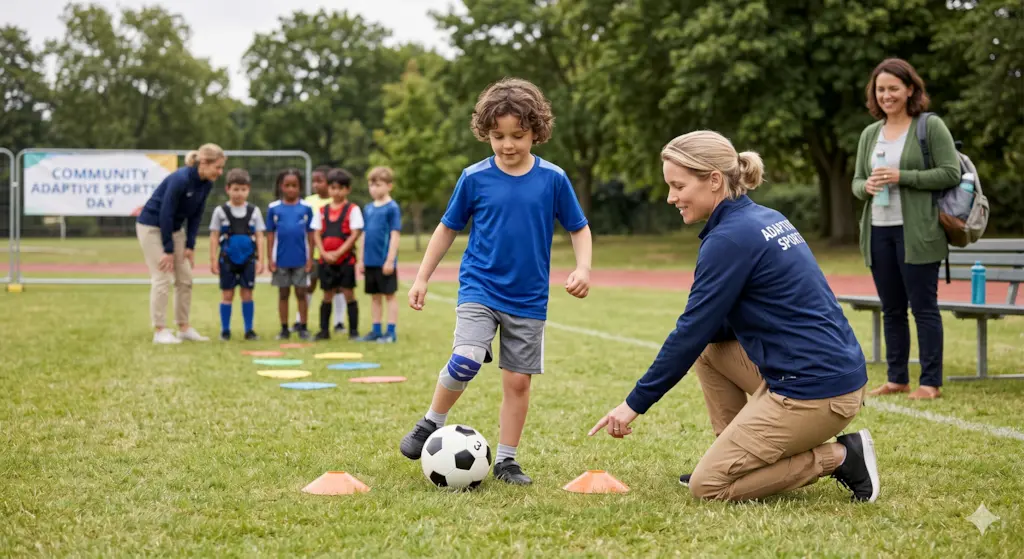
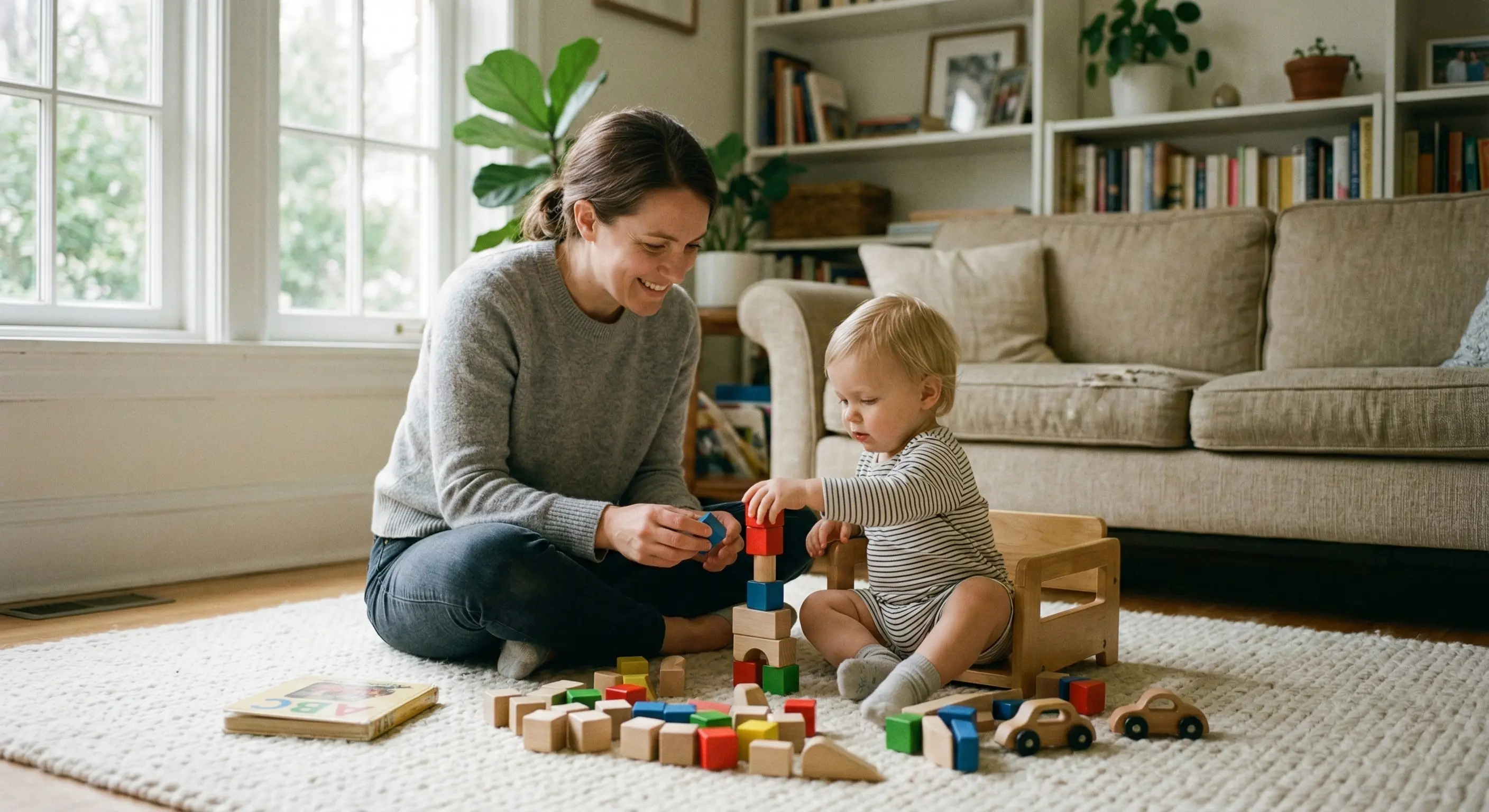
Connection may look different from what you expected. It might mean watching a favorite show together, talking about a special interest, taking a quiet walk, or simply sitting nearby without pressure.
Low-pressure ways to connect include:
- joining a preferred activity without redirecting it
- showing interest in the child’s favorite topics
- reading a familiar book together
- creating a simple, predictable shared routine
- following the child’s pace in conversation and play
Physical affection should also be guided by the child’s comfort. Instead of assuming they want a hug, offer choices such as a hug, high five, wave, or no touch at all.
Respecting these boundaries helps build trust and makes connection feel genuine rather than forced.
How Grandparents Can Support Skills Between ABA Sessions
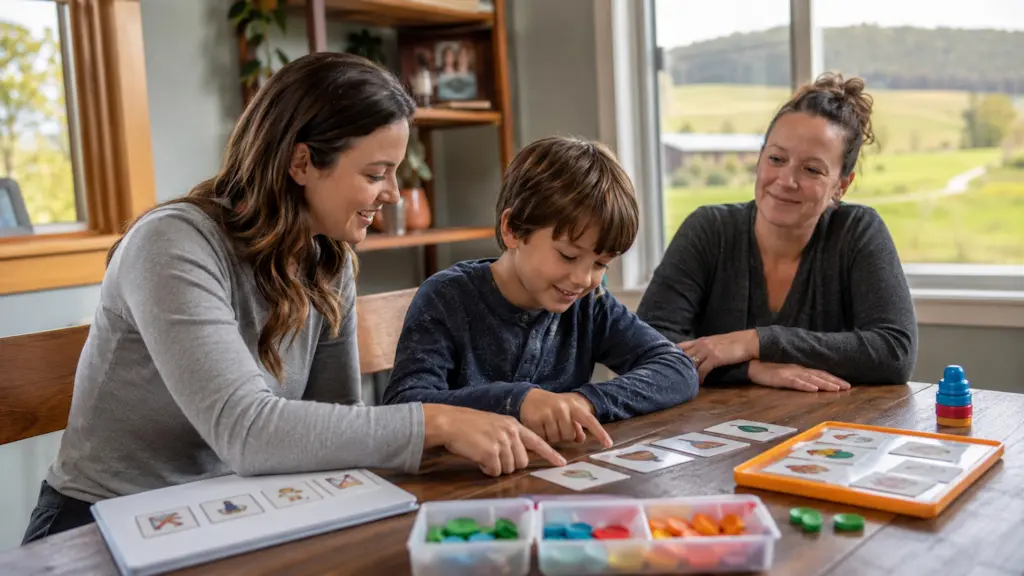
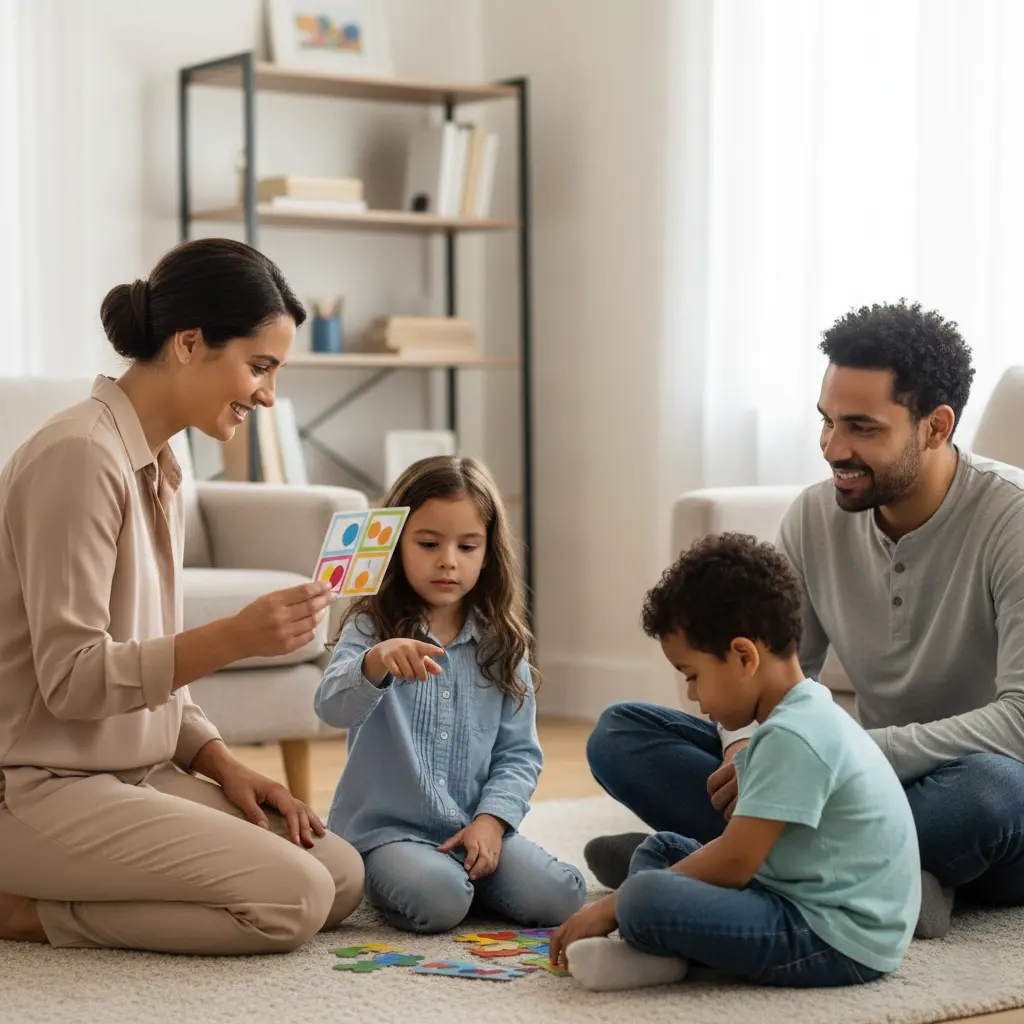
Grandparents who regularly provide care can help create consistency across everyday settings.
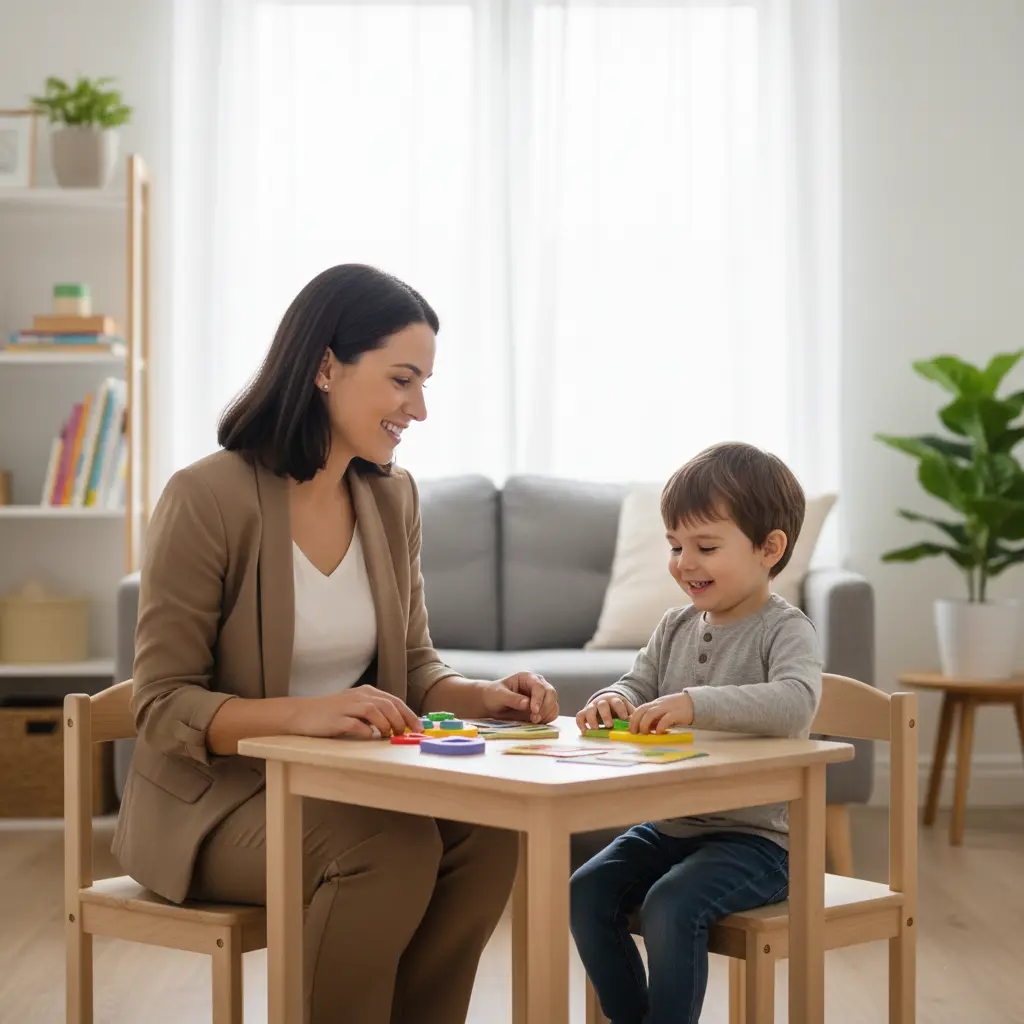
The goal is not to become a therapist, but to support strategies the parents and ABA team are already using.
Helpful examples include:
- giving the child time to communicate before stepping in
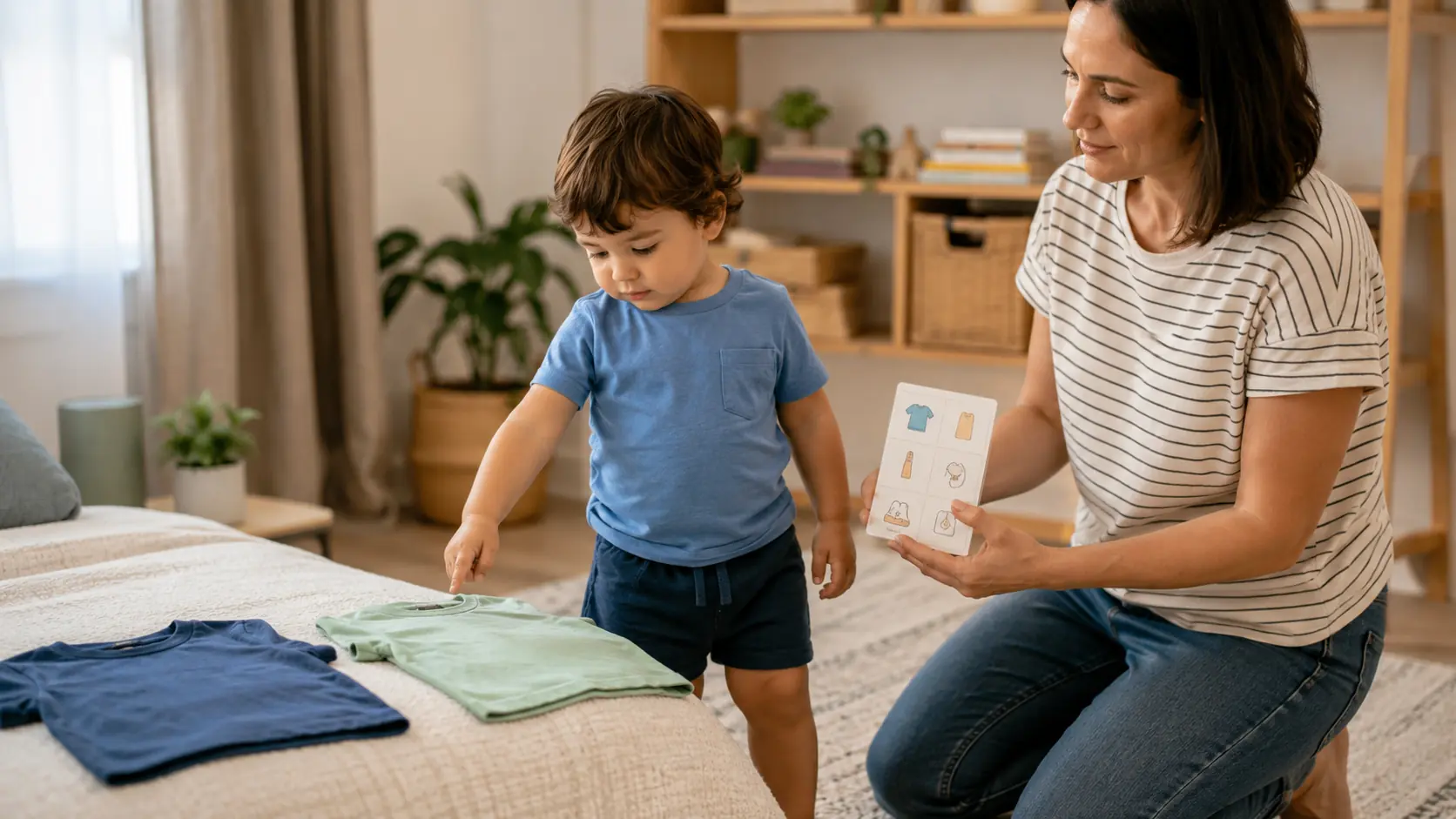
- offering choices when appropriate
- responding to communication in whatever form it takes
- encouraging the child to try familiar self-care steps before helping
- following routines or prompts the parents have already explained
These small, consistent moments can help skills carry over into daily life and reduce confusion between caregivers.
Grandparents should not run formal behavior programs, collect clinical data, or introduce new strategies without discussing them with the parents. If they provide care often, they can also ask whether caregiver training is available.
You Do Not Need to Get Everything Right — You Just Need to Show Up
You do not need to understand every autism term or therapy strategy to be an important part of your grandchild’s life.
What matters most is being willing to learn, following the parents’ key guidance, and allowing the relationship to grow at the child’s pace.
When your grandchild knows you will respect their communication, routines, sensory needs, and boundaries, you create something more important than a perfect visit: trust.
That trust can become the foundation of a strong and meaningful relationship.
Is Your Family Looking for More Consistent Support?
If grandparents or other family caregivers are regularly involved in care, AtlasCare ABA can help families strengthen consistency around communication, routines, caregiver strategies, and skill goals.
Contact AtlasCare ABA to learn more about caregiver education and family support.






.webp)
.webp)
.webp)
.webp)
.webp)






.jpg)

.webp)

.webp)
.webp)







%20During%20Play%20in%20the%20Home.webp)