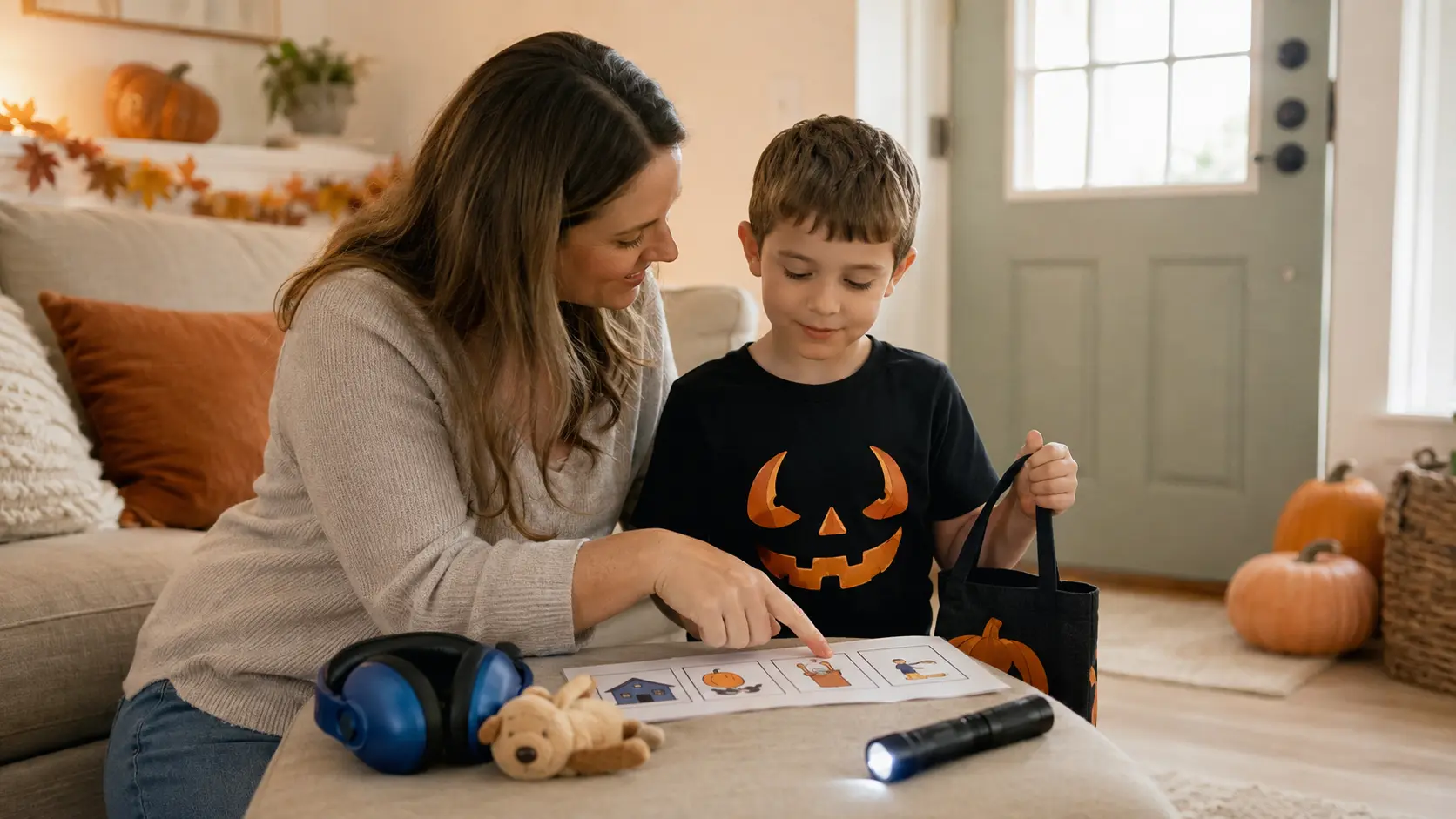
Halloween and autism can absolutely coexist — sometimes with excitement, sometimes with extra planning, and sometimes with a completely different approach.
For autistic children, Halloween may bring sensory and routine challenges such as costumes, doorbells, flashing lights, fog machines, crowded sidewalks, unexpected sounds, and a disrupted evening schedule. While some children may enjoy these experiences, others may find them overwhelming.
There is no single “right” way for an autistic child to celebrate October 31st. The goal is to create a Halloween experience that feels comfortable, predictable, and enjoyable for your child.
Why Halloween Can Feel Overwhelming for Some Autistic Children
Not every autistic child finds Halloween difficult, but the holiday can combine several sensory, social, and routine challenges at once.
Common triggers may include:
- Sensory overload: Flashing lights, loud music, fog machines, crowded sidewalks, strong smells, and animated decorations can quickly become overwhelming.
- Unfamiliar appearances: Masks, wigs, makeup, and costumes may make familiar people harder to recognize.
- Social expectations: Approaching a door, speaking, accepting a treat, and moving on can feel demanding for children who find social interactions or communication challenging.
- Routine changes: Evening outings, later bedtimes, different meal times, and an unusual schedule can disrupt familiar routines.
- Unpredictability: Children may not know who will answer the door, what decorations they will see, or what sounds they will hear next.
The good news is that many of these challenges can be reduced with preparation, flexibility, and a Halloween plan that matches your child’s comfort level.
Choosing a Sensory-Friendly Costume
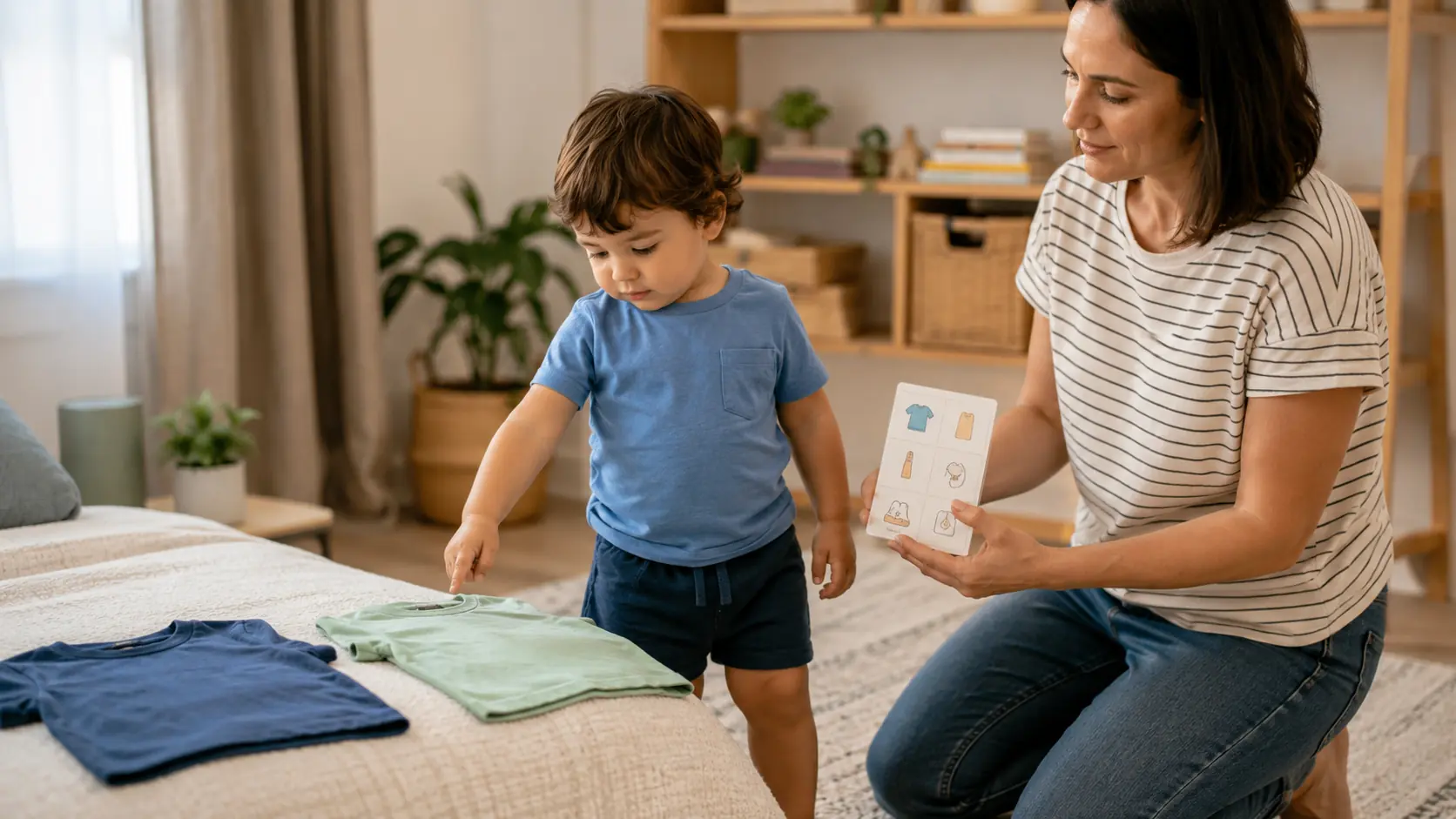
A costume should feel comfortable, not just look good. For some autistic children, fabric, fit, weight, seams, or masks can quickly become uncomfortable.
Consider these tips:
- Try it early: Let your child wear the costume at home before Halloween. If they want to remove it, treat that as useful feedback.
- Prioritize comfort: Choose soft fabrics, loose fits, minimal tags, and familiar textures. Wearing regular clothes underneath may also help.
- Keep alternatives simple: A themed T-shirt, pajamas, cape, hat, single accessory, or favorite clothing can work just as well.
- Check safety: Avoid costumes or masks that limit vision, hearing, movement, or safe walking.
If your child does not want to wear a costume at all, that is okay. The goal is comfortable participation, not perfect presentation.
Preparing for Doorbells, Decorations, and Crowds
Halloween can feel easier when some of the surprises are made more predictable in advance.
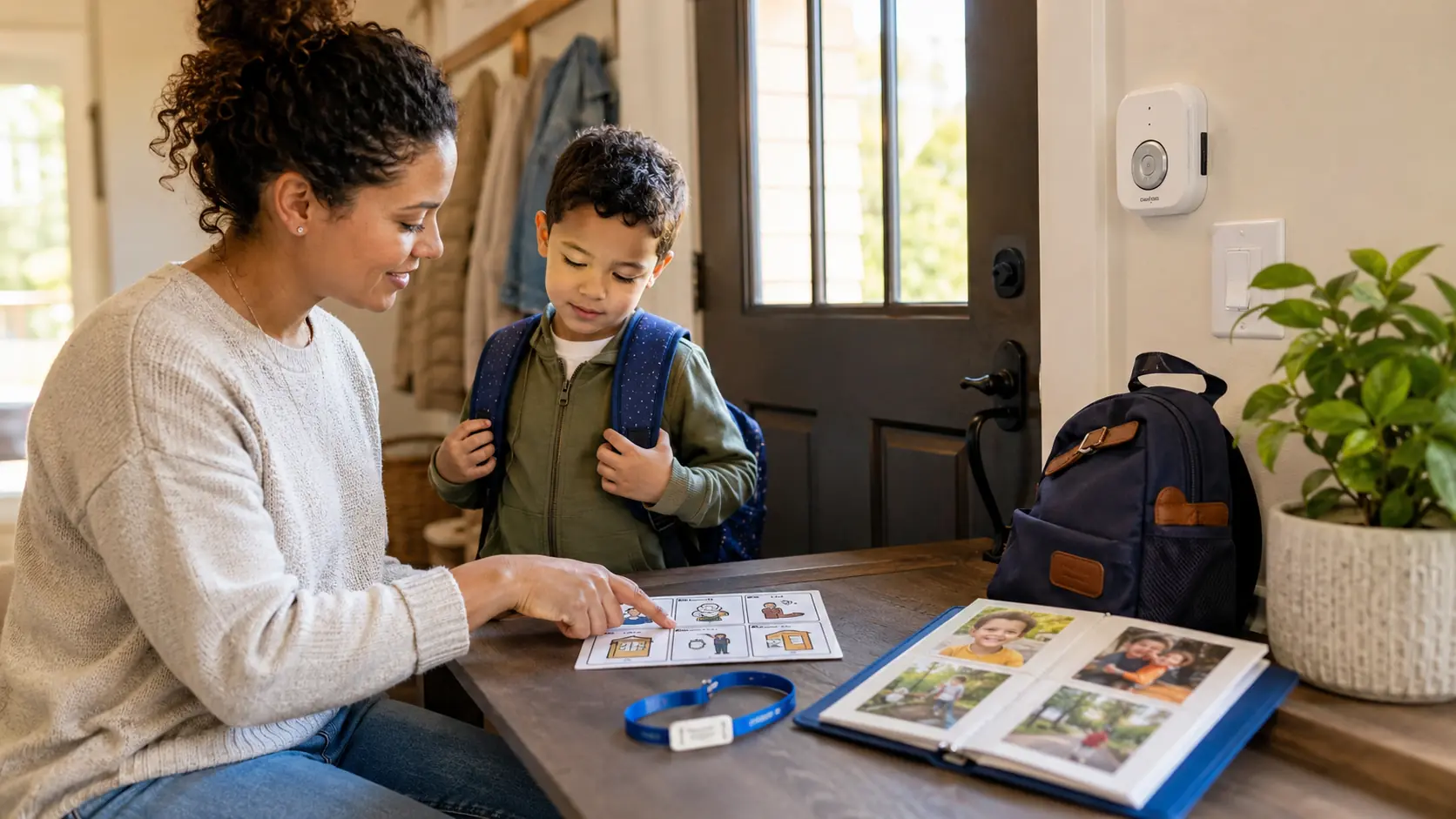
- Preview the environment: Walk the route beforehand or show photos and videos of decorations so your child knows what to expect.
- Explain what to expect: If reassurance helps, explain that scary characters, masks, and animated decorations are pretend. For example, remind your child that a familiar person wearing a costume is still the same person underneath.
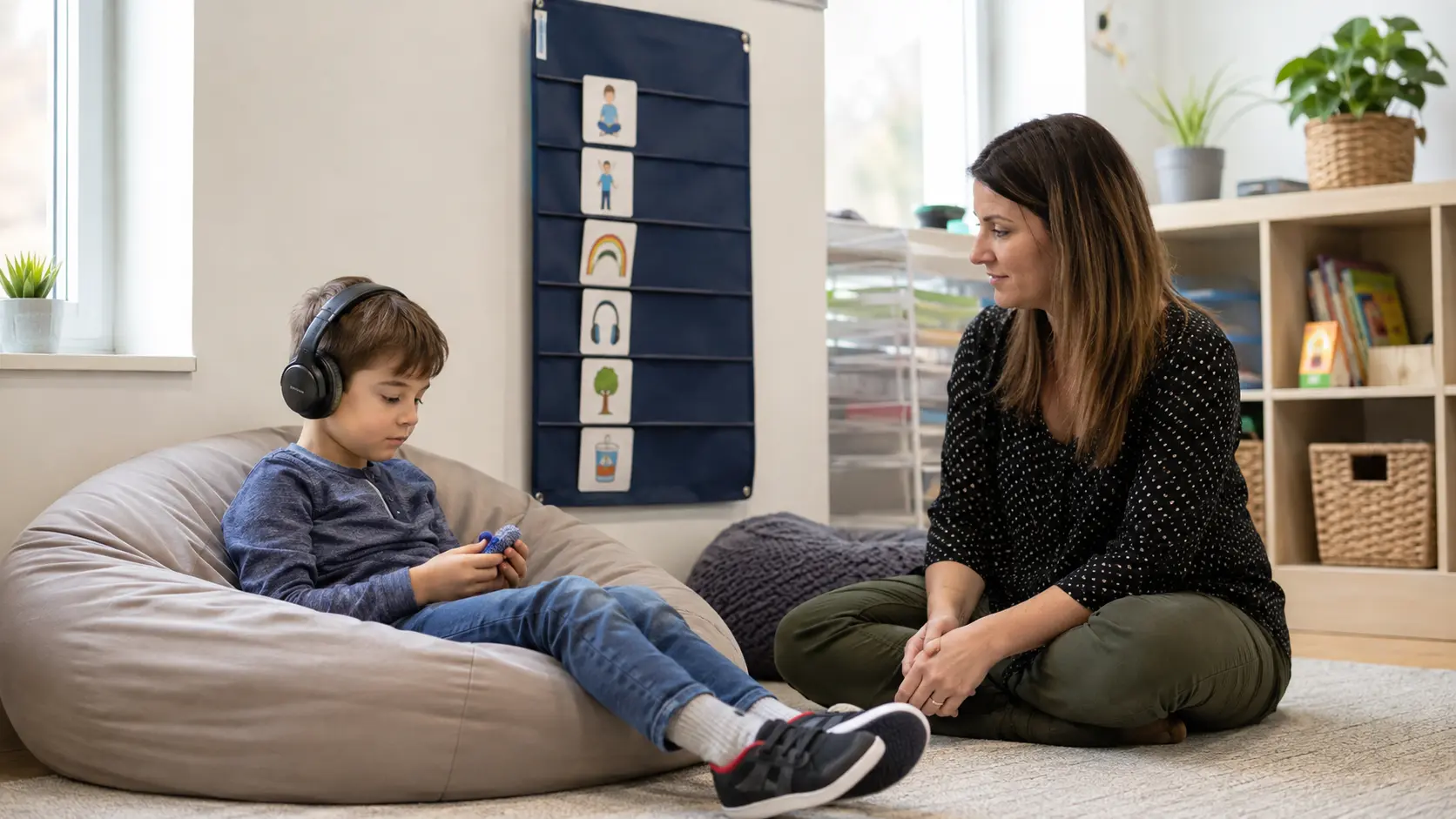
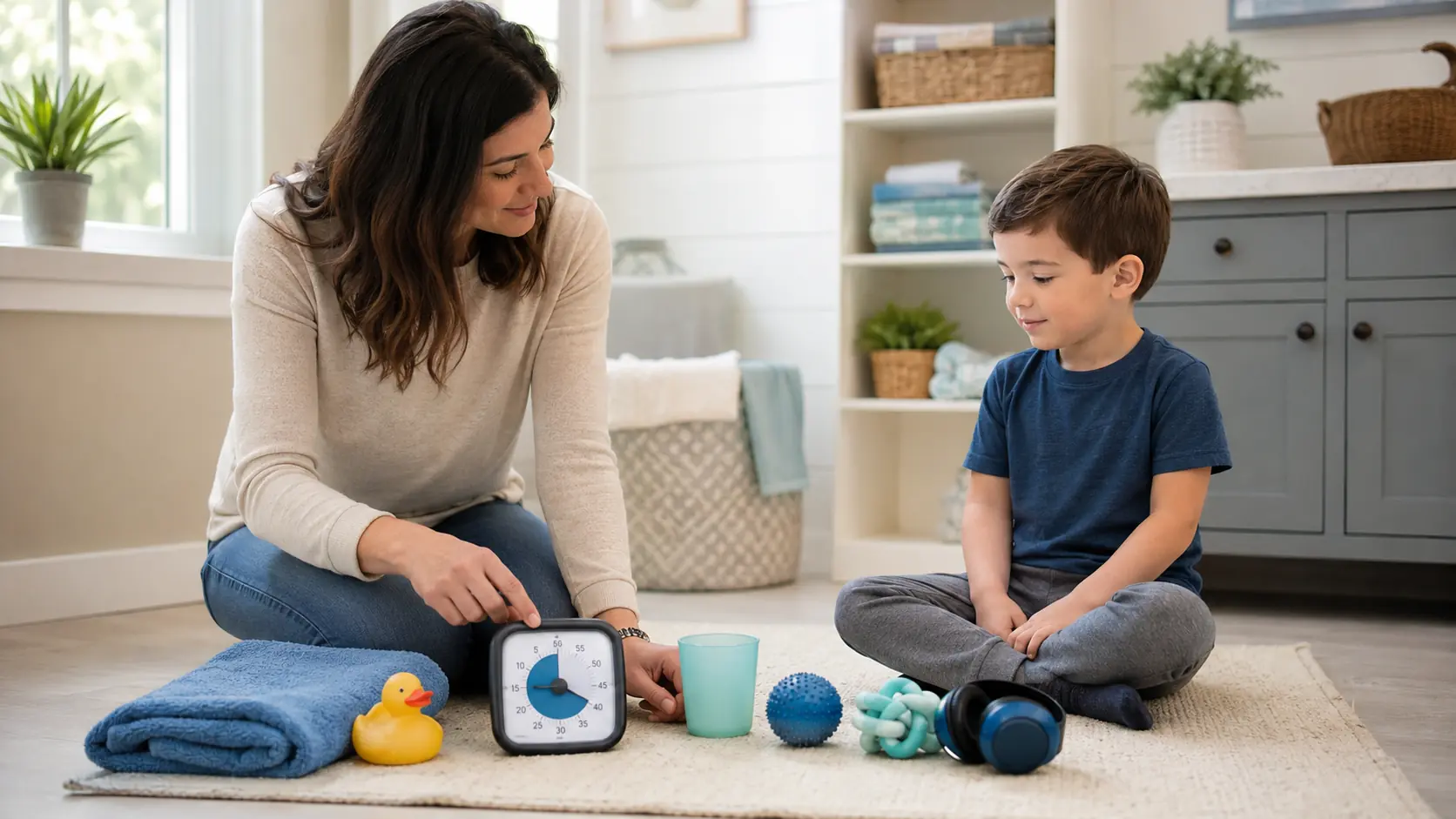
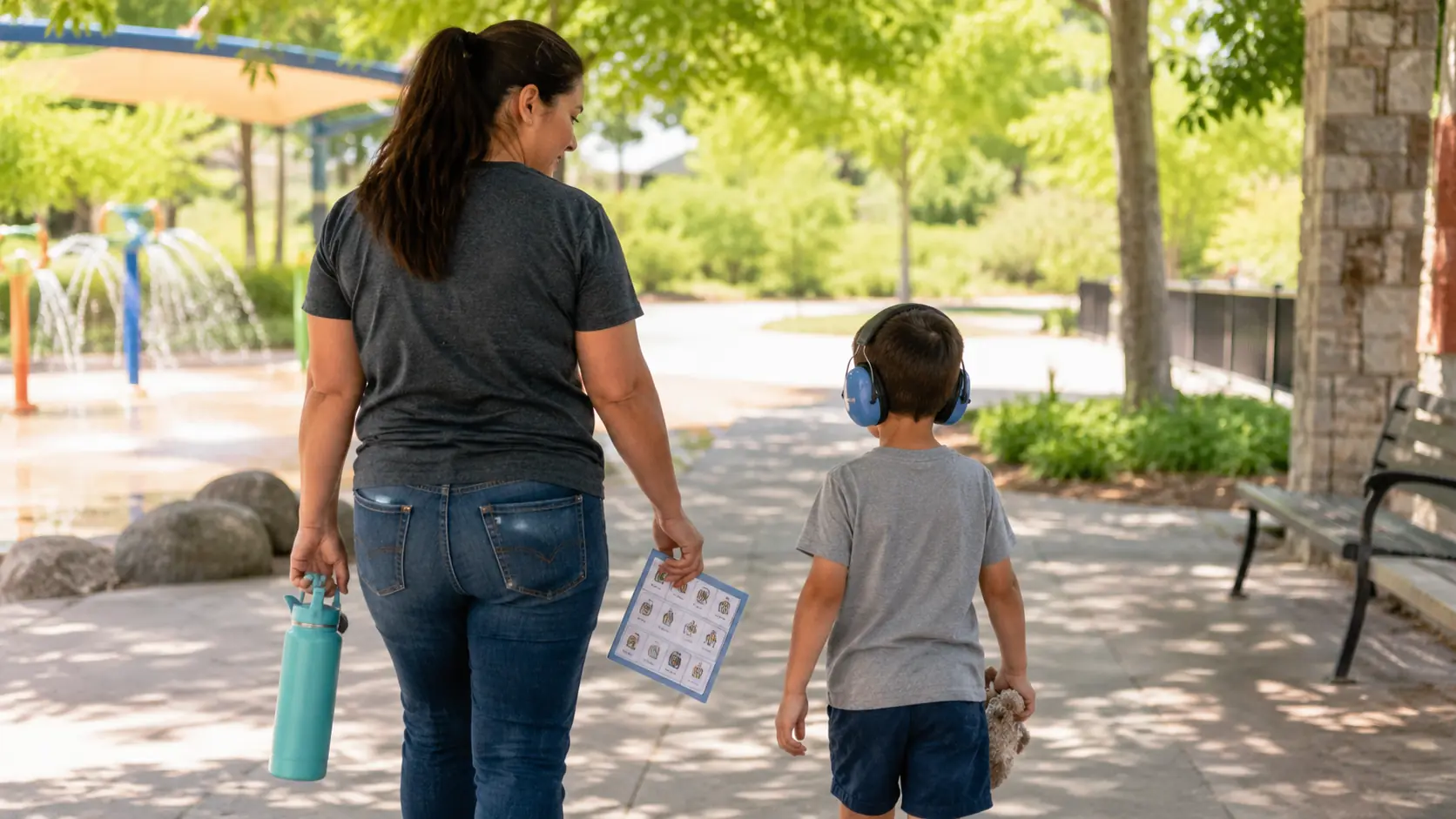
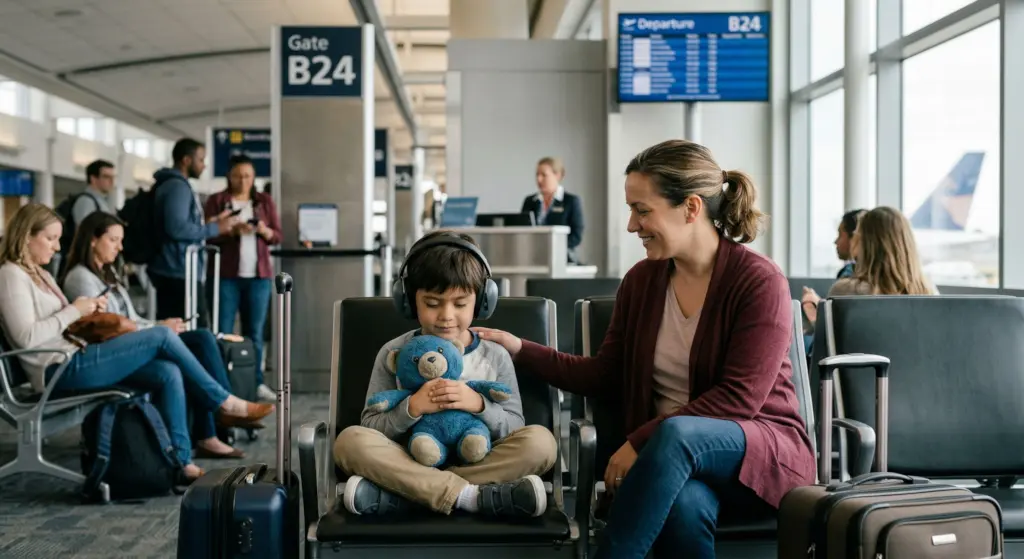
- Bring sensory supports: Pack headphones, a comfort item, fidget, or familiar snack if your child uses them.
- Choose quieter times: Go earlier, stay close to home, and start with a short, familiar route.
The goal is not to eliminate every surprise, but to reduce unnecessary sensory stress and make the experience feel more manageable.
Practicing Trick-or-Treating Before Halloween
Practicing the trick-or-treating routine beforehand can make the experience feel more familiar and predictable.
Try:
- Role-playing at home: Practice walking to the door, knocking, receiving a treat, and using a spoken or nonverbal response.
- Visiting a familiar neighbor: Arrange a short practice visit before Halloween.
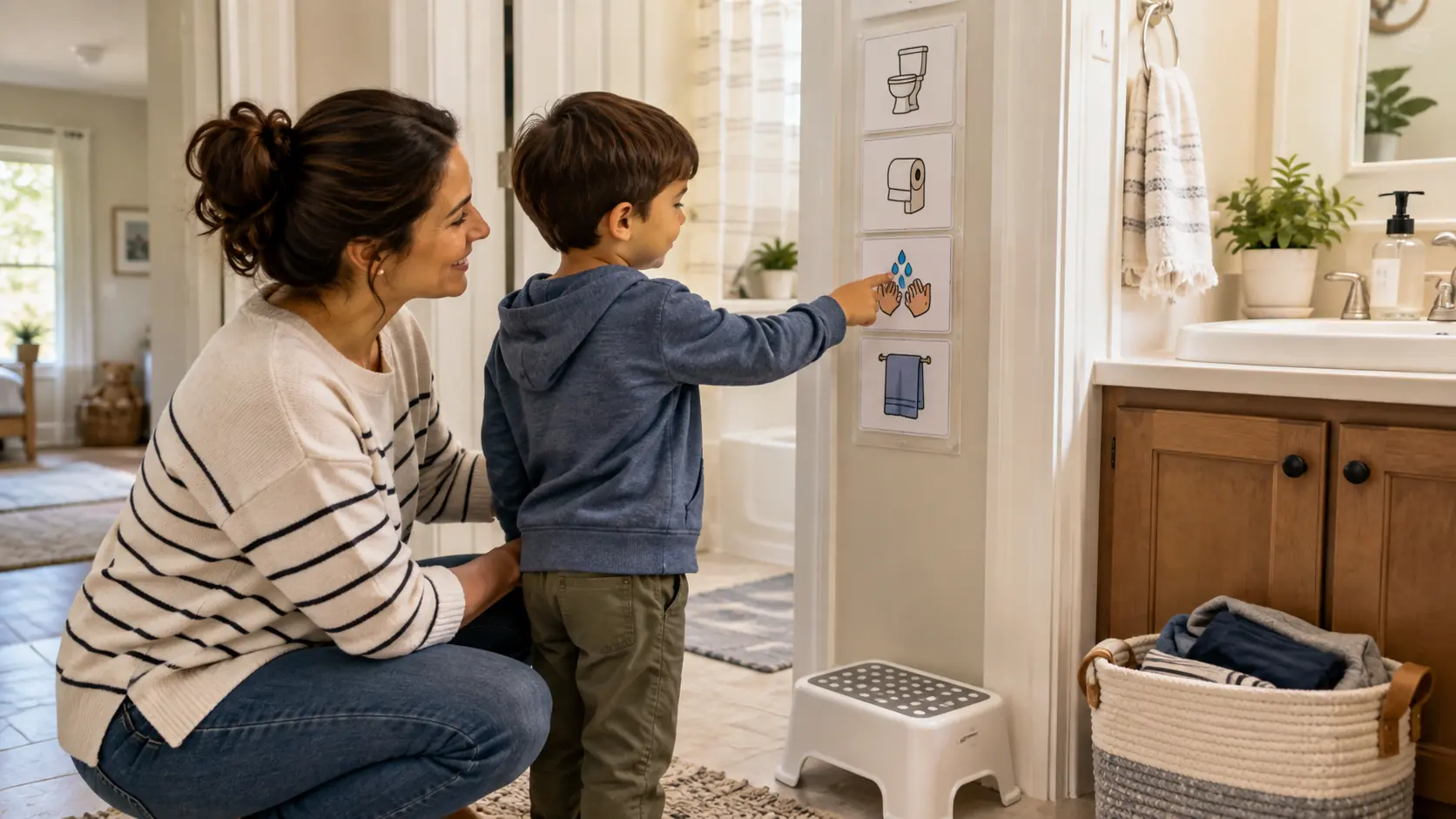
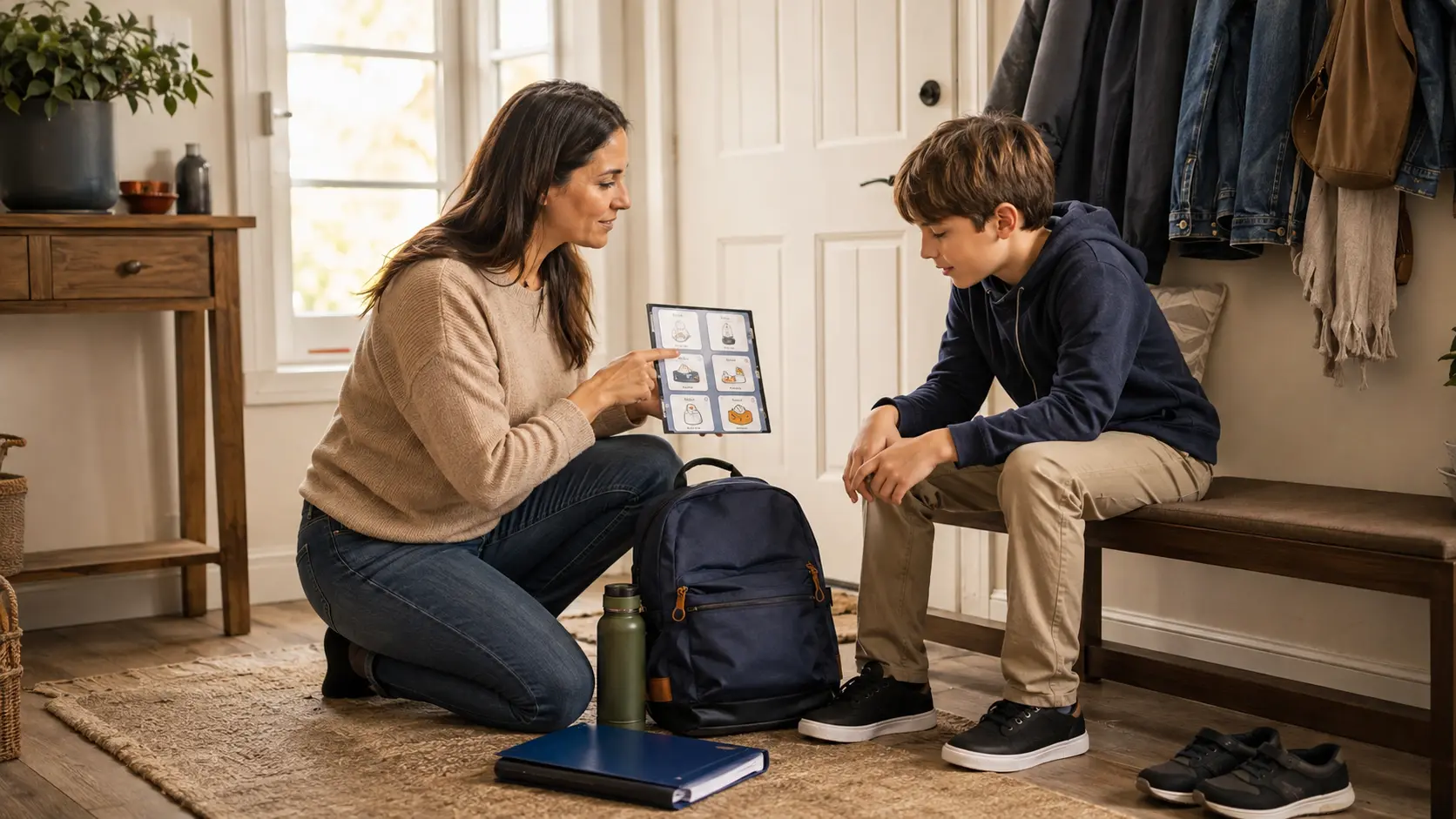
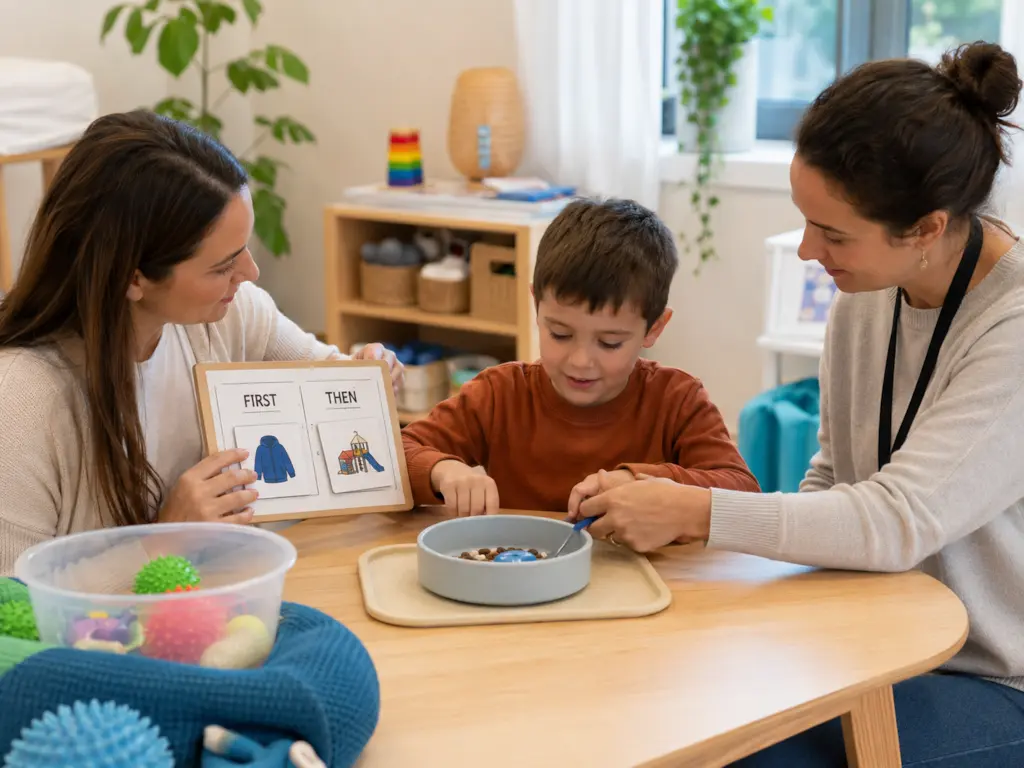
- Using visual supports: A social story, photo sequence, or short video can show what to expect.
- Practicing with the bag or bucket: Let your child get used to carrying it before the event.
Practice should reduce uncertainty, not create pressure. If your child is not interested in rehearsing, that is okay too.
Communication Options for Speaking and Nonspeaking Children
Children do not need to say “trick or treat,” make eye contact, or say “thank you” to participate in Halloween. Communication can take many forms.
- Spoken words: If your child wants to say “trick or treat,” they can — but speech should not be required.
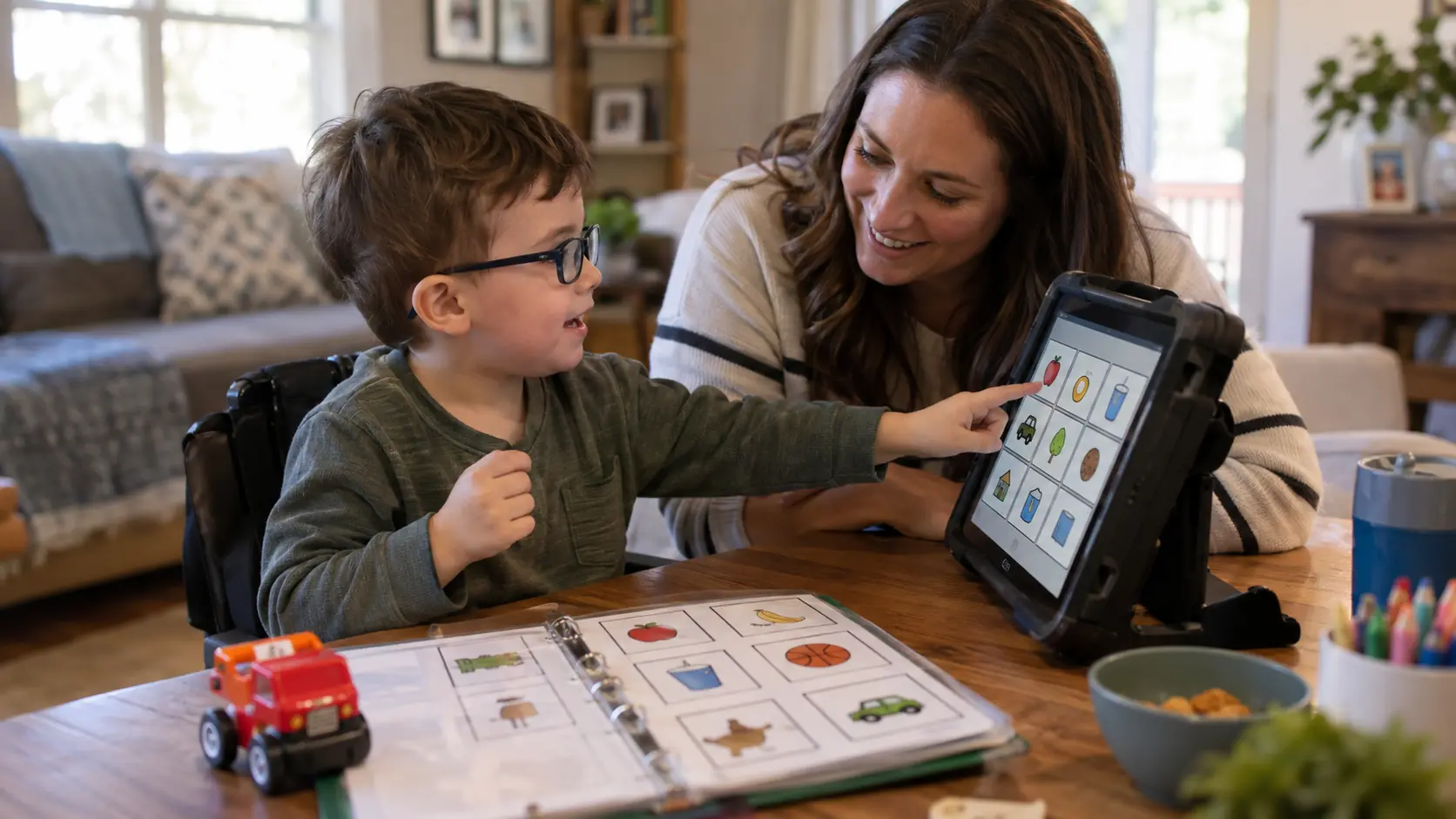
- AAC: Children who use AAC can communicate with their device or simply present their treat bag.
- Communication cards: A card can explain that the child communicates differently, if the family is comfortable sharing that information.
- Gestures: Holding out a bag, pointing, or another familiar gesture can communicate clearly.
- Caregiver support: A parent or caregiver can speak or help manage the interaction when needed.
The goal is comfortable participation, not meeting a specific social script.
A Note on Blue Halloween Buckets
Some families use a blue trick-or-treat bucket or bag to indicate that a child may be autistic or communicate differently. This is an informal practice, not an official or universally recognized system.
For some families, it can make interactions easier. Others may prefer not to use one because it can disclose the child’s diagnosis. The decision should be based on your child’s privacy, comfort, and preferences.
Blue buckets should not be confused with teal pumpkins. A teal pumpkin displayed at a home is part of FARE’s Teal Pumpkin Project and indicates that non-food treats are available. It is not an autism identifier.
Making a Visual Halloween Schedule
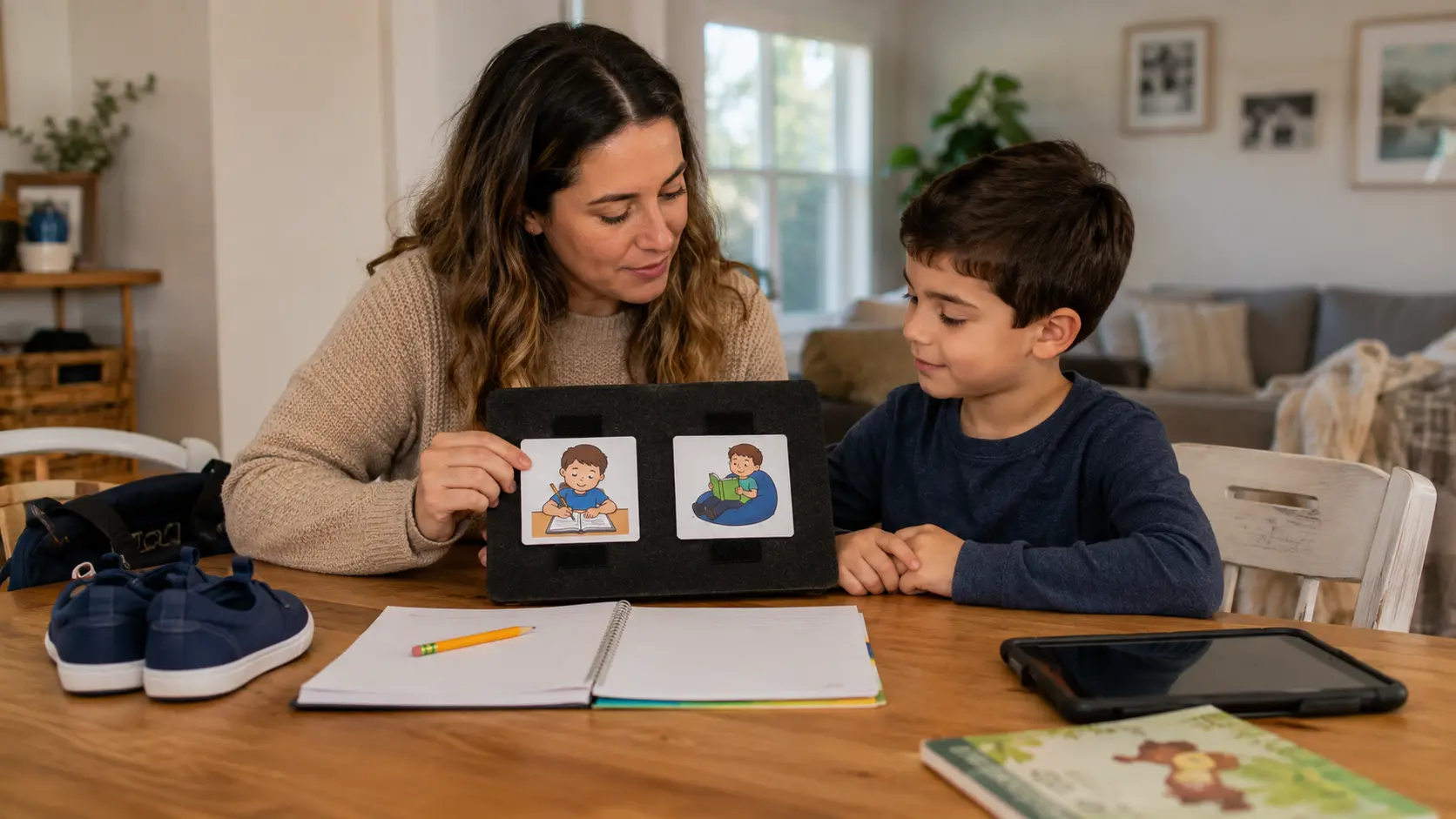
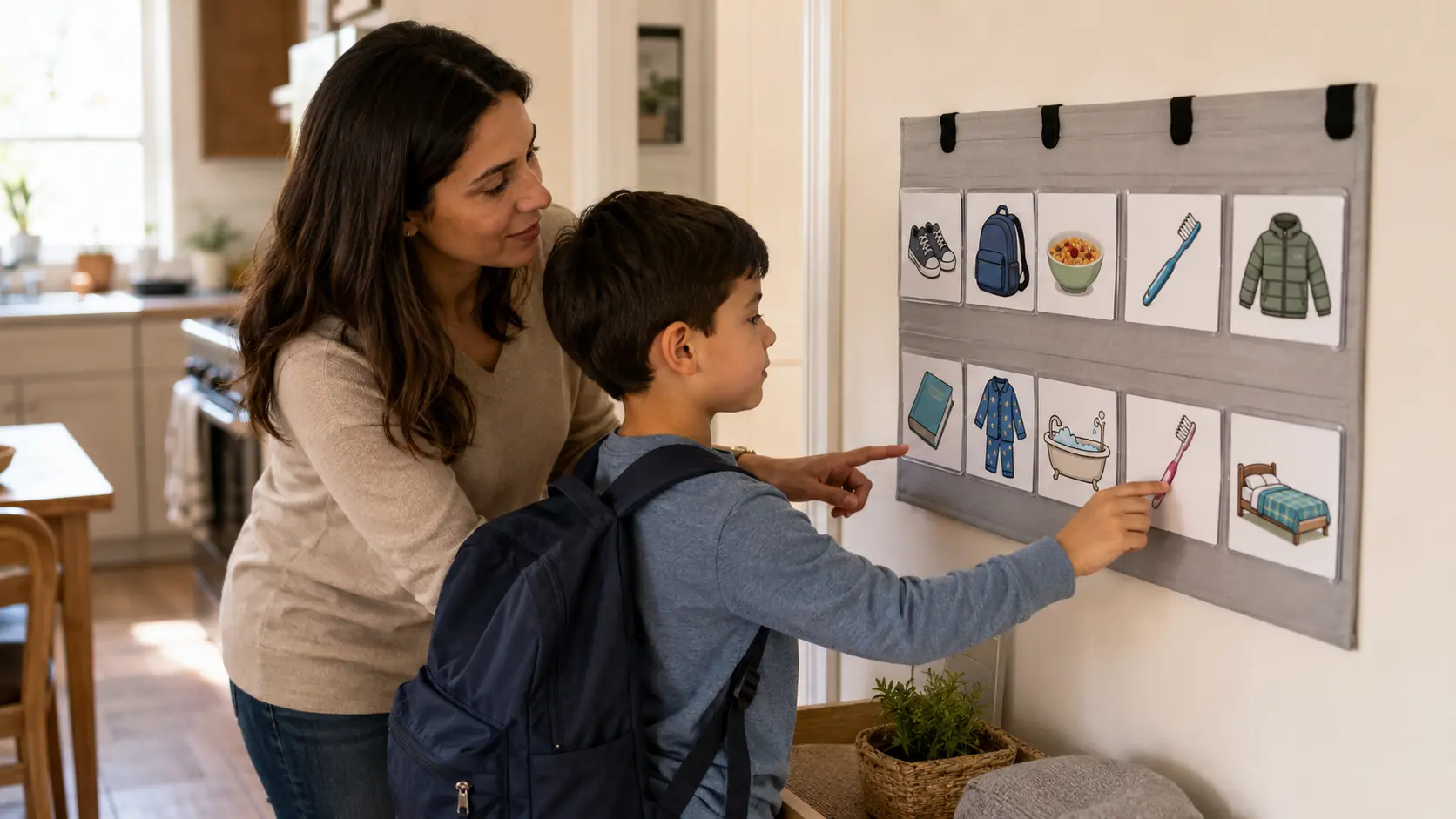
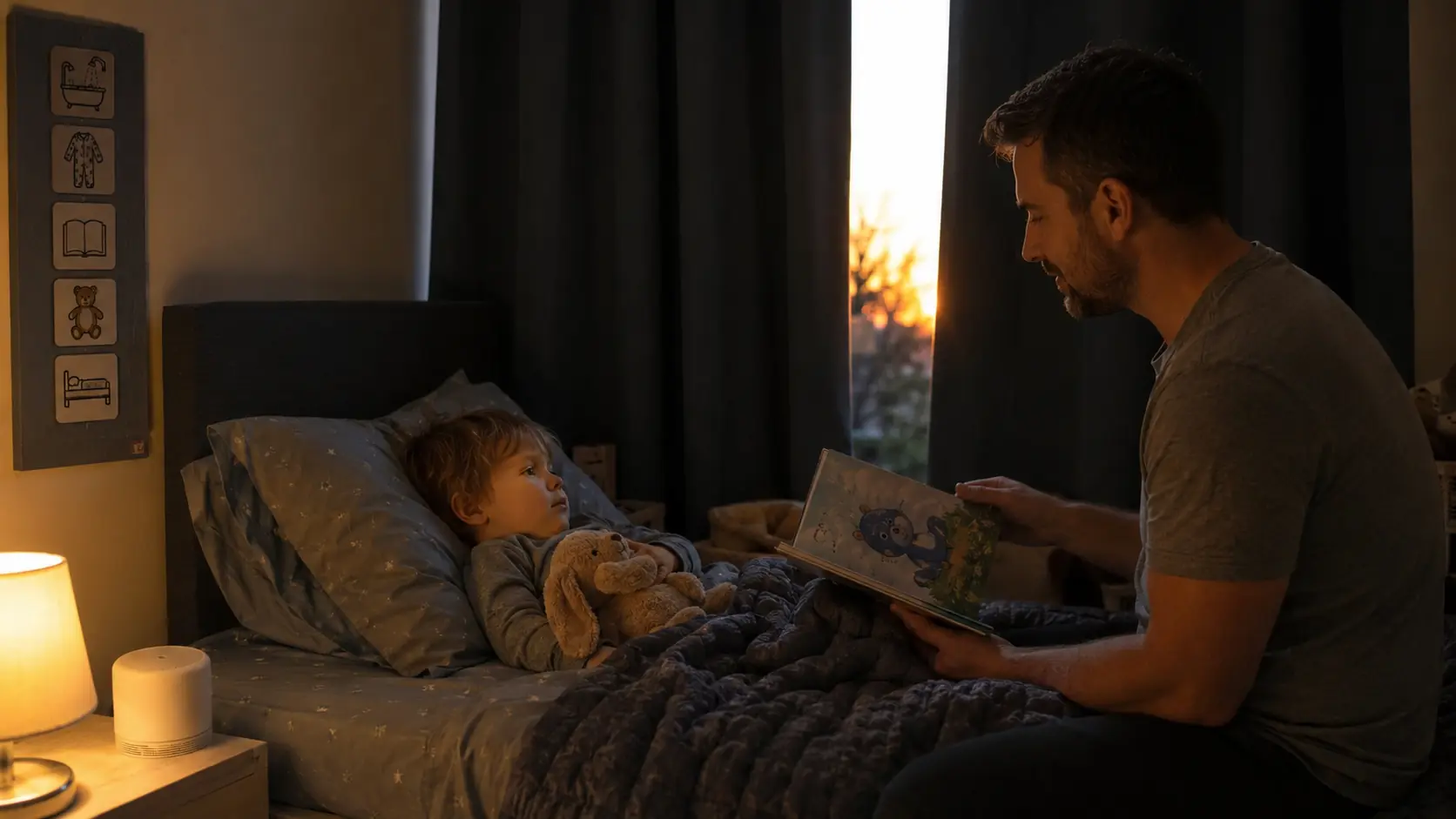
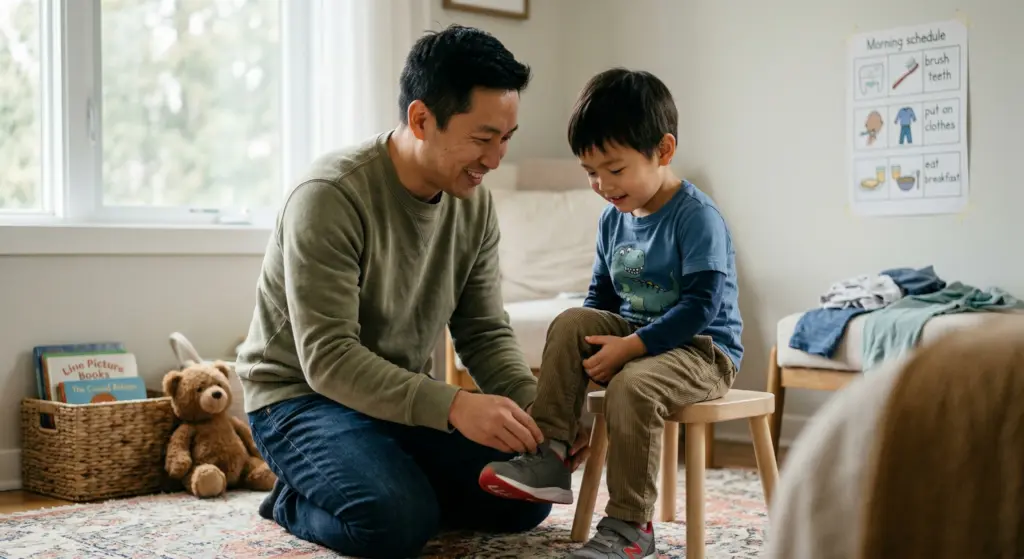
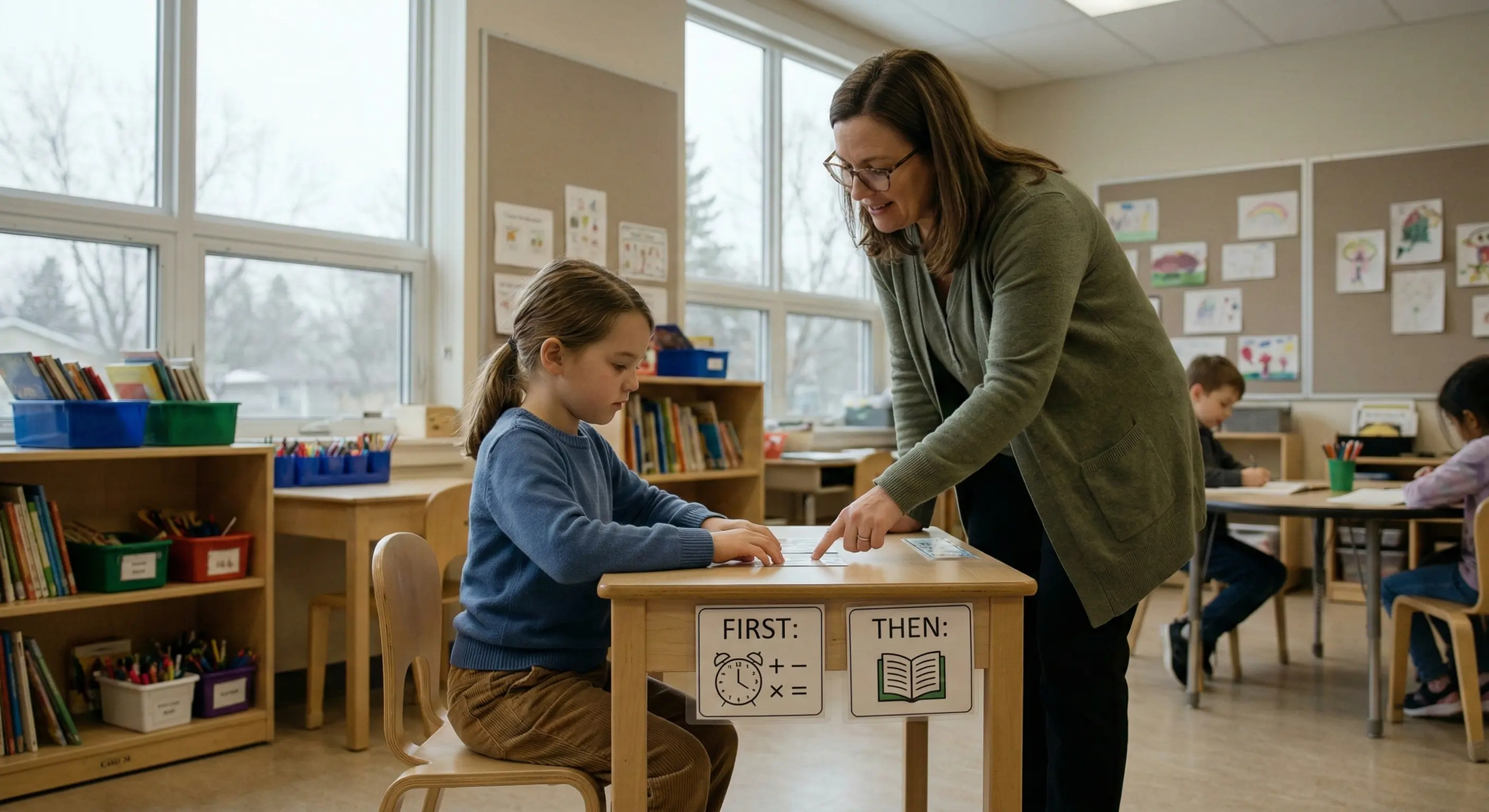
A visual schedule can make Halloween more predictable by showing your child what will happen, in what order, and when the activity will end.
Sample Halloween Visual Schedule
- Get dressed — costume or preferred outfit
- Have a snack
- Walk to the first house
- Trick-or-treat at a few houses
- Pause and choose: continue or go home
- Return home for a favorite activity
- All done
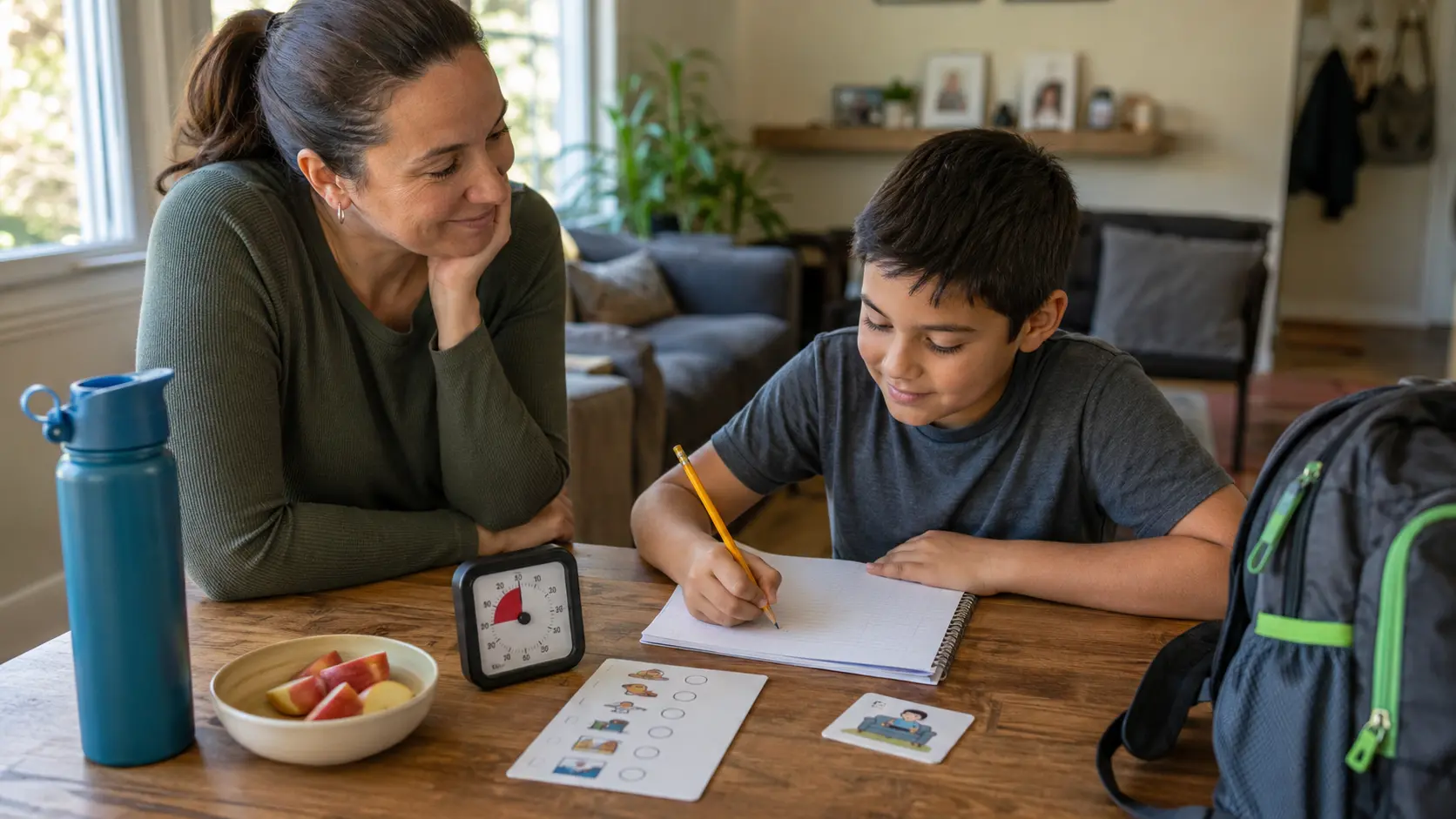
Use pictures, icons, written words, or a phone checklist based on your child’s communication style. Include a genuine choice to stop and a clear “finished” step so the evening has a predictable endpoint.
If seasonal events, transitions, or changing routines are consistently difficult for your child, parent coaching can help you identify what makes those situations easier and build routines around your child’s individual needs.
When Skipping Traditional Trick-or-Treating Is Okay
Skipping traditional trick-or-treating is completely okay. A child can still enjoy Halloween through candy, costumes, pumpkins, movies, or other preferred activities without going door to door.
A successful Halloween should be based on your child’s comfort and enjoyment — not the number of houses visited. If traditional trick-or-treating causes significant distress, choosing a different way to celebrate is a valid option.
Sensory-Friendly Halloween Alternatives
If traditional trick-or-treating feels too demanding, there are plenty of lower-pressure ways to enjoy Halloween:
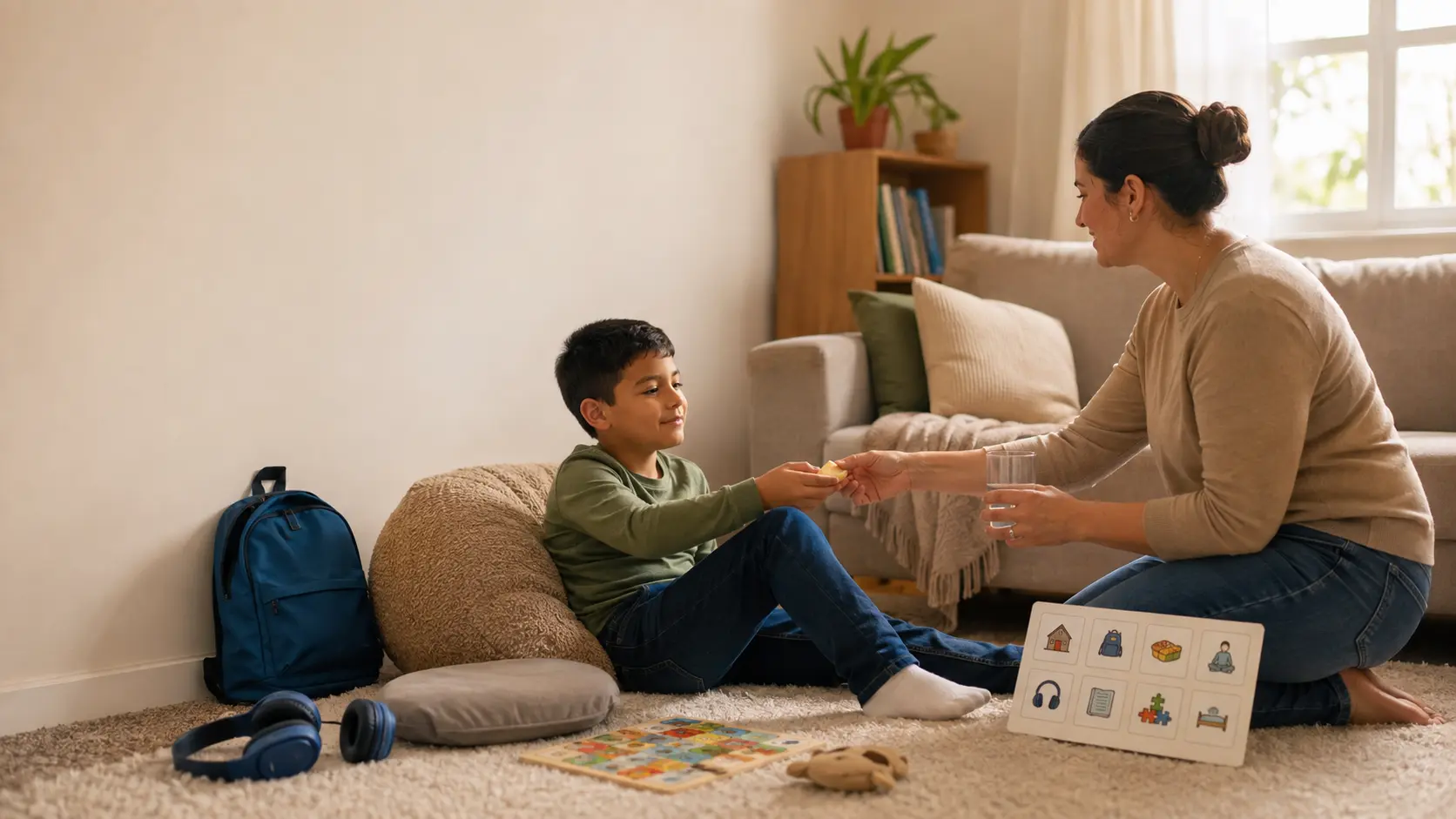
- Home candy or toy hunt: Hide treats around the house or yard for a familiar, low-demand alternative.
- Pumpkin decorating: Try carving, painting, stickers, or another activity your child enjoys.
- Halloween movie night: Pair a favorite movie or show with familiar snacks and a comfortable home setting.
- Pre-arranged visits: Visit a few familiar neighbors who already understand your child’s needs.
- Daytime or sensory-friendly events: Check local autism organizations, libraries, museums, schools, parks, or therapy centers for quieter Halloween activities.
- Handing out treats: Some children may prefer giving out candy from home rather than going door to door.
The best option is the one that matches your child’s comfort, interests, and sensory needs.
How to Plan a Calm Exit Strategy
A clear exit plan can help your child leave before they become fully overwhelmed.
- Agree on a signal: Use a word, gesture, card, or other simple cue that means “I’m done.”
- Watch for early signs: Look for changes that usually signal overload for your child, such as reduced engagement, increased or changed stimming, pulling toward home, or repeatedly checking the schedule.
- Keep the route easy: Stay close to home or park nearby so leaving is simple.
- Pack essentials: Bring communication supports, headphones, a comfort item, water, and a flashlight if needed.
- Normalize leaving early: A short, positive Halloween experience can be more successful than staying until your child is overwhelmed.
Leaving early is not a failure — it is part of a thoughtful, sensory-friendly plan.
Creating a Halloween That Works for Your Child
There is no single right way for an autistic child to celebrate Halloween. A comfortable costume, a few familiar houses, an activity at home, or deciding not to participate at all can each be the right choice. Focus on predictability, communication, sensory comfort, and your child’s ability to stop when they have had enough.
If community outings, transitions, or changing routines are regularly challenging, AtlasCare ABA can support your family through individualized parent coaching and behavior support.







.webp)

.webp)
.webp)
.webp)
.webp)





.jpg)

.webp)

.webp)
.webp)







%20During%20Play%20in%20the%20Home.webp)