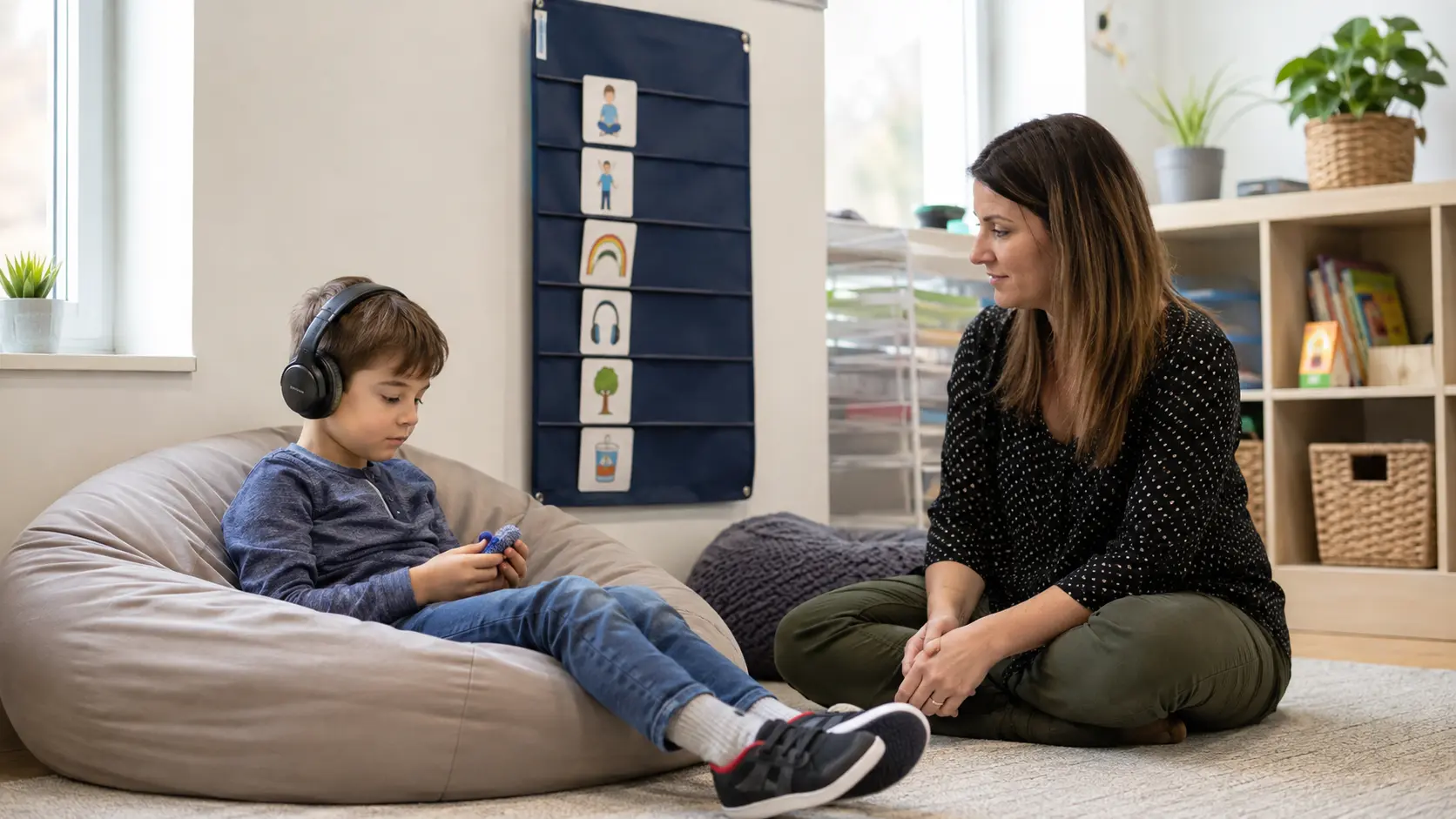
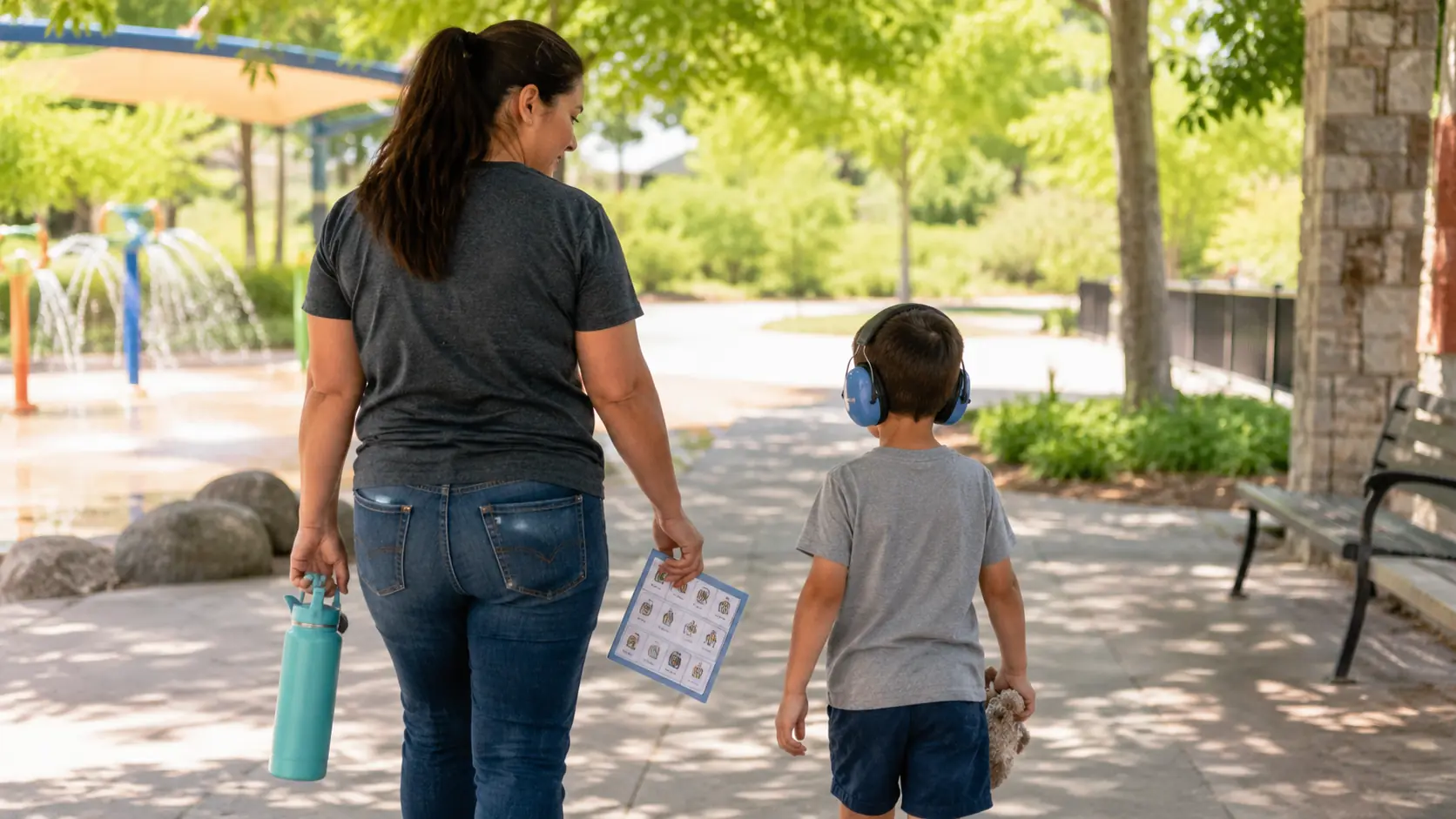
A child may make it through the school day without any major incidents and arrive home completely overwhelmed. Or they may cover their ears near the cafeteria, need a long time to recover after a fire drill, or fall apart after a day that seemed “fine.” For many autistic children, sensory overload may not become obvious until they have reached the limit of what they can manage.
Sensory overload happens when sound, light, movement, smell, touch, or proximity become more than the child can comfortably process in that moment. Schools are naturally busy, loud, visually complex, and full of transitions, so managing sensory input alongside academic and social demands can be exhausting.
What Sensory Overload Can Look Like at School
Autistic sensory overload does not always look like a visible meltdown. Some children may cry, cover their ears, run away, or refuse to move, while others become quiet, withdrawn, or less responsive.
Common Signs of Sensory Overload
- Covering ears, squinting, or turning away from sensory input
- Becoming unusually quiet or withdrawn
- Increased stimming, scripting, or repetitive movement
- Slower or absent responses to familiar instructions
- Asking to leave the room, visit the nurse, or go somewhere quieter
- Struggling with tasks that were manageable earlier
- Becoming irritable or escalating after a small prompt
These signs vary from child to child and can also be affected by fatigue, hunger, illness, or a demanding day. The key is to look for patterns across time, settings, and specific triggers rather than assuming one behavior always has the same cause.
Common Classroom Triggers: Noise, Light, Crowding, and Transitions
Sensory overload at school is often linked to predictable environmental triggers. The table below gives common examples to help parents and teachers identify patterns.
Noise and Sound
Cafeterias, bells, scraping chairs, hand dryers, assemblies, and sudden shouting can be difficult for children sensitive to loud noise. Even familiar tasks may become harder when the sound level increases.
Light and Visual Input
Fluorescent lights, glare, projector brightness, and flickering can contribute to discomfort or fatigue for autistic children with light sensitivity.
Crowding and Proximity
Busy hallways, lunch lines, group seating, fire drills, and dismissal can increase sensory and regulatory demands because of close physical proximity and movement.
Transitions and Unpredictability
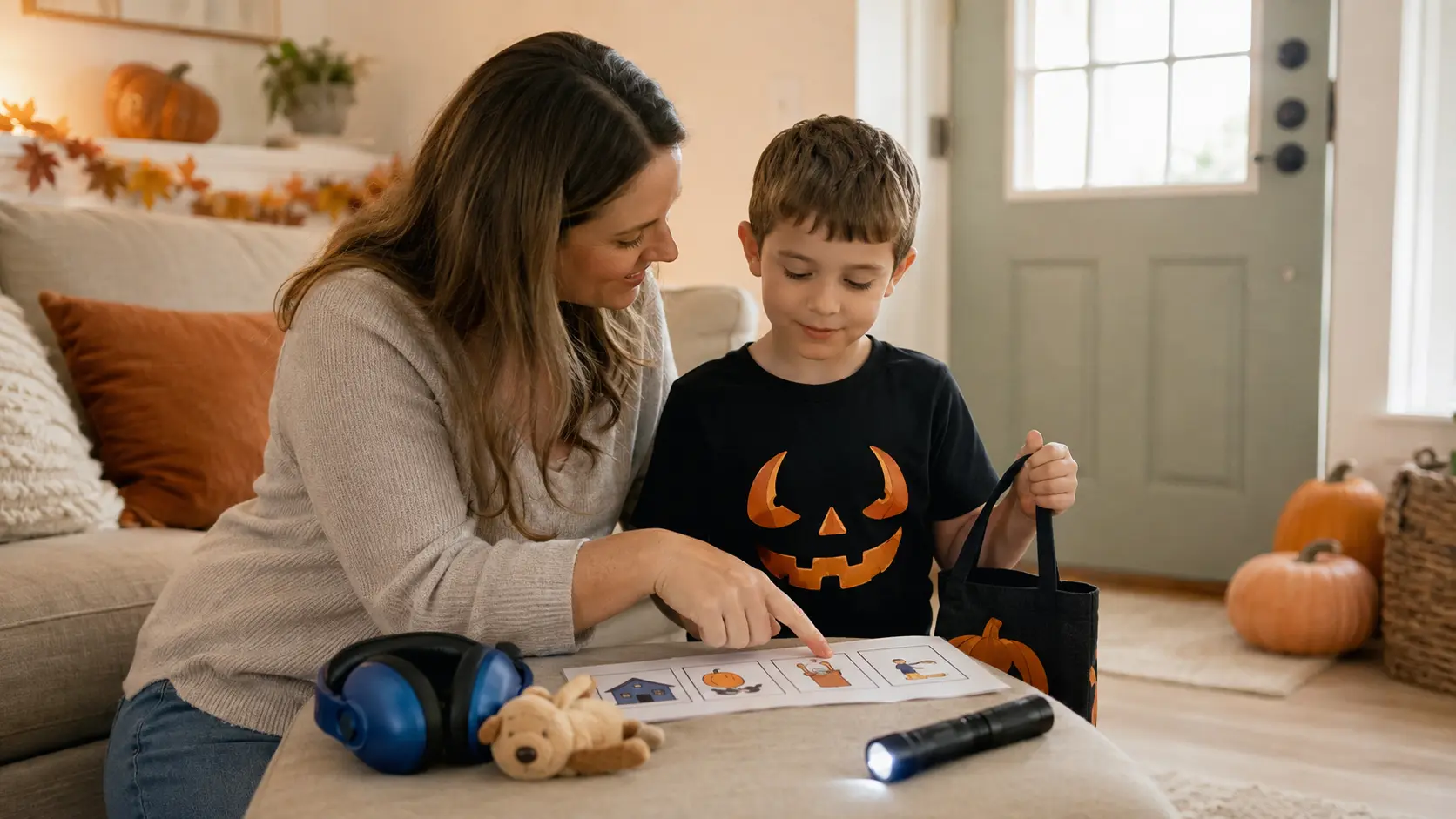
Changing activities, unexpected schedule changes, substitute teachers, assemblies, or early dismissal can add uncertainty on top of existing sensory demands. Visual supports and advance preparation can make these transitions easier to manage.
Sensory Overload vs. Defiance or Challenging Behavior
Behavior that looks like refusal or noncompliance may sometimes reflect sensory overload rather than deliberate defiance. Refusing to enter a noisy cafeteria, leaving a crowded hallway, shutting down during group work, or escalating after an assembly can signal that the child has reached a regulatory limit.
At the same time, behavior alone does not confirm the cause. Look at the pattern:
- What happened immediately before?
- What were the sensory conditions?
- Were there communication demands?
- What changed when support was offered?
- Does the same response happen in similar situations?
The goal is not to excuse every difficult behavior, but to understand what is driving it so the right support can be provided.
If overload is linked to elopement, self-injury, aggression, or another immediate safety risk, parents and school staff should coordinate a clear safety plan with the school team and relevant providers.
Recognizing Early Signs Before a Child Becomes Overwhelmed
Early signs of sensory overload vary by child, but many show consistent changes before a visible escalation.
Common signs may include:
- Increased pacing, rocking, or movement
- Covering or moving hands toward the ears
- Looking away or becoming more withdrawn
- More scripting, humming, or repetitive speech
- Slower responses than usual
- Unexpected requests to leave, get a drink, or visit the nurse
- Unusual silliness or disengagement during familiar work
Tracking these signs in context can help reveal patterns. Note the setting, time, what happened beforehand, and what support helped.
The key question is not simply, “Did the child become overwhelmed?” but “What usually changes before overload begins?”
How Sensory Breaks Can Be Used During the School Day
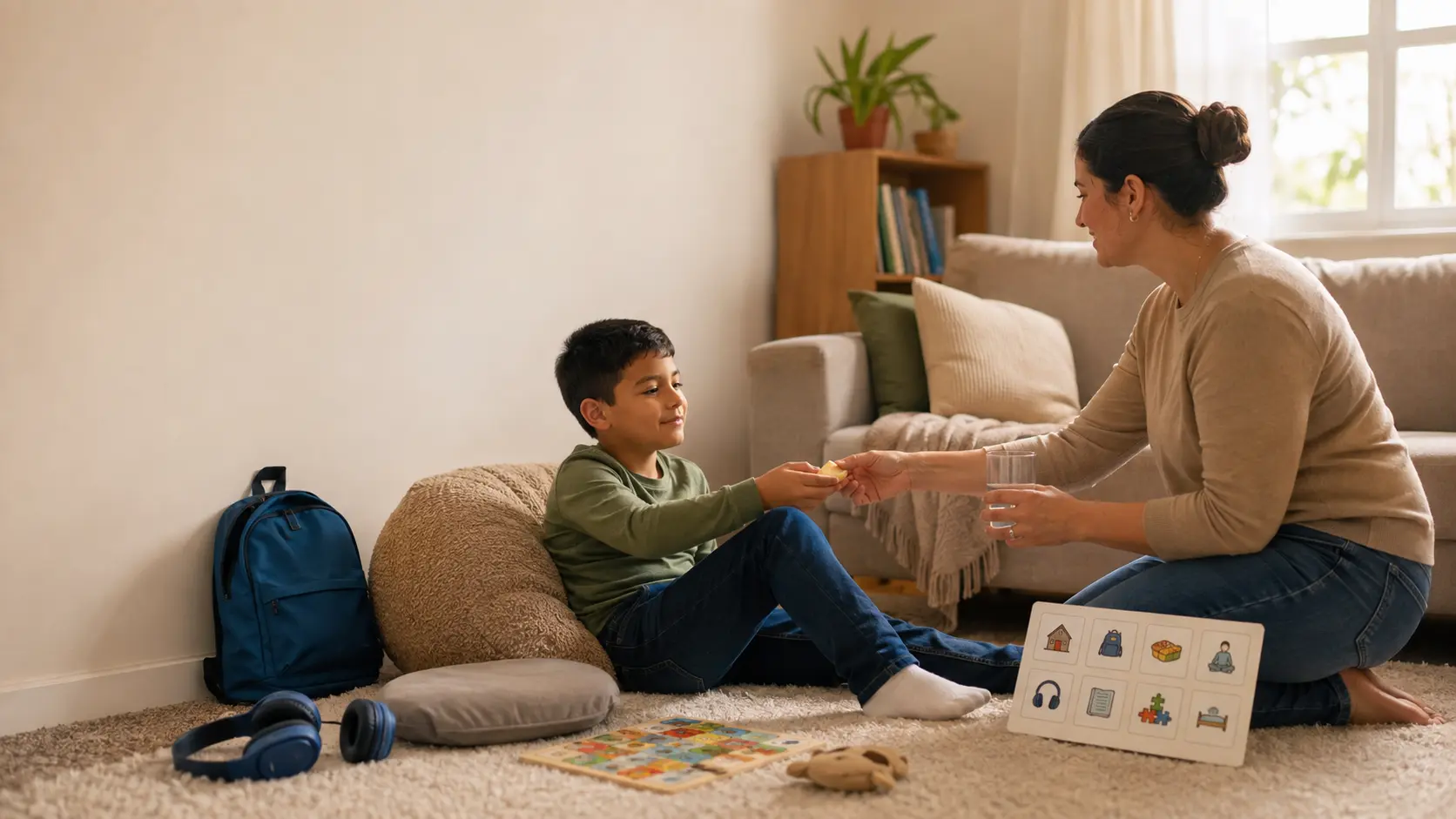
A sensory break is a planned opportunity to reduce sensory input, move, regulate, or reset. It should not be treated as a reward or something a child has to earn. Sensory breaks for autism work best when they are individualized.
Sensory breaks for students with autism can be scheduled around predictable high-demand periods or made available when early signs appear.
Some children benefit from a planned break after lunch or assemblies, while others need a clear way to request one. Sensory breaks in the classroom work best when they are predictable, discreet, consistently supported by staff, and adjusted to the child’s individual needs.
Making Classroom Transitions More Predictable
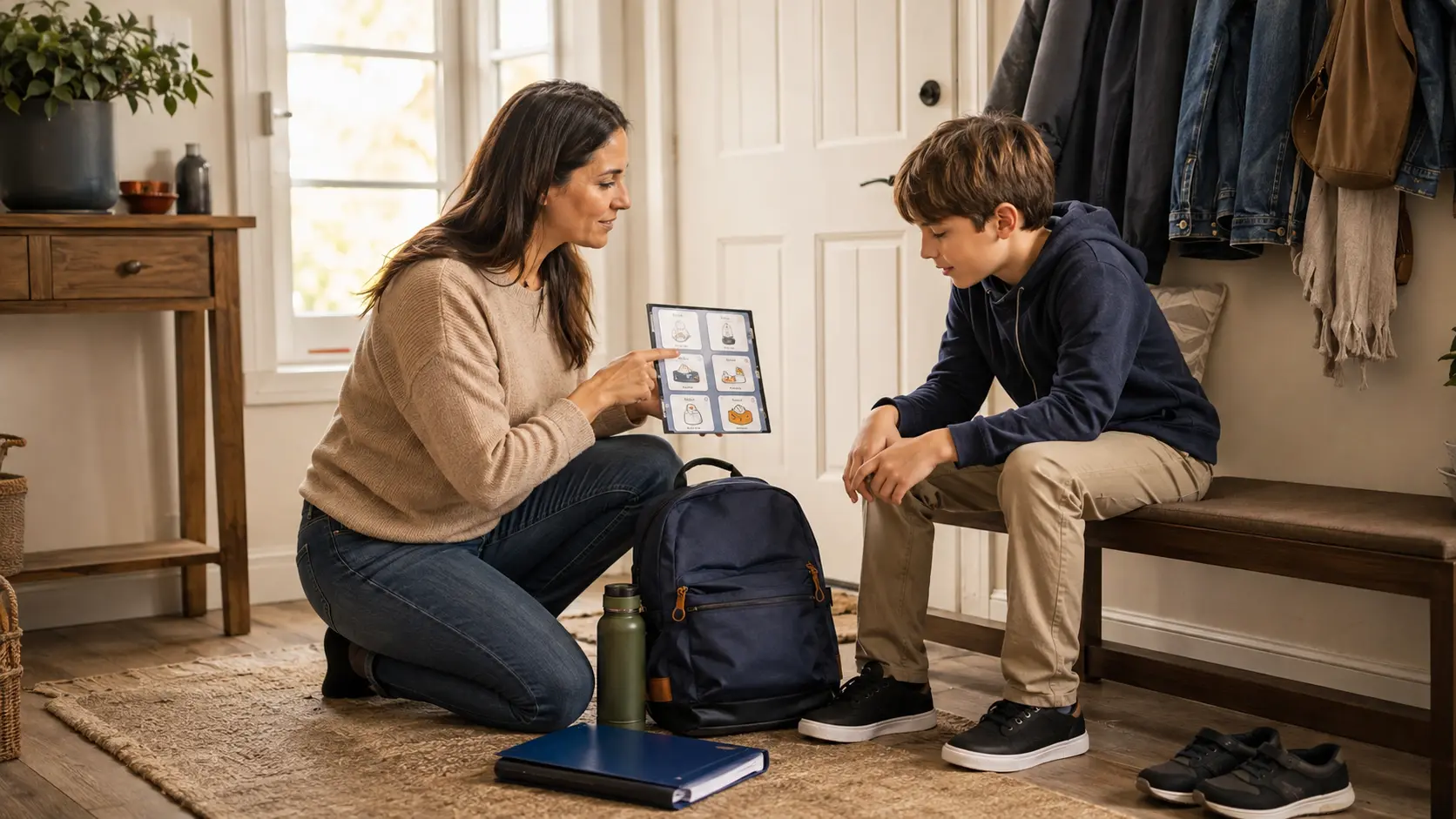
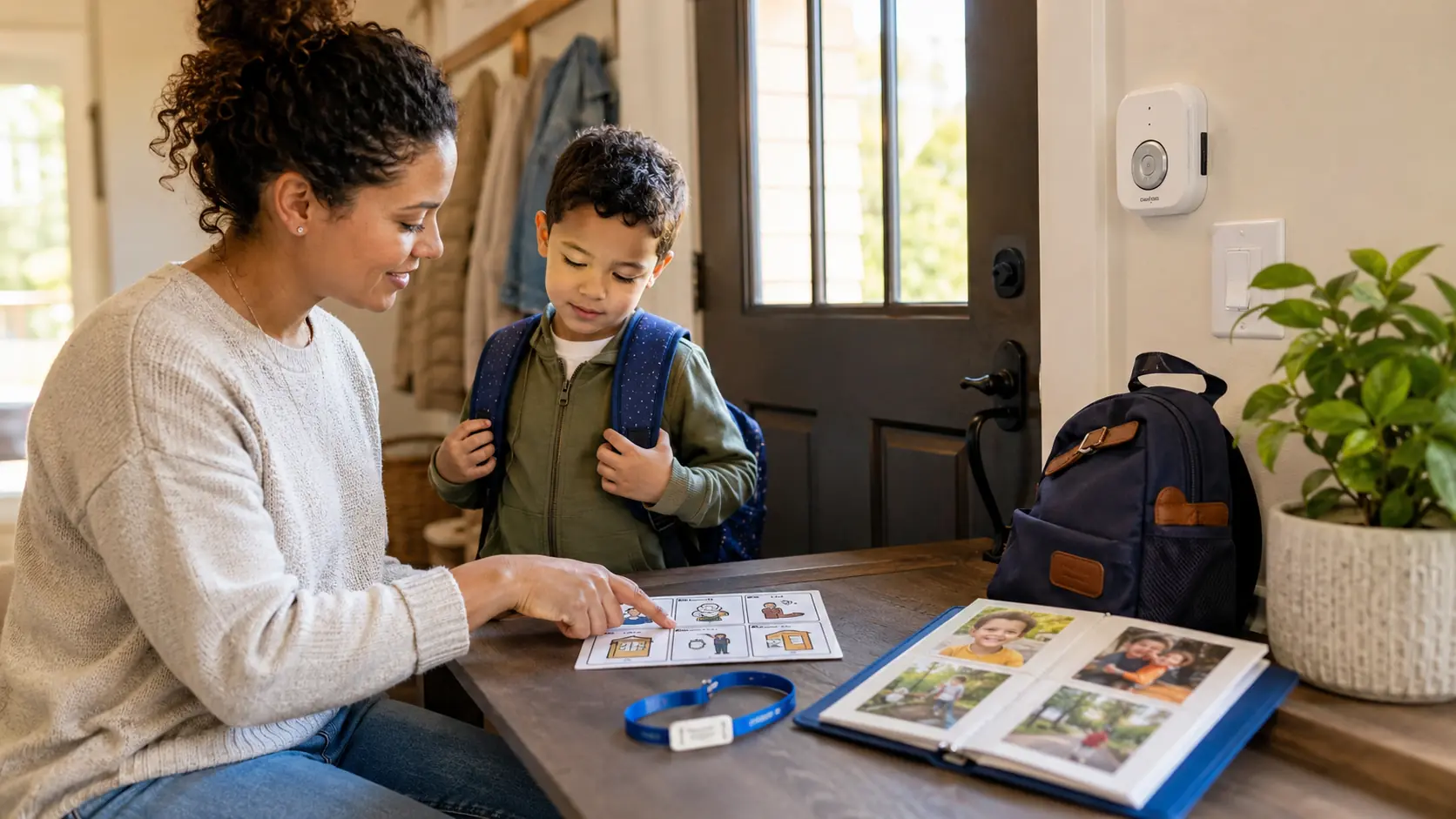
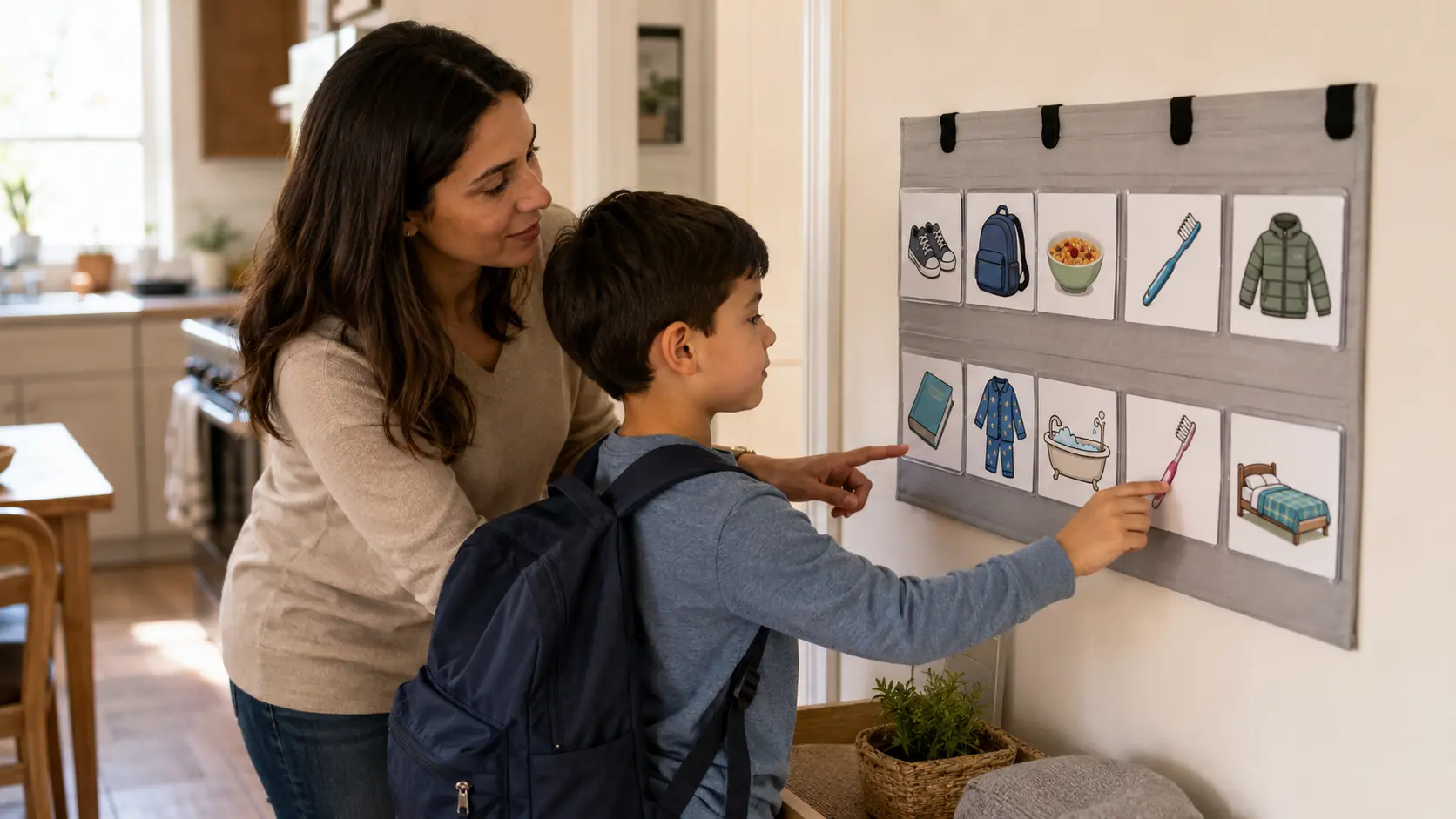
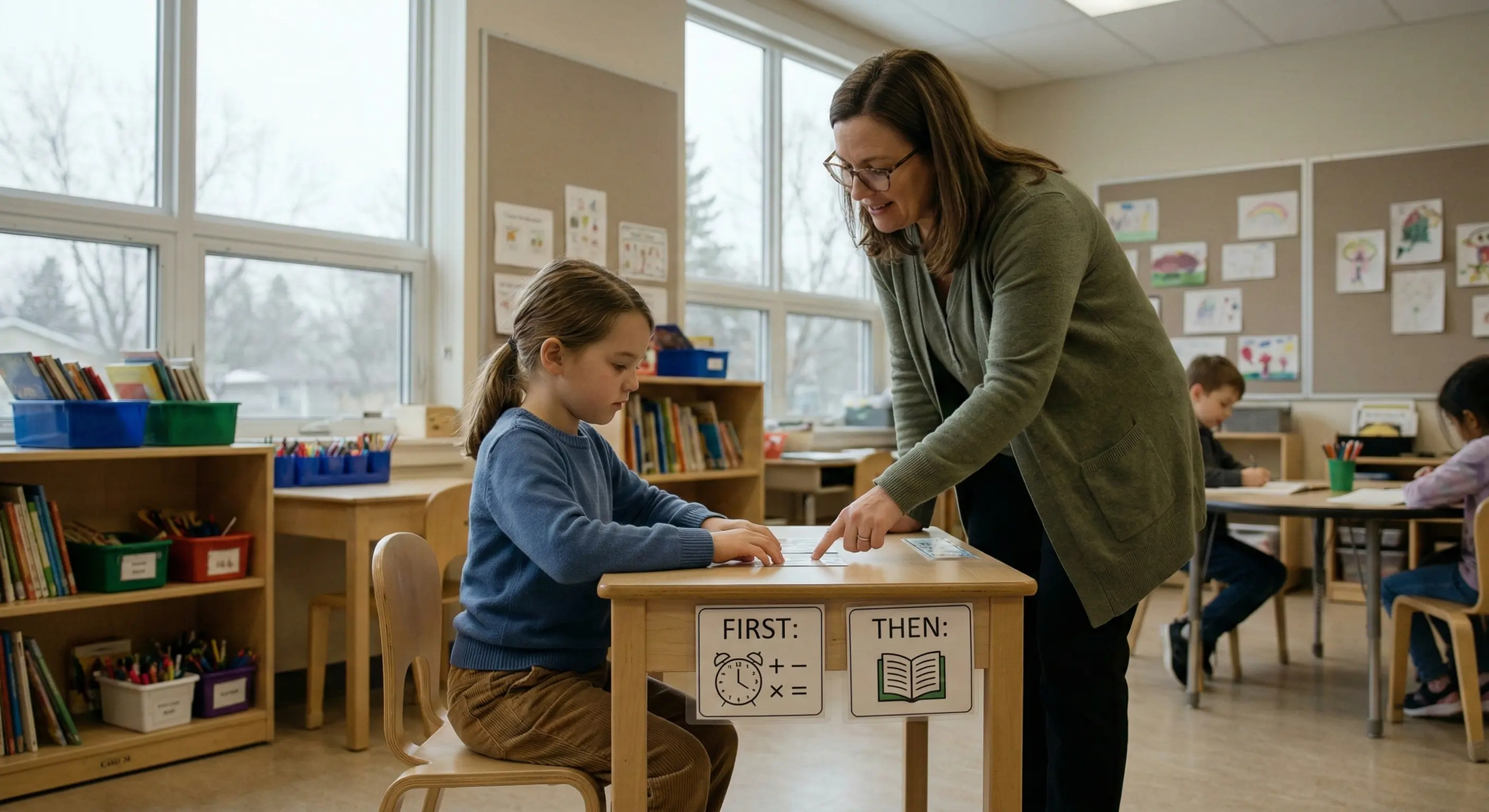
Transitions can add extra sensory and regulatory demands because the child is moving between environments, stopping one activity, and preparing for what comes next. A visual schedule for autism can make that sequence more predictable.
Helpful Transition Supports
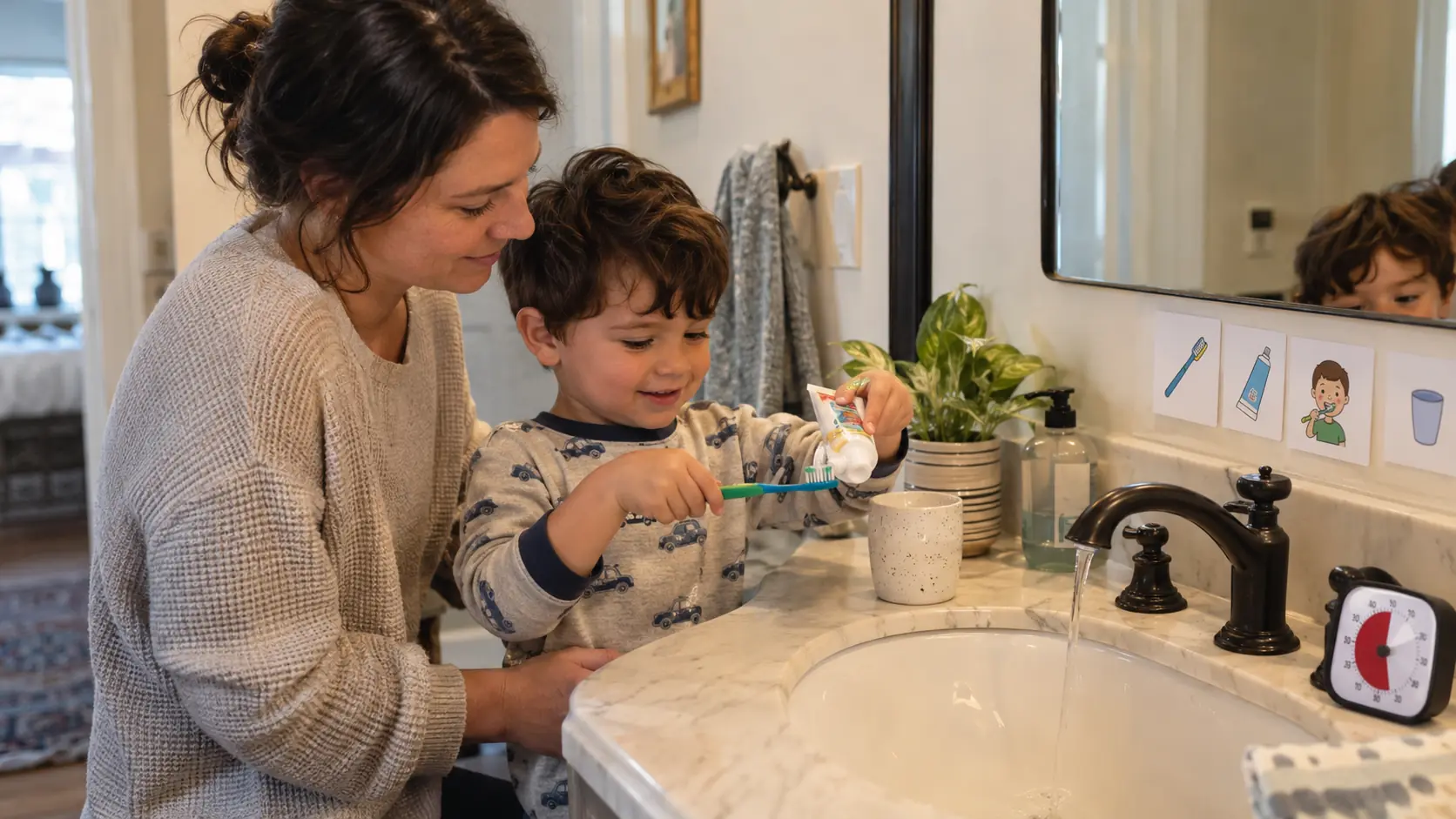
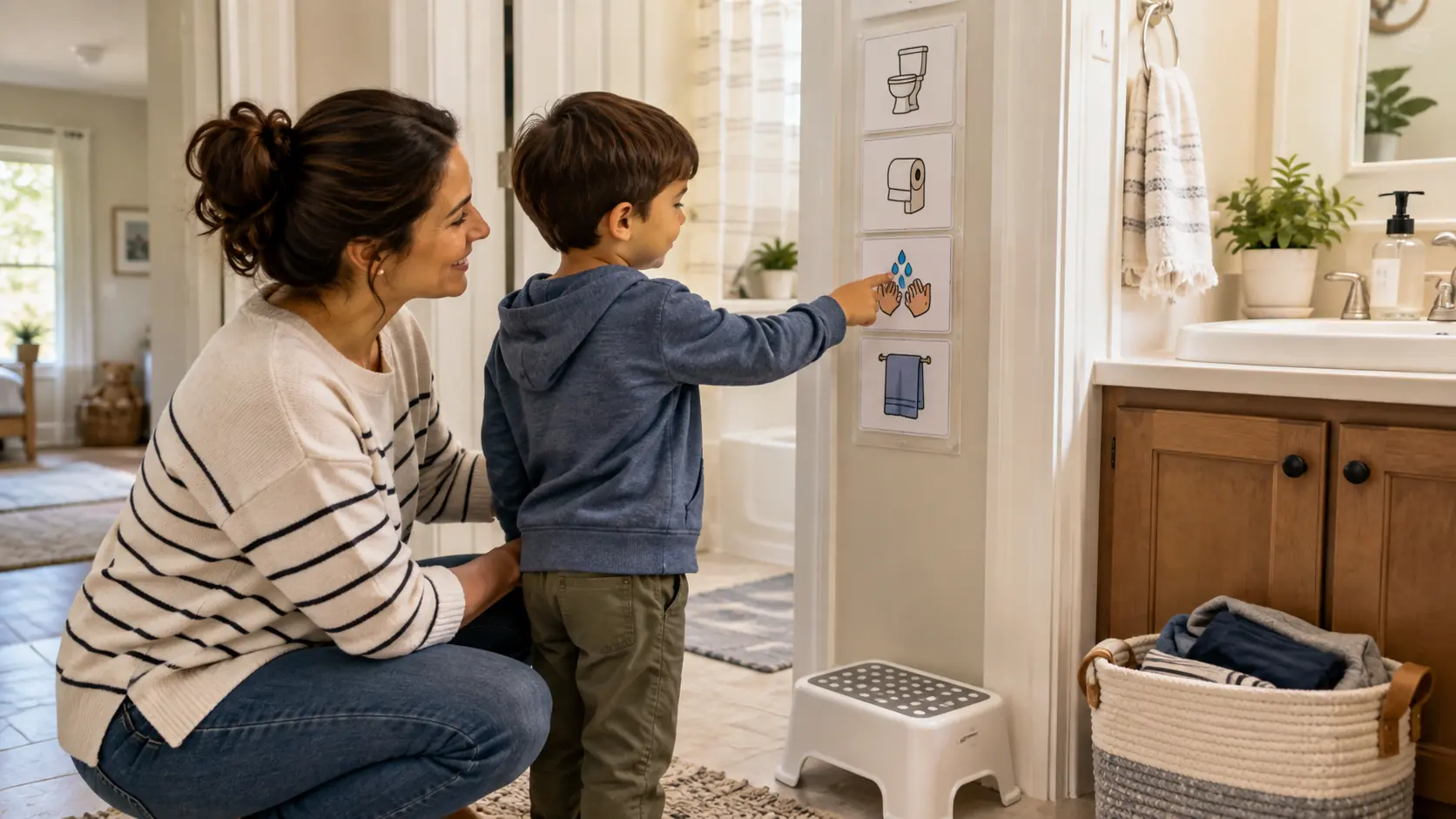
- Visual schedules: Use photos, icons, written words, or a combination to show the day or the next few steps.
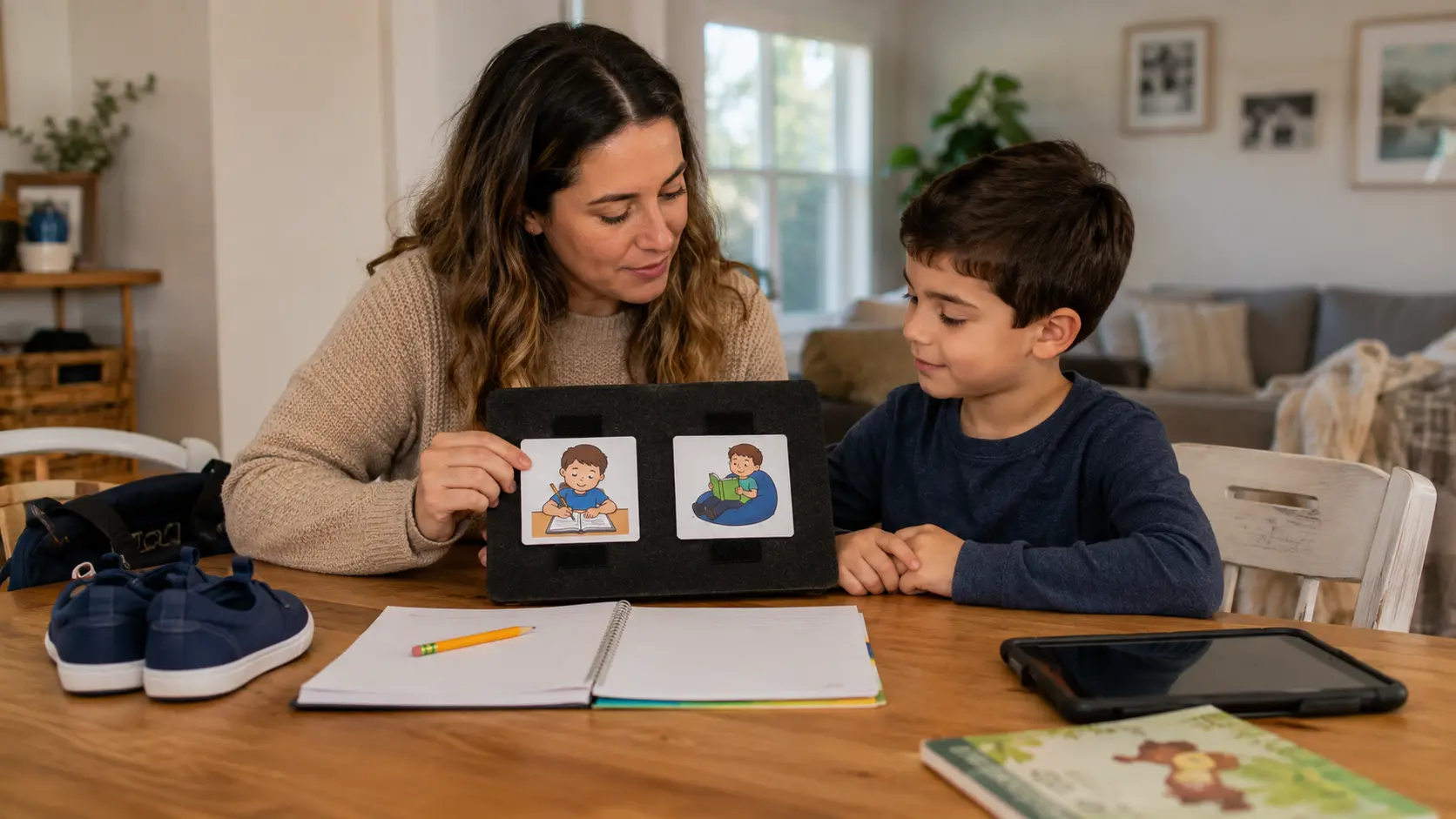
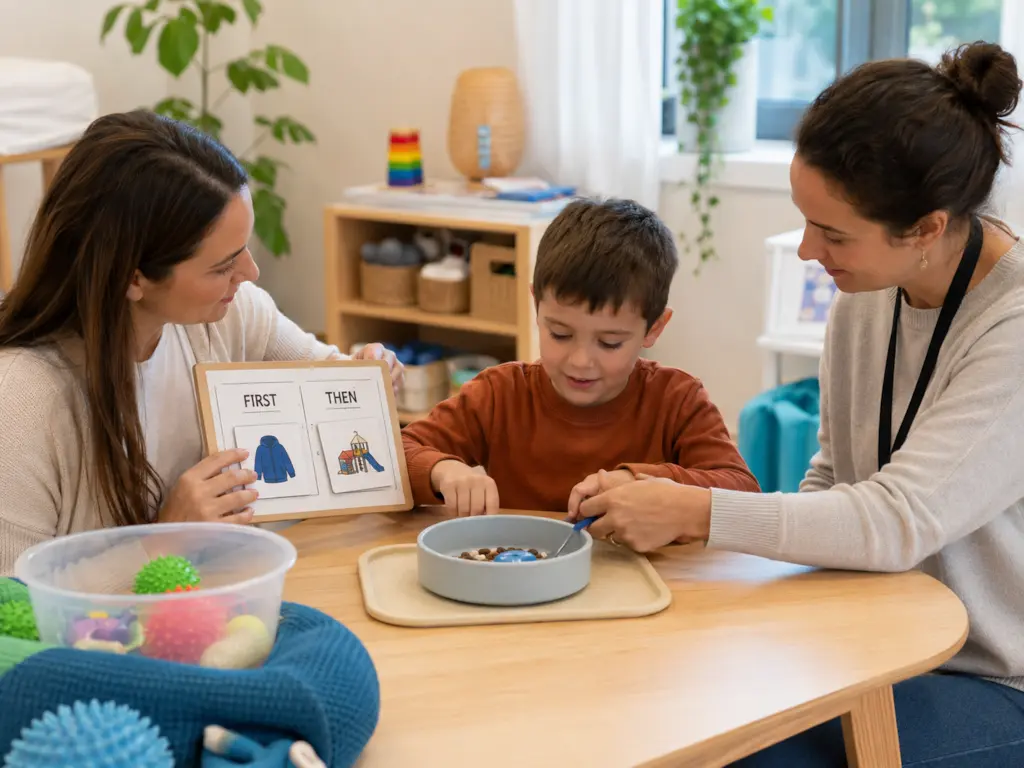
- First-then language: Show what happens first and what comes next so the endpoint is clear. See the AtlasCare first-then board guide for practical examples.
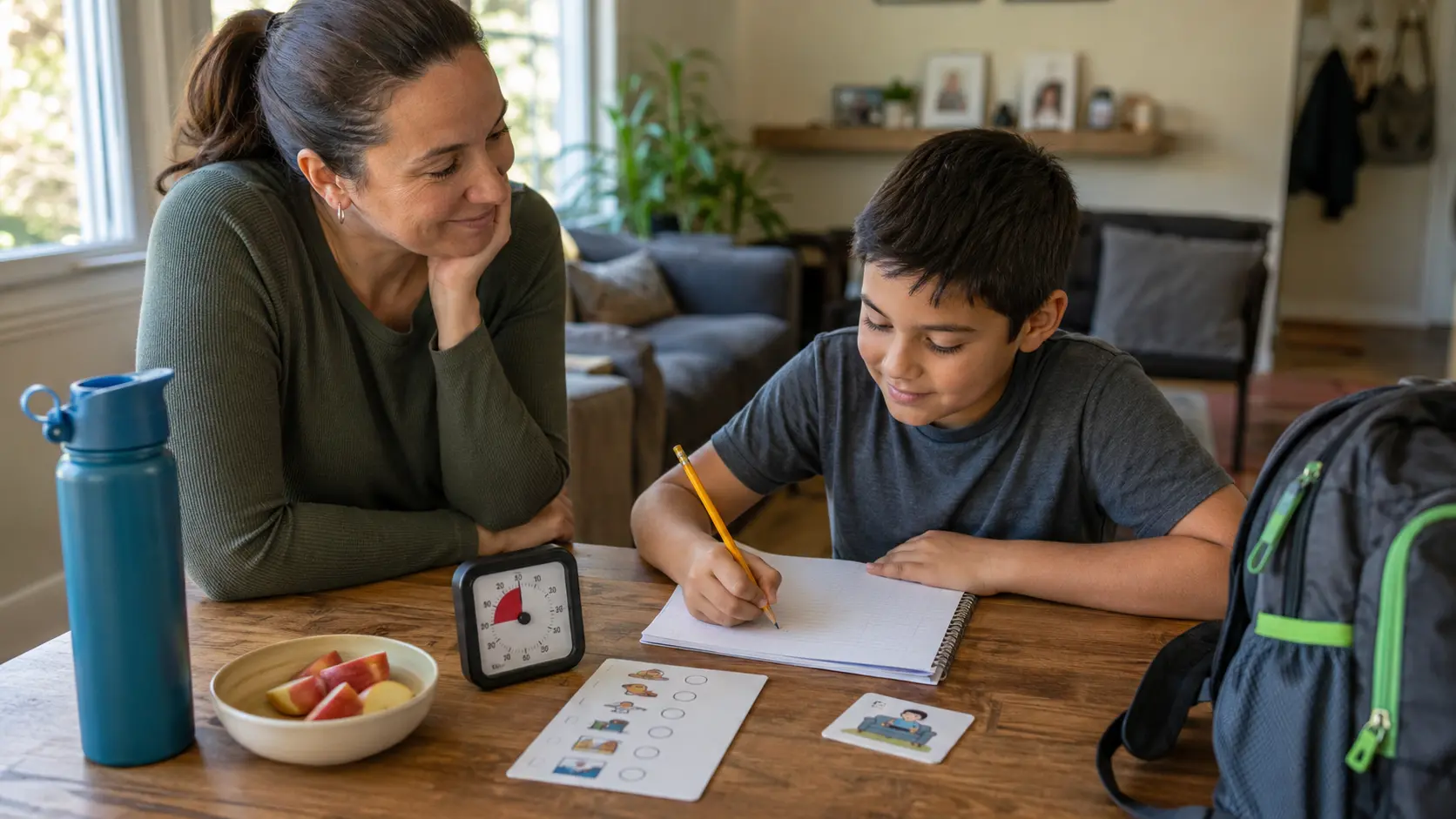
- Countdown warnings: Give advance notice such as “Five more minutes, then clean up,” with a visual timer if helpful.
- Preview schedule changes: Show changes in advance whenever possible so they are less unexpected.
- Allow extra processing time: Some children need more time to shift attention and prepare for the next activity.
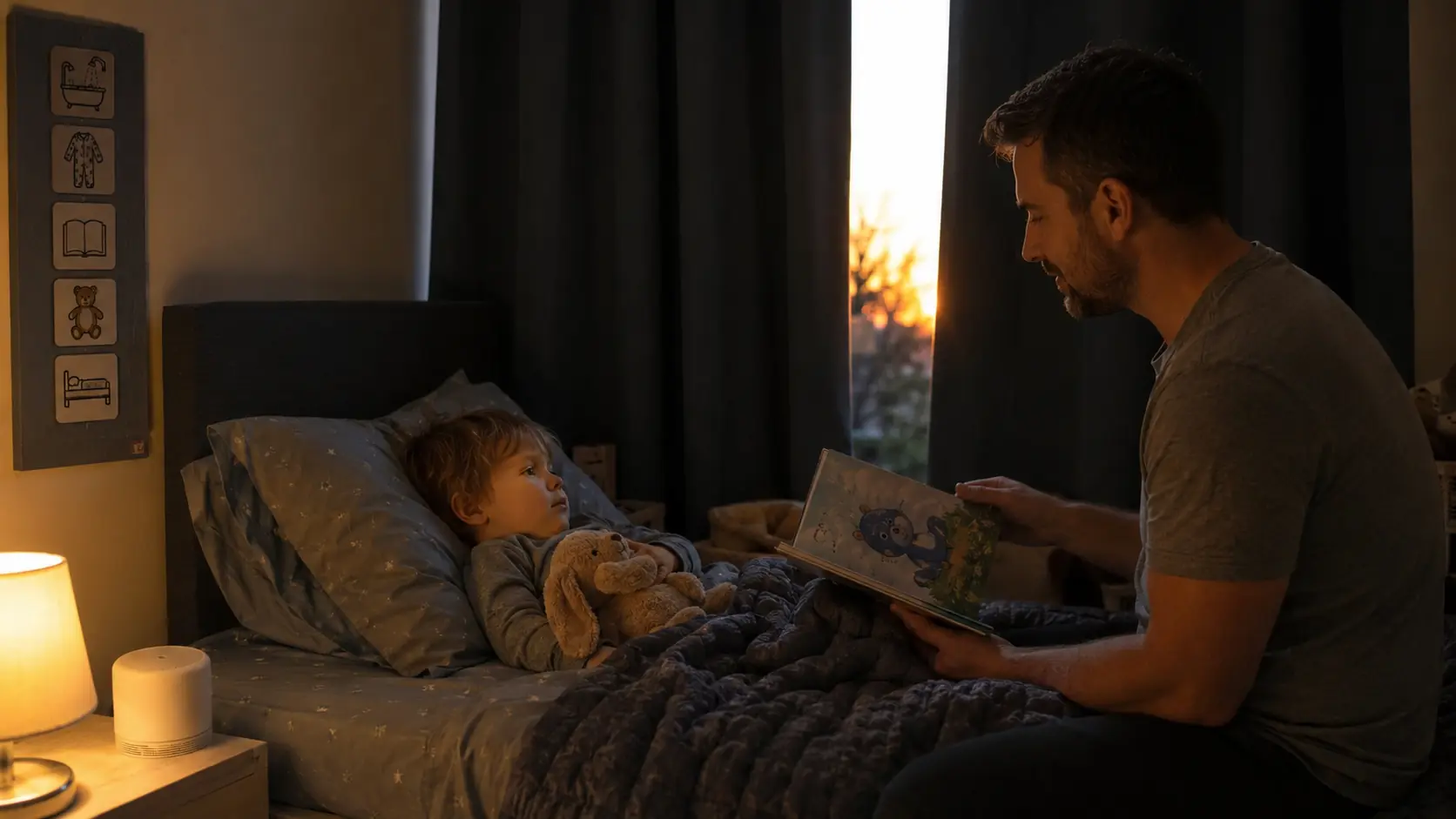
For children who manage through the school day but become overwhelmed afterward, the AtlasCare article on after-school restraint collapse explains how home arrival routines can support recovery.
How Parents and Teachers Can Share Information About Triggers
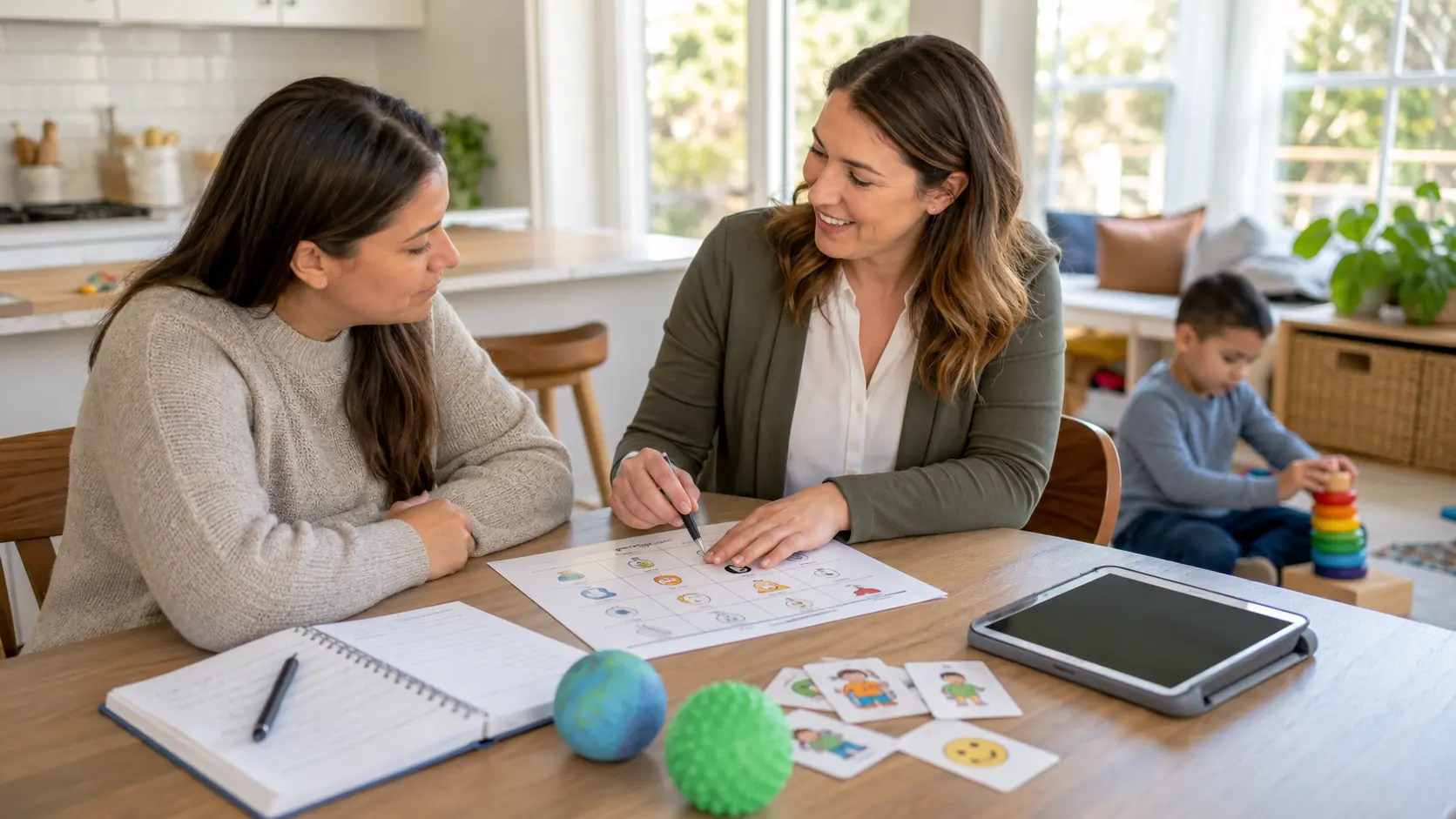
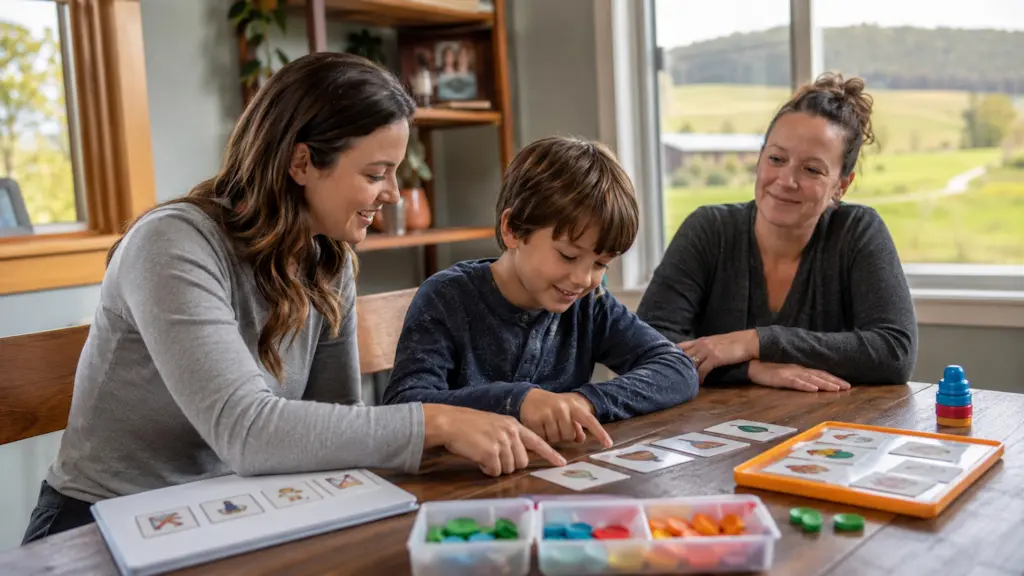
Effective teacher-parent communication does not require long daily emails. A simple shared tracking format can help both sides spot patterns in when sensory overload happens and what support works.
Even brief notes can be useful when they are recorded consistently.
School observations become even more helpful when combined with home information. For example, poor sleep, a difficult morning, or an especially noisy school day may help explain why a child arrives home already overwhelmed.
Looking at both settings gives the child’s team a clearer picture of triggers, patterns, and effective supports.
When to Coordinate With the IEP Team, OT, or Other Providers
If sensory needs regularly interfere with learning, classroom participation, transitions, safety, or communication, it may be time to involve the child’s school support team.
Who Can Help
- School or IEP team: Can review accommodations, environmental changes, staffing supports, and updates to the child’s plan.
- Occupational therapist: May assess sensory needs and recommend tools or strategies that support regulation and participation.
- Behavioral providers: Can help with communication, routines, and participation strategies that work across home and school.
Bring documented patterns rather than isolated incidents. A simple log showing when sensory difficulties happen, what came before, and what helped can make team discussions more useful.
For guidance about specific IEP requirements or school-district procedures, parents should work directly with the school team and appropriate professionals.
How ABA Can Support Communication, Routines, and School Participation
ABA can be one part of a coordinated support plan for autistic children with school-related sensory challenges. It does not replace sensory accommodations, occupational therapy, or school supports, and it should not be used to eliminate sensory differences.
ABA may help with:
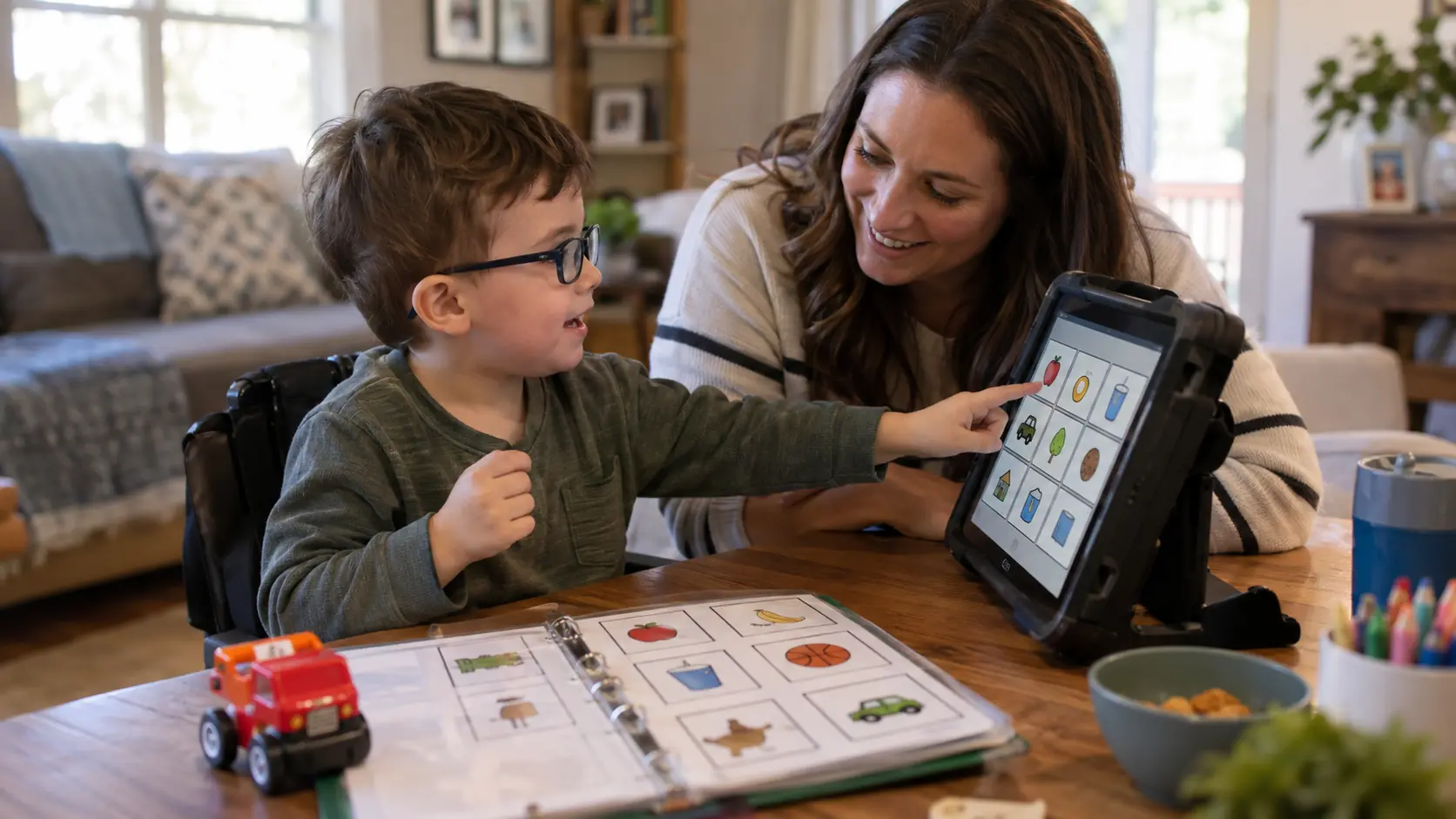
- Functional communication: Teaching the child to request a break, ask for help, or communicate when an environment feels overwhelming.
- Transition support: Building predictable routines and coping strategies for difficult transitions.
- Visual supports: Helping the child use visual schedules and first-then supports more independently.
- Caregiver consistency: Parent coaching can help home and school teams use similar communication and support strategies.
- Participation skills: Gradually supporting access to challenging situations while respecting the child’s limits and keeping appropriate accommodations in place.
The goal is to support communication, predictability, and participation — not to force tolerance of overwhelming sensory experiences.
Families can also learn more about how ABA therapy at school can support coordination between parents, teachers, and ABA providers.
Sensory Overload at School Is Not Solved by Asking for More Tolerance
Progress usually comes from understanding triggers, making routines more predictable, teaching communication and self-regulation skills, and keeping home and school supports consistent.
A child who knows what comes next and can request a break before becoming overwhelmed has more useful support than one who is simply expected to tolerate more.
If sensory overload, difficult transitions, or inconsistent school-home routines are affecting your child’s participation, AtlasCare ABA parent coaching can help families identify patterns, strengthen communication and routines, and build more consistent support across daily environments.
Contact AtlasCare to learn more about parent coaching for school-related challenges and home-school coordination.










.webp)
.webp)

.webp)
.webp)
.webp)





.jpg)

.webp)

.webp)
.webp)








%20During%20Play%20in%20the%20Home.webp)