Unexpected changes can be difficult when a child expects something to happen in a specific way. A familiar route may change, a planned stop may be closed, or someone expected may not arrive. This can lead to distress, repeated questions, or difficulty moving forward.
This is often what parents mean by rigid thinking and autism — a strong expectation for how something should happen and difficulty adjusting when it changes. “Rigid thinking” is a common descriptive term rather than a separate diagnosis, and it can look different from one child to another. Routines and predictability can be helpful for many autistic children.
What Rigid Thinking Can Look Like in Everyday Life
Rigid thinking can show up as a strong preference for predictability and difficulty adjusting when expectations change.
Common examples include:
- Expecting the same route, seat, food presentation, or routine each time
- Finding one-time exceptions to familiar rules difficult
- Struggling to accept that more than one way of doing something can be correct
- Repeating questions or rules after new information has been given
- Needing extra time to shift from the expected plan to what is actually happening
A Useful Way to Think About It
A child may expect to stop at the same store after every appointment. If the store is unexpectedly closed, the difficulty may come from the sudden mismatch between the expected plan and the new situation.
Research on insistence on sameness in autistic youth describes patterns that can include resistance to change, strong preferences for routines, and ritualized behaviors. These responses can vary between children and situations, and distress around change should not automatically be viewed as defiance.
What Can Make an Unexpected Change Difficult
Unexpected changes can be difficult for different reasons, and the same child may respond differently from one situation to another.
Common factors include:
- Loss of predictability: Not knowing what happens next can increase uncertainty.
- Processing time: A child may need extra time to understand and adjust to the new plan.
- Communication demands: Being asked to explain feelings or make choices during a stressful moment can add pressure.
- Sensory or environmental changes: A new place, sound, or routine may make the change harder.
- Importance of the original plan: Highly anticipated or reassuring plans may be more difficult to change.
- Other factors: Fatigue, hunger, illness, anxiety, or sensory overload may reduce flexibility.
For some autistic children, uncertainty about what will happen next may make an unexpected change harder to process. Experiences vary considerably between children.
Three Examples of Responding When Plans Change
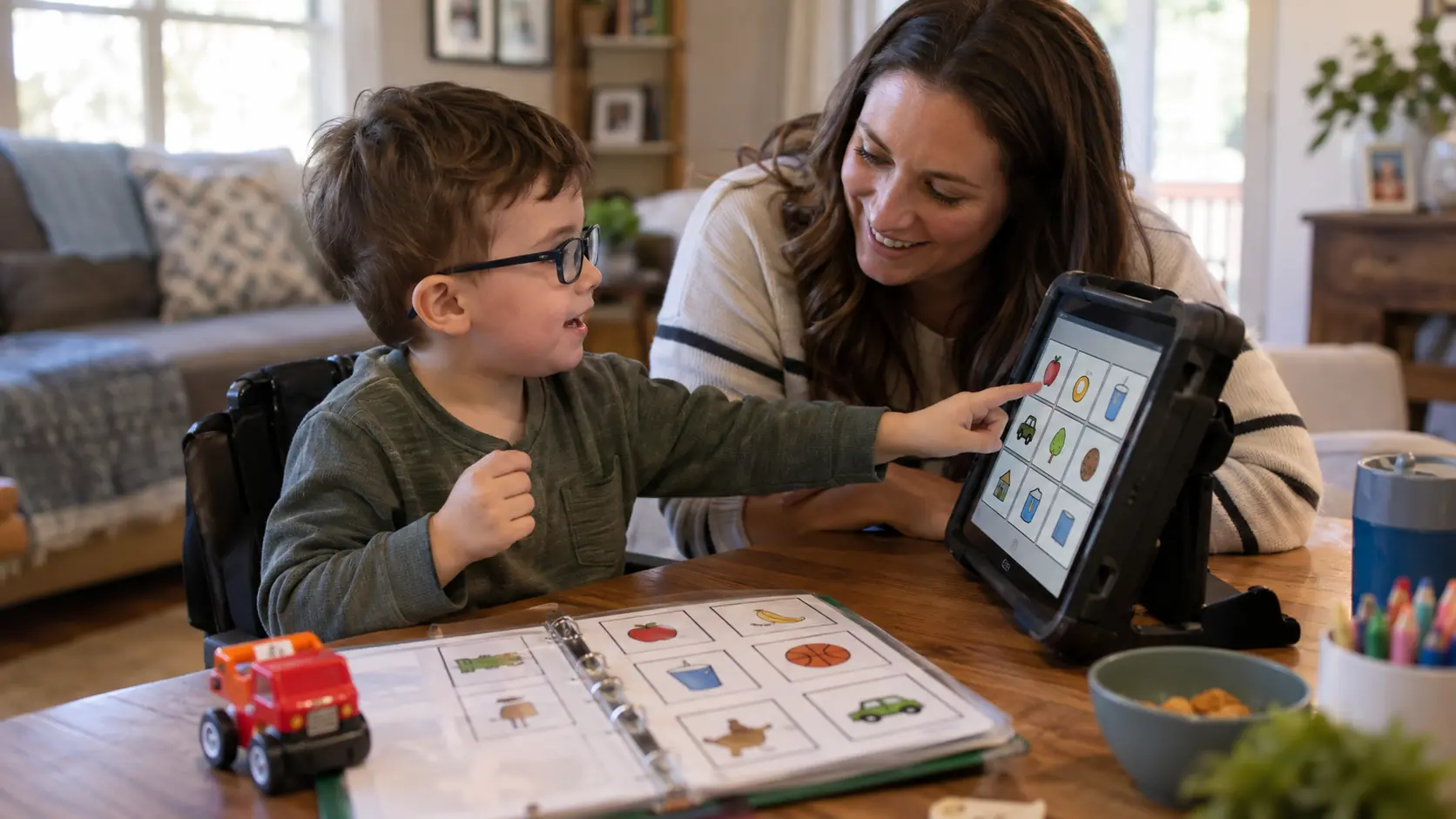
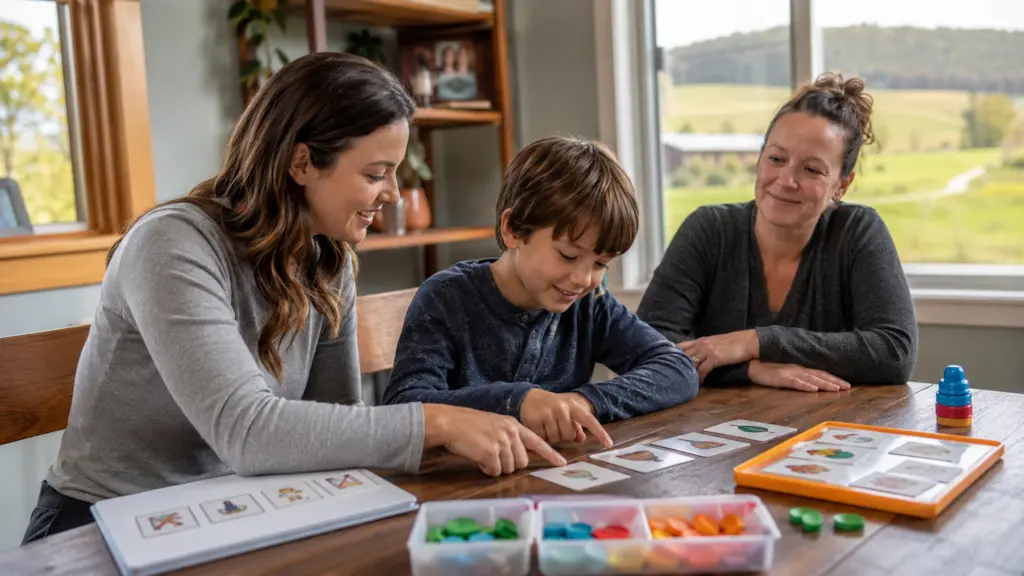
A helpful response to an unexpected change can be simple: explain what changed, offer a real choice when possible, and allow time to process.
What these examples share
The response stays brief, concrete, and calm. Choices are genuine, and the child is given time to process before more information or demands are added.
The goal is not to guarantee an easy transition, but to make the change clearer and more manageable.
How to Explain the Change and Offer a Choice
When plans change, brief and concrete language is often easier to process than a long explanation.
A few things can make this approach easier:
- Keep explanations short and specific.
- Point out what is still the same when possible.
- Offer only choices that are genuinely available.
- Acknowledge disappointment without suggesting the original plan will return.
- Give the child enough time to process before repeating or adding another demand.
Example
“The library is closed. We are still going out. We can go to the park or take a short walk. You can take a minute before choosing.”
When a Visual Support May Help
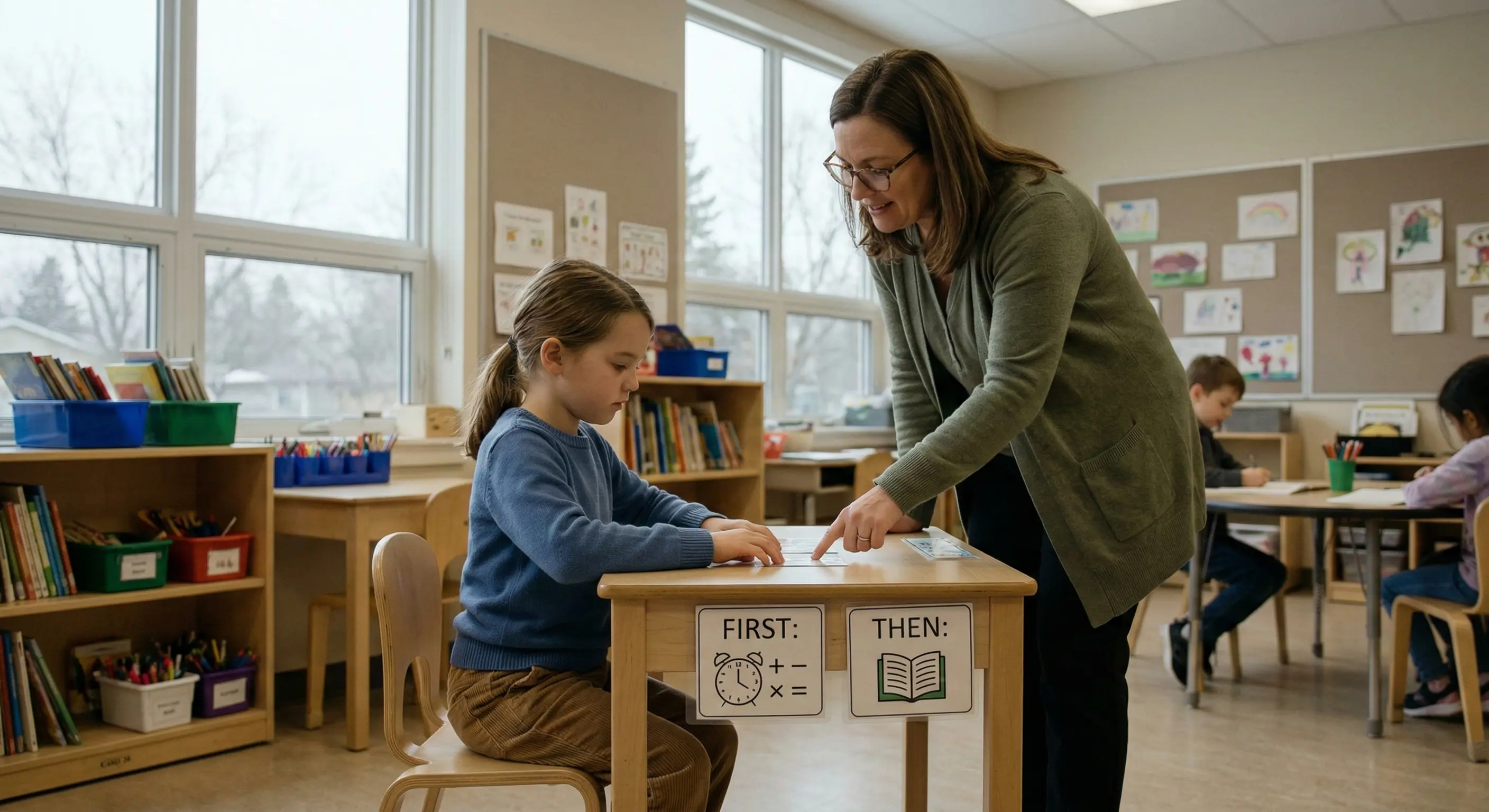
If your child already uses a visual schedule or first-then board, those same tools can help make an unexpected change easier to understand.
You might:
- Cross out or remove the changed item and add the new plan
- Use a simple Plan A / Plan B format if it is already familiar
- Use first-then to clarify the immediate next step, such as: “First we go home. Then we can call Grandma.”
For more detailed setup guidance, see AtlasCare’s articles on visual schedules for autism and using a first-then board.
Use supports that are already familiar to the child when possible rather than introducing a completely new system during an already stressful change.
How to Share What Helps With Other Caregivers
Consistency does not mean every caregiver must use the exact same words. It means parents, grandparents, school staff, and other caregivers understand what tends to help when plans change.
Share practical details such as:
- Helpful phrases: Specific wording or tone that works well
- Useful choices: Whether one or two options help, or whether choices add pressure
- Processing time: How long the child may need before responding
- Familiar visual supports: Which schedules or first-then tools the child already understands
- Signs a pause is needed: Early cues that the child may need less talking or a quieter space
Keep this information simple and update it as the child’s needs change.
If the child receives ABA services, families can also ask the clinical team what approaches are working during sessions and whether those strategies can be used consistently across settings.
The Goal Is Not Perfect Flexibility
Unexpected changes will happen, and the goal is not to expect a child to feel comfortable with every change. Disappointment and difficulty adjusting are understandable.
The focus is to make changes clearer and easier to process, while respecting the child’s need for predictability, processing time, and some choice when possible.
If difficulties with change are frequent, intense, or significantly affecting daily life, consider discussing them with the child’s clinical team.
Want Support for Navigating Changes at Home?
AtlasCare ABA’s parent and caregiver training provides personalized guidance to help caregivers use practical, consistent strategies during everyday routines and challenges.
Support is coordinated with the child’s individualized ABA treatment plan where appropriate.
Sources
- Spackman E, et al. Characterizing subdomains of insistence on sameness in autistic youth.
- Autism Research. 2023.
- https://pubmed.ncbi.nlm.nih.gov/37735979/
- Hodgson AR, et al. Facing the Unknown: Intolerance of Uncertainty in Children with Autism Spectrum Disorder. Journal of Applied Research in Intellectual Disabilities. 2017.
- https://pubmed.ncbi.nlm.nih.gov/26868412/
- National Autistic Society. Preference for order, predictability or routine.
- https://www.autism.org.uk/advice-and-guidance/about-autism/preference-for-order-predictability-or-routine
- NICE. Autism spectrum disorder in under 19s: support and management. CG170. Recommendations.
- https://www.nice.org.uk/guidance/cg170/chapter/Recommendations