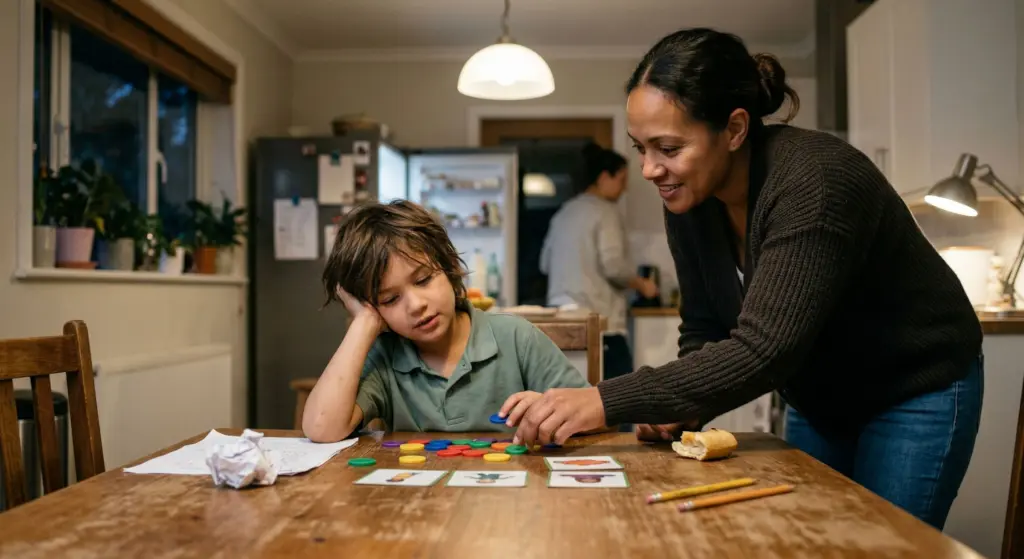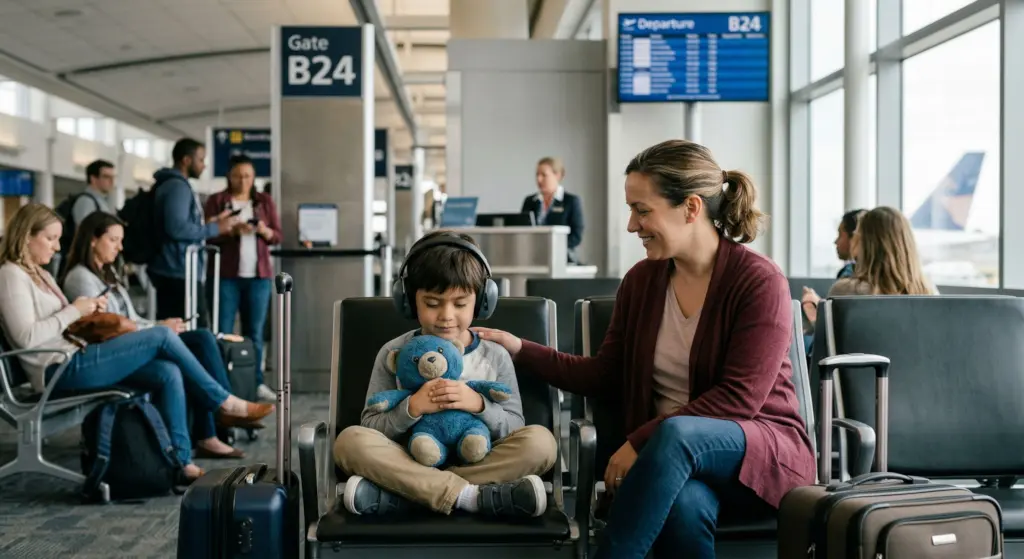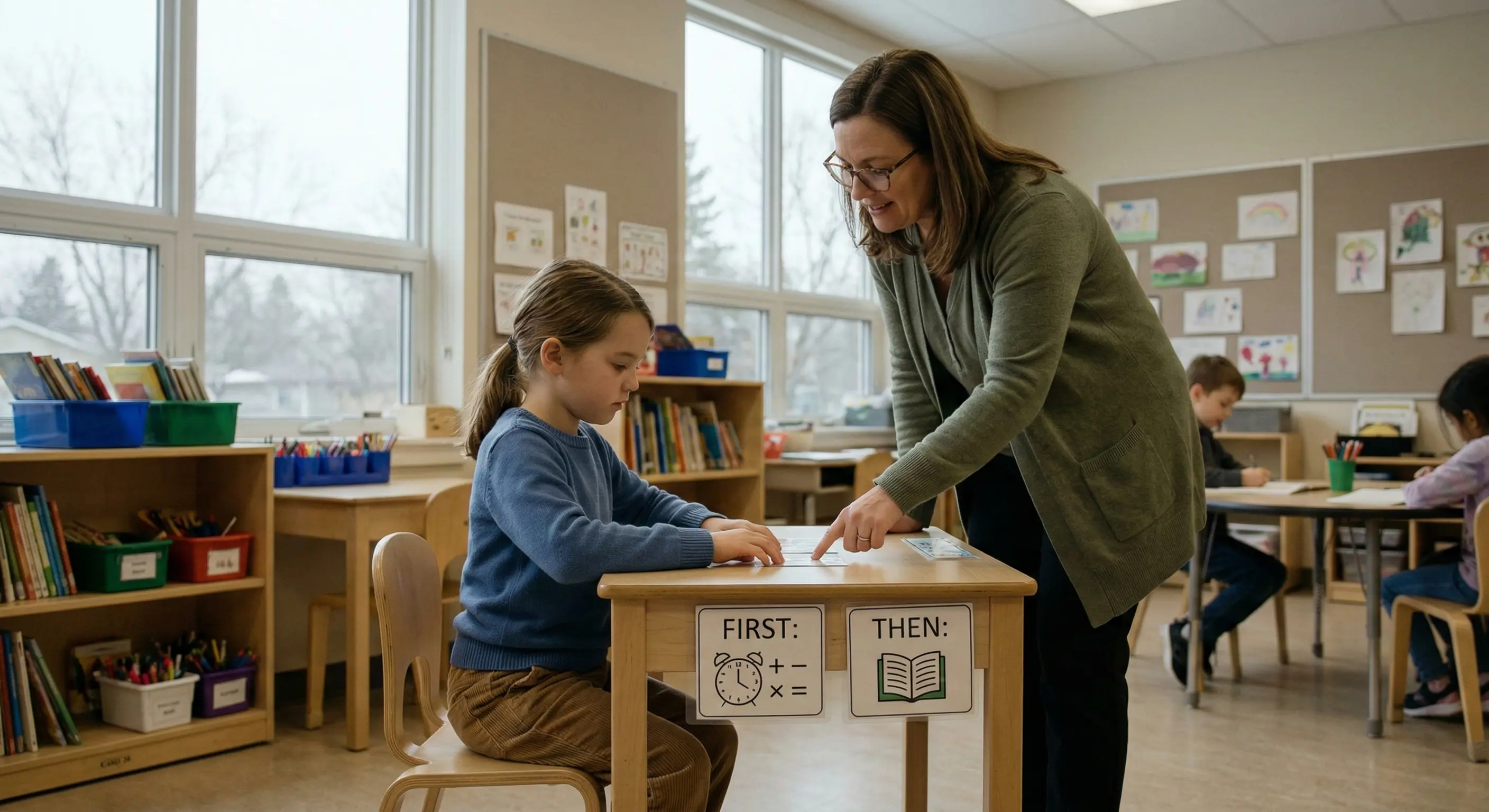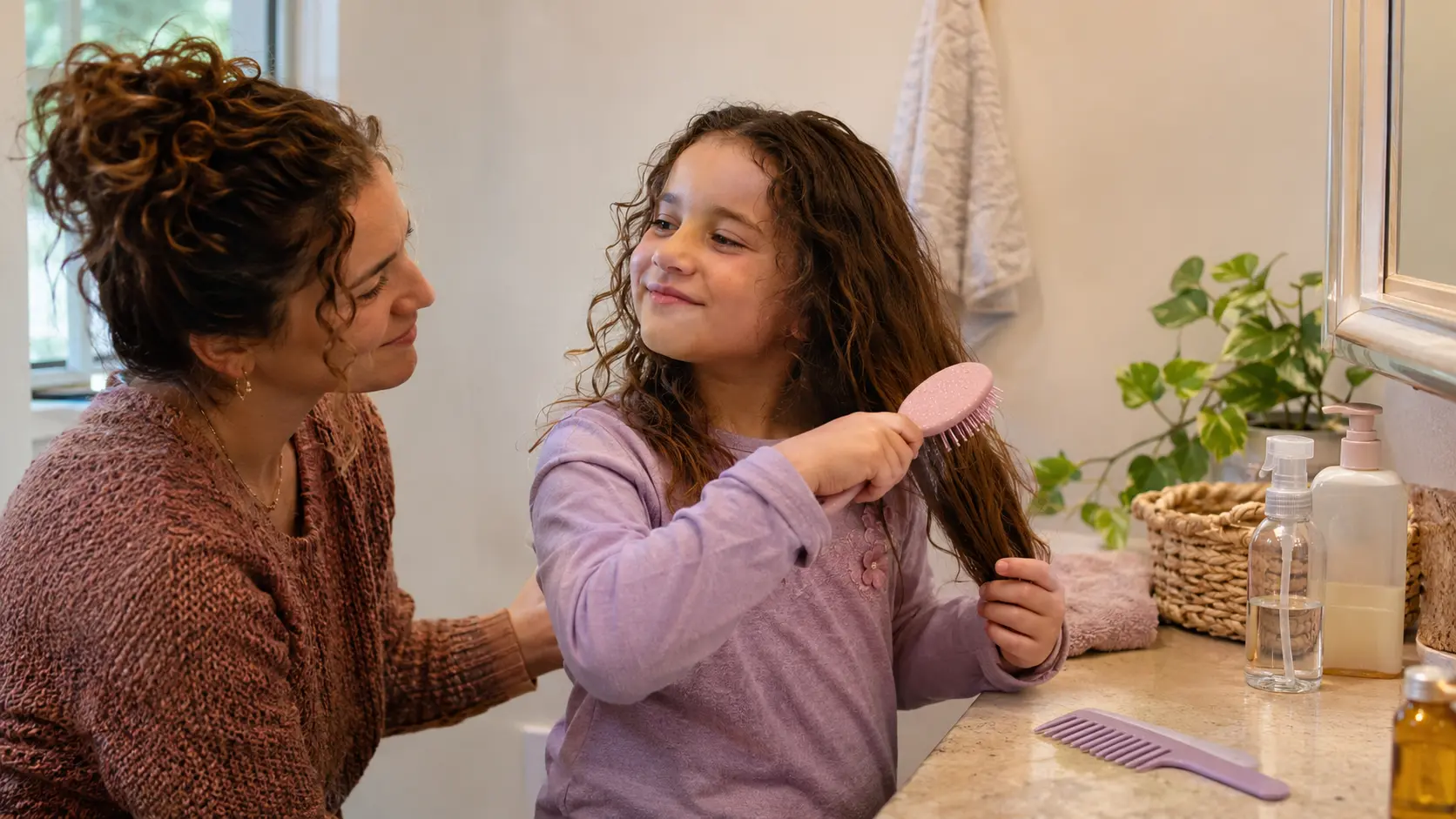
Hair brushing can become stressful for both autistic children and caregivers. The difficulty may come from pulling, brush texture, unexpected touch, hair type, or simply having someone else control part of the routine.
These responses can offer useful clues about what feels uncomfortable and what may need to change.
For related routines, see AtlasCare’s guides to sensory-friendly haircut preparation and sensory-friendly bathing and hair washing.
What Can Make Brushing Uncomfortable
Before changing the routine, try to identify what part of hair brushing is causing discomfort.
Common reasons may include:
- Pulling from tangles: Knots can make brushing painful, especially with long, curly, coily, thick, or easily tangled hair.
- Scalp or touch sensitivity: Touch around the scalp, neck, ears, or face may feel intense or unpredictable.
- Brush features: Bristle stiffness, brush shape, sound, static, or handle texture may affect comfort.
- Hair products: Detangling sprays or leave-in products can add fragrance, wetness, or texture that may help some children and bother others.
- Loss of control: Brushing from behind or changing pressure without warning can make the routine harder to predict.
- Hair type and texture: Different hair types need different detangling approaches, so one method will not suit every child.
- Scalp or skin concerns: Pain, redness, sores, swelling, crusting, or new sensitivity should be medically assessed rather than assumed to be sensory.
The National Autistic Society notes that sensory experiences vary widely between autistic people. Identifying the most likely source of discomfort can help you decide which change to try first.
How to Ask What Feels Better
Giving the child some control can make hair brushing feel more predictable and manageable.
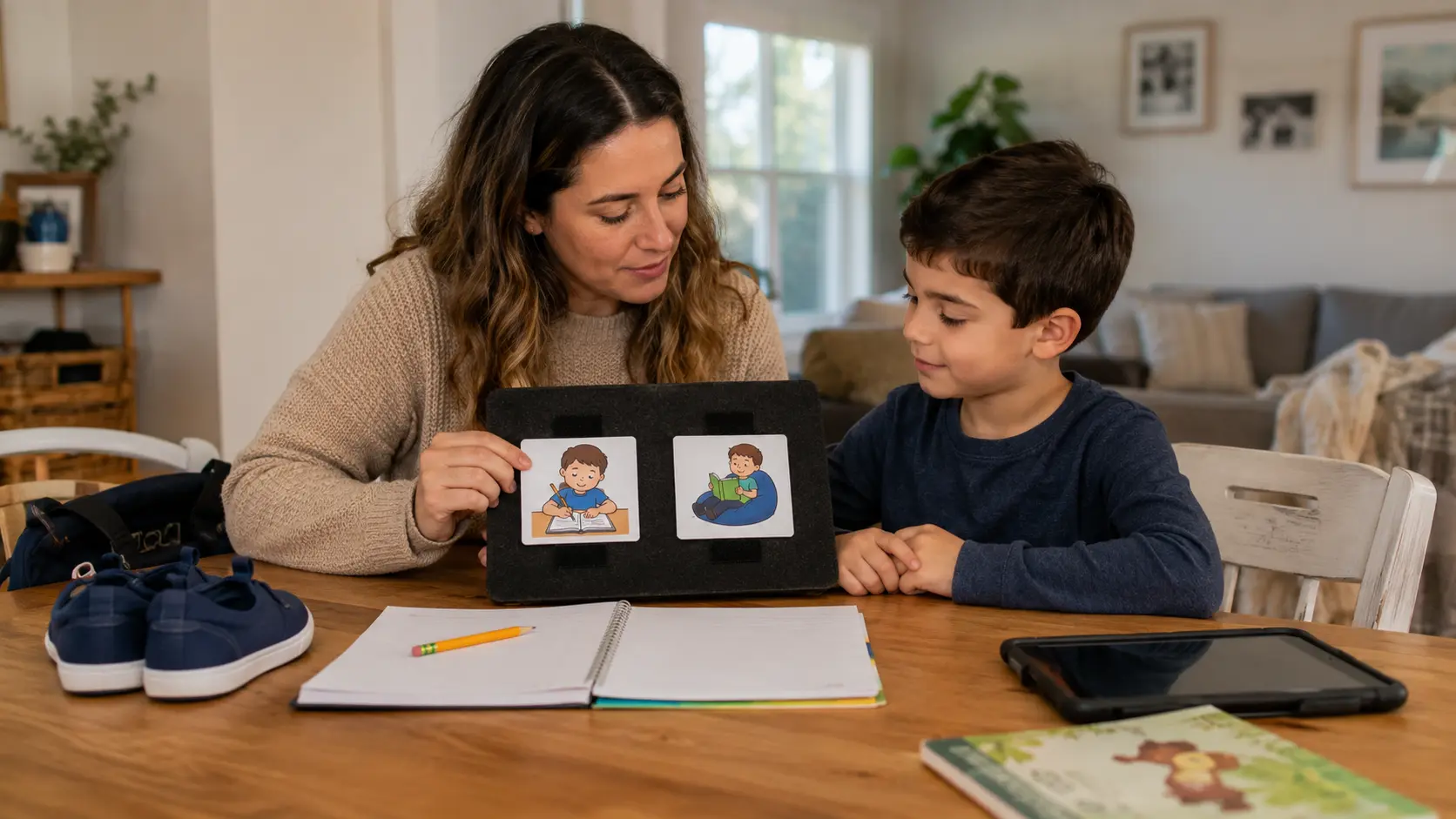
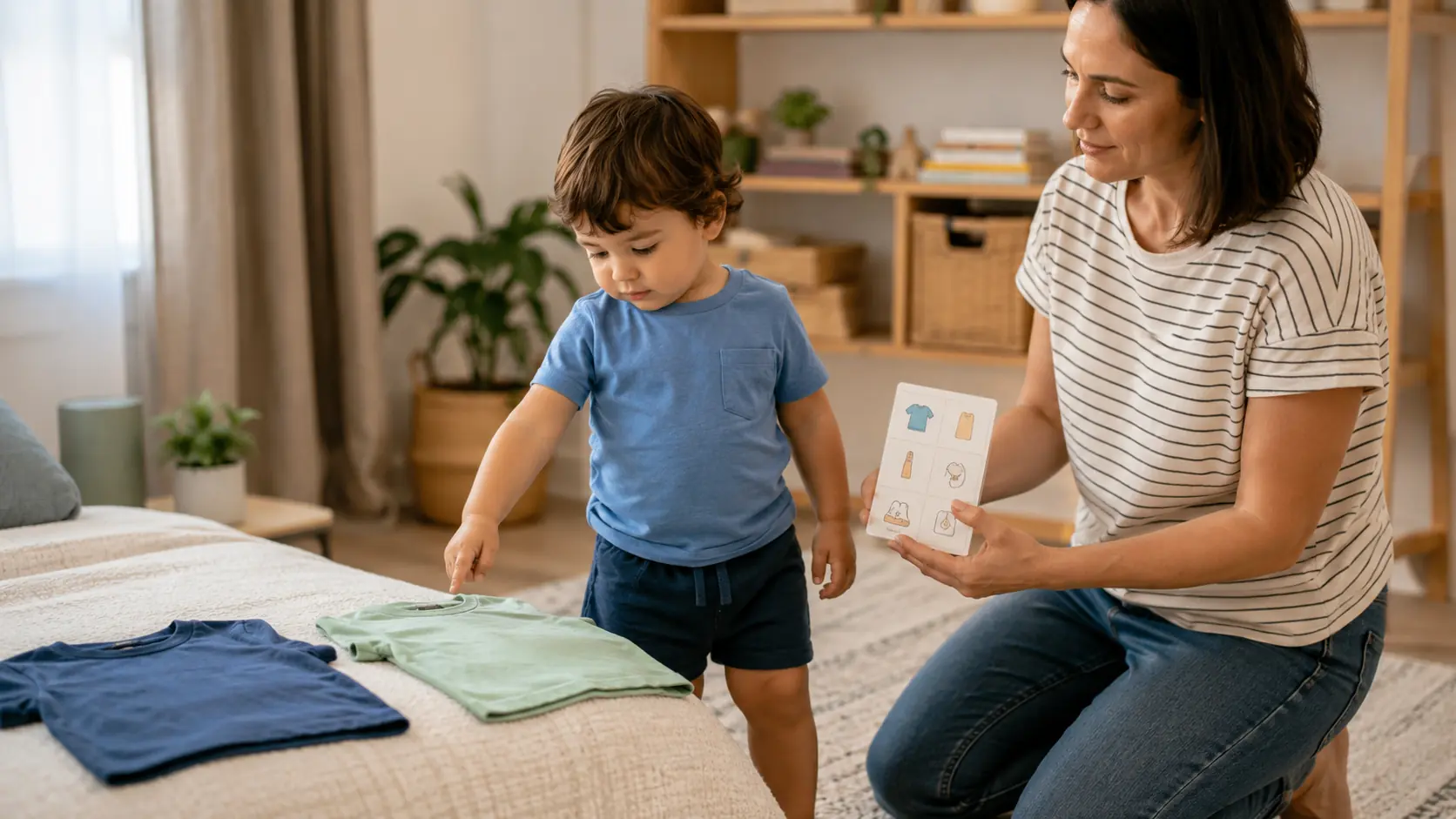
Offer a few simple choices, such as:
- Brush or wide-tooth comb?
- Mirror or no mirror?
- Sitting or standing?
- Self-brush first, then caregiver helps?
- Start on the left or right side?
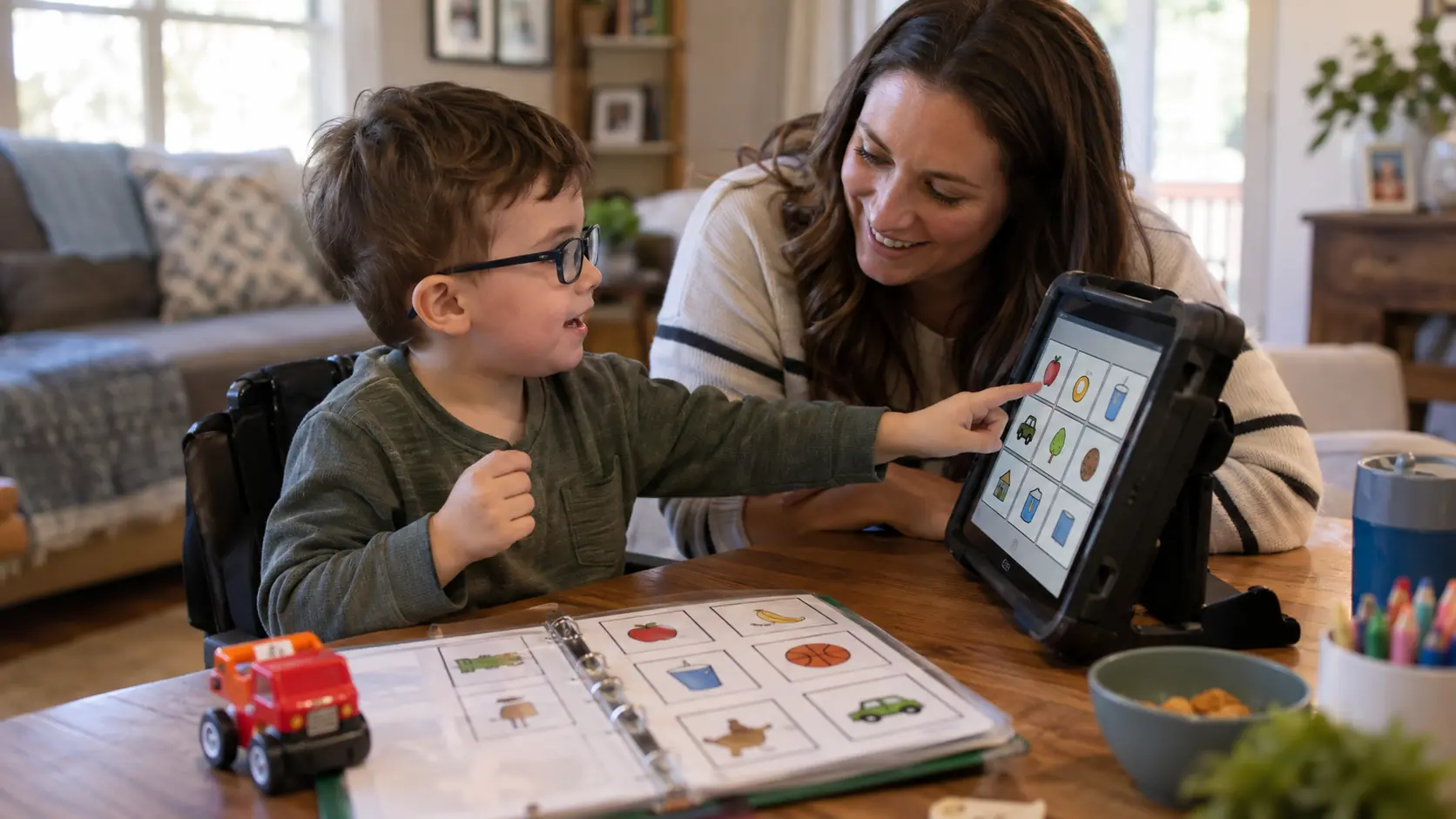
Children who do not use speech reliably can still show preferences through pointing, gestures, picture cards, signs, AAC, or moving the caregiver’s hand.
Keep questions simple during brushing:
- “Softer or firmer?”
- “Slower or faster?”
- “Keep going or pause?”
Change one thing at a time so it is easier to tell what actually helps.
Ways to Make Detangling More Manageable
How hair is brushed can make a big difference in comfort. A few simple techniques can reduce pulling and make detangling easier.
- Work in sections: Divide the hair into smaller areas instead of brushing the whole head at once.
- Start at the ends: Detangle the tips first and gradually work upward rather than pulling through knots from the scalp.
- Hold near the tangle: Support the hair between the scalp and knot to reduce pulling on the scalp.
- Use a preferred tool: A wide-tooth comb, detangling brush, or standard brush may work differently depending on hair type and preference.
- Use moisture when appropriate: Conditioner, leave-in conditioner, or detangling products may help, especially with curly or coily hair.
- Use a mirror if helpful: Seeing what is happening may make the routine feel more predictable.
- Allow self-brushing: Letting the child brush part of their own hair can give them more control over pressure and pace.
The American Academy of Dermatology recommends gentle detangling and working from the ends upward to reduce pulling and breakage. Hair type should also guide the approach.
Hair-Type Note
There is no single brushing method that works for every hair type. Curly and coily hair may benefit from moisture, sectioning, and detangling while wet or damp rather than dry brushing.
Keep the first goal small, such as one section at a time, and pause when needed.
How to Agree on a Pause Signal
A pause signal gives the child a clear way to stop brushing temporarily. For it to work, the caregiver needs to respond consistently when the signal is used.
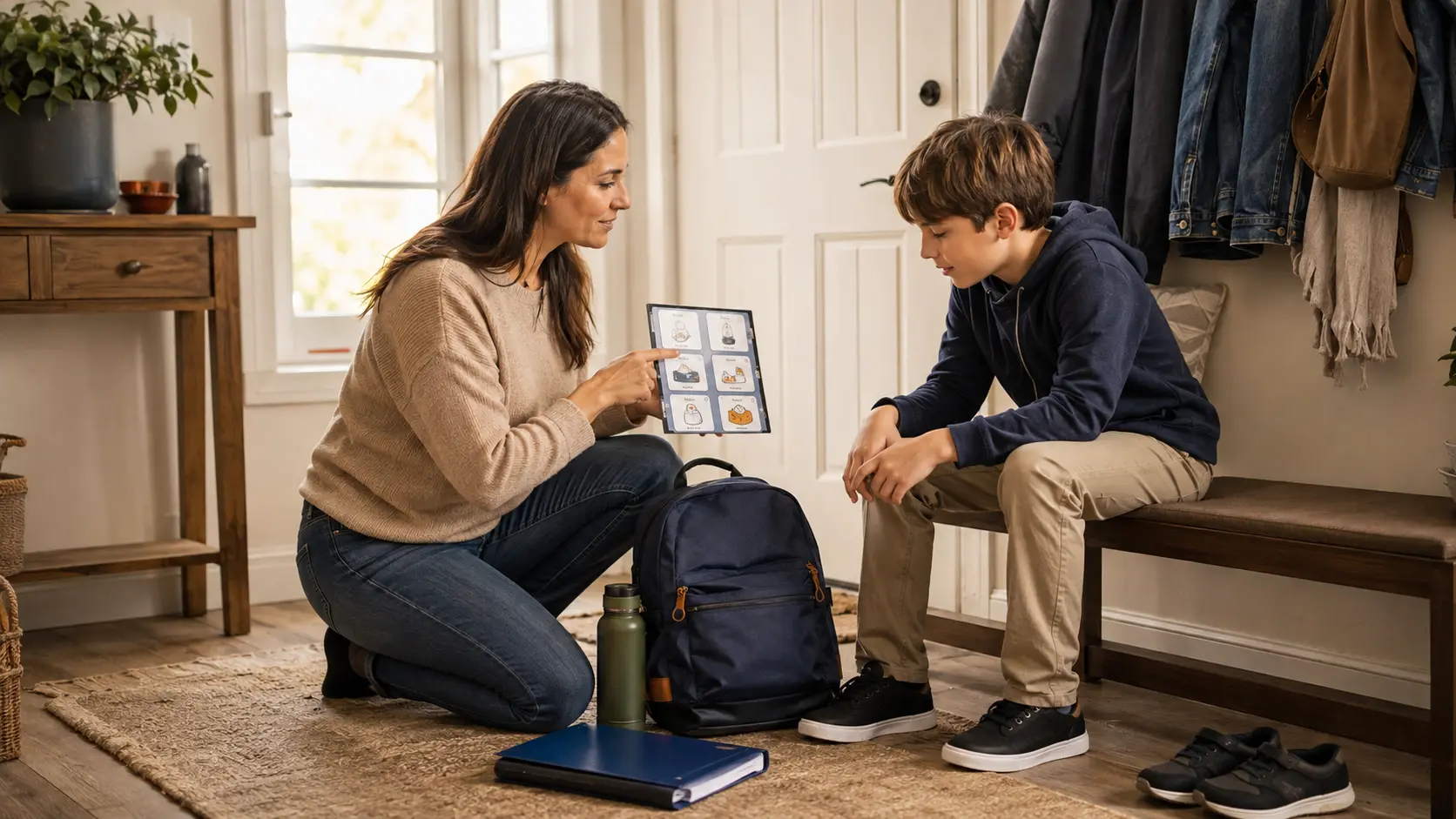
Choose a simple signal the child can use easily, such as:
- A word like “pause” or “stop”
- A hand gesture
- A picture card
- An AAC button or other familiar communication method
Practice the signal before brushing so the child already understands what it means.
When the child uses it:
- Stop brushing promptly
- Give them time to pause
- Resume only when the child indicates they are ready
Some children may also benefit from a separate signal for “finished” if distinguishing between a short break and ending the routine is useful.
How to Adapt the Routine Over Time
Hair-brushing routines may change over time. Illness, fatigue, hair growth, or other changes can affect what feels manageable, so progress does not always follow a straight line.
A few practical approaches:
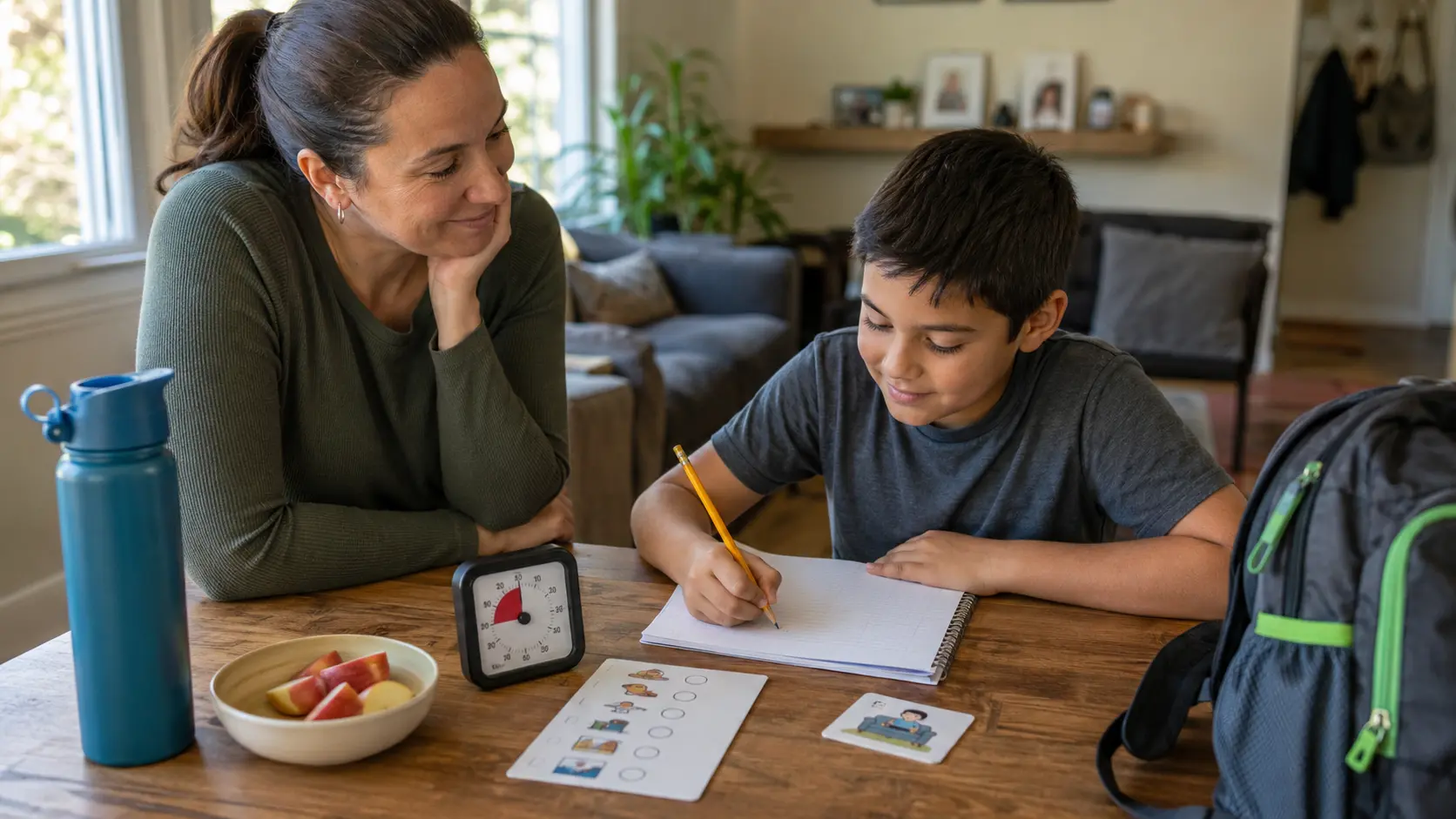
- Keep sessions short: Build from what the child already manages comfortably.
- Track what helps: Note useful patterns such as brush type, time of day, hair condition, or number of sections completed.
- Change one thing at a time: This makes it easier to tell what actually helps.
- Build from what works: Adjust the existing routine gradually rather than changing everything at once.
- Increase participation: Let the child hold the brush, choose the starting side, use a mirror, or brush one section independently.
- Reduce prompts gradually: As the routine becomes more familiar, use less step-by-step caregiver direction when appropriate.
If daily self-care routines are consistently difficult, structured caregiver support may help. AtlasCare’s guide to building a comfortable daily tooth-brushing routine covers a similar approach for another self-care task.
When to Ask About Persistent Discomfort
Not every hair-brushing difficulty is a routine issue. Some signs may need medical or therapy input.
Ask a Pediatrician or Dermatologist About
- Persistent scalp pain or tenderness
- Redness, swelling, sores, crusting, scaling, or unusual hair loss
- A sudden change in brushing tolerance without a clear reason
HealthyChildren.org recommends medical evaluation when scalp or hair changes may suggest an underlying condition.
Consider Occupational Therapy When
An occupational therapist may be helpful if sensory differences affect several daily activities and interfere with self-care or participation.
Consider ABA and Caregiver Coaching When
ABA caregiver support may help with routines, communication, predictability, prompting, and child participation.
ABA does not treat scalp or medical conditions and should not replace medical or occupational-therapy evaluation when those are needed.
When to Stop and Get Medical Advice
Stop brushing and seek appropriate medical care if there is significant pain, skin injury, swelling, or another concerning scalp or skin symptom.
Want Help With Home Grooming Routines?
Eligible families can learn how AtlasCare ABA Parent and Caregiver Training may support everyday routines, communication, and caregiver consistency through their child’s BCBA.
Sources
- West Suffolk NHS Foundation Trust — Hair Care (Children’s Occupational Therapy).
- https://www.wsh.nhs.uk/CMS-Documents/ICPS/OT/Hair-Care.pdf
- National Autistic Society — Autism and Sensory Processing.
- https://www.autism.org.uk/advice-and-guidance/about-autism/sensory-processing
- American Academy of Dermatology. Tips for healthy hair.
- AAD — Tips for healthy hair
- American Academy of Dermatology — Curly Hair Care.
- https://www.aad.org/public/everyday-care/hair-scalp-care/hair/curly-hair-care
- HealthyChildren.org / American Academy of Pediatrics — Hair Loss (Symptom Checker).
- https://www.healthychildren.org/English/tips-tools/Symptom-Checker/Pages/symptomviewer.aspx?symptom=Hair+Loss