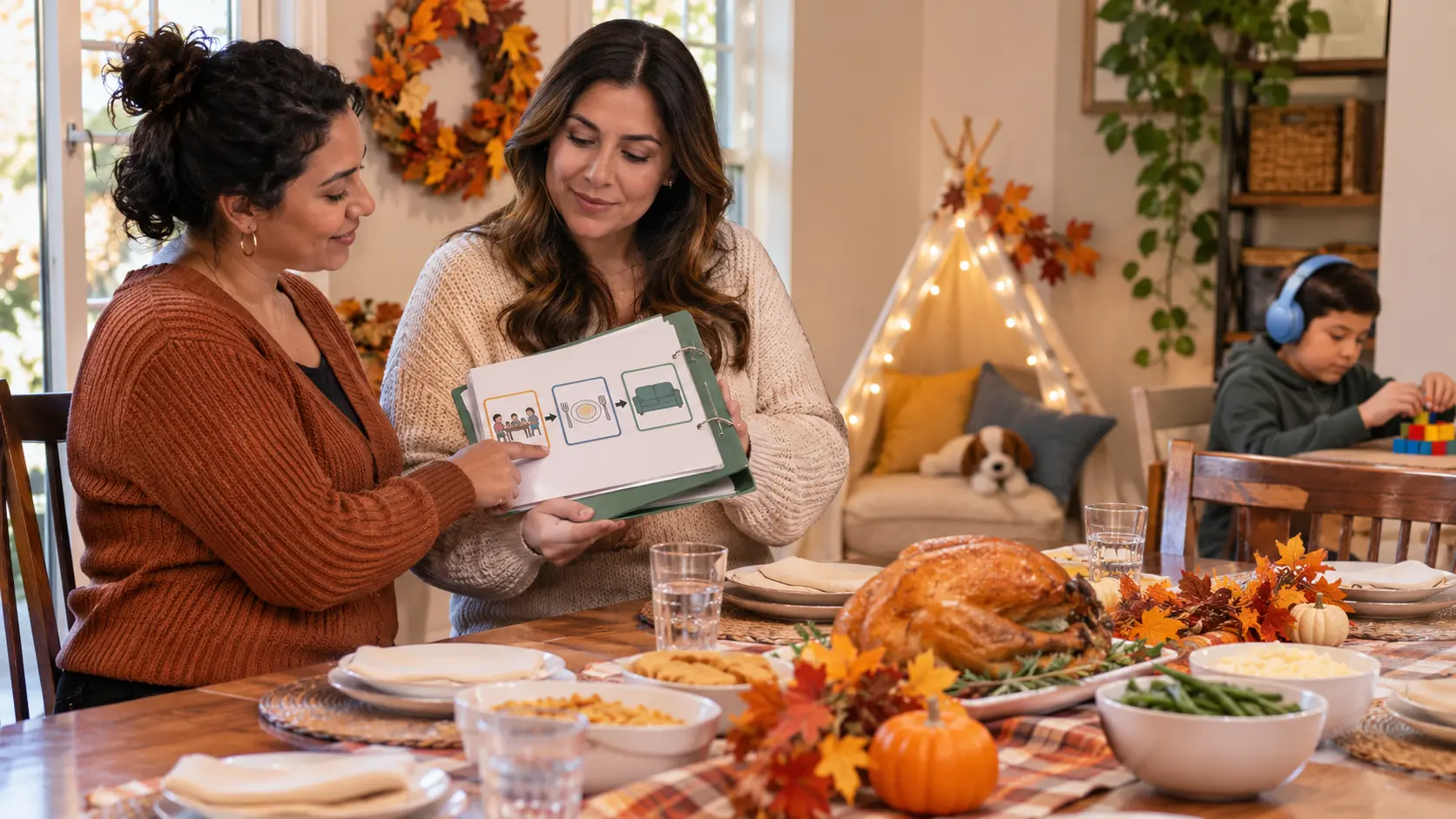
Hosting a Thanksgiving dinner with an autistic child in mind may involve thinking about food, timing, noise, guests, and comfort.
You do not need to redesign the whole gathering. A brief conversation with the child’s caregiver and a few flexible choices can make the meal feel more manageable and lower-pressure for everyone.
Ask the Parent or Caregiver What Helps Before the Day
Before Thanksgiving, ask the child’s parent or caregiver what usually helps at family gatherings. Their guidance will be more useful than making assumptions based on autism in general.
A short conversation can cover:
- Food: Familiar or preferred foods, allergies, and dietary restrictions
- Seating and space: Preferred seating and whether a quieter break area would help
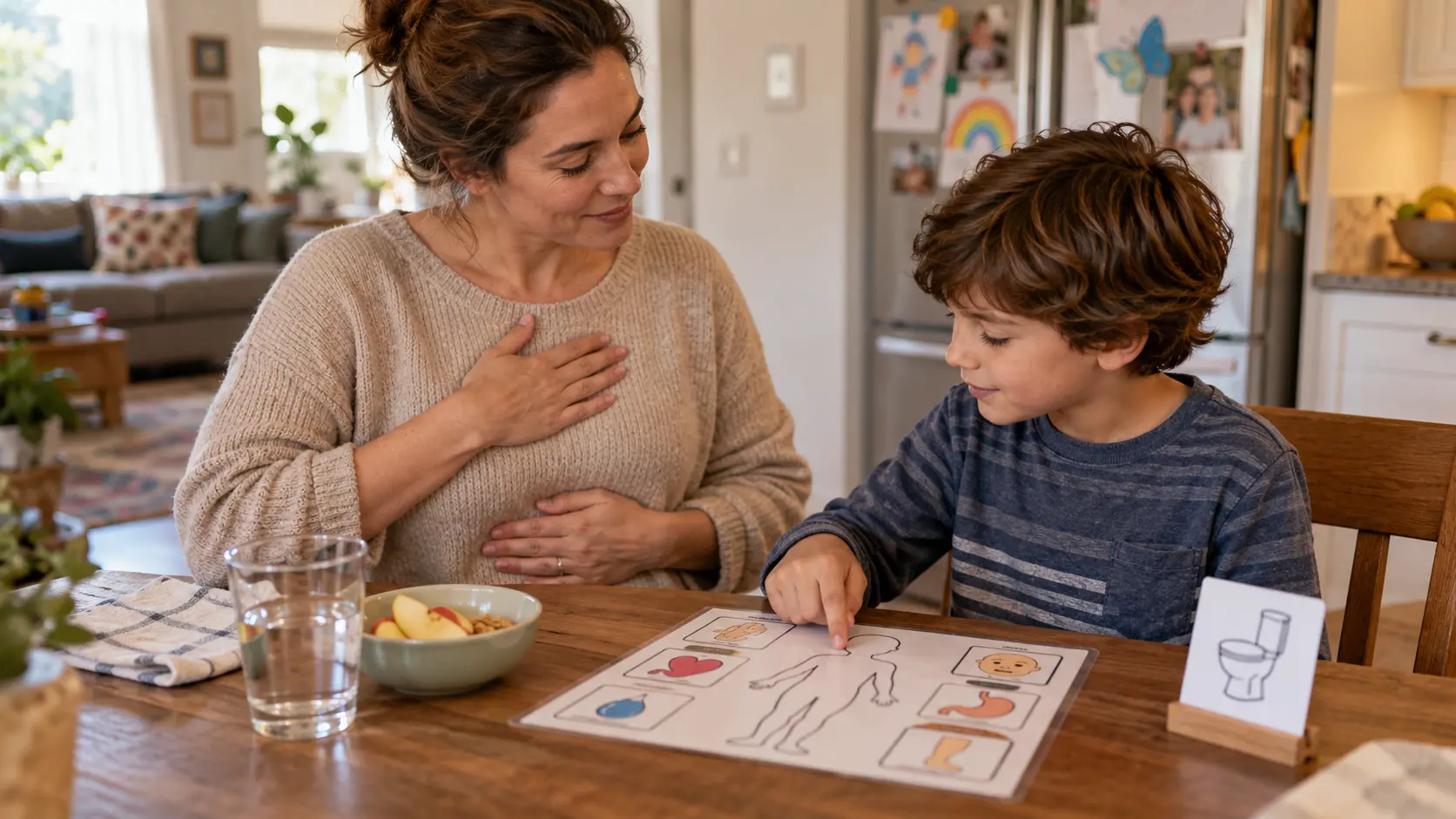
- Sensory and communication needs: Sounds, smells, lighting, crowds, communication tools, or sensory supports
- Greetings and activities: Preferences around hugs, photos, group activities, and taking breaks
The host does not need a clinical history—just enough practical information to make the gathering more comfortable.
Keep It Conversational
A simple message such as, “Is there anything I should know to make Thanksgiving easier for [child’s name]?” is often enough to start the conversation.
Share the Thanksgiving Plan in Advance
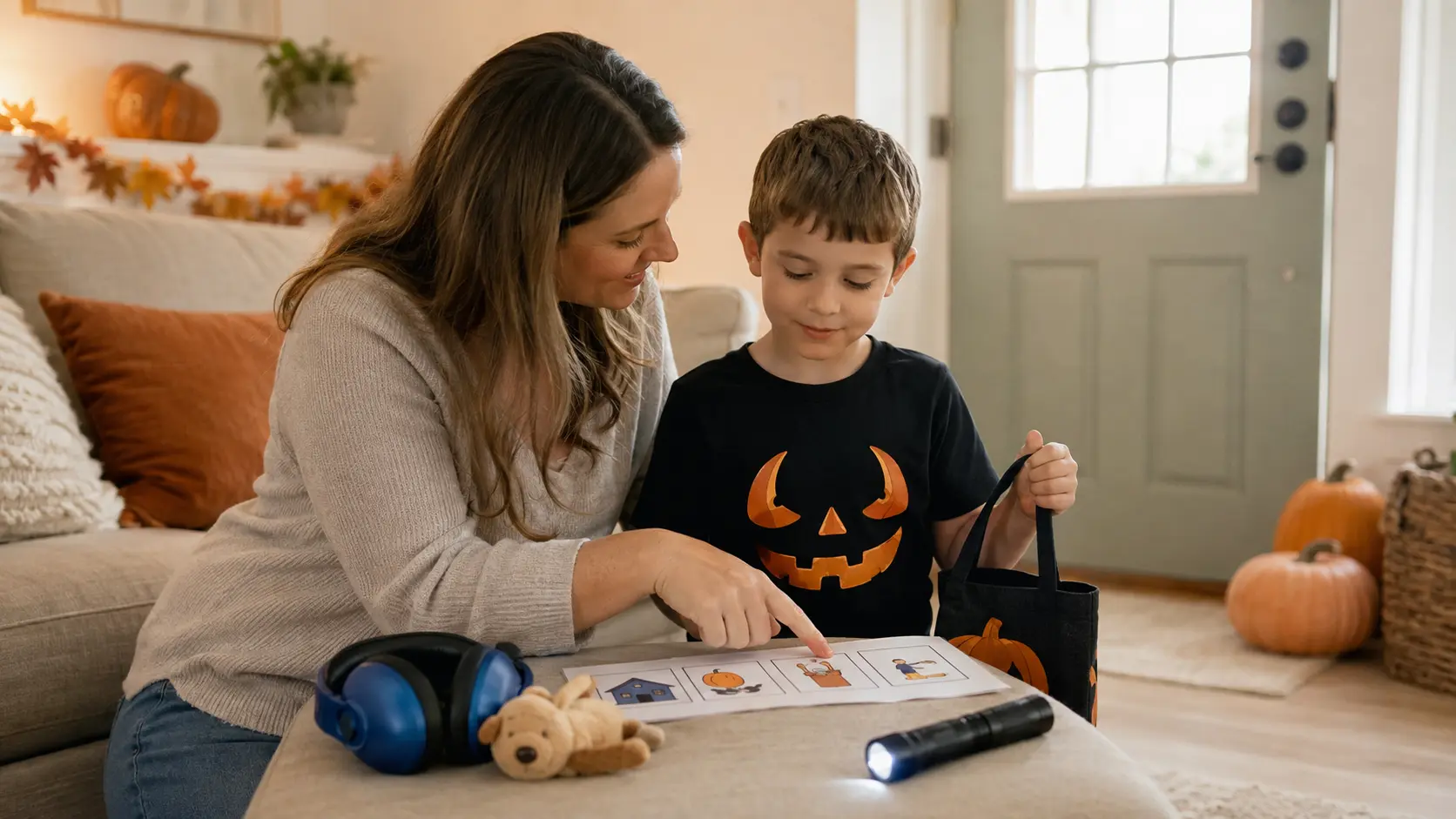
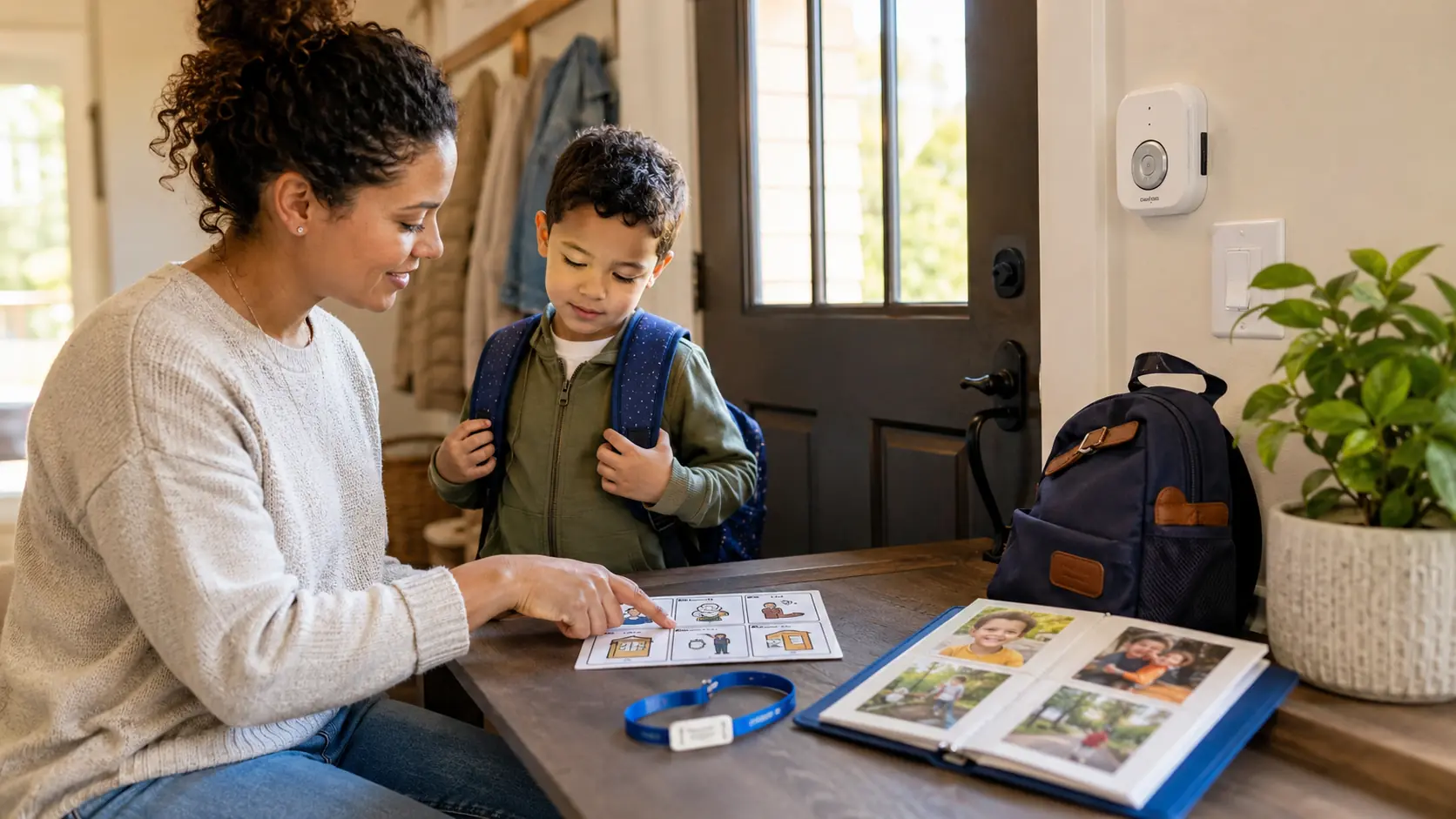
Sharing the basic Thanksgiving plan ahead of time can help the family prepare for what to expect.
Let them know:
- Who will be there: Including unfamiliar guests
- Timing: Approximate arrival and meal times
- Environment: Loud music, TV, games, pets, strong smells, or moving/light-up decorations
- Activities: Any traditions, walks, games, or group activities the child may choose to skip
- Meal setup: Where everyone will eat and how the gathering will flow
If timing is flexible, give a realistic window rather than an exact time you may not be able to keep. If plans change significantly, update the family as early as possible.
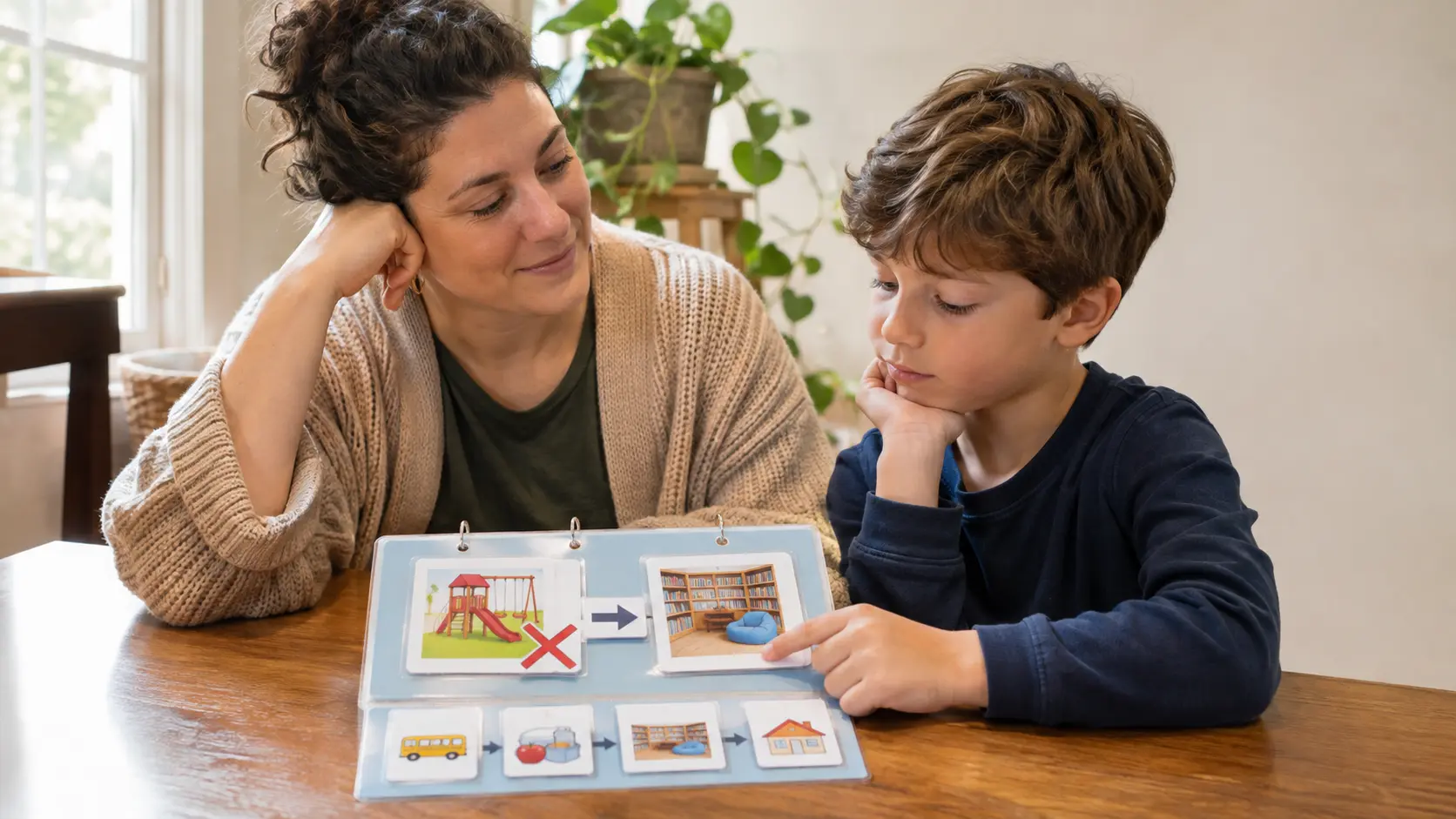
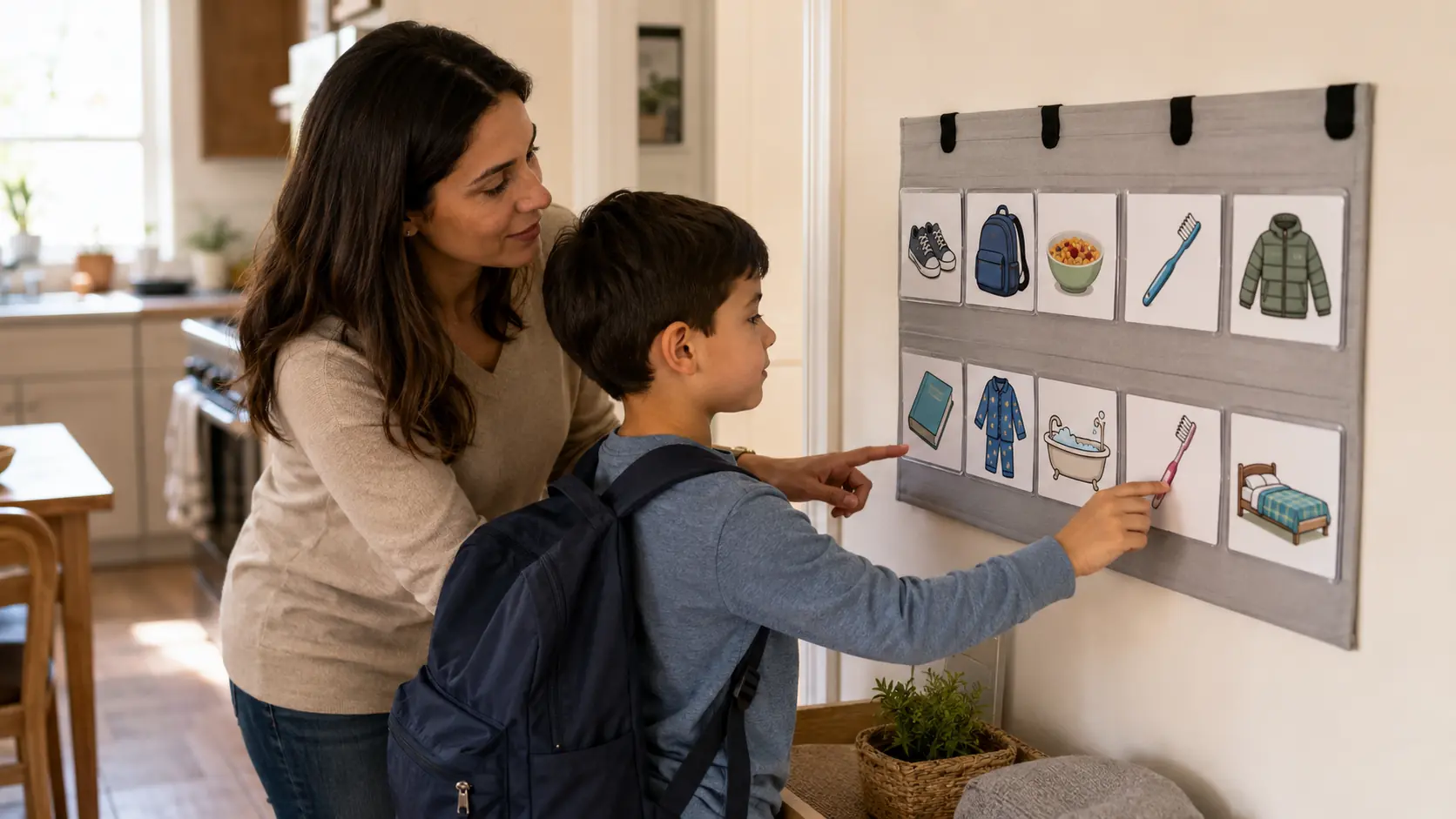
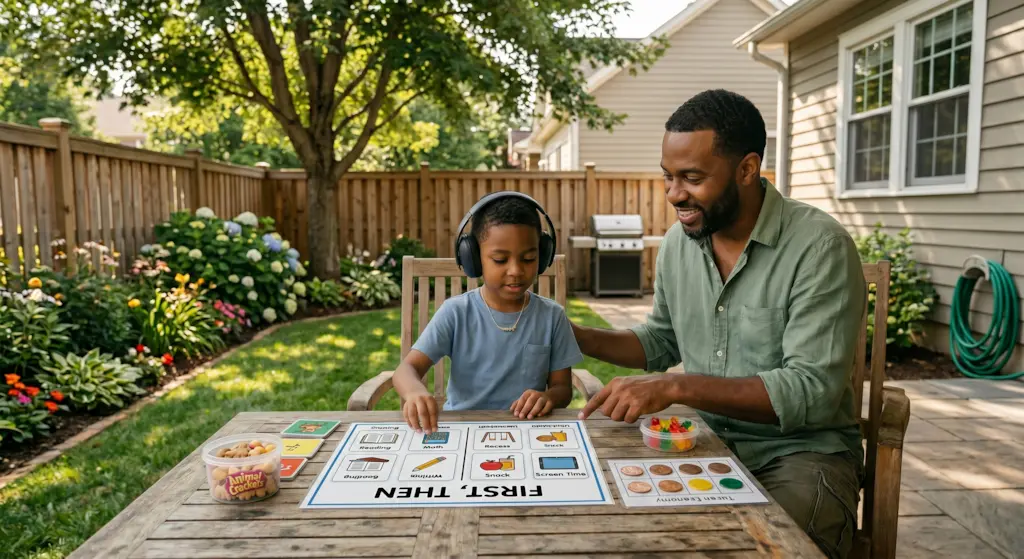
If the family already uses a visual schedule, accurate event details may help them prepare one at home.
Keep Food Pressure Low
Thanksgiving often revolves around food, but unfamiliar textures, smells, temperatures, or presentations may make the meal harder for some autistic children.
The host can help by keeping food expectations flexible:
- Offer familiar options: Make room for a preferred food if the caregiver brings or requests one.
- Avoid comments: Do not comment on how much or what the child eats.
- Skip food pressure: Avoid “just try one bite” or requiring the child to taste every dish.
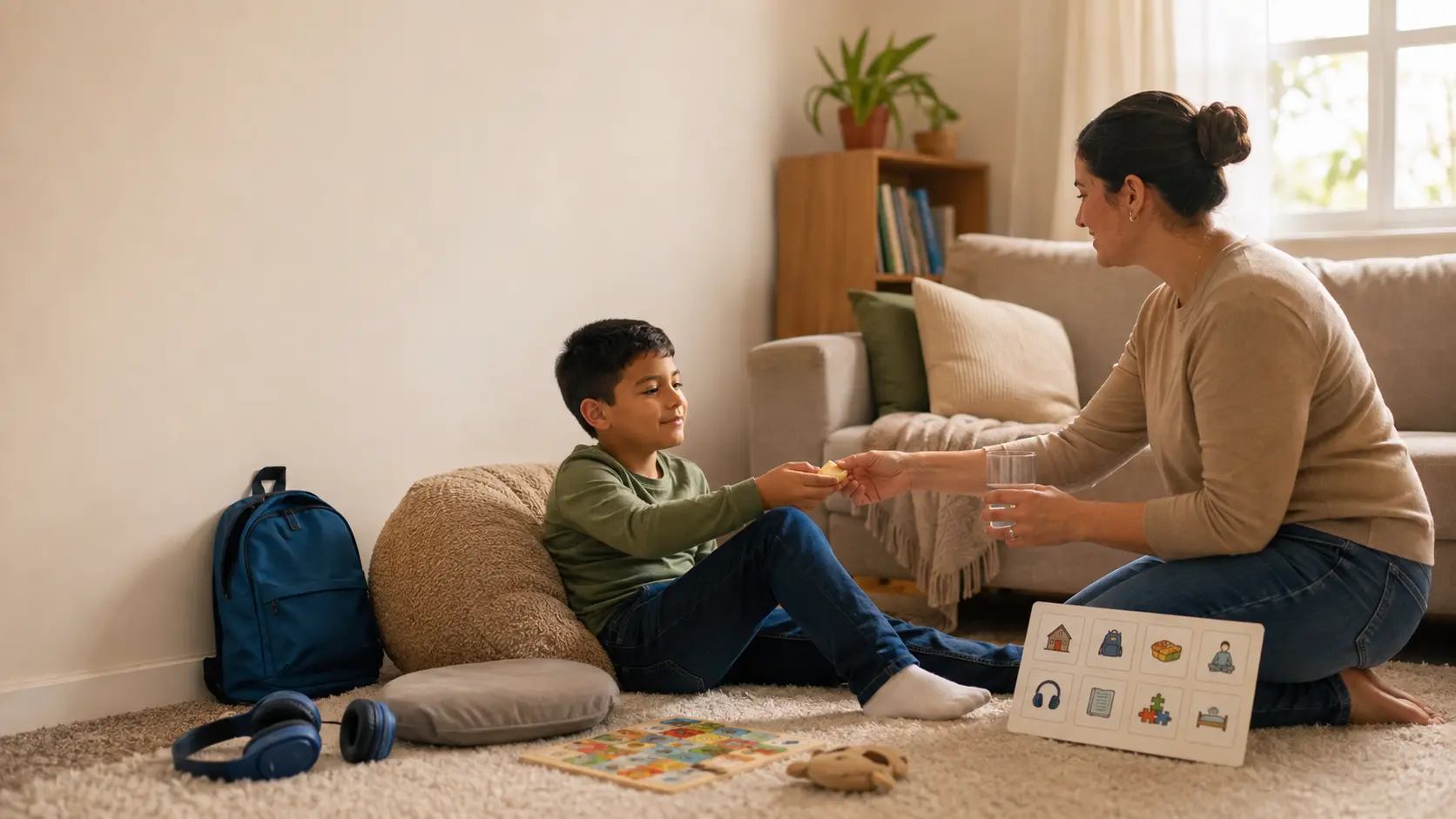
- Keep participation flexible: The child should not have to finish a plate or remain at the table for the entire meal.
- Follow caregiver guidance: For allergies, feeding, choking, or swallowing concerns, use the caregiver’s instructions rather than general advice.
The goal is simply to make sure the child has access to food they can comfortably eat. Thanksgiving dinner should not become a feeding challenge or therapy session.
Reduce Sensory and Social Pressure Around the Table
Sensory needs vary from one autistic child to another, so ask the caregiver what matters most for this child. If certain concerns are known, a few simple adjustments may help.
- Environment: Reduce avoidable noise, strong fragrances, crowded seating, or bright/flashing decorations when these are known concerns.
- Greetings: Hugs, eye contact, and verbal greetings should be optional. A wave, smile, or brief acknowledgment is enough.
- Photos and activities: Group photos, games, and holiday traditions can be optional. The child does not need to join every activity to be included.
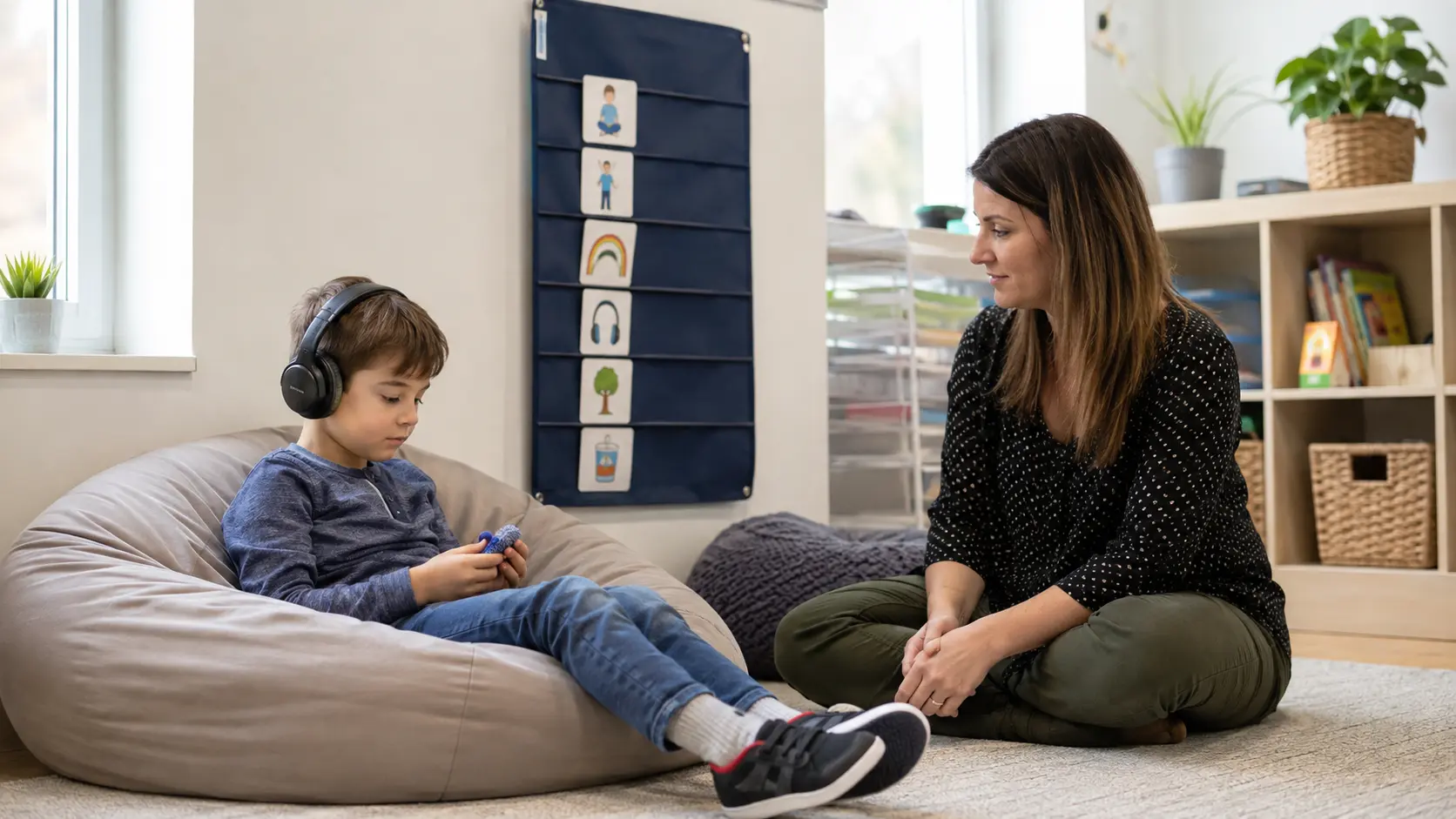
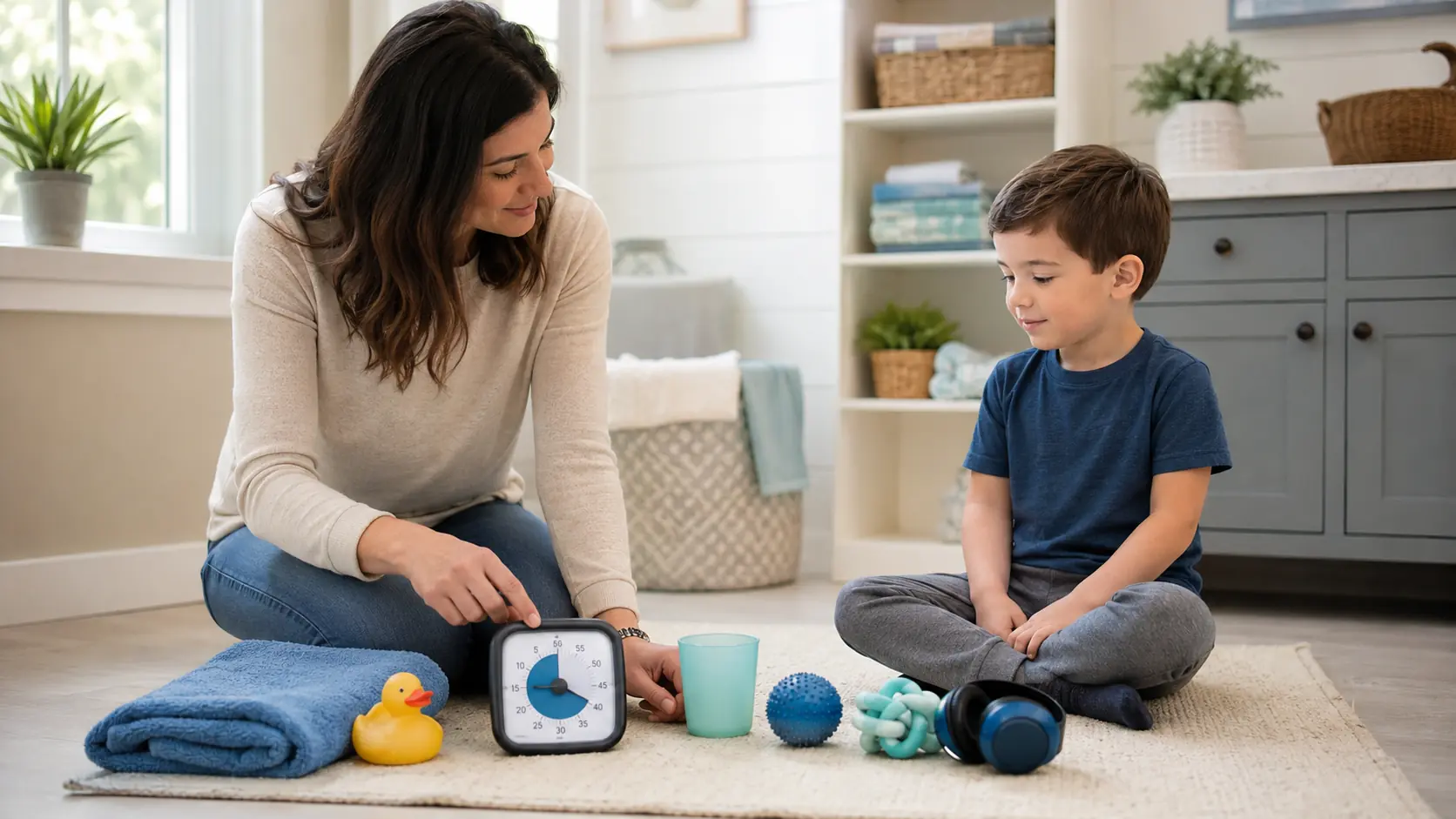
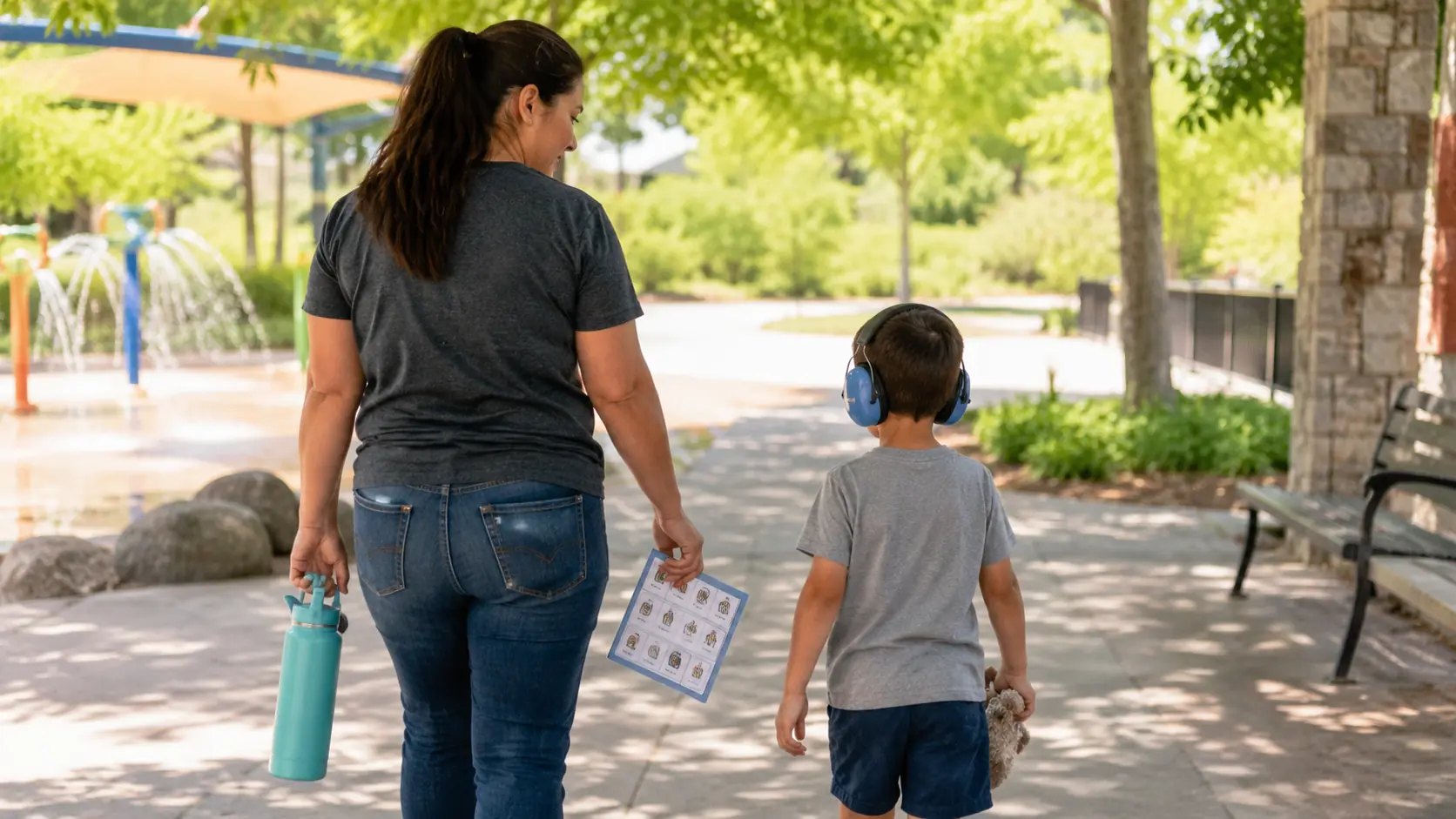
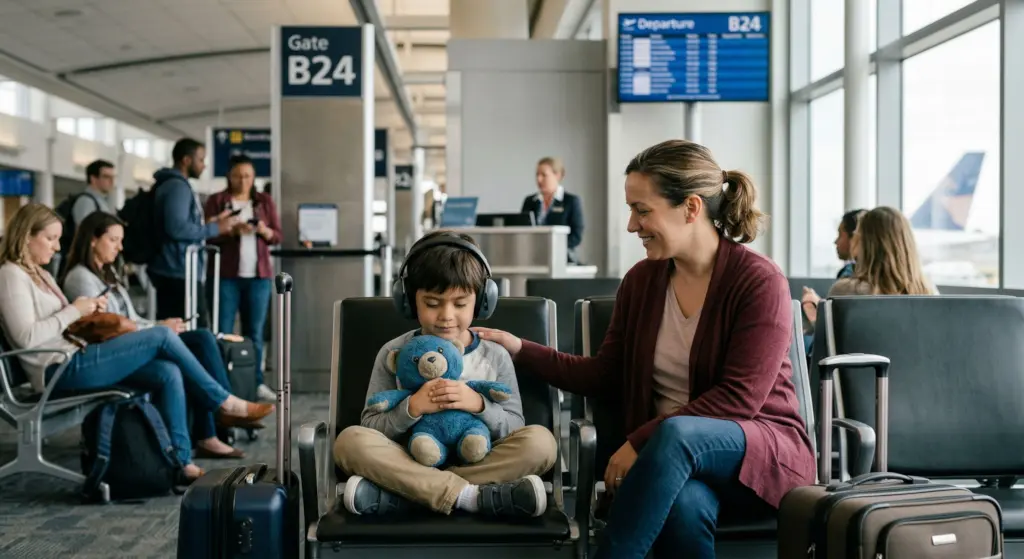
- Sensory supports: Accept headphones, familiar items, or comfortable clothing without comment if they help the child participate.
If helpful, brief other guests beforehand so these choices are understood before the child arrives.
Make Breaks and Different Participation Easy
A simple quiet or lower-traffic space can give the child and caregiver somewhere to step away from the main gathering if needed.
Flexible participation may include:
- Leaving the table and returning later
- Eating in a different spot
- Using headphones or a familiar activity
- Taking a break with a caregiver
- Leaving the gathering early
Stepping away should not be treated as a problem or something the child needs to earn. The quiet space is simply an option. If it is not needed, that is fine too.
A Host’s Thanksgiving Checklist
Use this checklist before Thanksgiving and again before guests arrive.
Before the Day
- Ask the caregiver what helps and what to avoid
- Share the approximate arrival and meal plan
- Mention pets, loud activities, strong scents, unfamiliar guests, or crowded spaces
- Confirm allergies, dietary restrictions, and familiar or preferred foods
- Ask about greetings, touch, photos, and breaks
Before Guests Arrive
- Set aside a quieter space for breaks if needed
- Reduce known sensory concerns where practical
- Let other guests know that different participation is okay
During Dinner
- Keep hugs, eye contact, photos, and activities optional
- Allow breaks, different seating, or leaving the table
- Avoid pressure or comments about food
- Make it comfortable for the family to leave early if needed
This checklist is a planning tool, not a measure of success. Not every item will apply to every child, so use the caregiver’s guidance to decide what matters most.
Support for Routines, Transitions, and Family Participation
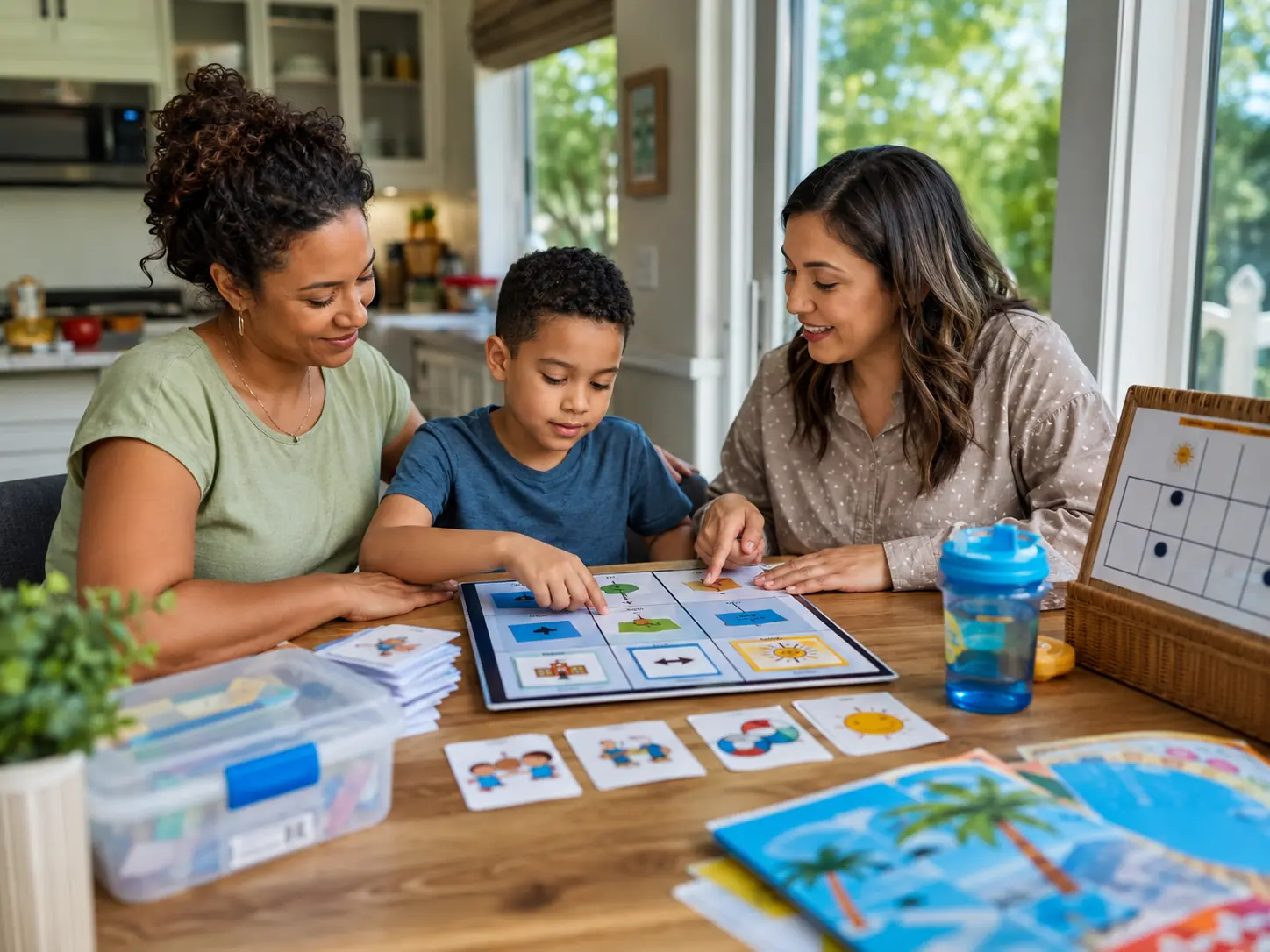
Families considering AtlasCare ABA services can also learn how parent and caregiver training may be incorporated into their child’s care. Training provides individualized guidance from a BCBA for supporting everyday routines and challenges.
Sources
- National Autistic Society. Christmas tips for autistic people and families.
- https://www.autism.org.uk/advice-and-guidance/going-out-leisure-and-travel/christmas
- National Institute for Health and Care Excellence (NICE). Autism spectrum disorder in under 19s: support and management (CG170).
- https://www.nice.org.uk/guidance/cg170/chapter/Recommendations
- American Academy of Pediatrics. Identification, Evaluation, and Management of Children With Autism Spectrum Disorder. Pediatrics. 2020;145(1):e20193447.
- https://publications.aap.org/pediatrics/article/145/1/e20193447/36917/Identification-Evaluation-and-Management-of-Children-With-Autism-Spectrum-Disorder
- Autism Speaks. Tips for creating an autism-friendly Thanksgiving.
- https://www.autismspeaks.org/expert-opinion/tips-creating-autism-friendly-thanksgiving