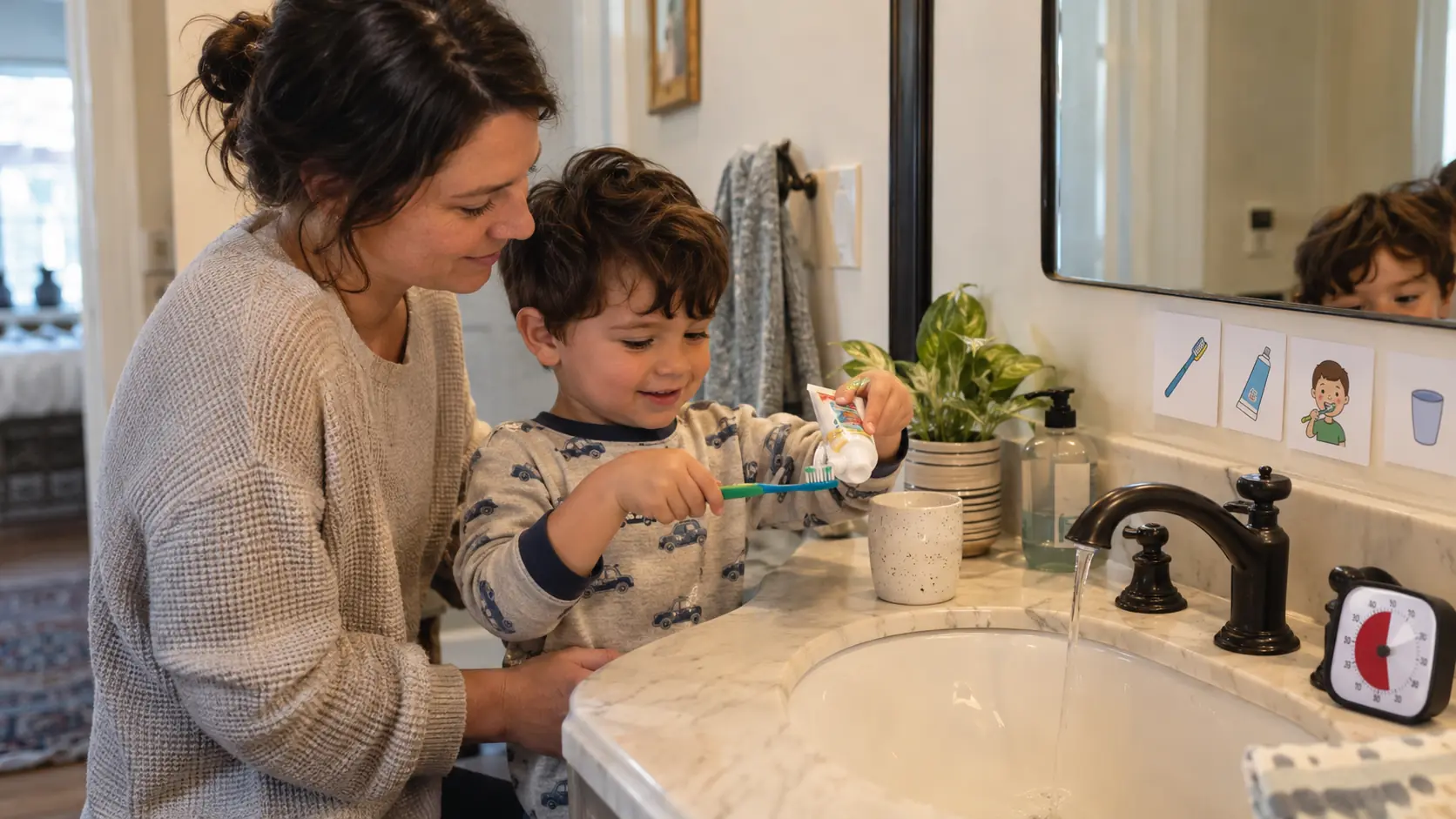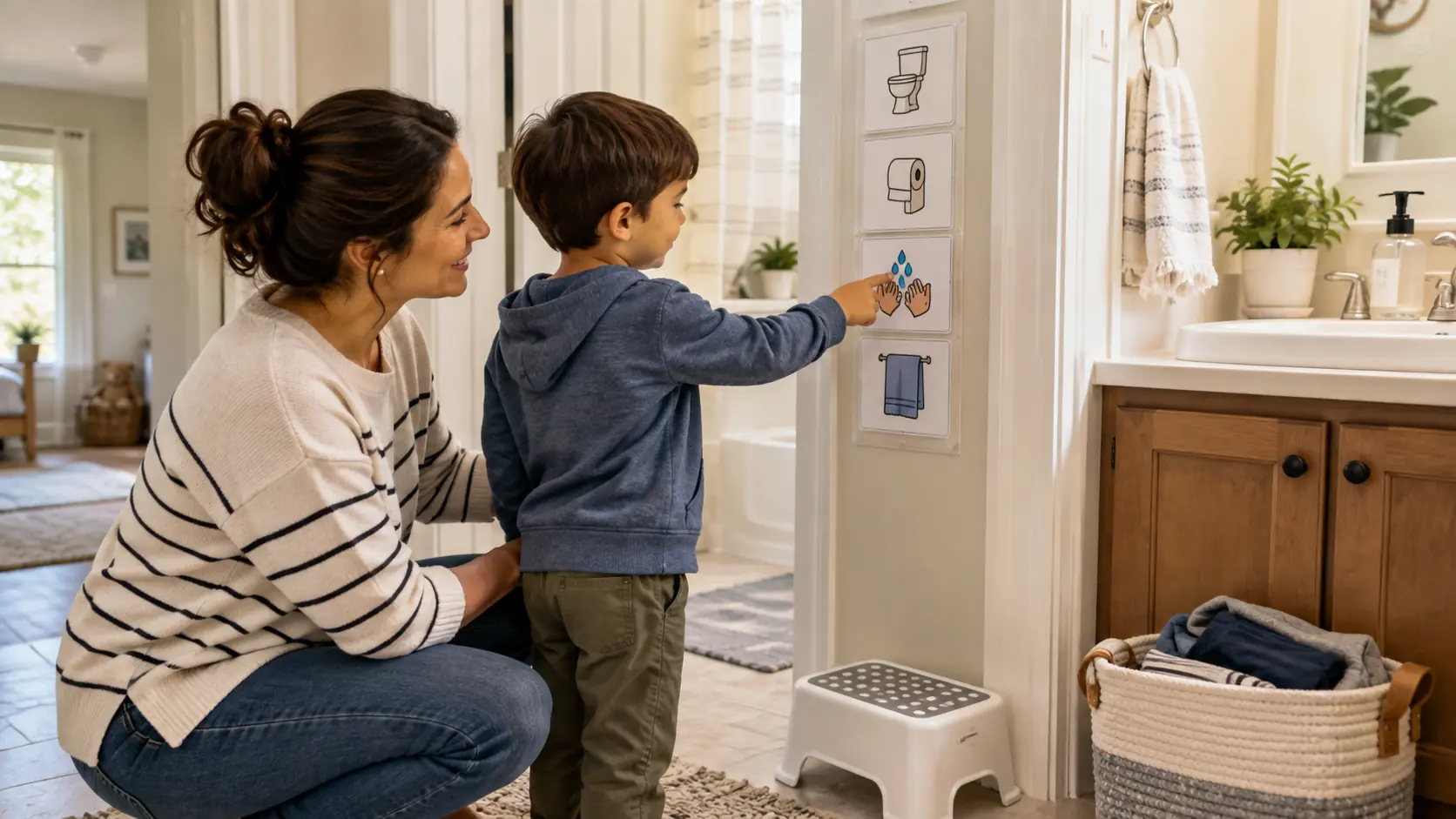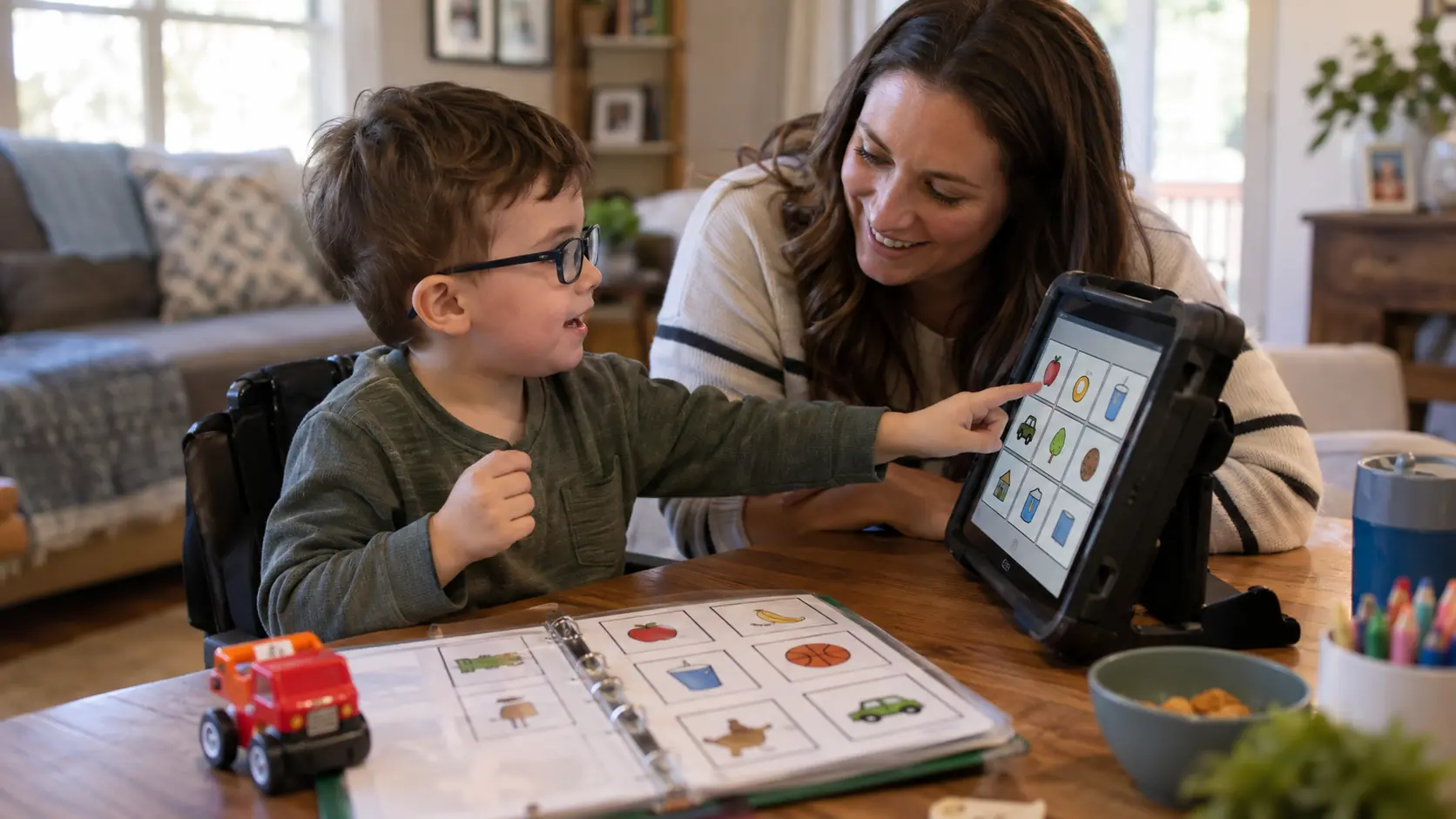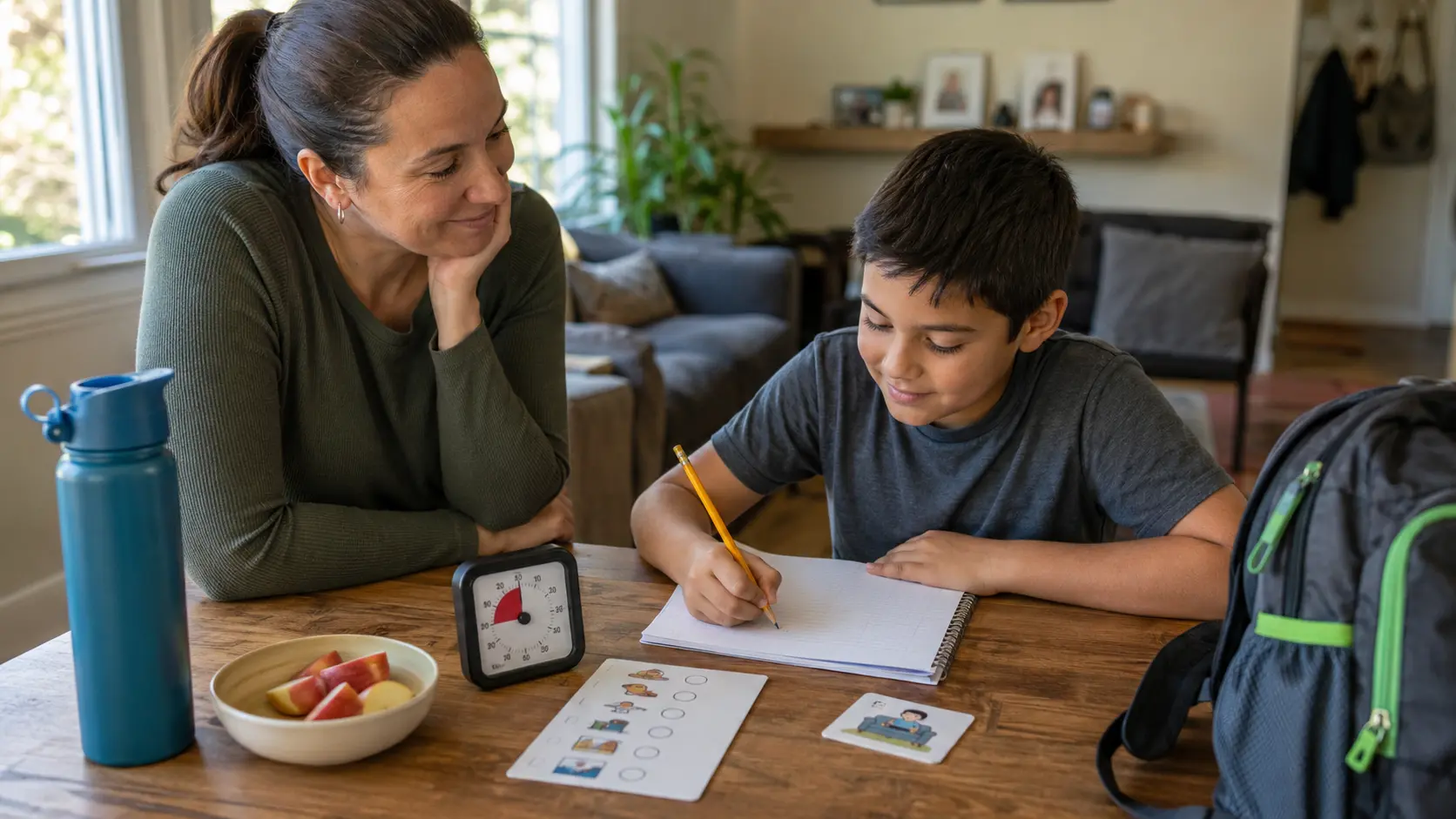
Cold-weather clothing can be harder for some autistic children to tolerate, especially when thicker fabrics, heavier coats, tighter layers, or unfamiliar textures are introduced.
Choosing sensory-friendly winter clothing for autistic children is less about finding one “perfect” garment and more about noticing what feels comfortable for your child. Understanding their preferences can make shopping, layering, and getting dressed more predictable and manageable.
Which Parts of Winter Clothing May Feel Uncomfortable
When a child refuses a coat, hat, socks, or another winter item, it can help to identify the specific feature that feels uncomfortable rather than treating all winter clothing as the problem.
Common concerns may include:
- Tags and labels: These may feel scratchy or irritating, especially around the neck.
- Seams: Sock seams, coat linings, waistbands, and sleeve seams can be uncomfortable.
- Textures: Wool, fleece, denim, or stiff linings may feel rough or unfamiliar.
- Tight areas: Cuffs, waistbands, collars, scarves, or turtlenecks may create uncomfortable pressure.
- Bulky layers: Heavy coats or several thick layers can feel restrictive.
- Fasteners: Zippers, buttons, snaps, toggles, or Velcro may be uncomfortable or difficult to manage.
- Hats and gloves: Pressure around the ears, fingers, or hands may be difficult for some children.
- Damp clothing: Wet socks, mittens, or outerwear can quickly become uncomfortable.
- Overheating: Some children may become uncomfortable when moving from cold outdoor temperatures into warm indoor spaces.
Autistic children vary. One child may dislike light touch or certain textures, while another may prefer firmer pressure or heavier fabrics. Look for patterns in the specific item, body area, texture, fit, or temperature that seems to cause difficulty.
A Note on Clothing Refusal
Not every clothing refusal is sensory-related. Fit, temperature, comfort, personal preference, or other factors may also play a role. Look for patterns rather than assuming one cause.
How to Compare Fabrics and Seams
When shopping for winter clothes, start with items your child already tolerates well. Use those as a reference when comparing new fabrics, seams, and fits.
Check the inside of the garment for:
- Seams: Are they flat or bulky, especially around the toes, shoulders, or inner legs?
- Labels: Printed or tagless labels may be easier if sewn-in tags are irritating.
- Elastic: Check cuffs, sock openings, and waistbands for tight or narrow edges.
- Zippers: Look for soft zipper guards where the zipper touches the chin or chest.
- Lining: Compare smooth, quilted, or textured interiors.
- Overlap areas: Notice where collars, cuffs, waistbands, and layers meet.
When possible, let the child touch or briefly try the item before fully committing to it. Clothing comfort varies widely between autistic individuals, so there is no single fabric or garment style that works for everyone.
If something works well, buying a similar backup may be easier than introducing several unfamiliar options. Checking the return policy can also help when trying new winter clothing.
Ways to Offer a Choice of Layers
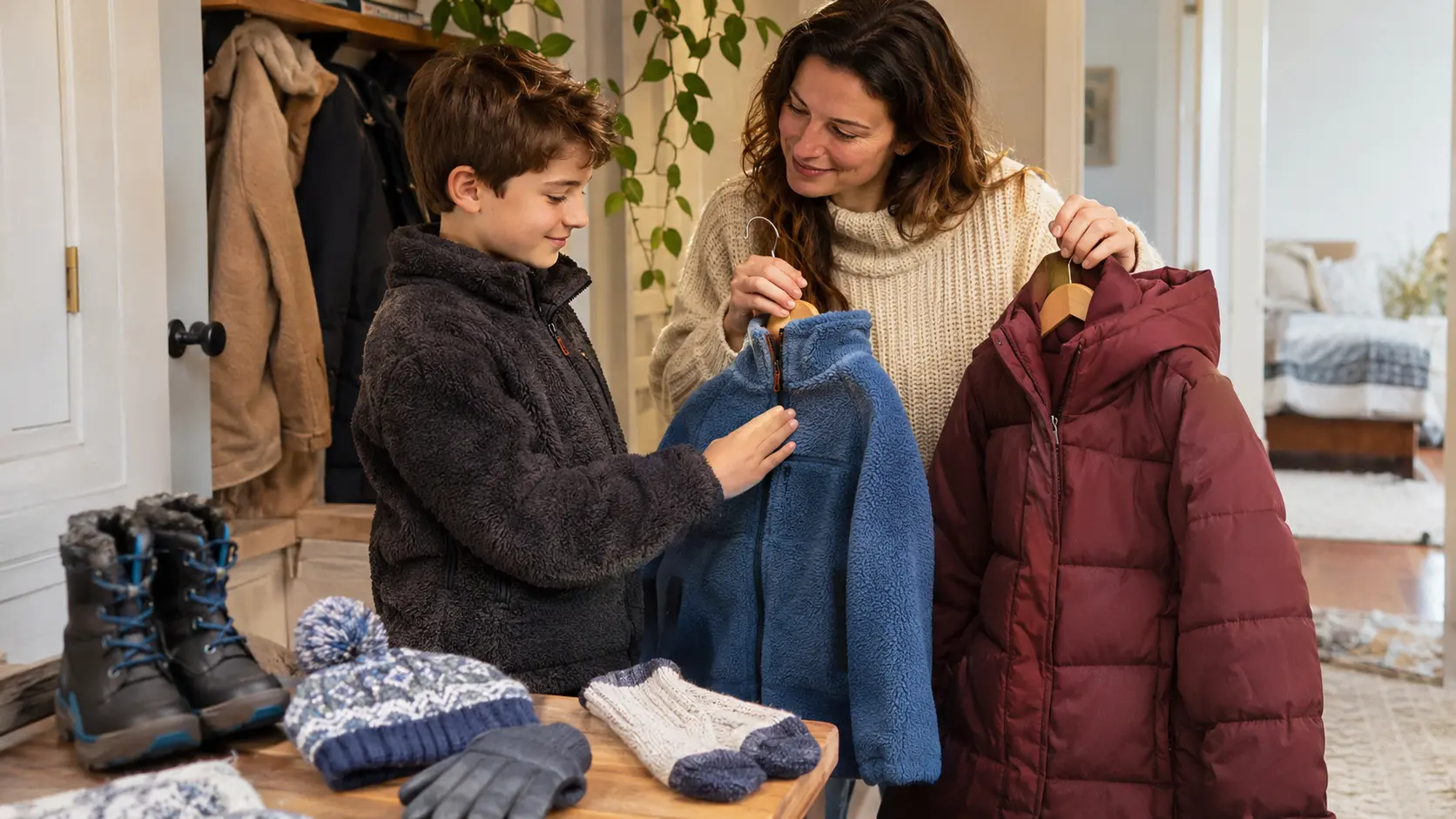
For some children, several thinner layers may feel easier to manage than one bulky coat. Layers can also be removed more easily when moving between cold outdoor spaces and warm indoor environments.
Practical options include:
- Offer a limited choice: Give two acceptable options, such as “fleece or sweater?” or “red socks or blue socks?”
- Keep familiar items available: Introduce new winter pieces gradually rather than changing everything at once.
- Plan for indoor/outdoor transitions: Make it easy to remove outer layers quickly when the child comes indoors.
- Use thinner layers when practical: A base layer, long-sleeve shirt, and light fleece may provide warmth with less bulk, depending on the weather.
Comfort should still be balanced with weather safety. Children may still need appropriate hats, gloves or mittens, and insulated footwear for cold conditions.
Car Seat Safety Note
Bulky coats can interfere with a properly fitted car-seat harness. NHTSA recommends using thin, warm layers under the harness and placing a coat or blanket over the child after buckling.
Do not loosen the harness to fit a bulky coat underneath.
How to Try New Items at Home
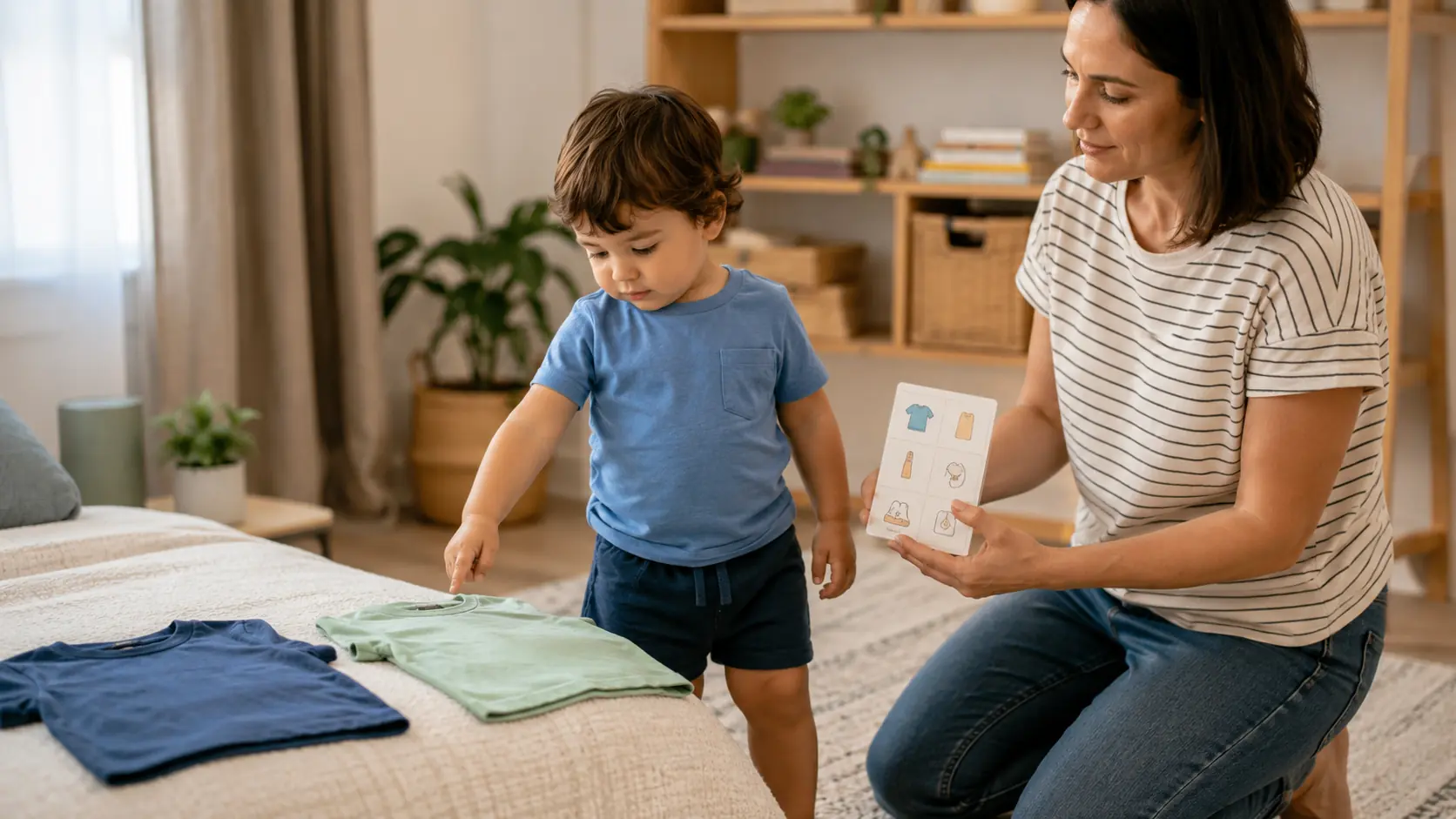
Try new winter clothing at home first, when there is no rush to leave. This makes it easier to notice what feels comfortable and what may need to change.
A few practical approaches:
- Try one item at a time: Introduce a new coat, boots, or gloves separately so it is easier to identify the source of discomfort.
- Keep the first try brief: A short trial is enough to learn whether the item feels workable.
- Notice specific reactions: Pulling at a collar, cuff, zipper, or boot may point to the exact feature causing discomfort.
- Use the child’s usual communication: Verbal language, AAC, gestures, or behavior can all provide useful feedback.
- Treat rejection as useful information: Adjust the item or try another option rather than making tolerance the goal.
If dressing routines are a broader challenge, the AtlasCare caregiver-support and daily routines guide offers additional strategies for making routines more predictable.
What to Share With School or Daycare
School or daycare staff do not need a full sensory history. They need clear, practical information about what clothing issues to watch for and what usually helps.
Share:
- Specific concerns: For example, wet socks, tight cuffs, or certain fabrics that are hard to tolerate
- Helpful adjustments: Such as removed tags, preferred fasteners, or a familiar coat style
- Backup clothing: What is packed and where it is stored
- Communication cues: How your child shows discomfort through words, AAC, gestures, or behavior
- Preferred alternatives: Any clothing option that is usually easier to tolerate
Keep the information short and easy to follow, such as a brief note or one-page summary.
Staff should still follow school or daycare weather-safety rules while using the child’s known comfortable options when possible.
A Simple Checklist for a Backup Outfit
Keep a backup outfit at school, daycare, or in an outing bag using familiar, already-tolerated clothing.
Backup Winter Outfit Checklist
- Familiar base layer or long-sleeve top
- Comfortable pants or leggings
- Extra underwear if needed
- Familiar socks
- Thin warm layer, such as a tolerated fleece or hoodie
- Hat or gloves/mittens if tolerated
- Extra dry socks or mittens
- Bag for wet or uncomfortable clothing
- Name label for school or daycare
- Regular size and seasonal check
Supporting Everyday Routines With ABA Caregiver Training
Families considering AtlasCare ABA services can learn how parent and caregiver training may support routines such as dressing and transitions.
Training is individualized and provided as part of the child’s ABA care through their BCBA.
Sources
- Kyriacou C, Forrester-Jones R, Triantafyllopoulou P. Clothes, Sensory Experiences and Autism: Is Wearing the Right Fabric Important? Journal of Autism and Developmental Disorders. 2023;53(4):1495–1508.
- https://pubmed.ncbi.nlm.nih.gov/34287735/
- Tazinaffo LS, Wolf BB, Sposito AMP. Performance of Daily Living Activities of Autistic Children With Sensory Processing Difficulties: Caregivers’ Perceptions. Occupational Therapy International. 2026;2026(1):e5556699.
- https://pubmed.ncbi.nlm.nih.gov/41882948/
- American Academy of Pediatrics / HealthyChildren.org. Playing Outside in Winter: Tips to Keep Kids Warm & Safe.
- https://www.healthychildren.org/English/safety-prevention/at-play/Pages/Winter-Safety.aspx
- National Highway Traffic Safety Administration. Keep Your Little Ones Warm and Safe in Their Car Seats.
- https://www.nhtsa.gov/keep-your-little-ones-warm-and-safe-their-car-seats
- National Autistic Society. Keeping healthy.
- https://www.autism.org.uk/advice-and-guidance/physical-health/keeping-healthy